
Review · MARDI HIMAL TREKS
Mardi Himal Trek – 8 Days | Hidden Gem of the Annapurnas
Mardi Himal is an Annapurna detour worth taking. This private 8-day trek keeps altitude moderate while still delivering big mountain views, and you go at your own pace with a guide at your side. If you want the Himalayan feeling without racing a strict schedule, this one fits.
I really like the practical, on-the-ground setup: you stay in basic but comfortable teahouses and meals are included (including breakfasts). The route also mixes forest walking with alpine terrain, so you’re not staring at mountains the whole time.
One consideration: it climbs to about 4,500 meters, so you need to take acclimatization seriously even if the trek is labeled moderate. Also, drinks aren’t included, so you’ll want to plan for that on trail.
In This Review
- Key things to know before you go
- Why Mardi Himal Fits an 8-Day Trek Schedule Better Than You Think
- Kathmandu to Pokhara: The Pre-Trek Buffer You’ll Be Glad You Had
- Kande to Australian Camp and Pothana: Forest Walking With Real Mountain Payoff
- Day 4 Through Rhododendron Forests: A Calmer Slice of the Annapurna Region
- Day 5 Above the Tree Line: Mardi Himal Views Without Needing Peak Fitness
- Day 6 Early Viewpoint and High Camp Breakfast: The Best Part Happens Before You’re Ready
- Day 7 Descent Back to Pokhara Lakeside: Less Drama, More Satisfaction
- Teahouses and Meals: Comfortable Enough, Simple by Design
- Private Guide Support: Where the Trip Becomes Easier Than the Trail
- Price and Value: What $666.67 Covers (and What It Doesn’t)
- Who This Trek Best Fits (and Who Might Want Another Route)
- Should You Book This Mardi Himal Trek?
- FAQ
- What is the maximum altitude on this Mardi Himal trek?
- How long is the trek?
- Is this trek private?
- What meals are included?
- What kind of accommodation is used?
- Do you get pickup, or do you have to meet at the start point yourself?
- What fitness level do I need?
- Is free cancellation available?
Key things to know before you go
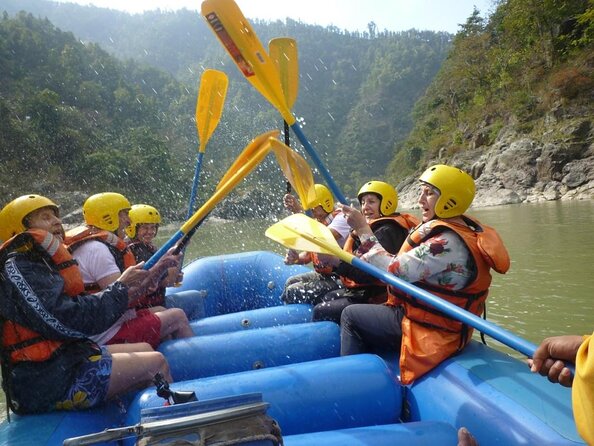
- Private pace, private group: only your group participates, so you won’t get slowed down or rushed by strangers
- Altitude stays sensible: max around 4,500 meters / 14,760 feet, with multiple days to adjust
- Meal coverage matters: breakfasts and several lunches/dinners are included, which keeps budgeting simpler
- Teahouse comfort is basic: comfortable enough for a trek, not a hotel, so pack for simple facilities
- Forest-to-alpine transition: rhododendron and tree line walking mean you’ll feel the changing altitude
- Pokhara setup reduces stress: bus to Pokhara early, then a calm Lakeside evening before the climb
More trails out of Kathmandu, boots ready
- Everest Base Camp Trek – 14 Days★ 5.0 · 1,499 reviews
- Everest Base Camp Trek★ 5.0 · 842 reviews
- Everest Base Camp Trekking★ 5.0 · 485 reviews
- Nagarkot Sunrise View and Day Hiking from Kathmandu★ 5.0 · 471 reviews
Why Mardi Himal Fits an 8-Day Trek Schedule Better Than You Think
Mardi Himal hits a sweet spot in the Annapurna region. You’re not aiming for the highest passes, but you’re still walking high enough to feel like you’ve earned those clear mountain angles. The plan is built around a gradual push upward, plus extra time to settle in rather than treating each day like a sprint.
The private format is also the real deal. When it’s just your group, you can move at a pace that matches your breathing, your footing, and your appetite. That matters on this kind of route where small choices—how fast you start, when you stop, how long you linger for photos—can make the trek feel smooth or punishing.
And if you’re coming with the wrong expectations, Mardi Himal is helpful. You’ll learn fast that this trek is about steady effort and steady views, not only a single dramatic summit moment. That’s often the difference between a trek you remember for weeks and a trek you forget by next month.
Kathmandu to Pokhara: The Pre-Trek Buffer You’ll Be Glad You Had
Day one is mostly Kathmandu reset. You arrive and transfer to your hotel, then you have time to walk around Thamel and get practical things handled—check gear, grab trekking snacks, and orient yourself. Thamel is also where you’ll hear a lot of trekking talk, but you don’t need to get overwhelmed by it. Your trek team is already there to support you.
Day two moves you toward the mountains. You take an early tourist bus from Kathmandu to Pokhara around 6:30 AM, riding along the Trishuli and Marshyangdi river routes. That long drive is not glamorous, but it serves a purpose: it reduces the number of travel days you cram right before hiking starts. By evening, you’re in Pokhara Lakeside with a walk and time to relax.
This is where you should use your brain for boring prep. Check your layers, test your daypack weight, and set out what you’ll carry the next morning. If you do that now, the trek days feel easier later.
Kande to Australian Camp and Pothana: Forest Walking With Real Mountain Payoff
On day three, you drive about 1.5 hours to Kande and start trekking through the Australian Camp and Pothana area. This segment is your transition: you leave the flatter travel world and step into the rhythm of trail.
Expect a forested path with mountain views along the way—especially of the Annapurna range and Machhapuchhre. This is a good day to practice trekking habits that keep you comfortable: start a bit slower than you think you need, keep a steady pace, and take short breaks instead of one long struggle.
The practical advantage here is that you’re not thrown into high-altitude conditions immediately. You’re building stamina while the mountain presence grows around you. It’s also where a guide really helps, because they can tell you what you’re looking at and what kind of trail character comes next.
Day 4 Through Rhododendron Forests: A Calmer Slice of the Annapurna Region
Day four leans into the quieter side of the Annapurna region. You’ll walk a quiet trail through rhododendron forests, and the whole point is to keep the trek feeling less crowded.
That matters for more than social comfort. Less foot traffic often means fewer interruptions and less jostling at viewpoints. On a moderate trek, small distractions add up. A calmer day helps you focus on breath, footing, and pacing.
Rhododendron season can make this kind of forest especially pretty, but even without specific blooms, the forest still does its job: it shades you when the light is harsh and gives the trail a gentler feel than open, exposed paths. If you’re the type who gets distracted easily, this day is a nice reset.
Day 5 Above the Tree Line: Mardi Himal Views Without Needing Peak Fitness
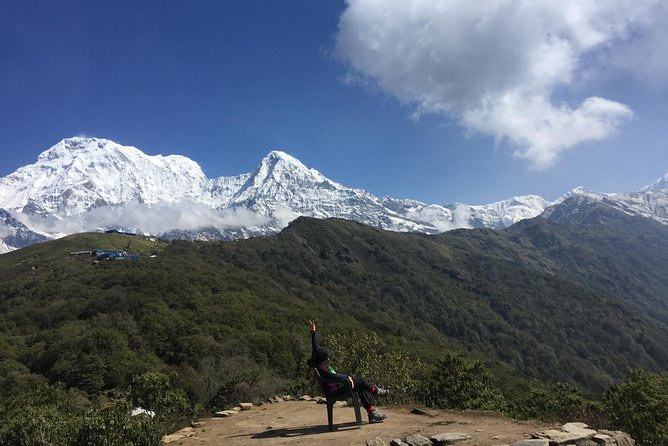
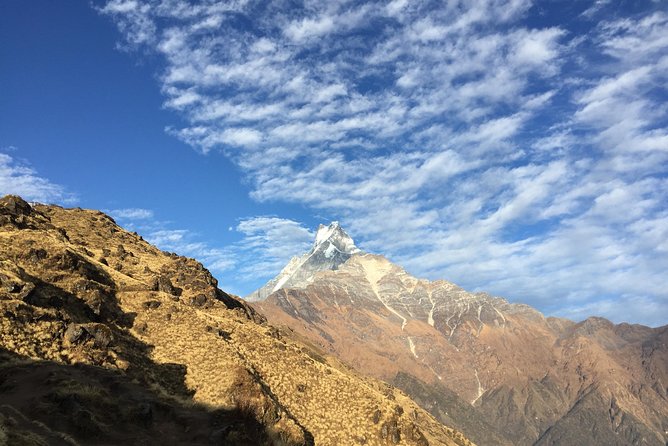
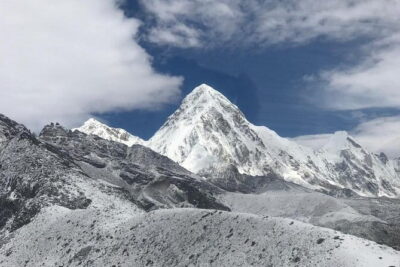
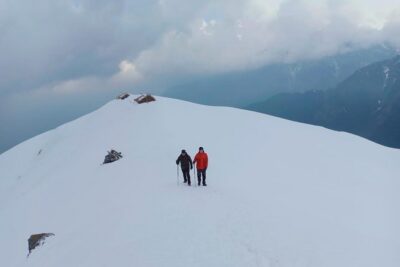
This is the day that raises the altitude stakes. You’ll gradually ascend with big views of Mardi Himal and Machhapuchhre, and you’ll also spend time above the tree line with alpine terrain.
Above the tree line changes the trek immediately. You get less shelter, and the sky takes over. Even if the trek is labeled moderate, you can feel the difference in how your body responds when the air thins. This is where acclimatization time earns its keep, and why that slow, steady ascent style matters.
You’ll be looking up more often now, but don’t forget to look down. Alpine terrain can be deceptively tricky underfoot, especially when you’re tired. If you feel your pace slipping, don’t force it. Take a break, drink, and regroup. The tour is designed for you to take breaks as needed rather than maintaining a military schedule.
Day 6 Early Viewpoint and High Camp Breakfast: The Best Part Happens Before You’re Ready
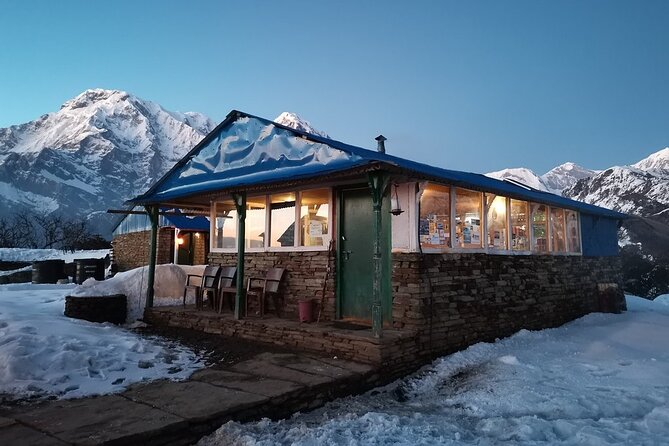
Day six starts with an early hike to a viewpoint. The payoff is described in terms of panoramic views—Annapurna South, Hiunchuli, and Machhapuchhre.
Early mornings are the hardest type of effort only because your body hasn’t fully warmed up yet. But they’re also a gift because the air can feel clearer, and you get a better chance at strong mountain visibility. Plan to keep breakfast in mind as fuel, not as a reward.
After the viewpoint, you return to High Camp for breakfast and rest. That’s a smart rhythm: you’re pushing out for views, then you give your body a proper recovery window. This is also an opportunity to check in with how you’re feeling. If you’re even slightly off-balance, a guide can help you adjust your pace and timing for the rest of the descent day.
Day 7 Descent Back to Pokhara Lakeside: Less Drama, More Satisfaction
Day seven is a final descent through forest and small settlements. This is a different kind of work. Climbing burns your legs in one way; descending asks for careful steps and steady control, especially when the trail feels uneven.
Still, the mood is usually better on descent. You’re moving toward comfort and you can stop treating every step like a negotiation with gravity. As you descend, you’ll also see more signs of human life—small settlements along the route—so the trek starts to feel grounded again.
By the end of the day, you drive back to Pokhara and have a free evening at Lakeside. This is not just downtime. It’s where you let your legs cool down, hydrate, and think about what you want to do in Kathmandu afterward. If you’d like a relaxed walk, Pokhara Lakeside is an easy choice.
Teahouses and Meals: Comfortable Enough, Simple by Design
This trek uses basic but comfortable teahouses, with breakfasts included. The included meals are clearly set: 7 breakfasts, 5 lunches, and 5 dinners. Drinks are not included, so plan on paying for water, tea, or other beverages separately at the lodges.
What you should expect from teahouse trekking in Nepal is not hotel service. It’s functional, warm enough for trekking life, and designed for travelers who prioritize location, food, and sleep over luxury. If you go in with that mindset, you’ll feel like the setup is smooth rather than disappointing.
Also, because meals are handled, you avoid one of the biggest stress points in trekking: wondering where you’ll eat and whether there’s enough food. That’s a major value piece for this style of private trek.
Private Guide Support: Where the Trip Becomes Easier Than the Trail
You get a private trek, and the guide is there to support you and explain nature and culture along the route. That sounds standard until you’re actually on the trail and realize how much easier it is when you’re not guessing what you’re looking at.
From the way the operator communicates and organizes, the biggest advantage is peace of mind. Past experiences with this team emphasize that everything gets handled in advance—tea houses, pacing, and logistics—so you spend your energy trekking, not troubleshooting. And there’s also a strong thread of reassurance for solo travelers, including women, with a focus on feeling safe and taken care of.
One name that shows up in support communication is Sobit Gurung. Even when you’re not trekking with the same person every minute, having a team that answers questions quickly and stays organized makes a big difference when plans need small tweaks.
Price and Value: What $666.67 Covers (and What It Doesn’t)
At $666.67 per person for an 8-day private trek, you’re paying for more than walking. You’re paying for coordination: transfers between Kathmandu and Pokhara, the trek support, and the included meal plan across the days.
The value is strongest if you hate logistics. If you’d rather not arrange your own teahouse bookings, coordinate guides, and figure out how the trek runs day to day, this private structure does that work for you. That’s also why solo travelers often appreciate private tours here. You’re not trying to assemble a puzzle in a country where your spare time is limited.
What isn’t included is also part of the value equation. Drinks aren’t included, so you’ll still have on-trail purchases. If you drink a lot of tea or water beyond basics, budget for it. But compared to many trekking styles where meals are piecemeal, the included breakfast/lunch/dinner structure makes budgeting simpler.
Who This Trek Best Fits (and Who Might Want Another Route)
This is a strong choice for people with moderate physical fitness who want a manageable altitude ceiling and a trek that doesn’t feel rushed. You’ll likely enjoy it if you:
- want big Annapurna region views without going extremely high
- like the idea of teahouse trekking with real rest days built in
- prefer private pacing and support rather than a large group march
- value flexible adjustments so your body sets the speed
You might consider a different trek if you want a very long trek day every day, or if you’re looking for a trip where meals and drinks are fully included. This is moderate, but it’s still trekking, not a sightseeing walk.
Should You Book This Mardi Himal Trek?
If your goal is an Annapurna trek that feels like a calm adventure with meaningful mountain views, I’d put this on your shortlist. The private structure is a big practical win, and the altitude cap around 4,500 meters keeps it approachable without stripping away the alpine experience.
Book it if you want:
- a guided, paced plan that doesn’t overwhelm you
- included breakfasts and most meals, so the trek runs smoother day to day
- a route that moves from forest to above tree line, with viewpoints planned early enough to matter
Hold off if you know you need drinks fully included, or if you’re allergic to early starts. A viewpoint hike that happens early is part of the design here, and it’s not optional in the spirit of the trek.
FAQ
What is the maximum altitude on this Mardi Himal trek?
The trek reaches a maximum altitude of about 4,500 meters (14,760 feet).
How long is the trek?
The total experience is about 8 days.
Is this trek private?
Yes. It’s a private tour/activity, and only your group participates.
What meals are included?
Breakfast is included for 7 days, lunch for 5 days, and dinner for 5 days. Drinks are not included.
What kind of accommodation is used?
You stay in basic but comfortable teahouses during the trekking days.
Do you get pickup, or do you have to meet at the start point yourself?
Pickup is offered, and the start time is listed as 6:15 AM at the meeting point.
What fitness level do I need?
The guidance is for travelers with moderate physical fitness.
Is free cancellation available?
Yes. You can cancel up to 24 hours in advance for a full refund. If you cancel less than 24 hours before the start time, the amount paid is not refunded.
More Trekking Out of Kathmandu

More Tour Reviews in Kathmandu
Just Reviewed in Kathmandu
- Mountain Bike Tour
★ 5.0 · 3 reviews - Annapurna Panaroma
★ 5.0 · 3 reviews - Mount Everest Scenic Flight 50 Minutes
★ 5.0 · 3 reviews - Kathmandu : Swambhunath & Durbar Square Guided Half Day Tour
★ 3.3 · 3 reviews - Chandragiri Cable Car & Monkey Temple Tour – Private/Group
★ 5.0 · 3 reviews - Kathmandu: Shivapuri National Park Hiking Day Trip
★ 3.3 · 3 reviews
Mardi Himal Treks, compared.
 ★ 5.0Mardi Himal TrekFrom $1,05841 reviews
 ★ 5.0Mardi Himal Trek NepalFrom $75029 reviews
 ★ 5.0Mardi Himal Base Camp Trek -9 DaysFrom $90018 reviews
★ 5.0Mardi Himal TrekFrom $82113 reviews
★ 5.0Mardi Himal Base Camp Trek -9 DaysFrom $90018 reviews
★ 5.0Mardi Himal TrekFrom $82113 reviews
 ★ 5.0Mardi Himal TrekkingFrom $86613 reviews
 ★ 5.0Mardi Himal Trek – 12 DaysFrom $98012 reviews
★ 5.0Mardi Himal TrekFrom $5109 reviews
★ 5.0Mardi Himal Trek – 12 DaysFrom $98012 reviews
★ 5.0Mardi Himal TrekFrom $5109 reviews
 ★ 5.04 Days Mardi Himal Base Camp Trek – 4500 MetersFrom $2609 reviews
Browse the lists this tour appears in