
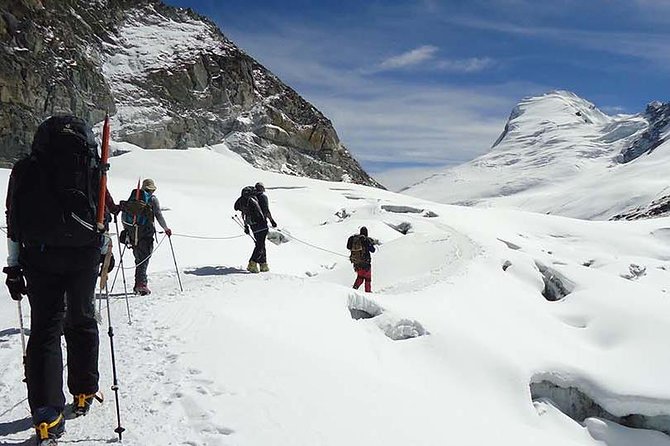
Review · PEAK CLIMBING & EXPEDITIONS
Mera Peak Climbing
6,476m is a very specific kind of dream. This Mera Peak climb starts with a quick Lukla flight from Kathmandu, then settles into a teahouse trek where camping kicks in only when the climbing begins. You’ll also get Sherpa culture and Khumbu-edge scenery that you won’t see on the most crowded routes.
What I like most is how the climb is built for real-world learning, not just motion. You get an English-speaking trekking guide plus a well experienced ice climbing guide, and the summit goal is framed around giant 8,000m-name views like Everest, Lhotse, Cho Oyu, Makalu, and Kanchenjunga.
One thing to think about: you’ll need strong physical fitness, and you also have to plan for gear, insurance, and rescue costs that aren’t included.
In This Review
- Key points before you go
- Why Mera Peak makes sense for a first real climb
- Kathmandu to Lukla: the trip’s pacing starts with that flight
- The teahouse trekking days: Sherpa culture and Khumbu-edge scenery
- Acclimatization is the real itinerary work, not just a buzzword
- The climbing portion: what the included gear actually buys you
- Summit goals: why Everest-range names matter
- Price and logistics: is $2,974.36 a good deal?
- Your team matters: English guides, transparent handling, and teamwork
- What you’ll still need to handle yourself
- Who should book this Mera Peak climb
- Should you book this 18-day Mera Peak climb?
- FAQ
- How long is the Mera Peak climbing trip?
- Where does the experience start and end?
- Does the trip include a flight to the trekking area?
- What altitude is Mera Peak?
- Is this a teahouse trek or camping trek?
- What’s included in the price?
- What is not included?
- What’s the maximum group size?
Key points before you go
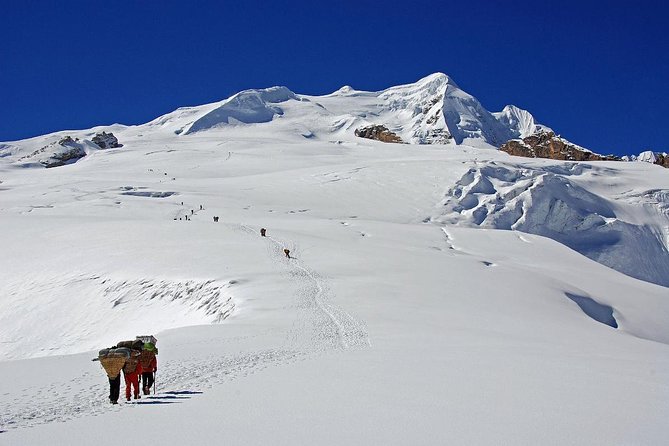
- Lukla starts it fast: a short flight from Kathmandu cuts down the time to reach the trek.
- Teahouses first, camping later: you sleep in lodges on most days, then switch to camping during the climb.
- Summit motivation is crystal clear: Everest-range panorama is the main payoff.
- Your safety net is set up early: ropes, harnesses, ice axes, and an ice climbing guide are included.
- Small group size: maximum 15 travelers means more manageable pacing and teamwork.
Not sure yet? Here are other Kathmandu tours worth a side-by-side look.
- Everest Base Camp Trek – 14 Days★ 5.0 · 1,499 reviews
- Everest Base Camp Trek★ 5.0 · 842 reviews
- Private Kathmandu Sightseeing Tour | UNESCO World Heritage sites★ 5.0 · 756 reviews
- Kathmandu: 7 UNESCO Sites with Lunch★ 4.8 · 744 reviews
Why Mera Peak makes sense for a first real climb
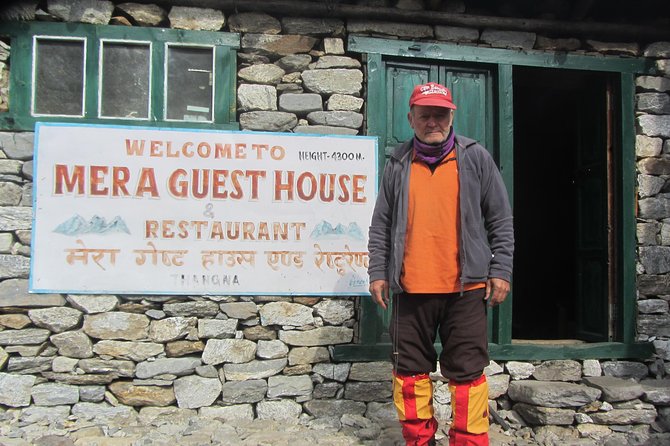
Mera Peak sits at 6,476 m in Nepal’s Khumbu region, and it’s popular with people who want the high-altitude thrill without starting from zero. The trip is positioned as an excellent first peak for those without climbing experience, as long as you take acclimatization and training seriously.
That part matters. Even if the route is described as a clear-cut climb, the altitude is what punishes mistakes. You’re trekking higher into a remote valley, following rivers toward glacial terrain, and the body has to adapt step by step. This is the kind of climb where you’ll be glad the plan treats acclimatization as the main event, not an afterthought.
If you want a climb that mixes effort, instruction, and an epic summit view, this is built for that exact mix: trek energy first, climbing skills second, then a summit goal focused on 8,000m neighbors.
Kathmandu to Lukla: the trip’s pacing starts with that flight
You’ll begin in Kathmandu, with airport pickup and drop included. The package also includes 4 nights hotel in Kathmandu, which is a big deal for people who arrive tired or stressed. You get time to settle, review your gear, and get your bearings before you leave for the mountains.
Then comes the logistical hinge of the whole adventure: you fly to Lukla from Kathmandu. The flight time is described as about 30 minutes, and that short hop is what changes the shape of the trek. Instead of spending days just reaching the start of the real climb, you move quickly into the Khumbu rhythm.
Once you’re in the trek system, the support becomes more hands-on. An experienced English-speaking trekking guide runs the show, and porters carry your luggage. That means you can focus on your breathing, your steps, and keeping your energy steady while the days stack up.
The teahouse trekking days: Sherpa culture and Khumbu-edge scenery
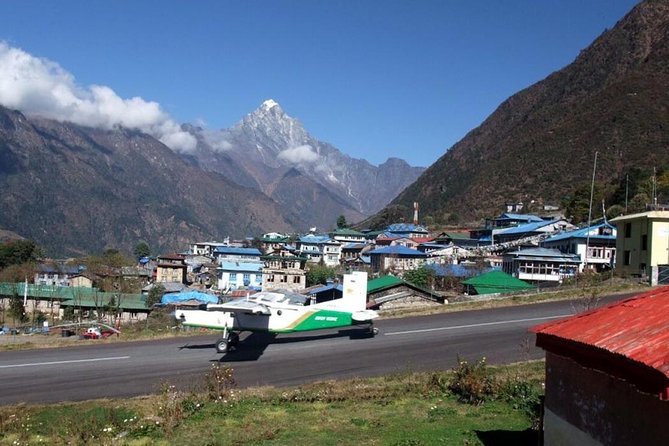
This is a teahouse trek, meaning you’ll be sleeping and eating in lodges for the trekking portion. Camping is saved for the climb itself, which is a practical choice. It keeps your nights more stable while you’re still building altitude tolerance and trying to recover between days.
One of the strongest selling points is cultural and regional. The route is described as giving you rich Sherpa culture and heritage, along with impressive sights at the edge of the Khumbu region, where fewer tourists tend to go. In other words, you’re not just chasing altitude; you’re moving through real mountain communities and a landscape shaped by high-country life.
The natural setting is also described in very physical terms: terraced grasslands, impenetrable forest, fast tributaries, and yak pastures. Even without a day-by-day stop list, that’s a clear clue about what kind of trek you’re signing up for. You should expect variety in terrain and lots of time outside, with the views gradually opening as you gain elevation.
Acclimatization is the real itinerary work, not just a buzzword
At Mera Peak, acclimatization isn’t optional. The plan explicitly flags it as crucial, because you’ll be moving from trekking into higher, colder terrain where your breathing and sleep can change fast.
The trek follows the river up toward glaciers, and that gradual elevation gain is part of how the body learns to cope. This isn’t a sprint trek. You’re building altitude tolerance while still walking enough to feel like you’re progressing toward the climb.
Also notice how the experience is split into two modes:
- Trekking mode: teahouses for most days, full board meals, guide-led pacing.
- Climbing mode: camping only during the climb, where the cold and conditions matter more.
That transition is where people usually feel the biggest difference, because it’s when you stop “just trekking” and start living like climbers do. If you take the acclimatization days seriously and don’t treat them as sightseeing breaks, you’ll be setting yourself up for a smoother summit push.




The climbing portion: what the included gear actually buys you
Once the trek turns into climbing, you’re not just getting a helmet and hope. You get group climbing gear fixed rope, main rope, ice axe, harness, figure of eight, and carabineer, plus other climbing support items listed in the package.
This is one of the best value points in the whole experience. If you’ve ever priced out gear rentals or figured out what you still need to buy for a basic climbing setup, you know the cost can creep upward quickly. Here, the core group climbing gear is included, which means you can spend more time focusing on technique instead of shopping.
You also get a well experienced ice climbing guide whose service charge, insurance, food, and personal equipment are included. That matters because technique on ice is its own world. Even if Mera Peak is often described as a good starter high peak, the ice work still requires coaching and confidence, not guesswork.
During the climb, you’ll be camping, which changes the feel of your whole day. You’ll want to be comfortable with cold-weather routines, using your systems well, and following the guide’s instructions carefully.
Summit goals: why Everest-range names matter
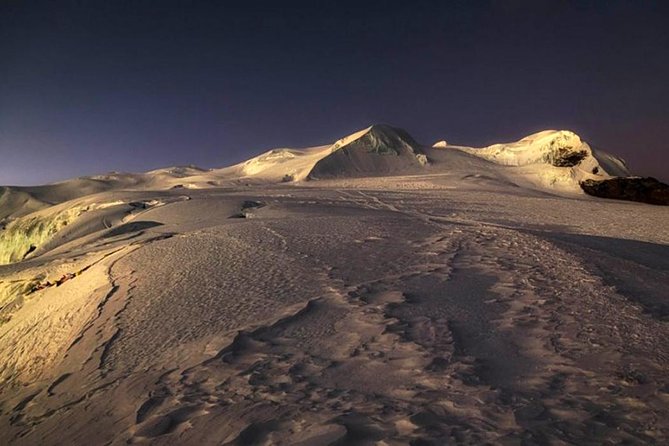
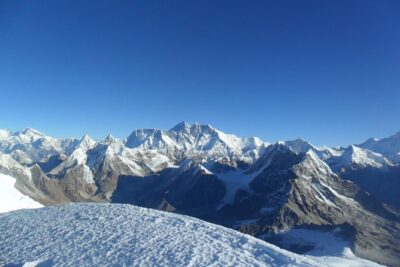
Mera Peak is famous because the summit views hit like a greatest-hits album. The plan highlights over-8000-meter mountains in the views, including:
- Mt. Everest (8,848 m)
- Mt. Lhotse (8,516 m)
- Mt. Cho Oyu (8,201 m)
- Mt. Makalu (8,463 m)
- Mt. Kanchenjunga (8,586 m)
If you’re wondering why people pay for this climb, that’s your answer. You’re not climbing just to say you reached a high point. You’re climbing for a summit perspective on the biggest names in the Himalaya.
And there’s a nice practical angle to this. When a trip has a clear summit motivation like this, it helps you understand how to train and prepare. You know what you’re reaching for, and you can align your pacing on the trekking days to make that last push realistic.
Price and logistics: is $2,974.36 a good deal?
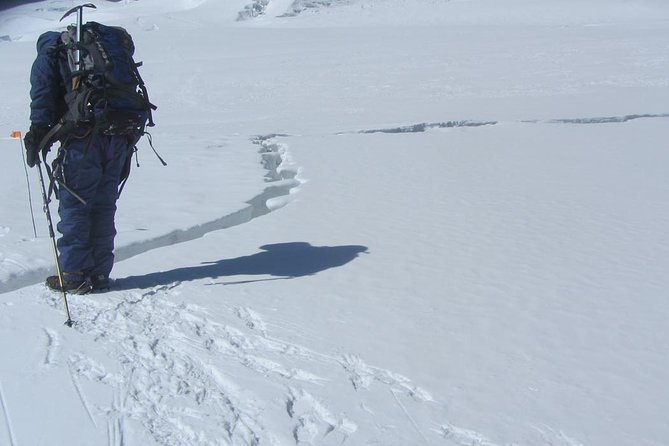
At $2,974.36 per person, this is not a budget trek. But it also isn’t just you walking around with a guide and a prayer.
Here’s what’s included that really changes the economics:
- 4 nights hotel in Kathmandu
- Airport pickup and drop
- Domestic flights
- Full board during the trek
- All accommodation during the trek
- Camping equipment
- An English-speaking trekking guide plus porters
- Ice climbing guide services (with listed insurance, food, and personal equipment)
- Climbing gear for the group (ropes, ice axe, harness, and key safety hardware)
- Permits and park fees (including peak permit royalty and national park fees)
- A medical kit
- VAT and service charges
- Farewell dinner
- A trekking map plus a duffel bag and t-shirt
Then look at what’s not included:
- Nepalese visa fee
- International flights to and from Kathmandu
- Travel insurance and rescue costs
- Lunch and evening meals in Kathmandu
- Extra nights if you need them
- Personal expenses
- Personal trekking and climbing gear
- Tips for guides and porters
- Excess baggage charges
So the value depends on what you’d otherwise have to pay yourself. If you’re coming from outside Nepal and you need international flights and insurance anyway, the package price may look higher because those items aren’t wrapped into it. But the trek itself is doing a lot of work: guides, gear, permits, meals, flights, and key training support are covered.
My take: this price makes sense if you want one organized system, with climbing support built in, and you don’t want to assemble the puzzle yourself.
Your team matters: English guides, transparent handling, and teamwork
A big part of why these climbs go smoothly is how the team communicates under stress.
In one highlighted experience, Aakash Gurung was described as professional and transparent about the terms and conditions of the Mera Peak climbing. There was also a mistake mentioned in a WhatsApp message, but the key detail is that his team honored the word anyway. That’s the kind of reliability you want when plans can shift and clarity matters.
Another guide, Ramesh, was praised for organizing a climbing trek in a reliable way. Importantly, the same account mentions a route shift that went via Amphu-Laptsa Pass to Island Peak after an original intent toward Mera Peak. Even if you’re focused on Mera Peak itself, that example is useful: it shows the operator’s team can handle real decisions on route planning and keep things coordinated.
Across these notes, one pattern repeats: success isn’t only about strength. It’s about communication and teamwork, with enough structure that you don’t waste energy second-guessing.
For you, that translates into something practical: you’ll want to show up willing to follow instructions, ask questions early, and keep your group pacing aligned. When the team is strong, the climb feels less like chaos and more like a controlled challenge.
What you’ll still need to handle yourself
Even with a lot included, you still have responsibilities.
You’ll need to bring personal trekking and climbing gear, because it’s not listed as included. You’ll also want your own cold-weather clothing plan, your own basics for hygiene and comfort, and the gear you trust for your body.
Also, travel insurance and rescue costs aren’t included. For high-altitude trekking and climbing, I strongly recommend you don’t wait until the last minute to sort this out. Even if you’re fit and careful, accidents can still happen anywhere in the mountains.
Finally, tipping for guides and porters isn’t included. It’s a personal choice, but plan for it.
Who should book this Mera Peak climb
This trip fits best if you:
- Want Everest-range summit views as the central goal
- Prefer a teahouse trek for most days, with camping reserved for the climb
- Are excited by Sherpa culture and want to spend time in communities in the Khumbu region edge
- Have strong fitness and are ready for altitude work and a serious day-to-day routine
- Like the idea of organized climbing support, including an ice climbing guide and provided climbing hardware
It might be less ideal if you:
- Don’t have the physical conditioning required for high-altitude trekking and climbing
- Want everything including international flights and rescue/insurance bundled into one price
- Are hoping for a purely non-technical hike with no ice climbing component
Should you book this 18-day Mera Peak climb?
If your dream includes a real high-peak summit and you like the idea of training and safety structure, this is a strong contender. The big reason is clarity: teahouse trekking first, acclimatization treated as crucial, then a properly guided shift into climbing with included ropes and safety gear.
I’d book this if you’re the kind of traveler who takes preparation seriously and wants a guided route that aims for the big views of Everest and its neighbors. I’d think twice if you’re short on fitness or you prefer to handle fewer moving parts yourself, because you still need personal gear and you’re responsible for travel insurance and rescue costs.
Bottom line: for a well-supported first high peak with serious skyline payoff, it’s easy to see why this climb stays on people’s lists.
FAQ
How long is the Mera Peak climbing trip?
The duration is listed as 18 days (approx.).
Where does the experience start and end?
It starts and ends back at the meeting point at Nepal Mountain Trekkers, Pyramid Galli, Kathmandu 44600, Nepal.
Does the trip include a flight to the trekking area?
Yes. It includes domestic flights, and it’s noted that the climb commences from Lukla, which is about a 30-minute flight from Kathmandu.
What altitude is Mera Peak?
Mera Peak is listed at 6,476 m.
Is this a teahouse trek or camping trek?
It’s described as a teahouse trek, with camping only during the climb.
What’s included in the price?
The included items list airport pickup and drop, 4 nights hotel in Kathmandu, all accommodation and meals during the trek (full board), domestic flights, a professional English-speaking trekking guide with porters, an ice climbing guide, climbing gear, camping equipment, permits/royalties/park fees, and a medical kit, plus a farewell dinner.
What is not included?
Not included are the Nepalese visa fee, international airfare to and from Kathmandu, travel insurance and rescue cost, meals in Kathmandu (lunch and evening meals), extra nights in Kathmandu, personal expenses, personal trekking and climbing gear, and tips for guides and porters.
What’s the maximum group size?
The tour/activity lists a maximum of 15 travelers.
More Tour Reviews in Kathmandu






Just Reviewed in Kathmandu
- Mountain Bike Tour
★ 5.0 · 3 reviews - Annapurna Panaroma
★ 5.0 · 3 reviews - Mount Everest Scenic Flight 50 Minutes
★ 5.0 · 3 reviews - Kathmandu : Swambhunath & Durbar Square Guided Half Day Tour
★ 3.3 · 3 reviews - Chandragiri Cable Car & Monkey Temple Tour – Private/Group
★ 5.0 · 3 reviews - Kathmandu: Shivapuri National Park Hiking Day Trip
★ 3.3 · 3 reviews
Peak Climbing & Expeditions, compared.
 ★ 5.0Mera Peak ClimbingFrom $3,00033 reviews
 ★ 5.0Everest Base Camp Trek with Island Peak ClimbingFrom $3,30014 reviews
★ 5.0Mera Peak ClimbingFrom $1,1998 reviews
 ★ 5.0Pikey Peak TrekFrom $8998 reviews
 ★ 5.0Mera Peak Expedition – 20 DaysFrom $3,3007 reviews
Mera Peak ClimbingFrom $2,7506 reviews
 ★ 5.0Pikey Peak TrekkingFrom $1,4355 reviews
 ★ 5.0Island Peak Climbing with Everest Base CampFrom $2,8995 reviews
Browse the lists this tour appears in