
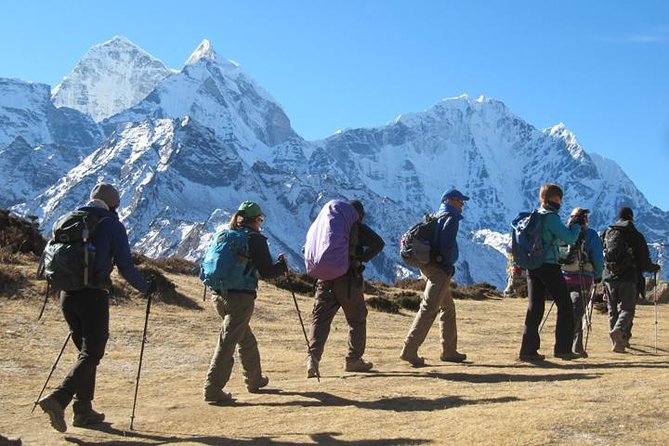
Review · EVEREST BASE CAMP TREKS
Mt. Everest Base Camp Trek Nepal – 16 Days
Everest felt real after the Lukla flight. This 16-day private Everest Base Camp trek is built like a full package: airport pickup, Kathmandu–Lukla flights, permits, guide + porter, teahouse stays, and meals. I especially liked the included gear (sleeping bag, duffle bag, down jacket, trekking poles) and the fact that the Everest logistics are handled for you end-to-end. The main drawback? Lukla is weather-prone, so the flight can delay or cancel, and you may need to budget for spare days if a helicopter is required.
What makes this trek feel human is the Sherpa focus. You’re not just “walking to a view.” You pass Sherpa villages, you see monasteries and prayer walls, and you get a real cultural warm-up in Kathmandu with a welcome dinner that includes cultural programs. In customer stories I’ve heard, guides like Hari and an operator team led by Naba keep the plan organized, even when Nepal throws curveballs.
The pacing also matters. You get acclimatization time in Namche Bazaar and a full rest day at Dingboche, which helps a lot when your lungs are working on “thin air math.” If you’re expecting a hard-core mountaineering challenge with technical gear, this isn’t that. It’s a trek. You still need strong basic fitness.
In This Review
- Key highlights worth your attention
- Why this Everest Base Camp trek feels practical (not just scenic)
- Kathmandu setup: airport pickup, hotel briefing, and a welcome dinner with culture
- Lukla flights: the thrilling part, plus the reality check
- Day-to-day trail feel: Phakding to Namche Bazaar
- Namche acclimatization day: museums, markets, and Everest View Hotel options
- Tengboche monastery day: forests, prayer walls, and big mountain reveals
- Dingboche and Chukung: the rest day that pays back later
- Lobuche to Gorakshep: early starts, windy trails, and memorial gravity
- Kala Patthar: why people wake up when it’s still dark
- Coming back down: Tyangboche to Namche, then Lukla
- Kathmandu again: flight buffering, Thamel time, and a farewell dinner
- Included gear vs what you still need to bring
- Price and value: what you pay for, and what’s on you
- Fitness level and altitude reality
- Should you book this Everest Base Camp trek?
Key highlights worth your attention
- Included trekking kit: sleeping bag, down jacket, duffle bag, trekking poles
- Private group style: only your group participates
- Guided, permit-covered plan: guide + Sherpa porter plus permits and fees handled
- Real altitude breaks: Namche acclimatization day and Dingboche rest day
- Everest viewpoints on purpose: Everest Base Camp day plus the Kala Patthar climb for the big photo angle
More trails out of Kathmandu, boots ready
- Everest Base Camp Trek – 14 Days★ 5.0 · 1,499 reviews
- Everest Base Camp Trek★ 5.0 · 842 reviews
- Everest Base Camp Trekking★ 5.0 · 485 reviews
- Nagarkot Sunrise View and Day Hiking from Kathmandu★ 5.0 · 471 reviews
Why this Everest Base Camp trek feels practical (not just scenic)
Everest Base Camp is famous for a reason, but the real magic is how the trek layers the experience. You go from crowded Kathmandu energy to small Sherpa settlements that feel almost self-contained. The trail shape is what teaches you the mountains: short climbs, long days, and sudden moments where a peak simply appears like it’s been waiting for you.
This specific tour is interesting because it’s all-inclusive in the places that usually cause stress: flights to Lukla, permits, guide/porter, and teahouse lodging. That means you’re spending your mental energy on your pack weight, your water plan, and your breathing—not on figuring out who handles what at 4,000 meters.
It’s still a trek with real altitude. So the value is not “easy.” The value is “supported.” Your day plan is clear, your meals are covered on the trek, and your team (guide + porter) exists for the hard parts of logistics and timing.
Kathmandu setup: airport pickup, hotel briefing, and a welcome dinner with culture
Day 1 starts in Kathmandu with a clean, low-friction arrival flow. After landing at Tribhuvan International Airport, an agent greets you by name and transfers you into the city. Then you get refreshed and get a briefing in the hotel lobby so you know what’s coming next (and what to pack, what to expect, and how to organize yourself before the trek).
In the evening, you’re taken to a welcome dinner at a typical Nepalese restaurant with cultural programs. It’s a good way to loosen up after travel and get a sense of local life without rushing into sightseeing fatigue.
In terms of comfort and value, this city prep matters. Everest treks often go sideways when people arrive stressed, jet-lagged, and unprepared. Here, you’re given time to settle and understand the plan before you ever head toward the hills.
Lukla flights: the thrilling part, plus the reality check
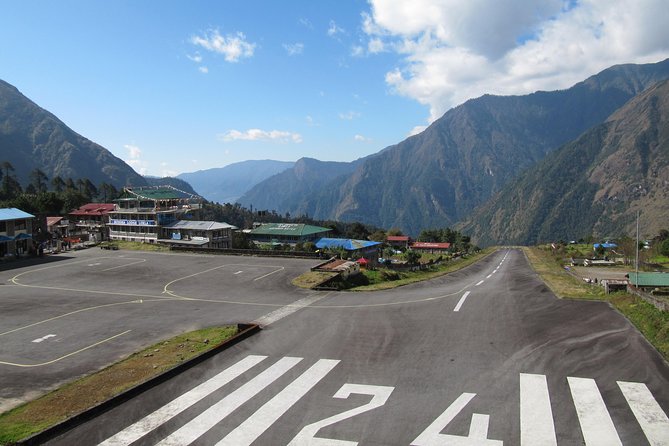
You fly early from Kathmandu to Lukla, at about 2,800 m / 9,186 ft, and the flight is part scenic show, part logistics test. Once you land, luggage is handled by droghers (porters) and you start your trek with less to juggle right away.
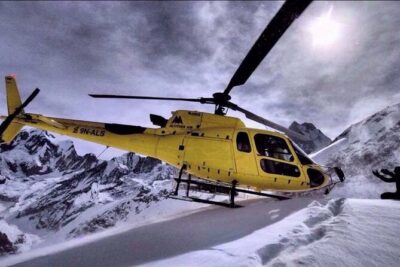
But you also need to plan like a grown-up about Lukla. This itinerary explicitly warns you that weather or technical issues can delay or cancel the Lukla flight. If that happens, the operator tries to shift you to another similar airline based on seat availability. If you can’t fly, helicopter lift is possible, but it’s an extra cost (roughly $500–$600 per person sharing or about $2,500 total if not sharing, each way).
My advice: don’t treat this trek like it’s on rails. Keep a buffer day if you can. It’s not gloom—it’s smart planning for the best-known alpine region in the world.
Day-to-day trail feel: Phakding to Namche Bazaar
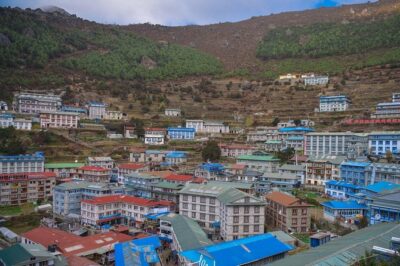
Your trek begins with an easy start day toward Phakding, with scenic views and a sense of place. You hike along the Dudh Koshi river, passing Sherpa farm areas and small villages. One of the nice early moments is how quickly the mountains start showing up between bends in the valley—like you’re receiving peak “teasers” all day.
Day 3 brings you to Namche Bazaar, and this is where the trek turns into something more than hiking. You cross suspension bridges over the Dudh Koshi, pass through the Sagarmatha National Park entrance gate, and your trekking permit gets checked. That little checkpoint is more than paperwork. It’s the moment you’re officially inside the protected Everest region.
You also get your first major Namche style payoff: views framed by villages. Along the way, you’ll see peaks like Thamserku from viewpoints around Benkar Village and you’ll start feeling the “Everest corridor” in your bones.
A practical tip: Namche is where you’ll likely start moving slower than you think you should. Not because you’re broken—because your body is learning altitude.


Namche acclimatization day: museums, markets, and Everest View Hotel options
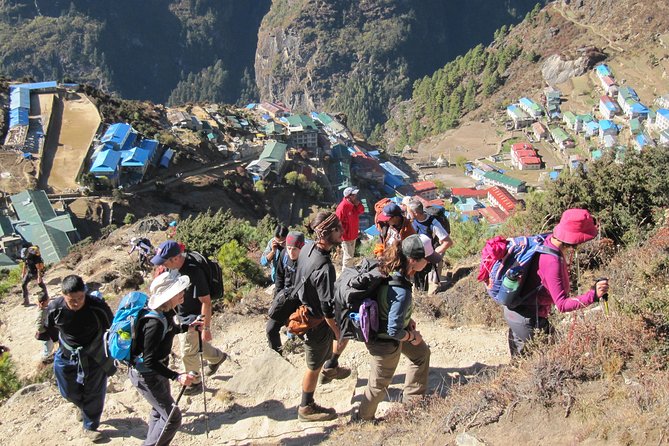
The plan gives you a full acclimatization day in Namche Bazaar, and it’s one of the best parts of the itinerary design. At this altitude, skipping rest isn’t brave. It’s risky. You get the chance to adjust before going higher.
Depending on the day, you can enjoy the local market scene, including the Saturday bazaar vibe. You can also visit a Sherpa Museum, which is a strong choice if you want the cultural story behind the people who live and work in this region.
If you want a more comfort-and-views option, the Everest View Hotel and Syangboche airstrip are also included as a possible outing. That mix—culture plus a higher-altitude viewpoint—keeps this day from feeling like wasted time.
The best part: you’re not just resting. You’re preparing. That makes the next climb feel more manageable.
Tengboche monastery day: forests, prayer walls, and big mountain reveals
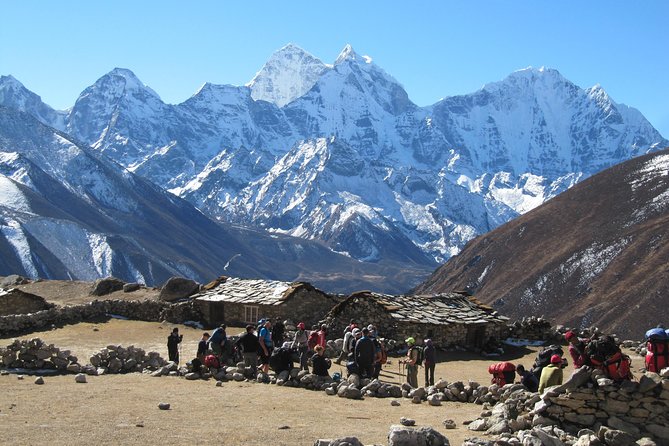
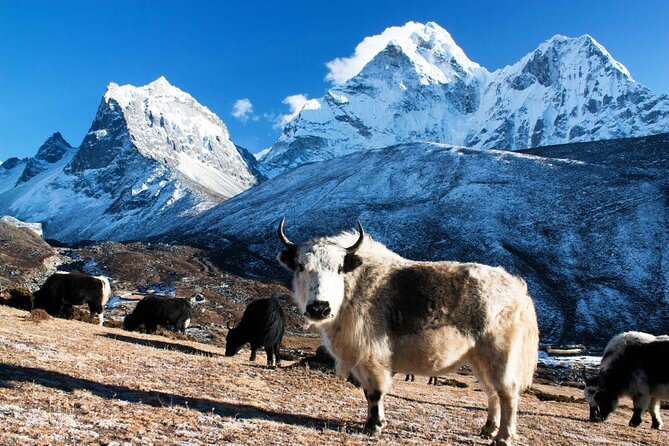
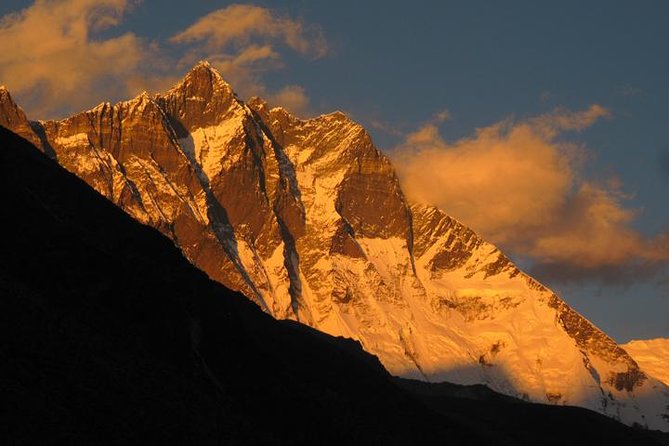
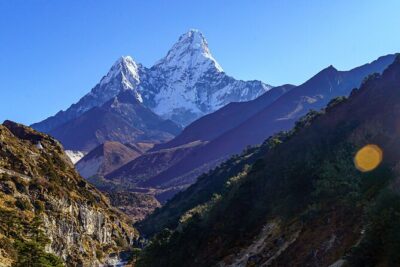
Day 5 shifts you toward Tengboche, and this is where the trail starts feeling more “classic Everest trek.” You walk through forests of silver fir, blue pine, rhododendron, magnolia, and birch—basically the mountains’ own air-conditioning system. Then the trail opens up to huge views of Everest, Nuptse, Lhotse, Ama Dablam, Thamserku, and Kwangde.
When you reach the Tengboche/Tyangboche area, the monastery experience hits hard in the best way. You see the big Gumba (monastery) and you’re surrounded by tea houses and campsites, with the huge peaks towering over the valley.
If you like moments with meaning (not just photos), this is the day. The monastery makes the whole trek feel anchored in local spirituality and daily life, not only peak-bagging.
Dingboche and Chukung: the rest day that pays back later
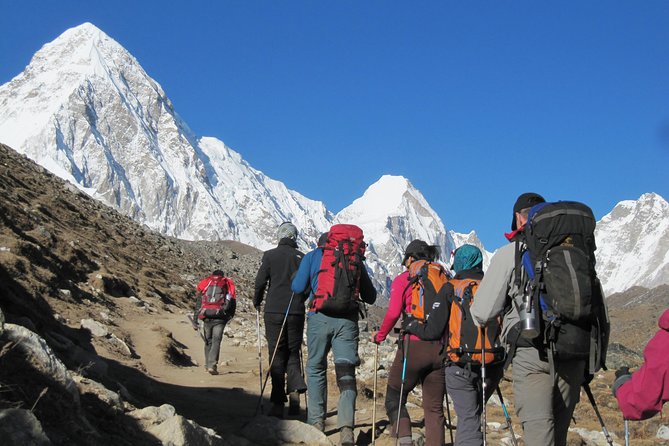
Dingboche is one of the key “altitude teaching” points on the trek. Along the way you pass places like Deboche and Pangboche, see the long mani wall (prayer wall), and you move through the Imjatse valley. The air gets thinner and the scenery gets sharper.
Dingboche itself brings big eastern mountain views, including Amadablam, Nuptse, Lhotse, and the area around Imja (Island Peak). It’s a strong visual reminder that Everest trekking is a whole system of peaks, not just one famous summit.
Then comes the rest day at Dingboche. You can do nothing and recover, or you can take an easier hike toward Chukung (about 4,730 m / 15,518 ft, roughly a 3–4 hour trek one way as described). At Chukung, you get more glacier and summit views and a few teahouses for a breather before returning.
This kind of rest day isn’t just comfort. It helps your acclimatization. It also makes later days more doable, especially the tough push toward Lobuche and Gorakshep.
Lobuche to Gorakshep: early starts, windy trails, and memorial gravity
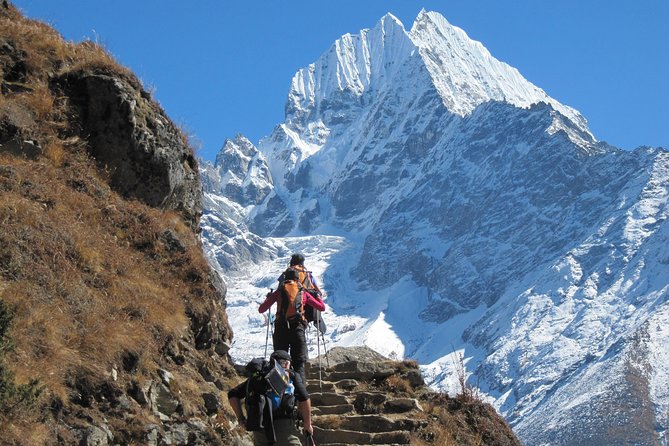
As you head toward Lobuche, the trail veers north and you spend time climbing gradually. You’ll pass a mani-prayer stupa and get mountain views from higher points above the valley. Thukla is another big moment—after a steep-ish section, you see Mt. Pumori and other summits and you also encounter memorials for climbers who died during expeditions in the region.
That matters. It’s not a “fun fact” stop. It shifts the tone of your day. Everest is awe. Everest is also risk.
Day 9 goes to Gorakshep with an early dawn push. The trail is windy and rocky, and you reach Gorakshep for an overnight. From there, the views include Pumori, Nuptse, Everest Base Camp, and Kalapathar angles.
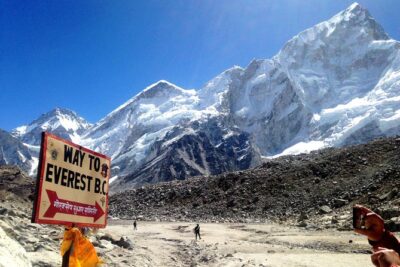
Then you continue toward Everest Base Camp and the Khumbu icefall area. The route can feel tough because altitude and thin air make even simple steps work harder. One important reality check: the trail can change yearly due to glacier movement, so don’t expect everything to look identical to photos you’ve seen online.
Kala Patthar: why people wake up when it’s still dark
The big prize on the return route is Kala Patthar. You start early in the morning and hike up at your pace, about 2 hours to the top. When you reach it, the views are the whole point: Everest looks close enough to touch, and you also see Everest Base Camp below and the Khumbu Glacier moraine.
This day is also emotional in a way that’s hard to plan for. You’ve been climbing and adjusting for nearly two weeks. When the mountain finally fills your horizon like that, it feels like your effort clicks into place.
Then you hike back toward Gorakshep. This is not a “stay up on top all day” kind of summit. It’s a mission: go up, witness, return.
Coming back down: Tyangboche to Namche, then Lukla
The return trek starts with a downhill shift from the higher elevations toward Tyangboche/Tengboche area. The walking is described as easier heading downhill to lower altitudes, and you again enjoy views around Amadablam, Everest, Lhotse, and Lhotse Shar from the monastery region.
Day 12 goes down toward Namche Bazaar via Phungithankas, teahouses, and forest trails. You’ll cross the suspension bridge over the Dudh Koshi again, and you finish by returning to Namche for overnight.
Then you make the long hike back to Lukla on Day 13. The plan includes lunch stops around Monju and Phakding, and you get time to stroll in Lukla once you arrive. Your escorts re-confirm your air ticket, and there’s a last supper to celebrate with the crew before overnight in a hotel.
This phase feels different from the climb. Your legs may be tired, but your brain is calmer. It’s not “waiting for Everest” anymore. You’re living the trail on the way home.
Kathmandu again: flight buffering, Thamel time, and a farewell dinner
After reaching Lukla, you fly back to Kathmandu in the morning, when winds are calmer. The itinerary notes that afternoon flights can be affected by wind, so delays do happen.
Back in Kathmandu, you’re transferred to your hotel and given time to rest. Then Day 15 gives you a useful buffer if flights get canceled. If you already fly, you can enjoy a full day in Kathmandu valley, plus shopping time in Thamel.
The farewell dinner party closes out the experience, giving you a clean end to the mountain story and a final chance to thank your guide and porter properly.
Included gear vs what you still need to bring
What you’re given is a big part of the trek’s value. You get a sleeping bag, duffle bag, down jacket, and trekking poles. That can save you from buying bulky gear or borrowing questionable stuff before you arrive.
That said, the tour notes that you still need proper trekking gear. The included items don’t replace the basics:
- boots you trust
- layers that handle cold mornings and dry warm days
- gloves, hats, and a rain strategy
- a water system you’re comfortable using
The best approach is to pack for weather variability and altitude fatigue, not for the idea of “perfect trekking conditions.” Nepal’s weather can change fast, and you’ll feel it more at elevation.
Price and value: what you pay for, and what’s on you
At $1,900 per person, you’re paying for a lot of the expensive moving parts. This package covers Kathmandu–Lukla flights (both directions), 3 nights twin sharing in Kathmandu, 12 nights in teahouses, a trekking guide and Sherpa porter, and permits and fees. It also covers meals on full board during the trek plus breakfast in the city.
It’s not a cheap trek, but it’s also not a barebones one. Your costs are concentrated on what you actually can’t hand-wave away: altitude logistics, staffing, lodging, and meals.
What isn’t included is important for budgeting:
- Kathmandu lunches and dinners (beyond the welcome and farewell dinners)
- personal expenses like hot shower/hot water, laundry, bar and beverage, wifi, and extra porter help
- travel insurance, including emergency evacuation
- gratuities for your guide and Sherpa porter (recommended)
If you’re cost-sensitive, the helicopter possibility also matters. The tour explains that if Lukla flights fail, a helicopter lift may be needed at extra cost, and you’ll want to have spare time to avoid that worst-case scenario.
Fitness level and altitude reality
The trek is described as requiring moderate physical fitness. Translation: you don’t need to be an elite athlete, but you do need a body that can handle daily hiking with steady climbs and altitude thinning.
The itinerary helps you, though. You get:
- an acclimatization day in Namche
- a rest day in Dingboche with optional elevation hike to Chukung
- a gradual build toward higher elevations
Still, altitude is personal. Some people feel it early. Some people feel it late. The safest way to win this trek is slow pacing, honest breathing, and using the provided rest days like they were included for a reason (because they were).
If you’re prone to panic when breathing gets weird, practice in advance. It’s not glamorous advice, but it makes a difference.
Should you book this Everest Base Camp trek?
Book it if you want an all-inclusive private Everest Base Camp trek that removes the usual headaches: flights, permits, guide/porter support, and a schedule with acclimatization built in. The included gear is a real plus, and the monastery and Sherpa-culture stops help this feel like a journey through communities, not a one-day photo mission.
Consider a different choice if you can’t handle the uncertainty of Lukla flight weather, or if you don’t have flexibility to add a spare day. Also, if you’re hoping for guaranteed comfort (like frequent hot showers), plan on paying extra for personal comforts because it’s a teahouse trek.
If you’re realistic, patient, and ready to take each day as it comes, this is a solid way to get to Everest Base Camp while keeping the logistics under control.
More Trekking Out of Kathmandu






More Tour Reviews in Kathmandu




Just Reviewed in Kathmandu
- Mountain Bike Tour
★ 5.0 · 3 reviews - Annapurna Panaroma
★ 5.0 · 3 reviews - Mount Everest Scenic Flight 50 Minutes
★ 5.0 · 3 reviews - Kathmandu : Swambhunath & Durbar Square Guided Half Day Tour
★ 3.3 · 3 reviews - Chandragiri Cable Car & Monkey Temple Tour – Private/Group
★ 5.0 · 3 reviews - Kathmandu: Shivapuri National Park Hiking Day Trip
★ 3.3 · 3 reviews
Everest Base Camp Treks, compared.
 ★ 5.0Everest Base Camp Trek – 14 DaysFrom $1,8001,499 reviews
 ★ 5.0Everest Base Camp TrekFrom $1,790842 reviews
 ★ 5.0Everest Base Camp TrekkingFrom $1,350485 reviews
 ★ 5.0Everest Base Camp Trekking – 13 DayFrom $1,399365 reviews
★ 5.0Everest Base Camp TrekFrom $1,445350 reviews
★ 5.0Everest Base Camp Trek -14 DaysFrom $1,420321 reviews
 ★ 5.012 Days Everest Base Camp TrekFrom $1,099289 reviews
 ★ 5.0Everest Base Camp Trekking – 2025/2026From $1,339199 reviews
Browse the lists this tour appears in