
Review · NAGARKOT SUNRISE TOURS
Nagarkot Trekking in Kathmandu Nepal (1 Night / 2 Days)
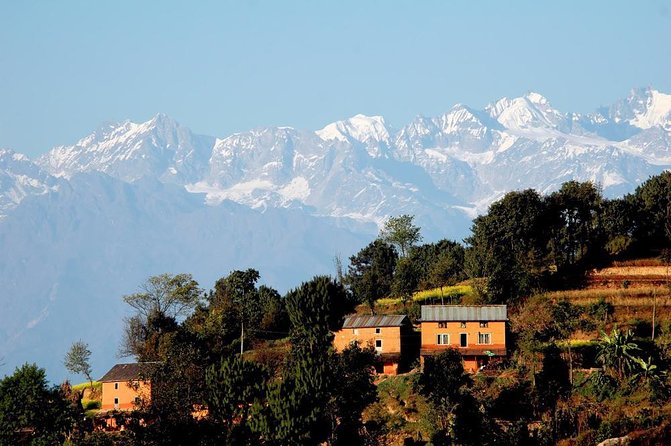
Short trek, big Himalayan rewards. This 1-night, 2-day trip turns Nagarkot into a realistic goal, with a private guide, hotel included, and the best timing for mountain views. You start with a drive from Kathmandu to Sankhu, then hike uphill to reach Nagarkot for sunset, followed by a pre-dawn plan for sunrise at the viewing spots.
I especially like how this is built around two “anchor moments”: sunset at Nagarkot and sunrise the next morning, both supported by a fixed route so you’re not guessing. Another win is the add-on of Changu Narayan Temple, an easy-to-reach UNESCO-listed stop that breaks up the trekking with something cultural and close to the hiking route. The one consideration: visibility can shift fast in the hills, and even great weather can mean clouds or fog at the viewpoints.
In This Review
- Key highlights you’ll actually feel on this trek
- Where this trek fits on your Kathmandu schedule
- Day 1: Sankhu to Nagarkot for sunset
- The drive and start from Sankhu Village
- The uphill hike (terraces, villages, and mountain views)
- Reaching Nagarkot and settling in
- Day 2: Sunrise at Nagarkot View Tower, then down to Changu Narayan
- The early wake-up for sunrise (6:00–6:30-ish)
- Buddha Peace Park trail stop on the way down
- Changu Narayan Temple: a UNESCO-listed stop you can reach
- Why the private guide makes this trip feel easy (not just short)
- What’s included—and what you need to plan for
- What’s in the price
- What’s not included
- Price and value: is $250 fair for this 2-day plan?
- Practical tips so you enjoy the hike more
- What to wear
- Manage fog expectations
- Keep your pace realistic
- Who should book this Nagarkot trek
- Should you book it?
- FAQ
- How long is the Nagarkot trekking experience?
- What time does the tour start?
- Is the tour private?
- What is included in the price?
- What are the main activities on the itinerary?
- What is not included?
Key highlights you’ll actually feel on this trek
- Private guide support that keeps the route on track, so the hike stays fun instead of stressful
- Sunset in Nagarkot, then a relaxed hotel night with full-board included
- Sunrise viewpoint timing (waking around 6:00–6:30 depending on the season)
- Easy, panoramic trail style from Sankhu toward Nagarkot, good for limited time
- Changu Narayan Temple visit paired with a downhill walk via the Buddha Peace Park trail
Other ways into a Kathmandu evening
- 3 Nights 4 Days Chitwan National Park with Tower Night Stay★ 5.0 · 41 reviews
- 3 night 4 Day Yoga & Ayurveda Retreat to Detox the Body & Mind, Nepal★ 5.0 · 37 reviews
- Kathmandu: Pashupatinath Temple Evening Aarati Tour★ 5.0 · 36 reviews
- Kathmandu: Pashupatinath Temple Aarti Night Tour★ 4.8 · 29 reviews
Where this trek fits on your Kathmandu schedule
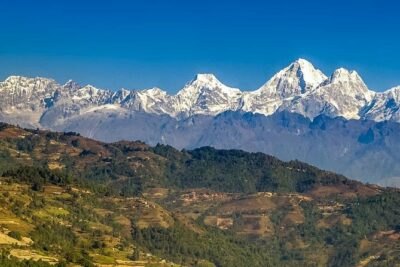
Nagarkot is one of those “short trip” places that still feels like it belongs in the Himalaya. This plan is designed for travelers who want trekking time without committing to multi-day hikes and complex logistics. You get a taste of uphill walking through village and terrace country, plus the payoff views that make Nagarkot famous.
The itinerary also avoids the common problem of short trips: doing too much travel and not enough actually happening on the ground. Your day starts at 9:00 am, and from there it’s a steady sequence—drive, hike, hotel night, then sunrise and temple—rather than a scramble.
Because it’s a private experience, you’re not forced into another group’s pace. That matters on a hike where conditions and comfort levels vary a lot from person to person.
Day 1: Sankhu to Nagarkot for sunset
The drive and start from Sankhu Village
You’ll leave Kathmandu and head to Sankhu Village by private vehicle, with pickup offered (and transfers that can include Boudha). Once you arrive, you start trekking uphill. The route is described as easy and panoramic, but “easy” here still means you’re climbing for a few hours—just without the technical difficulty that turns a hike into a challenge project.
A good way to think about this first day: it’s your warm-up and your ticket to the sunset. Even if you’re not a seasoned hiker, the guide-led pacing helps you keep moving without burning out too early.
The uphill hike (terraces, villages, and mountain views)
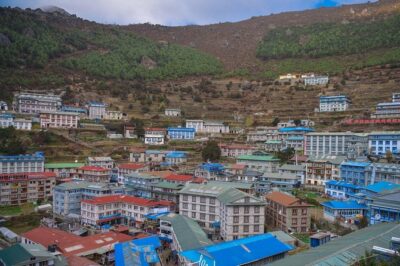
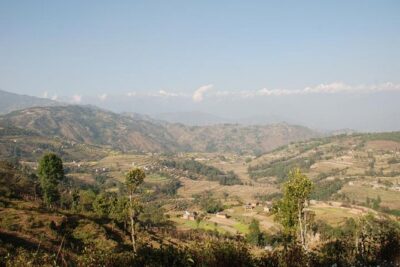
From Sankhu, the trail climbs toward Nagarkot, passing terraced fields and village life along the way. The plan puts this uphill portion around 3 hours. This is one of the most enjoyable parts because you’re not just “walking to a view.” You’re walking through real hill communities—farms, homes, and small pathways—where the changes in altitude gradually open up the scenery.
Practical tip: bring a light layer. Hill mornings and evenings can feel very different, and you’ll want something comfortable for both the climb and the viewpoint waiting time.
More trails out of Kathmandu, boots ready


Reaching Nagarkot and settling in
Your overnight stay is in Nagarkot, with twin sharing accommodation at a standard tourist hotel and full board included. That’s a big value piece here because it removes the extra decisions of finding dinner and planning where you’ll sleep after the hike. Plus, the night in Nagarkot is what makes the sunrise plan possible.
In the past, this part of the trip has delivered strong hotel-view experiences when visibility cooperates. If you end up with a foggy layer, don’t panic—mountain weather can change, and sunrise viewing tends to be worth the effort even when it’s not perfectly clear.
Day 2: Sunrise at Nagarkot View Tower, then down to Changu Narayan
The early wake-up for sunrise (6:00–6:30-ish)
Next morning, you wake around 6:00 to 6:30 am depending on the season. The sunrise timing matters because the viewpoints are designed for that early window, when the sky is more likely to cooperate.
This is also where the guide’s role really helps. They keep you on the schedule so you don’t waste time hunting for the right spot or worrying that you’ll miss the best light. And you get an admission ticket included for the Nagarkot View Tower.
If fog shows up, the view can look more muted than advertised—but it can still be beautiful. You’re still there for the experience of being high up, watching the hills change tone as the day starts.
Buddha Peace Park trail stop on the way down
After the sunrise viewpoint, you shift from sky time to movement time. On the way down toward Changunarayan (Changu Narayan), you stop at the Buddha Peace Park hiking trail area for a short break—about 15 minutes.
This quick pause is a smart design choice. It’s long enough to stretch and take in a calmer moment, but short enough that you’re not losing the momentum of the day. It also breaks the downhill routine so it feels more like a series of moments than one continuous hike.
Changu Narayan Temple: a UNESCO-listed stop you can reach
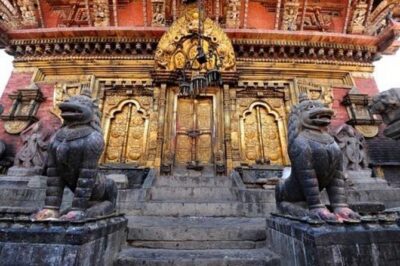
Your final major stop is Changu Narayan Temple, described as the oldest temple in the Kathmandu Valley and one of the Narayan temples that helps protect the valley from the northeast. The temple is listed as a World Heritage Site, and the plan includes about 30 minutes here, plus an admission ticket.
This is valuable because it gives the trek a “reason to be” beyond the views. After walking through terraces and villages, it feels good to end at a meaningful cultural site tied to the region. It also gives you a clean finish: not a “go back the same way” feeling, but a route that ends at a landmark.
One more practical note: your shoes will still matter here. Even though the temple stop is not a hike, you’ll likely walk on uneven surfaces and stairs, and comfort helps you enjoy the visit more.
Why the private guide makes this trip feel easy (not just short)
This trip leans on a simple idea: a short trek works best when you don’t have to figure things out. With an English-speaking guide and a private setup, you get route support that reduces the chance of getting off track. That’s especially important on the descent parts, where it’s easy to lose bearings if you’re moving without local guidance.
In guide-driven versions of this trek, you may work with guides like Shishir or Anant. Their style tends to be practical—focused on keeping you moving safely and explaining what you’re seeing as you go. That safety factor is not about drama; it’s about the calm confidence of knowing where the next turn is and how long the stop will take.
If you’re traveling with limited time, this kind of support is worth more than it sounds. It turns the trip from a “hike with extra steps” into a guided experience with a clear arc.
What’s included—and what you need to plan for
What’s in the price
You’re paying for a package that includes:
- An English speaking guide
- Required entrance fees and local permits
- Twin sharing hotel accommodation in Nagarkot with full board
- Private vehicle transport
- Tickets at the included viewpoint and temple stops
That set-up matters because it reduces surprise costs. You can focus on clothing and comfort rather than chasing paperwork or entrance fees at the last minute.
What’s not included
You’ll still want to budget for:
- Bar and beverage bills
- Personal contributions
If you’re used to including everything in daily travel, this one’s straightforward. Just remember that tea, water, and any paid extras usually come from your own spending unless you’ve been told otherwise on the day.
Price and value: is $250 fair for this 2-day plan?
At $250 per person, the price is in the range where you want to check what you’re getting. The strongest value drivers here are the items many independent travelers end up paying for separately:
- Hotel in Nagarkot for one night with full board
- Private vehicle transport for the Kathmandu-area start and planned transfers
- Guide and included entrance fees/local permits
You’re not just buying a hike. You’re buying a ready-made flow: drive, guided trekking, hotel base, sunrise timing, and temple visit. For travelers on a tight schedule, that time saved can be worth real money.
It’s also relevant that this trek is commonly booked about 42 days in advance on average. That tells me it’s popular enough that booking earlier can help you secure your preferred timing.
Practical tips so you enjoy the hike more
What to wear
You’ll want hiking shoes and sporty clothing. Do not show up in flat sandals and hope for the best. Even “easy” uphill routes can get slippery with morning dew or uneven ground.
Bring a light layer for dawn. Sunrise mornings can feel colder than the daytime climb.
Manage fog expectations
If visibility is foggy, don’t judge the whole trip harshly. The mountains change minute by minute. Sunrise can still be memorable even when the view isn’t crystal clear.
Keep your pace realistic
This is described as a route with around 3 hours of uphill trekking from Sankhu toward Nagarkot, plus a structured day 2 with viewpoints and a temple stop. You don’t need to race. The guide’s pacing and your own breathing rhythm are what keep it pleasant.
Who should book this Nagarkot trek
This fits best if you:
- Want Himalaya trekking vibes without a long multi-day itinerary
- Are short on time but still want a sunset + sunrise experience
- Prefer a private guide and clear route planning
- Like combining nature with a cultural stop like Changu Narayan Temple
It may feel like too much effort if you want a totally flat outing or if you have limited ability to handle a few hours of uphill walking. The trip says most people can participate, but it still includes meaningful climbing and early wake-up.
Should you book it?
Yes, if you want a well-structured short trek where someone else handles the timing, permits, entrance tickets, and the logistics of getting from Kathmandu up to Nagarkot and back through the temple area. The value is strongest when you care about the end result: a real hotel night in Nagarkot plus sunrise viewing plus a meaningful UNESCO-listed temple finish.
Book this when you can commit to the early morning plan. If sunrise is the main reason you’re going, make sure your schedule allows it and you can get to the meeting time without stress.
And if you’re flexible about weather, you’ll likely enjoy the trip even when visibility isn’t perfect—because you’re still walking through real hill communities and spending your time on the right highlights instead of wandering around hoping things work out.
FAQ
How long is the Nagarkot trekking experience?
It runs for about 2 days, including 1 night in Nagarkot.
What time does the tour start?
The start time is 9:00 am.
Is the tour private?
Yes. It is a private tour/activity, and only your group participates.
What is included in the price?
An English-speaking guide, required entrance fees and local permit, twin sharing hotel accommodation in Nagarkot with full board, and required transport by private vehicle are included.
What are the main activities on the itinerary?
You’ll drive to Sankhu Village, trek uphill toward Nagarkot (around 3 hours), enjoy sunrise around 6:00–6:30 at Nagarkot View Tower, walk via the Buddha Peace Park hiking trail, and visit Changu Narayan Temple.
What is not included?
Bar and beverage bills and personal contributions are not included.
More Trekking Out of Kathmandu






When the Lights Come On

More Tour Reviews in Kathmandu




Just Reviewed in Kathmandu
- Mountain Bike Tour
★ 5.0 · 3 reviews - Annapurna Panaroma
★ 5.0 · 3 reviews - Mount Everest Scenic Flight 50 Minutes
★ 5.0 · 3 reviews - Kathmandu : Swambhunath & Durbar Square Guided Half Day Tour
★ 3.3 · 3 reviews - Chandragiri Cable Car & Monkey Temple Tour – Private/Group
★ 5.0 · 3 reviews - Kathmandu: Shivapuri National Park Hiking Day Trip
★ 3.3 · 3 reviews
Nagarkot Sunrise Tours, compared.
 ★ 5.0Nagarkot Sunrise View and Day Hiking from KathmanduFrom $45471 reviews
 ★ 5.0Private Bhaktapur and Nagarkot Day Tour From KathmanduFrom $20305 reviews
 ★ 4.9Nagarkot Sunrise View & Morning Hike with LunchFrom $5188 reviews
 ★ 4.7Nagarkot Sunrise and Hike Tour to Changu NarayanFrom $55151 reviews
 ★ 4.8Everest View from Nagarkot & hike to ChanguFrom $43140 reviews
 ★ 5.0Nagarkot Sunrise & Hike to Changu Narayan Day Tour from KathmanduFrom $25126 reviews
 ★ 4.9Nagarkot Sunrise & Hike with Lunch -Private/GroupFrom $5122 reviews
 ★ 4.5Nagarkot Sunrise Trip & Day Hike with Lunch from KathmanduFrom $3583 reviews
Browse the lists this tour appears in