
Review · PEAK CLIMBING & EXPEDITIONS
Pikey Peak- 9 Days
Pikey Peak is a big-view trek without the chaos. This 9-day trip strings together Kathmandu heritage days, long mountain drives, and a sunrise climb to Pikey Peak at 4,065 m, plus Sherpa culture stops along the way. I like how the itinerary is paced with realistic trekking legs and built-in breaks, and I also like that you get both Hindu and Buddhist heritage in Kathmandu before you head uphill.
Two other highlights matter for your planning. You’ll see classic Solukhumbu viewpoints tied to Everest-area peaks (weather permitting), and you’ll spend nights in tea houses with simple, friendly lodge life instead of constant hotel transfers. One consideration: you’re signing up for a couple of long driving days and some basic accommodations on trek, so bring patience (and warm layers).
In This Review
- Key things I found most valuable
- How Pikey Peak gives you Everest-area views with fewer headaches
- Kathmandu arrival: Thamel, heritage sites, and a prep talk that actually helps
- Day 3 drive to Dhap, then your first real mountain rhythm
- Pikey Peak day (Day 4): rhododendron forests, mani walls, and the 4,065 m summit
- Sunrise summit and the ridgeline descent (Day 5): breakfast with a view
- Junbesi (Day 6): Sherpa culture isn’t a side quest
- Taksindu La and Ringmo orchards (Day 7): Everest faces you, then apple land
- Phaplu finish (Day 8): forest descent and Chiwong Gompa option
- Getting back to Kathmandu (Day 9): flight plus city transfer
- What you’re really paying for: value beyond the headline price
- Staff quality: why it feels organized, not rushed
- Who this trek suits best
- Should you book Pikey Peak with Alpine Club of Himalaya?
- FAQ
- What city do I start in and where does the trip end?
- Is pickup offered?
- What time does the activity start?
- What are the main Kathmandu sights included?
- Are meals included during the trek?
- Are tea-house or lodge accommodations provided?
- Do I get porter support?
- Is a flight included on the route back?
- What permits are included?
- Is travel insurance included, and is it required?
- Can I cancel and get a full refund?
Key things I found most valuable
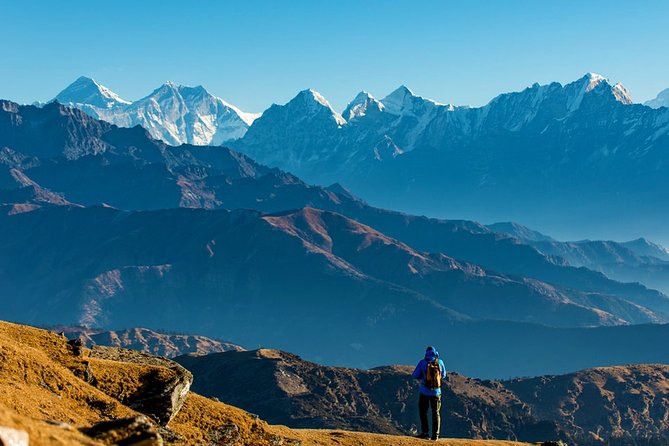
- Sunrise payoff at Pikey Peak (4,065 m): early climb, then panoramic views if skies cooperate
- Kathmandu orientation day: Durbar Square, Pashupatinath, Swayambhunath, and Boudhanath set the cultural context
- Tea-house trekking with porter support: your package covers permits, TIMS, lodges, and staff
- Sherpa village time in Junbesi: not just passing through—this is about culture and architecture
- Route variety beyond the main trail: Chiwong Gompa option and a finish in Phaplu
Not sure yet? Here are other Kathmandu tours worth a side-by-side look.
- Everest Base Camp Trek – 14 Days★ 5.0 · 1,499 reviews
- Everest Base Camp Trek★ 5.0 · 842 reviews
- Private Kathmandu Sightseeing Tour | UNESCO World Heritage sites★ 5.0 · 756 reviews
- Kathmandu: 7 UNESCO Sites with Lunch★ 4.8 · 744 reviews
How Pikey Peak gives you Everest-area views with fewer headaches
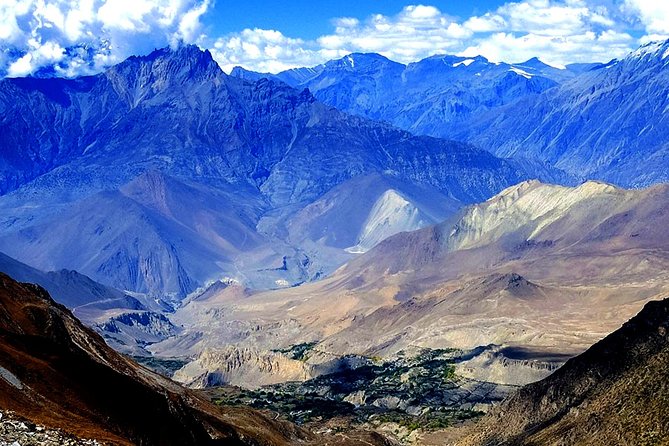
Pikey Peak is popular for a reason: it sits high enough to deliver those wide mountain panoramas you dream about, but it’s part of a route that feels more approachable than some other Everest-region treks. This matters if you want the big names—Everest, Kanchenjunga, Dhaulagiri, Lhotse, Makalu—without turning the trip into a technical, gear-heavy ordeal.
Also, this plan is structured like a real travel day-to-day experience, not just a checklist. Kathmandu is first, so you get grounded in Nepal’s culture—then the mountains start stacking up day by day. And because the trek portion includes your meals and tea-house lodging, you spend your energy on the walk and the views instead of logistics.
If you’re new to trekking, this route can be a great stepping stone. One clue from the feedback: many people describe it as enjoyable even for first-timers, especially because the guides and team handle the details and keep you moving safely.
Kathmandu arrival: Thamel, heritage sites, and a prep talk that actually helps
On Day 1, you fly into Tribhuvan International Airport, meet a representative from Alpine Club of Himalaya, and transfer to your Kathmandu hotel. After that, you’re left with time to rest or walk around Thamel, the convenient tourist hub where you can grab last-minute items and get your bearings fast. In the evening, there’s a welcome dinner with Nepalese food, which is a smart way to transition from travel fatigue into local rhythm.
Day 2 is your Kathmandu culture and orientation day, and it’s a strong mix of Hindu and Buddhist landmarks:
- Durbar Square (historic core)
- Pashupatinath (a major sacred Hindu temple)
- Swayambhunath (Monkey Temple)
- Boudhanath (one of the largest stupas in the world)
At noon, you also get a pre-trip discussion where you meet your trek leader and team members. You’ll be able to ask questions about the trek, which is the part people often overlook. Ask about day timing, what to pack for cold mornings, and how the group expects you to handle tea-house meals. Those answers can make your first trekking morning much easier.
If you’re relying on this tour for most of the structure, the Kathmandu pieces are worth paying for. They remove guesswork and help you feel like the mountains are connected to something deeper than scenery.
Day 3 drive to Dhap, then your first real mountain rhythm
Day 3 starts with a long drive—about 8 to 9 hours—from Kathmandu to Dhap. Then the trek begins from a ridgeline south of Dhap. Early on, you’ll walk a road under construction for the first couple hours, which can feel a bit uneven, dusty, or just plain new to your legs.
You pass through local villages and end the day at Japre (2,920 m). This is a perched settlement above a deep valley, and the views can already hint at Everest and Numbur Himal. There’s also a small gompa and stupa, which is one of those details you notice more as the days get quieter.
Practical note: after a long drive, your first day is about finding a walking rhythm, not chasing speed. Take it easy, hydrate, and keep your breathing steady. Your body will thank you later on the summit push.
Pikey Peak day (Day 4): rhododendron forests, mani walls, and the 4,065 m summit
Day 4 is where the trek starts feeling like the trek you came for. After Japre, you climb to a grassy ridge at Bhulbhule, where there’s a single lodge and good views toward the Everest range. Soon after, the trail splits and you head right toward Pikey Peak.
On this section, you’ll pass old yak houses and a long mani stone wall—religious, practical, and part of the landscape of daily life in the region. The path then moves through a forested trail with rhododendrons, which is especially lovely in spring when blossoms add color to a route that would still be scenic without it.
You’ll reach the Pikey Peak base camp after about two hours from the forest edge, then take the shorter climb to the summit at 4,065 m. The tour’s guidance is clear: unless the evening looks unusually clear, it’s usually better to aim for the summit in the morning for sunrise.
This is one of those logistics choices that’s easy to get wrong if you plan it yourself. Sunrise timing matters because clouds roll in, and the light changes fast. Here, the schedule is built around the best odds.




Sunrise summit and the ridgeline descent (Day 5): breakfast with a view
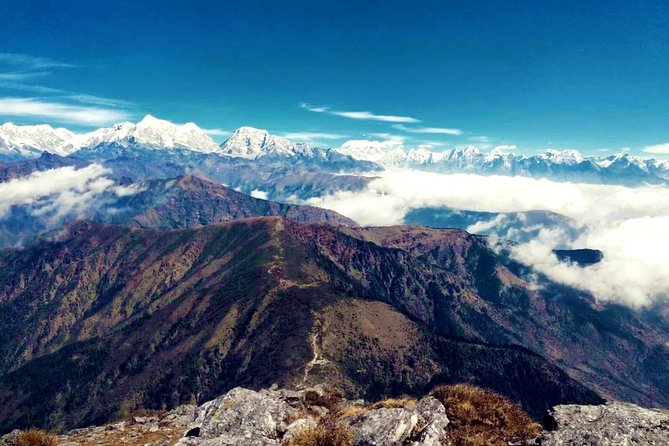
Day 5 begins early with a gradual trail to the summit covered with prayer flags. That decoration isn’t just pretty—it’s part of why the region feels spiritually layered. The views are described as breathtaking, and when conditions are clear you can see panoramas stretching from Annapurna to Kanchenjunga.
After you finish the summit time, you’ll follow the ridgeline. It starts fairly flat, then steepens as you enter the forest, heading to Jase Bhanjyang, where breakfast is waiting. This is a great example of how the trek is designed to keep you fueled without long gaps.
Then you continue down to Loding, passing through steep forest sections. Accommodation here is simple and charming—tea house style—so expect basic comfort, warm drinks if available, and sleep that comes fast after a day like this.
If you get motion-sick on steep descents, take it slow on the tree-shadow slopes. Small careful steps beat speed.
Junbesi (Day 6): Sherpa culture isn’t a side quest
Day 6 starts with a descent along the ridgeline for breakfast at Jase Bhanjyang again, then you choose a route toward Junbesi. The most likely option is a stunning shortcut trail that drops steeply through old-growth forest to Taktor.
This section is meaningful because it connects to the wider Everest Base Camp trail coming from Jiri. In practical terms, you may notice more developed tea houses and more other trekkers around here for the first time.
Then you reach Junbesi, a traditional Sherpa village at 2,675 m. This is described as the cradle of Sherpa culture and architecture, and the Solukhumbu area is considered sacred by Sherpas. That’s more than trivia. When you’re walking the route, it helps to know you’re not just moving through geography—you’re moving through community and meaning.
This is also where a good guide matters. Ask questions about what you’re seeing—stone work, prayer practices, and village life—so you can actually connect the days together.
Taksindu La and Ringmo orchards (Day 7): Everest faces you, then apple land
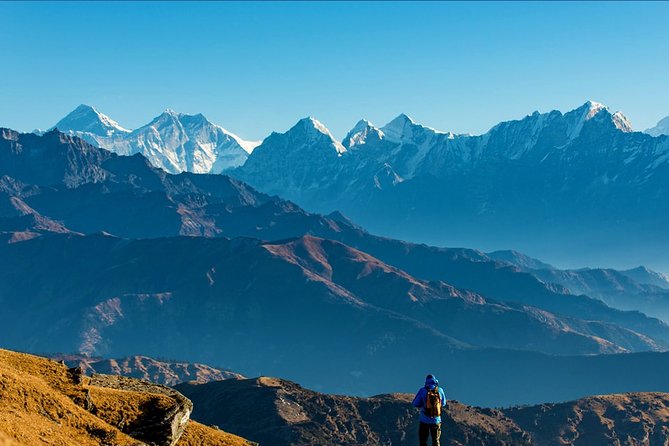
Day 7 shifts the scenery from forest and ridges into viewpoints and village character. You trek bound for Taksindu, crossing the river at the bottom of town, then climbing through forest up to Salung. From there, views can include:
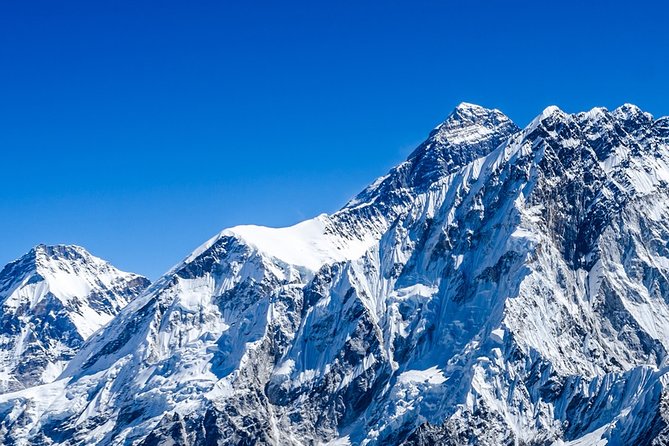
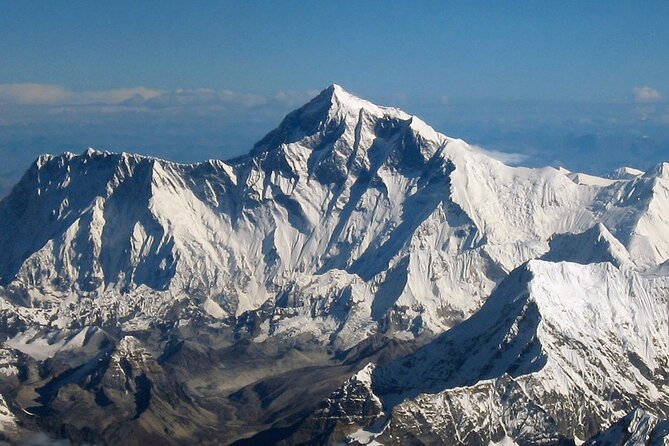
- Everest (8,848 m)
- Chamlang
- Makalu
…weather permitting.
You also get wide valley views toward Chiwong Monastery and down toward Phaplu. That combination of high peak sightlines plus valley structure helps the day feel like more than walking from one lodge to another.
Later, you contour and drop to a stream, then climb into Ringmo, known for apple orchards. Even better, you can find apple products like apple rakshi (local alcohol), cider, and apple pie. This is the kind of “small reward” moment that makes tea-house trekking feel human.
The day ends with a short climb to Taksindu La, again with mountain views. It’s a good day for steady pacing—take breaks, sip water, and keep an eye on weather changes around the ridgelines.
Phaplu finish (Day 8): forest descent and Chiwong Gompa option
Day 8 is more about descending and reconnecting with the valley. You leave the main trekking route and take a beautiful path down to Phaplu through forest.
There’s also an option to hike up to Chiwong Gompa, perched high on a cliff overlooking the valley. The monastery is said to be founded in 1923, and it has major celebrations for the Mani Rimdu festival in autumn. Even if you don’t catch the festival itself, the location alone makes the visit feel like a real pilgrimage stop rather than a roadside photo stop.
Then you continue down into Phaplu and celebrate the trek completion at your cozy tea house. This is one of the best emotional moments on trek—when your body stops thinking in uphill terms and starts thinking in finish-line terms.
Getting back to Kathmandu (Day 9): flight plus city transfer
On Day 9, you leave the mountains behind and travel back toward Kathmandu. The package includes a flight from Phaplu to Kathmandu (including departure taxes), then transfer into the Kathmandu Valley.
In Kathmandu, you’ll be taken into any hotel of your choice. You can also get recommendations, or simply explore on your own. If you want a smoother travel day, plan for a casual dinner and an early night. Your legs will still be recalibrating.
What you’re really paying for: value beyond the headline price
The price is $1,199 per person for this 9-day package, and the value isn’t just the summit view. It’s the way the logistics are handled end to end.
Here’s what’s included that usually costs time and stress if you try to DIY:
- Airport transfers in Kathmandu (private vehicle) and trekking team support
- Kathmandu hotel accommodation with breakfast
- Guided Kathmandu city tour by an expert guide and private vehicle
- Pre-trip discussion with your trek leader
- Tea-house/lodge accommodation during the trek
- Daily trek meals chosen from the menu (breakfast, lunch, dinner)
- Necessary trekking permit and TIMS card fee
- Government-licensed trekking guide and porters
- Medical supplies and first aid kit as part of the group
- Domestic flight from Phaplu to Kathmandu and departure taxes
- Welcome and farewell Nepali dinners in Kathmandu
- Trekking certificates and gifts (T-shirt for gents, Pashmina shawl for ladies)
Porter logistics are also handled: the package specifies 2 guests per porter, with food, accommodation, salary, equipment, and other expenses covered for the porter. That matters because it keeps your climb more manageable and makes the trip work better for a wider range of trekkers.
What’s not included also affects your real budget. Kathmandu lunches/dinners aren’t included, and personal trekking gear, drinks, and travel insurance are on you. The tour data even calls out that insurance should cover emergency evacuation up to 5,500+ meters, which is smart because altitude and remoteness are real factors here.
Staff quality: why it feels organized, not rushed
The feedback is pretty consistent about the human side of the trip. People highlight that everything felt well organized, that staff were friendly and cared about needs, and that the guides helped with safety. One review specifically mentions guide Sujan and Pemba, which is a nice detail because it suggests a consistent team rather than a rotating shuffle.
That matters on trekking days where weather, fatigue, and navigation all come into play. If your guide is calm and responsive, you’ll feel it in how the group moves, how stops are timed, and how you handle unexpected changes.
Who this trek suits best
This itinerary is a strong fit if:
- You want big Everest-area views without the highest-altitude summit pushes
- You like guided structure but still want real tea-house trekking days
- You’re interested in Sherpa village culture and monastery context, not just peaks
It’s also a decent choice for people who are new to trekking, as long as you’re ready for early starts and some steep forest sections on descent.
You might want to reconsider if you dislike long driving days. The Kathmandu-to-Dhap leg is a major chunk of Day 3, and the trip is built around those travel segments.
Should you book Pikey Peak with Alpine Club of Himalaya?
If you want a guided 9-day trek that connects Kathmandu culture to Sherpa villages and delivers a true sunrise summit moment, I’d say yes—especially if you prefer your permits, meals, lodging, and transportation handled for you. The included value is strong: permits, TIMS, porter support, daily trek meals, tea-house nights, and even the flight back.
I’d only hesitate if you’re sensitive to basic lodging on trek or you strongly prefer minimal driving. If you can handle those trade-offs, this is the kind of trip that makes the mountains feel accessible and meaningful at the same time.
FAQ
What city do I start in and where does the trip end?
You start in Kathmandu, Nepal, and the trip ends back in the Kathmandu area, with transfer to a hotel of your choice.
Is pickup offered?
Yes. The tour includes pickup offered and private vehicle transfers for airport and hotel transfers.
What time does the activity start?
The start time listed is 6:45 am.
What are the main Kathmandu sights included?
The Kathmandu city tour includes Durbar Square, Pashupatinath, Swayambhunath, and Boudhanath.
Are meals included during the trek?
Yes. During the trekking days, breakfast, lunch, and dinner are included from the menu. Kathmandu has specific dinners included, but lunch and dinner in Kathmandu are not included.
Are tea-house or lodge accommodations provided?
Yes. Tea-house/lodge accommodation is included during the trek.
Do I get porter support?
Yes. Porter support is included with a ratio of 2 guests = 1 porter.
Is a flight included on the route back?
Yes. The package includes a flight from Phaplu to Kathmandu, including departure taxes.
What permits are included?
The tour includes the necessary trekking permit and the TIMS card fee.
Is travel insurance included, and is it required?
Travel insurance is not included. The tour notes that it is essential and should include emergency evacuation coverage up to 5,500+ meters.
Can I cancel and get a full refund?
Yes. There is free cancellation up to 24 hours in advance of the experience’s start time for a full refund.
More Tour Reviews in Kathmandu






Just Reviewed in Kathmandu
- Mountain Bike Tour
★ 5.0 · 3 reviews - Annapurna Panaroma
★ 5.0 · 3 reviews - Mount Everest Scenic Flight 50 Minutes
★ 5.0 · 3 reviews - Kathmandu : Swambhunath & Durbar Square Guided Half Day Tour
★ 3.3 · 3 reviews - Chandragiri Cable Car & Monkey Temple Tour – Private/Group
★ 5.0 · 3 reviews - Kathmandu: Shivapuri National Park Hiking Day Trip
★ 3.3 · 3 reviews
Peak Climbing & Expeditions, compared.
 ★ 5.0Mera Peak ClimbingFrom $3,00033 reviews
 ★ 5.0Everest Base Camp Trek with Island Peak ClimbingFrom $3,30014 reviews
 ★ 5.0Pikey Peak TrekFrom $8998 reviews
★ 5.0Mera Peak ClimbingFrom $1,1998 reviews
 ★ 5.0Mera Peak Expedition – 20 DaysFrom $3,3007 reviews
Mera Peak ClimbingFrom $2,7506 reviews
 ★ 5.0Pikey Peak TrekkingFrom $1,4355 reviews
 ★ 5.0Island Peak Climbing with Everest Base CampFrom $2,8995 reviews
Browse the lists this tour appears in