
Review · EVEREST BASE CAMP TREKS
Short Everest Base Camp Trek 10 Days
Everest Base Camp in 10 days feels intense. This trek packs the classic Khumbu route into a short, guided circuit that starts with a flight to Lukla and ends with the mountain payoff near Kala Patthar.
I love that so much of the stress is handled for you: domestic flights, private transfers, permits, and lodge/tea house stays are part of the package. I also like the small-group setup, max 15 travelers, which usually means less crowding in key places and more room for your guide to keep an eye on pace.
The main consideration is the schedule. You’re moving at altitude fast, with big days near 5,000m+, including the climb to Kala Patthar (5,545m) early in the morning. If your fitness or acclimatization is shaky, this “short” format can feel unforgiving.
In This Review
- Key things to know before you go
- Why this 10-day Everest Base Camp trek feels different
- Kathmandu to the trek start: transfers and the early clock
- Day 1: Kathmandu to Lukla, then Phakding by afternoon pace
- Day 2: Phakding to Namche Bazaar along Dudh Koshi
- Day 3: Namche to Tyangboche, with steep drama and panoramic pauses
- Day 4: Tyangboche to Dingboche via rhododendron and a suspension bridge
- Day 5: Dingboche to Lobuche and the gentle lead-up
- Day 6: Gorakshep to Everest Base Camp via rocky trail and glacier views
- Day 7: Kala Patthar sunrise (5,545m) then down to Pheriche
- Day 8: Back down to Namche, with Sherpa villages on the way
- Day 9: Namche to Lukla and the last teahouse night
- Day 10: Fly Lukla to Kathmandu, then settle in after the big miles
- Guides, pace, and the safety net you should confirm
- Price and value: what $1,400 covers, and what you’ll still pay for
- Should you book this short Everest Base Camp trek?
- FAQ
- How much does the short Everest Base Camp trek cost?
- What’s included in the price?
- Are meals included during the trek?
- What time does the tour start?
- How do the flights to and from Lukla work?
- How big is the group?
- Do I need a porter?
- What travel insurance do I need?
- Is there free cancellation?
Key things to know before you go
- Flight-to-Lukla start: your trek begins after a commercial flight into Lukla, then a first walk toward Phakding
- Tea house lodging included: you sleep in lodges/tea houses during the trek (but check meal coverage for budgeting)
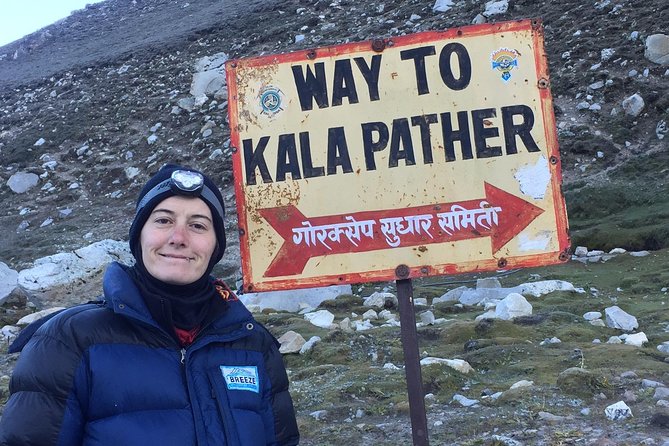
- Kala Patthar sunrise option: an early-morning high point at 5,545m for classic Everest views
- Trekking days are long: expect multiple 5-8 hour walking days, including a rewarding push toward Gorakshep and Everest Base Camp
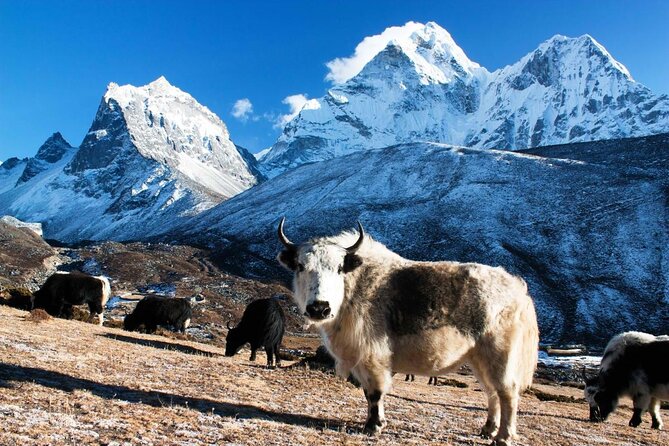
- A real Everest district trail: you’ll pass Sherpa communities and key stops like Namche Bazaar and Tyangboche
- Emergency help is arranged, insurance must pay: a helicopter service is coordinated, but it’s covered via your insurance
More trails out of Kathmandu, boots ready
- Everest Base Camp Trek – 14 Days★ 5.0 · 1,499 reviews
- Everest Base Camp Trek★ 5.0 · 842 reviews
- Everest Base Camp Trekking★ 5.0 · 485 reviews
- Nagarkot Sunrise View and Day Hiking from Kathmandu★ 5.0 · 471 reviews
Why this 10-day Everest Base Camp trek feels different
If you dream about Everest Base Camp but don’t want a multi-week grind, this plan aims for the sweet spot: classic places, guided structure, and enough time to actually feel the route instead of just ticking boxes. You’re not just walking “toward Everest.” You’re getting the Himalayan rhythm: river valley trails, Sherpa towns, forests, suspension bridges, glacier country, then that high sunrise moment.
The route also makes sense for first-timers who want structure. Your days are paced with major altitude steps: Namche Bazaar (3,440m), Tyangboche (3,867m), Dingboche (4,260m), then the jump into the higher stretch around Gorakshep (5,140m) and Kala Patthar (5,545m). That’s part of why it works. You see the progression clearly, and you’re guided the whole way.
Here’s the part to respect: short trekking doesn’t mean casual trekking. Even when the distances look “doable,” you’ll feel altitude in your breathing. A smart pace matters more than speed, especially on the days that push higher.
Kathmandu to the trek start: transfers and the early clock
Your trek runs on a clear start rhythm. You’re set up with a meeting time of 6:15 am, and there’s pickup/transfer help with private vehicle logistics between Kathmandu locations and airports. That kind of coordination matters in Nepal, where travel time can be unpredictable and you don’t want to burn energy just getting ready.
The tour includes the Kathmandu-to-trek flight routing too: Kathmandu to Lukla and back with domestic airport tax built in. Translation: you’re not scrambling for tickets or permissions while you’re already anxious about the trek. You just show up and go.
On the last day, once you fly back to Kathmandu, you’re met by representatives for transfer to your hotel. There’s also an evening farewell dinner in Bhojan Griha. It’s a small thing, but it helps you land softly after a rough-and-awful-also-amazing week of walking and cold mornings.
Day 1: Kathmandu to Lukla, then Phakding by afternoon pace
Your trek begins the way most Everest trips do: with a flight into Lukla. The flights are listed as commercial options (Tara, Summit, or Sita Air). After that short flight, you start walking toward Phakding, with about 3.5 hours on day one.
This first trekking day matters more than it sounds. It’s your body’s welcome mat to the Khumbu style: steady walking, getting your pack weight dialed, and learning how your legs handle the rhythm at elevation. It’s also the day you’ll start trusting your guide’s plan, because from here onward, the schedule is active.
A practical tip: treat day one as training. Don’t try to “win” the trek on day one. Save your effort for the bigger altitude days that come later.
Day 2: Phakding to Namche Bazaar along Dudh Koshi
Day two pushes you to Namche Bazaar (3,440m) after breakfast in Phakding. The hike takes about 6 hours, following the right bank of the Dudh Koshi river. You’ll also notice the mountain drama early—Thamserku is mentioned as standing opposite the trail.
Namche Bazaar is a key pivot point, not just a stop for photos. It’s one of the places where the trail becomes a community experience: you’re in the Everest district, surrounded by Sherpa life and services that support trekkers. And because Namche sits at a high elevation, it’s one of the moments where acclimatization starts to feel real. Even if you don’t “need” a rest day, you’ll benefit from taking breaks and drinking water consistently.
If you’re the type who likes to move fast, this is where I’d slow down. Your goal is to arrive feeling like you could keep going, not like you survived an endurance event.
Day 3: Namche to Tyangboche, with steep drama and panoramic pauses
Next up is Tyangboche (3,867m). The hike is about 5 hours, and the trail heads along sections that drop toward the Dudh Kosi. The description also calls out a steep cliff drop and panoramic moments.
Tyangboche is where the trek starts to feel spiritual and cinematic at the same time. You’re higher, the air feels sharper, and you’re close to viewpoints that make the climb feel worth the effort. Even better, the route here is more varied than you might expect, so it’s not just “up, up, up.”
Practical thought: cold mornings and wind become more of a factor as you gain elevation. Layers are not optional. Bring what lets you adjust without stopping your whole rhythm every five minutes.
Day 4: Tyangboche to Dingboche via rhododendron and a suspension bridge
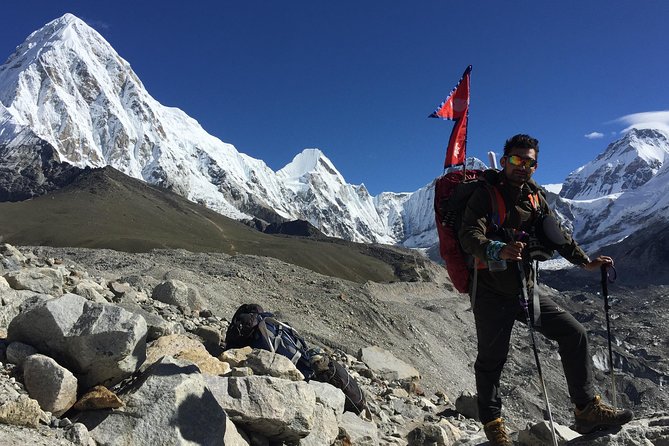
Day four takes you to Dingboche (4,260m), about 5 hours of walking. You’ll descend through a rhododendron forest and pass through Deboche, then cross a suspension bridge over Imja Khola.
That suspension bridge is a good moment to slow your brain down. It’s one of those small stretches where you can let the altitude settle and notice how the valley opens and tightens along the trail.
Dingboche is higher, and the trek starts to shift into a more high-alpine mood. As you go, your body becomes your boss. The guide’s job isn’t just navigation. It’s helping you keep the pace steady enough to avoid pushing too hard before the biggest days.
Day 5: Dingboche to Lobuche and the gentle lead-up
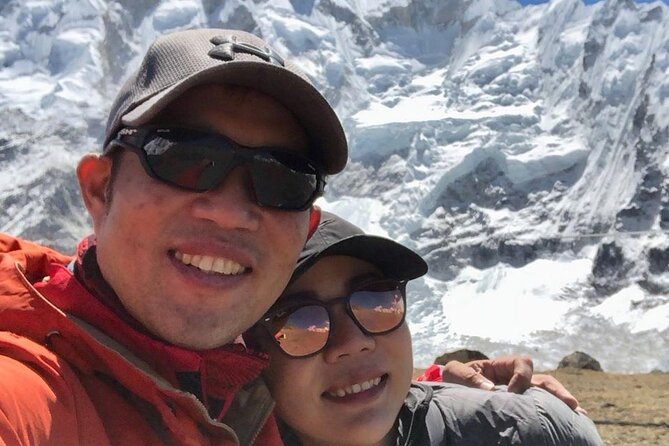
From Dingboche you move toward Lobuche, roughly five and a half hours. The description notes the trail is gentle up to Pheriche village along the way.
This is a “set up your day” kind of trek. You’re not yet hitting the hardest section, but you are positioning yourself for the move into glacier-country terrain. That’s why this day feels important even if it’s not the most spectacular on paper. It helps you arrive with energy for what comes after.
If you’re carrying your own gear (and you might be), consider this day a checkout point. Make sure your layers, gloves, and anything you rely on for warmth are accessible. Cold mornings punish poor packing.
Day 6: Gorakshep to Everest Base Camp via rocky trail and glacier views
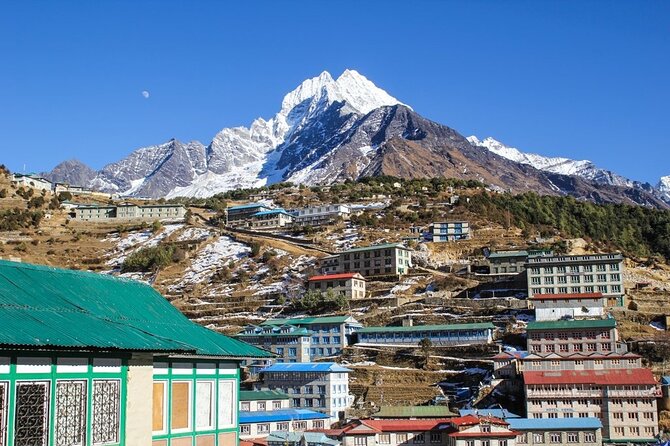
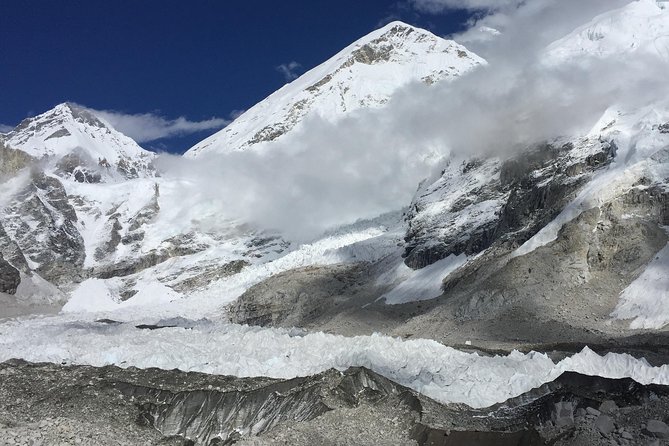
Day six is one of the most rewarding sections: you head toward Everest Base Camp via Gorakshep (5,140m). The hike time listed is 8 hours, and the route includes rocky path and the Khumbu glacier.
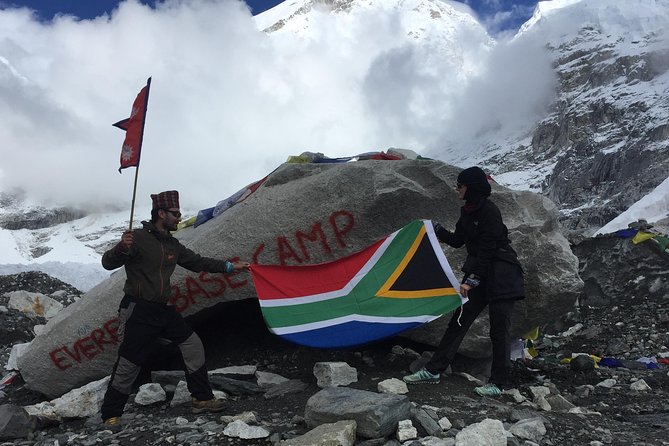
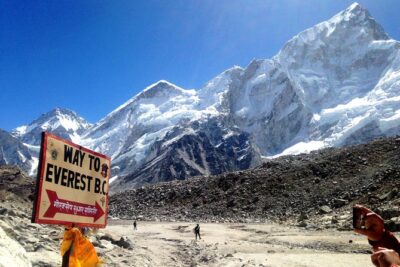
This is where Everest stops being a name and starts being a place. Everest Base Camp is listed as 5,364m, and the sense of scale at this elevation is hard to fake with imagination. You’re walking through an environment shaped by glaciers and wind, and the world feels pared down to rock, snow, and big mountain shapes.
Also note: long walking days at this altitude mean you’ll likely feel it in your breathing before you feel it in your legs. Keep your steps steady, and let the guide’s timing help you avoid overeating or overexerting.
Day 7: Kala Patthar sunrise (5,545m) then down to Pheriche
On day seven you go from Gorakshep to Kala Patthar (5,545m), then continue to Pheriche (4,243m). The day totals about 7 hours.
This is the morning everyone watches for. Early morning climb, sunrise views, and a high viewpoint where Everest is part of the main scene. The route is framed as a sunrise moment, so the “when” matters as much as the “where.”
Here’s the practical part: at 5,545m, your body will feel cold and strained fast. Even if you’re excited, move carefully. The best sunrise is the one you get to enjoy because you didn’t rush the climb.
Day 8: Back down to Namche, with Sherpa villages on the way
You trek from Tyangboche area back to Namche Bazaar (3,440m). It takes about 4.5 hours, and you’ll pass through traditional villages, including Khumjung (and other nearby settlements noted along the route).
This is a good day for recalibration. You’re lower than earlier high points, and the trail feels less like a fight against altitude. It also helps you process what you saw: Base Camp, glacier country, and that Kala Patthar view that still sticks in your memory.
If you want a souvenir moment, Namche is often the easiest place for it. But keep your eyes on hydration and don’t treat the descent day as a permission slip to overdo it.
Day 9: Namche to Lukla and the last teahouse night
Day nine takes you to Lukla, around 7 hours, with lunch served along the way. When you arrive, you rest at a tea house lodge overnight.
This is where you’ll feel both tired and oddly wired. The trek rhythm is changing from “climb toward Everest” to “walk toward the airport.” That means it’s easy to walk too fast just because the end is close. I’d do the opposite. Walk steady, save your energy, and let your legs cool down naturally.
Also, this is the day to check your personal items carefully. Small things you might not notice when you’re high energy often become annoying when you’re tired and packing for a flight.
Day 10: Fly Lukla to Kathmandu, then settle in after the big miles
You board an early flight from Lukla to Kathmandu. After arriving at TIA, representatives receive you and transfer you to your hotel. In the evening, there’s a farewell dinner in Bhojan Griha.
After a trek like this, the biggest value of day ten isn’t the dinner. It’s the fact that your flight and transfer are handled. You’re not negotiating taxis while cold and exhausted. You can just land.
Guides, pace, and the safety net you should confirm
This trip includes one experienced, English-speaking trekking guide, plus the guide’s expenses and support for porters. From past experiences with this operator, guides such as Mohan, AJ, Padam dai / Padam Bahadur Bhujel, and Anjan have been praised for things like explaining the day plan, staying patient through the climb, and helping keep you steady and healthy.
That last part is not fluff. On a short Everest route, the guide’s pacing and planning can be the difference between feeling in control and feeling slammed.
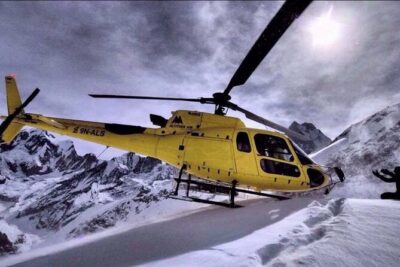
One more safety piece: the program says an emergency helicopter service is arranged, but it will be paid by your travel insurance company. The listing also notes that you should have travel insurance covering emergency high-altitude rescue and evacuation. So don’t assume helicopter support is automatic. It’s coordinated, but the financial coverage has to come from you.
Price and value: what $1,400 covers, and what you’ll still pay for
At $1,400 per person for about 10 days, the value is mainly in the big-ticket items you might otherwise scramble for on your own. The package includes:
- Flight fare for Kathmandu–Lukla–Kathmandu with domestic airport tax
- Private vehicle transfers (hotel/airport)
- Lodge/tea house accommodations during the trek
- Trekking permits and government/tourist service charges
- Your guide, including guide expenses and the support structure for porters
- Helicopter coordination via insurance
What’s not included is where your personal budgeting starts. The listing clearly says standard meals (breakfast, lunch, dinner) during the trek are not included, and personal trekking equipment is on you. It also notes that porters are available at extra cost (with the idea of 1 porter for 2 people), and that tips for guide and porter are expected.
So here’s my practical advice: budget extra money for food and a tip fund. And if you’re debating a porter, think about your energy. A porter doesn’t just make things easier; it helps you keep a safer pace on high days.
Should you book this short Everest Base Camp trek?
Book it if you want the Everest Base Camp experience but you’re working with limited time, and you’re in good physical shape for long walking days at elevation. The small group size, included flights, lodge stays, and strong guide support make this one of the more “managed” ways to do a short EBC trek.
Don’t book it if you’re unsure about high-altitude effort, because this format moves quickly, including the Kala Patthar (5,545m) sunrise climb. Also, if you don’t already have solid travel insurance for emergency rescue/evacuation, sort that before you commit. Lastly, if you hate budgeting for meals and tips, plan for extra costs since standard trek meals aren’t included.
If you want Everest to feel real without turning into a months-long expedition, this is the kind of trek that can deliver. Just respect the altitude, pack smart, and listen to the guide when the trail gets serious.
FAQ
How much does the short Everest Base Camp trek cost?
The price is $1,400 per person.
What’s included in the price?
It includes domestic flight fare Kathmandu–Lukla–Kathmandu (with domestic airport tax), private vehicle hotel/airport transfers, lodge/tea house accommodations during the trek, an experienced English-speaking guide (with guide expenses), trekking permits, and government taxes and charges. It also includes emergency helicopter service arrangement paid by your travel insurance company.
Are meals included during the trek?
Standard meals (breakfast, lunch, and dinner) during the trek are not included. The day plans note lunch being served on the way on the Lukla return day, so you’ll want to confirm exactly what meals are covered for your specific departure.
What time does the tour start?
The start time is 6:15 am.
How do the flights to and from Lukla work?
You fly to Lukla on commercial flights (Tara, Summit, or Sita Air). On the final trek day, you take an early flight from Lukla to Kathmandu.
How big is the group?
The maximum group size is 15 travelers.
Do I need a porter?
Porters are available at an extra cost, listed as 1 porter for 2 people. You can choose based on your comfort carrying your pack.
What travel insurance do I need?
You need travel insurance that covers emergency high-altitude rescue and evacuation. The program notes that a helicopter service will be arranged, but it will be paid by your travel insurance company.
Is there free cancellation?
Yes. You can cancel up to 24 hours in advance for a full refund. If you cancel less than 24 hours before the experience start time, the amount paid is not refunded.
More Trekking Out of Kathmandu
More Tour Reviews in Kathmandu
Just Reviewed in Kathmandu
- Mountain Bike Tour
★ 5.0 · 3 reviews - Annapurna Panaroma
★ 5.0 · 3 reviews - Mount Everest Scenic Flight 50 Minutes
★ 5.0 · 3 reviews - Kathmandu : Swambhunath & Durbar Square Guided Half Day Tour
★ 3.3 · 3 reviews - Chandragiri Cable Car & Monkey Temple Tour – Private/Group
★ 5.0 · 3 reviews - Kathmandu: Shivapuri National Park Hiking Day Trip
★ 3.3 · 3 reviews
Everest Base Camp Treks, compared.
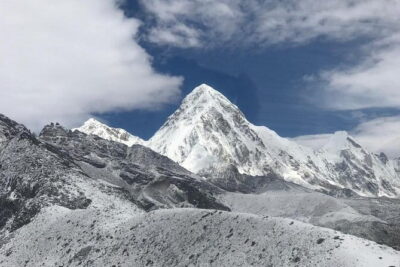 ★ 5.0Everest Base Camp Trek – 14 DaysFrom $1,8001,499 reviews
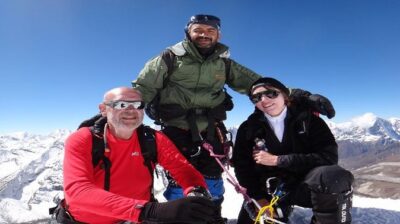 ★ 5.0Everest Base Camp TrekFrom $1,790842 reviews
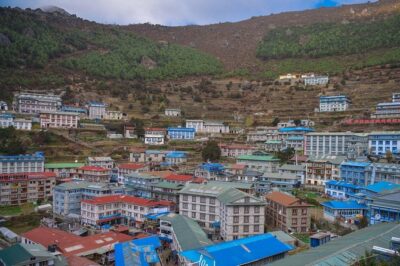 ★ 5.0Everest Base Camp TrekkingFrom $1,350485 reviews
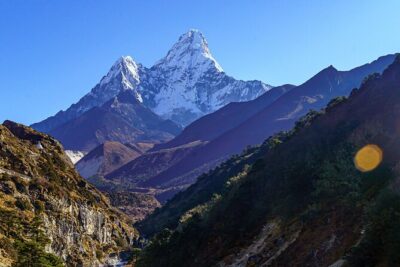 ★ 5.0Everest Base Camp Trekking – 13 DayFrom $1,399365 reviews
★ 5.0Everest Base Camp TrekFrom $1,445350 reviews
★ 5.0Everest Base Camp Trek -14 DaysFrom $1,420321 reviews
★ 5.0Everest Base Camp Trekking – 13 DayFrom $1,399365 reviews
★ 5.0Everest Base Camp TrekFrom $1,445350 reviews
★ 5.0Everest Base Camp Trek -14 DaysFrom $1,420321 reviews
 ★ 5.012 Days Everest Base Camp TrekFrom $1,099289 reviews
 ★ 5.0Everest Base Camp Trekking – 2025/2026From $1,339199 reviews
Browse the lists this tour appears in