
Review · EVEREST BASE CAMP TREKS
Short Everest Base Camp Trek – 10 Days
Everest in 10 days sounds almost too fast, until you see how the route is built. This trip funnels you from Kathmandu to the Khumbu in a tight loop that still gives you real Everest payoff plus Sherpa-culture stops along the way.
What I like most is the mix of big-ticket moments and day-to-day sanity. You get the high-drama Lukla landing, then steady trekking with help for practical stuff like permits and pacing, so you’re not fumbling at 3,000+ meters wondering what’s next.
One consideration: this is a short trek, not an easy one. You’ll spend long days at altitude, including a tough, early climb for Kalapathar, so take the cold-and-thin-air seriously.
In This Review
- Key highlights worth planning around
- A Fast Route to Everest from Kathmandu
- Lukla Flight and the Start to Phakding
- Namche Bazaar and the Permit Check You Shouldn’t Skip
- Tengboche Gompa: Everest Views with Sherpa Culture
- Dingboche and Lobuche: Altitude You Can Feel
- Everest Base Camp and Gorakshep Teahouses
- Kalapathar at Around 4 a.m.: Sunrise with a 360 View
- The Trek Back: Debuche, Pangboche, and a Long Return Day
- Lukla Back Down and Kathmandu Flight Home
- What You Get for $1,680: Value That’s More Than the Price Tag
- Who This Trek Fits Best (and Who Should Rethink It)
- Should You Book Short Everest Base Camp for 10 Days?
- FAQ
- How long is the Short Everest Base Camp trek?
- Are flights included?
- What permits do I need?
- What’s included in the price?
- What costs are not included?
- What’s the group size?
Key highlights worth planning around
- A scenic Lukla flight with recommended left-side seating for mountain views and the famous landing
- Sagarmatha National Park permit handled via checkpoints, with your guide helping you collect it on the trail
- Teahouse nights in the Khumbu so you sleep at trekking height and keep the pace realistic
- Everest Base Camp at 5,364 m with climbers in the area getting ready for their ascent season
- Kalapathar at around 4 a.m. for sunrise and a 360-degree view of the Everest massif
- Small group size (max 15) with a guided, organized feel
More trails out of Kathmandu, boots ready
- Everest Base Camp Trek – 14 Days★ 5.0 · 1,499 reviews
- Everest Base Camp Trek★ 5.0 · 842 reviews
- Everest Base Camp Trekking★ 5.0 · 485 reviews
- Nagarkot Sunrise View and Day Hiking from Kathmandu★ 5.0 · 471 reviews
A Fast Route to Everest from Kathmandu
If you’ve only got a couple of weeks (or less), this is the kind of Everest trip that makes sense. You’re not signing up for months of logistics. Instead, you fly into the Khumbu via Lukla, work your way up through iconic villages and monasteries, and spend the core days around Gorakshep, Everest Base Camp, and Kalapathar.
You’ll also get a strong cultural thread, not just a walk-and-gasp routine. The route passes through places known for Sherpa life and monastery visits, and you’ll spend real time in the mountain rhythm of tea houses, prayer flags, and short villages strung along the trail.
The quality-of-day factor matters, too. The trip is set up so you get breathless scenery and landmark viewpoints without turning every day into a grind. It’s still demanding, but the structure helps.
Lukla Flight and the Start to Phakding
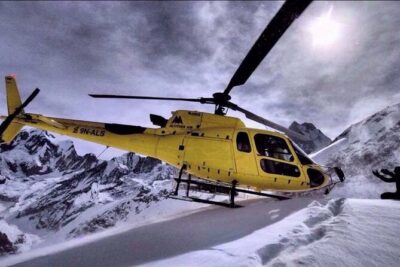
Day one starts with a domestic flight from Kathmandu to Lukla. It’s short, scenic, and one of those Nepal moments you remember because of how the mountains look from the air. The trip’s small but useful advice here: choose the left raw seat for the best views of the Himalaya as you get closer.
Then comes the landing at Lukla Airport, the part many people talk about because it feels like aviation inside a postcard. Once you land, you trek toward Phakding. Your first walking is a descent through stone-paved stairs and shaded trail under rhododendron. In spring, the rhododendrons bloom, and that seasonal touch can make the trail feel less like a workout and more like a walk through a living painting.
Practical takeaway: even though day one is described as no ascents, you’re still adjusting to motion, cold air, and higher elevation. I’d treat the first day like a warm-up, not a victory lap.
Namche Bazaar and the Permit Check You Shouldn’t Skip
By day two, the trail heads toward Namche Bazaar. This is where Nepal trekking starts to feel like trekking: river crossings, suspension bridges, and village rhythms that change with altitude.
You’ll follow the Dudh Kosi river bank leaving Phakding, and you’ll cross multiple high suspension bridges over the same river. It’s a big part of the experience because it keeps your pace moving while giving constant “look down, look around” views.
This is also a practical milestone day. You’ll collect your Sagarmatha National Park trekking permit at checkpoints along the route, and your guide helps with the process. That matters because permits in Nepal trekking aren’t just paperwork; checkpoints and timing can affect the flow of your day.
You pass small villages such as Tok-Tok, Monjo, and Jorsale, and Jorsale functions as a common stopping point for trekkers. That can be comforting: it’s a reminder that you’re not alone out there, even when you’re moving at your own pace.
Tengboche Gompa: Everest Views with Sherpa Culture
The climb toward Tengboche brings the first major sense that you’re really in Everest country. After breakfast in Namche, the walking begins and you’ll have strong sights developing as you move. You’ll see peaks like Thamserku over your route, plus stupas along the way, and then you’ll get your first view of Mt. Everest, with Lhotse and Ama Dablam also in the mix depending on the day’s weather.
Then the trail pattern becomes very Khumbu. There’s flat-ish terrain, a drop to a river, and a suspension bridge crossing before another ascent sequence begins. Right before the approach to Tengboche, there’s a checkpoint where permits are verified. Again, this is one of those practical details that can make the day feel smoother if someone is handling it.
Tengboche itself is the cultural anchor. The visit to Tengboche Gompa gives you a chance to slow down a bit and see the monastery setting that’s central to Sherpa spiritual life. If you want Everest without losing the human side of the region, this is where the trip delivers.
My advice: be a little flexible with photos here. The best shots often happen when you’re not rushing, and you’re willing to stand still for a few minutes in thin-air cold.


Dingboche and Lobuche: Altitude You Can Feel
On the next leg, you continue toward Dingboche. The walk from Tengboche includes a descent to Pangboche, then more flatter trekking. You’ll pass through villages like Somare and Orsho and stop for lunch at Somare. From there, you’ll reach the Lobuche river area, cross, and continue on to Dingboche.
Dingboche is described as a lovely village, and it has a specific kind of life at altitude: you’ll see potato and barley cultivation. That’s a helpful mental image when you’re climbing higher. It’s easy to imagine the Himalaya as empty. In reality, people are farming and adapting.
From Dingboche to Lobuche, you shift into the more intense high-altitude trekking feel. The route moves uphill to a ridge with close, clear views of peaks like Tawache and Cholatse. The bigger issue is altitude: you’re above 4,000 meters now, and the trip stresses walking slowly and drinking water. If you see any signs of altitude sickness, you need to get down to lower altitudes as soon as possible. That’s not optional advice at these heights.
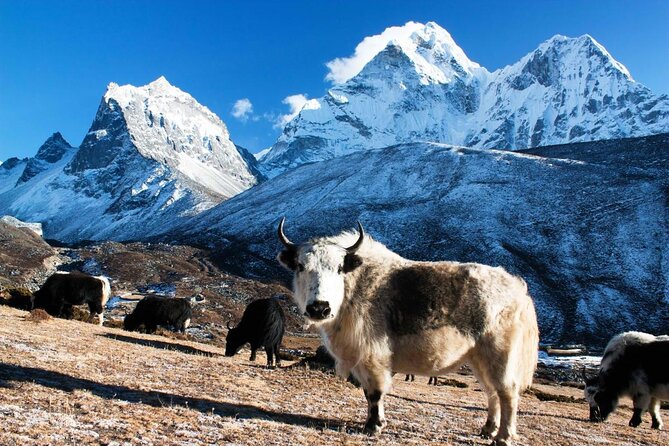
You’ll pass through yak pastures around Thukla (noted at 4,620 meters), then climb steeply toward the terminal moraine of Khumbu glacier. That “glacier margin” zone changes the atmosphere. It feels colder, more exposed, and more about rock, snow, and wind than trees and village paths.
Everest Base Camp and Gorakshep Teahouses
Day six is the big one: reaching Everest Base Camp. After breakfast in Lobuche, you trek toward Gorakshep. The early part is described as easier walking, then you stay overnight in teahouses in Gorakshep.
This is a smart pacing choice for a short itinerary. It sets you up to do the base camp visit without feeling like you’re sprinting. Teahouses also mean you’re not carrying everything. You’ll check in, have lunch, then start your push toward base camp with less pressure on logistics.
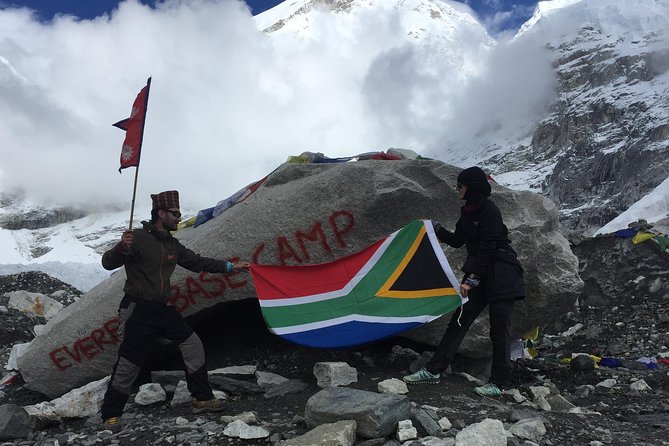
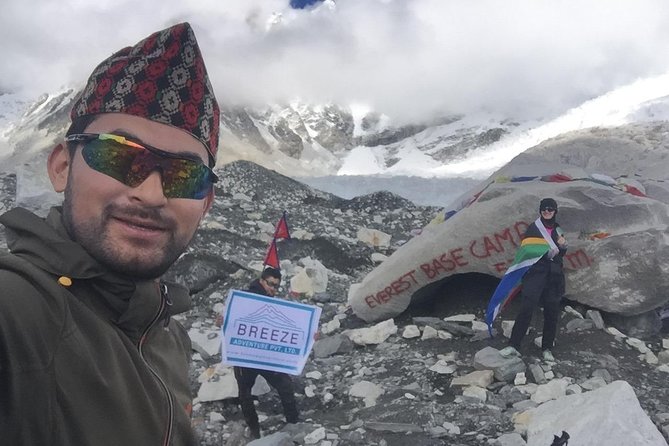
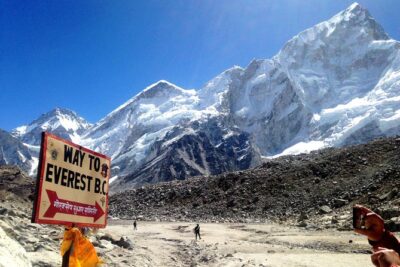
And then you arrive at Everest Base Camp, at 5,364 meters (17,598 feet). The feeling here is the point: it’s the bucket-list target, right where you can look at Everest’s front lines in real scale. You’re also in an area where climbers from around the world prepare for their ascent, so the energy is different than a normal sightseeing stop.
A practical note: at this elevation, weather can move fast. It’s worth being ready with your warm layers and not assuming clear skies will last. The trek includes warm layers and a sleeping bag, but you’ll still want to manage your comfort as conditions change.
Kalapathar at Around 4 a.m.: Sunrise with a 360 View
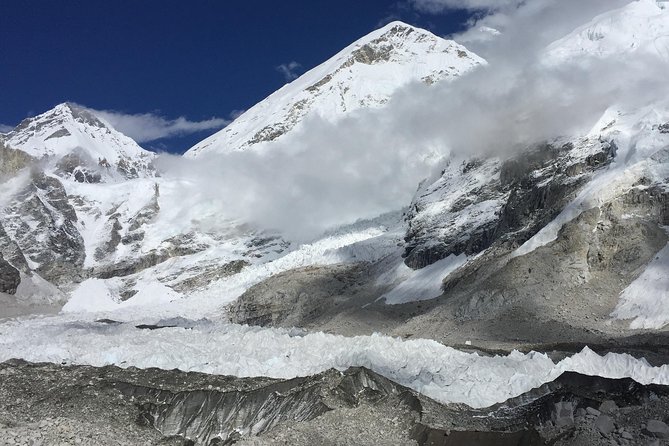
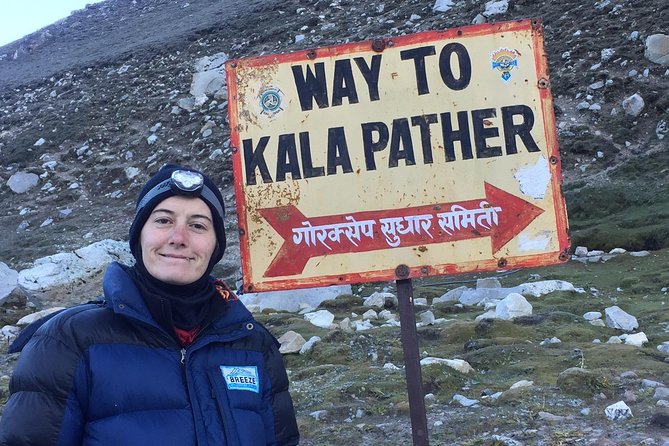
If Everest Base Camp is the destination, Kalapathar is often the payoff. The next day starts with an early morning push: you leave pretty early, nearly at 4 a.m. The route is described as difficult, an uphill climb on an icy trail.
This is where your day planning matters. You’ll want to treat the ascent like steady progress, not a race. The reward is sunrise, described as the best view from Kalapathar, plus a 360-degree panorama of the Everest massif.
You can expect dramatic photo moments here, including Everest towering behind you in the early light. After spending time at the viewpoint, you return to Gorakshep and then trek down toward Pheriche with your luggage.
Pheriche is called a beautiful village with artistic rocky hills around it and teahouses/guest houses. In other words, you go from icy viewpoint effort back to a more livable village setting.
The Trek Back: Debuche, Pangboche, and a Long Return Day
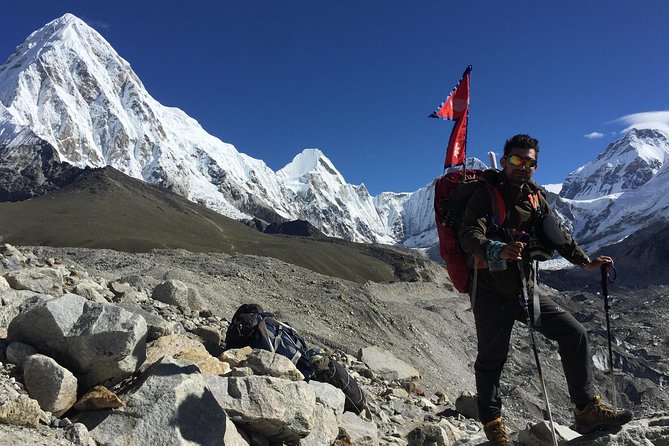
The return day from Pheriche is long, and that matters more than people expect. You trek back through villages including Debuche and Pangboche, with lunch typically at Pangboche. After that, you continue walking and work your way uphill to Tengboche again.
From Tengboche, the route takes a continuous downhill and includes a river crossing, followed by another ascent. Then the final stretch can feel flatter and easier before you reach Namche.
Why this return route matters: it keeps you close to major landmarks you already saw going up, but it’s also a different kind of day mentally. When your legs are tired, repeating familiar terrain can feel easier because you know what’s coming. Still, you’ll want to avoid rushing.
My practical rule here: slow down. Most trekking accidents tend to happen on the way back when people let fatigue turn into carelessness. This trek even emphasizes not running on the descent.
Lukla Back Down and Kathmandu Flight Home
Near the end, you head from Namche back to Lukla. The day includes a descent with the famous uphill after the Hilary suspension bridge, then gradual walking along with other trekkers. You’ll stop for lunch at Tok Tok and then continue to Lukla.
Lukla is also where you can reset mentally. You’ll have bakeries and shops where you can relax and pick up small gifts for family and friends.
Then comes the final transfer to Kathmandu. If weather is good, you fly back via the scheduled flight. If weather is bad, delays happen. That’s normal in mountain aviation, so I’d plan your final day with a little flexibility even if your travel dates are tight.
What You Get for $1,680: Value That’s More Than the Price Tag
At $1,680 per person for about 10 days, the biggest value isn’t just the route. It’s what’s included that usually costs extra on budget-style treks.
Your package covers all transportation for the trek, including flights to and from Lukla. It also includes government-authorized experienced guides, service charges and government taxes, and a first aid kit. On top of that, you get equipment like a sleeping bag and warm layers, which can be a real saving if you don’t already own winter trekking gear.
Meals are also bundled: the trek includes breakfast (10), lunch (9), and dinner (9). In the Everest region, that kind of package can reduce decision fatigue and keep your days consistent.
Where you should expect extra costs: showers and electronic charging fees at guest houses, and it doesn’t include alcohol, chocolates, tea, coffee, or tips for your guide and porter. Those can add up. If you want a “know-the-budget” plan, set aside some cash for charging and basic comforts.
Also note the group limit: up to 15 travelers. Smaller groups often feel easier to manage on a busy trail, and it tends to keep the guide-communication clear.
Who This Trek Fits Best (and Who Should Rethink It)
This short Everest Base Camp option fits well if:
- You have limited time but still want the real Everest markers: Everest Base Camp and Kalapathar.
- You want Sherpa culture and monasteries, not only viewpoints.
- You prefer a guided plan that handles permits and practical checkpoints.
- You’re comfortable walking long hours and coping with cold.
Reconsider if:
- You’re worried about altitude. This trip pushes above 4,000 meters and includes a hard early climb to Kalapathar on an icy trail.
- You don’t like early starts. Leaving around 4 a.m. changes your whole day.
- You’re counting on guaranteed flight timing. Weather can delay the Lukla and Kathmandu connections.
Should You Book Short Everest Base Camp for 10 Days?
If you’re chasing Everest in a realistic time window, this is a strong match. The itinerary is built around the classic Everest “triangle”: Lukla’s dramatic entrance, cultural stops that give meaning beyond altitude, and two headline views in the high country—Base Camp and Kalapathar sunrise.
I’d book it if you want a structured, guided experience with the heavy logistics taken care of, especially permit collection and the flight legs. I’d also book it if you value support from people like Kishwor (host), with guides and porters such as Sarki, Mr. Ngwang, and Pemba who have been specifically praised for organization and getting you through the hike smoothly.
Skip the hype and focus on your body prep: train for steep walking, plan for cold, and keep your pace cautious at altitude. Do that, and this 10-day Everest sprint can feel like exactly the right amount of Himalaya.
FAQ
How long is the Short Everest Base Camp trek?
The trek runs about 10 days.
Are flights included?
Yes. The package includes flights to and from Lukla, and the return flight to Kathmandu is scheduled if weather is good.
What permits do I need?
You’ll need a Sagarmatha National Park trekking permit, collected with help at checkpoints on the trail.
What’s included in the price?
It includes transportation for the trek (including Lukla flights), government-authorized guides, equipment such as a sleeping bag and warm layers, first aid kit, local villages entry fee, and meals (breakfast 10, lunch 9, dinner 9).
What costs are not included?
Not included are international airfare, shower and electronic charging fees at guest houses, and items like alcohol, chocolates, tea and coffee, plus tips for guide and porter.
What’s the group size?
The maximum group size is 15 travelers.
More Trekking Out of Kathmandu






More Tour Reviews in Kathmandu




Just Reviewed in Kathmandu
- Mountain Bike Tour
★ 5.0 · 3 reviews - Annapurna Panaroma
★ 5.0 · 3 reviews - Mount Everest Scenic Flight 50 Minutes
★ 5.0 · 3 reviews - Kathmandu : Swambhunath & Durbar Square Guided Half Day Tour
★ 3.3 · 3 reviews - Chandragiri Cable Car & Monkey Temple Tour – Private/Group
★ 5.0 · 3 reviews - Kathmandu: Shivapuri National Park Hiking Day Trip
★ 3.3 · 3 reviews
Everest Base Camp Treks, compared.
 ★ 5.0Everest Base Camp Trek – 14 DaysFrom $1,8001,499 reviews
 ★ 5.0Everest Base Camp TrekFrom $1,790842 reviews
 ★ 5.0Everest Base Camp TrekkingFrom $1,350485 reviews
 ★ 5.0Everest Base Camp Trekking – 13 DayFrom $1,399365 reviews
★ 5.0Everest Base Camp TrekFrom $1,445350 reviews
★ 5.0Everest Base Camp Trek -14 DaysFrom $1,420321 reviews
 ★ 5.012 Days Everest Base Camp TrekFrom $1,099289 reviews
 ★ 5.0Everest Base Camp Trekking – 2025/2026From $1,339199 reviews
Browse the lists this tour appears in