
Review · EVEREST BASE CAMP TREKS
Short Everest Base Camp Trek 10 Days
10 days to Everest, minus the slow burn. This short Everest Base Camp trek puts Mount Everest front and center, with Khumbu glacier scenes and the old Tyangboche monastery worked in without a week of wandering. You’ll also pause for Namche Bazaar, the Sherpa trading hub that makes this trek feel more human than just scenic.
I like that the plan is built around the real highlights: the thrilling route to Lukla, then walking through the Dhudhkosi river valley toward the Everest Base Camp area. I also like that it comes with your core trekking kit—sleeping bag, down jacket, and a duffel bag—so you’re not stuck buying gear you’ll barely use later.
One consideration: good weather matters. Expect tea house basics on the trail, and remember that Kathmandu lodging and porter help (if you want it) aren’t included.
In This Review
- Key points
- Why a short Everest Base Camp trek actually feels like Everest
- Kathmandu to Lukla: the flight day that sets the tone
- Namche Bazaar and Sherpa life: more than a stop for snacks
- Dhudhkosi river valley trekking: where the walk builds confidence
- Tyangboche monastery, Khumbu glacier, and icefall views
- Reaching Everest Base Camp: what “at the foot” really means
- Tea house comfort, included meals, and what you still pay for
- Price and value: what you’re really paying for at $1,690
- Who should book this short Everest Base Camp trek?
- Should you book this short EBC trek or choose a longer one?
- FAQ
- Where does the trek start?
- How long is the trek?
- What does the price include?
- What is not included in the tour price?
- Are flights between Kathmandu and Lukla included?
- What kind of lodging is provided during the trek?
- What trekking gear is provided?
- Do I need a certain fitness level?
- Is this a private tour?
- What happens if weather is poor?
- Is cancellation free?
Key points
- Lukla flights included: You save time and keep the trip focused on trekking.
- Namche Bazaar + Sherpa culture: The “why” of this region shows up alongside the views.
- Trek essentials provided: Sleeping bag, down jacket, and duffel bag are included (and returned).
- Iconic stops on the Everest route: Tyangboche monastery, Khumbu glacier, and the icefall area are part of the experience.
- Private group setup: Only your group participates, which helps the pace and decision-making.
More trails out of Kathmandu, boots ready
- Everest Base Camp Trek – 14 Days★ 5.0 · 1,499 reviews
- Everest Base Camp Trek★ 5.0 · 842 reviews
- Everest Base Camp Trekking★ 5.0 · 485 reviews
- Nagarkot Sunrise View and Day Hiking from Kathmandu★ 5.0 · 471 reviews
Why a short Everest Base Camp trek actually feels like Everest
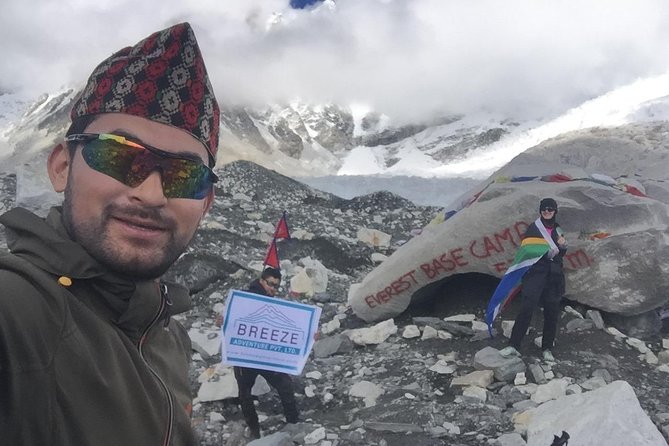
The biggest reason this 10-day version works is simple: it compresses the trek without skipping the signature pieces. In a short time frame, you’re still in the world of Everest—up close to Everest’s towering scale, plus nearby peaks that rise past 8000 meters. That means your days aren’t just “transport + one viewpoint,” they’re aimed at the places that make people fall in love with the Khumbu region.
I also like how this trek keeps the focus on people and place, not just photos. You get time at Namche Bazaar, often described as a Sherpa capital for a reason: it’s where daily trade, trails, and mountain knowledge meet. That context helps when you’re later looking at glaciers and icefall terrain, because you’re seeing it through the lens of the community that lives in the shadow of these peaks.
The “short” part does come with a reality check. You still need moderate physical fitness, and you’ll be moving in high-altitude conditions as part of an Everest route. If you’re the type who wants lots of buffer days for recovery, you might feel the schedule more. But if you want a focused Everest journey, this length can feel right.
Kathmandu to Lukla: the flight day that sets the tone
Your trek starts at Tribhuvan Airport in Kathmandu. The tour includes pickup, plus an air-conditioned vehicle for getting you where you need to go. It also uses a mobile ticket, which is handy when you’re juggling paperwork and weather updates.
Then comes the part many people talk about: the flight to Lukla. This route is famous for being exciting and slightly intense, because it shrinks the distance between Kathmandu and the Everest trail fast. With both-way flights included (Kathmandu → Lukla → Kathmandu), you avoid the hassle of figuring out air schedules on your own, and you get to spend your energy on the trekking days instead.
Quick practical tip: build some mental slack around departure timing. Even with good planning, mountain weather can change plans. This experience specifically requires good weather, and if conditions aren’t right, you’ll be offered another date or a full refund. That’s not “small print”—for Everest, it’s the deal.
Namche Bazaar and Sherpa life: more than a stop for snacks
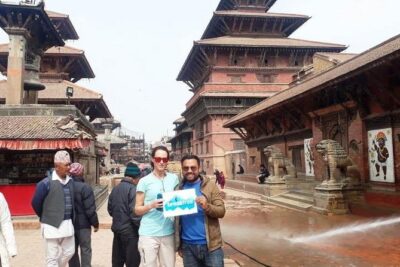
Namche Bazaar is where this trek shifts from “walk in the mountains” to “learn the mountain rhythm.” It’s described here as the Sherpa capital, and that matters because Sherpa life is the backbone of the Khumbu trekking economy. You’re not just passing through; you’re getting time to understand how locals live, work, and survive at altitude.
What you’ll likely notice right away is the mix of trail culture and everyday life. Namche is a place where supplies move, stories move, and mountain know-how lives in practical routines. That makes the later, colder sights feel less abstract. When you see Khumbu glacier features and look toward towering neighbors, you’re not just thinking geography—you’re thinking livelihoods.
Also, this is one of the best places to ask questions in plain language. When your guide is on the ground with local knowledge, you’ll get clearer on what’s ahead and what the terrain means. In the wider Everest world, you’ll meet guides with different styles. Here, the guiding team shows up consistently in the kind of feedback you want: people felt looked after from start to finish and described their guides as helpful, attentive, and focused on safety.
Dhudhkosi river valley trekking: where the walk builds confidence
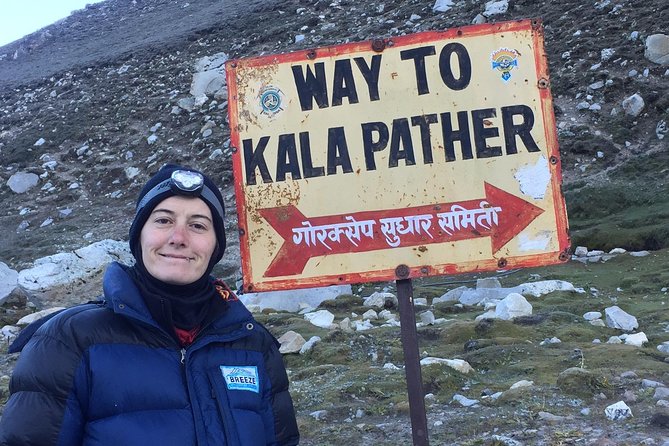
Between Lukla and the higher parts of the route, you’ll trek through the Dhudhkosi river valley. The key value of this section is that it’s not random walking. The valley trekking gives you a gradual ramp into the Everest region—time to settle into your pace, test your boots, and get comfortable with the reality of daily tea house stops.
This is also where having the right gear matters. The tour includes essential items such as a sleeping bag and a down jacket, plus a duffel bag that you’ll use during the trek. That’s valuable because trekking in the Khumbu region can turn cold fast, especially when you’re resting, waiting, or moving early in the day.
Here’s the practical angle you should remember: the trek is about consistency. If your feet and hands are comfortable, you walk better. And when you walk better, you enjoy the views more. You can’t control altitude, but you can control comfort. This package is set up to help you get that part right.
Tyangboche monastery, Khumbu glacier, and icefall views
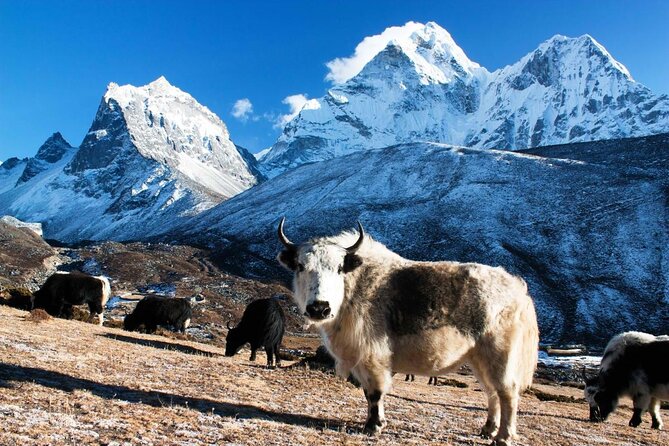
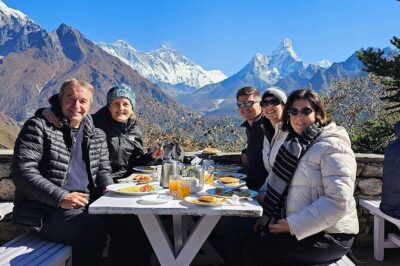
The route doesn’t just hit Everest Base Camp—it also threads through several of the most memorable landmarks along the way. Tyangboche monastery is specifically highlighted, along with the Khumbu glacier and the icefall area. These are the places where your eyes stop searching for a “main view” and start absorbing the scale of everything around you.
Tyangboche monastery brings a different feel than the glacier views. It’s calmer and more cultural, a pause point that lets you experience the spiritual side of the region. In a trek this famous, that balance is important. You want at least a moment where the mountains aren’t the only subject.
Then you move back into the big-ticket geography: Khumbu glacier and the icefall. This is the part of the Everest route that teaches you how wild and dynamic the terrain really is. Even without getting technical, you’ll understand quickly that this isn’t a gentle hiking area. It’s dramatic, and the views come with an extra layer of respect.
Two practical notes here:
- You’ll want to move with the guidance of your team, especially around tricky terrain.
- Cold weather gear is more useful than you expect. That down jacket you get with the tour isn’t just for one photo moment.
Reaching Everest Base Camp: what “at the foot” really means
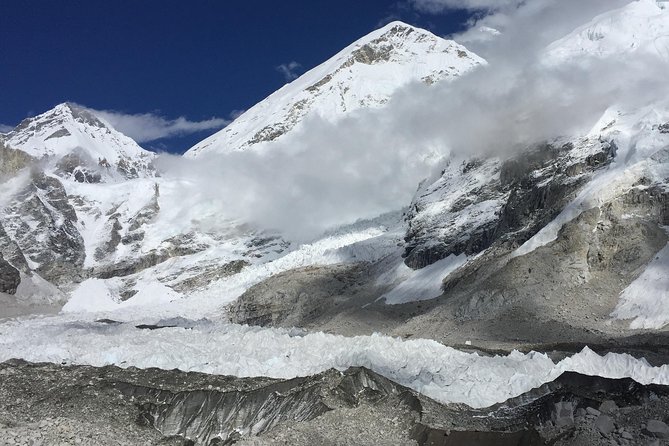
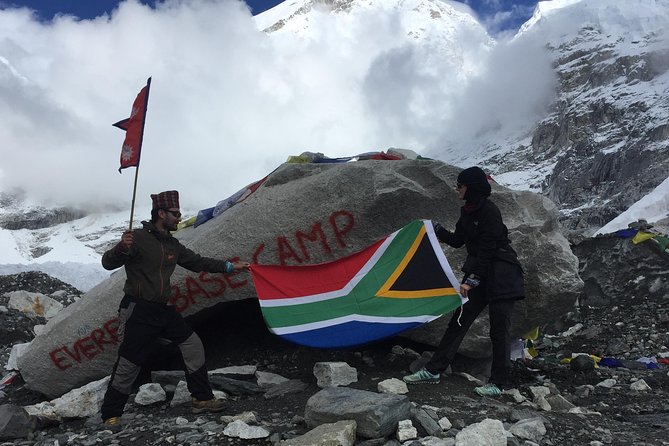
The goal is Everest Base Camp itself, described here as being at the foot of Mount Everest. That phrase matters. You’re not going to the summit, but you’re in the zone where the mountain dominates everything around you. On a clear day, the size and presence of Everest can feel unreal—not because it’s a movie-like effect, but because there’s no hiding from the scale.
This is where your expectations should be honest and grounded. Base Camp is a trekking destination, not a resort. It’s a place with motion: people arriving, people leaving, and the whole area tied to the season’s climbing and support world.
I like that this trek keeps the approach focused: you get your time on the trail, plus the key cultural and glacial points that make Base Camp meaningful. The end of the trek isn’t just a marker on a map—it’s the result of the days that came before.
Tea house comfort, included meals, and what you still pay for
On the trail, you’ll stay in tea houses. The tour includes breakfast, lunch, and dinner, which is a big deal for value and convenience. It also reduces decision fatigue when you’re tired. After a day of walking, it’s easier when meals are arranged and waiting.
You’ll still want to plan for what’s not included:
- Coffee and/or tea
- Bottled water
- Alcoholic beverages
- Soda/pop
- Personal expenses
If you’re budgeting, bottled water is often one of the “quiet” costs on Everest routes. Also, while tea house rooms are part of the experience, they’re not luxury. You should expect basic lodging and simple setups—just enough comfort to sleep, warm up, and get ready for the next day.
The included gear helps balance that. Having a sleeping bag and down jacket means you can rely less on what’s available in the room. That improves your comfort, and comfort improves your enjoyment.
Price and value: what you’re really paying for at $1,690
At $1,690 per person, the headline number is only part of the story. The better way to judge value is to look at what’s included that otherwise costs real money and time.
Here’s the value math that matters for most people:
- Flights (round trip): Kathmandu ↔ Lukla ↔ Kathmandu are included.
- Meals: breakfast, lunch, and dinner are included during the trek.
- Accommodation: tea house lodging is included.
- Trek gear: sleeping bag, down jacket, and duffel bag are included and returned after the trek.
- Local logistics: air-conditioned vehicle, route map, and all fees and taxes are included.
- Tour style: it’s private, meaning only your group participates.
What’s not included is also part of the budgeting picture:
- Hotel in Kathmandu
- Travel insurance
- Bottled water and most drinks
- Porter services if you decide you want one
If you’re already the kind of traveler who likes to travel light, the included gear is a big win. If you’d otherwise rent or buy a sleeping bag and warm layers, you can feel that discount immediately. And by bundling the flights, you reduce the risk of spending extra days managing schedules.
One more practical detail: the trek is often booked about 47 days in advance on average. That suggests you shouldn’t wait until the last minute if you want smoother planning.
Who should book this short Everest Base Camp trek?
This experience is best for people who want the classic Everest story in a shorter format. The fitness requirement is described as moderate, which makes it a fit for hikers who can handle multi-day trekking without needing a marathon of training.
It also fits well if you like structure. You’re not arranging flights, meals, and trekking accommodations yourself. You’re showing up, following a plan, and focusing on the trail.
It’s private and only your group participates, so it suits:
- Couples or small groups who want a calmer pace
- Solo travelers who still want personal guidance and attention
- Hikers who want Everest highlights—Namche Bazaar, Tyangboche monastery, Khumbu glacier, and Everest Base Camp—without dragging the trip into a longer time commitment
If you’re extremely time-rich and want more days for acclimatization and recovery, you may prefer a longer trek. But if your goal is a focused Everest Base Camp trip, this 10-day format can hit the sweet spot.
Should you book this short EBC trek or choose a longer one?
Book it if you want:
- A time-efficient route with Lukla flights included
- A plan that covers both cultural stops (Namche Bazaar, Tyangboche monastery) and the big mountain sights (Khumbu glacier, icefall area, Everest Base Camp)
- Included essentials so you don’t overspend on gear before you ever reach the trail
Consider another option if:
- You’re worried about tea house simplicity and want more comfort control
- You’d rather travel at a slower pace with more buffer days
- You want to minimize weather-driven schedule risk (though all Everest trips carry this issue)
My advice: if you can meet the moderate fitness level and you’re comfortable with basic lodging, this is a strong choice. It keeps the “Everest classics” tight together, which is exactly what you want when you’re trying to experience Everest without turning your vacation into a logistics project.
FAQ
Where does the trek start?
The meeting point is Tribhuvan Airport in Kathmandu, Nepal.
How long is the trek?
The duration is 10 days (approx.).
What does the price include?
It includes breakfast, lunch, and dinner during the trek; an air-conditioned vehicle; all fees and taxes; both-way flight tickets between Kathmandu and Lukla; and necessary trekking equipment (sleeping bag, down jacket, and duffel bag) that is returned after the trek. It also includes route map and tea house accommodation during the trek.
What is not included in the tour price?
Not included are coffee and/or tea, bottled water, alcoholic beverages, soda/pop, personal expenses, travel insurance, hotel in Kathmandu, and porter services if needed.
Are flights between Kathmandu and Lukla included?
Yes. The tour includes both way flight ticket Kathmandu–Lukla–Kathmandu.
What kind of lodging is provided during the trek?
You’ll stay in tea house accommodations during the trek.
What trekking gear is provided?
The tour provides necessary equipment such as a sleeping bag, down jacket, and a duffel bag, and these items are returned after the trek.
Do I need a certain fitness level?
The tour notes that travelers should have a moderate physical fitness level.
Is this a private tour?
Yes. It is a private tour/activity, and only your group will participate.
What happens if weather is poor?
This experience requires good weather. If it’s canceled due to poor weather, you’ll be offered a different date or a full refund.
Is cancellation free?
Yes, free cancellation is available. You can cancel up to 24 hours in advance for a full refund, based on local time at the experience start.
More Trekking Out of Kathmandu
More Tour Reviews in Kathmandu
Just Reviewed in Kathmandu
- Mountain Bike Tour
★ 5.0 · 3 reviews - Annapurna Panaroma
★ 5.0 · 3 reviews - Mount Everest Scenic Flight 50 Minutes
★ 5.0 · 3 reviews - Kathmandu : Swambhunath & Durbar Square Guided Half Day Tour
★ 3.3 · 3 reviews - Chandragiri Cable Car & Monkey Temple Tour – Private/Group
★ 5.0 · 3 reviews - Kathmandu: Shivapuri National Park Hiking Day Trip
★ 3.3 · 3 reviews
Everest Base Camp Treks, compared.
 ★ 5.0Everest Base Camp Trek – 14 DaysFrom $1,8001,499 reviews
 ★ 5.0Everest Base Camp TrekFrom $1,790842 reviews
 ★ 5.0Everest Base Camp TrekkingFrom $1,350485 reviews
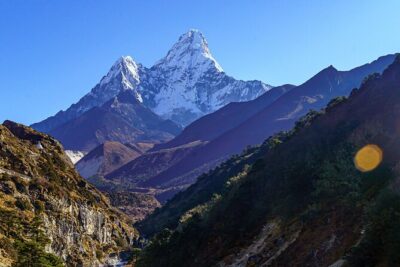 ★ 5.0Everest Base Camp Trekking – 13 DayFrom $1,399365 reviews
★ 5.0Everest Base Camp TrekFrom $1,445350 reviews
★ 5.0Everest Base Camp Trek -14 DaysFrom $1,420321 reviews
★ 5.0Everest Base Camp Trekking – 13 DayFrom $1,399365 reviews
★ 5.0Everest Base Camp TrekFrom $1,445350 reviews
★ 5.0Everest Base Camp Trek -14 DaysFrom $1,420321 reviews
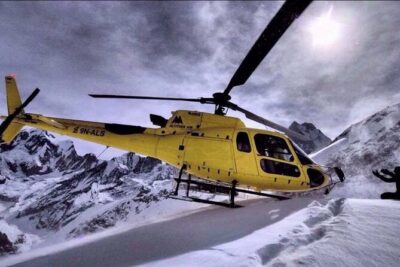 ★ 5.012 Days Everest Base Camp TrekFrom $1,099289 reviews
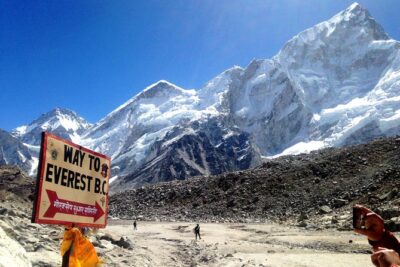 ★ 5.0Everest Base Camp Trekking – 2025/2026From $1,339199 reviews
Browse the lists this tour appears in