
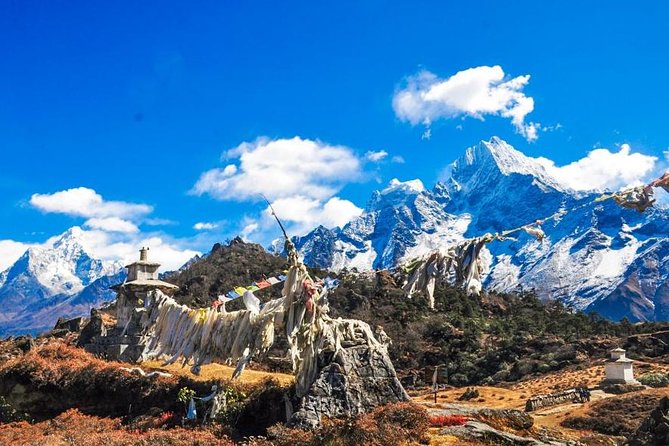
Review · EVEREST BASE CAMP TREKS
Shortest Everest Base Camp Trek 11 Days
Eleven days to Everest Base Camp feels unreal. You get a short, focused EBC trek plus the wow-factor of a helicopter ride to Everest Base Camp, Khumbu Glacier, and Kalapatthar, which helps you squeeze the highlights into less time. I like how the team handles altitude concerns with real attention (I’ve heard firsthand how guides like Pasang notice symptoms and adjust the pace), but the tradeoff is you need moderate fitness and you’re still at the mercy of weather in the high mountains.
This trip’s biggest strength is the human setup: a strong Sherpa guide, capable porters, and a company that stays responsive before you even arrive. In past runs, Ram in the head office has been quick to answer questions, and on the trail, guides such as Lakpa have been praised for tailoring the trek to the group and keeping things calm when your body gets cranky.
Value also matters here. Meals and “all fees and taxes” are included, and pickup is offered, which reduces the usual Kathmandu hassle. Just don’t forget what’s not included: your Nepal visa, travel insurance, tips, and extras like alcohol, soda/pop, and snacks are on you.
In This Review
- Key things you’ll notice right away
- Where the trip really starts: Kathmandu, 6:15 am, and a plan
- The Everest region trek: what the 11-day format changes for you
- Namche Bazaar: why it’s more than a photo stop
- The helicopter ride: the part that turns this trek into a special-value hybrid
- Food, comfort, and why meal inclusions are a real deal on an EBC trek
- Your guide and porters: the difference between a trek and a trip
- Fitness and pacing: who this 11-day EBC trek suits best
- Price and value: is $2,200 a smart deal for this mix?
- Weather, timing, and the reality of high-altitude plans
- The small logistics that can make your trip feel easy
- Should you book this 11-day Everest Base Camp trek?
- FAQ
- Where does this trip start, and what time do we begin?
- Is pickup offered in Kathmandu?
- How long is the Everest Base Camp trek?
- What level of fitness is required?
- What meals are included?
- What is not included in the price?
- What helicopter stops are included?
- Is there a limit on group size?
- What happens if the trip is canceled due to weather?
Key things you’ll notice right away
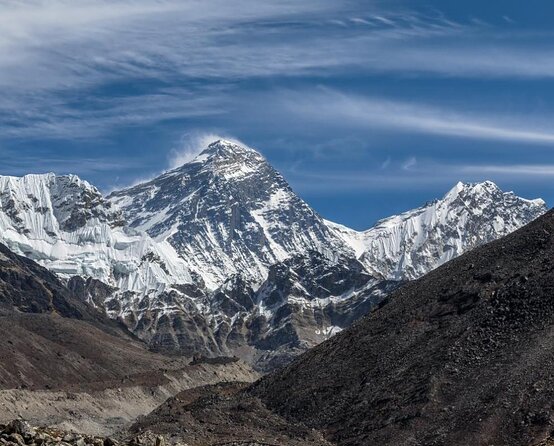
- 11 days: a compressed version of EBC that trades extra time for a tighter rhythm
- Namche Bazaar stop: time in the Sherpa hub, not just passing through
- Helicopter highlights: Everest Base Camp, Khumbu Glacier, and Kalapatthar in one big day
- Full meals coverage: lunch, breakfast, and dinner are included
- Small-ish group cap: maximum of 45 travelers, so it won’t feel like a cattle call
- Pickup offered: helps you start with less stress when you land in Kathmandu
More trails out of Kathmandu, boots ready
- Everest Base Camp Trek – 14 Days★ 5.0 · 1,499 reviews
- Everest Base Camp Trek★ 5.0 · 842 reviews
- Everest Base Camp Trekking★ 5.0 · 485 reviews
- Nagarkot Sunrise View and Day Hiking from Kathmandu★ 5.0 · 471 reviews
Where the trip really starts: Kathmandu, 6:15 am, and a plan
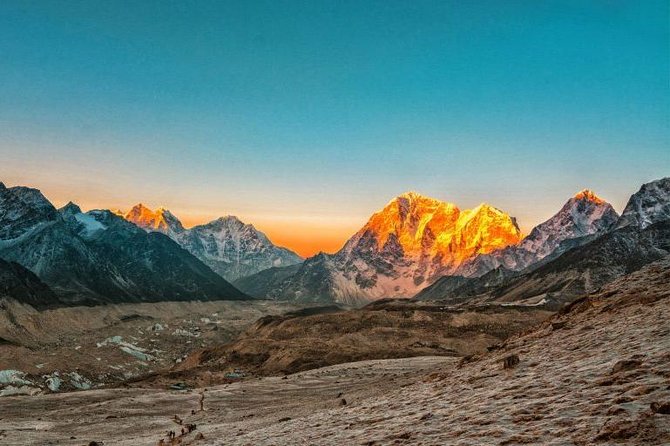
Your experience begins in Kathmandu, at Sherpa Expedition And Trekking, located at Chaksibari Marg (address given in the details). The start time is 6:15 am, and the activity ends back at the same meeting point. That early start matters. It’s one less thing to figure out later, and it gives the team time to organize the first steps cleanly.
A practical plus: pickup is offered, and the meeting point is near public transportation. If you’re arriving by taxi, tuk-tuk, or bus, you’ll still be able to get there even if schedules get messy. I also like that you’re not expected to be ultra-fit or athletic, just comfortable with a moderate fitness level.
What you should think about before you go: if you hate early mornings, you’ll either need to adjust your sleep fast in Kathmandu or be prepared to grin and bear it for a few days. At altitude, you don’t want to start the day already tired.
The Everest region trek: what the 11-day format changes for you
This is an Everest Base Camp trek customized for 11 days, and that timing is the heart of the package. A shorter trek can be great value if you want the core EBC experience without committing to a longer round-the-clock schedule. But “short” also means you’ll feel the days a bit more. You’ll likely walk enough to feel it, even if the route is paced to keep you safe.
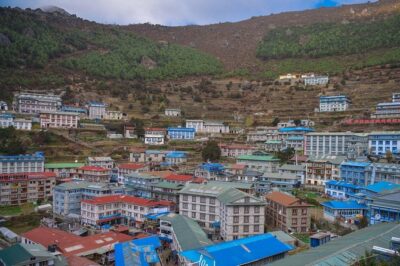
The trip is designed to include the famous Everest-region experience: trekking in the Khumbu area, seeing big-mountain scenery, and building toward the EBC moment. You’ll also get cultural grounding through a stop at Namche Bazaar, often called the Sherpa capital. That matters because Namche isn’t just scenery—it’s a place where you’ll notice how mountain life works: trading, tea houses, trekking gear, and a real rhythm to everyday life at altitude.
The biggest “real world” tip I can give: treat your body like part of the itinerary. If you’re feeling off—headache, nausea, unusual exhaustion—speak up. Guides on this trek are specifically noted for being attentive to symptoms and adjusting pacing to how you’re doing. Pasang, for example, was highlighted for being fun and energetic while also being tuned in to how someone was coping as altitude climbed.
Namche Bazaar: why it’s more than a photo stop
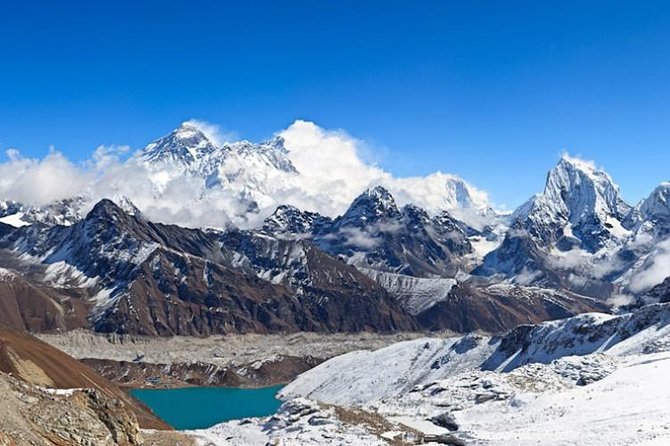
Namche Bazaar shows up in the plan for a reason. It’s a gateway into the Khumbu culture, and it’s the place where the trek stops feeling like a route and starts feeling like a world you’re stepping into.
Here’s what makes Namche special for you as a trekker:
- You get a sense of Sherpa life and the trekking economy that surrounds the mountain.
- You can slow down and notice how altitude changes daily living.
- It’s a natural checkpoint for your own acclimatization pacing—something the guide can use to keep you comfortable.
Even if you just want the views, Namche helps you understand what you’re walking toward. When the EBC moment comes, it feels less like a distant dot and more like a destination with a whole mountain community behind it.
If you’re traveling as a first-timer, Namche is also a psychological boost. You’ll see other trekkers, feel the momentum, and understand that what you’re doing is shared by many people—though your own pace should still be yours.
The helicopter ride: the part that turns this trek into a special-value hybrid
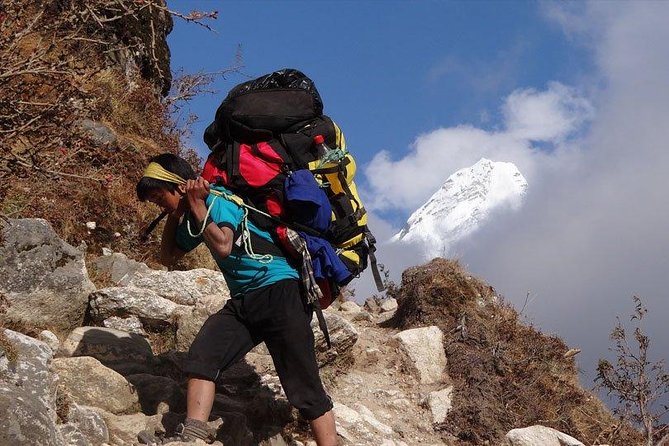
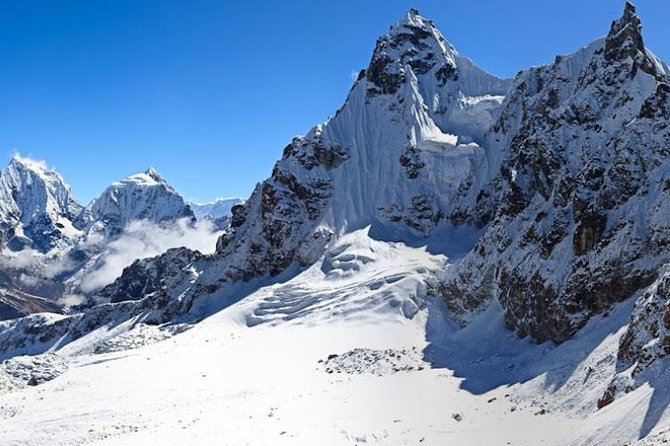
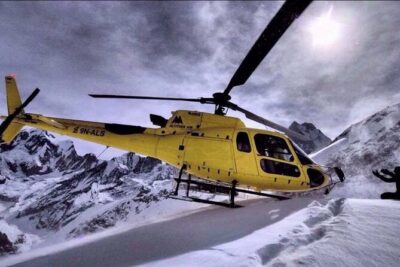
The headline feature is a helicopter ride to Everest Base Camp, with the plan also calling out the Khumbu Glacier and Kalapatthar. That’s not just a shortcut. It changes the entire experience.
From a value standpoint, this matters because:
- It reduces the time you’re spending in the most demanding or weather-sensitive segments.
- It boosts the odds you’ll see the key sights, even if trekking time gets constrained.
- It lets you trade some hours of walking for high-impact vantage points.
From an emotional standpoint, it’s the day that converts planning into memory. The guide team has been praised for coordinating this smoothly, and past groups described flying in ways that made the day feel organized rather than chaotic.
Important consideration: helicopters still depend on conditions. The cancellation policy notes that the experience requires good weather, and if it’s canceled due to poor weather, you’ll be offered a different date or a full refund. Translation: you shouldn’t assume the sky will always cooperate. But you also shouldn’t fear that the provider won’t respond—weather cancellations are explicitly handled.
Food, comfort, and why meal inclusions are a real deal on an EBC trek
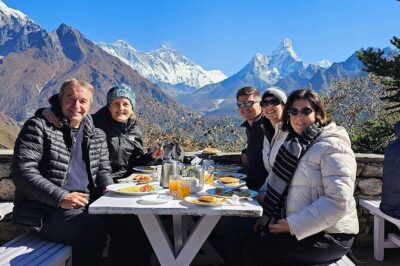
This package includes breakfast, lunch, and dinner. That sounds like a basic statement, but on a trek it’s a big deal because food at altitude affects energy and recovery.
When meals are included, you’re spending less time worrying about:
- finding reliable places to eat,
- budgeting for every snack stop,
- guessing what will be available at higher elevations.
You still need to manage your personal food preferences, hydration, and appetite. But the “meals covered” part usually makes the days simpler. Past experiences with this operator also highlighted that lodging in Kathmandu and during the trek was handled, plus three meals per day. While your exact lodging details can vary by season and routing, the pattern is clear: they aim to reduce the number of moving parts for you.
What’s not included is equally important. Alcoholic beverages, soda/pop, and snacks are not part of the package. If you snack constantly, plan on paying for extras yourself. And if you like a beer at the end of a hard day, you’ll need to budget for that too.
Your guide and porters: the difference between a trek and a trip
On paper, a trek is logistics plus altitude. In real life, it’s your guide team.
This operator’s strengths show up repeatedly in the way guides and porters are described. Names you may encounter in past groups include:
- Pasang (praised for attentive care and symptom awareness)
- Lakpa Sherpa (praised for tailoring pace and handling needs)
- Ngawang Wangchhu (credited with making the whole trek an incredible experience through day-to-day guidance)
- Santa (mentioned as an excellent guide within a family group)
- Lhakpa Sona Sherpa (praised for an unforgettable experience through views, food, and culture)
Porters also come up in the praise. A common thread in the feedback is that porters were kind, helpful, and steady—people who keep your trek feeling possible when your legs are negotiating with gravity.
Why you should care:
- A good guide helps you pace for altitude, not ego.
- A good porter team means you can focus on breathing and walking, not carrying everything.
- Responsiveness before you travel matters too. Ram’s quick replies in advance are repeatedly mentioned as a reason people felt comfortable booking.
If you’re the type who likes a clear plan, you’ll probably appreciate how this team runs a structured trip. If you’re the type who needs reassurance, you’ll likely feel supported.
Fitness and pacing: who this 11-day EBC trek suits best
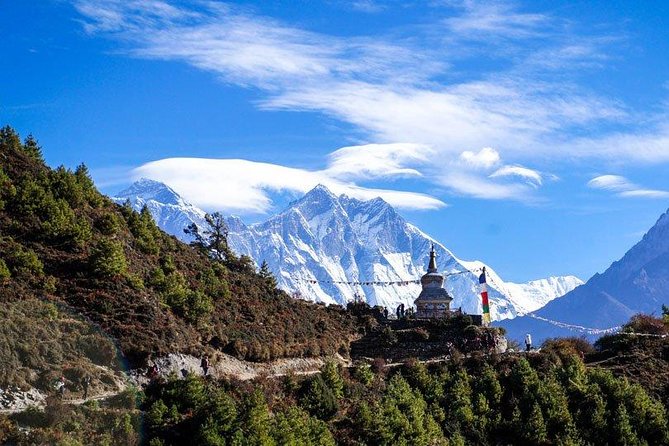
The experience calls for moderate physical fitness. That’s a useful label, because EBC is not a gentle stroll. Even in a shorter format, you’ll be walking at elevation with uneven surfaces and fatigue that arrives faster than it does at home.
So what does “moderate” mean in practice? It usually means:
- you can walk for hours at a steady effort,
- you’re not starting from total inactivity,
- you’re willing to take rest when asked,
- you’ll follow guidance instead of pushing through denial.
You don’t need to be a mountain athlete. But you do need respect for altitude and the ability to adapt. The best guidance I can offer is simple: choose the pace your body can maintain, not the pace your ambition demands.
Also, since the maximum group size is 45 travelers, you’ll be in a group environment. That’s usually good for safety and organization, but your guide should still be watching you as an individual, not just as a number. The attention to symptoms described in feedback is a good sign.
Price and value: is $2,200 a smart deal for this mix?
The price listed is $2,200.00 per person for approximately 11 days. That isn’t cheap. But you’re not paying only for trekking. You’re also paying for:
- guided trekking services,
- meals (breakfast, lunch, dinner),
- “all fees and taxes,”
- and a major included highlight: helicopter transportation to Everest Base Camp plus Khumbu Glacier and Kalapatthar.
The value argument is strongest if you want the EBC experience without spending extra days in transit and without trying to assemble major pieces yourself. With meals and fees included, fewer surprises tend to appear at the end of the trip.
Where the cost isn’t included matters for your budget:
- Nepal visa,
- travel insurance,
- tips for guide/porter,
- and personal extras like snacks, soda/pop, and alcohol.
My practical take: if you already know you’ll want a guided experience with organized logistics and you’re excited about the helicopter highlight, this price can feel fair. If you’re trying to minimize spending at every turn, you might decide to look for a more basic trek style. But for a short, highlight-heavy EBC plan, this one is built around making sure you see the mountain payoff.
Weather, timing, and the reality of high-altitude plans
This is one of those trips where weather isn’t a minor inconvenience; it’s part of the deal. The policy states the experience requires good weather, and if it’s canceled due to poor weather, you’ll get a different date or a full refund.
That sounds serious because it is serious. But it’s also a sign you’re not signing up for chaos. A provider that explicitly plans for weather disruption tends to manage expectations better.
What you should do on your end:
- Keep your schedule flexible if you can.
- Pack and plan for cold conditions.
- Stay ready for adjustments even if everything is arranged well.
The helicopter segment can be the day you’re most excited about. So treat it like a priority and also like something you can’t fully control. With that mindset, you’ll handle any changes with less stress.
The small logistics that can make your trip feel easy
A few details help this trip feel smoother than many adventures:
- Pickup offered in Kathmandu
- Meeting point and return back to the same location
- Start time listed at 6:15 am
- Confirmation received at booking
- Maximum 45 travelers
Those items might seem minor, but they reduce uncertainty. And uncertainty at altitude is the last thing you want.
One more point: trekking at altitude also means you’ll be using your kit more than you think—layering, water planning, and foot care. Since snacks aren’t included, you’ll want a strategy for energy between meals. You might find that budgeting for a few personal snack favorites makes your days easier even when the main meals are covered.
Should you book this 11-day Everest Base Camp trek?
Book it if you want:
- a shorter 11-day Everest Base Camp experience,
- guided trekking with real attention to how you’re feeling at altitude,
- Namche Bazaar for Sherpa culture context,
- and the helicopter highlight to Everest Base Camp, Khumbu Glacier, and Kalapatthar.
Skip it (or at least think hard) if:
- you hate early mornings,
- you’re not comfortable with moderate fitness,
- or you can’t be flexible if weather affects plans.
For most people, the deciding factor is this: you’re paying for organization, meals, fees, and the helicopter component. If that mix matches how you want your one shot at Everest to feel—efficient, supported, and focused on the big mountain payoff—this is a strong option.
FAQ
Where does this trip start, and what time do we begin?
The meeting point is Sherpa Expedition And Trekking, Chaksibari Marg, Kathmandu 44600, Nepal. The start time is 6:15 am, and the experience ends back at the meeting point.
Is pickup offered in Kathmandu?
Yes, pickup is offered.
How long is the Everest Base Camp trek?
The duration is 11 days (approx.).
What level of fitness is required?
Travelers should have a moderate physical fitness level.
What meals are included?
Lunch, breakfast, and dinner are included.
What is not included in the price?
Not included: Nepal visa, insurance, tips for guide/porter, snacks, alcoholic beverages, and soda/pop.
What helicopter stops are included?
The package includes a helicopter ride to Everest Base Camp, the Khumbu Glacier, and Kalapatthar.
Is there a limit on group size?
Yes. The tour/activity has a maximum of 45 travelers.
What happens if the trip is canceled due to weather?
The experience requires good weather. If it’s canceled due to poor weather, you’ll be offered a different date or a full refund. You can also cancel up to 24 hours in advance for a full refund.
More Trekking Out of Kathmandu
More Tour Reviews in Kathmandu
Just Reviewed in Kathmandu
- Mountain Bike Tour
★ 5.0 · 3 reviews - Annapurna Panaroma
★ 5.0 · 3 reviews - Mount Everest Scenic Flight 50 Minutes
★ 5.0 · 3 reviews - Kathmandu : Swambhunath & Durbar Square Guided Half Day Tour
★ 3.3 · 3 reviews - Chandragiri Cable Car & Monkey Temple Tour – Private/Group
★ 5.0 · 3 reviews - Kathmandu: Shivapuri National Park Hiking Day Trip
★ 3.3 · 3 reviews
Everest Base Camp Treks, compared.
 ★ 5.0Everest Base Camp Trek – 14 DaysFrom $1,8001,499 reviews
 ★ 5.0Everest Base Camp TrekFrom $1,790842 reviews
 ★ 5.0Everest Base Camp TrekkingFrom $1,350485 reviews
 ★ 5.0Everest Base Camp Trekking – 13 DayFrom $1,399365 reviews
★ 5.0Everest Base Camp TrekFrom $1,445350 reviews
★ 5.0Everest Base Camp Trek -14 DaysFrom $1,420321 reviews
★ 5.0Everest Base Camp Trekking – 13 DayFrom $1,399365 reviews
★ 5.0Everest Base Camp TrekFrom $1,445350 reviews
★ 5.0Everest Base Camp Trek -14 DaysFrom $1,420321 reviews
 ★ 5.012 Days Everest Base Camp TrekFrom $1,099289 reviews
 ★ 5.0Everest Base Camp Trekking – 2025/2026From $1,339199 reviews
Browse the lists this tour appears in