
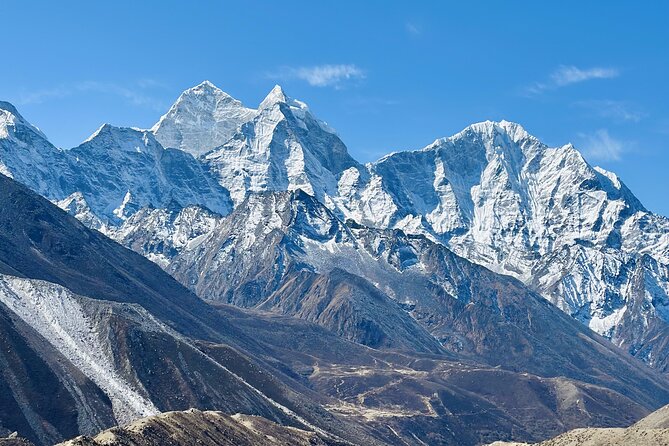
Review · EVEREST BASE CAMP TREKS
Unforgettable Everest Base Camp Trek with Third Rock Adventures! 🌄 I recently completed an incredible journey to Everest Base Camp with Third Rock Adventures, and I can’t recommend them enough! From starRead more
Everest Base Camp is the kind of trip that makes Nepal feel huge. This 14-day trek strings together the classic Khumbu trail, Sherpa culture, and the big-ticket views from Base Camp and Kala Patthar. You start with Kathmandu logistics and end with a Kathmandu buffer day to breathe before your flight.
I especially like the way the tour handles the toughest part: altitude. Your schedule includes acclimatization days in Namche and Dingboche, plus a big summit-style push to Kala Patthar at 5,550 meters. I also like the people side. In reviews, Third Rock Adventures is repeatedly praised for smooth coordination, and guide names come up often, including Gnawang, Deepak, and Dawa, with porter Somdey getting real credit too.
One drawback to plan for: mountain weather can mess with timing. A review mentions poor conditions preventing departure from Kathmandu on schedule, so you should stay flexible. Also, tips, water, and some personal expenses are on you, and they add up.
In This Review
- Key highlights worth your attention
- Kathmandu to Lukla: where the trek starts feeling real
- Why this opening makes sense
- Phakding and Namche: rivers, suspension bridges, and your first Everest edge
- The smart part: Namche acclimatization isn’t optional here
- Namche acclimatization day: market wandering and a morning view hike
- A practical tip
- Tengboche and monastery air: rhododendron trails and Ama Dablam close-ups
- What can be tiring here
- Dingboche and Nagarjun Hill: altitude prep with big payoff
- Why this pattern matters for most people
- Lobuche, Thukla Pass memorials, and the road to Gorak Shep
- The tradeoff
- Everest Base Camp plus Kala Patthar: the view double-feature
- What I’d watch for in your planning
- The descent: Pheriche to Namche, then Lukla, then you get your normal life back
- Price and Logistics: what $1,799 buys you (and what it doesn’t)
- The value verdict
- The guide and porter factor: why this company earns repeated praise
- My practical take
- Who should book this Everest Base Camp trek
- Should you book Third Rock Adventures for Everest Base Camp?
- FAQ
- Do you get picked up and dropped off in Kathmandu?
- How do you get from Kathmandu to Lukla, and back?
- Where do you stay during the trek?
- Are meals included?
- Do I need to carry all my luggage?
- Is there a guide, and what support is included?
- What is the highest point on this trek?
- Is Everest Base Camp actually part of the trek?
- What is not included in the price?
- What’s the group size limit?
Key highlights worth your attention
- 14 days that actually build altitude sense: acclimatization stops before the highest viewpoints
- Kala Patthar sunrise: the classic 360-degree vantage at 5,550 meters
- Sherpa village rhythm: Namche’s market energy, Tengboche monastery, and quieter high settlements
- Strong on-trail support: reviews credit guide care and porter help, including named guides like Gnawang and Dawa
- Better logistics included than you’d expect: Lukla flights, park/community fees, meals, and tea/coffee during trekking
- Safety basics are planned: pulse oximeter and essential meds carried by the guide
More trails out of Kathmandu, boots ready
- Everest Base Camp Trek – 14 Days★ 5.0 · 1,499 reviews
- Everest Base Camp Trek★ 5.0 · 842 reviews
- Everest Base Camp Trekking★ 5.0 · 485 reviews
- Nagarkot Sunrise View and Day Hiking from Kathmandu★ 5.0 · 471 reviews
Kathmandu to Lukla: where the trek starts feeling real
Your first day in Kathmandu is about getting squared away. You land, meet the representative, and transfer to a Kathmandu hotel. Then you meet your trek leader and team for a briefing. This is the part that matters more than people think: you’ll be sorting gear, confirming what you’re carrying, and getting your head around how the trek flows.
Kathmandu also gives you an easy “warm-up” day. If you have time, Thamel is right there for essentials shopping, and you can get oriented fast. Later in the trip you’ll also get a Kathmandu day where you can do market browsing, so you’re not forced to rush souvenirs early.
Then comes the big switch: the flight to Lukla. The trek’s mood changes after that plane ride. Even before you reach high country, you’re walking in the Khumbu’s rhythm—valleys, river crossings, and villages where life is built around the trail.
Why this opening makes sense
This tour includes domestic flights (via Ramechhap/Kathmandu to Lukla and back). That matters because Everest treks can become a logistics headache without it. Also, the tour includes transport by sharing vehicle between Kathmandu and Manthali, so you’re not piecing together multiple legs yourself.
Phakding and Namche: rivers, suspension bridges, and your first Everest edge
Day 2 takes you from the Lukla area into the Sherpa village valley life. You’ll walk past Chauri Kharka, follow the Dudh Koshi River, and reach Phakding. The Dudh Koshi corridor is one of the trek’s defining feels: it’s scenic, but it’s also practical. You’re moving with the river system that shapes the Khumbu route.
Day 3 is where the famous moments start adding up. You cross the Dudh Koshi on suspension bridges, including the Hillary Bridge. You enter Sagarmatha National Park and stop for lunch at Jorsale before tackling the climb into Namche Bazaar.
Namche Bazaar is more than a place to sleep. It’s the Sherpa capital and the trading hub, so you get a real village-to-town contrast. The trek shifts from mostly trekking-focused settlements into a busier community with services, bakeries, shops, and a Saturday market.
The smart part: Namche acclimatization isn’t optional here
Your next day is set aside for acclimatization. That’s not wasted time. It’s how you reduce the odds of altitude problems later, when you’ll be higher and the hike is steeper.
Namche acclimatization day: market wandering and a morning view hike
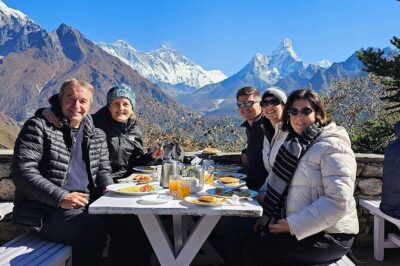
You spend a full day in Namche. This is the day you’ll thank yourself for on the back half of the trek. You can explore bakeries and shops, and you also get the Saturday Market vibe if your trek dates match.
Then you get a sunrise-style hike option in Sagarmatha National Park. That’s not just a scenic bonus. Starting the day with mountain views helps you connect the geography you’ve been seeing with the peaks you’ll eventually chase. You’re essentially learning the map with your feet.
A practical tip
If you’re prone to feeling wired at altitude, keep this day slower than you think. You’ll get plenty of exercise later. Use the time to rest, hydrate, and watch how your body reacts.
Tengboche and monastery air: rhododendron trails and Ama Dablam close-ups
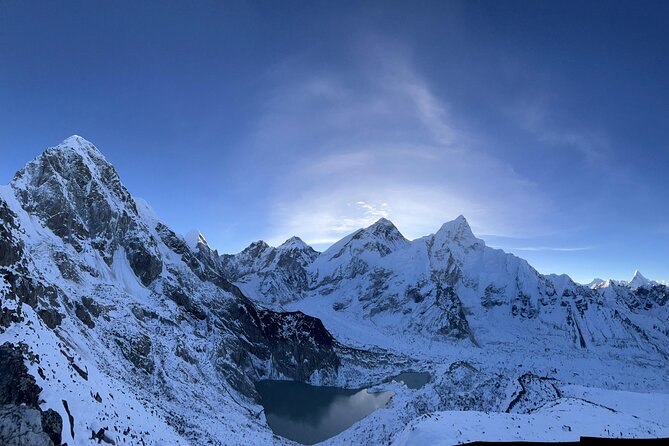
After Namche, the trek leans into forests and big views. You hike through rhododendron and juniper forests with Everest-area panoramas, then arrive at Tengboche. Tengboche is home to the region’s largest monastery, and that gives the day a cultural anchor.
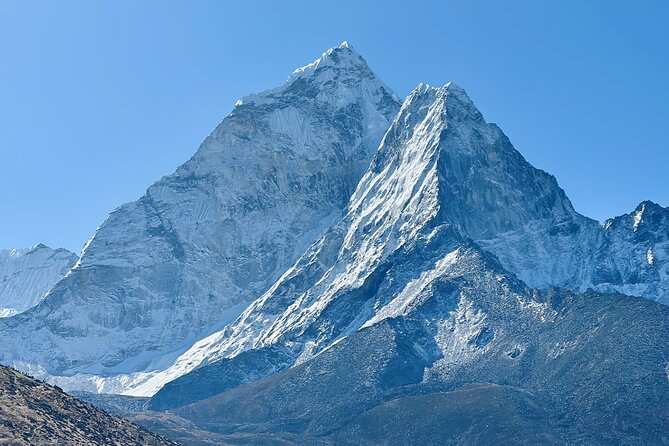
This is also a stage where Ama Dablam tends to feel personal—close, sharp, and hard to ignore. The tour includes a monastery visit, which is one of the easiest ways to understand Sherpa religious life without needing extra planning.
What can be tiring here
Forests can trick you. You might not feel as exposed as you will on higher, rockier days, but the climbs still add up. Save energy. Your best views happen when you’re not burning your legs too early.
Dingboche and Nagarjun Hill: altitude prep with big payoff
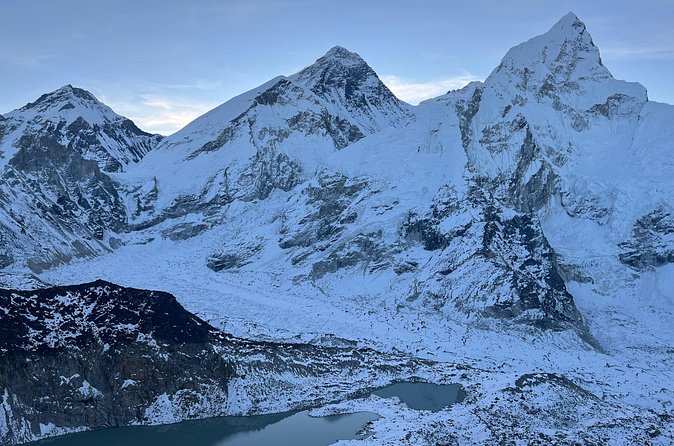
Day 6 continues you through Pangboche, described as the highest permanent Sherpa settlement, then onwards to Dingboche with views including Island Peak and Ama Dablam.
Dingboche becomes your base for smart altitude work. On Day 7, you hike to Nagarjun Hill (5,100 m) for wide panoramas—Makalu, Lhotse, Ama Dablam, and Island Peak—plus close views of the Imja Glacier. This is one of those “you climb, you look, you go back down” patterns that helps your body adjust.
Afternoons are for leisure or exploring Dingboche, which matters at these heights. You want downtime so you can recover and sleep.
Why this pattern matters for most people
Everest Base Camp treks often fail on pacing, not ambition. The tour’s structure—Namche to Dingboche acclimation—gives you repeat chances to adjust before the high points like Lobuche, Gorak Shep, and Kala Patthar.
Lobuche, Thukla Pass memorials, and the road to Gorak Shep
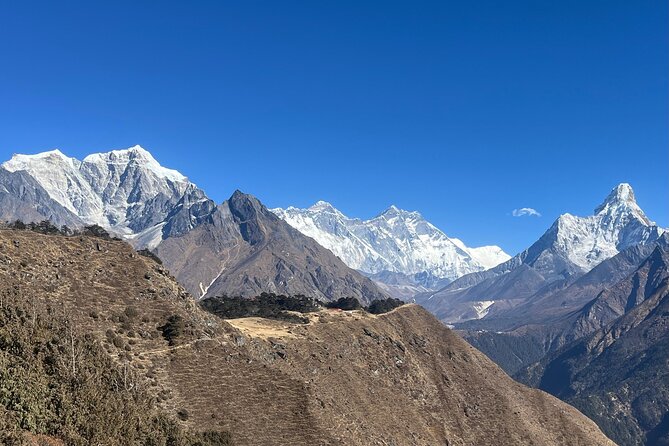
Day 8 pushes you toward Lobuche with a rugged, higher-altitude hike. You cover about 8 km over high ground with sweeping views of Lobuche, Pumori, and Nuptse. Then you pass Thukla Pass, where there are memorial stupas honoring Everest climbers before you continue toward the Nepal–Tibet border area.
This day has two jobs: it moves you upward and it keeps the emotional reality of Everest in view. Those memorials stop the trek from feeling like a pure Instagram circuit. It’s a reminder that you’re walking through a legacy of hard decisions and hard weather.
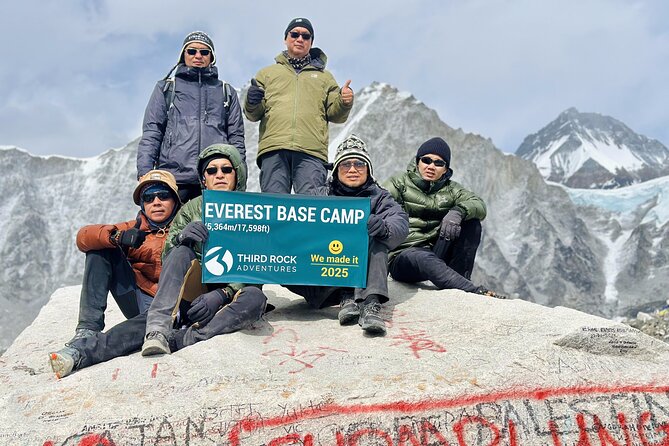
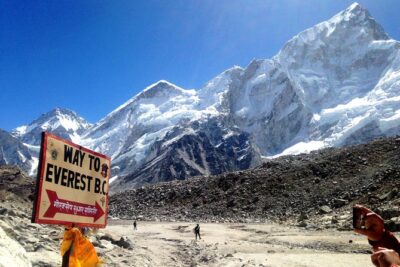
Then Day 9 is another key transition: you go from Lobuche to Gorak Shep, and then hike alongside the Khumbu Glacier to reach Everest Base Camp. This is where the trek earns its reputation. The Khumbu Icefall and the surrounding peaks can feel unreal—huge, engineered by nature, and constantly shifting.
The tradeoff
You’ll likely feel it in your legs on Day 9 and again after reaching Base Camp. That’s normal. The plan brings you back to Gorak Shep for the night, so you’re not stranded too long far from sleep.
Everest Base Camp plus Kala Patthar: the view double-feature
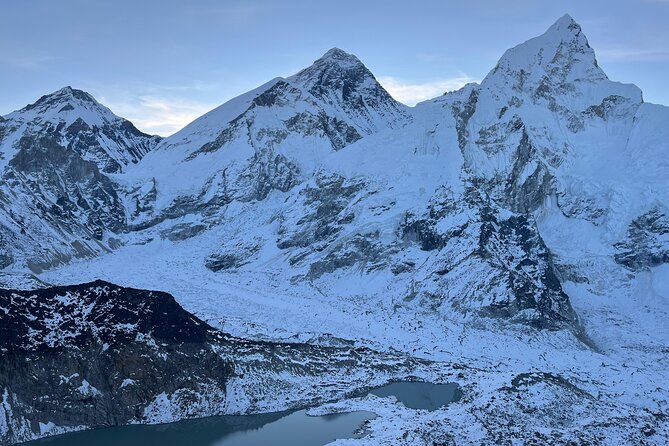
Day 10 is the big star day. After breakfast, you hike to Kala Patthar (the highest point of the trek). The reward is a 360-degree view of Everest, Lhotse, Nuptse, and Pumori—and a sunrise that lights up Everest’s peak.
Kala Patthar works because it’s both practical and poetic. Practical because it’s high enough to give you a full sweep of the Khumbu. Poetic because sunrise in this region turns the mountain into a moving light sculpture.
What I’d watch for in your planning
Sunrise hikes mean early starts. If you’ve never done high-altitude early-morning trekking, treat it like an event. You’ll want warm layers ready and a routine that stops you from rushing while you’re still half-asleep.
The descent: Pheriche to Namche, then Lukla, then you get your normal life back
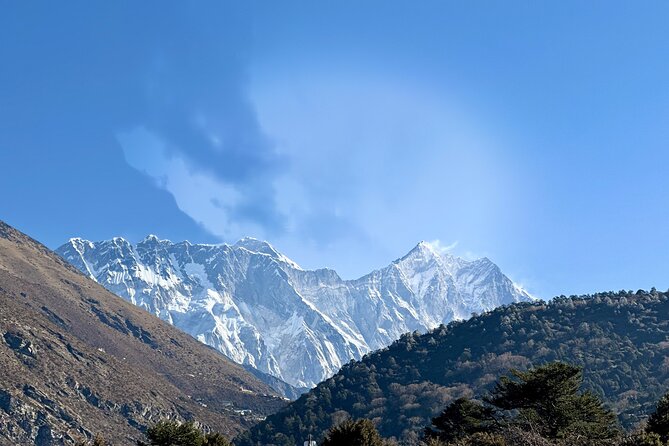
Day 11 brings you down from Pheriche, passing through scenic trails and back past Tengboche along the way. You arrive at Namche Bazaar for an overnight, and this is a mental shift day. You’re still hiking, but you’re no longer in the same pushing zone as the Base Camp section.
Day 12 continues the descent from Namche to Lukla. You cross the Hillary Suspension Bridge again along the way. Then you reach Lukla in the afternoon and celebrate completing your Everest adventure, with a final night in Lukla before flying back to Kathmandu.
Day 13 returns you to Kathmandu by scenic flight and transfer to your hotel. You can rest, explore handicraft and trinkets, and visit Ason Market for spices, tea, and decorative items. In the evening, you’ll enjoy a farewell dinner, which is a nice way to make the last night feel like it counts.
Day 14 is departure day, with a transfer to the airport three hours before your scheduled flight.
Price and Logistics: what $1,799 buys you (and what it doesn’t)
At $1,799 per person, this trek can look expensive until you total what’s included. Here’s what you’re getting that usually costs extra on a DIY plan:
- Domestic flights to and from Lukla (with the itinerary’s Ramechhap/Kathmandu routing)
- Kathmandu hotel nights (two nights in 3-star deluxe with breakfast)
- Clean, comfortable tea house lodging during the trek
- All meals on trek days, with a cup of tea or coffee during meals
- English-speaking, government-licensed guide with first-aid training, plus a porter (your main luggage is carried; the ratio listed is 2 trekkers to 1 porter)
- Sagarmatha National Park entry and community fees
- First-aid and altitude support basics carried by the guide: pulse oximeter and essential medicines including paracetamol and Diamox
- Down jacket and sleeping bag, to be returned after the trek
- A souvenir kit, including a kit bag, T-shirt, and a trekking map
- Group size capped at 12, which usually keeps things moving without turning into a crowd scene
Now the parts you still pay:
- Nepal visa fee
- Travel and medical insurance (not included)
- Tips for guide/porter/driver (tipping is expected)
- Water and some personal expenses (phone, internet, laundry, battery recharge, hot showers, snacks)
- Extra Kathmandu night if your flights don’t align (also not included)
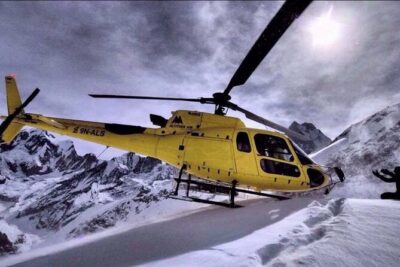
- Helicopter upgrade costs if you want to jump flights (listed as $1,200 per person)
- Excess baggage fees if you exceed the listed allowance
The value verdict
If you want a plan where logistics, meals, park fees, and core safety tools are handled, the price feels fair for a 14-day Everest trek. If you already have gear, hate porter services, or want to travel totally independently, then the cost advantage shifts.
The guide and porter factor: why this company earns repeated praise
The most consistent theme in the reviews is not just scenery. It’s people doing the job well.
Guide names come up directly: Gnawang and Somdey are credited for being knowledgeable and supportive, with Somdey’s porter help singled out too. Deepak gets praise for handling schedule problems when weather prevented the group from leaving Kathmandu on time. Dawa is noted for strong care when altitude sickness needed plan adjustments.
There’s also mention of clear communication before the trek from Naba, with fast responses to questions. That kind of pre-trip responsiveness matters because Everest treks require you to get the basics right: gear, expectations, and timing.
My practical take
On a trek like this, the guide is a safety manager, a pacing coach, and a cultural translator all at once. This tour’s structure and the review mentions suggest you’re not just buying a walking route.
Who should book this Everest Base Camp trek
This is a strong match if you:
- Want the classic Everest route with structured acclimatization built in
- Prefer tea house trekking with your meals and lodging handled
- Like the idea of a small group (max 12)
- Would rather spend energy on hiking than logistics and paperwork
It may be less ideal if you:
- Have no interest in early mornings and cold-weather layers
- Know you need complete independence and don’t want a porter carrying your main luggage
- Are allergic to schedule changes due to mountain weather
Should you book Third Rock Adventures for Everest Base Camp?
I’d lean yes if you want a trek that’s organized, safety-aware, and staffed well. The combination of included domestic flights, meal plan, tea house lodging, park fees, and the guide/porter setup makes this feel like a true package rather than a bare-bones route.
I’d think twice if budget stress is your main concern, because the non-included items (visa, insurance, water, tips, and some personal costs) are part of the real Everest number. Also, treat weather flexibility as a requirement, not a bonus.
If you’re ready for the big climb and the big stillness, this is a solid way to do Everest Base Camp in 14 days.
FAQ
Do you get picked up and dropped off in Kathmandu?
Yes. The tour includes airport pick up and drop off in a private vehicle.
How do you get from Kathmandu to Lukla, and back?
You fly on domestic flights between Kathmandu (or via Ramechhap) and Lukla, then return after the trek.
Where do you stay during the trek?
You stay in tea houses during the trek, described as clean and comfortable.
Are meals included?
Yes. Breakfast, lunch, and dinner are included during trekking, and there’s also a cup of tea or coffee with meals.
Do I need to carry all my luggage?
No. Porter service is included, with the listed ratio of 2 trekkers to 1 porter for your main luggage.
Is there a guide, and what support is included?
Yes. You’ll have an English-speaking, government-licensed guide trained in first-aid, with a first-aid kit, pulse oximeter, and essential medicines carried.
What is the highest point on this trek?
Kala Patthar is included and reaches 5,550 meters.
Is Everest Base Camp actually part of the trek?
Yes. You trek from Lobuche/Gorak Shep area to Everest Base Camp and then return for the night.
What is not included in the price?
Not included are the Nepal visa fee, travel and medical insurance, lunch and dinner in Kathmandu, extra Kathmandu nights, tips, personal expenses (including water and some charging/snacks), and helicopter cost if you choose that option.
What’s the group size limit?
The tour lists a maximum of 12 travelers.
More Trekking Out of Kathmandu
More Tour Reviews in Kathmandu
Just Reviewed in Kathmandu
- Mountain Bike Tour
★ 5.0 · 3 reviews - Annapurna Panaroma
★ 5.0 · 3 reviews - Mount Everest Scenic Flight 50 Minutes
★ 5.0 · 3 reviews - Kathmandu : Swambhunath & Durbar Square Guided Half Day Tour
★ 3.3 · 3 reviews - Chandragiri Cable Car & Monkey Temple Tour – Private/Group
★ 5.0 · 3 reviews - Kathmandu: Shivapuri National Park Hiking Day Trip
★ 3.3 · 3 reviews
Everest Base Camp Treks, compared.
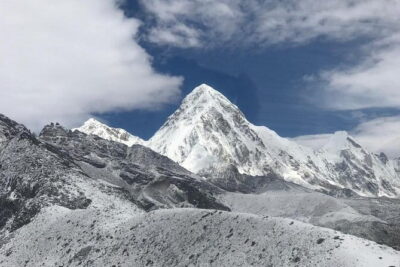 ★ 5.0Everest Base Camp Trek – 14 DaysFrom $1,8001,499 reviews
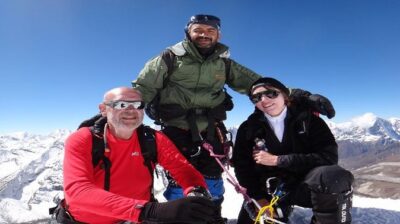 ★ 5.0Everest Base Camp TrekFrom $1,790842 reviews
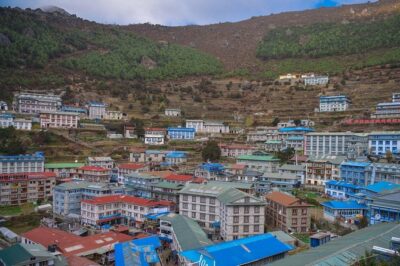 ★ 5.0Everest Base Camp TrekkingFrom $1,350485 reviews
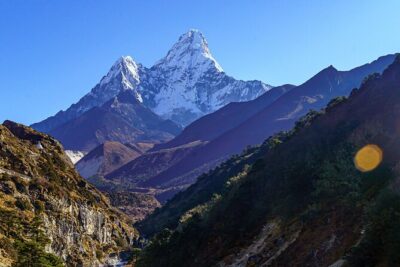 ★ 5.0Everest Base Camp Trekking – 13 DayFrom $1,399365 reviews
★ 5.0Everest Base Camp TrekFrom $1,445350 reviews
★ 5.0Everest Base Camp Trek -14 DaysFrom $1,420321 reviews
★ 5.0Everest Base Camp Trekking – 13 DayFrom $1,399365 reviews
★ 5.0Everest Base Camp TrekFrom $1,445350 reviews
★ 5.0Everest Base Camp Trek -14 DaysFrom $1,420321 reviews
 ★ 5.012 Days Everest Base Camp TrekFrom $1,099289 reviews
 ★ 5.0Everest Base Camp Trekking – 2025/2026From $1,339199 reviews
Browse the lists this tour appears in