
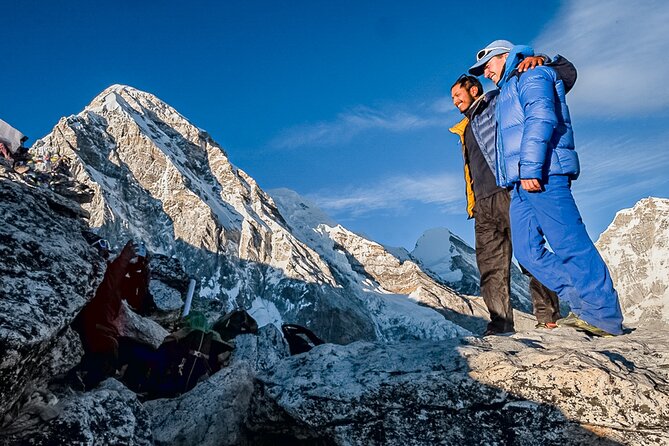
Review · PRIVATE
13-Day Private Trekking Experience in Everest Base Camp
Everest Base Camp with fewer surprises. This 13-day private trek strings together Lukla flight access and a sensible acclimatization rhythm through Sherpa towns, then finishes with the big views at base camp and Kala Patthar. I like that your package covers the essentials—permits, a licensed trekking guide, domestic flights Kathmandu–Lukla–Kathmandu, and tea-house nights—so you spend less time worrying and more time moving. I also like the way the route builds in rest and altitude management days in Namche and Dingboche, which matters a lot at these heights. One real consideration: you are still climbing into serious altitude territory (up around 5,380m to 5,545m), and there are long hiking days with no hot shower during the trek.
If you care about logistics working smoothly, this trip is set up for that. You get airport pickup/drop by private vehicle in Kathmandu, a 3-star hotel for acclimatization on Day 1 and comfort on Day 13, and a guided trek through the Everest region from start to finish. If you end up with guides like Kumar or Dorchi (names that come up a lot in past Everest experiences), that’s a reassuring sign for pacing and day-to-day support.
In This Review
- Key Highlights You Should Not Miss
- Everest Base Camp in 13 Days: what you’re signing up for
- Kathmandu setup: 3-star hotel comfort and Thamel orientation time
- Lukla flight and Phakding entry: first steps into the Everest region
- From Namche to the park gates: suspension bridges and the climb to 3,340m
- Khumjung, Khunde, and the Everest view hotel: acclimatization with real payoff
- Tengboche and the Dudh Kosi River: monasteries plus long, steady uphill
- Dingboche: rhododendron country and serious high-altitude views
- Acclimatization in Dingboche: the optional Nangkar Tshang push
- Lobuche and the memorial ridge: cairns, prayer flags, and glacier country
- Gorak Shep to base camp: your hardest hiking day
- Kala Patthar: sunrise views and a 360-degree payoff
- The long return: Pheriche to Namche to Lukla and the final flight
- Gear, meals, and everyday comfort: what’s included and what you should plan
- Price and value at $1,350: what you get for the money
- Who this Everest Base Camp trek is best for
- Should you book this Everest Base Camp trek
- FAQ
- Are the Kathmandu to Lukla flights included?
- What kind of lodging is included?
- Are meals included?
- Do I get trekking poles and a sleeping bag?
- Is there a hot shower and can I charge devices during the trek?
- What time does the experience start?
- What is the cancellation policy?
Key Highlights You Should Not Miss
- Kathmandu prep without chaos: airport pickup and a 3-star hotel for an easy start and recovery.
- Domestic flights are included: Kathmandu–Lukla round trip handled as part of the package.
- Acclimatization days are built in: Namche and Dingboche give you a chance to adjust before going higher.
- Monastery and prayer-wall moments: Tibetan Buddhist sites and prayer wheels show up often on the trail.
- Kala Patthar timing options: choose base camp vs Kala Patthar based on how you feel that day.
- Tea-house trekking at a steady pace: lodge stays with included breakfasts, lunches, and dinners during the trek.
Just your group, at your own pace
- Private Kathmandu Sightseeing Tour | UNESCO World Heritage sites★ 5.0 · 756 reviews
- Kathmandu: Full Day 7 UNESCO Tour with Lunch – Private/Group★ 5.0 · 415 reviews
- Private Bhaktapur and Nagarkot Day Tour From Kathmandu★ 5.0 · 305 reviews
- Kathmandu: Full Day Top 4 UNESCO Tour with Lunch – Private/Group★ 5.0 · 269 reviews
Everest Base Camp in 13 Days: what you’re signing up for
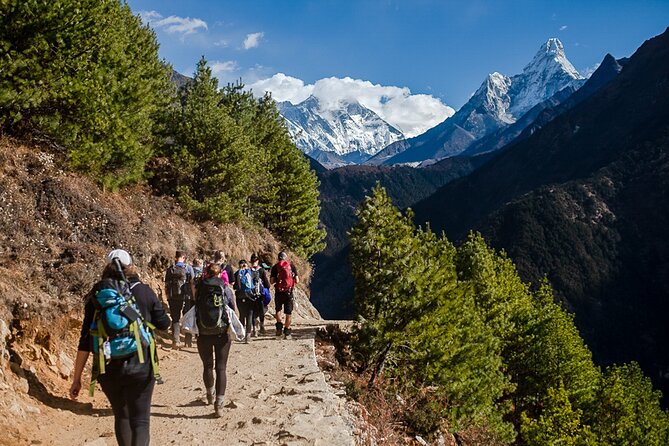
Let’s be direct: this is a high-altitude trekking trip, not a casual walk. You’re going to spend many hours hiking over multiple days, with steep climbs and thin air as you go. The upside is that the route is designed to get you to Everest Base Camp while giving you enough “breathing room days” to reduce the risk of rushing.
Because it’s private, the pace is more controllable than on big group departures. That matters when the mountains start to feel personal—when your breathing gets harder, your legs slow down, and you need the plan to flex.
Kathmandu setup: 3-star hotel comfort and Thamel orientation time
Your first day is all about getting oriented. You’re picked up at Kathmandu International Airport and transferred to a 3-star hotel for acclimatization, with meals included on both the first and last day. This is smart: Kathmandu can make you feel normal on the street, but you still need a calm head before the trek.
After check-in, you have time to explore Thamel, the packed little basecamp for trekkers. It’s useful for stocking up on small trekking needs, asking questions in person, and getting a feel for how Nepal moves at street level.
Practical tip: keep your first evening low-key. Hydrate, eat well, and don’t plan a “big night out” that turns your early start into a tired scramble.
Lukla flight and Phakding entry: first steps into the Everest region
Day two starts with the flight to Lukla (about 2,800m). The flight itself is part of the experience, with mountain views that tend to get people quiet—then giddy—then quietly awe-struck. Once you land, the trek begins with a walk toward Phakding (around 2,610m), roughly a few hours of easy-to-moderate effort.
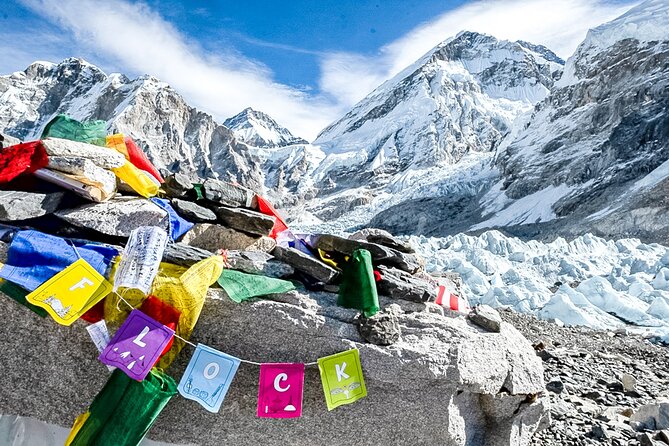
On this section, you’ll pass colorful Tibetan Buddhist prayer walls, monasteries, and monuments. It’s not just decoration; it sets the tone. The trail is busy with meaning, and you’re moving through Sherpa culture at human speed, not just altitude numbers.
You’ll arrive in Phakding and check into your lodge, then you’re encouraged to relax while your body adapts. The trip also stresses hydration—around 4 to 5 liters of water per day throughout the trek. That’s not a suggestion you can ignore. Thin air and dry conditions make dehydration sneaky.
From Namche to the park gates: suspension bridges and the climb to 3,340m
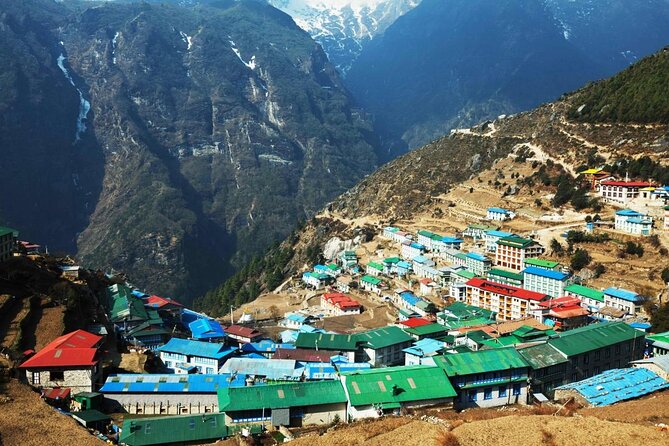
Getting to Namche Bazaar is where the Everest trek starts to feel real. You’ll trek via Toktok, Benkar, Monjo, and Jorsalle, crossing famous suspension bridges along the way. These bridges are classic Everest photos, sure—but they also break the day into manageable sections as you gradually gain elevation.
You’ll also transition through the official entrance to Sagarmatha National Park. That matters because the region is protected, and you’ll feel a slightly more regulated, prepared vibe on this route compared with smaller trekking areas.
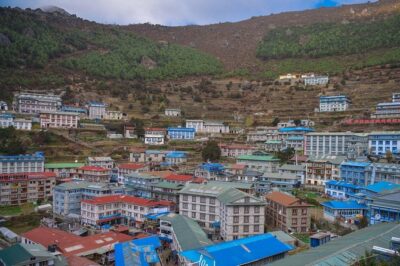
Namche itself sits around 3,340m, and you stay two nights there. That is intentional. Namche is high enough to start reshaping how you breathe, but it’s also developed enough to support trekkers with lodges, cafés, and services for daily needs.
More trails out of Kathmandu, boots ready
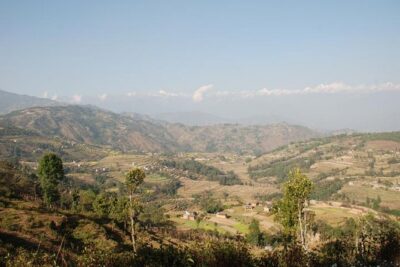
Khumjung, Khunde, and the Everest view hotel: acclimatization with real payoff
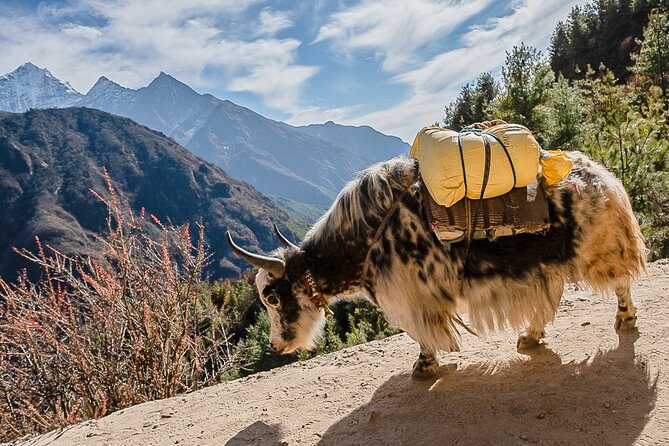
This is the day you’ll feel most grateful for later. You’re not just resting; you’re acclimatizing intelligently. The idea is always the same: hike higher when you can, then sleep lower when possible. That helps your body handle altitude stress more smoothly.
From Namche you’ll work toward the Everest view hotel for panoramic mountain views, plus you’ll walk between the twin Sherpa villages of Khumjung and Khunde. There’s also time for a Sherpa museum and a lot of wandering in and around Namche’s comfort-zone.
This day is also a psychological reset. After a few days of steadily rising altitude, it’s good to have a day that feels less like a grind and more like a scenic, cultural stroll with a purpose.
Tengboche and the Dudh Kosi River: monasteries plus long, steady uphill
Next you head toward Tengboche at about 3,870m. The trail weaves through a mix of river crossings and gentle climbs, including a suspension bridge over the Dudh Kosi River area. You’ll also see water-driven prayer wheels, which are one of those “only on foot” moments that make the trail feel alive.
The route includes a longer ascent toward Tengboche, with about 5 to 6 hours of hiking expected. It’s not usually the steepest day you’ll do, but it’s a long one, so pacing is everything.
Tengboche is known for its monastery setting, and this stop is a chance to slow down. You’re high enough to see big peaks, but not so high that everything feels instantly punishing. That balance makes it a great middle point on the trek.
Dingboche: rhododendron country and serious high-altitude views
Now you move into the Dingboche area (around 4,410m). The trail passes rhododendrons, birch, and blue pine forests before you reach the next suspension bridge near Pangboche. Then you climb gently steeply up toward villages and open up to broader views.
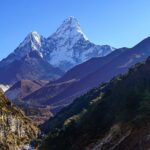
Dingboche is where the mountains start showing off harder. From here you can get views of Amadablam, Island Peak, Lhotse, Tawache, and a whole set of other high peaks in the region. The scenery gets bigger, but it also comes with thinner air.
One subtle but important detail: Dingboche is one of the stops where the hike becomes more about managing effort than chasing speed. You’ll reach the lodge, settle in, and keep moving carefully.
Acclimatization in Dingboche: the optional Nangkar Tshang push
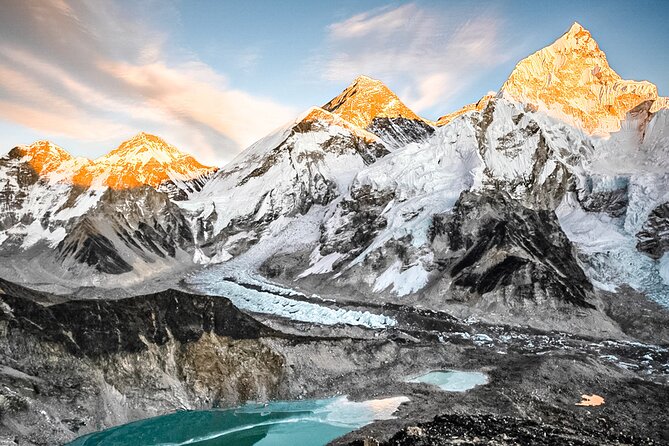
After sleeping in Dingboche, you get another acclimatization day. The plan is to aim higher (about 4,900m) on the trek, then return down for the overnight stay. This helps your body cope as you prepare for the higher ridgelines and glaciers ahead.
There’s even an option to hike Nangkar Tshang (about 5,616m). It’s described as physically demanding, but the reward is better views of Makalu and surrounding peaks. If you feel good that day, it can be a strong “last big view” moment before the final grind toward Everest Base Camp.
If you don’t feel good, you don’t have to force it. At altitude, “staying smart” often beats “proving something.”
Lobuche and the memorial ridge: cairns, prayer flags, and glacier country
The trek continues toward Lobuche (around 4,900m). The trail goes through moraine-like sections above the Khumbu Khola valley and then up to ridges. This is where the path turns more dramatic and more exposed.
Along the way you’ll pass cairn memorials and heaps of stones with prayer flags. These memorials are not quick photo stops; they’re reminders that this region demands respect. It changes the mood on the hike.
You’ll reach Lobuche after about 5 to 6 hours of trekking. Overnight here sets you up for the toughest travel day mix: glacier walks, higher passes of effort, and the final push toward base camp area lodges.
Gorak Shep to base camp: your hardest hiking day
After breakfast, you hike toward Gorak Shep, walking alongside the left bank of the Khumbu glacier. Expect a steep climb up to Changri glacier, then a short descent to Gorak Shep. This is a serious, effort-heavy day, with around 2.5 hours mentioned for the hike to Gorak Shep plus time to continue onward.
From there, you hike to Everest Base Camp. This is the moment most people came for: the big, open base-camp area, surrounded by towering peaks and glacier walls. You’ll also have a choice on how you handle your final altitude hit.
You can choose to hike Kala Patthar (about 5,545m) instead of pushing to base camp that day, saving base camp for later. If you’re tired or your altitude feels off, choosing the right priority can keep you safe and still deliver the magic views.
Kala Patthar: sunrise views and a 360-degree payoff
Kala Patthar is treated as a centerpiece experience. There’s an early push to reach the viewpoint at around 5,550m. The climb is described as about 400m of ascent from the lodge area, taking up to around 2 hours.
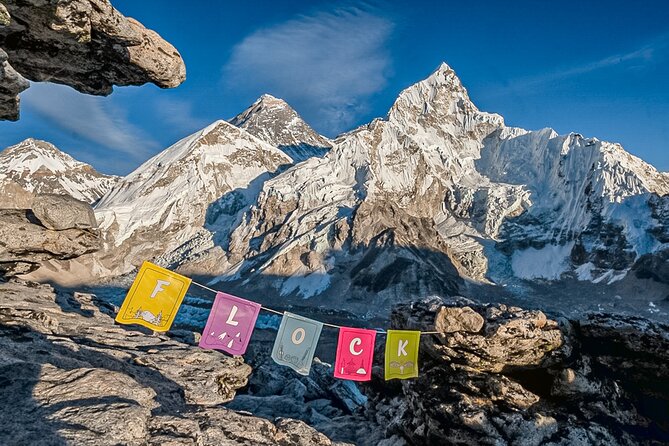
At the top, you get a 360-degree view of Everest plus Nuptse, Lhotse, Khumbutse, Pumori, Amadablam, Thamserku, and Lobuche peak, among others. The sunrise and sunset views are also highlighted, which means you’re not just chasing a single photo—you’re getting a full-time perspective on the entire region.
Afterward, you walk back down toward the hotel area and continue to Pheriche via Lobuche and Thukla, with the trail gently descending to Pheriche. That descent is relief in motion. Your body appreciates it more than your pride does.
The long return: Pheriche to Namche to Lukla and the final flight
After the base-camp and Kala Patthar days, you start the long way back. One day is a return trek from Pheriche to Namche Bazaar, roughly 8 to 9 hours with about 22km of downhill trekking. Downhill can still be brutal on knees, so take short steps and keep your footing calm.
You’ll reach Namche and can enjoy simple comforts like bakery treats or relaxing at local cafés. The point here isn’t luxury—it’s decompression. Your body needs time to reset after altitude exertion.
The next day is Namche back to Lukla, again a long day described as 7 to 8 hours. You pass Phakding and then tackle the last uphill section into Lukla. Overnight in Lukla sets up your flight back to Kathmandu the next morning.
On the final day, you fly Lukla to Kathmandu around 8:30am for about 35 minutes. Then you’re back in Kathmandu for a hot shower, laundry, and a final meal and shopping time.
Gear, meals, and everyday comfort: what’s included and what you should plan
This trip includes key items: a first aid kit, trekking poles, and a sleeping bag, plus an Alpwander Adventures T-shirt. That’s a real value point. Cold nights and altitude conditions can punish cheap gear, so having the essentials covered reduces your risk.
Meals are also included during the trek: breakfast, lunch, and dinner at mountain tea-house lodges across the trekking days. Bottled water is not included, and alcoholic beverages are not included. Also, you should expect no hot shower during the trek, which is common for Everest tea-house routes but still something to mentally prepare for.
Wi-Fi and electronic charging are not included. That means you should plan on limited charging options and bring a power bank if you rely on a phone for maps or photos.
Hydration and pacing matter more than any gadget. If you bring a water plan you can handle every day, everything else gets easier.
Price and value at $1,350: what you get for the money
At $1,350 per person, this trek is priced like a true guided package, not a barebones outline. The standout value drivers are the domestic return airfare to Lukla and the guide/permit coverage. Those pieces alone can easily change the total cost for an independently arranged trek.
You also get 2 nights in a 3-star Kathmandu hotel and 11 nights in tea houses during the trek. The inclusion of trekking poles and a sleeping bag further reduces what you’d otherwise need to rent or buy locally.
There are costs you still own: bottled water, any extra personal expenses, and everything not listed in the inclusions. So the smartest move is budgeting for cold-weather basics, water, and daily needs, then letting the package handle the big logistical items.
Who this Everest Base Camp trek is best for
This fits best if you’re committed to a serious hike but want a guided setup that manages the big moving parts. The trip asks for moderate physical fitness, and the route includes acclimatization days, which is the right structure for people who want to go higher without rushing.
It also suits couples or friends who like the idea of a private experience. With a private group, you can keep a steady rhythm and adjust as needed when altitude changes your pace.
If you dislike early mornings, long hiking days, and the idea of trekking without hot showers, you should think carefully. This route is built for people who can handle “basic comfort” in exchange for big mountain payoffs.
Should you book this Everest Base Camp trek
I’d book it if you want a well-structured Everest Base Camp route with the key logistics handled: guide, permits, Lukla flights, and the core lodging and meals. The route’s built-in acclimatization stops (Namche and Dingboche) are exactly the kind of safety-minded planning that makes the altitude feel more manageable.
I’d pause if you’re not ready for long days, limited comfort at tea houses, and the high-altitude reality of reaching the Kala Patthar area around 5,545m. Your best match is someone who’s physically prepared, okay with basic amenities, and excited by the idea of mountains plus Sherpa culture on the way.
FAQ
Are the Kathmandu to Lukla flights included?
Yes. Domestic return airfare for Kathmandu–Lukla–Kathmandu is included, along with airport pickup and dropoff.
What kind of lodging is included?
You get 2 nights in Kathmandu in a 3-star hotel (Day 1 and Day 13), plus 11 nights accommodation in tea houses during the trek.
Are meals included?
Yes. Breakfast is included on Day 1 and Day 13 in Kathmandu, and during the trek you get breakfast, lunch, and dinner at mountain tea-house lodges.
Do I get trekking poles and a sleeping bag?
Yes. Trekking poles and a sleeping bag are included, along with a first aid kit and an Alpwander Adventures T-shirt.
Is there a hot shower and can I charge devices during the trek?
Hot shower during the trek is not included. Electronic charging and wifi during the trek are also not included.
What time does the experience start?
The listed start time is 6:15am.
What is the cancellation policy?
You can cancel up to 6 days in advance for a full refund. Canceling 2–6 days before the start gives a 50% refund, and canceling less than 2 days before the start provides no refund.
More Trekking Out of Kathmandu
Private Days, Your Group Only

More Tour Reviews in Kathmandu
Just Reviewed in Kathmandu
- Mountain Bike Tour
★ 5.0 · 3 reviews - Annapurna Panaroma
★ 5.0 · 3 reviews - Mount Everest Scenic Flight 50 Minutes
★ 5.0 · 3 reviews - Kathmandu : Swambhunath & Durbar Square Guided Half Day Tour
★ 3.3 · 3 reviews - Chandragiri Cable Car & Monkey Temple Tour – Private/Group
★ 5.0 · 3 reviews - Kathmandu: Shivapuri National Park Hiking Day Trip
★ 3.3 · 3 reviews
Private, compared.
 ★ 5.0Full Day 7 UNESCO Tour with Lunch – Private/GroupFrom $10415 reviews
 ★ 5.0Private Bhaktapur and Nagarkot Day Tour From KathmanduFrom $20305 reviews
 ★ 5.0Full Day Top 4 UNESCO Tour with Lunch – Private/GroupFrom $10269 reviews
★ 4.9Full-Day 7 UNESCO Tour with Lunch – Private/GroupFrom $5247 reviews
★ 5.0Full Day Top 4 UNESCO Tour with Lunch – Private/GroupFrom $10269 reviews
★ 4.9Full-Day 7 UNESCO Tour with Lunch – Private/GroupFrom $5247 reviews
 ★ 4.97 UNESCO Sites Tour in 1 Day (Private Tour)From $4204 reviews
 ★ 4.9Top 4 UNESCO Tour with Lunch – Private/GroupFrom $5181 reviews
 ★ 5.014-Day Private Annapurna Base Camp TrekFrom $1,090180 reviews
 ★ 4.9Private City Guided TourFrom $40174 reviews