
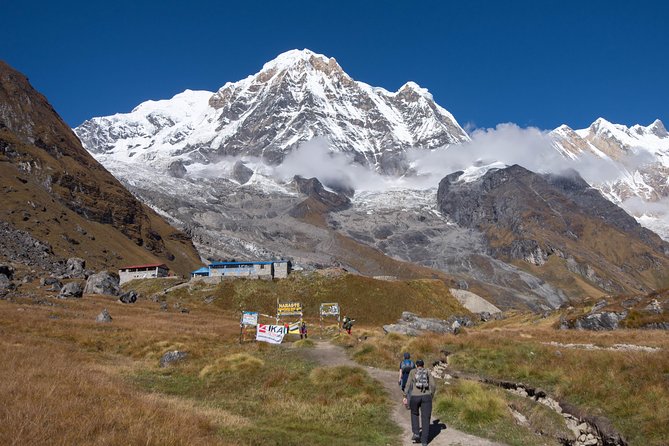
Review · ANNAPURNA BASE CAMP TREKS
14-Day Private Annapurna Base Camp Trek
Reaching 4,230 meters is no small feat. This private 14-day Annapurna Base Camp trek balances classic mountain days with real comfort: airport transfers, lodge beds, and a guide/porter team so you can focus on walking and acclimating.
I especially like the support setup—you get an experienced guide plus a porter (one porter shared between every two trekkers), and even a medical kit with an oximeter to monitor oxygen and heartbeat. I also like the little confidence boosters packed in the plan: duffle bag and maps, a down jacket and sleeping bag use, and trekking permits handled for you (just bring 3 passport-size photos).
One thing to consider: the plan depends on weather and good conditions. If conditions aren’t right, the trek can be shifted, and you’ll be asked to be flexible. Also, drinking water and most drinks are not included, so you’ll want to budget for that on the trail.
In This Review
- Key highlights that make this trek work
- Private Annapurna Base Camp: what you’re really buying
- Kathmandu and Pokhara: two bases, two vibes
- Day-by-day: the Annapurna Base Camp climb, explained like you’ll feel it
- Days 2–3: Kathmandu to Pokhara, then Tikhe Dhunga
- Days 4–5: Ghorepani and Poon Hill, then Tadapani
- Days 6–8: Chhomrong → Dovan → Deurali (the “real altitude” phase)
- Day 9: Deurali → Annapurna Base Camp via Machhapuchhre Base Camp
- Day 10: Return from ABC to Bamboo (long descent day)
- Day 11: Bamboo → Jhinu Danda Hot Spring (reset day with comfort payoff)
- Day 12–14: back down to Pokhara, then Kathmandu
- Lodges, rooms, and what included food really means
- Gear and cold-weather comfort: what’s supplied vs. what you bring
- Guide and porter support: why it changes the whole trek
- Price and logistics: is $1,090 worth it?
- Weather, altitude, and fitness: what you should plan for
- Who should book this private Annapurna Base Camp trek
- Should you book it?
- FAQ
- How long is the 14-Day Private Annapurna Base Camp trek?
- Where does the trek start and do you include airport transfers?
- What are the accommodation options during the trip?
- Are meals included?
- Do I get a guide and porter?
- What trekking gear is provided?
- What about trekking permits?
- Is drinking water included?
- Is travel insurance included?
Key highlights that make this trek work
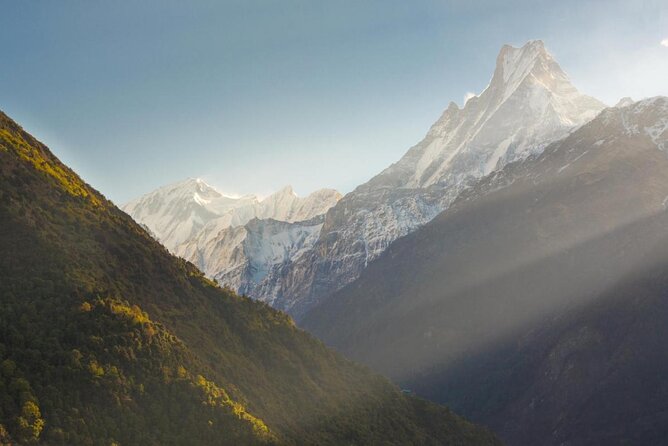
- Private trek with only your group, led by an experienced guide and supported by a porter (shared between two trekkers)
- Gear included for the hard parts: duffle bag, trek map, down jacket, and sleeping bag use
- Acclimation-aware itinerary: you climb to 4,230m via Machhapuchhre Base Camp, then descend with intent
- Jhinu Danda Hot Spring after the long return day from Bamboo
- Lodge-based comfort: Kathmandu and Pokhara at a 3-star hotel, then shared rooms at teahouses/lodges on trek days
- Health monitoring kit in the group support setup, including an oximeter to check oxygen and heartbeat
Just your group, at your own pace
- Private Kathmandu Sightseeing Tour | UNESCO World Heritage sites★ 5.0 · 756 reviews
- Kathmandu: Full Day 7 UNESCO Tour with Lunch – Private/Group★ 5.0 · 415 reviews
- Private Bhaktapur and Nagarkot Day Tour From Kathmandu★ 5.0 · 305 reviews
- Kathmandu: Full Day Top 4 UNESCO Tour with Lunch – Private/Group★ 5.0 · 269 reviews
Private Annapurna Base Camp: what you’re really buying
At $1,090 per person for about 14 days, you’re paying for more than the trekking route. You’re buying a system: transport from Kathmandu to Pokhara and back, lodge coordination, food included during the trek, guides/porters, permits, and even the key cold-weather gear rental. That matters because Annapurna Base Camp can be physically demanding, but it’s also mentally easier when the logistics are handled.
A big reason this package feels like good value is the mix of included essentials:
- airport pickup and drop-off by private car
- hotels in Kathmandu and Pokhara (twin rooms, 3-star category)
- breakfast/lunch/dinner during the trekking days
- lodge/teahouse accommodation on trek nights
- permits arranged for you
- down jacket and sleeping bag use during the trek
If you’ve ever tried to cobble together a trek on your own, you know the time sink: permits, lodge calls, gear sourcing, and figuring out who carries what. Here, that’s the whole point. You walk. They manage the rest.
One quick note on the planning vibe: this is a private activity restricted to your group, so you’re not stuck waiting on strangers or changing your pace because someone else is slow (or fast) that day.
Kathmandu and Pokhara: two bases, two vibes
This trek starts and ends in Nepal’s big gateway: Kathmandu. Your Day 1 is straightforward—arrive at Tribhuvan International Airport, then you’re picked up and taken care of.
Then comes Pokhara (about 910m/2,985ft). The transfer is by tourist bus and takes around 6–7 hours. This matters more than it sounds. Pokhara is where you shake out your city legs and re-gear yourself for mountain life—especially useful after a flight.
In Kathmandu and Pokhara, you’re in 3-star hotels with twin rooms. That’s not luxury, but it’s a real comfort upgrade compared to what you’ll get later on the trek. After big-travel days, a proper bed and a warm shower (when available) help your body stay ready for the first climbing day.
Day-by-day: the Annapurna Base Camp climb, explained like you’ll feel it
Below is the practical meaning behind each segment—what the day is doing for you and where the effort shows up.
Days 2–3: Kathmandu to Pokhara, then Tikhe Dhunga
Day 2: Kathmandu → Pokhara (910m)
This is your travel day. Don’t treat it like a sightseeing sprint. Your job is to sleep, hydrate, and set up your mental rhythm for walking days.
Day 3: Pokhara → Tikhe Dhunga (1495m), about 9 km ~4 hours
This is one of those “you’re awake now” days. You’ll start moving on foot and transition from road-time to trail-time. Tikhe Dhunga also sets you up for a higher, longer day tomorrow, so pacing matters here. Walk steadily, don’t race, and watch how your breathing feels.
More trails out of Kathmandu, boots ready
Days 4–5: Ghorepani and Poon Hill, then Tadapani
Day 4: Tikhe Dhunga → Ghorepani (2850m), 13 km ~7 hours
This is a long climb day. The distance isn’t crazy, but the elevation gain adds up. Ghorepani is a classic stop because it’s already high enough to feel like you’re in the Annapurna zone, not just approaching it.
Day 5: Hike to Poon Hill, then Ghorepani area → Tadapani (2500m), 9 km ~6–7 hours
Poon Hill is your viewpoint moment on this route. It’s the kind of day where you get rewarded for putting in the earlier effort. After that, you continue to Tadapani and settle in around 2,500m—still high, but more manageable than the top of the day.
Practical tip: even if you don’t push hard to the viewpoint, you still get the payoff because the day’s structure is built around it—climb, pause, then keep trekking.
Days 6–8: Chhomrong → Dovan → Deurali (the “real altitude” phase)
Day 6: Tadapani → Chhomrong village (2020m), 8.5 km ~5 hours
Chhomrong is a key village stop. You’re dropping a bit in elevation compared to where you were the day before, which helps your body. But you’re still hiking in the Annapurna range, so expect uneven terrain and steady effort.
Day 7: Chhomrong → Dovan (2600m), 9 km ~5 hours
Now the trek starts leaning more serious. Dovan is a higher camp and the path is less about quick wins and more about consistent footwork.
Day 8: Dovan → Deurali (3200m), 7.8 km ~4 hours
Shorter in distance, but this is a big altitude jump. This is the kind of day where “only a few hours” can trick you—because the air feels thinner, your pace naturally slows, and every break feels more important.
This is where that included down jacket use is meaningful. You’ll likely want warmth early and late, not just when you’re standing still.
Day 9: Deurali → Annapurna Base Camp via Machhapuchhre Base Camp
Day 9: Deurali (3200m) → ABC (4230m) via Machhapuchhre Base Camp, 8 km ~5–6 hours
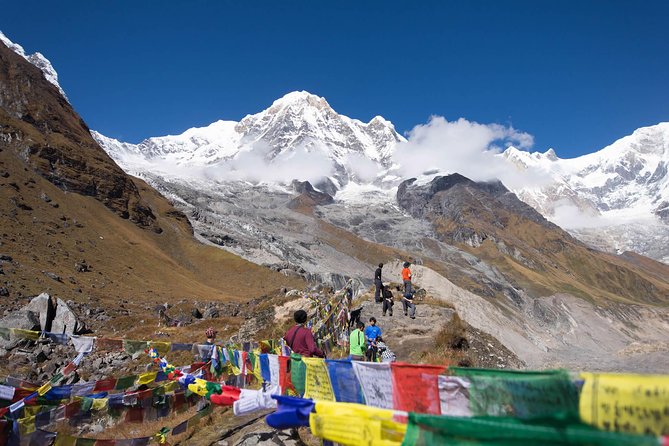
This is the crown day: you go from 3,200m up to 4,230m, with Machhapuchhre Base Camp as an in-between milestone. Even if the walk isn’t the longest by distance, it’s one of the most altitude-heavy days.
You’ll feel two things most clearly:
- pacing becomes slower by necessity
- breaks become part of the rhythm, not a slowdown
What I like about this operator’s setup is the attention to health monitoring in the trek support kit—an oximeter and medical first-aid kit are in place to keep tabs on oxygen and heartbeat. That doesn’t remove risk, but it helps you be smarter about it.
Also, because this is a private trek, you’re more likely to get a pace that matches your group’s needs rather than a one-size-fits-all tempo.
Day 10: Return from ABC to Bamboo (long descent day)
Day 10: ABC → Bamboo (2310m), 18 km ~7 hours
This is a long day. The distance is the standout: 18 km is a lot after you’ve reached the top. On paper it’s descent; in reality, your legs still do serious work—especially if you’ve been walking with tired muscles and sore joints.
Plan for it like this:
- take your breaks even when you feel you can push
- watch your footing on uneven stone and steep sections
- keep your expectations realistic for day 10
Day 11: Bamboo → Jhinu Danda Hot Spring (reset day with comfort payoff)
Day 11: Bamboo → Jhinu Danda (1780m), 12 km ~6 hours
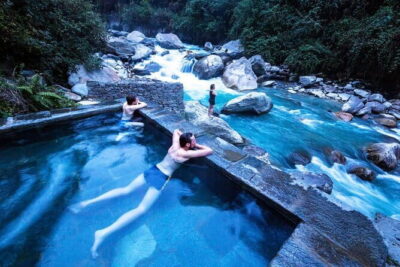
This is where the trek earns its “treat yourself” moment. Jhinu Danda hot spring is your reward for surviving the long return stretch. After chilly mornings and gravity doing its thing to your knees, a warm soak is a practical way to loosen up.
Day 12–14: back down to Pokhara, then Kathmandu
Day 12: Jhinu Danda → Pokhara
It’s a travel-and-recovery day. You’ve already done the toughest walking. Focus on rest and a calm evening.
Day 13: Pokhara → Kathmandu
Get the city comfort again: you’ll trade trail air for city air and swap trekking routines for regular meals.
Day 14: Farewell / tour ends
It’s not much of a day on the itinerary side, and that’s okay. After 14 days, your biggest “activity” is simply letting your body catch up.
Lodges, rooms, and what included food really means
This trek runs on a lodge/teahouse system. That’s the standard for Annapurna, but the important details here are the room setup and what you pay for food.
- In Kathmandu and Pokhara: 3-star hotels, twin rooms.
- On trek nights: lodge/teahouse rooms with shared setup (4/5 people per room).
That shared-room structure is common, but it does mean you should pack with comfort in mind: earplugs help if you’re a light sleeper.
Food is included during the trekking days: breakfast, lunch, and dinner. You can also choose meals from a menu yourself, which is a real advantage when you’re tired and want something familiar-ish. The trade-off is that lunches and dinners in Kathmandu and Pokhara are not included—so you’ll likely pay out of pocket for those final city meals.
Also remember: drinking water and other drinks are not included. Hot tea and bottled water are usually part of the trek economy. Budget for it so you’re not scrambling on the trail.
Gear and cold-weather comfort: what’s supplied vs. what you bring
One of the best practical perks of this package is that you don’t have to hunt down everything before you arrive in Nepal.
Included during the trek:
- duffle bag
- trek map
- down jacket use
- sleeping bag use
That’s a big deal because cold management is half the battle on Annapurna. A sleeping bag that’s actually appropriate for the temperatures helps you sleep, and sleep is where altitude battles are won.
What you still need to bring:
- personal trekking equipment
The listing doesn’t spell out every personal item (like trekking poles, boots, layers, etc.), so treat packing as your job. If you want, tell me what gear you already own and I can help you build a sensible packing checklist based only on what’s not included.
Guide and porter support: why it changes the whole trek
A private trek is only relaxing if your team is good. Here, you get:
- 1 experienced guide for your group
- 1 porter between 2 trekkers
That porter structure matters a lot for solo trekkers and couples because it prevents the “everyone becomes their own mule” problem. It also makes the rhythm easier: when your heavy loads are handled, you can focus on breathing and footing.
From the many guide/porter experiences tied to this operator, certain names keep showing up: guides like Yubraj, Arjun, Deepak Dhakal, Pabin, Bibek, Krishnan, Suraj, Netra, and porters like Ram and Sabin are mentioned in past trek stories. Even if your guide is someone else, the pattern is clear: the operator puts effort into staffing and communication so your days don’t feel chaotic.
Price and logistics: is $1,090 worth it?
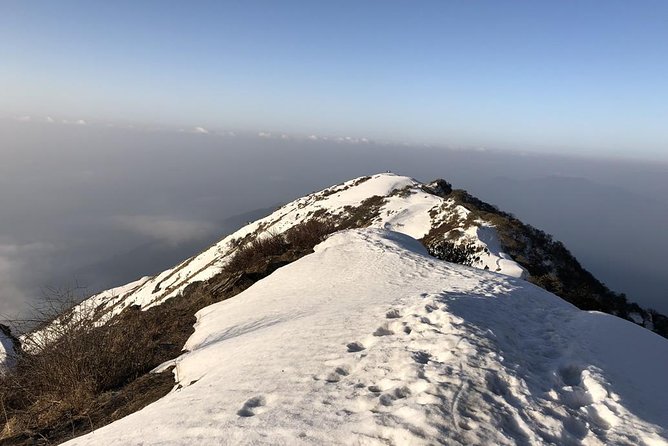
For me, “worth it” comes down to how much risk and work this removes from your trip.
In this package, you’re covering:
- private car airport transfers
- Kathmandu and Pokhara hotels
- trekking food during trek days
- guide + porter staffing model
- lodge accommodations during trek
- permits arranged for you (with photo requirement)
- major cold-weather gear use
- map and trekking kit basics
What’s not included (important for budgeting):
- travel insurance (compulsory, and not included)
- Nepal visa fee
- drinking water and other drinks
- lunches/dinners in Kathmandu and Pokhara
- personal trekking equipment
- tips for staff and driver
- private vehicle and airfare to/from Pokhara (the transfer between Kathmandu and Pokhara is by tourist bus, and Pokhara-to-Kathmandu is also by bus)
So yes, $1,090 can feel steep until you list what you’d pay for separately. If you plan to do this trek with full support—rather than improvising—it’s a reasonable deal.
Weather, altitude, and fitness: what you should plan for
This experience requires good weather. The itinerary includes very high terrain (ABC at 4,230m), so fog, heavy rain, or unsafe conditions can change plans. The operator also offers a backup date or refund if cancellation happens due to poor weather, so flexibility is part of the deal.
Fitness note from the trek requirements: you should have moderate physical fitness. That fits because the day lengths range from about 4 to 7 hours, with one notably long one on the return (ABC to Bamboo). The bigger challenge is altitude, not just distance.
If you can handle:
- consistent uphill walking for several hours
- slow pacing without getting discouraged
you’ll likely do well.
Who should book this private Annapurna Base Camp trek
I think this is a strong choice if you want:
- a private group experience (no social chaos, no trail surprises from mismatched pace)
- a guided trek with porter support
- included cold-weather gear use and permits handled
- lodge-based trekking without trying to manage logistics yourself
It’s also a good fit for first-time Nepal trekkers who want the comfort of being organized from airport pickup to the final return day.
If you’re the type who loves total DIY planning and doesn’t mind arranging permits, lodge stays, and gear rentals yourself, you might find a cheaper option. But the value here is the reduction in friction.
Should you book it?
If your goal is Annapurna Base Camp with fewer logistics headaches, I’d say yes—especially if you appreciate clear support (guide + porter) and you want a plan that actually includes the cold-weather pieces you’ll use on trek.
Book it if you can be flexible with weather and you’re ready for altitude days like Deurali to ABC. Skip it only if you dislike shared lodge rooms or you’re trying to keep costs down to the absolute minimum and you don’t want to think about water/drinks and tips.
FAQ
How long is the 14-Day Private Annapurna Base Camp trek?
The trek is listed as 14 days (approx.).
Where does the trek start and do you include airport transfers?
It starts in Kathmandu, and airport pickup and drop-off are included by private car.
What are the accommodation options during the trip?
You get 3-star category hotel stays in Kathmandu and Pokhara (twin room). During the trek, you stay in lodge/teahouses with shared rooms (4/5 people sharing a room).
Are meals included?
During the trekking portion, breakfast, lunch, and dinner are included. You can choose meals from a menu yourself. Lunch and dinners in Kathmandu and Pokhara are not included.
Do I get a guide and porter?
Yes. You’ll have 1 experienced guide for the group, and 1 porter between 2 trekkers.
What trekking gear is provided?
The trek includes use of a duffle bag, trek map, down jacket, and sleeping bag.
What about trekking permits?
All trekking permits are included, but you must bring 3 passport size photos.
Is drinking water included?
No. Drinking water and other drinks are not included.
Is travel insurance included?
Travel insurance is not included, and it is compulsory for outdoor activities in Nepal.
More Trekking Out of Kathmandu
Private Days, Your Group Only

More Tour Reviews in Kathmandu
Just Reviewed in Kathmandu
- Mountain Bike Tour
★ 5.0 · 3 reviews - Annapurna Panaroma
★ 5.0 · 3 reviews - Mount Everest Scenic Flight 50 Minutes
★ 5.0 · 3 reviews - Kathmandu : Swambhunath & Durbar Square Guided Half Day Tour
★ 3.3 · 3 reviews - Chandragiri Cable Car & Monkey Temple Tour – Private/Group
★ 5.0 · 3 reviews - Kathmandu: Shivapuri National Park Hiking Day Trip
★ 3.3 · 3 reviews
Annapurna Base Camp Treks, compared.
 ★ 5.0Annapurna base camp trek 5 DaysFrom $699252 reviews
 ★ 5.0Annapurna Base Camp TrekkingFrom $1,779116 reviews
 ★ 5.0Annapurna Base Camp TrekFrom $935111 reviews
★ 5.0Annapurna Base Camp TrekFrom $1,350107 reviews
★ 5.0Annapurna Base Camp TrekFrom $935111 reviews
★ 5.0Annapurna Base Camp TrekFrom $1,350107 reviews
 ★ 5.0Kathmandu to Annapurna Base Camp (ABC) 5-Day TrekFrom $99102 reviews
 ★ 5.0Annapurna Base Camp Trek- 11 DaysFrom $99990 reviews
 ★ 5.0Annapurna Base Camp Trek 12 DaysFrom $80085 reviews
Annapurna Base Camp TrekFrom $78581 reviews
★ 5.0Annapurna Base Camp Trek 12 DaysFrom $80085 reviews
Annapurna Base Camp TrekFrom $78581 reviews
Browse the lists this tour appears in