

Review · ANNAPURNA BASE CAMP TREKS
Annapurna base camp -9 days
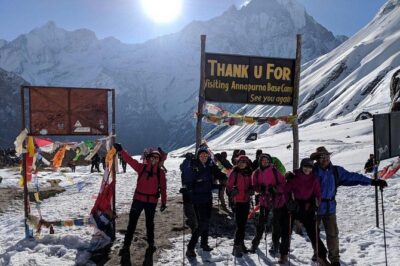
The first big payoff comes early: sunrise over the Annapurna Sanctuary. I like this itinerary because it mixes classic ABC mountain scenery with steady village hiking through Gurung and Magar communities, and it’s run with licensed English-speaking guides and a first-aid kit on hand. I also like that you’re not stuck organizing permits and paperwork yourself. One thing to consider: the advertised price doesn’t include a porter, which is an extra $220 per person, and it’s worth planning for your Kathmandu nights too.
I’d call this a well-run trekking package aimed at people who want the hard parts handled—transport, permits, meals, and gear—while you focus on walking and soaking up mountain views. If you’ve seen names like Shiva, Sona, Binod, Rajendra, Bikash, or Řãhül tied to this trip, that’s not random; multiple past trekkers highlighted guides and porters by name for being helpful, adjusting pacing, and keeping things comfortable.
In This Review
- Key Things I’d Zoom In On
- Why Annapurna Base Camp in 9 Days Feels Worth Your Time
- Price and Logistics: What This Trek Package Really Includes
- Kathmandu Arrival: What Happens Before the Walking Starts
- Day-by-Day Trail Guide for ABC: From Dhampus to Jhinu Hot Springs
- Day 1: Poon Hill View Moment (With Kathmandu Transfer First)
- Day 2: Pokhara to Phedi, Then Dhampus
- Day 3: Oak Forest Down to Landrung and Onward to Jhinudanda
- Day 4: Rhododendron Forest, Seti Gandaki Country, and Khuldighar
- Day 5: Machhapuchhare Base Camp Through a Sacred Valley
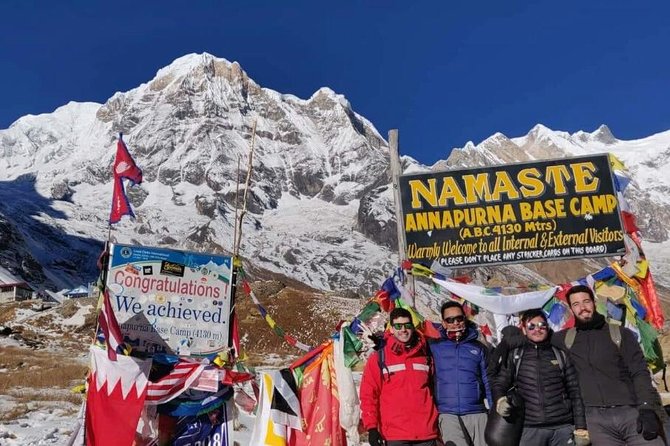
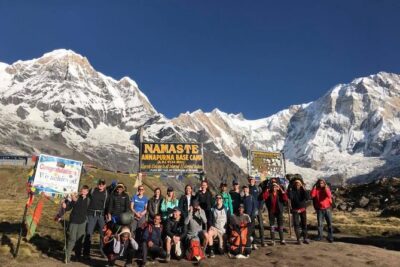
- Day 6: Enter the Annapurna Sanctuary to Base Camp
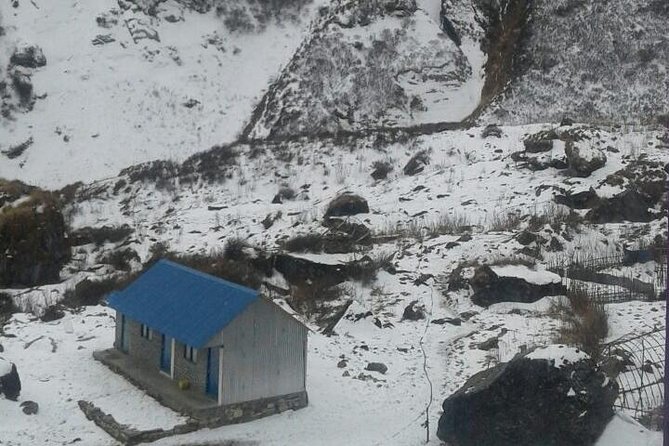
- Day 7: Early Wake-Up Sunrise, Then Descent to Bamboo Hut
- Day 8: Up to Sinewa, Back to Chomrong, and Down to Jhinu Hot Springs
- Day 9: Nayapul Ending + Drive Back to Pokhara
- Accommodation, Food, and Why the Teahouse Style Works
- Guides, Porters, and Gear: Where This Package Adds Real Value
- Wildlife, Birds, and the “It’s Bigger Than the Photos” Effect
- Who Should Book This ABC Trek (and Who Might Reconsider)
- Should You Book This 9-Day ABC Trek? My Decision Checklist
- FAQ
- Where does the tour start and what time?
- How long is the Annapurna Base Camp trek?
- What’s included in the trek price?
- Is a porter included?
- How do you get from Kathmandu to Pokhara, and can I fly?
- Do I need to arrange permits and paperwork?
- What is the cancellation window?
Key Things I’d Zoom In On
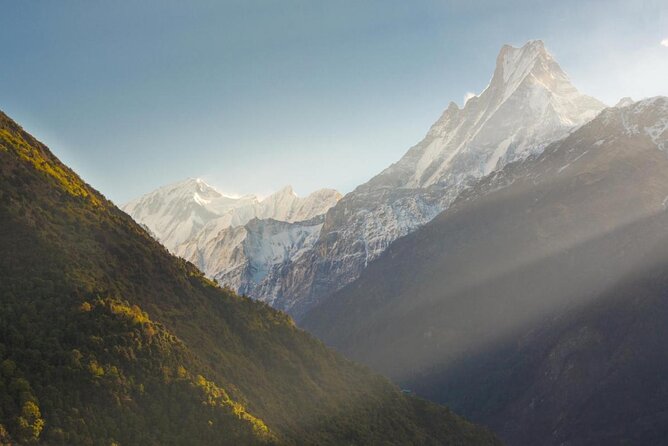
- Sunrise at the Annapurna Sanctuary with an early wake-up to time the light right
- Village-to-sanctuary progression through Gurung and Magar settlements on the way toward base camp
- Teahouse rhythm with full meal coverage (breakfast, lunch, dinner included throughout the trek)
- Guides and gear support: permits handled, plus a down jacket and sleeping bag you return after the trek
- Porter planning matters: porter cost is separate at $220 per person, even though guide support is included
Not sure yet? Here are other Kathmandu tours worth a side-by-side look.
- Everest Base Camp Trek – 14 Days★ 5.0 · 1,499 reviews
- Everest Base Camp Trek★ 5.0 · 842 reviews
- Private Kathmandu Sightseeing Tour | UNESCO World Heritage sites★ 5.0 · 756 reviews
- Kathmandu: 7 UNESCO Sites with Lunch★ 4.8 · 744 reviews
Why Annapurna Base Camp in 9 Days Feels Worth Your Time
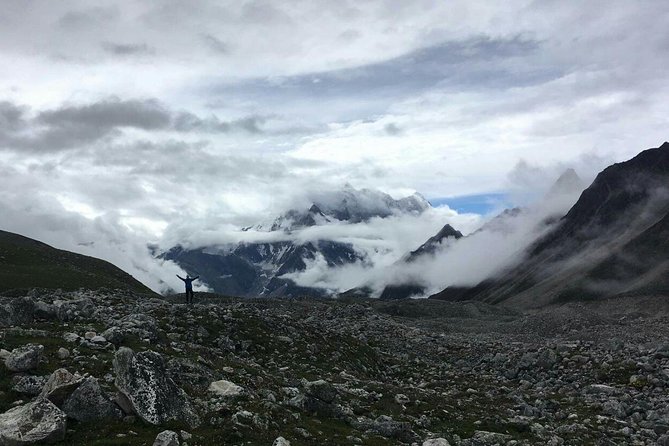
Annapurna Base Camp is one of Nepal’s most famous trekking targets for a reason: you’re climbing into the Annapurna region’s dramatic variety, and by the end you’re inside the Annapurna Sanctuary. The trekking area is also known for wildlife and birdlife—things like snow leopards and blue sheep are mentioned in regional descriptions, along with birds such as the Impeyan and the blood pheasant. You might not see the big-ticket animals on your specific day, but knowing the habitat is there makes the whole trek feel alive.
What I like about doing ABC in this 9-day format is that it’s long enough to feel like a real mountain journey, but not so long that you lose your momentum. You’ll get a rhythm of waking up, walking through villages and forests, and then gradually stepping toward the stark, higher “desert wilderness” feel described for the sanctuary.
You also get multiple view windows. Early on, the trek route is framed by peaks like Himchuli, Annapurna South, and Mt Fishtail (Machhapuchchre). Later, the payoff becomes the big bowl of the sanctuary and the classic base camp moment. If you’re the type who wants one place to do the work of many views, this trek fits.
Possible drawback: it’s still a trek. The trip is designed for moderate physical fitness, and the daily hiking blocks are typically in the 4–6 hour range. If you’re prone to getting cranky when hills show up, you’ll want to train a bit before you go.
Price and Logistics: What This Trek Package Really Includes
The price listed is $693.34 per person for about 9 days. For ABC, that’s often less about luxury and more about organization: you’re paying for a structure that removes the biggest hassles—transport, paperwork, guides, and meal planning.
Here’s what you can count on as included:
- Airport pickup and drop in a private vehicle (Kathmandu side)
- Kathmandu to Pokhara and back by tourist bus (with an optional flight available for extra costs)
- A licensed English-speaking trekking guide
- Insurance of the guide during the trip
- The guide’s food, accommodation, and first-aid kit
- All permits and paperwork
- Welcome or farewell dinner in Kathmandu at a cultural restaurant
- 9 nights accommodation
- Meals during the trek: breakfast (9), lunch (9), dinner (9)
- Down jacket and sleeping bag that you return after the trek
What costs extra (and is worth budgeting early):
- International airfare and visa charges
- Travel and medical insurance (you’ll need to arrange yours)
- Personal expenses like shopping, bar bills, hot showers, laundry, phone use, and snacks
- Food and accommodation in Kathmandu (the trek portion is covered; Kathmandu nights aren’t included)
- Emergency expenses, like charter helicopter costs
- Tips for guides and porters
- Most importantly: porter $220 per person
That porter line is the one that can surprise people. The guide is included, but a porter is not. If you want to travel lighter, or if you want your pack weight reduced enough to protect your energy for the higher days, plan for that $220.
Kathmandu Arrival: What Happens Before the Walking Starts
Your meeting point is Tribhuvan International Airport in Kathmandu, with a start time of 6:30am. The package also includes private vehicle pickup and drop, so you’re not left hunting for transport on arrival day.
One small detail to note: the itinerary notes that after arrival, you’re transferred to your hotel, but the package only starts on the second day. That means you should expect at least one night where you handle your own Kathmandu arrangements, since those aren’t included in the trek cost.
Also, there’s a welcome or farewell dinner included in Kathmandu, which is a nice way to settle in with people you’ll be traveling with before you start climbing into the mountains.
Day-by-Day Trail Guide for ABC: From Dhampus to Jhinu Hot Springs
This itinerary is built around gradual elevation, changing vegetation, and view-heavy stops. Some days feel more about travel between points; other days are the classic mountain slog. Here’s how it typically reads, and what it means for you in the real world.




Day 1: Poon Hill View Moment (With Kathmandu Transfer First)
The itinerary lists Poon Hill as a stop on day 1. At the same time, it’s clear that your arrival day is mainly about landing, transfer, and getting settled—because the trekking package starts on the second day.
Practical takeaway: if you arrive early enough, Poon Hill is often the kind of spot where you get broad Himalayan views without the full commitment of a long trekking day. If you’re jet-lagged, think of this as the “adjust your legs” day, not the main endurance test.
Day 2: Pokhara to Phedi, Then Dhampus
You’ll drive to Phedi from Pokhara, then begin trekking to Dhampus. Dhampus is described as a Gurung village with big-name views: Himchuli, Annapurna South, and Mt Fishtail (Machhapuchchre).
Why this is valuable: you get an early dose of perspective—you can see where you’re heading, and the day is a manageable entry point. Also, village hiking here is part of what makes this region more than just a summit march.
Time listed: about 4 hours.
Day 3: Oak Forest Down to Landrung and Onward to Jhinudanda
Today your trail goes down toward Landrung through oak forest and terraced fields. Landrung is described as a charming village with Gurung, Magar, and Brahmin communities. From there, the path continues down to Jhinudanda.
What to expect: forest footing and village paths tend to be a good mix. It’s not just scenery; you’ll also get a feel for daily rural life that’s woven into the trekking corridor.
Time listed: about 5 hours.
Day 4: Rhododendron Forest, Seti Gandaki Country, and Khuldighar
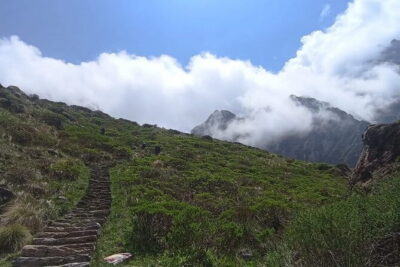
From Chhomrong, the route crosses a bridge, then climbs toward Sinuwa Danda. The trail becomes a sideways walk through thick rhododendron forest toward Khuldighar, and then you move down via steep stone sections.
This is one of those days where your pacing matters. Rhododendron forest walks can be beautiful, but wet stones and steep steps can add up. Plan for slower feet and more hydration than you think you need.
Time listed: about 5 hours.
Day 5: Machhapuchhare Base Camp Through a Sacred Valley
A gradual ascent follows the river Madi, passing bamboo trees and reaching Machhapuchhare Base Camp. The trek description adds a cultural rule: in this area, no meat or fish is allowed, tied to Buddhist and Hindu beliefs.
This is one of the most interesting parts of ABC beyond views. You’re hiking through zones where local beliefs shape what’s possible and what’s served, and that changes the vibe of the journey.
Time listed: about 6 hours.
Day 6: Enter the Annapurna Sanctuary to Base Camp
After leaving Machhapuchhre Base Camp, you leave much of the vegetation behind. The description calls it a “desert wilderness” feeling around the Annapurna Sanctuary, leading into base camp.
This is your high point day in spirit even if it’s not the steepest. You’re stepping into the area that trekkers talk about when they say the whole place feels like a bowl of mountains.
Time listed: about 5 hours.
Day 7: Early Wake-Up Sunrise, Then Descent to Bamboo Hut
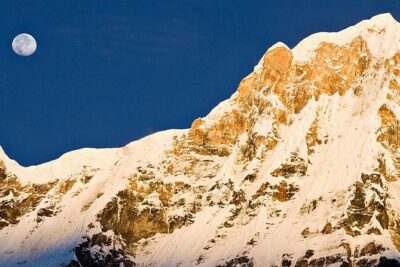
You get an early wake-up call for sunrise views of the Annapurna Sanctuary. Then you begin your descent following the Modi Khola River toward Bamboo Hut.
This is the day to keep a careful eye on your energy. Sunrise means less sleep, and descending is easier than climbing—until your knees start texting you messages.
Time listed: about 6 hours.
Day 8: Up to Sinewa, Back to Chomrong, and Down to Jhinu Hot Springs
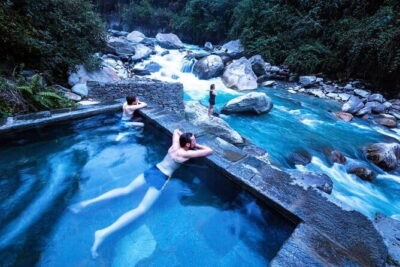
You start with an uphill stretch to Sinewa, then descend to meet the Chomrong Khola River. Another ascent brings you back toward Chomrong, followed by a final descent to Jhinu. Jhinu is where you can visit the natural hot springs.
If you’ve ever wanted a “reward day” that doesn’t feel cheesy, this is it. Hot springs in the mountains are one of those rare moments where you get real recovery, not just a photo.
Time listed: about 6 hours.
Day 9: Nayapul Ending + Drive Back to Pokhara
Your last trekking day is described as an easy descent to the banks of the Modi Khola River, continuing to Nayapul. Then you take a private car for about 1.5 hours back to Pokhara, followed by transfers onward (the package notes transfer toward your hotel after arriving).
Time listed: about 5 hours.
Accommodation, Food, and Why the Teahouse Style Works
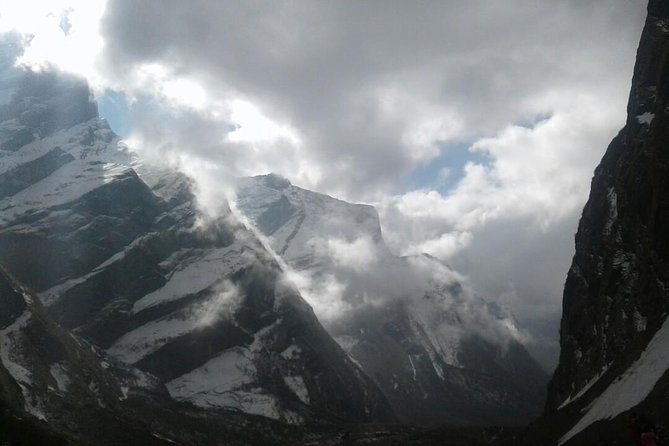
This trek is set up around teahouse / guesthouse stays, and meals are included: breakfast, lunch, and dinner across all trekking days. In past trips tied to this company, trekkers specifically praised clean, comfortable, and safe guesthouses, and they also called out good teahouse food as part of what made the days feel manageable.
Here’s the practical angle: when meals are included and timed for the day’s effort, you don’t burn brainpower figuring out where to eat. And with 9 nights of accommodation covered, you can pack lighter and focus on layers, not logistics.
One realistic note: a hot shower is listed as a personal expense category. That doesn’t mean you can’t wash well—just that you should expect it might cost extra depending on the spot and your preference.
Guides, Porters, and Gear: Where This Package Adds Real Value
The biggest value-add is the human support. You travel with a licensed English-speaking guide, and the guide carries a first-aid kit. Also, the trek includes accommodation and food for the guide during the trip, which is how these operations keep a guide functioning day after day.
You may see different guide and porter names from past trekkers—people like Sona, Shiva (operator in Kathmandu), and guides such as Binod. For porter support, names like Rajendra, Bikash, and Řãhül appear in feedback tied to this experience. The pattern is consistent: people praise their ability to keep trekkers comfortable, adjust pacing when needed, and keep the atmosphere friendly.
One more smart detail: you get a down jacket and sleeping bag that are returnable after the trek. That can save you from buying gear you’ll use once and then store forever. It also helps when you’re traveling light from home.
The only big caution is the porter cost. With porter support at $220 per person (not included), you’ll want to decide early:
- If you want a lighter pack and more energy for the higher days, budget for the porter.
- If you’re confident carrying your own load, you can still hike—just be honest about how much weight you can handle.
Wildlife, Birds, and the “It’s Bigger Than the Photos” Effect
The trek region is described as a naturalist’s paradise, with rare animals in the upper sub-alpine steppe, plus birdlife and plant species linked to Nepal’s forests. Even if you don’t spot a snow leopard (sadly, they’re not guaranteed), this kind of description matters because it encourages a slower, more observant walk.
What you can do in real terms: pause for the birds, look for signs of altitude change (vegetation shifting), and pay attention on mornings when the air is clearer. Sunrise day around the sanctuary is a perfect time to do that, because the mountains look crisp and your eyes do less work.
Who Should Book This ABC Trek (and Who Might Reconsider)
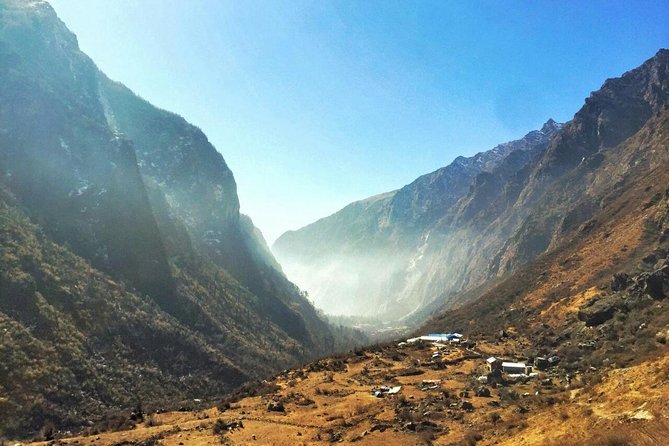
This trek is aimed at people with moderate physical fitness and a desire for a guided, organized experience.
It fits well if you:
- Want a structured trek with permits and paperwork handled
- Like the idea of teahouse hiking with full meal coverage
- Prefer having an English-speaking guide who can keep you on track
- Enjoy cultural village routes through Gurung and Magar communities
It might be a tougher match if you:
- Don’t want to budget for a porter (additional $220 per person)
- Need full independence on meals and accommodations (Kathmandu is not covered; personal expenses like showers add up)
Should You Book This 9-Day ABC Trek? My Decision Checklist
If you want the Annapurna Base Camp experience without turning it into a project, I’d book this. The included meals, guide support, permit handling, and included trekking gear make it easier to spend your energy on hiking and enjoying the views.
But make your decision with three facts in mind:
- Porter is extra at $220 per person, so decide if lighter loads are worth it to you.
- Kathmandu nights are not included, so don’t assume your arrival day is fully covered.
- It’s a moderate fitness trek with 4–6 hour hiking blocks most days, so train a bit and plan for steady effort.
If those points match your travel style, this is a solid way to do ABC in a short, focused window.
FAQ
Where does the tour start and what time?
The meeting point is Tribhuwan International Airport in Kathmandu, Nepal, with a start time of 6:30am.
How long is the Annapurna Base Camp trek?
The trek is 9 days (approximately).
What’s included in the trek price?
Included are private airport pickup and drop, transport between Kathmandu and Pokhara (tourist bus; flights are optional with extra costs), a licensed English-speaking trekking guide, guide insurance and support, first-aid kit, permits and paperwork, a welcome or farewell dinner in Kathmandu, 9 nights accommodation, and meals during the trek (9 breakfasts, 9 lunches, 9 dinners). Down jacket and sleeping bag are also provided and are returnable after the trek.
Is a porter included?
No. The porter is listed as an extra cost of $220.00 per person.
How do you get from Kathmandu to Pokhara, and can I fly?
You travel by tourist bus between Kathmandu and Pokhara and back. An optional flight is available with extra costs.
Do I need to arrange permits and paperwork?
No. The package states that all required permits and paperworks are included.
What is the cancellation window?
You can cancel up to 24 hours in advance for a full refund. If you cancel less than 24 hours before the experience’s start time, the amount paid will not be refunded.
More Tour Reviews in Kathmandu






Just Reviewed in Kathmandu
- Mountain Bike Tour
★ 5.0 · 3 reviews - Annapurna Panaroma
★ 5.0 · 3 reviews - Mount Everest Scenic Flight 50 Minutes
★ 5.0 · 3 reviews - Kathmandu : Swambhunath & Durbar Square Guided Half Day Tour
★ 3.3 · 3 reviews - Chandragiri Cable Car & Monkey Temple Tour – Private/Group
★ 5.0 · 3 reviews - Kathmandu: Shivapuri National Park Hiking Day Trip
★ 3.3 · 3 reviews
Annapurna Base Camp Treks, compared.
 ★ 5.0Annapurna base camp trek 5 DaysFrom $699252 reviews
 ★ 5.014-Day Private Annapurna Base Camp TrekFrom $1,090180 reviews
 ★ 5.0Annapurna Base Camp TrekkingFrom $1,779116 reviews
 ★ 5.0Annapurna Base Camp TrekFrom $935111 reviews
★ 5.0Annapurna Base Camp TrekFrom $1,350107 reviews
 ★ 5.0Kathmandu to Annapurna Base Camp (ABC) 5-Day TrekFrom $99102 reviews
 ★ 5.0Annapurna Base Camp Trek- 11 DaysFrom $99990 reviews
 ★ 5.0Annapurna Base Camp Trek 12 DaysFrom $80085 reviews
Browse the lists this tour appears in