
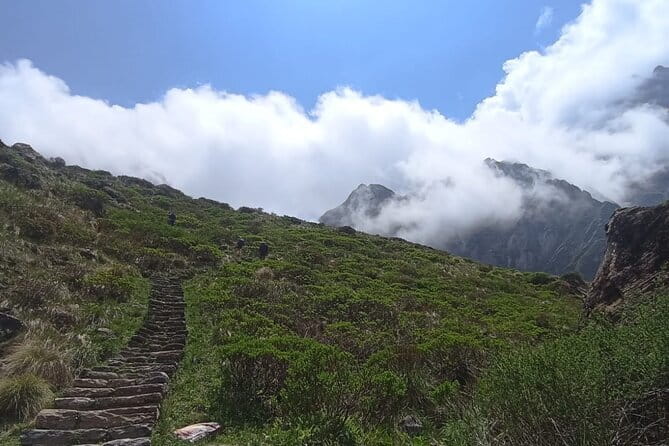
Review · ANNAPURNA BASE CAMP TREKS
Annapurna Base Camp Trek
Tea houses, temples, and big mountain views in Nepal. I like how this trek strings together Kathmandu and Pokhara first, so you arrive feeling ready instead of rushed, with private transfers handling the heavy logistics. It then climbs all the way to Annapurna Base Camp at around 4,130 meters, where the effort actually pays off.
I also like the practical support on the trail: all meals during the trek are included (with tea or coffee), and you travel with a licensed professional trekking guide plus an expert local porter team. If your guide is someone like Cecil or Sushil Gurung, you get a steady, safety-first pace that makes long days feel manageable.
The main consideration is simply the trip rhythm: it starts very early (meeting time is 1:15am) and you’re working in altitude. If you’re not comfortable with cold mornings and multi-hour hiking days, plan to go slow and hydrate.
In This Review
- Key takeaways before you go
- From Kathmandu temples to Pokhara lake time
- Private transfers that actually reduce trip stress
- Entering the Annapurna Conservation Area at Birethanti
- Ghorepani and Poon Hill: the classic viewpoint day
- Ghorepani to Tadapani: a steady 5-hour walk day
- Chhomrong and the village-to-mountain feeling
- Bambook: moderate walking before the big day
- The Annapurna Base Camp push: tea-house days at the edge
- Getting back to Kathmandu by tourist bus
- Price and logistics: is $935 good value?
- Who this Annapurna Base Camp trek suits best
- Should you book it?
- FAQ
- What is the duration of the Annapurna Base Camp trek?
- Where does the trip start and when?
- What’s included in the trek package for meals and lodging?
- Are permits included?
- Is Wi-Fi included on the trek?
- Can I cancel for a full refund?
Key takeaways before you go
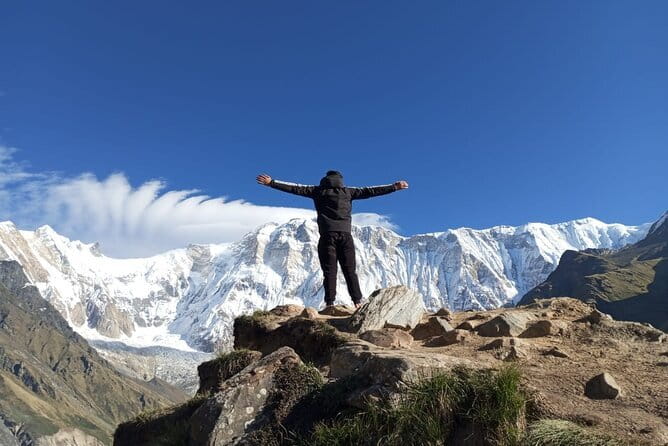
- Annapurna Base Camp at ~4,130m with tea-house lodging included during the trek
- Poon Hill and Ghorepani viewpoint day gives you a classic “worth waking up for” sunrise-style payoff
- Permits handled (TIMS and ACAP) so you don’t scramble paperwork in Nepal
- Meals and tea/coffee included during the trekking days, which helps control costs and energy levels
- Guide and porter support from a licensed guide and local porters (examples include Cecil, Sushil Gurung, and porters like Samu Gurung and Sujan Gurung)
- No trekking Wi-Fi and no extra drinks included, so budget for offline time and cash for snacks
More trails out of Kathmandu, boots ready
- Everest Base Camp Trek – 14 Days★ 5.0 · 1,499 reviews
- Everest Base Camp Trek★ 5.0 · 842 reviews
- Everest Base Camp Trekking★ 5.0 · 485 reviews
- Nagarkot Sunrise View and Day Hiking from Kathmandu★ 5.0 · 471 reviews
From Kathmandu temples to Pokhara lake time
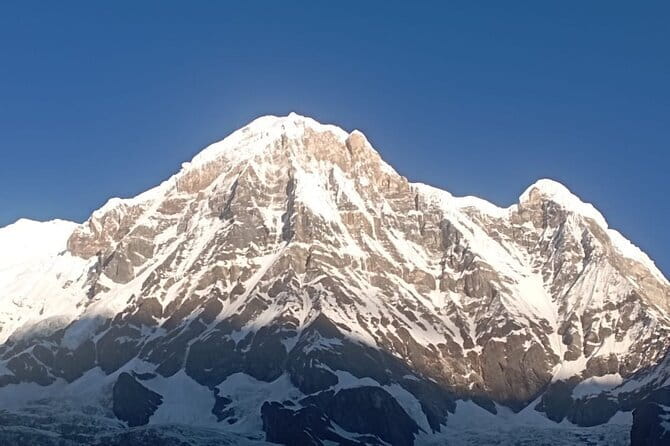
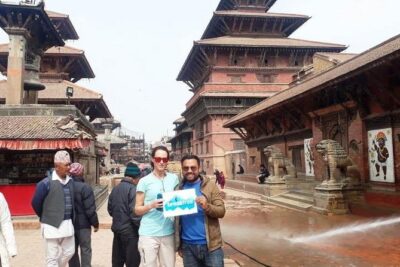
Most Annapurna Base Camp trips start with a hike. This one starts with atmosphere. You begin in Kathmandu and make a stop at Pasupatinath Temple, one of Nepal’s major religious sites. It’s a powerful first day because it reminds you that this is not just a “mountain trip.” It’s a real place with real traditions happening every day.
Then you head to Pokhara, where a lake visit sets the tone for the trekking phase. Pokhara is where you can catch your breath—literally and mentally—before the trail asks for more from you. The itinerary also includes a two-night hotel stay in Pokhara with breakfast, which matters. You want an actual bed and food that doesn’t come from a cup-with-lid situation.
Value note: the $935 price isn’t only paying for the hike. You’re also paying for these fixed costs that many independent trekkers feel later—transport, hotel nights, and keeping meals consistent.
Private transfers that actually reduce trip stress
In Nepal, the difference between a smooth start and a chaotic one is often transfers. This experience includes airport/hotel pickup and drop-off plus transport between Kathmandu and Pokhara by tourist bus, along with private vehicles for the Kathmandu side. That means you spend your limited Nepal time walking trails, not hunting down directions at the wrong hour.
You also end the trek by returning to Kathmandu by tourist bus. It’s a simpler finish than trying to piece together your own schedule right after a big mountain effort.
One more practical detail: the meeting point is tied to Everest Trekking Routes Pvt. Ltd. in Kathmandu, with an early start time listed at 1:15am. If you hate waking up before sunrise, that’s something to plan around.
Entering the Annapurna Conservation Area at Birethanti
When the trek officially starts, you enter the Annapurna Conservation Area around Birethanti. This isn’t just a line on a map. Conservation-area access usually means permits and rules, which is exactly why having paperwork included is a big deal for your peace of mind.
You’ll also feel the transition immediately. The route shifts from city-or-road rhythms into footpath time—slower, quieter, and more connected to the communities you pass through. Even before you get big mountain views, you’re already walking through the Annapurna region’s “working world,” not a fantasy set.
Ghorepani and Poon Hill: the classic viewpoint day
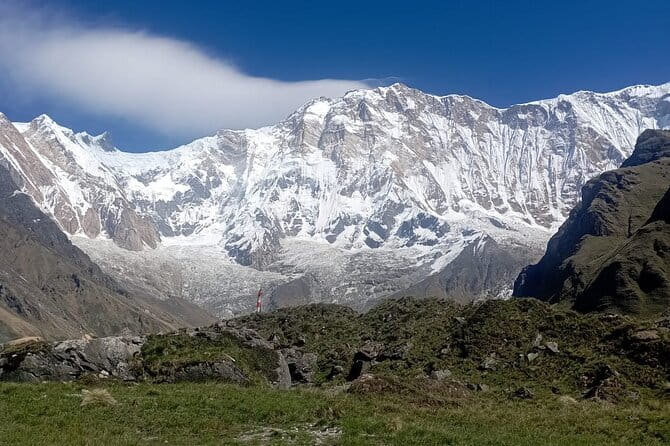
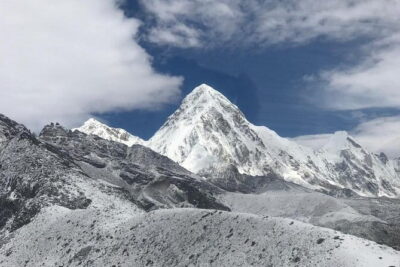
Poon Hill is famous for a reason, and this trek builds in a dedicated viewpoint day through Ghorepani. This part is a smart move for many walkers because it gives you a high reward without requiring a full-on sufferfest right away. You’re still earning altitude, but you’re not starting the entire trek with the hardest climb.
Why I like this style of pacing: you get a dramatic view moment, then you move on to deeper trekking segments with more confidence. You’ve already seen what the region can do, so the next days feel like progress instead of guesswork.
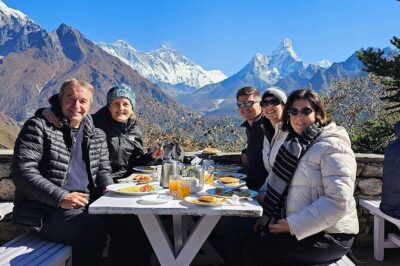
Also, Ghorepani itself is a trekking hub. Tea houses are your baseline here—simple rooms, warm drinks, and meals that keep you moving. When the trek is well organized, you don’t waste time bargaining or searching for the next stop.
Ghorepani to Tadapani: a steady 5-hour walk day
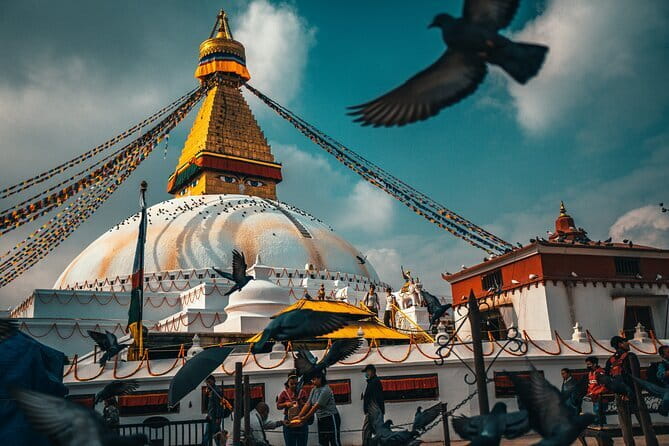
One of the trekking days is listed as about five hours from Ghorepani to Tadapani. That kind of day is ideal for locking in your hiking rhythm: not too short, not overly long. It’s the sort of segment where you can settle into a sustainable pace, snack regularly, and still arrive with energy left.
Tadapani is also a practical “rest and regroup” area. On treks like this, you’re never only walking—you’re also adjusting to weather, changing light, and the way your legs feel as altitude starts to matter. A mid-length day keeps that manageable.
If you’re the type who tends to go out too fast at the beginning of a trek, this is where you want to rein it in. The best strategy is consistency over hero mode.
Chhomrong and the village-to-mountain feeling

Another highlight in the itinerary is a beautiful walk toward Chhomrong. This section matters because it adds a cultural layer to the effort. As you move through villages associated with Gurung and Magar communities, the trek becomes more than a set of viewpoints. You see daily life up close: routes, homes, and local hospitality tied to the mountains.
Chhomrong also tends to be where many trekkers start feeling the trek as a whole event—your body is warming up, your breathing is working a little harder, and the scenery increasingly turns into true mountain geography instead of “forest path plus distant peaks.”
It’s also a good place to remind yourself why you’re here: not to check off steps, but to experience the slow, real pace of the Annapurna region.
Bambook: moderate walking before the big day
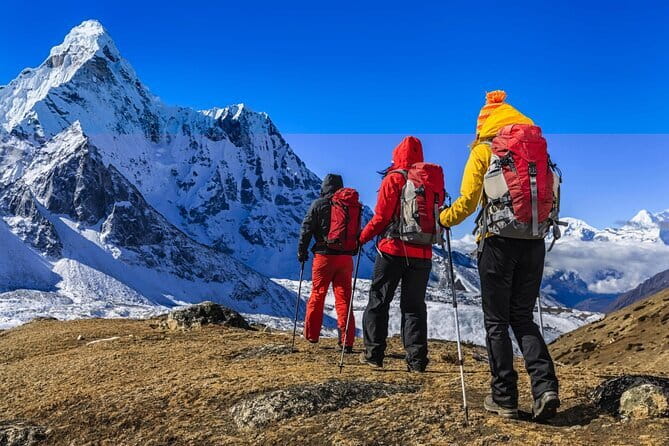
The route includes a trek to Bambook described as moderate walking. That classification is valuable because it signals a key shift. You’re approaching the later days where Annapurna Base Camp becomes the focal point, and you want to arrive without feeling totally wrecked.
Moderate days do two things well:
- They help you acclimatize without battering your legs.
- They give you time to practice your own “trail routine” (how you eat, how often you pause, how you handle cold).
At this stage, your guide’s judgment becomes important. A licensed professional guide should be able to manage pacing and make practical calls if conditions change, and the overall support structure here is built around that kind of decision-making.
The Annapurna Base Camp push: tea-house days at the edge
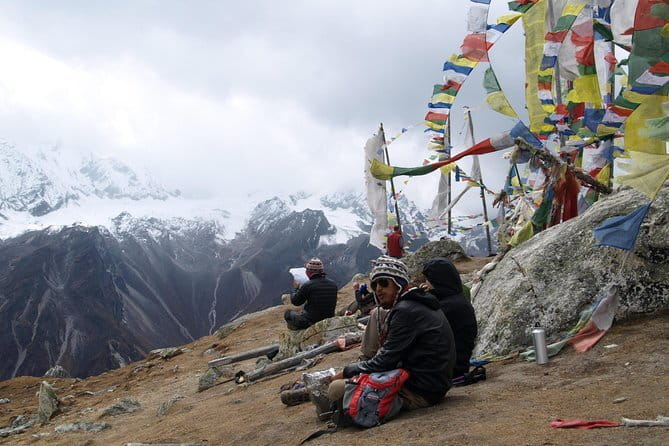
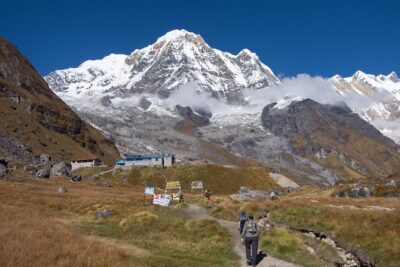
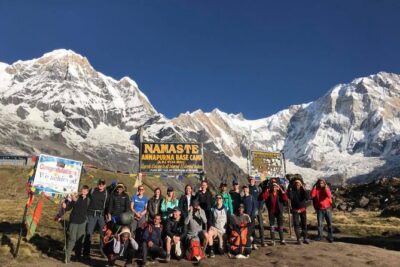
The later part of the trek brings you to Annapurna Base Camp, with a strong emphasis on the viewpoint payoff. You’ll trek to the base camp area and then spend time on the route that focuses on views around the base camp region.
Reaching Annapurna Base Camp is the moment most people dream about. At around 4,130 meters, you’re high enough that every comfort matters: the warmth of tea, the structure of meals, and the ability to sleep and recover rather than scramble for logistics.
Here’s what you can expect from the way this trip is set up:
- Tea-house accommodation is included during the trek, so you’re not hunting for beds every night.
- Breakfast, lunch, dinner are included on trekking days, with tea or coffee included with meals.
- The experience is arranged as a guided, supported trek, not a self-guided adventure where you’re guessing where to stay.
Important practical point: the included meals stop at the trekking part. Extra food and accommodation costs in Kathmandu are not included, and you’ll also need to budget for drinks beyond what’s covered. If you like lots of hot beverages (common on cold mornings), remember drinks are listed as not included.
Getting back to Kathmandu by tourist bus
After you’ve spent time at and around the base camp viewpoint areas, the trip steps you down with a return to Kathmandu by tourist bus. That matters more than it sounds. You don’t want an extra complicated leg after the hardest part of the hike.
This trip also lists a final departure to go home after returning to Kathmandu, so your end-of-journey is more contained. You’re still tired, but you’re not dealing with a puzzle.
Price and logistics: is $935 good value?
Let’s look at the $935 price in real terms. This isn’t a cheap trek by Nepal standards, but it’s also not “paying only for hiking.” Your price includes a lot of the stuff that adds up quickly when you do it piece-by-piece:
- Hotels in Pokhara and Kathmandu (including breakfast)
- Airport and hotel transfers
- Kathmandu to Pokhara and return by tourist bus
- All trekking meals with tea or coffee included
- Tea-house accommodation during the trek
- TIMS and ACAP permits handled
- A licensed professional guide plus an expert local porter team
- Government taxes and fees
What’s not included is also clear and worth planning for: travel and evacuation insurance, tipping for guide and porter, extra drinks (hot and cold), trekking Wi-Fi, and any extra accommodation or meals in Kathmandu beyond what’s already covered.
My take: if you want to reduce uncertainty and keep your budget under control while focusing on hiking, this price makes sense. If you already have your own permits, guides, and plans, then you’d compare costs more aggressively. But for most people, the built-in support is the value.
Who this Annapurna Base Camp trek suits best
This experience is private, meaning only your group participates. That’s a good match if you want flexibility and less crowd pressure at key moments like viewpoint days and meal stops.
It’s also listed as requiring moderate physical fitness. In practice, that means you should be comfortable walking for multi-hour stretches and dealing with cold mornings, especially around the early start time.
Best fit:
- You want a guided trek with permits, meals, and lodging organized.
- You care about safety and calm pacing, not just “getting steps.”
- You like having viewpoint days built in so the trek feels rewarding, not only strenuous.
If you’re extremely budget-focused and want full independence, you might feel like you’re paying for convenience. But if you want the trail experience to be the point, not the administration, it’s a strong package.
Should you book it?
Yes, I think you should book this Annapurna Base Camp trek if you want a well-supported route to one of the world’s most iconic destinations, without turning your trip into a logistics project. The combination of Poon Hill viewpoint time, meals and tea-house stays included, and permits handled removes a lot of friction.
If you’re sensitive to early starts and altitude demands, don’t ignore that. But if you’re willing to pace yourself and take it as a journey—temples and lake days first, then tea houses and high mountain air—this is the kind of trek that turns effort into a real sense of achievement.
FAQ
What is the duration of the Annapurna Base Camp trek?
The trek is listed as 12 days approximately (with an itinerary that spans 12 days).
Where does the trip start and when?
It starts at the meeting point with Everest Trekking Routes Pvt. Ltd. in Kathmandu, and the start time is listed as 1:15am.
What’s included in the trek package for meals and lodging?
You get all meals during the trek (breakfast, lunch, dinner) with a cup of tea or coffee, plus tea house accommodation during the trekking days.
Are permits included?
Yes. TIMS and ACAP permits are included.
Is Wi-Fi included on the trek?
No. On the trekking Wi-Fi is listed as not included.
Can I cancel for a full refund?
Yes. Free cancellation is available up to 24 hours in advance for a full refund.
More Trekking Out of Kathmandu
More Tour Reviews in Kathmandu
Just Reviewed in Kathmandu
- Mountain Bike Tour
★ 5.0 · 3 reviews - Annapurna Panaroma
★ 5.0 · 3 reviews - Mount Everest Scenic Flight 50 Minutes
★ 5.0 · 3 reviews - Kathmandu : Swambhunath & Durbar Square Guided Half Day Tour
★ 3.3 · 3 reviews - Chandragiri Cable Car & Monkey Temple Tour – Private/Group
★ 5.0 · 3 reviews - Kathmandu: Shivapuri National Park Hiking Day Trip
★ 3.3 · 3 reviews
Annapurna Base Camp Treks, compared.
 ★ 5.0Annapurna base camp trek 5 DaysFrom $699252 reviews
 ★ 5.014-Day Private Annapurna Base Camp TrekFrom $1,090180 reviews
 ★ 5.0Annapurna Base Camp TrekkingFrom $1,779116 reviews
 ★ 5.0Annapurna Base Camp TrekFrom $1,350107 reviews
 ★ 5.0Kathmandu to Annapurna Base Camp (ABC) 5-Day TrekFrom $99102 reviews
 ★ 5.0Annapurna Base Camp Trek- 11 DaysFrom $99990 reviews
 ★ 5.0Annapurna Base Camp Trek 12 DaysFrom $80085 reviews
Annapurna Base Camp TrekFrom $78581 reviews
★ 5.0Annapurna Base Camp Trek 12 DaysFrom $80085 reviews
Annapurna Base Camp TrekFrom $78581 reviews
Browse the lists this tour appears in