
Review · ANNAPURNA BASE CAMP TREKS
Annapurna Base Camp Trek 12 Days
Himalaya mornings start early here. This 12-day Annapurna Base Camp trek stands out for sunrise-focused timing and for the way Nepal Nirvana Trails handles the stuff that can otherwise feel stressful: route knowledge, guides, and practical support from the moment you land in Kathmandu.
I especially like that the package includes key basics like trek meals plus the paperwork you need for the Annapurna region. That means you can spend your energy on hiking, not chasing forms and confusing details.
One drawback to consider is that mountain weather can change the views. If clouds roll in, sunrise moments at Poon Hill and Annapurna Base Camp can be less dramatic, even with a well-run plan.
In This Review
- Key things to know before you go
- The Big Pitch: Annapurna Base Camp in 12 Days
- Who this trek fits best
- Value Check: Price, Permits, and What You Pay Extra
- My practical take on the money
- Day-by-Day Flow: From Kathmandu Bus Rides to Base Camp Morning
- Day 1: Land in Kathmandu and reset
- Day 2: Kathmandu to Malekhu by bus, then you’re on mountain schedule
- Day 3: Pokhara breakfast, drive to Nayapul, and start the trek corridor
- Day 4: First mountain morning—noise, sunrise, and real Annapurna views
- Day 5: Poon Hill sunrise hike (Ghorepani area)
- Day 6: Downhill flow to Sinuwa and onward to Chhomrong
- Day 7: Sinuwa to Bamboo, then closer to Deurali
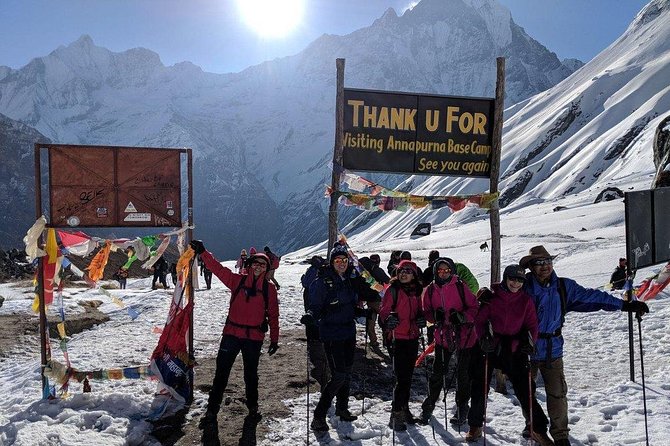
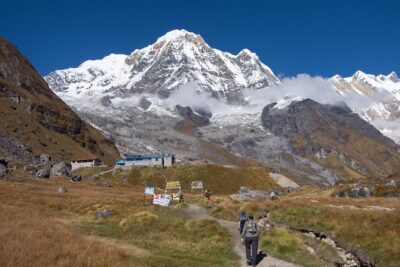
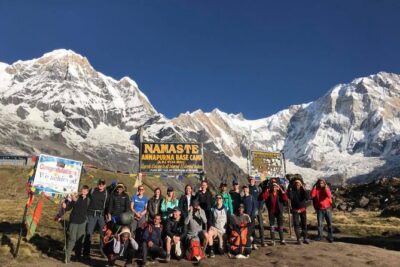
- Day 8: The “ultimate destination” day—Annapurna Base Camp
- Day 9: Base Camp sunrise if weather cooperates, then back to Sinuwa
- Day 10: Sinuwa toward Siwai, then up to Chhomrong
- Day 11: Pokhara to Kathmandu, free time, goodbye dinner
- Day 12: Last day—drop at airport
- Poon Hill Sunrise and Why It’s More Than a Photo Stop
- Chhomrong, Sinuwa, and Deurali: The Middle Days That Make Base Camp Worth It
- Sinuwa and Chhomrong: the rhythm of descent and views
- Deurali approach: steady climb energy
- Annapurna Base Camp Dawn: What to Expect and How to Handle Weather
- Guides and Organization: Why Names Like Bhairas and Prajil Matter
- Packing, Comfort, and How to Keep Your Energy High
- Money-smart tip for snacks
- Who Should Book This Annapurna Base Camp Trek?
- Should You Book Nepal Nirvana Trails for ABC?
- FAQ
- Where does the trek start, and what time do we meet?
- When does the tour end?
- What is included in meals during the trek?
- Are permits included for trekking in the Annapurna region?
- Is transportation included between Kathmandu and Pokhara?
- Do you provide water purification for the trek?
- Do I need travel and health insurance?
- Is a porter included?
- Is there free cancellation?
Key things to know before you go
- Early-morning rhythm built around sunrise viewpoints like Poon Hill
- Permits handled for ACAP and TIMS, plus local permits and government tax/vat
- Food and tea/coffee included on the trek so you’re not constantly negotiating meals on the trail
- Water purification drop/tablets provided, which helps you manage hydration choices
- Guides with route know-how and an emphasis on pacing and safety
- Mixed transport plan that links Kathmandu–Pokhara–trail start and back again
More trails out of Kathmandu, boots ready
- Everest Base Camp Trek – 14 Days★ 5.0 · 1,499 reviews
- Everest Base Camp Trek★ 5.0 · 842 reviews
- Everest Base Camp Trekking★ 5.0 · 485 reviews
- Nagarkot Sunrise View and Day Hiking from Kathmandu★ 5.0 · 471 reviews
The Big Pitch: Annapurna Base Camp in 12 Days
If you want the Annapurna Base Camp trek without the usual scramble—who to trust, how to organize permits, how to get from city to trail—this itinerary is designed to do most of the heavy lifting for you. You still hike your legs off, of course. But you get a structured path from Kathmandu to the mountains, with a clear daily flow and a guide who’s been working this route for years.
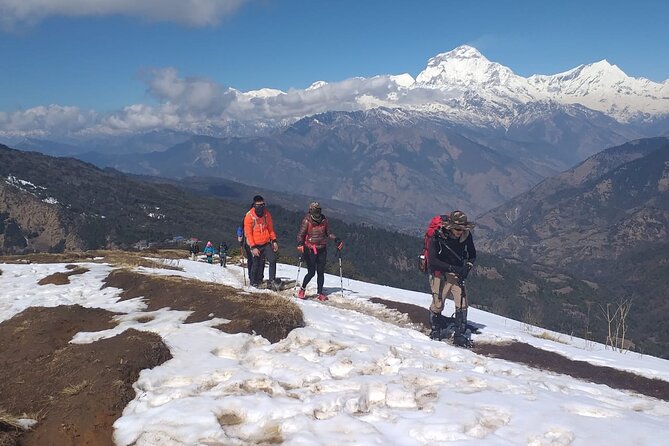
What makes this trek feel real is the blend of classic highlights and “in-between” mountain life. You’re not just racing to Base Camp. You’re moving through villages and ridges like Ghorepani’s Poon Hill area, then down toward Sinuwa and Chhomrong, then up toward Deurali and finally the Annapurna Base Camp basin. Each step feels earned.
And since the operator notes decades of Himalayan guiding experience and professional trekkers who know the route from repeated trips, you can feel the difference in logistics. You’ll still be the one making smart choices day to day—rest, pace, hydration, layers—but you’re not doing it blind.
Who this trek fits best
This is listed for people with moderate physical fitness. That usually means you’re comfortable walking uphill and downhill for hours, you can handle long travel days, and you’ll take altitude and weather seriously. If you like clear planning and steady guidance, you’ll probably enjoy this style.
Value Check: Price, Permits, and What You Pay Extra
The listed price is $800 per person for an approximately 12-day experience. In Nepal trek land, that price makes sense mostly because it bundles a lot of the costs that often surprise people later.
Here’s what the package includes that typically adds up fast:
- Airport transfers for arrival and departure
- Ground transport Kathmandu–Pokhara–Kathmandu by tourist bus
- 11-night accommodations during the tour
- An experienced guide
- Meals on the trek: breakfast/lunch/dinner plus tea and coffee
- Pokhara to trek start point and trek ending point to Pokhara by private vehicle
- Trekking map and water purification drop/tablets
- Permits and fees: ACAP, TIMS, and local permits
- Official expenses and government tax/vat
What’s not included (so you don’t get a nasty sticker shock):
- Nepal entry visa and international flight
- Travel and health insurance that covers emergency rescue/evacuation
- Lunch and dinner in Kathmandu and Pokhara
- Personal expenses on trek days (snacks, drinks, Wi‑Fi, and similar)
- Porter (optional, if you want one)
- Tips for the guide (it’s expected)
My practical take on the money
If you subtract what you’d normally pay for permits, guided support, trek meals, and the basic transport structure, $800 feels like solid value for a guided Annapurna Base Camp trek. The big “extra” items you still need to plan for are the visa, flights, insurance, and tipping, plus whatever you choose to spend on drinks and snacks during tea breaks.
Tip here: if you’re trying to keep costs down, decide early what you’ll buy at teahouses. Tea and coffee are covered, but extra drinks and snacks may not be.
Day-by-Day Flow: From Kathmandu Bus Rides to Base Camp Morning
This trek runs on a steady rhythm. You’ll have early starts, travel days mixed in with hikes, and a key sunrise moment in the Poon Hill area. The daily pace also shifts: some days are more about climbs, others are longer because they include descents and village-to-village travel.
Day 1: Land in Kathmandu and reset
You meet the team at Tribhuvan International Airport on arrival day. The plan includes escorting you to your hotel, with a suggestion to use the afternoon to rest and prep. You’ll want that downtime because the itinerary gets active soon.
Small but important detail: getting your first night right helps more than people think. You’re aiming for good sleep, not sightseeing overload.
Day 2: Kathmandu to Malekhu by bus, then you’re on mountain schedule
The guide meets you at your hotel or hostel at 6:30 am. There’s a walk to Sorakhutte tourist bus station, then a bus leaves Kathmandu at 7:00 am to Malekhu. It’s a classic Nepal transport day: early, simple, and very much part of the experience.
Why this matters: travel days can sap energy, especially if you’re already adjusting to Nepal’s pace and air. This day is built to get you out of Kathmandu early enough that you don’t waste the whole day sitting in town.
Day 3: Pokhara breakfast, drive to Nayapul, and start the trek corridor
You’ll have breakfast in Pokhara, then move to the bus park. A guide arranges a car or taxi to get you to the right transport point, and you catch a sharing local bus/jeep to the trek starting area. You drive about 1.5 hours to Nayapul.
This is one of those “connective tissue” days where you’re not yet at the most scenic stretches, but you’re building confidence. You’ll also feel the shift from city logistics into trail life.
Day 4: First mountain morning—noise, sunrise, and real Annapurna views
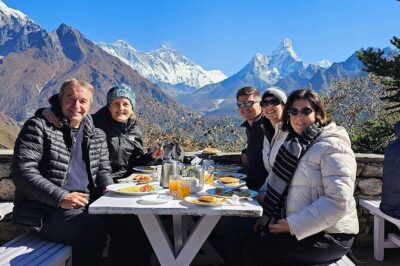
It’s your first fresh morning on the mountain. You’ll hear the local sounds—donkey, goat, hen, and dog—and then you get sunrise views. Breakfast includes incredible views of the Annapurna region, which is one reason this day matters even if you’re not hiking hardest yet.
Consideration: the early morning start is part of the charm. If you’re not a morning person, plan on adjusting your mindset fast.
Day 5: Poon Hill sunrise hike (Ghorepani area)
Day 5 is a highlight day. You’ll hike roughly 45 minutes to 1 hour to Poon Hill Viewpoint for sunrise. It’s described as one of the best viewpoints in the world, with the possibility of seeing 18 countable Himalayas peaks if the sky is clear. And yes, it’s chilly in the morning.
This is a morning chase, not a long trek day. But it can feel cold on top of effort. Bring warm layers you can actually hike in.
Day 6: Downhill flow to Sinuwa and onward to Chhomrong
Today’s hike is enjoyable because it’s described as downhill to Sinuwa from Tadapani. You’ll arrive in Chhomrong, a key village in the Annapurna region, with views that make the climb feel worth it.
Practical note: descents can be harder than they look on your knees. If you have even mild knee sensitivity, plan shorter, controlled steps. Your guide’s job here is pacing, and a good guide makes that difference.
Day 7: Sinuwa to Bamboo, then closer to Deurali
After breakfast in Sinuwa, you start your ascent toward Deurali. The climb takes about 1.5 hours to reach Bamboo, and you continue getting closer to Deurali.
This is the day where your legs remind you that Annapurna isn’t a flat hike. It’s also where steady pacing matters for altitude comfort. If you slow down early, you’ll usually feel better later.
Day 8: The “ultimate destination” day—Annapurna Base Camp
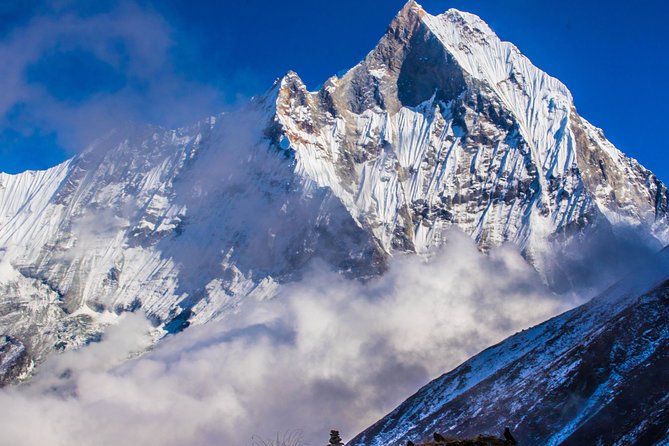
This is the big one. You trek to Annapurna Base Camp, described as surrounded by stunning mountains. You pass through Machhapuchhre Base Camp on the way.
Day 8 tends to be a mix of effort and excitement. You’ll probably feel both. Try to keep your focus on consistent steps and breathing, because the last part of the day often arrives faster than you expect.
Day 9: Base Camp sunrise if weather cooperates, then back to Sinuwa
If the weather is clean and clear, you’ll watch dawn from Annapurna Base Camp. Then after breakfast, you return to Sinuwa via rugged trails and sparsely forested areas.
Here’s the reality: sunrise at Base Camp is weather-dependent. That’s not the operator’s fault. But the itinerary is designed with the right expectation—if visibility is good, you get the payoff.
Day 10: Sinuwa toward Siwai, then up to Chhomrong
Day 10 is described as a final day trek of about two hours to get to Siwai from Sinuwa. Then there’s an ascent to Chhomrong, with mountain vistas, cascades, and farmland views.
This day is a good example of how the Annapurna route keeps you working even during the “return” phase. Your legs may feel tired, but the scenery changes frequently, so you stay mentally engaged.
Day 11: Pokhara to Kathmandu, free time, goodbye dinner
After breakfast you head back to Kathmandu. When you arrive, you have rest of the time free to relax or go shopping. There’s a goodbye dinner in the evening.
This is your decompression day. It’s also where you’ll feel how much sleep and hydration you invested earlier.
Day 12: Last day—drop at airport
Your trek ends and you fly to your next destination. The team drops you at the airport and bids farewell.
Poon Hill Sunrise and Why It’s More Than a Photo Stop
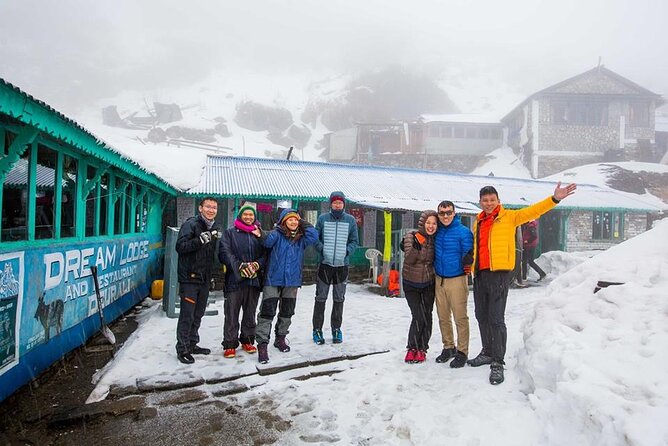
Poon Hill is famous for good reason. In this itinerary, it’s not an optional detour—it’s planned as a specific morning with a clear goal: sunrise from the viewpoint after a short hike.
The real value for you is pacing and timing. By keeping the sunrise hike relatively short (about 45 minutes to 1 hour), you can get your reward without burning an entire day. Then you’re free to hike onward rather than spend the afternoon recovering from a grueling climb.
Also, that mention of seeing 18 countable Himalayas peaks matters. It gives you a concrete way to think about the sunrise payoff: this is a day when clarity and cloud cover are everything. Bring a flexible attitude. Even if you don’t get the full peak count, the morning atmosphere is still part of the mountain magic.
Chhomrong, Sinuwa, and Deurali: The Middle Days That Make Base Camp Worth It
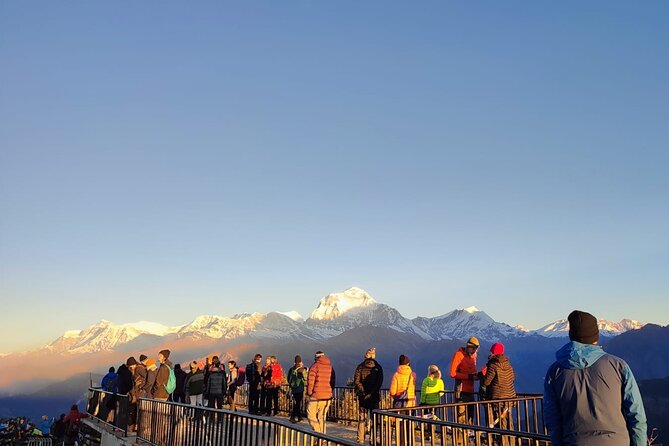
The mid-trek section is where most people feel the emotional shift. The first days are new and exciting. Then you settle into rhythm. Then you hit the part where altitude and tiredness start to negotiate with your willpower.
Sinuwa and Chhomrong: the rhythm of descent and views
You’ll get a downhill day to Sinuwa, then you reach Chhomrong. That pattern is useful. Downhill can help you drop stress on altitude, but it’s still walking on uneven terrain. If you keep your steps short and don’t rush, you’ll likely feel better by evening.
Chhomrong’s role in your itinerary is simple: it’s a visual reward after work. The way you’re described seeing mountains, and the overall village feeling, makes it a place where you can look up and remember what you’re doing.
Deurali approach: steady climb energy
The climb toward Deurali, with Bamboo as a stop around 1.5 hours into the day, sets up the transition to the higher, more intense environment.
The practical point: if you’re going to take altitude seriously, this is when your pace choices matter most. Slow and steady tends to win. A guide who watches the group and adjusts for tired people is the best kind of insurance you can bring without buying insurance.
Annapurna Base Camp Dawn: What to Expect and How to Handle Weather
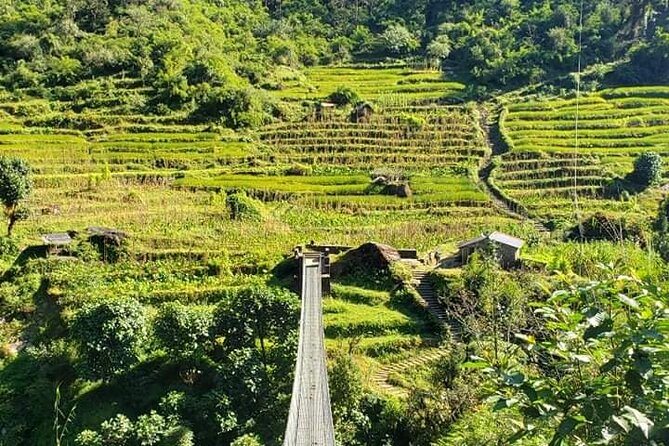
Annapurna Base Camp is your ultimate destination day. The itinerary includes watching dawn from Base Camp if the weather is clean and clear, then returning to Sinuwa on Day 9.
So what should you expect?
- You’ll get one full day to reach the area and experience the basin environment.
- You’ll have the option for dawn if visibility is good.
- You’ll still hike the return afterward, so you’re not just doing one dramatic stop.
The key consideration is also the biggest one you control: weather. Clouds can cover views. If that happens, don’t treat it like failure. Treat it like part of trekking in the Himalayas. What stays the same is effort, route effort, and the sense of reaching a real destination.
Guides and Organization: Why Names Like Bhairas and Prajil Matter
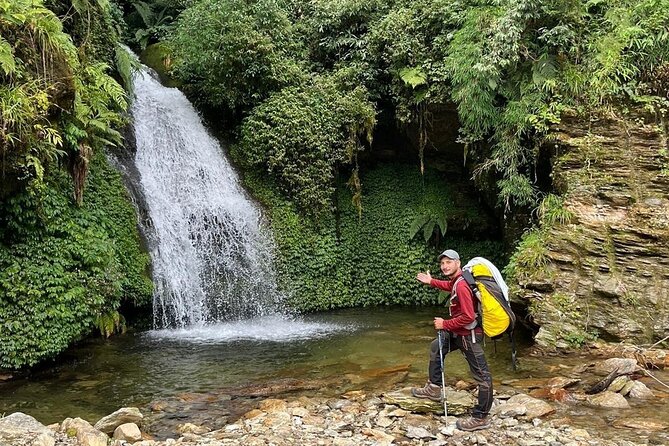
When people talk about excellent treks, they usually don’t mean fancy extras. They mean feeling safe, feeling cared for, and getting clear answers without drama.
In this itinerary, the operator positions you with an experienced guide and a team that knows the Annapurna Base Camp route well. On top of that, the standout theme from previous experiences is the human side of guiding:
- Steady pace and group support, especially when someone is tired
- Clear explanations about what’s happening and what comes next
- Helping with small problems fast so the day stays on track
- A tea-time culture that includes snacks or thoughtful touches
Specific guide names show up in the feedback, including Bhairas Tamang and Prajil. Other names mentioned in connection with support and coordination include Deepak, Somnath Tripathi, and a point of contact Kul. I can’t guarantee who you’ll get, but it’s a useful clue about the staffing style: people are paying attention to pacing, safety, and comfort.
Packing, Comfort, and How to Keep Your Energy High
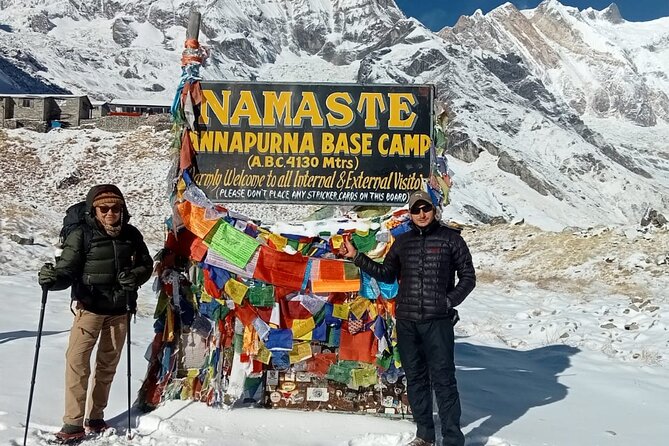
You’ll be outside for long stretches and starting early. The itinerary’s biggest “comfort” requirements are pretty predictable: cold mornings, tired legs, and basic hydration needs.
Plan around these realities:
- Layering matters because mornings can be chilly, especially on summit-style sunrise hikes like Poon Hill.
- Comfortable shoes are non-negotiable on rocky, uneven trails.
- Bring a way to manage water and hygiene. The trek provides water purification drop/tablets, which is a smart included benefit.
- Expect personal spending on top of included meals. Drinks and snacks at teahouses are usually where budgets leak.
Money-smart tip for snacks
Since tea and coffee are included, you’ll likely want to minimize extra drinks. But you may still want snacks for energy during breaks. If you know what you like, bring some of it so you aren’t hunting when you’re tired.
Who Should Book This Annapurna Base Camp Trek?
You should strongly consider booking this trek if:
- You want a guided Annapurna Base Camp trek with permits and trek meals included
- You prefer early, organized starts over self-planning chaos
- You like sunrise moments like Poon Hill, where timing is the whole game
- You value a team that emphasizes safety and pacing
You might think twice if:
- You’re the type who hates early mornings and cold starts
- Your trip depends on perfect weather views. Even a well-run plan can’t control clouds.
- You don’t want to handle personal expenses on the trail (drinks, extra snacks, and similar items)
Should You Book Nepal Nirvana Trails for ABC?
If your goal is a well-run, guided Annapurna Base Camp trek with fewer logistical headaches, I’d book it. The price covers the big-ticket essentials—guiding, accommodations, trek meals, transport links, permits, and water purification help. That’s the kind of structure that keeps your attention on the trail instead of paperwork.
I’d just go in with two mindset checks: accept that weather can steal some views, and accept that early starts are part of the payoff. If you can do both, you’ll probably leave feeling like you did the Annapurna Base Camp trek the smart way.
FAQ
Where does the trek start, and what time do we meet?
The tour start point is Tribhuvan Airport, Kathmandu, Nepal, with a start time of 6:15 am.
When does the tour end?
The tour ends at Cooperative Department, Deurali Club, 44600, Kathmandu, Nepal. On the final day, you’re also dropped at the airport for your next destination.
What is included in meals during the trek?
Meals while trekking include breakfast, lunch, and dinner, plus tea/coffee during trek days. Lunch and dinner in Kathmandu and Pokhara are not included.
Are permits included for trekking in the Annapurna region?
Yes. Permits and fees included are ACAP, TIMS, and local permits, along with official expenses and government tax/vat.
Is transportation included between Kathmandu and Pokhara?
Yes. The package includes ground transportation from Kathmandu to Pokhara and back to Kathmandu by tourist bus.
Do you provide water purification for the trek?
Yes. The tour includes water purification drop/tablets.
Do I need travel and health insurance?
Travel and health insurance is not included. The listing specifies that insurance should cover emergency rescues and evacuations.
Is a porter included?
A trekking porter is not included. If you need one, you’d arrange it (since it’s listed as an optional item).
Is there free cancellation?
Yes, there is free cancellation. You can cancel up to 24 hours in advance for a full refund; if you cancel less than 24 hours before the experience’s start time, the paid amount is not refunded.
More Trekking Out of Kathmandu
More Tour Reviews in Kathmandu
Just Reviewed in Kathmandu
- Mountain Bike Tour
★ 5.0 · 3 reviews - Annapurna Panaroma
★ 5.0 · 3 reviews - Mount Everest Scenic Flight 50 Minutes
★ 5.0 · 3 reviews - Kathmandu : Swambhunath & Durbar Square Guided Half Day Tour
★ 3.3 · 3 reviews - Chandragiri Cable Car & Monkey Temple Tour – Private/Group
★ 5.0 · 3 reviews - Kathmandu: Shivapuri National Park Hiking Day Trip
★ 3.3 · 3 reviews
Annapurna Base Camp Treks, compared.
 ★ 5.0Annapurna base camp trek 5 DaysFrom $699252 reviews
 ★ 5.014-Day Private Annapurna Base Camp TrekFrom $1,090180 reviews
 ★ 5.0Annapurna Base Camp TrekkingFrom $1,779116 reviews
 ★ 5.0Annapurna Base Camp TrekFrom $935111 reviews
★ 5.0Annapurna Base Camp TrekFrom $1,350107 reviews
★ 5.0Annapurna Base Camp TrekFrom $935111 reviews
★ 5.0Annapurna Base Camp TrekFrom $1,350107 reviews
 ★ 5.0Kathmandu to Annapurna Base Camp (ABC) 5-Day TrekFrom $99102 reviews
 ★ 5.0Annapurna Base Camp Trek- 11 DaysFrom $99990 reviews
Annapurna Base Camp TrekFrom $78581 reviews
★ 5.0Annapurna Base Camp Trek- 11 DaysFrom $99990 reviews
Annapurna Base Camp TrekFrom $78581 reviews
Browse the lists this tour appears in