
Review · GOKYO LAKES & EVEREST HIGH PASSES
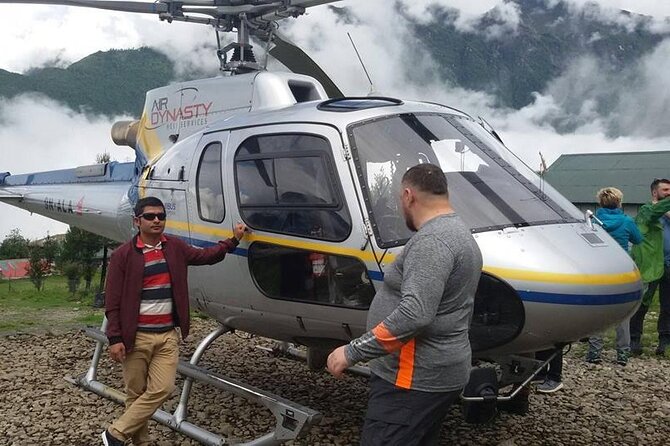
Everest Base Camp Landing by Helicopter at kalapathar View Point
You’re buying time back with a helicopter landing at Kalapathar. That means Everest-region views, Sherpa culture, and Khumbu Glacier scenery without weeks of trekking, plus a 360-degree mountain look at the top. The main trade-off: this is weather-dependent and you’ll still spend much of the morning in airports/airfield processes, not just flying.
What really works for me is the way the day is built around multiple altitude highlights—Lukla as the gateway hub, an overflight moment for quick Everest framing, then a Kalapathar landing for photos. And in the small set of feedback available, guide support comes through clearly—names like Hari (and team member Nawa) pop up with praise for being helpful and making the day feel smooth.
In This Review
- Key highlights you should care about
- Why Kalapathar by Helicopter Beats the Long Trek for Time-Crunched Trips
- Morning Logistics: Kathmandu Airport, Check-In, and the Early Start Rhythm
- The Flight Experience: 5–6 Minutes of Air Time, but Not a Simple Ride
- Kalapathar Landing: Everest, Pumori, Lhotse, Nuptse, and 360° Photo Time
- Khumjung and Everest View Hotel Stops: Sherpas, Monasteries, and a View-First Breakfast
- Price and Value: What $3,300 Buys (and What It Doesn’t)
- What to Pack and Fitness Expectations (No, You Can’t Show Up in Sneakers)
- Weather and Safety: The Stuff That Can Make or Break the Day
- Should You Book This Everest Base Camp Heli Tour to Kalapathar?
- FAQ
- How long is the Everest Base Camp landing helicopter tour?
- What time does the tour start in Kathmandu?
- Where does the flight go first?
- Is breakfast included?
- Do I need my original passport?
- Are park or municipality fees included in the price?
- What should I wear for the higher points?
- Is the tour private?
- Is there a weight limit?
- What happens if weather is poor?
Key highlights you should care about
- Kalapathar landing for Everest-level photos: You don’t just look at Everest from far away.
- Short air time, huge view payoff: Total flight time is listed at about 5 to 6 minutes, while the day is still efficient.
- Sherpa interaction and Himalayan culture stops: You get more than scenery.
- Khumbu Glacier + clear peak silhouettes: Pumori, Lhotse, Nuptse, and Everest are specifically mentioned as visible.
- Oxygen cylinder and emergency kit: Safety gear is part of the included setup.
- Warm-clothing expectations for high points: It’s not a summer stroll up there—plan for cold.
More of the range from the air
- Everest Base Camp Helicopter Tour landing at Everest View Hotel★ 5.0 · 668 reviews
- Everest Base Camp Helicopter Tour landing at Hotel Everest View★ 5.0 · 218 reviews
- Everest Base Camp Trek with Helicopter Return from Gorakshep to Lukla★ 5.0 · 161 reviews
- Everest Base Camp helicopter tour with landing★ 5.0 · 61 reviews
Why Kalapathar by Helicopter Beats the Long Trek for Time-Crunched Trips
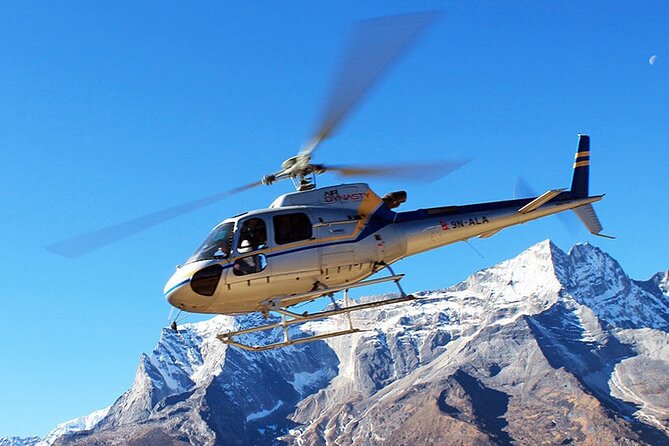
If your schedule is tight, a helicopter day to Everest Base Camp is one of the few ways to get close to the action without paying the “weeks of hiking” price. Kalapathar is famous because it gives a dramatic viewpoint toward Everest and the surrounding giants. Doing that by air turns it into a half-day outing instead of an endurance project.
I also like that the tour isn’t just a single swoop. You go from Kathmandu toward Lukla, you get an overfly moment, and you land at Kalapathar for photos. Then the day continues to an area tied to Everest View Hotel and the Khumjung region, so you’re not stuck with only one “big moment.”
The one consideration I’d keep front and center: the itinerary depends on weather. On a mountain that’s famous for changing conditions, your landing plan can shift. So if you’re the type who needs everything to run exactly on cue, this kind of day tour can feel less predictable than a city sightseeing trip.
Morning Logistics: Kathmandu Airport, Check-In, and the Early Start Rhythm
Your day starts early—around 5:30 AM—with pickup from your hotel by car and transfer to Kathmandu Airport. That early timing matters. It gives you more daylight for clear visibility and better chances of safe operations at higher points.
At the airport, you check in at the helicopter counter. The tour data also calls out passport readiness: you should bring your passport (it says a copy or a picture on your phone works, and original isn’t required). Either way, I’d treat it seriously—have it available offline on your phone and also carry a physical backup if you can.
One more practical detail: this is “private for your group.” That’s not just marketing. It usually means you’re not stuck waiting on strangers. You’re still limited by air operations and weather, but your time is less likely to get dragged around by random group dynamics.
The Flight Experience: 5–6 Minutes of Air Time, but Not a Simple Ride
The feature that catches attention is the total flight time listed at about 5 to 6 minutes. That’s for the high-altitude segments that most people care about. The full day still takes 5 to 6 hours because you have check-in time, travel to and from the airport, and aviation steps like refueling.
The schedule described is very specific:
- You fly from Kathmandu toward Lukla around the morning window.
- There’s a de-fuel stop at Lukla (about 10 minutes in the flow).
- Then you fly toward the Everest Base Camp area, with a key overfly and then a landing sequence.
- After Kalapathar, you return via Lukla, with fueling decisions affecting whether the flight route is direct or routes through Lukla.
This structure is useful because it explains why the day feels efficient but not instant. You’re buying access to extreme scenery quickly, but the aircraft still has to follow real-world constraints like fuel planning.
If you’re worried about motion sickness: you’re not spending hours in the air. Still, with high-altitude flying and small aircraft, I’d take it seriously enough to pack any meds you normally use for flying.
Kalapathar Landing: Everest, Pumori, Lhotse, Nuptse, and 360° Photo Time
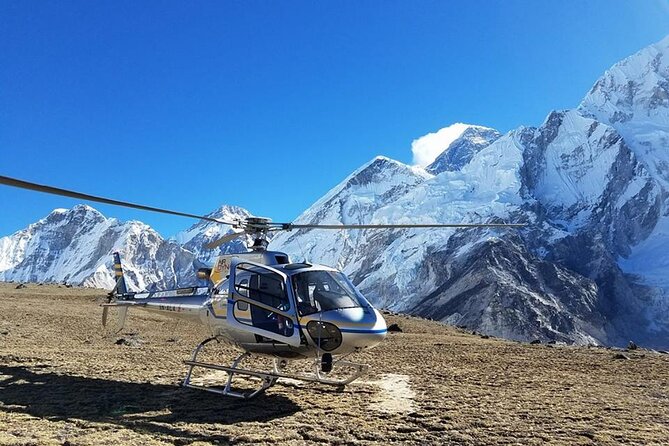
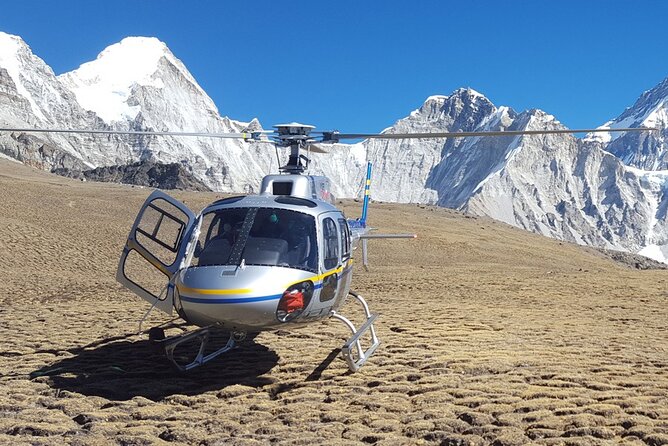
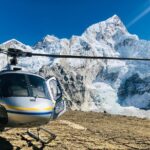
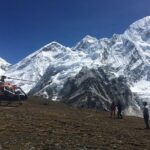
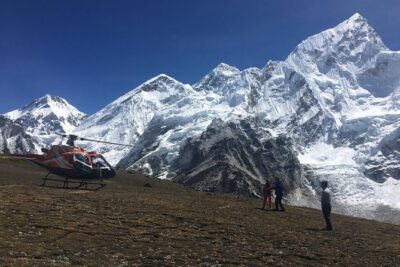
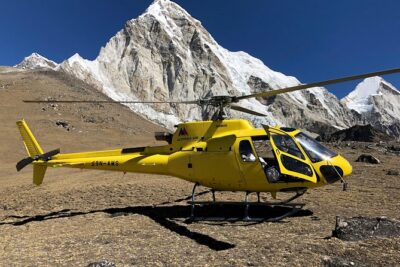
Kalapathar is the headline stop, and the way the tour is described makes that clear. You’ll fly over Everest Base Camp and then land at Kalapathar for photos and videos of Everest.
A nice, concrete advantage here: the visibility list includes Mount Everest, Pumori, Lhotse, and Nuptse as being very clear during the flyover/landing experience. That’s what you want when you’re spending a big amount on a heli day—specific targets, not vague promises.
You also get multiple landing points in the Everest region. The tour description highlights Kala Patthar multiple landing points and “beautiful views of landscapes,” which translates practically into more angles and better opportunities for pictures. If you’ve ever tried to photograph Everest from a single viewpoint, you know how much difference slight repositioning makes.
Time on the ground is short, but it’s enough for a photo mission if you’re organized:
- Keep your camera ready before you touch down.
- Wear layers you can remove/add fast.
- Don’t waste time hunting for gloves or a scarf; you’ll want your hands functional.
The other key thing I appreciate: the stop is built for viewing. This isn’t a “walk for an hour then vanish” situation. It’s a short landing optimized for seeing Everest and storing those images.




Khumjung and Everest View Hotel Stops: Sherpas, Monasteries, and a View-First Breakfast
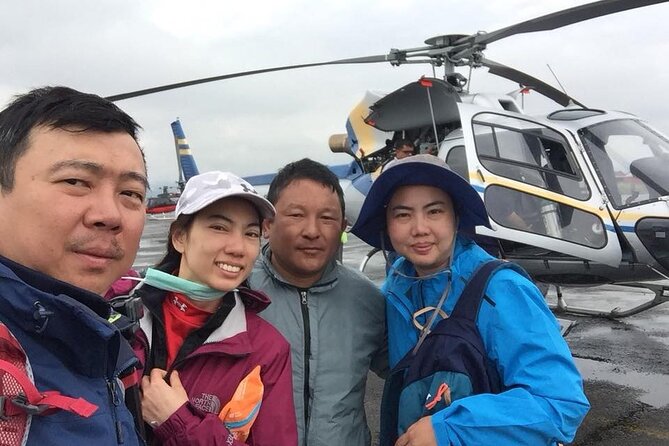
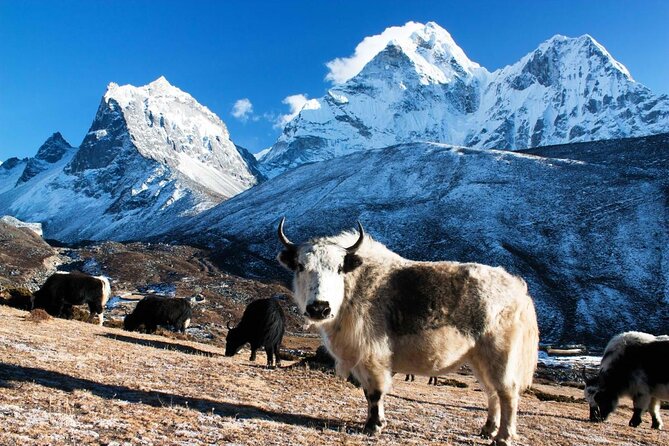
After the Kalapathar moment, the day shifts from “peak photography” to “human-scale Everest region.” The tour highlights interaction with the Sherpas and also points to exploring ancient monasteries in the Himalayan region. Those elements are a big deal because Everest isn’t only physics and snow—it’s also people, trade routes, religion, and daily routine.
You’ll also have a stop near the Khumjung / Everest View Hotel area (the schedule notes “Shangboche, Everest View Hotel” subject to weather). The idea is to use this time as a panoramic break rather than a long sightseeing detour.
Breakfast is part of the concept, but the fine print matters:
- The data lists breakfast as optional: USD 31 per person for a set breakfast at Hotel Everest View, subject to weather conditions.
- So yes, you’re meant to have that view-time meal. No, you shouldn’t assume it’s automatically included in the base price without confirming what your departure day allows.
Here’s the useful way to think about this: the meal is less about the food and more about buying a calm moment with Everest framed in front of you. If you’re a “photos first, food later” traveler, you’ll still probably enjoy it as a mental reset between the intense high-altitude photo stops.
Also, if you’re traveling with family, this cultural stop can be what keeps the day from feeling like a pure “stunt flight.” The mountain is big, but the experience gets better when it includes how people live with it.
Price and Value: What $3,300 Buys (and What It Doesn’t)
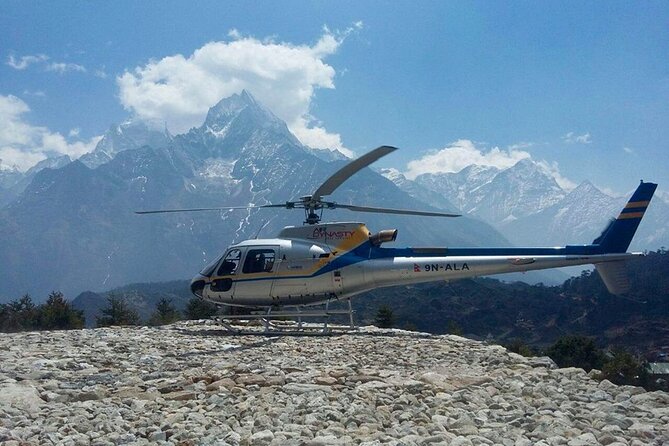
At $3,300 per person, this isn’t a casual splurge. So the value question isn’t whether it’s expensive—it’s whether the price buys something you simply can’t get any other way in the same time window.
Here’s what’s included that matters:
- Private helicopter with an expert pilot
- Round-trip hotel transfer by car (pickup and drop-off)
- First aid kit box and an oxygen cylinder for emergency case
- Multiple landing points for views
- All government taxes, VAT, and office service charges
And here’s what’s not included:
- National park entrance fees and municipality entry fees: stated as USD 50 / NPR 6000 per person paid locally
- Optional breakfast at Hotel Everest View: USD 31 per person, subject to weather
- Your own gear, clothing, and cold-weather readiness
For me, the real value is the time compression. If trekking Everest Base Camp is weeks for you, a half-day heli landing is the closest match to “see Everest now.” You also get a much more direct access path to Kalapathar than you’d have on foot.
The drawback of that value: you pay for direct access, so you also accept that weather can rearrange the day. That’s part of the deal at these altitudes.
What to Pack and Fitness Expectations (No, You Can’t Show Up in Sneakers)
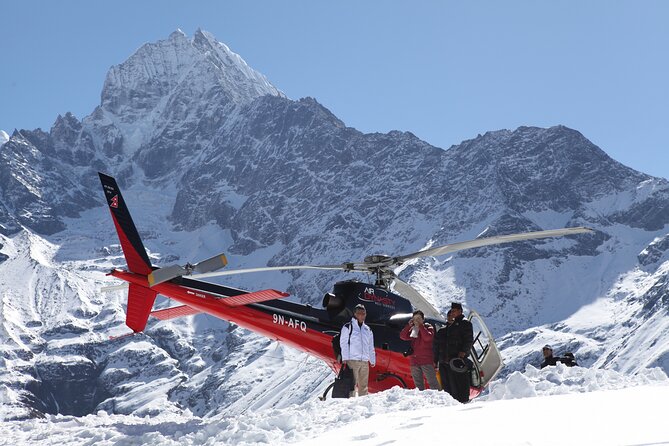
This tour expects you to handle cold and altitude conditions at higher points. The guidance is explicit:
- Warm dress for cold: summer -5°C and winter -10°C for higher points only
- Weight limit: 221 lbs total per passenger
Even if you’re generally fit, don’t treat this like a sightseeing stroll. You may be moving in and out of the helicopter, standing outside briefly, and dealing with wind chill. Layers are your friend.
Other practical notes:
- Bring a passport copy (a picture on your phone works).
- The tour data says “moderate physical fitness level” is appropriate. Since this is not a trekking route, you’re not doing long ascents—but you still need to move comfortably in early-morning conditions.
- Since it’s listed as a mobile ticket, have it accessible.
If you run hot easily, pack lighter base layers. If you run cold, pack extra gloves and a warm hat. Your photos will be better if you’re not spending the landing shivering and concentrating on your hands.
Weather and Safety: The Stuff That Can Make or Break the Day
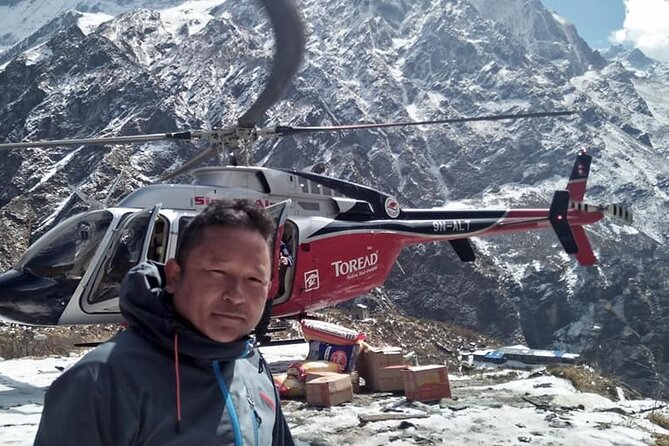
This experience requires good weather. That’s not a throwaway line—it’s the biggest operational reality. If conditions aren’t right, the tour can be canceled and you’d be offered a different date or a full refund (noted in the data you provided).
So how do you protect yourself as a traveler?
- Keep flexibility in your schedule. Don’t book a tight next-day flight right after.
- Accept that the best-view moments are tied to visibility.
- Consider that the tour is designed for high-altitude operations, so the pilot and weather conditions call the final shots.
On the safety side, you’re not only relying on hope. The tour includes an oxygen cylinder and a first aid kit box for emergency cases. That matters because it signals the provider plans for altitude-related risk, not just showmanship.
Also, keep your comfort limits honest. If you have concerns about flying, consult your doctor before traveling to high altitudes. The day isn’t long in the air, but it’s still serious terrain.
Should You Book This Everest Base Camp Heli Tour to Kalapathar?
If you want Everest-level views and you’re short on time, I think this is a strong option. The promise is very clear: Kalapathar landing, Everest framing, and a day that stays under about 5 to 6 hours instead of turning into a weeks-long trek.
You should strongly consider booking if:
- You’re time-bound and need a fast path to Everest scenery.
- You’re okay with cold temperatures and early mornings.
- You want a private day with an expert pilot and multiple landing moments.
You might want to pause or choose a different style if:
- Your schedule has zero flexibility for weather changes.
- You don’t handle chilly outdoor stops well.
- You’re expecting a fully included luxury meal; breakfast may be optional and weather-dependent.
My take: for the price, you’re paying for access and time. If that matches what you need, this is one of the most direct ways to put Kalapathar and Everest in your own photo library—without turning your vacation into a trek.
FAQ
How long is the Everest Base Camp landing helicopter tour?
It runs about 5 to 6 hours total, with flight time listed at around 5 to 6 minutes.
What time does the tour start in Kathmandu?
The start time is 5:30 AM, with hotel pickup and transfer to the airport.
Where does the flight go first?
The schedule begins with a flight from Kathmandu toward Lukla.
Is breakfast included?
Breakfast is described as part of the experience, but the data also says set breakfast at Hotel Everest View is optional and costs USD 31 per person, subject to weather.
Do I need my original passport?
The data says no need for the original passport. A passport copy works, and even a picture on your phone is accepted.
Are park or municipality fees included in the price?
No. National park entrance fees and municipality entry fees are not included and are listed as USD 50 / NPR 6000 per person, paid locally.
What should I wear for the higher points?
You should bring warm clothing. The guidance notes cold conditions up to about -5°C in summer and -10°C in winter for higher points.
Is the tour private?
Yes. It’s a private tour/activity, and only your group participates.
Is there a weight limit?
Yes. The total weight per passenger listed is 221 lbs.
What happens if weather is poor?
The experience requires good weather. If it’s canceled due to poor weather, you’ll be offered a different date or a full refund.
More of Nepal from the Air

More Tour Reviews in Kathmandu





Just Reviewed in Kathmandu
- Mountain Bike Tour
★ 5.0 · 3 reviews - Annapurna Panaroma
★ 5.0 · 3 reviews - Mount Everest Scenic Flight 50 Minutes
★ 5.0 · 3 reviews - Kathmandu : Swambhunath & Durbar Square Guided Half Day Tour
★ 3.3 · 3 reviews - Chandragiri Cable Car & Monkey Temple Tour – Private/Group
★ 5.0 · 3 reviews - Kathmandu: Shivapuri National Park Hiking Day Trip
★ 3.3 · 3 reviews
Gokyo Lakes & Everest High Passes, compared.
 ★ 5.0Gokyo to Everest Base Camp TrekFrom $2,200113 reviews
 ★ 5.0Everest Base Camp – Cho La Pass – Gokyo TrekFrom $1,39465 reviews
 ★ 5.012 Days Everest Base Camp Kala Patthar TrekFrom $1,79961 reviews
 ★ 5.0Guaranteed Landing at Everest Base Camp Kalapathar by HelicopterFrom $3,50038 reviews
 ★ 5.0Everest Gokyo Valley Trek – 12 daysFrom $1,39927 reviews
 ★ 4.214-Day Everest Base Camp with Kala Patthar TrekFrom $1,29621 reviews
 ★ 5.0Landing Private Helicopter at Everest base camp & Gokyo for photoFrom $4,39920 reviews
 ★ 5.0Gokyo Valley TrekFrom $1,51419 reviews
Browse the lists this tour appears in