
Review · EVEREST BASE CAMP TREKS
Everest Base Camp Trek and Kathmandu Tour: 15 Days
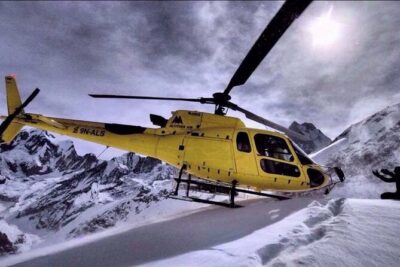
A flight to Lukla turns your trip into a mission. This 15-day Everest Base Camp trek pairs the big-mountain grit of Kala Patthar and Sagarmatha National Park with a solid Kathmandu Valley orientation. I especially like how the itinerary builds in altitude time at Namche Bazaar and how it includes the practical stuff that actually matters, like the licensed guide, Everest National Park permit, and Lukla round-trip flights via Kathmandu or Ramechhap.
The main drawback to keep in mind is that mountain logistics depend on weather. Flights into and out of Lukla can be weather-sensitive, and the trip is also explicitly weather-dependent in the cancellation terms.
In This Review
- Key Things I’d Watch Before You Go
- Why This Everest Base Camp + Kathmandu Combo Works
- Price and Logistics: What You’re Actually Paying For
- Kathmandu Day 1: Arrival, Jet Lag, and Easy Temple Jet Fuel
- Kathmandu Day 2: Swayambhunath, Patan, Pashupatinath, and Boudhanath
- Day 3: From Kathmandu to Lukla and Trek to Manjo
- Days 4–5: Namche Bazaar Acclimatization (Where You Really Buy Breathing Time)
- Day 6: Tengboche Village and the Monastery Moment
- Day 7: Dingboche and the Classic Everest-Range View Window
- Day 8: Lobuche and the Realization It’s Getting Serious
- Day 9: Gorak Shep and the Glacier Path Feel
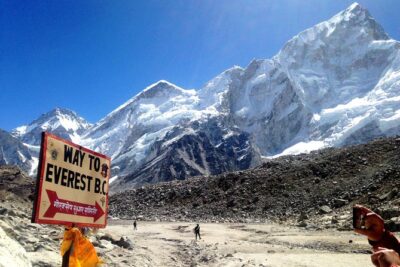
- Days 10–11: Everest Base Camp and the Kala Patthar Viewpoint (5,644m)
- Day 12: Back Toward Namche and the Long, Useful Descent
- Day 13: Lukla and the End of the Trek Rhythm
- Days 14–15: Kathmandu Recovery, Exploring, and Airport Drop-Off
- Who Should Book This Trek (and Who Might Reconsider)
- Should You Book This Everest Base Camp Trek + Kathmandu Tour?
- FAQ
- FAQ
- How long is the Everest Base Camp trek and Kathmandu tour?
- Are flights to Lukla included?
- Do I get a guide and porter support?
- Is there time for acclimatization on the trek?
- What Kathmandu sights are included?
- Are UNESCO entrance fees in Kathmandu included in the price?
- What about trekking equipment?
- What happens if weather disrupts the trek?
Key Things I’d Watch Before You Go
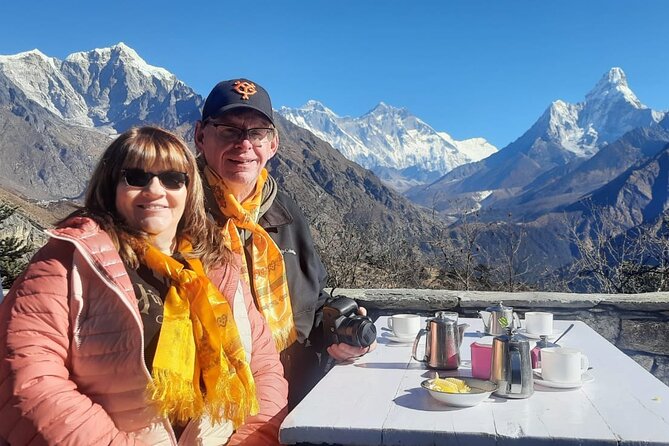
- Kathmandu UNESCO time first: You get temples and history out of the way before your lungs start working overtime.
- Namche acclimatization is built in: You rest at altitude instead of trying to rush straight upward.
- Tengboche monastery stop: This adds a real Sherpa-culture moment, not just hiking.
- Kala Patthar emphasis: The trek is structured around getting to the 5,644m viewpoint for top-of-the-world views.
- Small group cap (15 travelers max): Easier pace control and less chaos than big tours.
More trails out of Kathmandu, boots ready
- Everest Base Camp Trek – 14 Days★ 5.0 · 1,499 reviews
- Everest Base Camp Trek★ 5.0 · 842 reviews
- Everest Base Camp Trekking★ 5.0 · 485 reviews
- Nagarkot Sunrise View and Day Hiking from Kathmandu★ 5.0 · 471 reviews
Why This Everest Base Camp + Kathmandu Combo Works
This kind of trip can feel like two totally different vacations stitched together. Kathmandu is temples, courtyards, and daily-life crowds. Then the Khumbu region strips everything down to air, rhythm, and views that keep getting stronger as you go higher.
What I like about pairing them is that Kathmandu gives you context. You learn the names and vibe of Nepal before you see the mountains that everyone talks about. And once you’re in the trekking rhythm, the cultural side shows up again through places like Tengboche and the Sherpa villages you pass through.
Value-wise, this package is built around the expensive parts most people struggle to DIY: the permits and the Lukla flight logistics. That’s why the price can make sense even if you end up spending extra on your own gear.
One more detail I appreciate: the tour is designed with a maximum group size of 15. On Everest treks, that matters. When the group is small, your guide can manage breaks, pacing, and altitude decisions without everyone feeling like cattle.
Price and Logistics: What You’re Actually Paying For
At $1,799 per person, you’re paying for more than a trek route. Included items cover the core costs that usually make or break Everest itineraries:
- Airport arrival/departure in Nepal
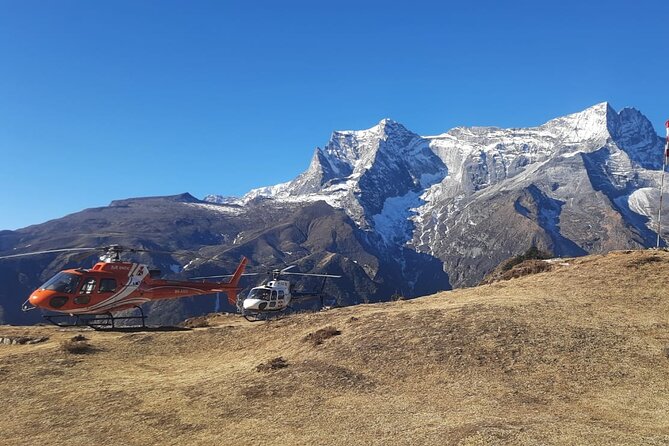
- Flights from Kathmandu or Ramechhap to Lukla and back
- Everest National Park permit
- Government license holder trek guide
- Porter help for baggage (the ratio is 1 porter for 2 guests)
- 3 nights in Kathmandu with breakfast
- Kathmandu UNESCO World Heritage Sites tour
- Meals across the program (breakfasts, lunches, and dinners are listed as included)
Not included are also important:
- Kathmandu UNESCO entrance fees (listed as $20 per person)
- Trekking equipment (you bring your own)
- Travel insurance
- Nepal visa
For me, the “value” piece isn’t only the total cost. It’s that the budget is concentrated on the hardest-to-handle parts: getting you to Lukla reliably and keeping the trek guided and permitted.
If you’re the type who likes to control every variable yourself, you might feel boxed in. If you want your time focused on hiking and seeing, this structure tends to land well.
Kathmandu Day 1: Arrival, Jet Lag, and Easy Temple Jet Fuel
Your first day is intentionally low pressure. After landing at Tribhuvan International Airport, you meet a representative and get transferred to your hotel. Then it’s check-in, rest, and a straightforward overnight in Kathmandu.
This matters more than people think. Everest treks punish even good planning. If you arrive and immediately start sprinting through busy sights while still recovering from travel, altitude later becomes more stressful. Keeping Day 1 light is a smart move.
Kathmandu Day 2: Swayambhunath, Patan, Pashupatinath, and Boudhanath
Day 2 is a Kathmandu Valley sampler that hits four major spiritual stops:
- Swayambhunath (Monkey Temple): You’ll climb into classic temple views and see locals using the site as a daily place of worship, not just a viewpoint.
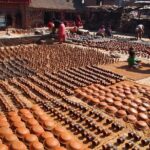
- Patan Durbar Square: Known as a fine arts hub, with temples and monuments packed into the square area. This is where you see more of the artistic side of the valley.
- Pashupatinath Temple: Dedicated to Lord Shiva, with the Bagmati River nearby. The program notes the Hindu open cremation ceremony along the river, which is powerful and intense. If you’re sensitive to that kind of observation, plan your mindset in advance.
- Boudhanath Stupa: A massive Buddhist pilgrimage site. You get big-scale stupa energy and the slower rhythm of Buddhist practice in Kathmandu.
A practical note: Patan Durbar Square and Pashupatinath/Boudhanath entrance fees are listed as not included in the package. So budget for the Kathmandu UNESCO entrance fees mentioned.
Also, expect a full day. Kathmandu sites aren’t far in a straight line, but traffic and pedestrian time add up. Wear shoes that handle uneven pavement.


Day 3: From Kathmandu to Lukla and Trek to Manjo
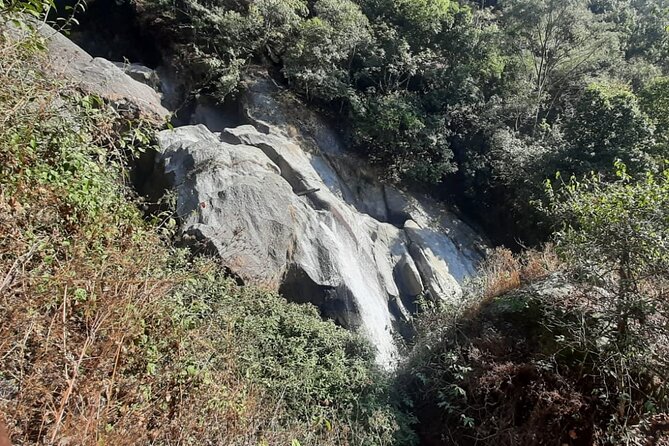
The trek starts with a flight to Lukla from Kathmandu or Ramechhap. Once you land, you begin hiking toward Manjo.
This stage is less about distance and more about settling into the region. Your body is still adjusting from Kathmandu conditions. Many people find this day mentally easier than the later ones because you’re not yet deep in altitude strain.
Still, Lukla is the hinge point. If you’ve got a history of anxiety around flights, take a breath and remember: this is part of the Everest Base Camp reality for most routes. Build your patience, not your expectations.
Days 4–5: Namche Bazaar Acclimatization (Where You Really Buy Breathing Time)
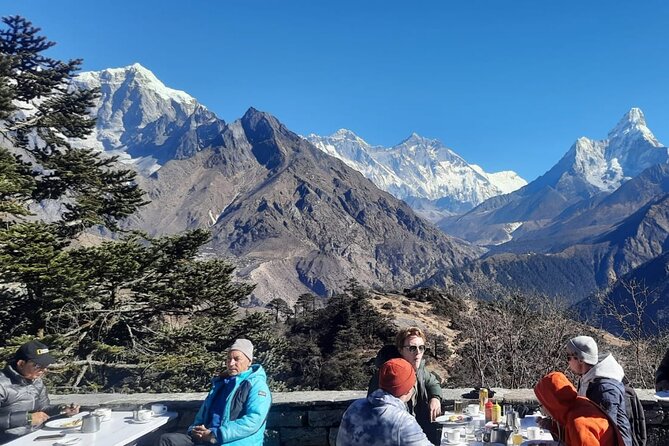
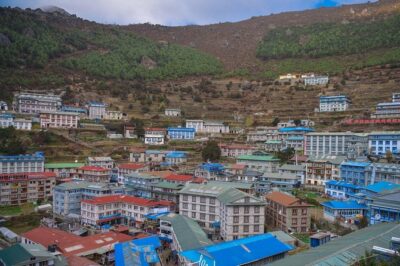
Namche Bazaar is where you’re supposed to slow down. The itinerary has you walking in through rhododendron and forested sections toward Namche, then explicitly spending time to adapt to altitude.
Here’s what I like about this approach: it treats acclimatization like a real feature, not an optional add-on. You’ll feel the elevation more later, especially on long, steep stretches. So a scheduled rest day helps you start the higher sections with less guesswork.
On the way into Namche, you’ll cross bridges and pass through villages and wooded sections. It’s the kind of walking that lets you settle into trail pace—steady, not frantic.
Then the rest day gives you a chance to:
- Let your breathing calm down
- Get a feel for how you sleep and hydrate at altitude
- Start building a rhythm that you can repeat on harder days
If you’ve ever tried to “power through” acclimatization, don’t do that here. This trek is about surviving and enjoying the route, not proving something to gravity.
Day 6: Tengboche Village and the Monastery Moment
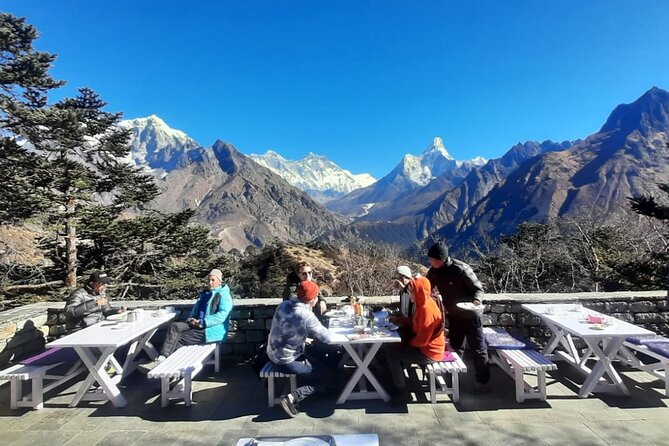
After Namche, you continue toward Tengboche. The program notes visiting the Tengboche monastery, described as the biggest monastery in the Everest region.
This stop matters because it breaks up the trek rhythm with something human-scale. You’re not only surrounded by big views; you’re also seeing how Sherpa communities practice faith and community life in a remote mountain setting.
The walk is also described as easier until Phunki, then a climb toward Tengboche. That pattern is helpful: you get a gradual step up before the monastery day.
If you’re photographing, early light can be kind. If you’re also tired, don’t try to do everything. Monastery days tend to run on time, and you’ll appreciate keeping some energy for the higher legs ahead.
Day 7: Dingboche and the Classic Everest-Range View Window
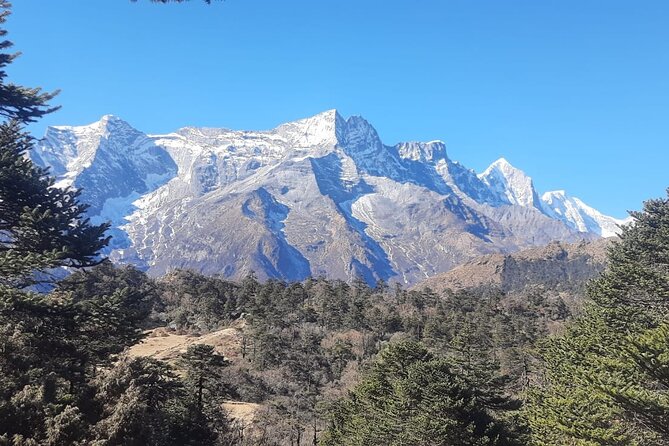
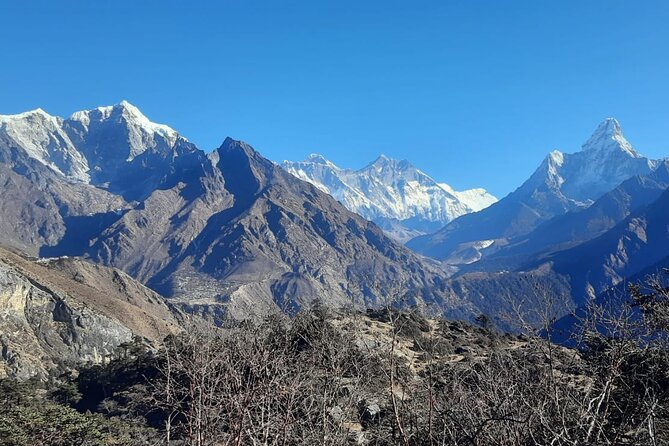
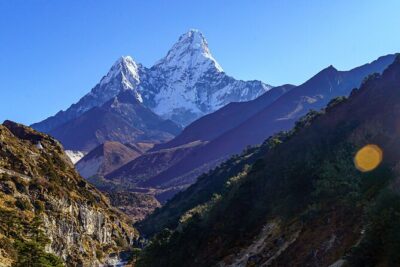
From Phunki/Tengboche direction, the route descends and passes through birch forests and rhododendron. You’ll reach Dingboche and along the way you can see views of Mt. Everest, Lhotse, and Ama Dablam.
Dingboche is another altitude turning point. Even if the daily walking feels manageable, the air is thinner and your body makes you earn it in the small ways: slower pacing, slower breathing, more water needs.
So take this as a “protect your energy” day. You’re not just walking; you’re preparing for the higher section toward Lobuche and Gorak Shep.
Day 8: Lobuche and the Realization It’s Getting Serious
This day is flagged as more challenging from here onward. You walk through a tougher zone and pass places such as Dungla and the memorial stupas, then continue toward Lobuche.
This is where the trek stops feeling like a hike and starts feeling like a mountain expedition. It’s also where you’ll likely notice how altitude changes your sleep and appetite. The best response is simple: eat what you can, hydrate steadily, and don’t chase speed.
Memorial stupas also add emotional weight to the route. Even if you’re not the sentimental type, it’s worth absorbing. This trek goes through spaces marked by risk and history.
Day 9: Gorak Shep and the Glacier Path Feel
You’ll reach Gorak Shep and the trek continues on rough terrain, including glacier-path style walking. The itinerary describes meandering over rough ground and notes the challenge increases as you approach the base area.
This is also a day where your footing skills matter. You’ll likely be tired already, so keep your step consistent and avoid rushing technical sections.
When you finally get to the Everest Base Camp area, the feeling is less about comfort and more about meaning: you’re at the staging ground where climbers and crews have prepared for years of effort. It’s a strange mix of harsh environment and human ambition.
Days 10–11: Everest Base Camp and the Kala Patthar Viewpoint (5,644m)
This is the core payoff of the whole trip.
The program is structured around Everest Base Camp and Kala Patthar (5,644m). Kala Patthar is where you earn the big panoramic angles of the Everest region. The itinerary also highlights views of peaks like Lingtren, Khumbutse, and Changtse from the summit.
The schedule mentions both a day for climbing toward Kala Patthar and another morning geared toward sunrise viewing. Practically, that means you’ll likely be hiking in early hours or pushing through the cold for the reward. That’s normal for Kala Patthar. Bring your motivation and plan to move slowly.
Also, I’m going to be honest: this is where fatigue can turn against you. If you feel fine at Namche but “off” around Lobuche and Gorak Shep, that’s not failure. It’s altitude. Adjust your pace and let the group keep steady. Your guide’s job is pacing and safety, not making you sprint.
If your group is lucky with guide talent, you’ll feel it. In past trips with this company, I’ve seen real praise for guide Mr. Rajan, described as experienced and making the trek memorable. That kind of experience matters on days when weather and fatigue are in charge.
Day 12: Back Toward Namche and the Long, Useful Descent
After Everest Base Camp time, the route turns back. You hike toward Namche Bazaar and the itinerary specifically notes losing nearly 2,000 feet in altitude, plus crossing a bridge over the Dudh Koshi River.
Descending can feel easier in altitude terms, but it’s hard on knees. Your legs will complain in a new language. The trick is short steps, steady rhythm, and not letting excitement outrun your body.
You also pass rhododendron areas again, giving you a sense of how the region changes visually as you go down.
Day 13: Lukla and the End of the Trek Rhythm
The trek continues down to Lukla. The itinerary mentions rocky paths, suspension bridges, and then moving toward a surfaced path back to Lukla.
This is a satisfying day because you can feel the finish line. But also, don’t skip care. After days of high effort, it’s easy to get sloppy on footing. Stay focused.
Once in Lukla, you’re preparing for the flight back to Kathmandu the next morning, so you’ll want to sleep and keep your hydration on track.
Days 14–15: Kathmandu Recovery, Exploring, and Airport Drop-Off
Day 14 is flight back to Kathmandu early in the morning, then transfer to your Kathmandu hotel. After rest, you can explore around Kathmandu if time allows, and the itinerary mentions a farewell dinner.
Day 15 finishes with your drop-off to the airport. The program also asks for being at the airport at least 3 hours before your flight, which is a wise practical habit in any country.
This final phase is where you reflect. Everest Base Camp isn’t just scenery; it changes your sense of time. Kathmandu on the back end helps you return to normal life without losing the meaning of what you did.
Who Should Book This Trek (and Who Might Reconsider)
This trip is built for people with moderate physical fitness. If you can hike steadily for several hours and you’re comfortable with altitude effects, you’ll likely handle it well.
You’ll probably love it if:
- You want guided structure and not a solo logistics headache
- You care about seeing Nepal’s major spiritual sites before the trek
- You’re motivated for Kala Patthar and not just “base camp as a checkbox”
You should reconsider if:
- You are very sensitive to intense cultural scenes (Pashupatinath ceremonies are noted)
- You’re not comfortable with weather-driven flight risk around Lukla
- You don’t have or plan to obtain trekking equipment on your own
Also, the itinerary mentions an alternative route concept in the overall description, including Gokyo Ri and Three passes. But the day-by-day schedule provided is centered on Everest Base Camp and Kala Patthar. So if you’re hoping for those alternate routes, confirm details with the operator before you pay, especially given weather realities.
Should You Book This Everest Base Camp Trek + Kathmandu Tour?
If you want a trip that handles the big moving parts—Lukla flights, permits, guide, porter support, and Kathmandu UNESCO planning—then this is a strong candidate for your time and money. The Namche acclimatization and the Kala Patthar focus are exactly where Everest itineraries make or break the experience.
I’d book it if you’re excited by the idea of combining spiritual Kathmandu with the physical challenge of Khumbu. I’d double-check if you’re chasing a super flexible schedule or if you’re not prepared for altitude and cold mornings.
One booking reality: the experience terms say it is non-refundable and can’t be changed for any reason, and it depends on good weather. So book when your dates are firm and your expectations can handle sudden mountain weather adjustments.
FAQ
FAQ
How long is the Everest Base Camp trek and Kathmandu tour?
The program runs for about 15 days.
Are flights to Lukla included?
Yes. Flights from Kathmandu or Ramechhap to Lukla and return are included.
Do I get a guide and porter support?
Yes. You’ll travel with a government license holder trek guide, and there is porter help for baggage with a stated ratio of 1 porter for 2 guests.
Is there time for acclimatization on the trek?
Yes. The itinerary includes a dedicated rest/acclimatization day at Namche Bazaar.
What Kathmandu sights are included?
The Kathmandu Valley tour includes Swayambhunath, Patan Durbar Square, Pashupatinath Temple, and Boudhanath Stupa.
Are UNESCO entrance fees in Kathmandu included in the price?
No. Kathmandu UNESCO World Heritage entrance fees are listed as not included, at $20 per person.
What about trekking equipment?
You are required to bring your own trekking equipment. It is not included.
What happens if weather disrupts the trek?
The experience requires good weather. If it’s canceled due to poor weather, you’ll be offered a different date or a full refund.
More Trekking Out of Kathmandu






More Tours in Kathmandu




More Tour Reviews in Kathmandu


Just Reviewed in Kathmandu
- Mountain Bike Tour
★ 5.0 · 3 reviews - Annapurna Panaroma
★ 5.0 · 3 reviews - Mount Everest Scenic Flight 50 Minutes
★ 5.0 · 3 reviews - Kathmandu : Swambhunath & Durbar Square Guided Half Day Tour
★ 3.3 · 3 reviews - Chandragiri Cable Car & Monkey Temple Tour – Private/Group
★ 5.0 · 3 reviews - Kathmandu: Shivapuri National Park Hiking Day Trip
★ 3.3 · 3 reviews
Everest Base Camp Treks, compared.
 ★ 5.0Everest Base Camp Trek – 14 DaysFrom $1,8001,499 reviews
 ★ 5.0Everest Base Camp TrekFrom $1,790842 reviews
 ★ 5.0Everest Base Camp TrekkingFrom $1,350485 reviews
 ★ 5.0Everest Base Camp Trekking – 13 DayFrom $1,399365 reviews
★ 5.0Everest Base Camp TrekFrom $1,445350 reviews
★ 5.0Everest Base Camp Trek -14 DaysFrom $1,420321 reviews
 ★ 5.012 Days Everest Base Camp TrekFrom $1,099289 reviews
 ★ 5.0Everest Base Camp Trekking – 2025/2026From $1,339199 reviews
Browse the lists this tour appears in