
Review · EVEREST BASE CAMP TREKS
Everest Base Camp Trek with Kathmandu Valley Sightseeing Tour
A mountain plan that feels handled.
This Everest Base Camp trek from Lukla is built around the long walk through Sherpa villages, then high-altitude moments at Base Camp and Kala Patthar. I like how smoothly it’s run, with guide Kumar and local support keeping the day-to-day logistics calm, even when the mountains don’t cooperate. One drawback to weigh up front: the Lukla flights are weather-sensitive, so you should leave extra buffer days if your schedule is tight.
Comfort matters on treks like this, and this one mixes it well. You start with a three-star Kathmandu hotel (twin-sharing, breakfast included) and then switch to guesthouses along the trail, which is exactly what you want for a 15-day mountain rhythm. The trek itself is physically demanding—there’s a big altitude jump from Kathmandu to Kala Patthar—but the pacing is in short sessions with rest and sightseeing breaks, which is how you keep high-country fatigue from snowballing.
In This Review
- Key highlights I’d center in your decision
- Kathmandu first: three-star comfort and a practical launch
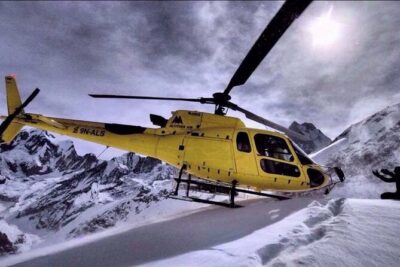
- The 5:45 am start to Lukla: thrilling, but be smart about risk
- Lukla to the Sherpa villages: the real warm-up is the walking
- Altitude reality check: Kathmandu to Kala Patthar (18,519 ft)
- Base Camp time: standing at Everest’s doorstep
- Kala Patthar: the altitude payoff (and why it’s worth respecting)
- Guesthouses and porters: comfort you can actually count on
- Permits and TIMS: boring, but included is a big win
- Price and value: what $1,500 really covers
- Who this Everest Base Camp trek fits best
- A few practical tips so you get the most from the trek
- Should you book the Everest Base Camp trek with Kathmandu Valley sightseeing?
- FAQ
- Where does the trek start?
- What’s included in the trekking portion?
- What’s included in Kathmandu?
- Is travel insurance included?
- Are trekking equipment and airfare included?
- How hard is the trek?
- Do I need a visa for Nepal?
- What if my plans change and I need to cancel?
Key highlights I’d center in your decision
- Guide Kumar and the Sherpa team: strong organization and local leadership show up again and again in real feedback.
- Everest up close without technical climbing: you reach the Base Camp area and even hit Kala Patthar for peak views, without needing mountaineering skills.
- Permits handled: Sagarmatha National Park entry plus the TIMS card are included, so you’re not chasing paperwork mid-plan.
- Shared porter support: porters are arranged (one each for a pair of travellers), which can make a huge difference on long days.
- Kathmandu start with real comfort: a three-star twin hotel with breakfast helps you get ready before the trekking grind.
More trails out of Kathmandu, boots ready
- Everest Base Camp Trek – 14 Days★ 5.0 · 1,499 reviews
- Everest Base Camp Trek★ 5.0 · 842 reviews
- Everest Base Camp Trekking★ 5.0 · 485 reviews
- Nagarkot Sunrise View and Day Hiking from Kathmandu★ 5.0 · 471 reviews
Kathmandu first: three-star comfort and a practical launch
Kathmandu is where this trip becomes more than a fantasy. You get a three-star hotel on a twin-sharing basis, with breakfast included, which is a solid setup when you’ll be waking early and packing for the mountain. It also gives you a comfortable base for the Kathmandu Valley sightseeing component, so your trip isn’t only airports and altitude.
A small but important detail: the itinerary uses early timing from Kathmandu for the trek phase. That means you’ll want to be ready to move quickly, and having a predictable hotel setup makes it easier to avoid last-minute stress about meals, gear, and sleep.
The 5:45 am start to Lukla: thrilling, but be smart about risk
The trek begins at Tribhuvan Airport with a start time of 5:45 am (local time). That early shot matters because Lukla flying often depends on weather and daylight windows, and this route is known for delays or cancellations when conditions are rough.
Here’s my practical take: treat the Lukla flight as the one part of the plan you can’t fully control. The tour itself advises freeing up a few days before and after for schedule changes due to things beyond anyone’s control, and that’s good advice. If you build your trip around a strict, no-flexibility timeline, high-country travel will punish you for it.
Lukla to the Sherpa villages: the real warm-up is the walking
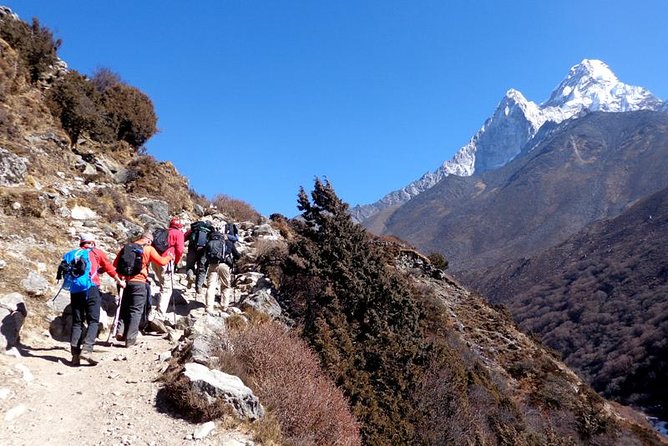
From Lukla, you’ll walk through Sherpa villages on the way up and on the way back. This is the part that many people underestimate: the trek doesn’t just jump to Everest views. It gradually builds your legs and your rhythm through valleys, gorges, rivers, forests, and village trail segments.
This is also where your senses adjust. The air can feel harsher as you go higher, and the terrain starts to include mountain-side paths and rocky sections. Even without technical climbing, you’ll be working on a slope for long stretches, and the best prep is pacing yourself and taking the rest stops seriously.
Altitude reality check: Kathmandu to Kala Patthar (18,519 ft)
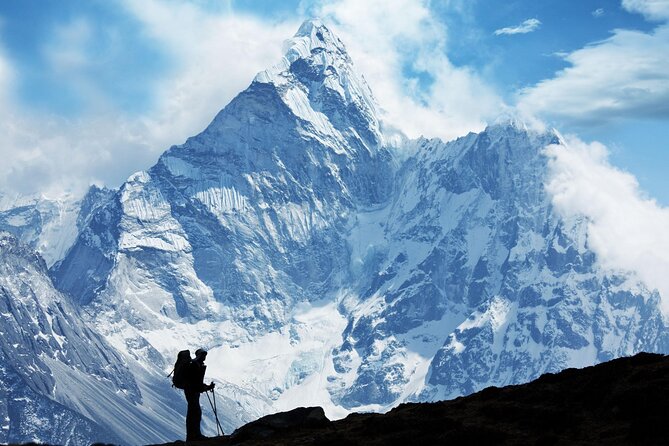
Altitude is the big headline here, and the numbers are clear. The trip ranges from about 4,600 feet at Kathmandu to 18,519 feet at Kala Patthar.
The tour notes a tough environment in the Everest region—cold, arid, and unforgiving—and expects you to climb mountains for most of the trip. The good news is that it’s structured in short sessions with plenty of rest and sightseeing breaks. That approach matters because altitude fatigue isn’t just about stamina; it’s also about how often you get a chance to catch your breath, reset, and keep your head clear.
My advice: if you’re the type to push too hard on day one, fight that instinct. The summit dreams are at Base Camp and Kala Patthar, but your body has to survive the middle days first.


Base Camp time: standing at Everest’s doorstep
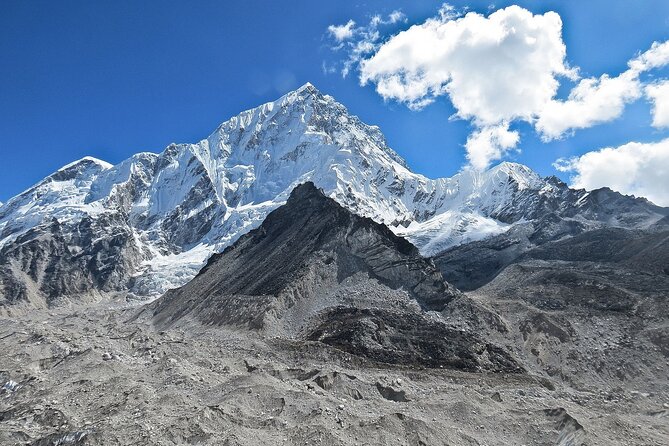
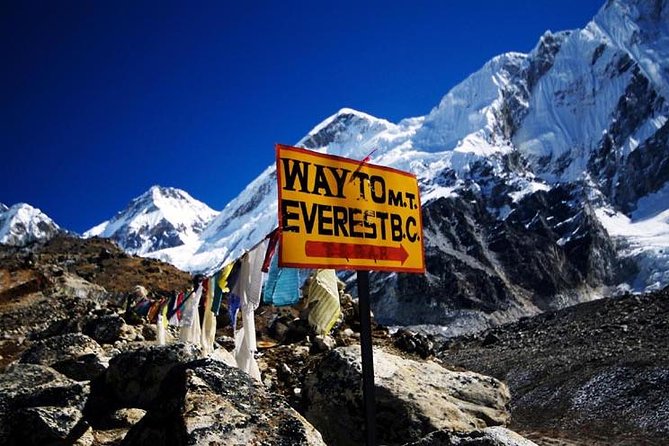
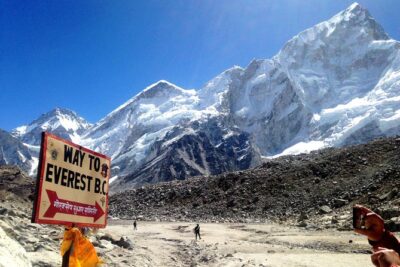
Eventually, you’ll reach the Everest Base Camp area and stand on the ground where mountaineers begin their summit attempt. This isn’t the same as climbing Everest, and the tour is clear about that—but it’s still the closest kind of perspective you can get without ropes, ice tools, or technical expertise.
What makes Base Camp special in practical terms is how it changes your scale sense. You’re high, far from the everyday world, and surrounded by a cold, remote atmosphere. Even if you’ve seen Everest photos a hundred times, being there is different because your brain can finally match what you’ve been imagining.
On the way in, expect trails that are partly carved on mountainsides and partly shaped by deep gorges and river crossings. The tour specifically mentions walking on snow and on challenging terrain. So yes, you’ll want the right footwear and layers, but you also need a steady tempo—slow, consistent steps beat heroics at altitude.
Kala Patthar: the altitude payoff (and why it’s worth respecting)
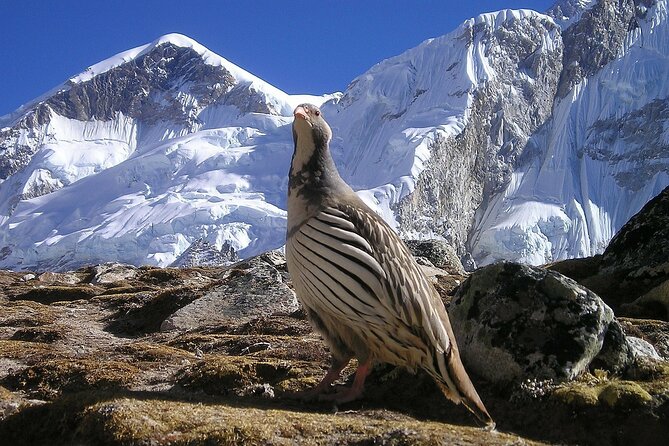
Kala Patthar is where you get the standout altitude moment, reaching 18,519 feet. If Base Camp is about being at the start line of Everest expeditions, Kala Patthar is about earning a view that forces you to take the whole mountain seriously.
The tour positions this trek as high and rugged, and the trail conditions can include cold, snow, and exposed sections. That’s why the pacing and rest breaks are not just comfort—they’re safety and decision-making time. When you’re tired, you make worse choices with footing. So build your day around staying calm and controlled.
Guesthouses and porters: comfort you can actually count on
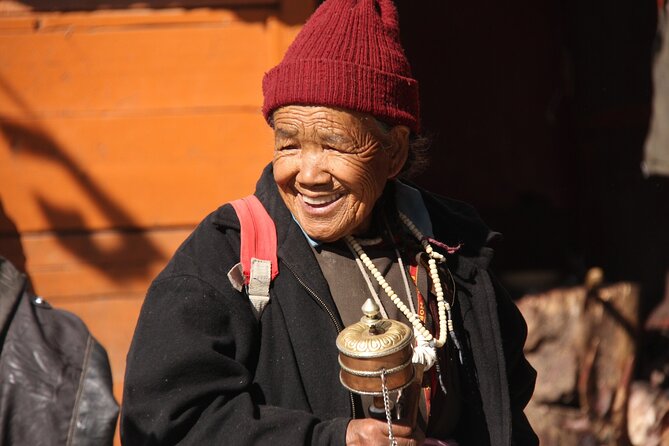
Along the trek, you’ll stay in guesthouses on a twin-sharing basis. This is the standard rhythm for Everest-area trekking, and it’s part of the value: you’re not paying for a luxury style of lodging when the point is to move through the mountains. The tradeoff is basics—hot rooms may not be consistent, and you’ll likely sleep simpler than you’re used to at home.
The porter plan is one of the most meaningful logistics included. You’ll have porters (one each for a pair of travellers) plus local support staff. In real terms, that means less weight on your back and more energy for the walking itself. For a trek that includes snow, mountain-side trails, and long altitude days, saving your legs is a real benefit.
Also note: trekking equipment is not included. So if you show up without proper layers, boots, and cold-weather basics, your guesthouse comfort won’t fix it. Plan to pack for real cold, not postcard-cold.
Permits and TIMS: boring, but included is a big win
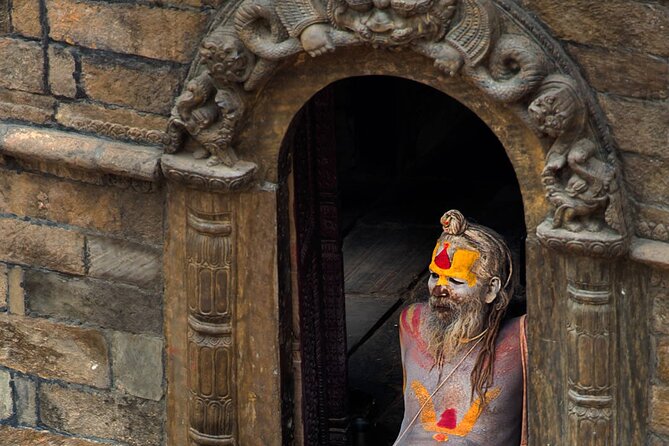
Some tours nickel-and-dime permits. This one includes Sagarmatha National Park entering permit plus the Trekkers’ Information Management System (TIMS) card. That’s important because trekking isn’t only about scenery—it’s also about complying with the rules that keep routes organized and safer.
If you’re trying to keep your planning stress low, included permits help. You spend less time chasing documents, and more time thinking about the practical stuff that actually affects your success: pacing, layering, and hydration.
Price and value: what $1,500 really covers
At $1,500 per person for roughly 15 days, this trek is priced like an organized expedition rather than a DIY adventure. The key value pieces included are the Kathmandu hotel (three-star, twin-sharing, breakfast), guesthouse stays during the trek, porter and local support staff, and the national park and TIMS permits.
Not included are the big expenses you still need to budget for: travel insurance, international airfare to and from Kathmandu, Nepal visa fees, and trekking equipment. Insurance is not a “nice-to-have” here. The tour states it’s mandatory, required for emergency rescue and evacuation, and you can’t buy it in Nepal. That means your pre-departure planning has to be solid before you land.
In other words: you’re paying for a guided, supported structure with permits handled and lodging arranged. If that’s what you want—less uncertainty, more mountain time—this can be good value. If you’re ultra-independent and already have equipment, insurance, and a plan for permits and logistics, you might compare costs differently.
Who this Everest Base Camp trek fits best
This is a mountain trek with real altitude exposure. It states you should have moderate physical fitness, and that you’ll climb mountains for most of the trip even though it’s done in short sessions with rest.
You’ll likely enjoy it most if you:
- want professional local support instead of figuring things out day by day
- prefer a structured plan where the hard parts are handled by guides and staff
- like the idea of walking Sherpa villages and not only chasing Everest photo spots
- want a balance between comfort in Kathmandu and basic guesthouse trekking life
If you’re sensitive to altitude, have medical concerns, or get spooked by flight uncertainty, talk to your doctor and the guides early. The tour asks you to inform them about medical conditions and to carry necessary medicines.
A few practical tips so you get the most from the trek
Cold and altitude change your priorities. Plan for layers that you can adjust on climbs and while resting. Footwear matters a lot when snow or icy patches appear, and trekking poles can help with stability on steep or uneven ground—especially when you’re tired.
Also: you start early on a high-stakes day. Sleep well the night before the 5:45 am airport timing, and keep your first-day mindset simple: get there, get acclimated to moving again, and don’t rush.
Finally, embrace the pace the tour uses—short sessions, frequent stops, and sightseeing breaks. That rhythm is how you keep your energy for the later payoff points like Base Camp and Kala Patthar.
Should you book the Everest Base Camp trek with Kathmandu Valley sightseeing?
If you want Everest-area walking with strong organization and local leadership—plus lodging, permits, and porter support already handled—this is a smart choice. The repeated praise for smooth, stress-free administration and for guide Kumar and the Sherpa team points to a tour that focuses on making the journey workable, not just inspirational.
Book it when you:
- can handle altitude and the cold conditions typical of the route
- can leave some buffer days for the weather-sensitive Lukla flight
- value having permits and daily support sorted
- want Kathmandu sightseeing folded in so the trip feels complete
Skip it or choose another option if you need a perfectly fixed schedule with no flexibility, or if you’re not prepared for the altitude climb to 18,519 feet. Everest is honest. The best tours don’t hide that; they help you meet it safely.
FAQ
Where does the trek start?
The meeting point is Tribhuvan Airport in Kathmandu, and the start time listed is 5:45 am. The trek begins from Lukla as the first step of the journey.
What’s included in the trekking portion?
During the trek you’ll stay in guesthouses on a twin-sharing basis, and you’ll have porters (one each for a pair of travellers) plus local support staff. The package also includes Sagarmatha National Park entering permit and the TIMS card.
What’s included in Kathmandu?
You get a three-star hotel in Kathmandu on a twin-sharing basis with breakfast included. The overall experience also includes Kathmandu Valley sightseeing.
Is travel insurance included?
No. Travel insurance is not included, and it’s mandatory. The tour also states you cannot get insurance in Nepal, so you need to arrange it before you arrive.
Are trekking equipment and airfare included?
No. Trekking equipment and international airfare to and from Kathmandu are not included. Visa fees for entering Nepal are also not included.
How hard is the trek?
It requires mountain climbing for most of the trip, but it’s done in short sessions with plenty of rest and sightseeing breaks. Altitude ranges from about 4,600 feet at Kathmandu to 18,519 feet at Kala Patthar.
Do I need a visa for Nepal?
Visa fees are not included, so you’ll need to plan for the Nepal visa requirement and cost separately.
What if my plans change and I need to cancel?
You can cancel for a full refund if you cancel at least 24 hours before the experience’s start time. If you cancel less than 24 hours before, the amount paid is not refunded.
More Trekking Out of Kathmandu






More Tours in Kathmandu




More Tour Reviews in Kathmandu


Just Reviewed in Kathmandu
- Mountain Bike Tour
★ 5.0 · 3 reviews - Annapurna Panaroma
★ 5.0 · 3 reviews - Mount Everest Scenic Flight 50 Minutes
★ 5.0 · 3 reviews - Kathmandu : Swambhunath & Durbar Square Guided Half Day Tour
★ 3.3 · 3 reviews - Chandragiri Cable Car & Monkey Temple Tour – Private/Group
★ 5.0 · 3 reviews - Kathmandu: Shivapuri National Park Hiking Day Trip
★ 3.3 · 3 reviews
Everest Base Camp Treks, compared.
 ★ 5.0Everest Base Camp Trek – 14 DaysFrom $1,8001,499 reviews
 ★ 5.0Everest Base Camp TrekFrom $1,790842 reviews
 ★ 5.0Everest Base Camp TrekkingFrom $1,350485 reviews
 ★ 5.0Everest Base Camp Trekking – 13 DayFrom $1,399365 reviews
★ 5.0Everest Base Camp TrekFrom $1,445350 reviews
★ 5.0Everest Base Camp Trek -14 DaysFrom $1,420321 reviews
 ★ 5.012 Days Everest Base Camp TrekFrom $1,099289 reviews
 ★ 5.0Everest Base Camp Trekking – 2025/2026From $1,339199 reviews
Browse the lists this tour appears in