
Review · ANNAPURNA BASE CAMP TREKS
5 Day Private Guided Trekking in Annapurna Base Camp
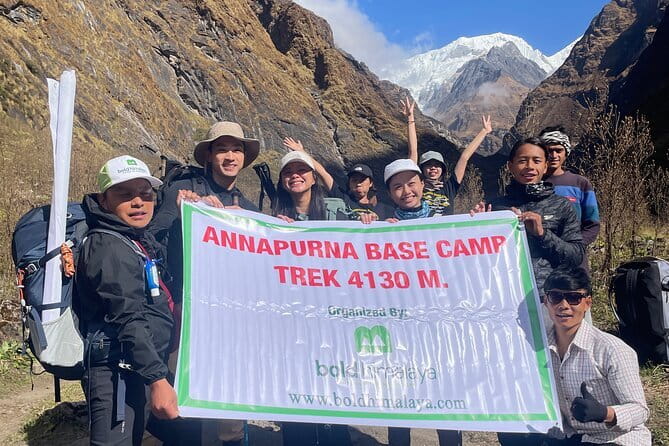
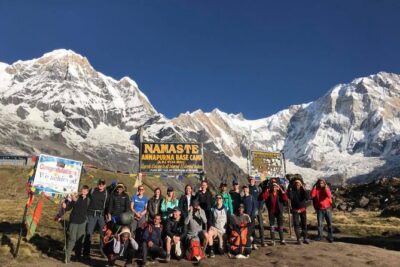
The first day in Annapurna feels like a promise. You get private guidance and a clear plan from Siwai onward, plus the big payoff of reaching Annapurna Base Camp with time for sunrise-style views. I also like that permits, most meals, and even your guide’s support are included, so the trek feels organized rather than improvised. One consideration: this is a high-altitude trek that depends on good weather, and you’ll need moderate fitness to keep a steady pace.
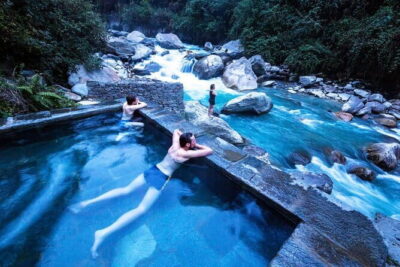
You’ll pass through terraced fields, small villages, and forest trails where rhododendron and bamboo show up in the same week. I’m especially glad this route includes a cultural thread through Gurung villages, plus a recovery stop at the natural hot springs in Jhinu Danda. Still, because it’s private and tailored to your group, expect to be flexible with timing if trail conditions change.
In This Review
- Key points to know before you go
- Why this 5-day ABC trek feels real (not rushed)
- Route overview: Siwai to Annapurna Base Camp (and back)
- Day-by-day: what you’ll do (and what matters most)
- Day 1: From Pokhara area to Siwai, then your first trail steps
- Day 2: Sinuwa to the Modi Khola valley via forests and waterfalls
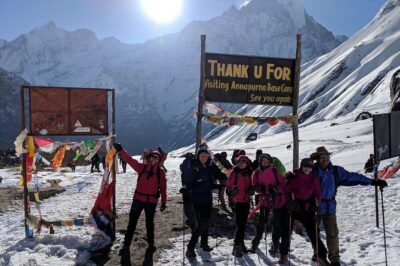
- Day 3: Early rhododendron forest to Annapurna Base Camp
- Day 4: Sunrise-style Annapurna massif views, then descent past Machhapuchchhre Base Camp and Deurali
- Day 5: Bamboo-era descent back to Siwai, then jeep to Pokhara
- Annapurna sunrise and the Machhapuchchhre moment
- Gurung village life and the Annapurna Conservation Area
- Jhinu Danda hot springs: when the body actually thanks you
- Guide and porters: what “private” really means
- Price and value: what $225 includes (and what you should budget)
- Fitness level and weather: the two real constraints
- Who this 5-day ABC trek suits best
- Should you book this Bold Himalaya 5-day ABC trek?
- FAQ
- What does the price include for the 5-day Annapurna Base Camp trek?
- Does the trek include pickup and a return to Pokhara?
- Is this a private tour or a shared group trek?
- What meals are included on the trek?
- Are trekking permits included, or do I need to arrange them myself?
- Does the itinerary include natural hot springs?
- What fitness level do I need?
- Can I cancel and get a full refund?
Key points to know before you go
- Private trekking with your own guide and porters so you’re not stuck in a slow group shuffle.
- Permits (Trekking Information Management System/TIMS) and trekking fees included, which saves you hassle before you start walking.
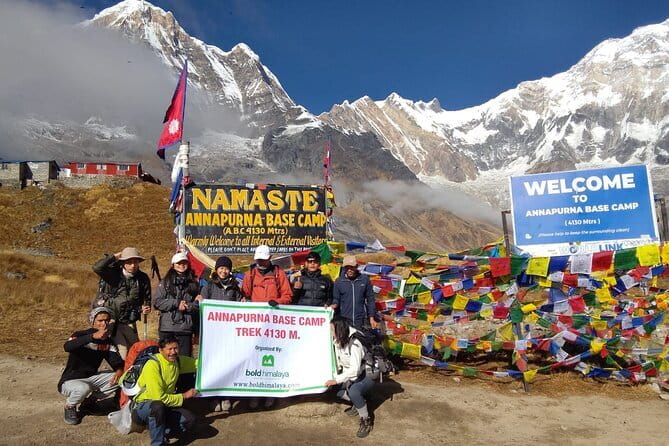
- An early move toward ABC, with sunrise-style views planned on the base camp morning.
- Rhododendron forest walking and possible yak-herder sightings on the climb.
- Jhinu Danda natural hot springs for sore legs, not just a photo stop.
- A jeep back to Pokhara coordinated after you finish, which helps you close the loop.
More days made easy with a local guide
- Kathmandu: Private City Guided Tour★ 4.9 · 174 reviews
- Full Day Guided Tour in Kathmandu★ 5.0 · 61 reviews
- Kathmandu Guided Tour★ 5.0 · 59 reviews
- 12 Day Everest Base Camp Guided Trek★ 5.0 · 40 reviews
Why this 5-day ABC trek feels real (not rushed)
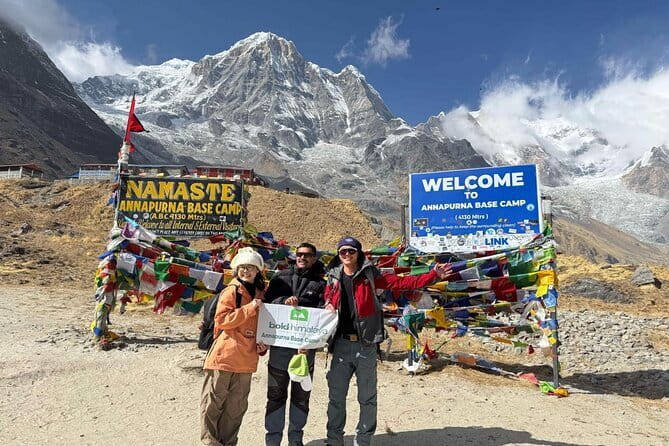
Annapurna Base Camp has a way of turning a short trip into a memorable one. The trek’s core magic is simple: you work uphill day by day, and the mountain scenery gets more focused until you’re standing in the amphitheater of the Annapurna massif.
What makes this version appealing is how much is handled for you. With Bold Himalaya, you’re not only buying a route—you’re buying logistics: permits, guide support, and daily meals are included. And since it’s private, your pace is more likely to match your group instead of forcing everyone to walk at one speed.
One more thing I like: the trail doesn’t feel like it’s only about altitude. You move through forests, bamboo sections, and villages where people farm and live their everyday lives. That’s how a trek stays interesting beyond the summit moment.
Route overview: Siwai to Annapurna Base Camp (and back)
Your trek begins after reaching Siwai, the starting point for the Annapurna Base Camp trek. From there, the route gradually builds variety—forests, water sounds from nearby rivers, and village stops—until you reach higher, cooler terrain.
Here’s the key rhythm you should expect:
- Lower starts in forest and village zones
- A middle section that brings rhododendron and bamboo walking
- A climb that ends in the base camp area, where the Annapurna massif dominates your view line
- A descent that keeps the scenery changing rather than repeating the exact same trail feel
You’ll also have named highlights baked into the experience: Machhapuchchhre Base Camp views on the way, the hot springs at Jhinu Danda, and the overall feeling of moving through the Annapurna Conservation Area, where you’re in habitat that supports lots of local flora and fauna.
Day-by-day: what you’ll do (and what matters most)
Day 1: From Pokhara area to Siwai, then your first trail steps
After you’re moved from Pokhara toward Siwai, you start hiking into the Annapurna foothills. This is the day that helps you shake out your legs and get used to walking with a pack.
What to watch for: Day 1 is usually about comfort and timing. You want to get your boots broken in and your water routine sorted early. Even if the elevation isn’t the highest yet, your body learns the rhythm of trekking on day one.
Just your group, at your own pace

Day 2: Sinuwa to the Modi Khola valley via forests and waterfalls
After breakfast in Sinuwa, you keep moving through shaded paths. The trail threads through forests, bamboo sections, and places like Dovan—where you’ll have scenic waterfalls and the Modi Khola river running as a constant companion.
Why this day is worth it: it’s where the trek becomes more than “climb uphill.” The bamboo and bamboo-to-water moments help reset your attention, and you get plenty of chances to slow down, look up, and breathe.
Practical note: you’ll likely walk through humid-feeling forest air at times. Plan to manage sweat and then protect yourself from chill when the light changes.
Day 3: Early rhododendron forest to Annapurna Base Camp
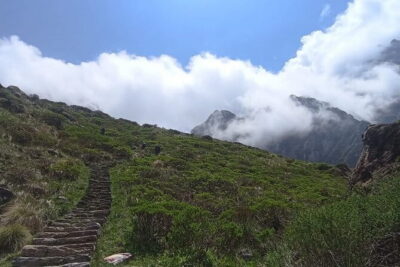
Today is the biggest build-up day. You’ll start early after breakfast, head through rhododendron forest, and you may even spot yak herders along the route. After lunch, the path pushes toward Annapurna Base Camp.
What I like about this day: the approach helps you earn the final destination. Because rhododendron forests and high-trail fauna moments show up before ABC, the scenery is rewarding all the way, not just at the finish line.
Altitude reality check: even on a guided trek, you should keep an eye on how your breathing feels. The route is designed for a multi-day experience, so use the guide’s pacing rather than trying to “prove” fitness with speed.
Day 4: Sunrise-style Annapurna massif views, then descent past Machhapuchchhre Base Camp and Deurali
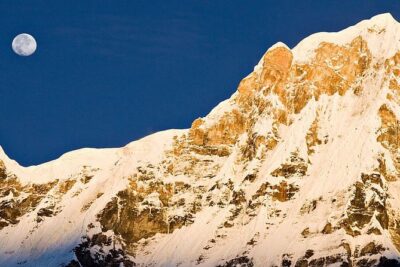
You wake up early for sunrise over the Annapurna massif from the base camp area. Then you start a steady descent through the changing terrain, passing Machhapuchchhre Base Camp and Deurali on the way down.
This is also where the day can feel emotional in a good way. You’re leaving the big destination behind, but you still get the mountain payoff—just framed differently from lower viewpoints.
Recovery tip: descent can be harder on knees than the climb is on legs. Short steps and frequent micro-breaks are your friends, even if you feel great.
Day 5: Bamboo-era descent back to Siwai, then jeep to Pokhara
On your final day, you keep descending through lush forest sections and reach Siwai. Once you arrive in Siwai, the team coordinates a jeep back to Pokhara so you can finish without losing another half day to logistics.
What to plan: this is your “show up and finish” day. Don’t go too hard on day 4 if you want day 5 to feel smooth. Stretch, hydrate, and keep your pack light where possible.
Annapurna sunrise and the Machhapuchchhre moment
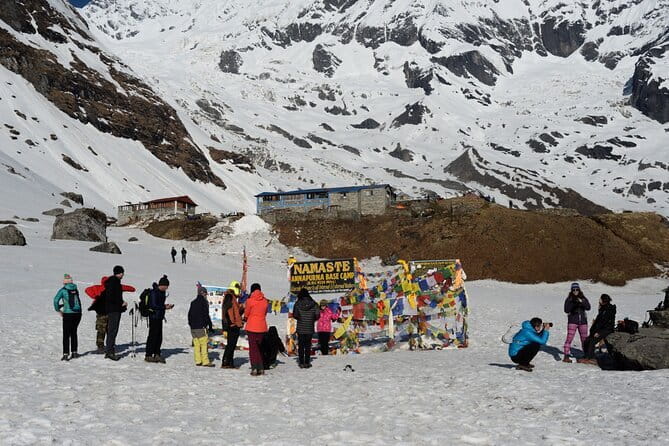
The Annapurna massif has a way of looking different each hour of the day. Planning an early morning at ABC is smart because morning light tends to sharpen the peaks and reduce the hazy “flattening” you can get later.
Just as important is the route’s middle-to-lower view shift. Passing Machhapuchchhre Base Camp and Deurali on descent gives you more than one angle on the sacred Fishtail silhouette and the broader massif.
If you’re the type who wants photos, this day is where your camera gets its time. If you’re more interested in the human part of trekking, sunrise at ABC also means a calmer moment—fewer distractions, more focus on the real view.
Gurung village life and the Annapurna Conservation Area
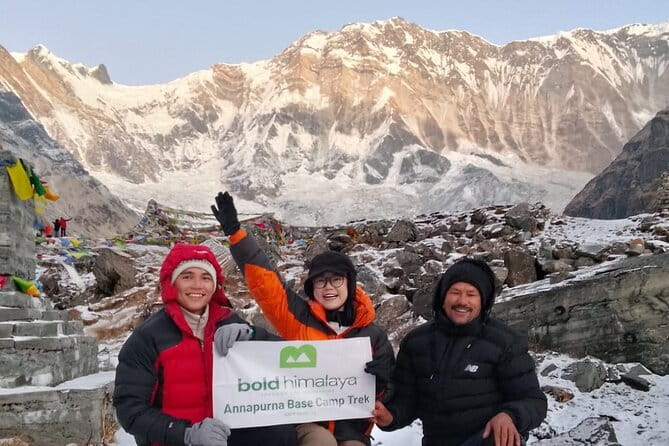
This trek keeps a cultural thread running alongside the altitude. You pass through traditional villages tied to Gurung culture, so you’re not just hiking between empty ridgelines.
I like that because it makes the trail feel connected to real communities. You’re walking through working places where farming happens on terraced slopes and daily needs are met without fanfare.
At the same time, this is part of the Annapurna Conservation Area, which means you’re in a region known for biodiversity. You may get chances to notice different plant life along the way—from the colors and structure of rhododendron forests to other high-mountain species encountered closer to base camp.
Even if you’re not a naturalist, this matters. When the trail is busy with color and living details, you’re less likely to feel like you’re just counting steps.
Jhinu Danda hot springs: when the body actually thanks you
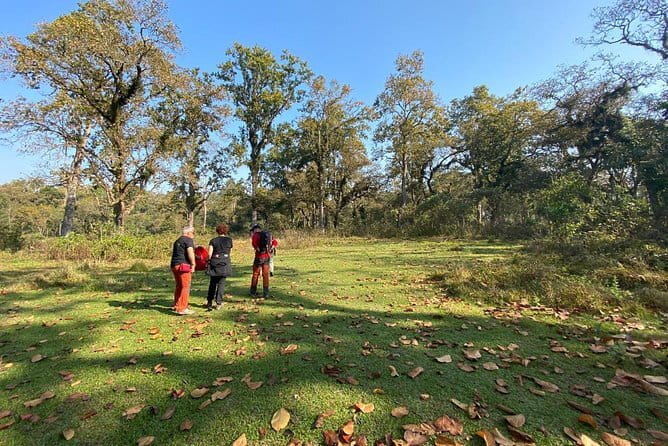
One of the most relaxing elements here is the natural hot springs at Jhinu Danda. After several days of walking—especially that knee-taxing descent—soaking is a great reset. It’s not about luxury. It’s about recovery.
Here’s how to make it work well in real life:
- Go in with the expectation that it’s a comfort stop, not a long spa session
- Keep your post-soak plan simple (dry clothes, warm layer if it’s cool)
- Remember that you may still have daylight walking ahead depending on your exact timing
If you want a trek that mixes awe with practical comfort, this is one of the smartest included-style highlights.
Guide and porters: what “private” really means
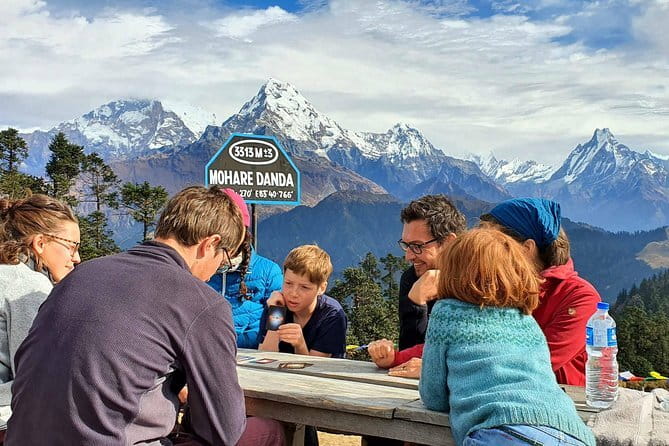
A private trek is only “private” on paper unless the people running it know how to manage the day. This is where Bold Himalaya’s setup matters.
Guides like Sirjan show up in the experience with a calm, supportive approach—welcoming, attentive, and focused on pacing. When the guide knows the trail rhythm and reads your group’s energy, you spend less time stressing and more time enjoying the walk.
Porters also change the feel of a trek. In at least some group setups, you’ll have multiple porters working alongside the guide, which helps keep your load manageable. You also benefit from the fact that the team handles parts of the journey like arranging return transport after you finish.
I’ll be honest: this is one of the biggest reasons people rate this trek so highly. When you’re not carrying everything and worrying about logistics, the trek becomes about your body moving and your eyes working.
Price and value: what $225 includes (and what you should budget)
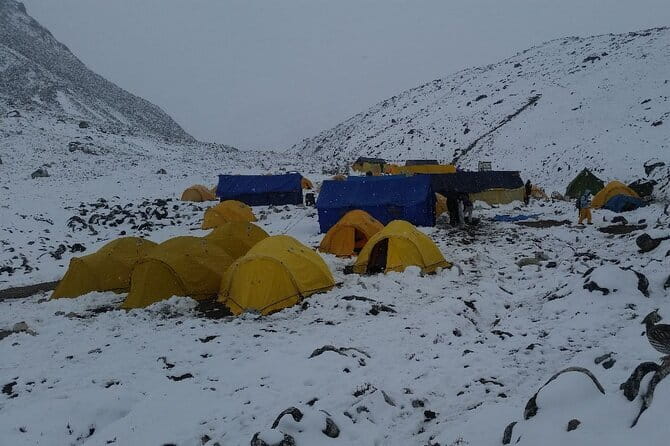
At $225 per person, the big value isn’t just the walking. It’s what’s covered around the walking.
Included:
- All fees and taxes, plus the trekking permit & TIMS card
- Private transportation (including pickup and the jeep back to Pokhara at the end)
- Guide support, including their salary, accommodation, meals, and insurance
- Meals: 4 breakfasts, 4 lunches, and 4 dinners
- Some seasonal fruits
- Trekking-adjacent support like dinner and breakfast during the trekking days
Not included:
- Drinks and extra items like dessert
- Travel insurance and tips for the trekking crew
How I’d think about the value: you’re paying for less pre-planning on your side and fewer surprises during the trek. Permits and food alone can add up fast on your own, and paying a guide/crew is exactly what makes the trek work smoothly in a place where paperwork and timing matter.
What you should budget mentally: plan for water and other drinks, plus small extras at tea houses. Those costs can be modest, but they add up if you’re buying something every break.
Fitness level and weather: the two real constraints
This trek calls for moderate physical fitness. That’s a good sign. It means you don’t need to be an ultrarunner, but you do need to be comfortable walking uphill for hours at a time with breaks.
The other constraint is weather. The experience requires good weather, and if conditions don’t cooperate, you’ll be offered another date or a full refund.
Practical advice from the “don’t let it ruin your trip” department:
- Train for steady walking before you go
- Bring layers you can adjust quickly (cool mornings, warmer afternoons)
- Keep expectations flexible. Mountains don’t do schedules.
Who this 5-day ABC trek suits best
This is a strong fit if you want:
- A private experience with your own guide and coordinated support
- A well-managed route with permits handled
- A trek that includes culture (Gurung villages), nature (conservation area), and recovery (Jhinu Danda hot springs)
- The chance to experience Annapurna Base Camp with an early morning emphasis
It may not be ideal if you:
- Want a totally independent do-everything-yourself style
- Expect a leisurely walk with minimal altitude demand
- Don’t like being dependent on trail weather and visibility
If you’re traveling as a couple or a small group and you want more attention from the guide, this setup is a particularly good match.
Should you book this Bold Himalaya 5-day ABC trek?
I’d book it if you want the classic Annapurna Base Camp journey but with fewer moving parts for you to manage. The included permits and the full meal plan take away daily decisions. The private guide approach—often with Sirjan—helps you keep a realistic pace, and the hot springs stop gives you a practical reason to feel good about the end of the hike.
I’d think twice if you’re hoping to treat the trek like an easy walk. It’s only 5 days, but it’s still serious uphill effort in a high-altitude setting. Also, because the experience depends on good weather, you should be ready for schedule shifts.
If you match the moderate fitness level and you want a guided, organized ABC trek with cultural and recovery highlights, this is a solid choice.
FAQ
What does the price include for the 5-day Annapurna Base Camp trek?
The price includes all fees and taxes, private transportation, trekking permit and TIMS card, some seasonal fruits, and a guide with accommodation, meals, salary, and insurance. It also includes 4 breakfasts, 4 lunches, and 4 dinners.
Does the trek include pickup and a return to Pokhara?
Pickup is offered. After you finish in Siwai, the guide coordinates a jeep to return you to Pokhara.
Is this a private tour or a shared group trek?
This is a private tour/activity. Only your group participates.
What meals are included on the trek?
The package includes 4 breakfasts, 4 lunches, and 4 dinners. Drinks are not included.
Are trekking permits included, or do I need to arrange them myself?
Trekking permit and the TIMS card are included.
Does the itinerary include natural hot springs?
Yes. The experience includes relaxing in the natural hot springs of Jhinu Danda.
What fitness level do I need?
The trip is geared toward travelers with moderate physical fitness.
Can I cancel and get a full refund?
Yes. You can cancel up to 24 hours in advance for a full refund. If you cancel less than 24 hours before the experience’s start time, the amount paid is not refunded.
Private Days, Your Group Only

Simpler With a Local Guide
More Tour Reviews in Kathmandu
Just Reviewed in Kathmandu
- Mountain Bike Tour
★ 5.0 · 3 reviews - Annapurna Panaroma
★ 5.0 · 3 reviews - Mount Everest Scenic Flight 50 Minutes
★ 5.0 · 3 reviews - Kathmandu : Swambhunath & Durbar Square Guided Half Day Tour
★ 3.3 · 3 reviews - Chandragiri Cable Car & Monkey Temple Tour – Private/Group
★ 5.0 · 3 reviews - Kathmandu: Shivapuri National Park Hiking Day Trip
★ 3.3 · 3 reviews
Annapurna Base Camp Treks, compared.
 ★ 5.0Annapurna base camp trek 5 DaysFrom $699252 reviews
 ★ 5.014-Day Private Annapurna Base Camp TrekFrom $1,090180 reviews
 ★ 5.0Annapurna Base Camp TrekkingFrom $1,779116 reviews
 ★ 5.0Annapurna Base Camp TrekFrom $935111 reviews
★ 5.0Annapurna Base Camp TrekFrom $1,350107 reviews
★ 5.0Annapurna Base Camp TrekFrom $935111 reviews
★ 5.0Annapurna Base Camp TrekFrom $1,350107 reviews
 ★ 5.0Kathmandu to Annapurna Base Camp (ABC) 5-Day TrekFrom $99102 reviews
 ★ 5.0Annapurna Base Camp Trek- 11 DaysFrom $99990 reviews
 ★ 5.0Annapurna Base Camp Trek 12 DaysFrom $80085 reviews
Browse the lists this tour appears in