

Review · NEPALI COOKING & MOMO CLASSES
Kathmandu: 3-Hours of Cooking Class with Meals
Cooking in Kathmandu sounds fun. Cooking in Kathmandu with a plan is even better. This hands-on class is built around making real Nepali food—three menus, guided step by step, then eating what you cook hot and fresh.
I especially like the way you get real technique, not just recipes. The chef/instructor walks you through each dish while you adjust flavors to your liking, so the food matches your taste, not someone else’s.
One thing to consider: the experience runs “3–4 hours,” so if you have a tight schedule, give yourself a little buffer for how long the cooking and eating stretch out.
In This Review
- Key things to know before you go
- A Kathmandu cooking class that feels built for real food lovers
- How the session usually flows (pickup to lunch)
- Choosing from three Nepali menus: variety without decision fatigue
- The hands-on part: you cook, then you eat immediately
- Momos in the mix: the Nepal must-make included for you
- How the flavors work: spice, seasoning, and customizing your bowl
- What “family-friendly” means in the real world
- Price and value: why it’s so affordable for what you get
- Language and instructor support: English and Hindi guidance
- What to bring (and what to skip)
- Where this class fits in your Kathmandu itinerary
- Should you book this Kathmandu cooking class?
- FAQ
- How long is the Kathmandu cooking class?
- What is included in the price?
- Are momos included?
- What languages are the instructors?
- What do I need to bring?
- Is it suitable for children or people with mobility impairments?
Key things to know before you go
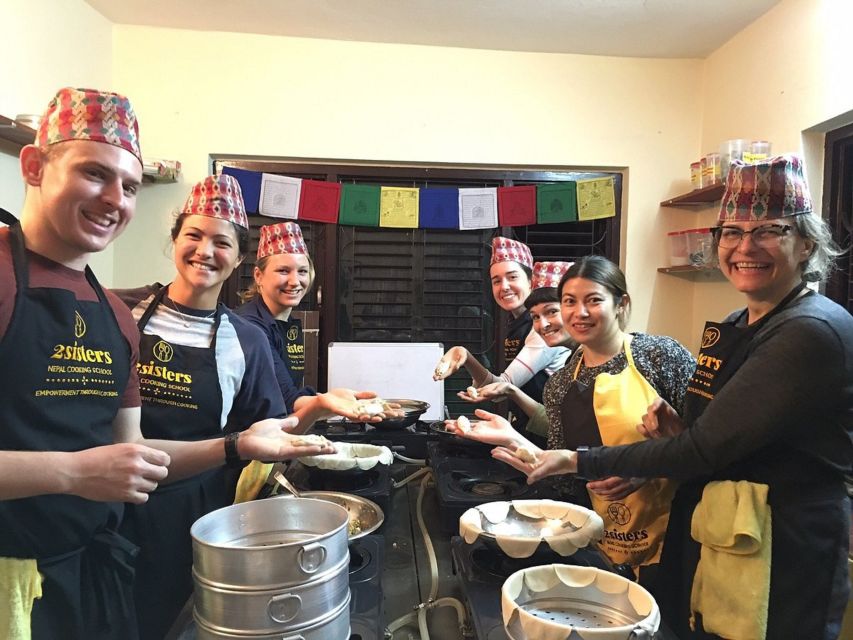
- You choose from three menus, with each menu offering four traditional dishes
- Hands-on cooking: you’ll work on a course and eat it fresh while it’s hot
- Momos are included, so you get one of Nepal’s most famous staples, not an optional side
- Flavor customization is part of the lesson, from heat level to seasoning balance
- Lunch and masala tea are included, so you’re not paying extra for the meal component
- English and Hindi instruction, making it easier if you don’t speak Nepali
More time at the stove
- Half day cooking class in Thamel kathmandu★ 5.0 · 607 reviews
- Kathmandu: Local Women-Led Nepali Cooking & Momo Class★ 4.9 · 360 reviews
- Kathmandu: Local Lead Nepali Cooking & Momo-Making Class★ 5.0 · 212 reviews
- Local Women Lead Nepali Cooking Class★ 5.0 · 125 reviews
A Kathmandu cooking class that feels built for real food lovers
Kathmandu is famous for its streets, temples, and markets, but it’s also a place where food culture matters. This cooking class is one of the smartest ways to get that culture without needing any background. You’ll pick fresh ingredients, cook multiple traditional dishes during the session, and then eat what you make.
I like that the tone stays practical and friendly. The class is designed for people who don’t cook at home, so the instruction is paced and explained as you go. And because everything is included—ingredients, equipment, lunch, and hot tea—there’s less mental math and more time enjoying the experience.
If you’re the kind of traveler who loves tasting before deciding where to eat later, this is a good match. You come away with a better sense of what Nepali flavors actually feel like when they’re freshly cooked, not reheated or simplified for tourists.
How the session usually flows (pickup to lunch)
You’ll be picked up from your hotel and returned after the class. The most practical tip is to show up early in the lobby—being ready about 5 minutes before pickup helps the whole thing run smoothly.
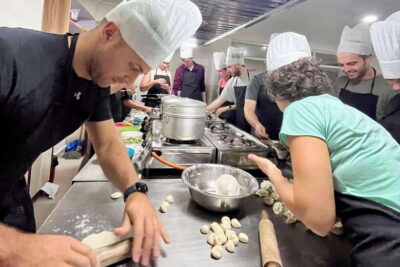
From there, expect a short intro, then a guided rhythm of cooking. The structure is built around three different menus, and the chef/instructor guides you step by step through each dish. You won’t just watch and take notes. You’ll actively cook at least one course and then eat it fresh and hot, which is a huge difference compared to classes where the “tasting” comes from someone else’s finished dishes.
The session includes lunch plus hot drinks, with masala tea specifically mentioned. That matters because Nepali meals are more than food on a plate; tea and small flavor moments often shape how the meal feels.
Choosing from three Nepali menus: variety without decision fatigue
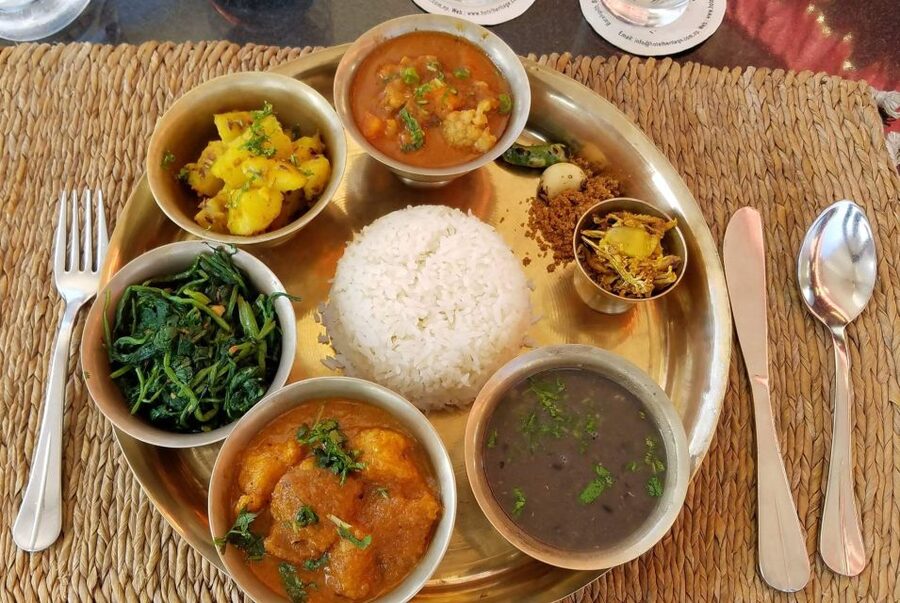
This class isn’t one dish and done. You’ll work through multiple dishes via three different menus, each made up of four traditional Nepali dishes. In plain terms: you’re likely to leave with more than one “signature flavor” you can recognize again later.
The advantage for you is simple: variety without overwhelm. Instead of random sampling, the menu system gives you a consistent theme of Nepali home cooking that makes it easier to remember what you liked and why.
For food lovers, it’s also a low-risk way to try foods that might otherwise be intimidating. You can ask for the spice level you want, and you’ll learn what ingredients do what—so it’s not just eating, it’s understanding.
The hands-on part: you cook, then you eat immediately
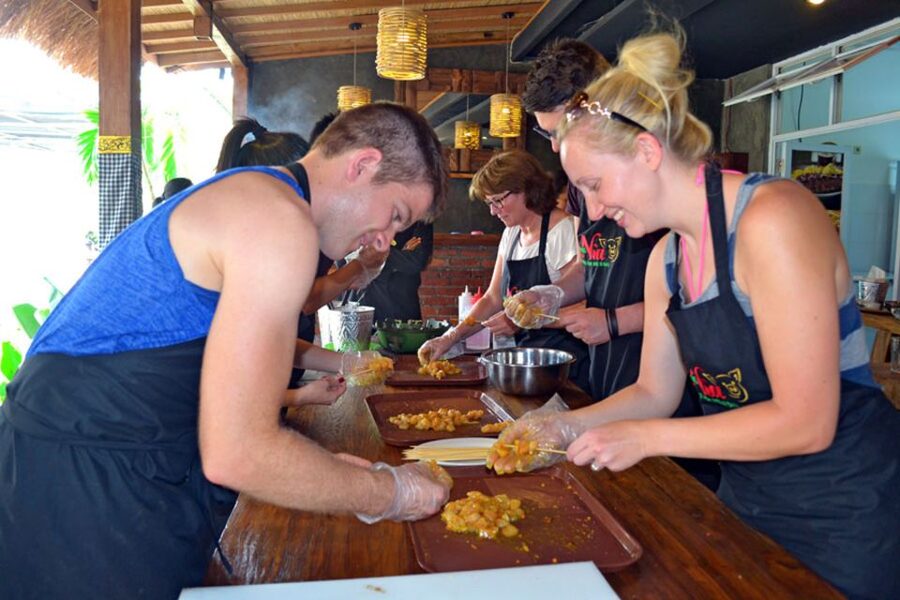
A good cooking class teaches you something you can repeat at home. This one leans hard into the hands-on format, which is the real value of paying for a class like this.
Here’s what that means in practice: you cook a course and you eat it right away. The chef/instructor’s guidance is step by step, so you’re not left guessing when you’re dealing with unfamiliar ingredients or techniques. You also have control over taste—if you love chili, you can add more; if you want mild, you keep it lighter.
That “taste control” piece is worth highlighting. It teaches you that seasoning isn’t fixed. It’s responsive. You’ll get a feel for when something needs more heat, more salt, or more balance. Even if you never make the dishes again, you’ll leave with better instincts for where flavors belong.
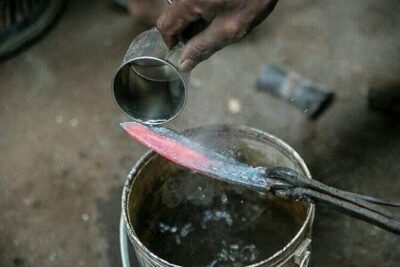
Make something to carry home
Momos in the mix: the Nepal must-make included for you
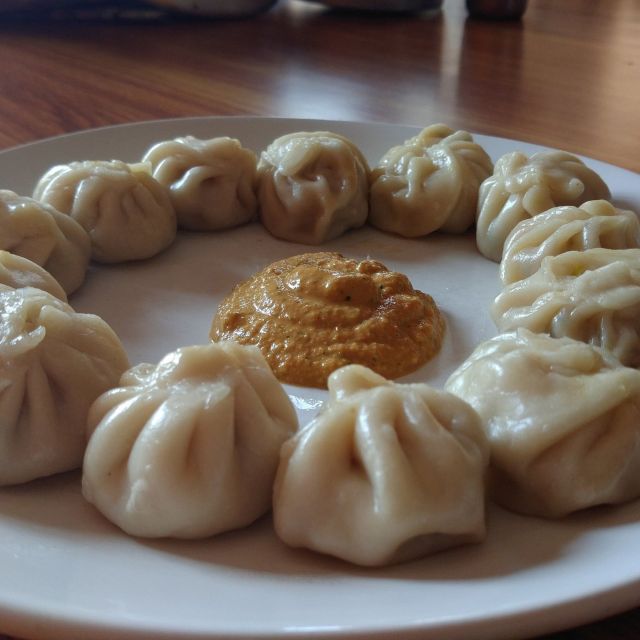
Momos are one of the easiest ways to understand Nepal’s comfort-food side, and this class includes them so you don’t miss out. Even if you’ve had momos in Kathmandu before, making them with guidance tends to change how you think about dumplings.
Why this matters: dumplings are all about the small choices—wrapper thickness, filling balance, and cooking timing. The class format means you get to experience those choices rather than just consuming the final product.
You’ll also get a more complete meal experience because momos don’t always show up as the “main course” in tourist meals. Here, they’re part of the broader menu experience, so you see how they fit alongside other Nepali dishes.
How the flavors work: spice, seasoning, and customizing your bowl
Nepali cooking often hits a specific balance: warm spices, earthy flavors, and heat that can be adjusted. In this class, you get a chance to steer that balance directly.
You’re guided to make flavor choices as you cook. Want more chili heat? You adjust. Prefer it milder? You can keep it light. This is more than catering to your palate. It’s a mini lesson in how cooking changes when heat and seasoning change.
Practical tip for you: wear clothes you can get a little food-friendly in. Even if the cooking area is organized, you’re chopping, mixing, and working close to ingredients. A camera is allowed, so you can capture the steps and the plates, but just remember: your phone won’t replace the memory of learning the rhythm.
What “family-friendly” means in the real world
The class is described as fun and family-friendly, with a clear limit: it’s not suitable for children under 5. That’s a helpful boundary because cooking classes involve sharp tools and hot surfaces. It also means the activity is geared toward people who can focus on instruction and participate safely.
So if you’re traveling with kids old enough to follow directions, this can be a memorable way to keep them engaged. And if you’re traveling solo or as a couple, the same format can be surprisingly social because you’re working side by side at a shared pace.
For people with mobility impairments, it’s listed as not suitable. That’s important for planning. If you have any walking or standing limitations, you should treat that information seriously rather than assuming it can be adapted.
Price and value: why it’s so affordable for what you get
At about $2.15 per person, this is priced like a budget activity—so it’s natural to wonder what the catch is. The short answer is that the value comes from what’s included. You’re getting hotel pickup and drop-off, an expert cooking instructor, all ingredients and equipment, lunch, and masala tea.
To judge value fairly, compare it to what you’d pay in Kathmandu for a meal plus a basic food-focused experience. A lot of budget tours don’t include a meal at all. Here, you’re paying for the instruction and the food outcome together. That’s the sweet spot.
Also consider the cost of learning. A cooking class isn’t only about eating. It’s about gaining usable knowledge—how spice levels work, how the chef manages steps, and how you can adjust to your own preferences. Even if you never cook the exact dishes again, you’ll better understand Nepali flavor structure the next time you eat it.
One more note: the session is described as 3–4 hours, but the actual feeling can vary based on how quickly the class moves through chopping, cooking, and eating. If you’re booking a busy day, plan a little space in your schedule.
Language and instructor support: English and Hindi guidance
Instruction is available in English and Hindi, which matters more than it sounds. Food teaching is very hands-on, and having the guidance in a language you understand is what makes the “step by step” format actually work.
You’ll be guided through each dish while you’re cooking, not just handed a script. If you’re unsure about ingredients or timing, the language support helps you stay on track, which is key for a class where you cook one course and eat it hot.
What to bring (and what to skip)
Keep your prep simple. You should bring a camera, comfortable clothes, and cash.
You also need to remember what isn’t allowed: luggage or large bags. That’s a big practical consideration. Cooking spaces tend to be tight, and the organizers likely want everyone to move easily and safely.
If you’re packing for Kathmandu, this is a sign to travel light for the day of the class. Leave bulky items elsewhere so you can focus on chopping, mixing, and tasting.
Where this class fits in your Kathmandu itinerary
If you’re wondering when to schedule it, I’d place it mid-trip or at a point when you’ve already started exploring. Why? Because you’ll understand menus better later. You’ll also recognize common ingredients and spice patterns when you see them in restaurants or markets.
It’s also a good break from constant sightseeing. Kathmandu can feel full-on fast. A cooking class gives you a different kind of activity that still connects you to local life. You’re not just looking at Nepal; you’re tasting it while learning the logic behind the food.
For food-first travelers, this can even act like a “taste map” for the rest of your stay. After learning what dishes should taste like, you can order more confidently.
Should you book this Kathmandu cooking class?
Book it if you want hands-on Nepali cooking with momos and a full meal included. The strongest reasons to go are the included lunch and masala tea, the step-by-step teaching, and the ability to adjust spice and seasoning to your preferences. If you’re hoping to leave with more than a souvenir—if you want something you can actually use—this format delivers.
Skip or rethink it if you need full accessibility accommodations or if you’re traveling with children under 5. Also, if your schedule is extremely tight, remember the class is listed as 3–4 hours, and that timing includes both cooking and eating together.
For most visitors, it’s a low-cost, high-satisfaction way to experience Kathmandu through the language of food.
FAQ
How long is the Kathmandu cooking class?
The class is described as a 3–4 hour hands-on session, with a duration listed as 4 hours. Plan for the full block to include cooking and eating.
What is included in the price?
You get hotel pickup and drop-off, an expert cooking instructor, the hands-on class (3–4 hours), all ingredients and equipment, lunch, and masala tea.
Are momos included?
Yes. Nepal’s famous momos are included as part of the experience.
What languages are the instructors?
Instruction is provided in English and Hindi.
What do I need to bring?
Bring a camera, comfortable clothes, and cash.
Is it suitable for children or people with mobility impairments?
It’s not suitable for children under 5. It’s also listed as not suitable for people with mobility impairments.
Make a Little Nepal to Take Home

Learn Another Nepali Dish
More Tour Reviews in Kathmandu





Just Reviewed in Kathmandu
- Mountain Bike Tour
★ 5.0 · 3 reviews - Annapurna Panaroma
★ 5.0 · 3 reviews - Mount Everest Scenic Flight 50 Minutes
★ 5.0 · 3 reviews - Kathmandu : Swambhunath & Durbar Square Guided Half Day Tour
★ 3.3 · 3 reviews - Chandragiri Cable Car & Monkey Temple Tour – Private/Group
★ 5.0 · 3 reviews - Kathmandu: Shivapuri National Park Hiking Day Trip
★ 3.3 · 3 reviews
Nepali Cooking & Momo Classes, compared.
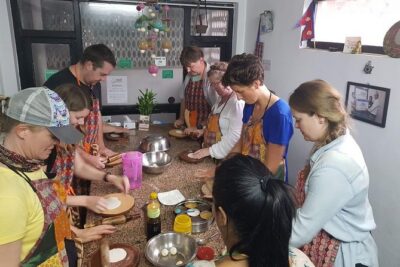 ★ 5.0Half day cooking class in Thamel kathmanduFrom $28607 reviews
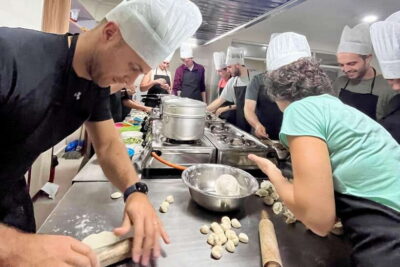 ★ 4.9Local Women-Led Nepali Cooking & Momo ClassFrom $4360 reviews
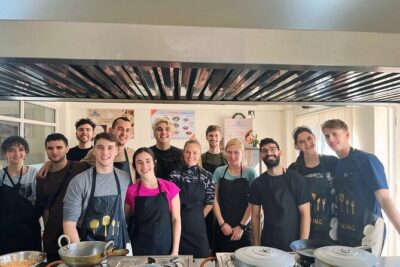 ★ 5.0Local Lead Nepali Cooking & Momo-Making ClassFrom $5212 reviews
Local Women Lead Nepali Cooking ClassFrom $30125 reviews
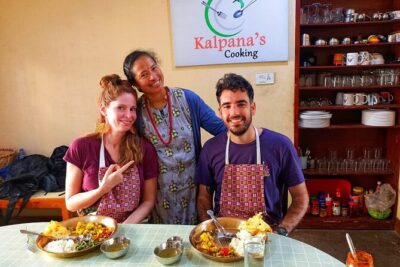 ★ 5.0The best Private Nepali Cooking Class in KathmanduFrom $2483 reviews
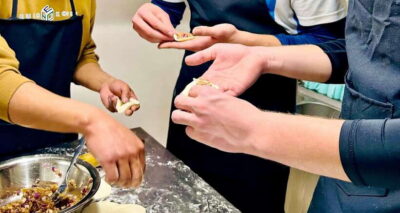 ★ 4.8Traditional Momo Making Class & PickupFrom $460 reviews
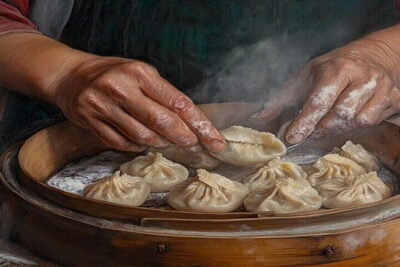 ★ 5.0Traditional Nepali Momo Making ClassesFrom $1853 reviews
 ★ 4.9Local Women-Lead Nepali Cooking & Momo ClassFrom $545 reviews
Browse the lists this tour appears in