
Review · NEPALI COOKING & MOMO CLASSES
Kathmandu: Local Women-Lead Nepali Cooking & Momo Class
Momo dough meets Kathmandu street life. I love how you learn by doing momo and dal bhat from scratch, plus you start with a market trip to choose the ingredients.
The main drawback is simple: you select dishes together, so if you show up wanting only momo, you may need to work with what the group is cooking.
In This Review
- Key things I’d pay attention to
- Kathmandu’s Thamel kitchen time: what you’re really buying
- Getting to the class: Thamel base, optional hotel pickup
- The 3–4 hour rhythm: how your afternoon actually moves
- The market tour: where the flavor starts
- Cooking momo: hands-on technique, not mystery folding
- What to expect during momo practice
- Cooking dal bhat: comfort food fundamentals
- Choosing your menu: starter, main, dessert (and why it helps)
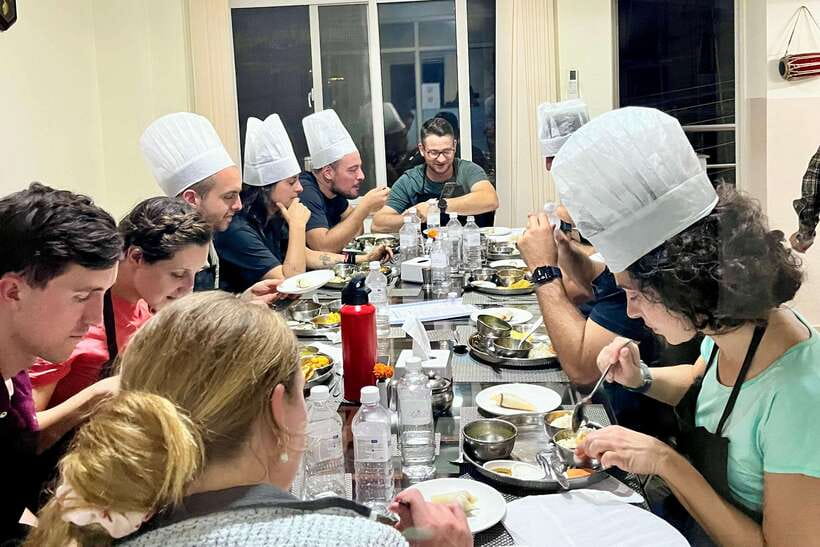
- The meal part: tasting, masala tea, and leaving full
- Practical tips that make the class easier (and better)
- Value check: why $5 can still feel like real service
- Who this class suits best in Kathmandu
- Should you book this Kathmandu momo and dal bhat class?
- FAQ
- Where is the meeting point for this class?
- How long is the cooking class in Kathmandu?
- Is hotel pickup and drop-off available?
- What dishes will I learn to cook?
- Can the chef accommodate vegetarian options or spice preferences?
- What’s included in the price?
- What should I bring and wear?
- Is it wheelchair accessible and is it suitable for kids?
Key things I’d pay attention to
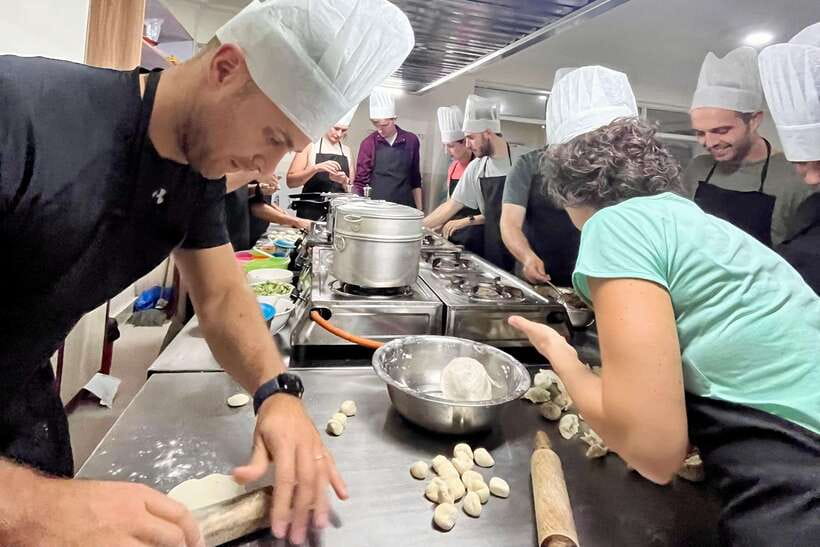
- Market tour close to Thamel for picking fresh ingredients before you cook
- Small group size (up to 10), so you get hands-on help
- Momo and dal bhat focus with step-by-step instruction from an English-speaking chef
- You pick part of the menu, typically including a starter, main (often momo or dal bhat), and dessert
- Chef-led customization for vegetarian preferences and spice level, if you ask ahead
- A full meal you actually taste, not just samples, with Nepali masala tea included
More time at the stove
- Half day cooking class in Thamel kathmandu★ 5.0 · 607 reviews
- Kathmandu: Local Women-Led Nepali Cooking & Momo Class★ 4.9 · 360 reviews
- Kathmandu: Local Lead Nepali Cooking & Momo-Making Class★ 5.0 · 212 reviews
- Local Women Lead Nepali Cooking Class★ 5.0 · 125 reviews
Kathmandu’s Thamel kitchen time: what you’re really buying
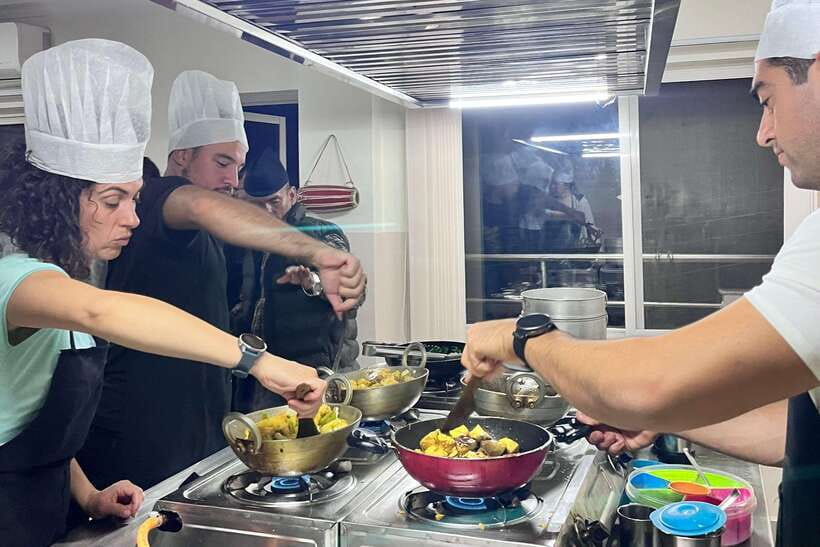
For $5, you’re not just paying for a cooking demo. You’re paying for a guided food lesson in Kathmandu’s style: hands-on, ingredient-first, and heavy on eating what you make. The class is designed around Nepal’s best-known comfort foods—especially momo (dumplings) and dal bhat (lentil soup with rice)—so even if you’re new to Nepali cooking, you’ll leave with dishes you can picture repeating at home.
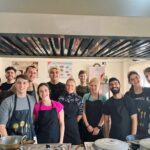
I also like that this isn’t a huge bus-tour activity. It’s a small group (limited to 10), and the instructor is English-speaking. That matters when you’re learning folds, timings, and seasoning. When someone is patient and clear, you don’t just remember steps—you understand what you’re aiming for.
One more value point: the “included” list is the real deal. You get step-by-step teaching, market shopping for the key ingredients, cooking equipment, and a tasting session. Add Nepali masala tea during the lesson, and the price starts to look less like a gimmick and more like a rare bargain.
Getting to the class: Thamel base, optional hotel pickup
The cooking school is in Thamel, which makes life easy. Your meeting point is Kathmandu Cooking Academy (you can find it on Google Maps by searching that name). If you’re staying in Thamel or nearby, you can usually just go straight there.
Hotel pickup is available if you choose the pickup option during booking. The service covers locations within Kathmandu Valley. In a city with serious traffic, that convenience can be worth it—though timing can still be impacted by road delays.
Either way, plan to arrive about 15 minutes early. This isn’t just “nice.” It gives you time to settle in, meet the chef, and start the market segment without feeling rushed.
The 3–4 hour rhythm: how your afternoon actually moves
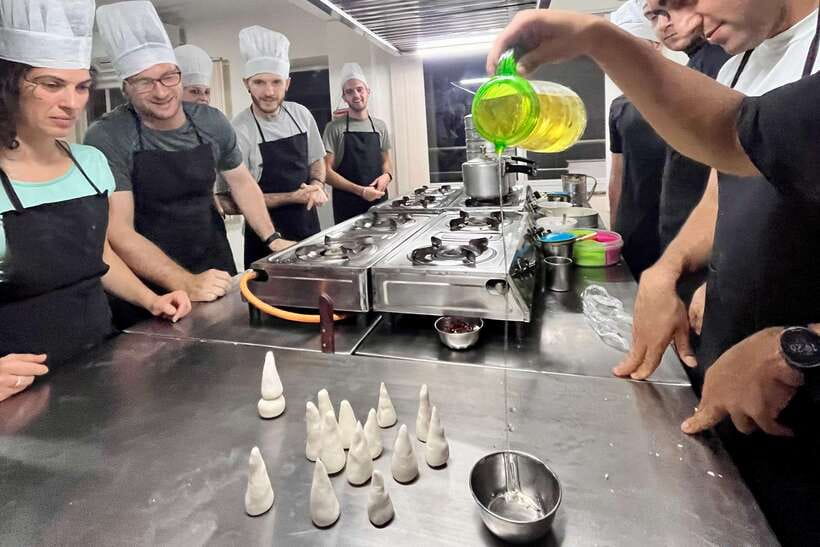
The class runs about 3 hours, though your booking may show 3–4 hours depending on your schedule and the market visit timing. The flow is straightforward:
1) Pickup if selected (otherwise, make your own way)
2) Thamel session that includes the cooking and meal
3) Market visit for ingredient selection
4) Cooking, tasting, and tea time
Most people underestimate how much time shopping + prep takes. Here, the schedule is built around that. You don’t just show up and start boiling. You choose ingredients first, then you cook with intent.
The market tour: where the flavor starts
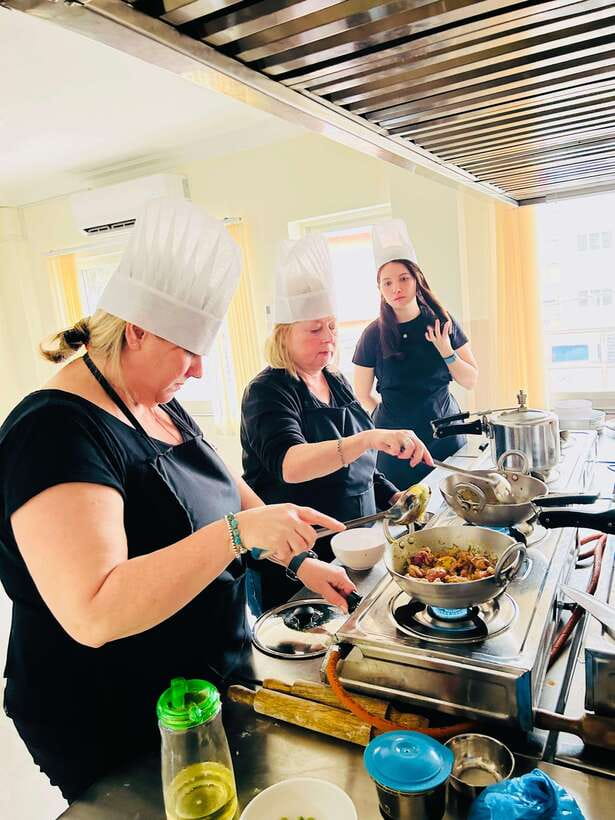
You’ll do a market or shop tour to buy important ingredients before you cook. This part is more than shopping. It’s where you learn what makes Nepali food feel like Nepali food—spices, aromatics, sauces, wrappers, lentils, and the small things that turn “food” into a dish.
A helpful detail: the market segment is integrated into the class, not a random detour. That means the ingredients you buy are tied directly to what you’ll cook later. If you care about eating well and understanding why food tastes the way it does, this is the moment to pay attention.
Also, because the group is small, you can ask questions as you go. If you have dietary restrictions or allergies, you should tell the team in advance so they can accommodate you. (And if spice level is your concern, it’s worth raising early, since the chefs can adjust when requested.)
Make something to carry home
Cooking momo: hands-on technique, not mystery folding
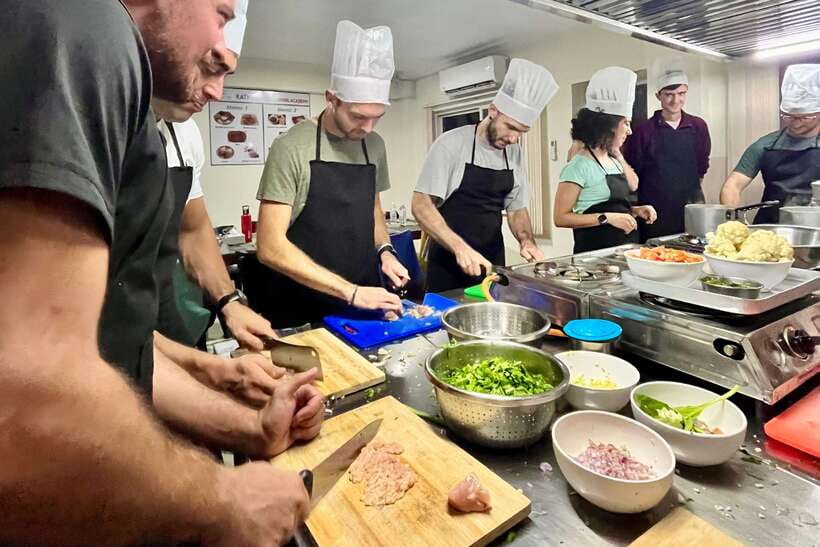
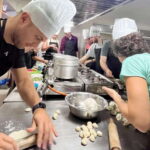
Let’s talk momo. This is the star dish in many Nepali cooking classes, and this one gives you a real chance to make it—not just watch.
You’ll get step-by-step guidance from an experienced chef. The focus is practical: how to assemble, how to handle the dough or wrappers, and what to look for as you work. In a small group, you’re more likely to get direct correction instead of vague advice.
From what I’ve seen described by people who took classes here, the chefs are usually fun and very patient with different kitchen skill levels. That helps if you’re the type who panics when something sticks, tears, or doesn’t look like the perfect tutorial photo.
What to expect during momo practice
- You’ll be actively participating, not observing from the sidelines
- The teaching is in English, which matters for understanding technique and timing
- The class format gives you enough structure to make momo while still asking questions
If you’re thinking about taking this specifically for momo, plan on actually advocating for it. Dishes can be selected as a group, so if everyone chooses different menu items, your final plate depends on the group’s combination.
Cooking dal bhat: comfort food fundamentals
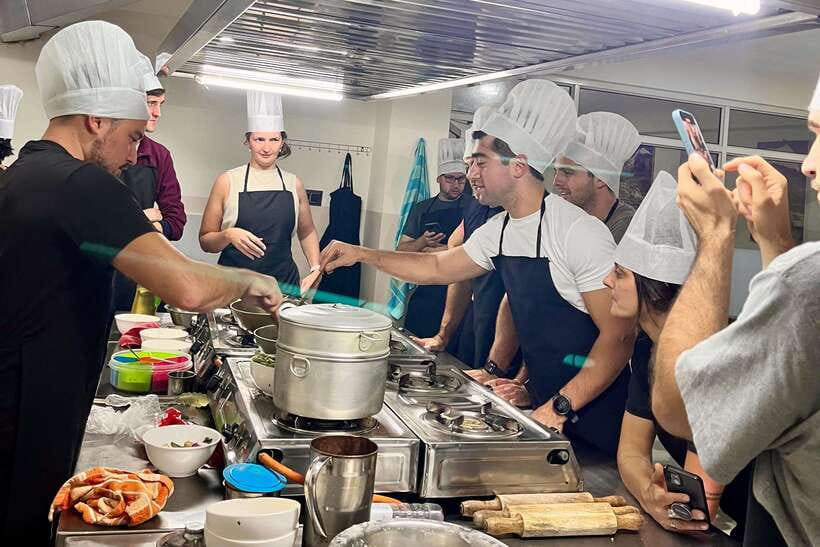
Dal bhat is Nepal’s everyday staple, and it’s a smart choice for a cooking class because it teaches core building blocks: lentils, seasoning, and balance. Even if you’re not chasing “authentic by the book,” learning how dal bhat is put together gives you a template you can use for home cooking later.
In the class format, dal bhat is one of the key dishes covered along with momo. You’ll follow the chef’s instruction and end up tasting what you made as part of the meal.
This dish is also a great fit for people who want something filling, not just snacky dumplings. If you come hungry, dal bhat helps you end the class satisfied.
Choosing your menu: starter, main, dessert (and why it helps)
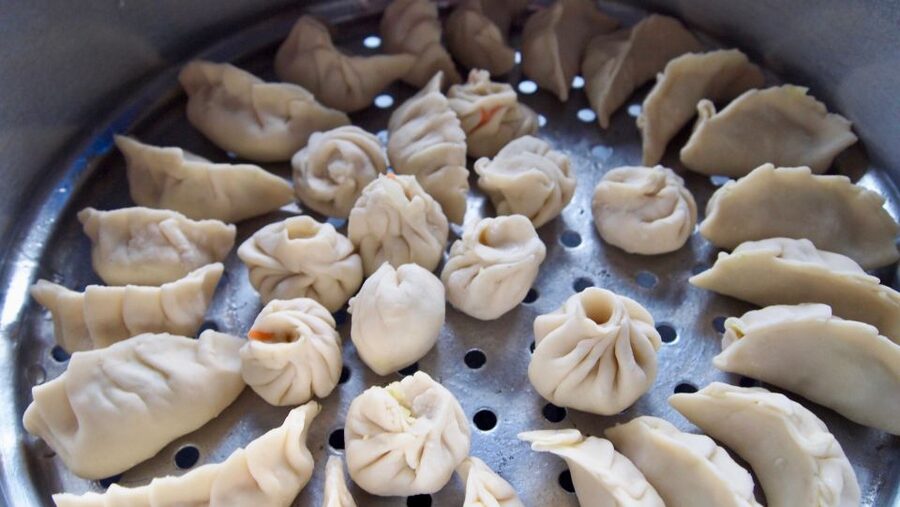
Here’s one of the most practical reasons this class works: you choose dishes (or part of the menu) rather than being forced into a fixed script. The class centers on the two big staples—momo and dal bhat—but you typically also select an additional dish so you can build a fuller meal.
People have described choosing different combinations, like dumplings and other Nepali specialties such as aloo chop and mushroom choila, depending on what’s available and what the group decides. You also pick a dessert, so your ending isn’t just savory.
If you’re traveling with different tastes—one person wants dumplings, another wants something else—this flexible format is a win. It also keeps you from leaving with only one recipe you actually care to repeat at home.
One small caution: because the class can work as a group selection, don’t assume the day will be exactly your personal wishlist. If momo is non-negotiable for you, it’s worth stating that early and being willing to coordinate with the group.
The meal part: tasting, masala tea, and leaving full
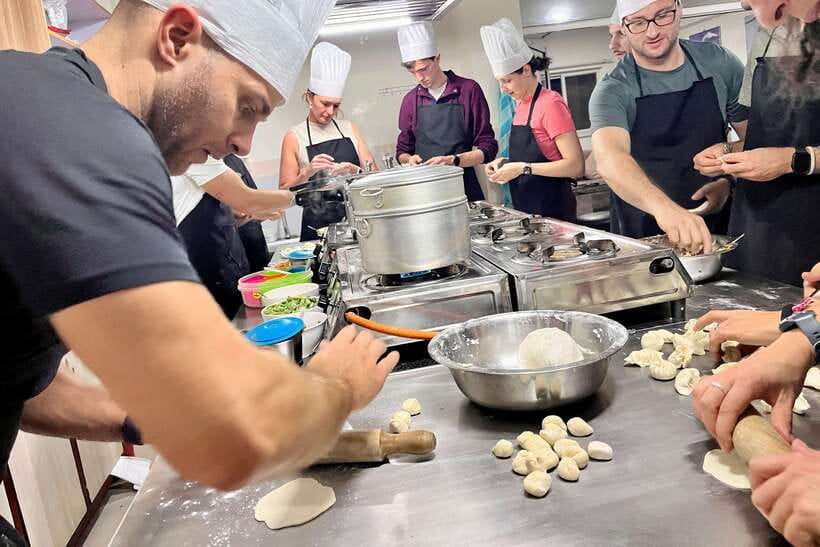
You won’t just cook and then politely move on. The experience includes a tasting session of what you prepared, plus Nepali masala tea during the lesson.
That matters because Nepalese cooking is about balance—salt, spice, fat, and aroma. Tasting while you’re still in the process helps you connect steps to results. After you taste, you can usually explain what you’d do differently next time: more heat, more salt, a different texture.
Also, portions can be generous. Come hungry. You’ll likely be eating enough to treat this as a real meal stop in your Kathmandu day plan rather than a quick activity.
Some participants also mention receiving a PDF afterward with the recipes made in class. If that’s important to you, it’s worth keeping an eye out for it from the school staff at the end of your session.
Practical tips that make the class easier (and better)
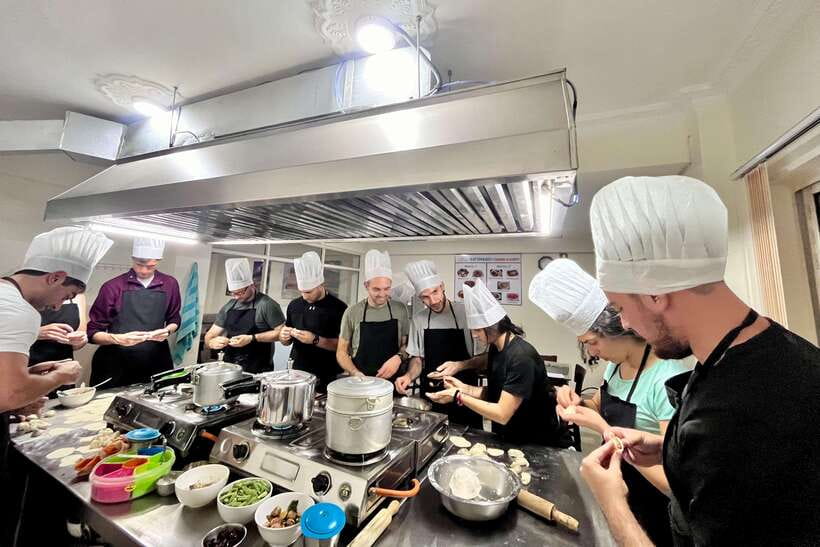
A few small things can change your experience from fine to great:
- Bring a camera. You’re actively cooking and eating, so you’ll want photos.
- Wear comfortable clothing. You’ll be moving around and cooking.
- Ask about dietary needs early. Tell the team about allergies or restrictions ahead of time.
- If you care about spice level, say so before you start.
- Arrive 15 minutes early so you don’t feel hurried before the market segment.
And one more useful mindset: don’t treat this like a fancy “watch and learn” experience. Treat it like a workshop. The more you participate—asking, tasting, adjusting—the more you’ll carry home.
Value check: why $5 can still feel like real service
Let’s put the price in perspective. $5 sounds almost too low for a class that includes a chef/instructor, a market/shop tour, equipment, step-by-step teaching, tasting, and Nepali masala tea. The reason it can still feel legit is the way the activity is structured:
- The market visit is tied directly to what you’ll cook
- The group is small, so you’re not paying just to be present
- You get equipment and instruction, which means you’re cooking, not just sampling
- You leave with a full meal outcome
That said, the value depends on your expectations. If you want a private class with total control over every dish, this format may feel more collaborative than that. The class can also be subject to a minimum number of participants (a minimum of 2 may be required). If it doesn’t meet the minimum, you’ll be offered an alternative date or a full refund.
Who this class suits best in Kathmandu
This cooking class is a strong fit if you:
- want to learn momo and dal bhat in a practical way
- like activities with a real local chef and ingredient-focused teaching
- prefer small groups over big tour crowds
- want a meal you help make, then eat right away
It’s also a great “last day in Kathmandu” option. You already ate Nepali food around the city by then, so tasting your own version connects faster. And if you like bringing recipes home, ask about the PDF afterward.
It may not be ideal if you:
- need a perfectly fixed menu with zero group decision-making
- hate cooking with any chance of spice (even though you can usually request adjustments)
Should you book this Kathmandu momo and dal bhat class?
If you want a fun afternoon in Thamel that ends with a real meal—and you don’t mind cooking alongside others—this is an easy yes. The class is built around hands-on learning, not a passive performance. The market visit adds meaning, and the chef-led instruction in English makes it more than just “follow along.”
Book it if momo is on your list and you’re open to coordinating the rest of the menu with the group. Skip it if you need a strictly private, custom menu on demand, or if you’re looking for a purely observational experience.
If you’re deciding between “another tour” and a skill you can repeat, choose this. You’ll leave Kathmandu with recipes you can actually use.
FAQ
Where is the meeting point for this class?
You’ll find Kathmandu Cooking Academy on Google Maps. Search for Kathmandu Cooking Academy to navigate to the venue.
How long is the cooking class in Kathmandu?
The class typically lasts around 3 hours, including the market visit and cooking time. Your booking may show 3–4 hours depending on the schedule.
Is hotel pickup and drop-off available?
Yes, hotel pickup and drop-off are available if you select the pickup option during booking. The pickup service covers locations within Kathmandu Valley.
What dishes will I learn to cook?
The class focuses on momo and dal bhat, and you also choose additional dishes for a full meal. Starters and desserts are part of the selection as well.
Can the chef accommodate vegetarian options or spice preferences?
You should inform the team about dietary restrictions or allergies in advance. The class can adjust for vegetarian preferences and spice level when requested.
What’s included in the price?
Included are the market/shop tour for key ingredients, a step-by-step cooking class with an experienced chef, use of cooking equipment, tasting of what you prepare, Nepali masala tea, and (if selected) hotel pickup and drop-off.
What should I bring and wear?
Bring a camera. Wear comfortable clothing since you’ll be actively participating in the cooking process.
Is it wheelchair accessible and is it suitable for kids?
The activity is wheelchair accessible. Children above age 7 are welcome with adult supervision. It’s not suitable for children under 5, and people over 95 years aren’t listed as suitable.
Make a Little Nepal to Take Home
Learn Another Nepali Dish
More Tour Reviews in Kathmandu

Just Reviewed in Kathmandu
- Mountain Bike Tour
★ 5.0 · 3 reviews - Annapurna Panaroma
★ 5.0 · 3 reviews - Mount Everest Scenic Flight 50 Minutes
★ 5.0 · 3 reviews - Kathmandu : Swambhunath & Durbar Square Guided Half Day Tour
★ 3.3 · 3 reviews - Chandragiri Cable Car & Monkey Temple Tour – Private/Group
★ 5.0 · 3 reviews - Kathmandu: Shivapuri National Park Hiking Day Trip
★ 3.3 · 3 reviews
Nepali Cooking & Momo Classes, compared.
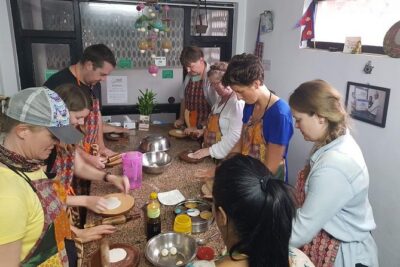 ★ 5.0Half day cooking class in Thamel kathmanduFrom $28607 reviews
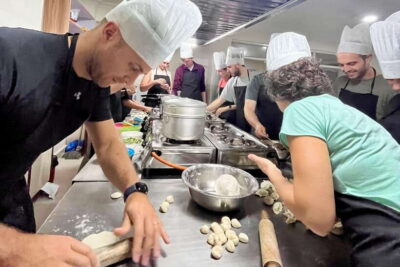 ★ 4.9Local Women-Led Nepali Cooking & Momo ClassFrom $4360 reviews
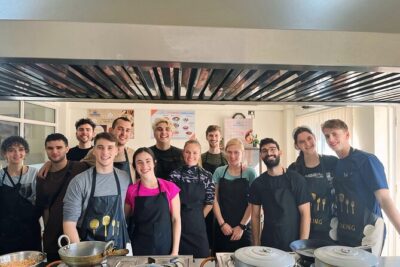 ★ 5.0Local Lead Nepali Cooking & Momo-Making ClassFrom $5212 reviews
Local Women Lead Nepali Cooking ClassFrom $30125 reviews
★ 5.0Local Lead Nepali Cooking & Momo-Making ClassFrom $5212 reviews
Local Women Lead Nepali Cooking ClassFrom $30125 reviews
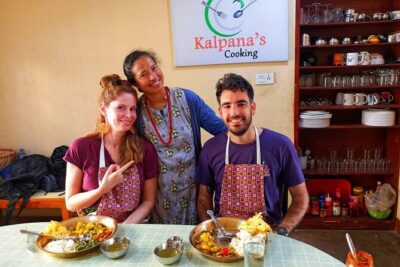 ★ 5.0The best Private Nepali Cooking Class in KathmanduFrom $2483 reviews
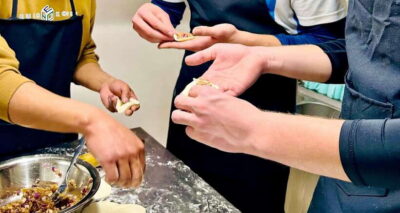 ★ 4.8Traditional Momo Making Class & PickupFrom $460 reviews
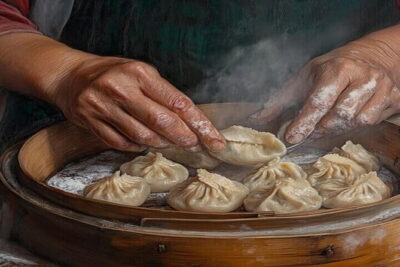 ★ 5.0Traditional Nepali Momo Making ClassesFrom $1853 reviews
★ 4.9Local Lead Nepali Cooking & Momo Making ClassFrom $440 reviews
★ 5.0Traditional Nepali Momo Making ClassesFrom $1853 reviews
★ 4.9Local Lead Nepali Cooking & Momo Making ClassFrom $440 reviews
Browse the lists this tour appears in