
Review · KATHMANDU UNESCO HERITAGE TOURS
Kathmandu Guided Day Tour: Explore Top 4 UNESCO Heritage Sites
Watching monkeys? Yes. Then temples, art, and rituals. This Kathmandu day tour strings together four major UNESCO sites in one efficient route, with a guide who can explain what you’re seeing as you go. You’ll also get a couple of cultural add-ons, like a thanka art school visit and a healing bowl demonstration, which helps the day feel more than just check-the-box sightseeing.
I love how the itinerary groups Hindu and Buddhist landmarks in a single day. You’ll start with Swayambhunath’s hilltop views and prayer wheels, then shift to Patan’s craft-filled square, and later move to Pashupatinath and Boudhanath where the religious atmosphere is the main event.
One thing to consider: the price looks simple at $55, but UNESCO entrance fees and lunch are not included. Also, the itinerary lists admission tickets as included, so it’s smart to confirm what you’re covered for before you show up at each site.
In This Review
- Key Highlights You’ll Notice Fast
- How This UNESCO-Day Route Makes Kathmandu Feel Understandable
- Pickup, Vehicle Comfort, and the Real Pace of a 5–7 Hour Day
- Swayambhunath Monkey Temple: Views, Prayer Wheels, and a Short Hill Climb
- Patan Durbar Square: Where Craft Traditions Take Center Stage
- Pashupatinath on the Bagmati River: Cremation Rituals and Sacred Intensity
- Boudhanath Stupa: Giant Dome and the Meaning of the Kora Walk
- Price and Value: What $55 Covers (and What You Still Pay)
- The Added Cultural Stops: Thanka School and Healing Bowl Demonstration
- Who This Tour Fits Best (and Who Should Reconsider)
- Should You Book This Kathmandu UNESCO Day Tour?
- FAQ
- How long is the Kathmandu Guided Day Tour?
- Does the tour include pickup?
- What is included in the tour price?
- Are UNESCO entrance fees included?
- Is lunch included?
- Is there a lunch break time built in?
- Is this tour private?
- Do you get a mobile ticket?
- What’s the cancellation policy?
Key Highlights You’ll Notice Fast
- Guide Prakash brings context on every stop, including historical and cultural details
- Four UNESCO sites in one day saves you from bouncing around the city twice
- Swayambhunath’s 360° viewpoint pairs well with the playful monkeys and prayer wheels
- Patan Durbar Square is the best place on the route for seeing traditional craftsmanship up close
- Pashupatinath’s Bagmati River cremation rituals are powerful and not a passive sight
- Boudhanath’s Kora walk turns a big stupa into a moving, meditative experience
More days made easy with a local guide
- Kathmandu: Private City Guided Tour★ 4.9 · 174 reviews
- Full Day Guided Tour in Kathmandu★ 5.0 · 61 reviews
- Kathmandu Guided Tour★ 5.0 · 59 reviews
- 12 Day Everest Base Camp Guided Trek★ 5.0 · 40 reviews
How This UNESCO-Day Route Makes Kathmandu Feel Understandable
Kathmandu can feel like a blur when you’re first in town. This tour is built to make the city legible: you hit the most famous UNESCO sites and get enough time at each to notice patterns. In one day, you can compare sacred spaces across Hinduism and Buddhism, rather than treating them as four unrelated monuments.
What I like is that the route isn’t just about seeing buildings. It’s also about understanding atmosphere—what people do there, how they move, and why certain details matter (like the prayer wheels at Swayambhunath or the Kora circuit at Boudhanath).
If you want a “great hits” day without planning a complex route on your own, this format is hard to beat. You get a guided flow, an air-conditioned vehicle between stops, and a schedule that keeps you from losing the whole day to traffic and decision fatigue.
Pickup, Vehicle Comfort, and the Real Pace of a 5–7 Hour Day
The tour runs about 5 to 7 hours, which is long enough to feel like a complete outing but not so long you’ll be cooked afterward. Pickup is offered, and you’ll ride in an air-conditioned vehicle, which matters in Kathmandu’s heat and haze.
This is also a private tour/activity, meaning only your group participates. That usually makes it easier to ask questions and move at a pace that fits your group, especially if you’re balancing photo time and moments of silence at sacred sites.
The practical reality: you’re moving between four different areas and doing short visits at each. The time blocks are tight, so the day works best if you’re comfortable with short walks, quick orientation, and staying flexible when crowds or ceremony timing slow things down.
Swayambhunath Monkey Temple: Views, Prayer Wheels, and a Short Hill Climb
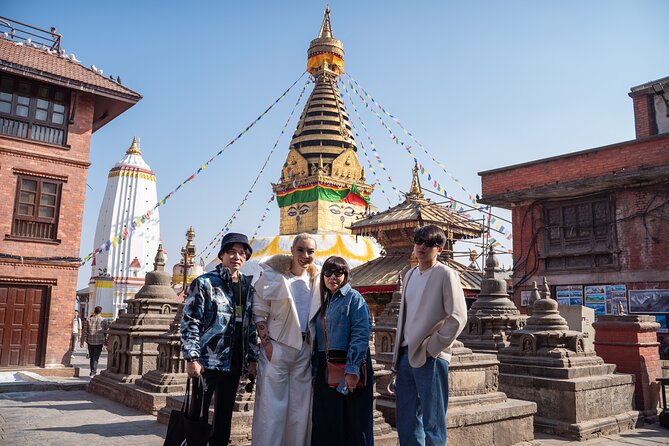
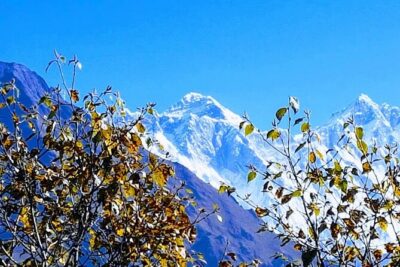
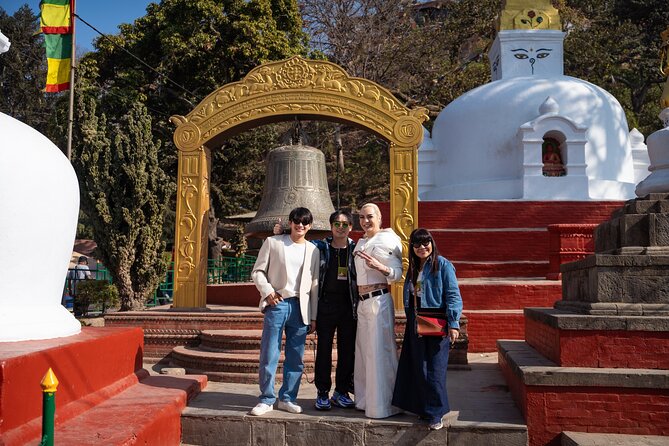
Swayambhunath is the first stop for a reason. You start high, with a hilltop temple and the classic Monkey Temple vibe—playful monkeys, ancient prayer wheels, and a sweeping viewpoint over Kathmandu Valley and parts of the Himalaya.
That 360° view is the payoff. Even if you’ve seen photos, it’s different when you’re standing there, looking outward at how the city is laid out around the valley. It’s the kind of perspective that makes the rest of your day easier to interpret.
What to expect here: you’ll spend about 1 hour at Swayambhu Mahachaitya / Swayambhunath Temple. One drawback is that hilltop sites can feel crowded and busy, and the day’s schedule is tight—so if you like slow, contemplative wandering, you may need to manage expectations and focus your attention on the most important viewpoints and prayer areas.
Patan Durbar Square: Where Craft Traditions Take Center Stage
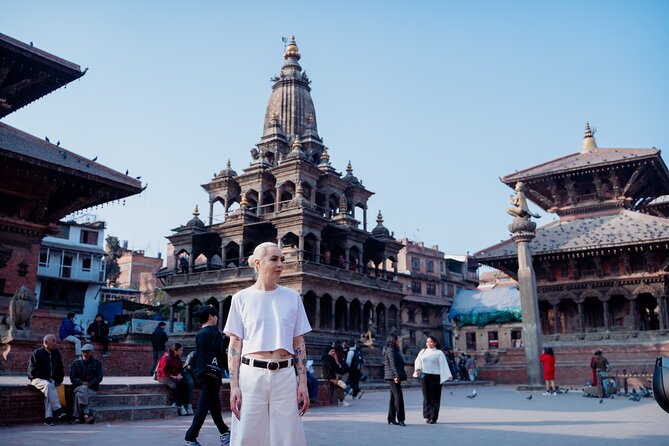
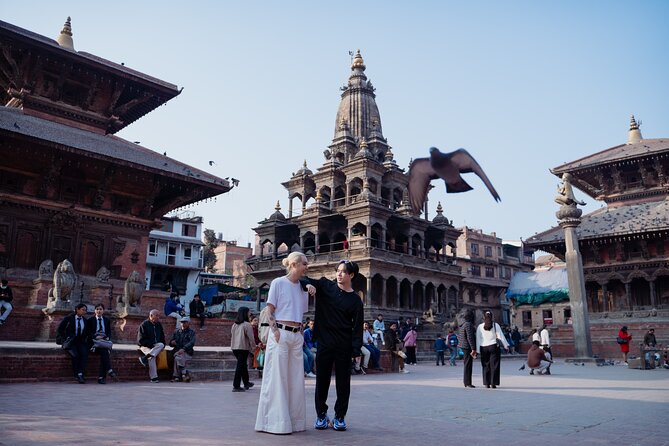
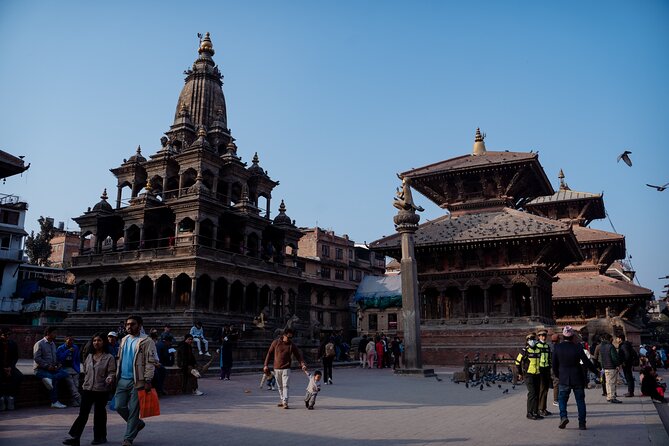
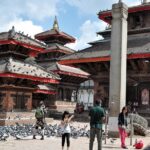
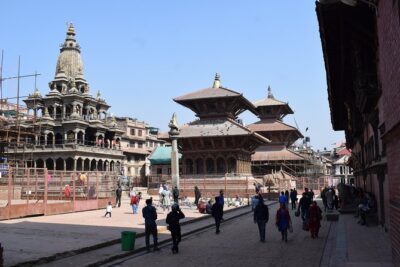
Patan Durbar Square is where the day shifts from panoramic sightseeing to human-made detail. Patan is the city, “Durbar” refers to the royal palace area, and the square is packed with temples and monuments clustered around that historic core.
You’ll get about 2 hours here, which is good because this stop rewards close looking. The highlights include centuries-old metalwork and intricate wood carvings, and the square is home to the stunning Krishna Temple.
This is one of the best places on the route if you care about craftsmanship or want to see what “heritage” looks like as real work. It’s not just stones and skyline; it’s the skill and design that still shapes how people understand sacred space.
Possible drawback: this is also where your attention can scatter if you rush. The square has lots of small details, and the time limit means you’ll want to prioritize what you want to photograph or study rather than trying to see everything.
Deeper into old Kathmandu
Pashupatinath on the Bagmati River: Cremation Rituals and Sacred Intensity
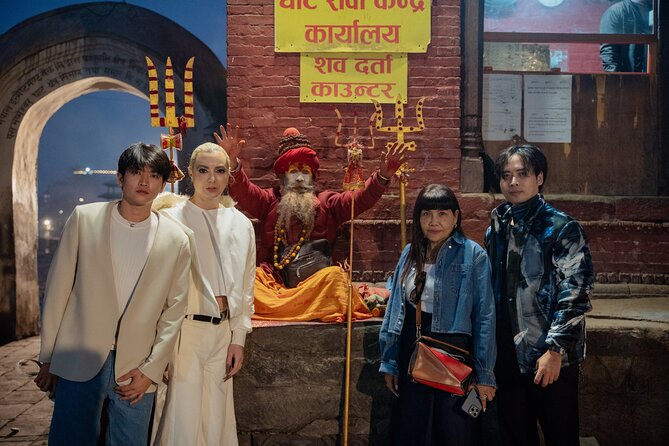
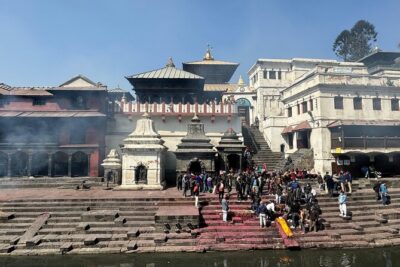
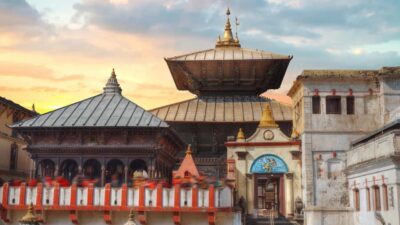
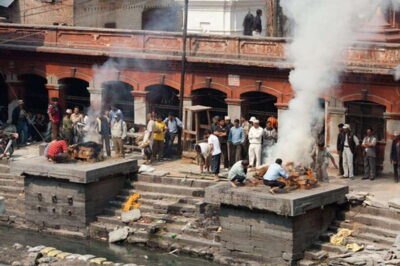
Pashupatinath is a very different experience from the hilltop viewpoint and craft square. This is one of Nepal’s most important Hindu temples, and it sits along the Bagmati River, where sacred Hindu cremation ceremonies take place.
You’ll spend about 1 hour at Pashupatinath. Expect an intense atmosphere: this isn’t a quiet museum setting. It’s a living religious space where ceremonies and ritual life happen as part of daily practice, and your guide’s job here is crucial—explaining what you’re seeing so it doesn’t just feel like spectacle.
If you’re sensitive to religious rituals or uncomfortable with the idea of watching cremations, this stop is the one to think about most. It can be profoundly moving, but it’s also not a casual photo stop.
That said, it’s also one of the most important stops on the entire day because it connects the temple to the river, and the river to the spiritual meaning of the rituals. Done with respect, it gives real context to Hindu belief and practice in Kathmandu.
Boudhanath Stupa: Giant Dome and the Meaning of the Kora Walk
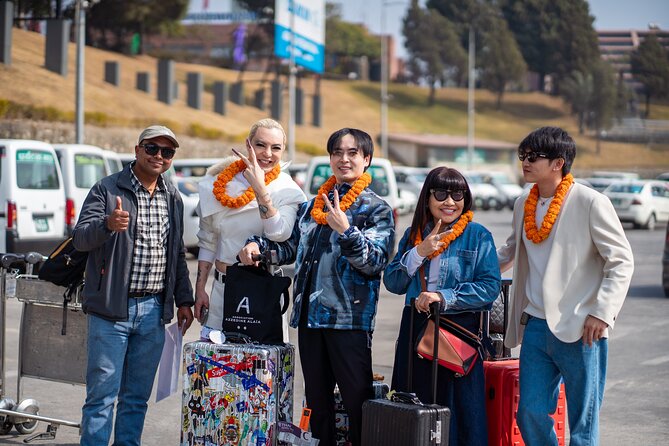
Boudhanath Stupa is where the day slows down in the best way. This is described as the biggest Buddhist temple in Nepal and the second biggest Buddhist stupa in the world, and when you arrive at a scale like that, your brain takes a second to adjust.
You’ll spend about 1 hour here, focusing on the stupa and a Kora walk, which is the ritual path devotees take around the massive dome. The Kora is where the energy shifts from sightseeing to participation, even if you’re just walking alongside others and observing.
This stop is also one of the easiest ways to feel the cultural mix in Kathmandu. The tour frames these sites as a place where religions meet through daily practice—Hindu temples and Buddhist stupas side-by-side in the same valley, each with their own rhythms.
One consideration: because it’s a major devotional hub, crowds and activity can be high. If your group has trouble with dense spaces, you may want to focus your time on the most practical viewing and walking spots and avoid trying to get perfect photos from every angle.
Price and Value: What $55 Covers (and What You Still Pay)
The listed price is $55 per person, and it’s positioned as value for a full day of guided UNESCO coverage. You’re getting an air-conditioned vehicle, a licensed government tour guide, bottled 1,000 ml water per person, and the added cultural visits.
But you should budget for additional costs. Lunch isn’t included, and the tour states that UNESCO World Heritage Site entrance fees are not included (listed as USD 20 or NPR 2600 per person). At the same time, the itinerary notes admission tickets included at each stop. That mismatch is worth clarifying before you go, so you don’t get surprised at a gate.
Then there are tips. Tips for your guide and driver are expected, which is normal for local guiding work in Nepal.
Still, even with entrance fees and lunch added, the structure can be good value if you compare it to the cost of arranging a similar route yourself, plus the convenience of a licensed guide connecting the dots for you. It’s especially worth it if it’s your first time in Kathmandu and you want to avoid piecing together transport and site priorities on your own.
The Added Cultural Stops: Thanka School and Healing Bowl Demonstration
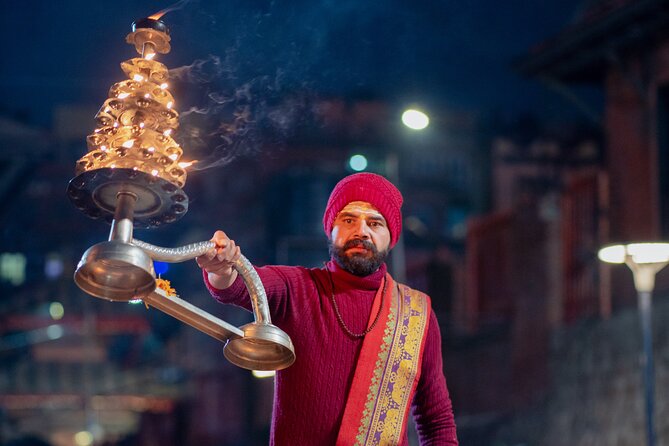
Two extra visits make this tour more than a four-site itinerary.
First, there’s a visit to a thanka (traditional art) painting school. This is helpful because it gives you a skill-based lens for what you’re seeing later at Buddhist and Hindu sites. When you understand how religious art is produced and taught, the symbols and textures make more sense.
Second, there’s a healing bowl demonstration center visit. The tour frames it as a demonstration, and even if you’re not searching for spiritual sound work, it can be a calming pause from temples and crowds. Think of it as a reset button during a packed day.
If your group loves pure “street time” and hates structured stops, these additions might feel like extra. But if you want a fuller cultural day that connects art, sound, and devotion, they’re a strong reason to book this route instead of doing only temples.
Who This Tour Fits Best (and Who Should Reconsider)
This day tour is a good match for first-time visitors who want the Kathmandu highlights efficiently. It’s also a solid fit if you appreciate guidance that adds meaning—especially on the more intense site like Pashupatinath.
I’d also say it works well for groups who like a plan but still want to ask questions. Reviews tied the experience closely to the guide quality, including Prakash, who’s praised for knowing Nepalese history and culture and for being friendly and attentive.
Who might reconsider? Anyone who wants a slow, independent pace with minimal religious ritual viewing. If the idea of cremation ceremonies along the Bagmati River sounds like too much, you’ll need to weigh that carefully before committing.
Should You Book This Kathmandu UNESCO Day Tour?
If you want a straightforward way to see four UNESCO sites plus a couple of cultural add-ons in one day, this tour makes strong sense. The route is efficient, the vehicle is comfortable, and the guide’s depth—especially with Prakash—helps you turn monuments into understanding.
Before you book, do two quick checks: confirm what entrance fees you’re actually paying for, and plan for lunch on your own since it’s not included. If your group is comfortable with sacred, active religious settings (including cremation rituals) and you’re okay with a time-packed schedule, you’ll likely find this day both memorable and practical.
FAQ
How long is the Kathmandu Guided Day Tour?
The tour lasts about 5 to 7 hours.
Does the tour include pickup?
Yes, pickup is offered.
What is included in the tour price?
Included features are an air-conditioned vehicle, a government licensed tour guide, a thanka painting school visit, a healing bowl demonstration center visit, and bottled water (1,000 ml) per person.
Are UNESCO entrance fees included?
UNESCO World Heritage entrance fees are listed as not included, with an amount of USD 20 or NPR 2600 per person. The itinerary also notes admission tickets included at each stop, so it’s best to confirm what your ticket covers.
Is lunch included?
No, lunch and all foods and drinks are not included.
Is there a lunch break time built in?
The tour data doesn’t specify a lunch schedule, so you should plan to handle lunch on your own during the day.
Is this tour private?
Yes, it’s private, and only your group participates.
Do you get a mobile ticket?
Yes, mobile ticketing is listed as a feature.
What’s the cancellation policy?
Free cancellation is available up to 24 hours before the experience starts for a full refund. Changes made less than 24 hours before start time aren’t accepted.
Simpler With a Local Guide
More Tours in Kathmandu


More Tour Reviews in Kathmandu
Just Reviewed in Kathmandu
- Mountain Bike Tour
★ 5.0 · 3 reviews - Annapurna Panaroma
★ 5.0 · 3 reviews - Mount Everest Scenic Flight 50 Minutes
★ 5.0 · 3 reviews - Kathmandu : Swambhunath & Durbar Square Guided Half Day Tour
★ 3.3 · 3 reviews - Chandragiri Cable Car & Monkey Temple Tour – Private/Group
★ 5.0 · 3 reviews - Kathmandu: Shivapuri National Park Hiking Day Trip
★ 3.3 · 3 reviews
Kathmandu UNESCO Heritage Tours, compared.
 ★ 4.87 UNESCO Sites with LunchFrom $2744 reviews
 ★ 5.0Full Day 7 UNESCO Tour with Lunch – Private/GroupFrom $10415 reviews
 ★ 5.0Full Day Top 4 UNESCO Tour with Lunch – Private/GroupFrom $10269 reviews
 ★ 5.0UNESCO Seven World Heritage Tour in KathmanduFrom $180253 reviews
★ 4.9Full-Day 7 UNESCO Tour with Lunch – Private/GroupFrom $5247 reviews
★ 5.0UNESCO Seven World Heritage Tour in KathmanduFrom $180253 reviews
★ 4.9Full-Day 7 UNESCO Tour with Lunch – Private/GroupFrom $5247 reviews
 ★ 4.97 UNESCO Sites Tour in 1 Day (Private Tour)From $4204 reviews
 ★ 4.9Top 4 UNESCO Tour with Lunch – Private/GroupFrom $5181 reviews
 ★ 5.0Kathmandu Private Sightseeing Tour | UNESCO World Heritage SitesFrom $35109 reviews
Browse the lists this tour appears in