Review · NEPALI COOKING & MOMO CLASSES
Kathmandu: Local Lead Nepali Cooking & Momo Making Class
Momo folding is a Kathmandu superpower. This cooking class pairs a local market ingredient walk with step-by-step coaching, built around two Nepali favorites: momo and dal bhat.
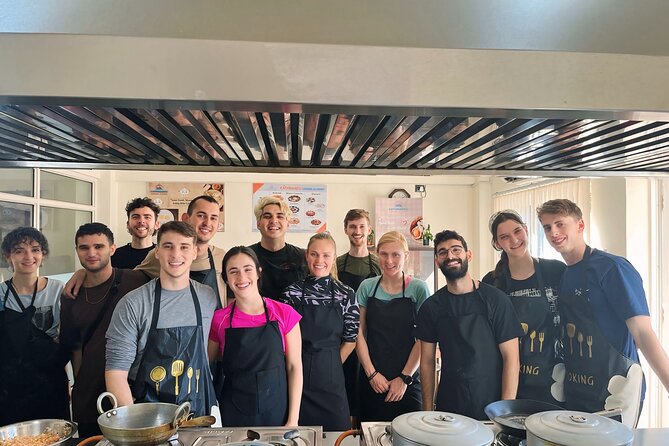
I particularly like the small group setup (up to 10 people), because it keeps the class hands-on and makes it easier to get help while you’re learning the tricky bits. I also love the market stop component, since you’re not just “following recipes,” you’re choosing ingredients with guidance first.
One consideration: this is active cooking. You’ll want to show up early, wear comfy clothes, and be ready to get your hands working for a few intense hours.
In This Review
- Key things I’d plan around
- Kathmandu Nepali Cooking Class at Kathmandu Cooking Academy: What You’re Really Buying
- Getting to Thamel and Kathmandu Cooking Academy Without Stress
- The market stop: why ingredient shopping is part of the lesson
- Momo making in Kathmandu: folding practice you can take home
- Dal bhat: the comfort base that teaches you technique
- Choosing extra dishes: getting more than a two-plate demo
- The pace, the group, and what the 3–4 hours feels like
- English instruction and cooking support that actually matters
- Price and value: why $4 can be a deal in Kathmandu
- Who this momo and dal bhat class is best for
- A few practical tips before you book
- Should you book this Kathmandu Nepali Cooking Class?
- FAQ
- What dishes will I learn in the Kathmandu cooking class?
- How long is the cooking experience?
- Is hotel pickup and drop-off included?
- Where do I meet for the class?
- Is the class taught in English?
- Is this a small group class?
- Can I take photos or videos?
- What should I bring and wear?
- Is the class wheelchair accessible?
- What if there aren’t enough participants?
Key things I’d plan around
- Momo + dal bhat as the core dishes so you leave with skills you’ll actually use again.
- A guided market/ingredient walk before you cook, which helps you understand what matters in Nepali flavor.
- Small group size (max 10) for real instruction, especially when folding momo.
- English instruction and clear pacing from the chef and assistants (I’ve seen names like Niche and Vikram come up).
- Tasting right after cooking, plus complimentary Nepali masala tea.
More time at the stove
- Half day cooking class in Thamel kathmandu★ 5.0 · 607 reviews
- Kathmandu: Local Women-Led Nepali Cooking & Momo Class★ 4.9 · 360 reviews
- Kathmandu: Local Lead Nepali Cooking & Momo-Making Class★ 5.0 · 212 reviews
- Local Women Lead Nepali Cooking Class★ 5.0 · 125 reviews
Kathmandu Nepali Cooking Class at Kathmandu Cooking Academy: What You’re Really Buying
This is a straightforward deal: for a low price, you get a real meal lesson, not a “watch us cook” show. The center of the experience is momo (dumplings) and dal bhat (lentils with rice), and the rest of your time supports those two dishes.
What makes it work for most people is the mix of structure and choice. You get a clear pathway (ingredients → prep → cooking → eating), but you can also pick additional dishes from a menu of traditional Nepali options. That matters because different people learn differently. Some want to focus hard on momo folding. Others want a broader sampler plate.
And because the class is limited to a small group, you’re less likely to spend the whole session waiting for your turn. That’s a big deal in cooking classes, where the best learning happens while you’re actually doing the steps.
Getting to Thamel and Kathmandu Cooking Academy Without Stress
You’ll meet at the Kathmandu Cooking Academy, in the Thamel area. From Thamel, it’s an easy 10–15 minute walk. You’ll find a signboard outside the building, and staff will point you to the registration area.
If you selected pickup, a driver meets you within Kathmandu Valley and transfers you to the academy. This is the simplest option if you’re tired, short on time, or navigating Kathmandu with limited local confidence.
Practical tip: arrive 15 minutes early. With market visits and cooking stations running on a timetable, being late can shrink the amount of hands-on time you get.
The market stop: why ingredient shopping is part of the lesson
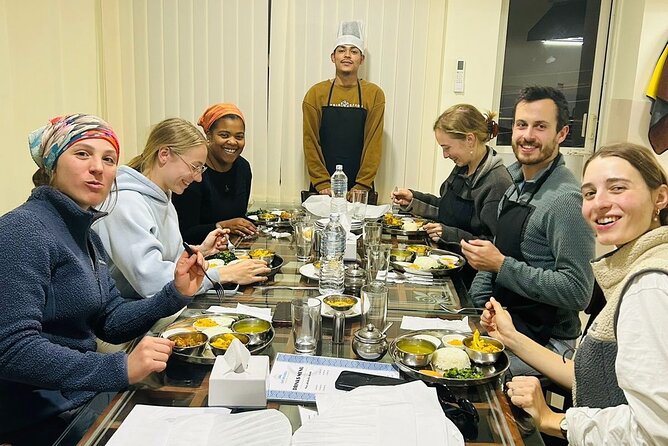
Before you cook, you’ll visit a nearby market or shop to buy fresh ingredients. This is more than a quick photo break. It’s where the chef helps you understand the “why” behind the dish.
You’ll see how ingredients are chosen for the flavors and textures that Nepali food aims for. Then, when you start cooking, the steps feel more logical because you already know what each ingredient is supposed to do.
This is also a smart way to break through the common cooking-class problem: people get recipes, but not instincts. Here, the market walk supports both.
A bonus: since the class stays small, the market portion tends to feel like guided shopping rather than a crowded shuffle.
Momo making in Kathmandu: folding practice you can take home
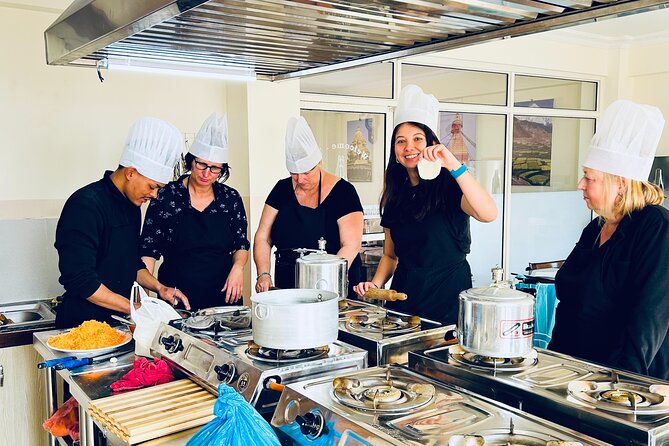
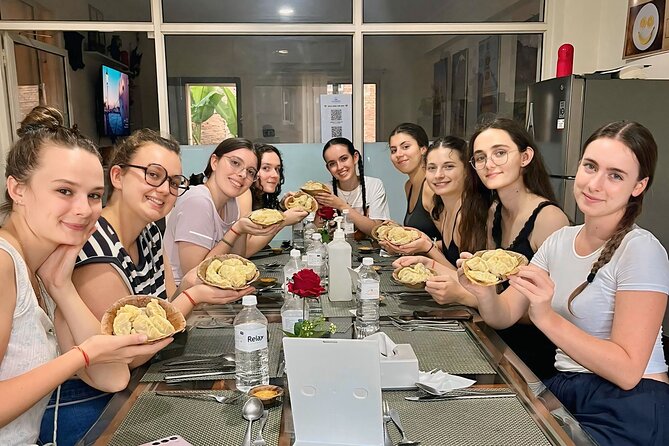
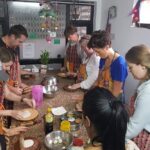
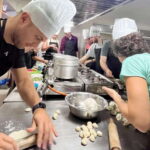
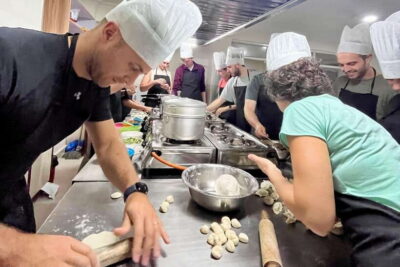
Momo is the headline, and the class is built around it. You’ll learn the process step-by-step, then put it into action. The “hands-on” part isn’t vague here—you’re working with the pastry and learning how to close and shape the dumplings correctly.
One of the most repeated praise points is how patiently instructors help with the folding. In particular, people mention getting real support while learning the technique. That’s important because momo folding has a learning curve. If you’ve ever tried to fold dumplings from a written recipe, you know the pattern is everything.
You’ll likely leave with confidence even if you’re a beginner, because you get coached during the moments that normally go wrong—shaping, sealing, and getting consistent results.
What to watch for: momo is easier when you’re comfortable with repetition. Wear comfortable clothing and be ready to focus. The class moves at a pleasant pace, but it is still an active cooking session.
Make something to carry home
Dal bhat: the comfort base that teaches you technique
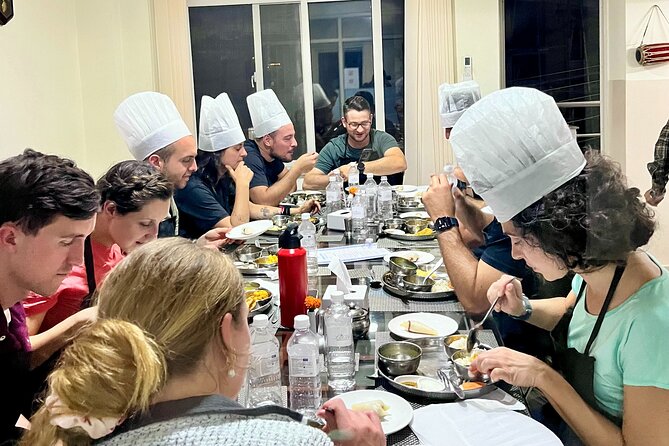
Dal bhat isn’t just a side dish. In this class, it’s one of the main courses, which means you’ll learn how Nepali flavors build through lentils, spices, and rice served as a complete meal.
The value here is practical: dal bhat is flexible. Learn the core method, and you can adapt it later with what you can find at home—different lentils, spice blends, and vegetables.
Also, having dal bhat alongside momo balances the experience. While momo is all about technique and shape, dal bhat is about flavor and timing. Cooking both in one session teaches you two different skill sets in the same afternoon.
Choosing extra dishes: getting more than a two-plate demo
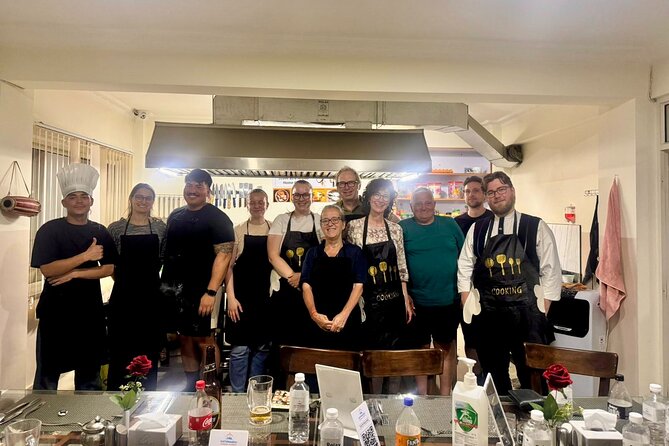
Even though momo and dal bhat are the core, you usually get flexibility to select from additional Nepali dishes. Some examples that come up include bara and yomari, with different participants choosing different combos.
Why this matters: you’re not locked into a single set menu. If you already love dumplings, you can lean into momo variations or pair them with complementary dishes. If you want something more dessert-forward, you can pick a sweet option.
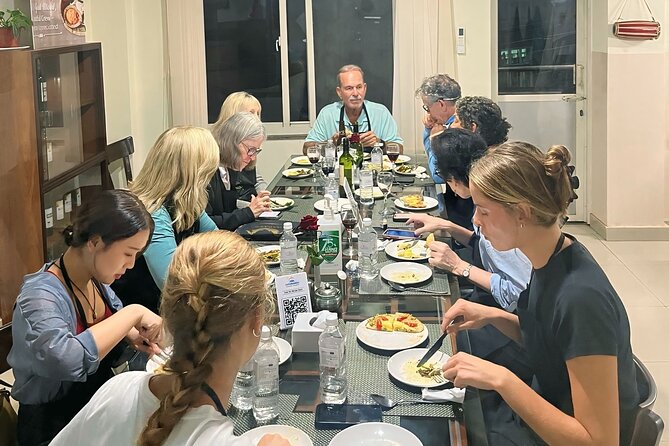
The class structure typically supports two main courses plus dessert, and you’ll also get complimentary masala tea during the tasting session. If you’re planning to eat dinner afterward, know that the food portion is meant to satisfy, since you’ll taste what you prepare.
Before you go, tell the academy about any dietary restrictions or preferences. They ask for that in advance so the cooking can be tailored.
The pace, the group, and what the 3–4 hours feels like
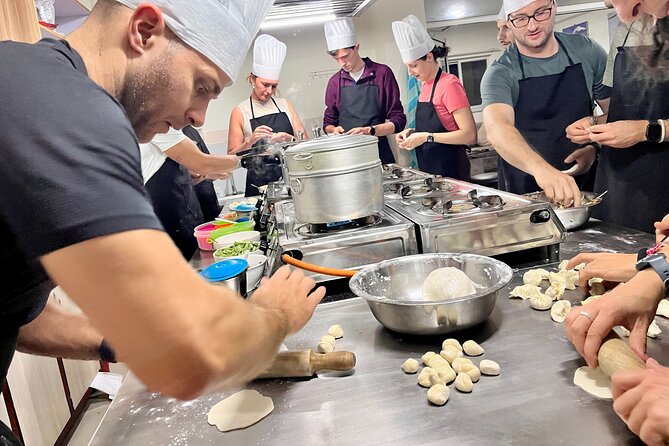
The activity runs about 3–4 hours, and the whole experience (market, cooking, tasting) is often described as roughly three hours depending on the timing of your group and choices. Either way, it’s long enough to learn real steps, short enough that you’re not stuck all day.
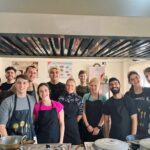
Small group size is key. With up to 10 participants, you’re more likely to get direct help when you hit a snag—like uneven momo sealing or confusion about which step comes next.
Also expect a calm but efficient rhythm. The teaching approach is described as clear and patient, with assistants working alongside the lead chef. Names like Vikram and Niche come up in feedback, both tied to enthusiastic, encouraging instruction.
What to bring besides appetite: a camera. Photos are allowed, and professional photo/video packages are available separately for an additional fee.
English instruction and cooking support that actually matters
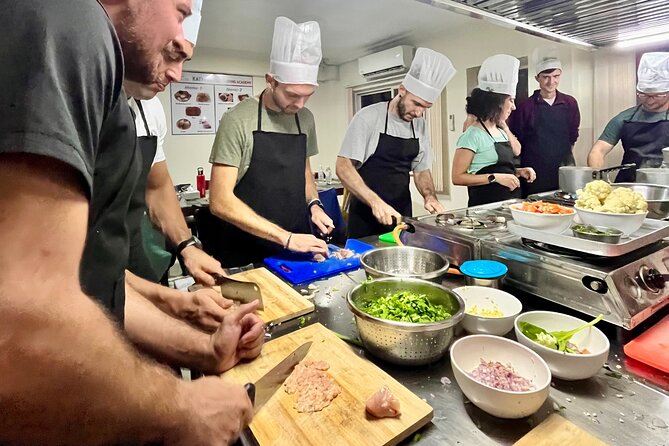
This class is taught in English, and the level of instruction seems built for real learning, not just explanation. People specifically note clear guidance and a relaxed teaching style, including patience while you practice the most hands-on steps.
That combination—English plus real coaching—is why this works even if your cooking experience is limited. You’re not guessing. You’re doing, with feedback.
If you’re worried about language barriers in Nepal, this is a strong point in the class’s favor. If you’re comfortable communicating, you’ll likely get more out of the small cultural moments too, since instructors often explain more than just the steps.
Price and value: why $4 can be a deal in Kathmandu
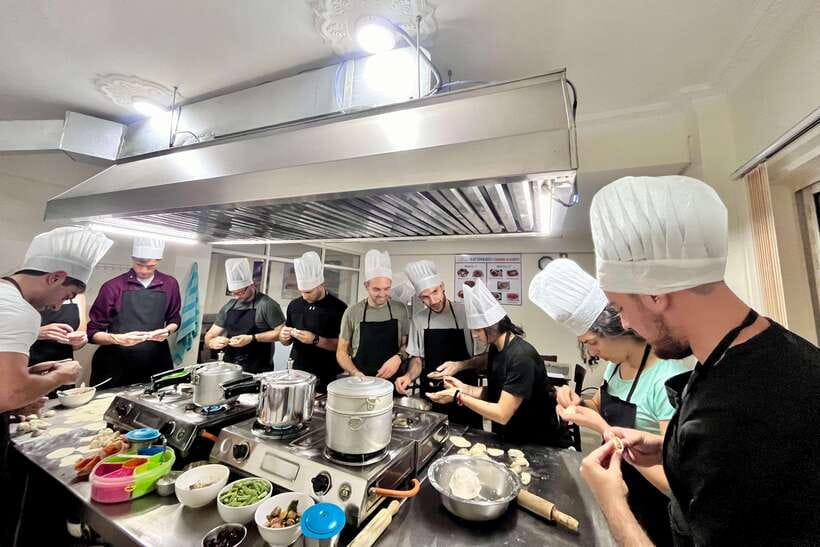
The price is listed as $4.00 per person, which is shockingly low compared to many cooking classes you’ll find elsewhere. The value isn’t just the cost—it’s what’s included.
You get:
- a hands-on cooking class
- a market/shop tour for ingredients
- cooking equipment and accessories
- a tasting session of what you make
- complimentary Nepali masala tea
- and hotel pickup/drop-off as an optional add-on (not required)
For your money, you’re paying for instruction and the ingredients workflow, plus the overhead of a functioning kitchen setup. The small group limit also helps justify the price: the experience is designed to fit real attention, not mass throughput.
One reality check: the class may require a minimum number of participants (2). If that minimum isn’t met, you’ll be offered an alternative date or a full refund.
Who this momo and dal bhat class is best for
This is a great fit if you:
- want a practical Nepali cooking skill, not just a meal
- like learning from step-by-step coaching
- want a Kathmandu food experience that includes both market and cooking
- enjoy eating what you make right away
It’s also a good choice for people staying near Thamel, since the academy is an easy walk and optional pickup removes friction.
If you want a kid-free, highly hands-on environment, keep in mind the class isn’t suitable for children under 5 and there’s an upper age limit listed as over 95.
A few practical tips before you book
- Go with an appetite. You’ll cook and then eat, plus tea.
- Wear comfortable clothes you don’t mind getting a little cooking-adjacent.
- Expect to arrive early and participate actively—this is not a sit-and-watch experience.
- If you have dietary restrictions, message ahead so adjustments can be planned.
And if momo folding is your personal goal, plan to take it slow with the technique. The best results come from patience, not speed.
Should you book this Kathmandu Nepali Cooking Class?
I’d book it if you want a low-stress, high-payoff way to learn how Nepali food is built—starting at the market, moving into real kitchen work, and ending with a meal you cooked yourself. The strong feedback around instructors (including names like Niche and Vikram), plus the emphasis on momo folding and dal bhat basics, suggests you’ll leave with more than photos.
Skip it only if you hate hands-on cooking or you’re looking for a purely sightseeing-focused tour. This class is about doing, not wandering.
If you’re in Kathmandu for a short stay and you want one food activity that teaches you skills you can repeat at home, this one is an easy yes.
FAQ
What dishes will I learn in the Kathmandu cooking class?
The class focuses on momo and dal bhat as the main courses. You’ll also have the option to choose additional Nepali dishes from a variety of traditional menu options.
How long is the cooking experience?
The duration is listed as 3–4 hours, and the overall experience (market/shop tour, cooking, and tasting) is described as lasting about three hours.
Is hotel pickup and drop-off included?
Hotel pickup and drop-off are optional. You can select pickup during booking, and a driver will meet you within Kathmandu Valley.
Where do I meet for the class?
The meeting point is at Kathmandu Cooking Academy in the Thamel area. It’s described as a 10–15 minute walk from Thamel, and you should look for a signboard outside the building.
Is the class taught in English?
Yes. The instructor language is listed as English.
Is this a small group class?
Yes. It’s a small group with a limit of 10 participants.
Can I take photos or videos?
You should bring a camera. Professional photos and videos are available for an additional fee, but the tour provides instruction and equipment for the class itself.
What should I bring and wear?
Bring a camera. Wear comfortable clothing since you’ll be actively participating in the cooking process.
Is the class wheelchair accessible?
Wheelchair accessibility is listed as yes.
What if there aren’t enough participants?
A minimum of 2 participants may be required. If the minimum isn’t met, you’ll be offered an alternative date or a full refund.
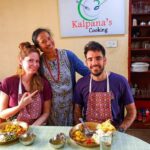
Make a Little Nepal to Take Home
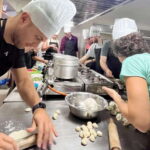
Learn Another Nepali Dish
More Tour Reviews in Kathmandu

Just Reviewed in Kathmandu
- Mountain Bike Tour
★ 5.0 · 3 reviews - Annapurna Panaroma
★ 5.0 · 3 reviews - Mount Everest Scenic Flight 50 Minutes
★ 5.0 · 3 reviews - Kathmandu : Swambhunath & Durbar Square Guided Half Day Tour
★ 3.3 · 3 reviews - Chandragiri Cable Car & Monkey Temple Tour – Private/Group
★ 5.0 · 3 reviews - Kathmandu: Shivapuri National Park Hiking Day Trip
★ 3.3 · 3 reviews
Nepali Cooking & Momo Classes, compared.
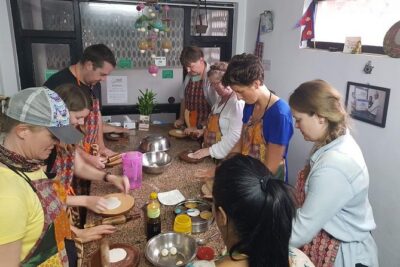 ★ 5.0Half day cooking class in Thamel kathmanduFrom $28607 reviews
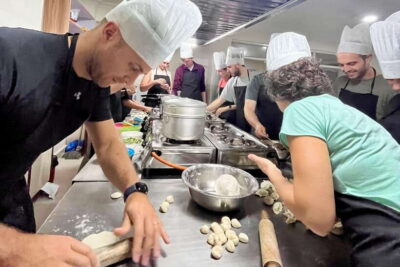 ★ 4.9Local Women-Led Nepali Cooking & Momo ClassFrom $4360 reviews
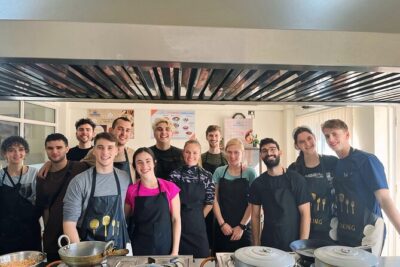 ★ 5.0Local Lead Nepali Cooking & Momo-Making ClassFrom $5212 reviews
Local Women Lead Nepali Cooking ClassFrom $30125 reviews
★ 5.0Local Lead Nepali Cooking & Momo-Making ClassFrom $5212 reviews
Local Women Lead Nepali Cooking ClassFrom $30125 reviews
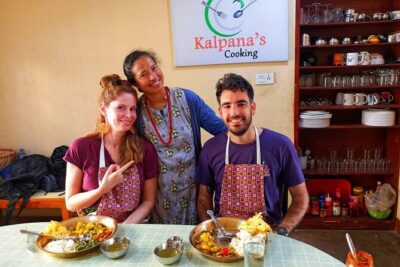 ★ 5.0The best Private Nepali Cooking Class in KathmanduFrom $2483 reviews
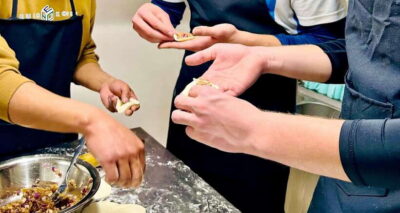 ★ 4.8Traditional Momo Making Class & PickupFrom $460 reviews
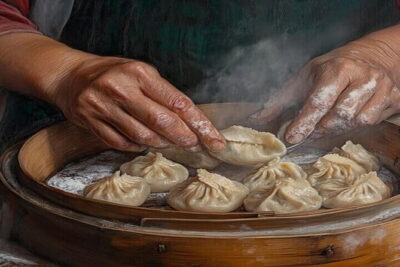 ★ 5.0Traditional Nepali Momo Making ClassesFrom $1853 reviews
 ★ 4.9Local Women-Lead Nepali Cooking & Momo ClassFrom $545 reviews
Browse the lists this tour appears in