
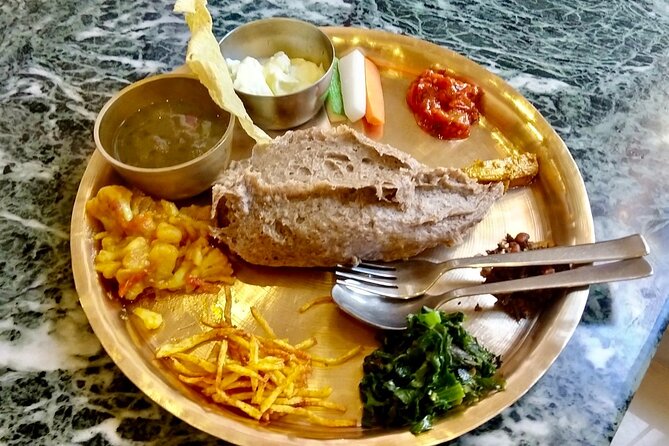
Review · NEPALI COOKING & MOMO CLASSES
Kathmandu: Local Women Lead Nepali Cooking & Momo-Making Class
Want to learn Nepal by cooking? This half-day class in Kathmandu’s Thamel turns a simple market visit into real food skills, ending with a tasting of what you make. It’s structured, practical, and small—so you’re not stuck watching while someone else does the work.
I like two things most: you start at a local market/shop tour to pick key ingredients, and you cook with step-by-step help from an experienced chef and instructor. One thing to consider: you’ll be standing and working with spices and dough for about 3 hours, so it’s best if you’re comfortable with hands-on activity (and the smell of cumin clinging to your clothes).
In This Review
- Key Points at a Glance
- Why This Kathmandu Momo and Cooking Class Feels More Real
- Entering The Thamel Cooking Academy: Pickup, Timing, and Group Size
- Market Shopping in Kathmandu: How Ingredients Teach You the Menu
- Hands-On Cooking: From Momo Dough to Dal Bhat Comfort
- Momo-making: the dough-and-fill rhythm
- Dal bhat and classic simmer cooking
- Masala tea during the process
- Dessert or additional dishes, depending on your menu
- What You Eat at the End: Tasting Session and Real Takeaways
- Price and Value: Why $35 Can Be a Good Deal in Kathmandu
- Practical Tips Before You Go (So You Enjoy the Full 3 Hours)
- Should You Book This Kathmandu Cooking Class?
- FAQ
- Where is the meeting point for the Kathmandu cooking class?
- How long does the cooking class last?
- Is hotel pickup included?
- What happens at the start of the class?
- Can I choose what dishes to cook?
- What is included in the cooking experience?
- Are any drinks included besides tea?
- What is the cancellation policy?
Key Points at a Glance
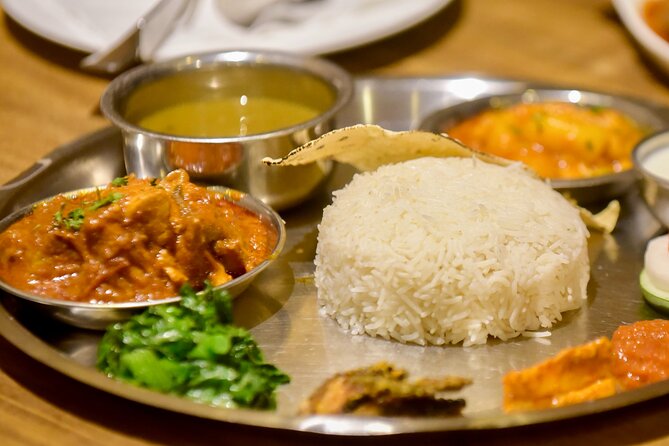
- Market first, then cooking: You buy important ingredients during the lesson, not after.
- Small group (max 8): Easier to ask questions and get hands-on attention.
- You choose your menu: You can select what to cook before you start cooking.
- Momos and comfort food: Expect classic Nepali dishes like momos and dal bhat.
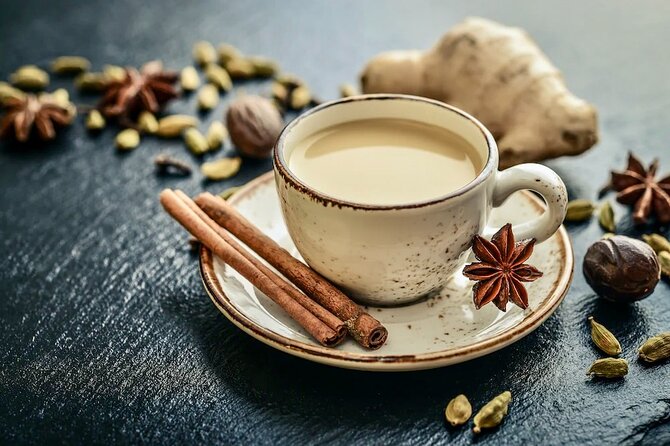
- Masala tea is part of the class: You’ll learn with a warm, local drink in the middle of it.
- You eat what you cook: There’s a tasting session at the end, so you leave satisfied.
More time at the stove
- Half day cooking class in Thamel kathmandu★ 5.0 · 607 reviews
- Kathmandu: Local Women-Led Nepali Cooking & Momo Class★ 4.9 · 360 reviews
- Kathmandu: Local Lead Nepali Cooking & Momo-Making Class★ 5.0 · 212 reviews
- Local Women Lead Nepali Cooking Class★ 5.0 · 125 reviews
Why This Kathmandu Momo and Cooking Class Feels More Real
Kathmandu food isn’t just about recipes. It’s about how people shop, how they talk with their hands, and how spices become everyday comfort. This class puts you close to that process by starting where meals begin: with the ingredients themselves.
I also like that it’s not a long, tiring day. The whole experience runs about 3 hours, so it fits cleanly into a sightseeing schedule in Thamel. And because the group is capped at 8 travelers, you’re more likely to get personal coaching when your dough or filling needs a nudge.
Entering The Thamel Cooking Academy: Pickup, Timing, and Group Size
The experience starts at Kathmandu Cooking Academy in Thamel (Yapikhya Marg, Kathmandu 44600, Nepal). If you choose the option, hotel pickup and drop-off is included; if not, you can still keep it simple because it’s near public transportation.
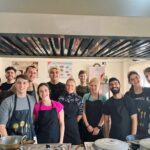
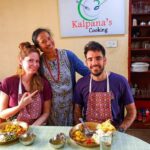
You’ll be with a small group (up to 8). In practical terms, that matters: you’re more able to ask, repeat, and correct. Cooking classes where everyone lines up quietly can turn into a lecture. Here, the format is built around you doing the steps—kneading, mixing, portioning, and cooking.
Plan on the class ending back at the meeting point. That’s useful because Thamel is easy to navigate once you’re oriented, and you won’t need to scramble for your next plan.
Market Shopping in Kathmandu: How Ingredients Teach You the Menu
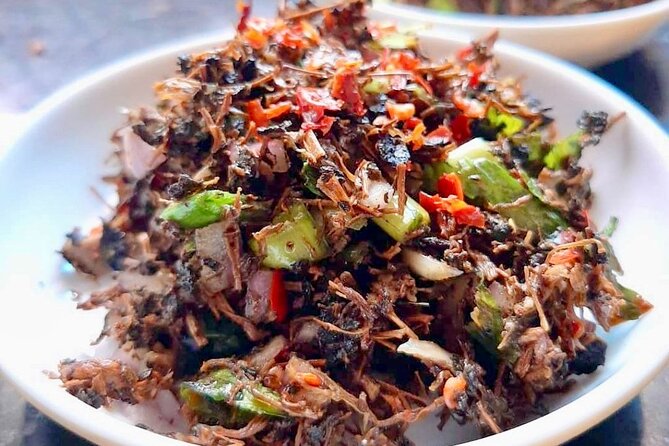
The first real “lesson” happens before the stove. You go on a market/shop tour to buy important ingredients for your cooking session. This is one of the most valuable parts, because it connects names on a menu to what you actually handle in your own kitchen.
You’ll see and get introduced to the ingredients that make Nepali food taste like Nepali food. Spices and staples aren’t treated like background props—they’re part of the story. And since you’re purchasing ingredients as part of the experience, it feels less like a tour and more like training.
A practical note: markets can be crowded and a bit busy in Thamel. If you don’t like moving through shops or handling lots of small goods, you might find this portion a little uncomfortable. But for most people, it’s also the most memorable part—because you’ll recognize these items later when you try to cook at home.
Hands-On Cooking: From Momo Dough to Dal Bhat Comfort
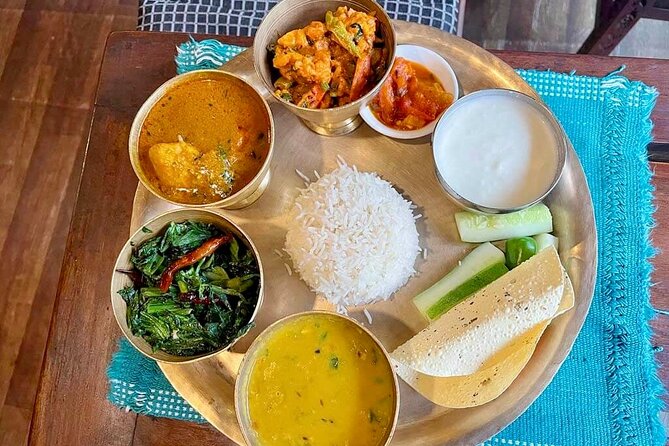
Once the shopping is done, you shift into the kitchen work. The structure here is hands-on and step-by-step, led by an experienced chef and instructor. That matters because Nepali cooking has a few moments where technique changes the result—especially with dough, fillings, and simmer time.
Make something to carry home
Momo-making: the dough-and-fill rhythm
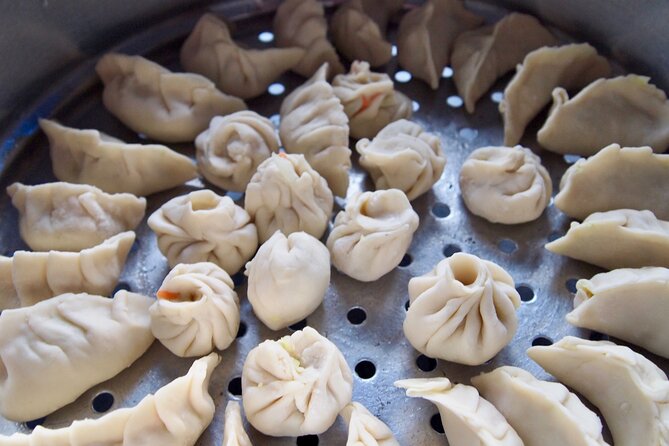
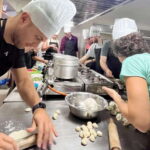
Momos are a highlight in the class. You’ll learn dough basics and then work through shaping/handling for momos. This is the kind of skill that’s hard to get from a cookbook. Seeing the consistency, learning how to work it, and getting coached while you do it is the difference between just assembling dumplings and actually making good ones.
Dal bhat and classic simmer cooking
You may also work on a pot of dal bhat—that comforting mix of lentils and rice that shows up again and again in Nepali meals. The idea isn’t just to follow steps. You’ll learn how the simmer and seasoning come together during the lesson.
Masala tea during the process
The class includes Nepali masala tea during the lesson. It’s simple, but it’s a nice rhythm break: you get a local flavor in the middle of cooking, and it helps you slow down enough to absorb what the instructor is showing you.
Dessert or additional dishes, depending on your menu
The cooking menu can include classic items like carrot pudding in addition to savory dishes. You’ll be able to select what you cook, so the final list can vary. That selection is one of the reasons the class tends to land well: people like cooking what they’re actually interested in eating.
What You Eat at the End: Tasting Session and Real Takeaways
At the end, you gather to taste the food you prepared. That’s more than a reward. It’s where you learn what worked and what you’d adjust next time—like dough thickness for momos or seasoning balance for dal.
Also, tasting your own food is a big motivation boost. Cooking feels slow when you’re doing it. But once you eat, you understand why each step mattered.
A key practical point: the class includes the tasting session, but it’s still only a half-day experience. If you’re the type who needs a big dinner later, you’ll likely want an additional meal plan after class. Thamel makes that easy.
Price and Value: Why $35 Can Be a Good Deal in Kathmandu
At $35 per person for a half-day class, the value depends on what you’re getting beyond “watch someone cook.” In this case, you’re paying for several things that add up:
- A market/shop tour where you purchase important ingredients
- Hands-on cooking instruction with experienced chef guidance
- Use of cooking equipment and accessories
- A tasting session of what you make
- Hotel pickup and drop-off if you select that option
Cooking classes that skip the market component can cost similar money, but the ingredient piece is what makes this one feel like skill-building. You’re not only learning how to cook—you’re learning how to shop for the right ingredients in a place where the cuisine actually lives.
Booking-wise, it’s common to book about 17 days in advance on average. With small group size (max 8), I’d treat that as a hint to lock in your spot early if you’re traveling during peak season.
Practical Tips Before You Go (So You Enjoy the Full 3 Hours)
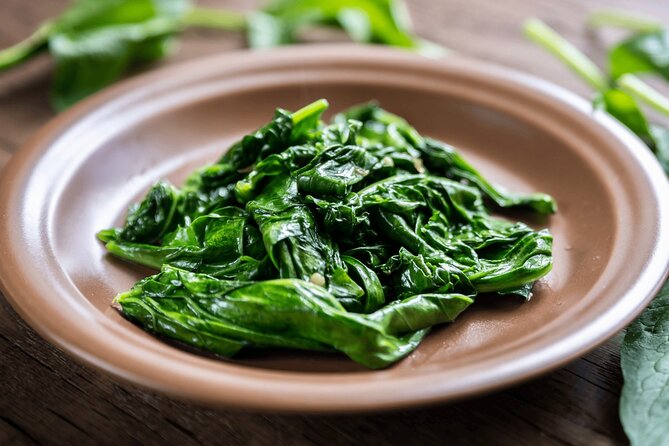
Here’s how I’d set you up for a smooth class day based on how these sessions typically work and what’s included here:
- Bring a positive, hands-on mindset. You’ll be kneading and cooking, so plan for getting a little food on you.
- Wear clothes you don’t mind smelling like spices for a day. It’s part of the experience.
- If you can choose your menu, pick items you genuinely want to eat. You’ll get more enjoyment from the cooking process that way.
- Ask questions during the market stop. That’s when ingredient names make the most sense.
- Use the mobile ticket you receive after confirmation. It’s designed to be straightforward, and the start point is specific.
Also, note what’s not included: specialty drinks or alcoholic drinks aren’t part of the package, and tips are not included. If you want a drink during the lesson beyond the masala tea that’s included, you may need to handle that separately.
Should You Book This Kathmandu Cooking Class?
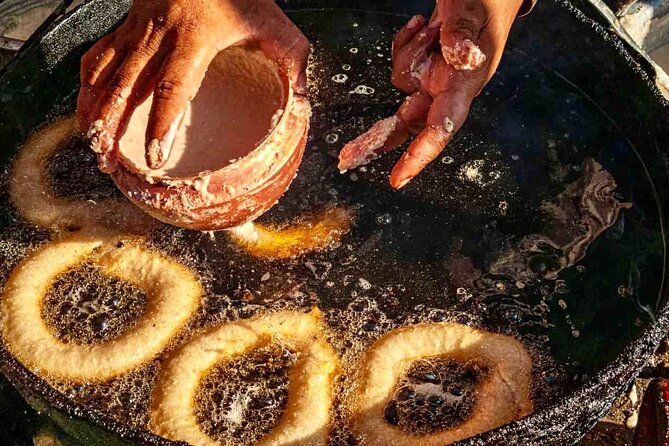
I think you should book this if you want Kathmandu food skills you can repeat at home. The market stop plus hands-on cooking plus tasting gives you a complete loop: buy, cook, eat, learn.
You might skip it if you hate markets, dislike cooking with your hands, or you’re looking for a purely scenic, no-work activity. This is a working class. It’s worth it when you’re ready to do the work.
If you’re staying in or near Thamel, it also fits well because the meeting point is there, and the class returns you to the same place at the end. For a short schedule, it’s one of the most efficient ways to learn Nepali cooking without turning the day into a marathon.
FAQ
Where is the meeting point for the Kathmandu cooking class?
The class meets at Kathmandu Cooking Academy | Nepali Cooking Class in Thamel, located on Yapikhya Marg, Kathmandu 44600, Nepal.
How long does the cooking class last?
The experience lasts about 3 hours.
Is hotel pickup included?
Hotel pickup and drop-off are included if you select the pickup option.
What happens at the start of the class?
You begin with a market/shop tour to buy important ingredients, and then you move into the hands-on cooking portion.
Can I choose what dishes to cook?
Yes. You can select your menu before cooking, and the class then teaches you how to prepare those dishes.
What is included in the cooking experience?
Included: step-by-step cooking instruction with an experienced chef/instructor, market/shop tour for ingredients, hands-on cooking, Nepali masala tea during the lesson, use of cooking equipment and accessories, and a tasting session of what you prepare.
Are any drinks included besides tea?
The class includes Nepali masala tea. Specialty or alcoholic drinks are not included.
What is the cancellation policy?
You can cancel for free up to 24 hours in advance for a full refund. If you cancel less than 24 hours before the start time, the amount paid is not refunded.
Make a Little Nepal to Take Home
Learn Another Nepali Dish
More Tour Reviews in Kathmandu

Just Reviewed in Kathmandu
- Mountain Bike Tour
★ 5.0 · 3 reviews - Annapurna Panaroma
★ 5.0 · 3 reviews - Mount Everest Scenic Flight 50 Minutes
★ 5.0 · 3 reviews - Kathmandu : Swambhunath & Durbar Square Guided Half Day Tour
★ 3.3 · 3 reviews - Chandragiri Cable Car & Monkey Temple Tour – Private/Group
★ 5.0 · 3 reviews - Kathmandu: Shivapuri National Park Hiking Day Trip
★ 3.3 · 3 reviews
Nepali Cooking & Momo Classes, compared.
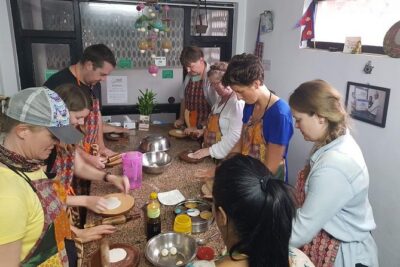 ★ 5.0Half day cooking class in Thamel kathmanduFrom $28607 reviews
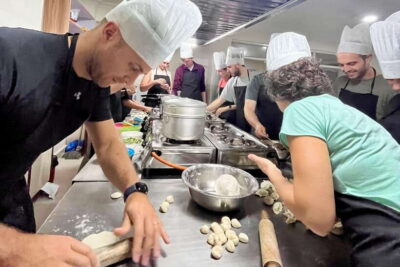 ★ 4.9Local Women-Led Nepali Cooking & Momo ClassFrom $4360 reviews
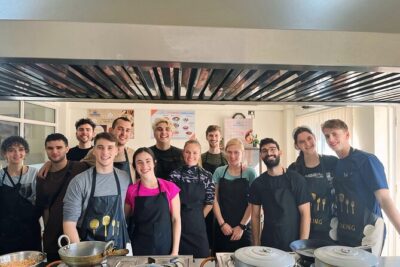 ★ 5.0Local Lead Nepali Cooking & Momo-Making ClassFrom $5212 reviews
Local Women Lead Nepali Cooking ClassFrom $30125 reviews
★ 5.0Local Lead Nepali Cooking & Momo-Making ClassFrom $5212 reviews
Local Women Lead Nepali Cooking ClassFrom $30125 reviews
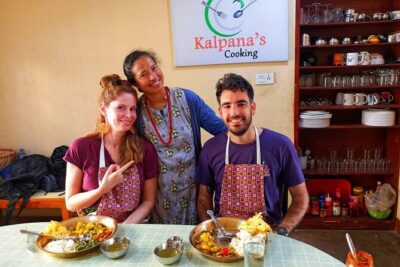 ★ 5.0The best Private Nepali Cooking Class in KathmanduFrom $2483 reviews
 ★ 4.8Traditional Momo Making Class & PickupFrom $460 reviews
 ★ 5.0Traditional Nepali Momo Making ClassesFrom $1853 reviews
 ★ 4.9Local Women-Lead Nepali Cooking & Momo ClassFrom $545 reviews
Browse the lists this tour appears in