
Review · NEPALI COOKING & MOMO CLASSES
Kathmandu: Momo Making Class with a Local Chef
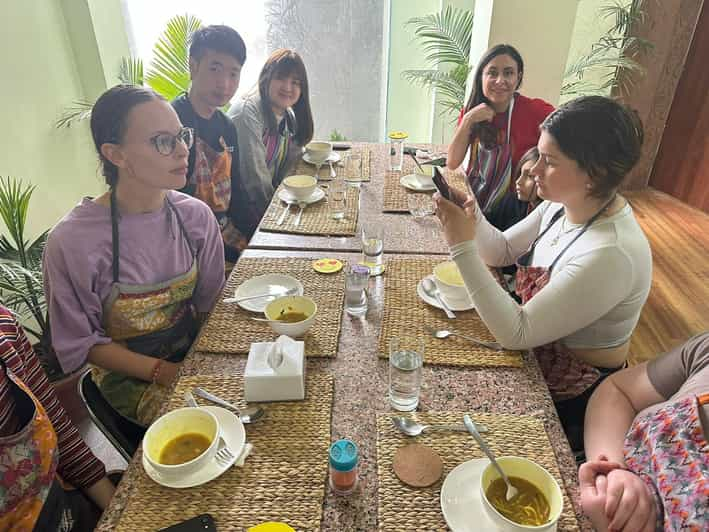
Steam, fold, and taste in Kathmandu. In Thamel, you’ll spend an hour with a local chef making momo dumplings step by step, from dough to cooked bite. It’s a hands-on food class that feels practical, not like a demo—your hands are part of the process.
I especially love how the chef keeps things clear while you work (you’re not left guessing), and I like that the class ends with a meal featuring the momos you shaped yourself. One thing to consider: you’ll handle ingredients and get a bit messy, and the filling may include ground meat if not vegetarian, so it’s smart to confirm your dietary preference before you go.
In This Review
- Key highlights worth knowing
- Why this one-hour momo class feels like the right size
- Finding Nepal Cooking School in Thamel (Paknjaol Marg)
- Step one: dough prep with flour and water
- Step two: making a filling with vegetables, spices, and optional meat
- Step three: shaping momos (where your hands learn the technique)
- Step four: cooking and the first real payoff
- What to expect in the pacing (so you don’t feel rushed)
- Who this momo class is best for (and who should skip it)
- Value in Kathmandu: ingredients, instructor time, and a meal built into the class
- Should you book this Kathmandu momo making class?
- FAQ
- How long is the Kathmandu momo making class?
- Where is the meeting point in Thamel?
- Is the class small or crowded?
- What will I do during the class?
- What kind of ingredients are used?
- What language is the instructor?
- Will I get to eat the momos I make?
Key highlights worth knowing
- Small-group class (up to 8): more attention while you fold and shape.
- True hands-on workflow: dough, filling, shaping, and cooking are all on your timeline.
- Authentic momo-style ingredients: flour, water, vegetables, spices, and optional meat for non-vegetarian fillings.
- An English-speaking instructor: you can ask questions while you’re doing the work.
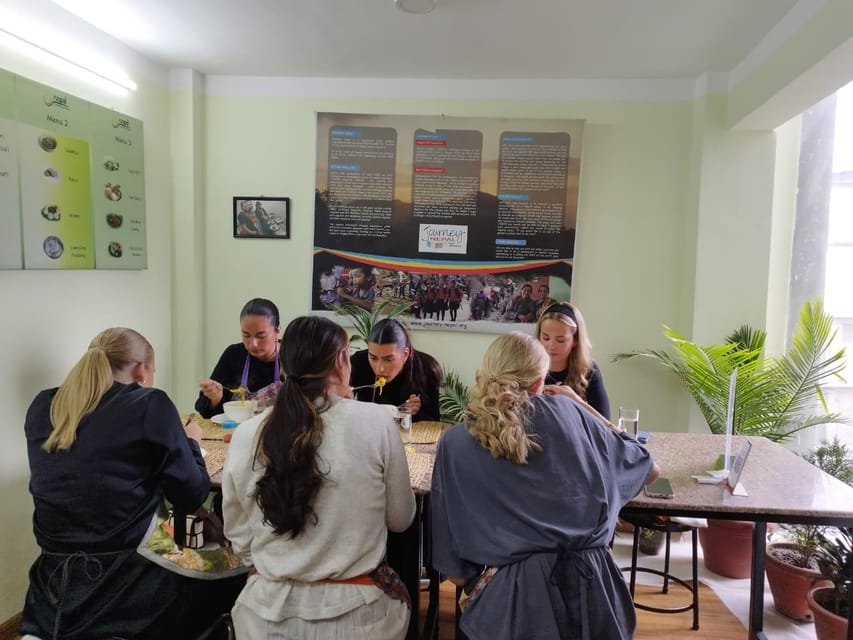
- Food tasting right after cooking: you eat what you make, often with dipping sauces or sides.
Make something to carry home
- Half day cooking class in Thamel kathmandu★ 5.0 · 607 reviews
- Kathmandu: Local Women-Led Nepali Cooking & Momo Class★ 4.9 · 360 reviews
- Kathmandu: Local Lead Nepali Cooking & Momo-Making Class★ 5.0 · 212 reviews
- Knife (Khukuri) Making Workshop- Forge of the Gurkhas★ 5.0 · 143 reviews
Why this one-hour momo class feels like the right size
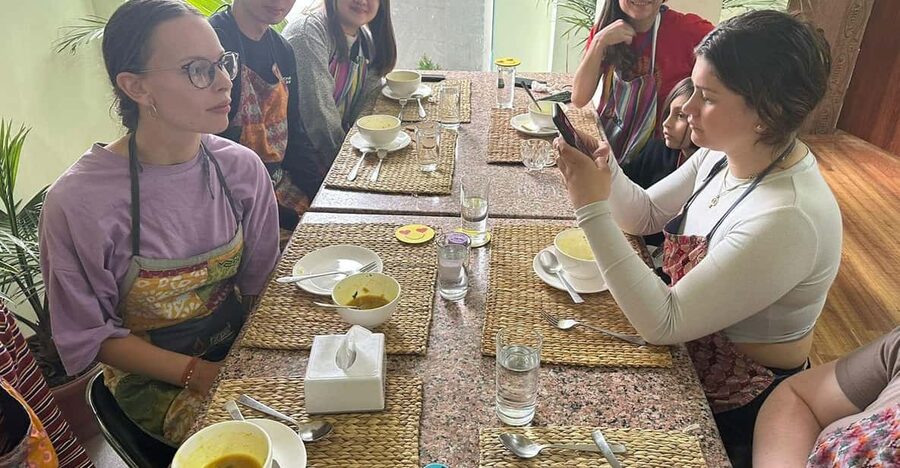
Kathmandu cooking classes can run long. This one is different: just 1 hour means you learn the core technique without losing the thread. You’ll follow a simple progression—make the dough, prepare the filling, fold the dumplings, then cook them. The best part is that each stage teaches a skill you can actually repeat later.
You’ll also get a taste of how momo fits into Himalayan food culture—momos are native to Tibet and widely made across Nepal and the surrounding Himalayan regions. That context matters, because you’re not just copying shapes. You’re learning what goes into the dough, how the filling is built, and how the final cook changes the texture.
The course is also designed for real beginners. Even if you’ve never folded dumplings before, you’re guided through the steps while you do them.
Finding Nepal Cooking School in Thamel (Paknjaol Marg)
The class takes place in Thamel, a convenient base for visitors, but it’s still worth planning your route a bit. The meeting point is:
Paknjaol Marg, opposite the Ganesh Temple, in the building of the delicious pizza, on the third floor.
If you’re walking from your hotel, give yourself a little extra time to locate the right entrance and floor. Once you’re inside, the setup is focused on cooking rather than sightseeing. You’ll be working at the pace of the instructor and the small group, not waiting around for long breaks.
You don’t need to worry about language barriers either—the instructor works in English. That makes a big difference for a technique class, because you can ask what to do next rather than trying to guess.
Step one: dough prep with flour and water
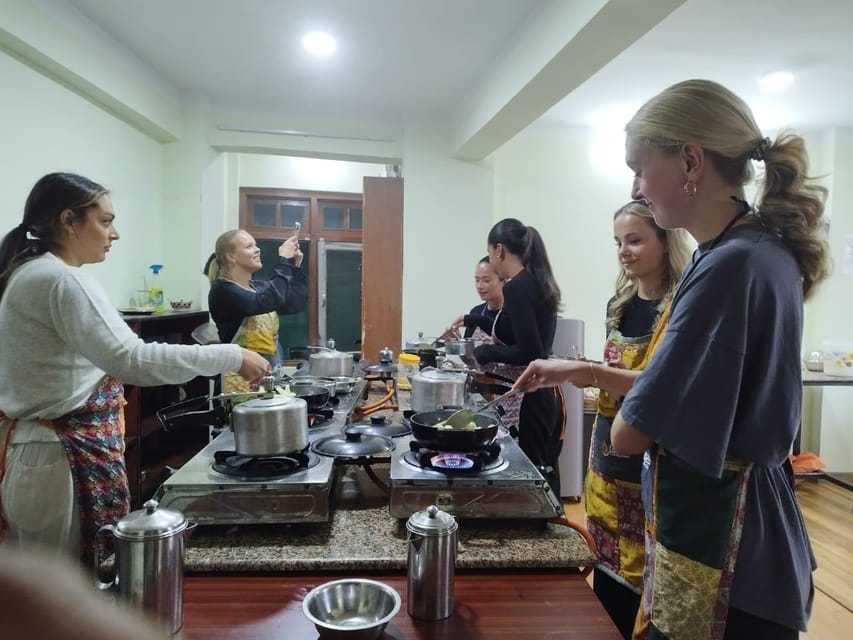
Most momo problems start before you fold anything. The dough is where you build the foundation. In this class, you’ll mix the dough using ingredients commonly used for momos, including flour and water, and then work it into something workable.
What to pay attention to while you work:
- How the dough looks as it comes together
- How it feels when you handle it (too dry or too sticky)
- The way the instructor guides the process so you can follow along
You’re not just watching someone else do it. The point of a hands-on class is that you’ll feel the dough change under your hands. That gives you a sense for what “right” feels like—information you can’t get from a recipe text alone.
Step two: making a filling with vegetables, spices, and optional meat
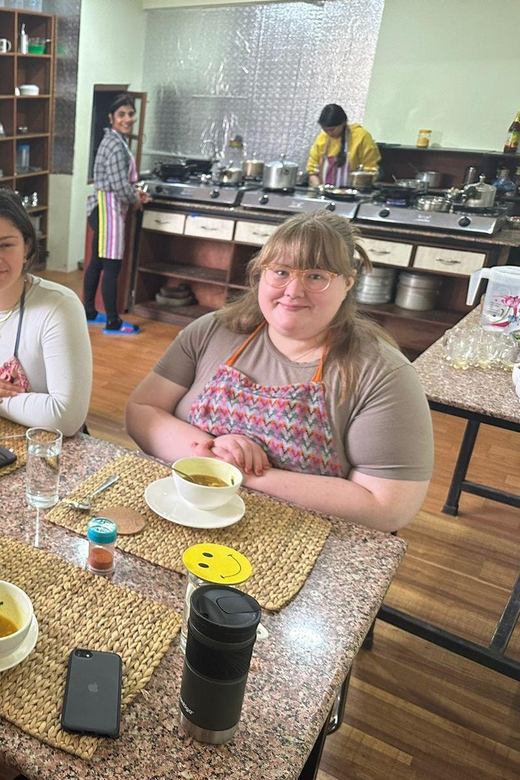
Next comes the filling. Expect a mix of ingredients commonly used in momo preparation: vegetables, spices, and seasonings. The class may also use ground meat if you’re not cooking vegetarian-style, so this is a key moment to align with your preferences.
Even when you don’t eat meat, pay attention to the structure of the filling:
- How the vegetables are used as part of the mixture
- How spices and seasonings are incorporated
- How the instructor balances the filling so it’s not just flavorful, but workable for stuffing
This is where the class earns its keep. Momo fillings are often the difference between dumplings that taste flat and dumplings that feel complete. You’ll learn the practical method behind the flavor, not just a list of items.




Step three: shaping momos (where your hands learn the technique)
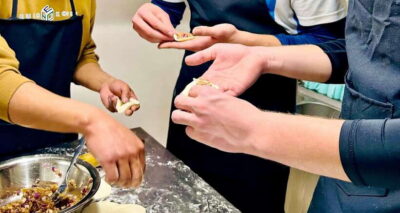
Shaping is the part people remember. It’s also the part where a live instructor helps the most. In your session, you’ll shape the dumplings directly—folding them and working with the dough so they hold together.
For beginners, shaping can feel fiddly at first. That’s normal. What matters is how the instructor corrects your technique in real time. With a small group limited to 8 participants, you’re more likely to get that kind of direct feedback while you’re working.
You’ll likely see a progression:
- Forming dumpling portions
- Adjusting as you fold so the edges connect properly
- Learning how the dumpling should look when it’s ready to cook
If you’ve ever tried dumplings at home and had them come apart in the pan, this is the stage that helps you avoid that exact headache later.
Step four: cooking and the first real payoff
Once the momos are shaped, you’ll cook them as part of the class. Cooking transforms everything you did earlier—dough texture tightens up, and the filling firms and melds.
Then comes the best moment: you taste your creations. In many momo meals, dumplings are served with dipping sauces or sides, and this class follows that familiar style as you enjoy what you made.
I like this structure because it closes the loop. You don’t leave with only technique and no payoff. You get to judge the result while the experience is still fresh.
What to expect in the pacing (so you don’t feel rushed)
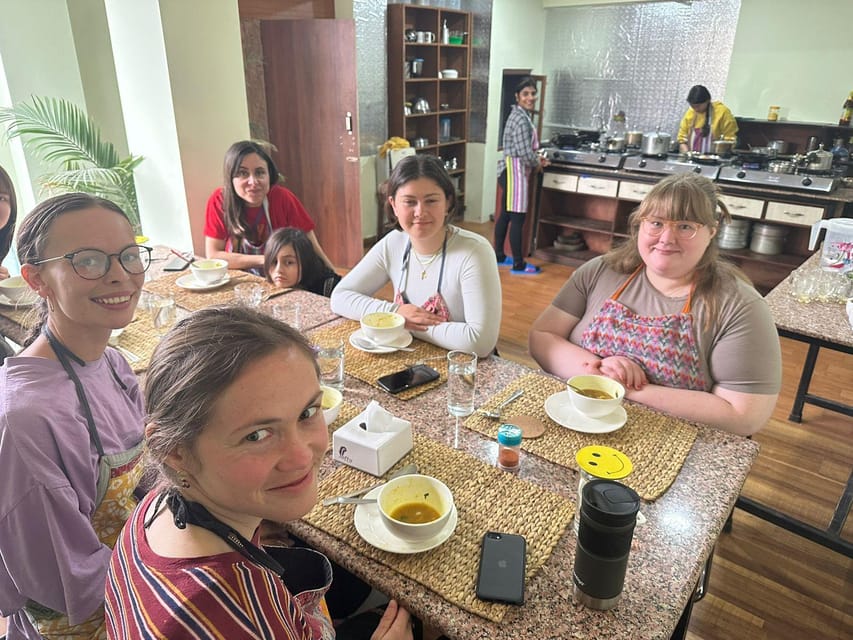
The overall experience runs about 1 hour, and it’s a compact flow. That means you’ll be active for most of the class.
A simple way to think of it:
- You meet the chef/instructor at the start
- You move through dough and filling steps
- You shape dumplings
- You cook and then taste
Because it’s small-group and hands-on, the pacing feels efficient. You don’t sit and wait for long chunks of time. If you’re hoping for a slow, leisurely meal experience, this is more skill-and-taste than extended dining.
Who this momo class is best for (and who should skip it)
This is a great fit if you:
- Want a practical Kathmandu food activity that doesn’t require cooking experience
- Like learning through doing, not watching
- Enjoy dumplings and want to understand how the dough and filling work together
- Appreciate small-group instruction (limited to 8)
It may be less ideal if:
- You’re very sensitive about getting food on your clothes, since the class involves active dough handling and shaping.
- You have strict dietary needs and want to be sure about what goes into the filling. Since non-vegetarian options may include ground meat, confirm your preference before you arrive.
Value in Kathmandu: ingredients, instructor time, and a meal built into the class
Even without a price listed here, you can still judge value. For a one-hour class that includes an instructor, ingredient prep, and the chance to eat what you make, the cost tends to pencil out well versus doing it on your own.
Here’s why:
- You get real coaching time while you work.
- Ingredients for momo preparation are included.
- Your “meal” isn’t separate from the class—it’s the tasting at the end.
The class is provided by Epic Adventures Private Limited (EAPL), and it’s set up for an English-speaking audience. That combination is useful when you want authentic food technique without translation headaches.
Should you book this Kathmandu momo making class?
Yes—if you want a focused, hands-on food experience in Kathmandu that teaches the steps you’d actually use again at home. The main reason to book is simple: you’ll do the dough, filling, and shaping yourself, then you’ll taste the results. That’s a rare balance of skill-building and payoff.
If you’re unsure, ask yourself one question: do you enjoy learning by working with your hands? If the answer is yes, this is an excellent way to spend an hour in Thamel.
FAQ
How long is the Kathmandu momo making class?
It lasts 1 hour.
Where is the meeting point in Thamel?
The meeting point is Paknjaol Marg, opposite the Ganesh Temple, inside the building of the delicious pizza, on the third floor.
Is the class small or crowded?
It’s a small group limited to 8 participants.
What will I do during the class?
You’ll prepare the dough, make the filling, shape the dumplings, and cook them.
What kind of ingredients are used?
You’ll work with ingredients commonly used in momo preparation, including flour and water for the dough, vegetables, spices and seasonings, and ground meat if the class is not vegetarian.
What language is the instructor?
The instructor provides instruction in English.
Will I get to eat the momos I make?
Yes. The class includes a chance to taste your creations, often with dipping sauces or sides.
Make a Little Nepal to Take Home



More Tour Reviews in Kathmandu





Just Reviewed in Kathmandu
- Mountain Bike Tour
★ 5.0 · 3 reviews - Annapurna Panaroma
★ 5.0 · 3 reviews - Mount Everest Scenic Flight 50 Minutes
★ 5.0 · 3 reviews - Kathmandu : Swambhunath & Durbar Square Guided Half Day Tour
★ 3.3 · 3 reviews - Chandragiri Cable Car & Monkey Temple Tour – Private/Group
★ 5.0 · 3 reviews - Kathmandu: Shivapuri National Park Hiking Day Trip
★ 3.3 · 3 reviews
Nepali Cooking & Momo Classes, compared.
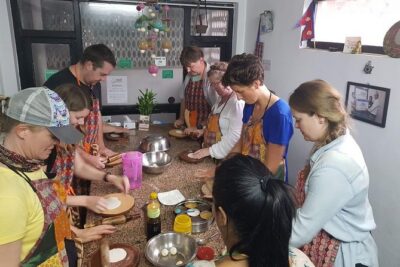 ★ 5.0Half day cooking class in Thamel kathmanduFrom $28607 reviews
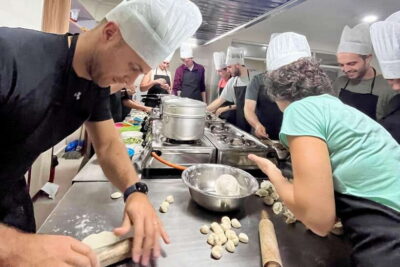 ★ 4.9Local Women-Led Nepali Cooking & Momo ClassFrom $4360 reviews
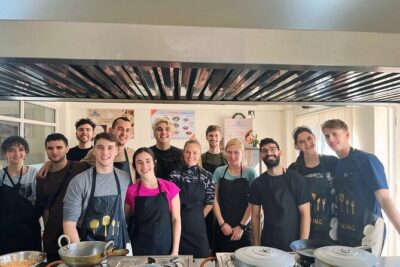 ★ 5.0Local Lead Nepali Cooking & Momo-Making ClassFrom $5212 reviews
Local Women Lead Nepali Cooking ClassFrom $30125 reviews
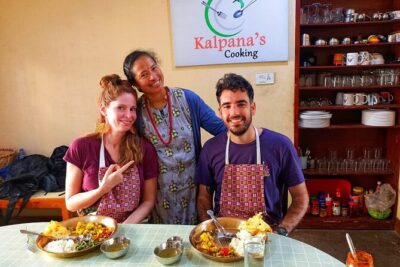 ★ 5.0The best Private Nepali Cooking Class in KathmanduFrom $2483 reviews
 ★ 4.8Traditional Momo Making Class & PickupFrom $460 reviews
 ★ 5.0Traditional Nepali Momo Making ClassesFrom $1853 reviews
 ★ 4.9Local Women-Lead Nepali Cooking & Momo ClassFrom $545 reviews
Browse the lists this tour appears in