

Review · KATHMANDU UNESCO HERITAGE TOURS
Kathmandu: Private/Group Unesco Heritage Sites Guided Tour
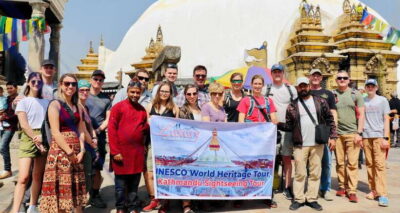
Four sacred stops in one day. This Kathmandu UNESCO tour strings together UNESCO temples and real context for both Hindu and Buddhist culture, guided in English from start to finish. I love the way it pairs major sites like Swayambhunath with the everyday spiritual details, and the English-speaking guide keeps it organized. The main drawback: it’s not suitable for mobility impairments, because temple areas involve walking and steps.
You’ll also get a classic Kathmandu Valley flow—big-city views, artisan Patan, sacred Pashupatinath, and the calm of Boudhanath. Based on guide names you’ll likely meet, like Rabina or Manoj KC, the tour leans toward thoughtful explanations and time for your questions. Just be ready for a full day on the go—your legs will be doing most of the sightseeing.
In This Review
- Key highlights you’ll feel right away
- How the 6-hour route works (from Kathmandu, Patan, or Bhaktapur)
- Swayambhunath: the hilltop pilgrimage and best quick photo angle
- Patan (Lalitpur): temples, craftsmanship, and a calmer rhythm
- Pashupatinath and the Bagmati River: Shiva’s major shrine visit
- Boudhanath Stupa: prayer wheels, four-direction eyes, and quiet power
- Guide quality in practice: what the names tell you to expect
- Price and value: what $40 covers, and what can add up
- Practicalities that help you enjoy the day
- Who should book this UNESCO Kathmandu Valley tour
- Should you book this guided UNESCO circuit?
- FAQ
- How long is the tour?
- Where does hotel pickup happen?
- Are entrance fees included?
- Is food included?
- What languages are available?
- Do I get transportation in the price?
- Is the tour private or shared?
- What should I bring with me?
- What is the cancellation policy?
- Is the tour suitable for people with mobility impairments?
Key highlights you’ll feel right away
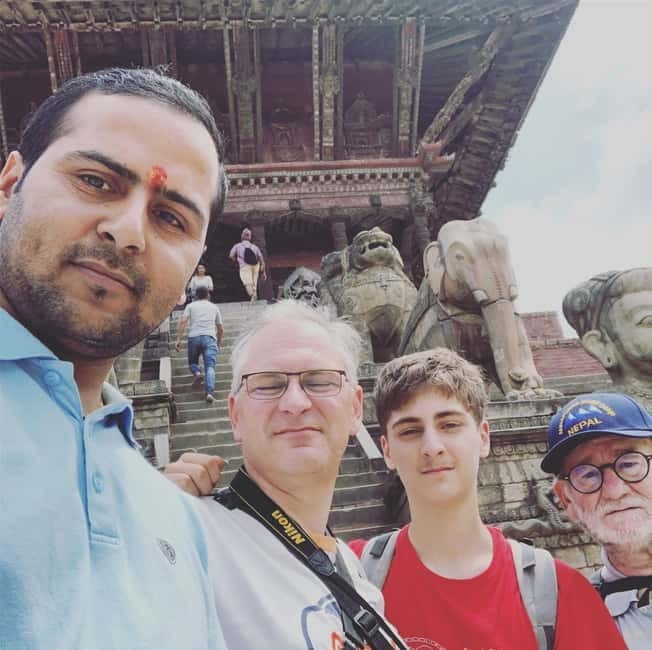
- Swayambhunath hilltop views: old temple, pilgrimage energy, and wide angles over the city
- Patan’s artistic side: temples and architecture with a different feel than central Kathmandu
- Pashupatinath + Bagmati River meaning: learn why Lord Shiva matters and what the river symbolizes
- Boudhanath’s prayer wheels: spin them and look up at the four-direction “eyes”
- English guide support: live guide plus an English audio guide to keep things clear
More days made easy with a local guide
- Kathmandu: Private City Guided Tour★ 4.9 · 174 reviews
- Full Day Guided Tour in Kathmandu★ 5.0 · 61 reviews
- Kathmandu Guided Tour★ 5.0 · 59 reviews
- 12 Day Everest Base Camp Guided Trek★ 5.0 · 40 reviews
How the 6-hour route works (from Kathmandu, Patan, or Bhaktapur)
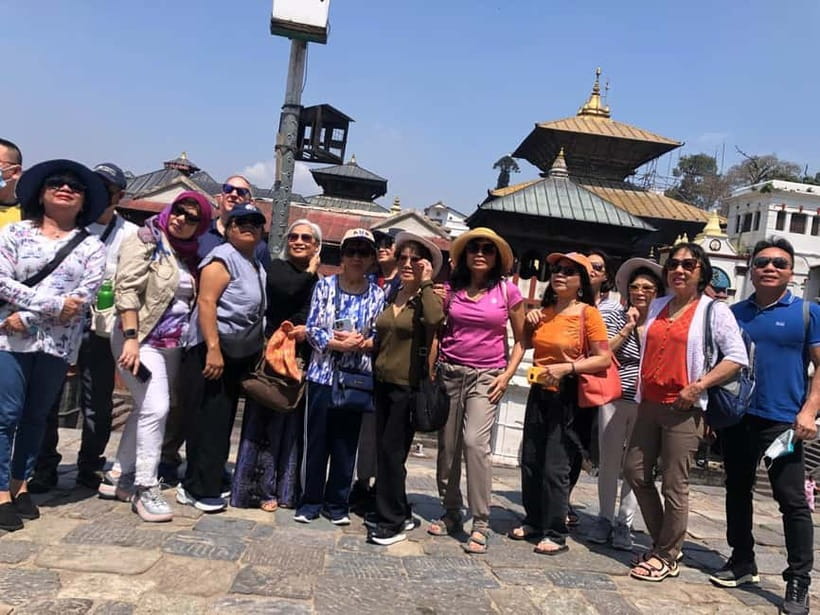
This is a 6-hour guided circuit built for first-timers who want the core UNESCO hits without stitching it together by yourself. Your day starts with hotel pickup, with options from Kathmandu, Bhaktapur, or Patan (Lalitpur), then you’re moved around in an air-conditioned private vehicle. Bottled water is included, which matters in Kathmandu’s heat and traffic.
Timing runs tight but not scary. You should expect the day to move in a smooth order of stops, with small built-in pauses for photos and breaks. There can be a 3–5 minute delay from traffic or coordinating multiple guests, so keep that buffer in mind.
If you’re trying to do a lot, this format is efficient. If you’re the type who likes to linger for long stretches at one shrine, you’ll want to bring a little patience—or ask your guide to help you spend a little extra time where you care most.
Swayambhunath: the hilltop pilgrimage and best quick photo angle
Swayambhunath is one of Nepal’s oldest sacred sites, and the experience starts the moment you look up at the hill. Your visit includes guided time (about 1.5 hours in the schedule) to explore the pilgrimage areas and soak in the big viewpoint.
What I like here is the mix of spirituality and city scale. From the top, Kathmandu looks like a patchwork of rooftops, spires, and courtyards, and you can orient yourself fast for the rest of the day. It’s also a great place to ask your guide what you’re actually seeing—temples and shrines can look similar until someone explains the differences.
Practical note: because this tour isn’t set up for mobility impairments, expect walking on uneven ground and steps around temple zones. Comfortable shoes help more than any special gadget.
Patan (Lalitpur): temples, craftsmanship, and a calmer rhythm
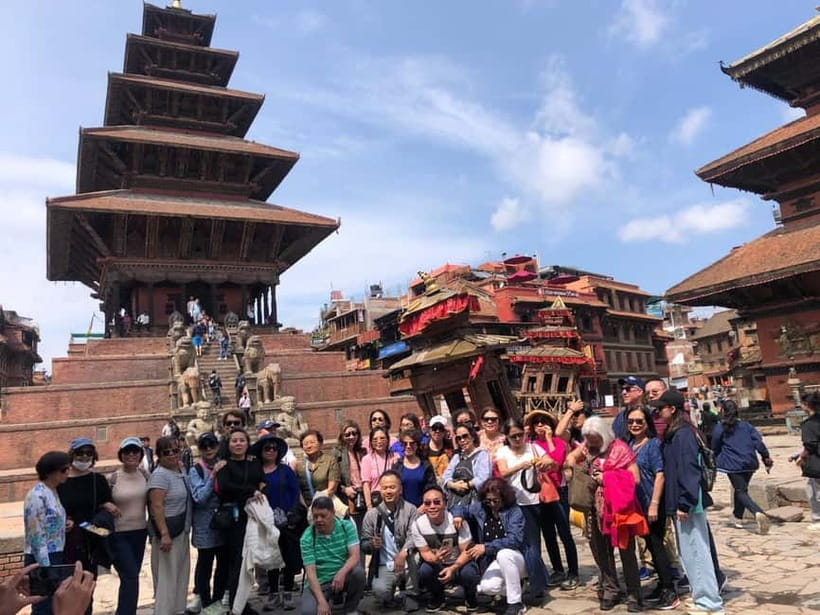
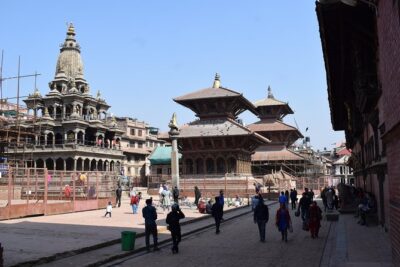
After the hilltop, the tour heads into Patan, a city known for cultural and artistic heritage. You get time for a guided walk and sightseeing (around 1.5 hours), plus a photo stop to catch the architecture from angles you might miss if you’re just passing through.
Patan has a different vibe than central Kathmandu. The temples here feel more crafted and design-focused, and your guide can point out details so you don’t just see stone—you understand why it’s important. If you enjoy religious art, carvings, and how older cities organize space, this stop rewards attention.
Lunch is on your own during the Patan window. That’s a plus, because you can choose local food that fits your preferences and budget. Guides you may encounter—like Manoj KC, who’s been praised for eating and shopping recommendations—can help you pick a good, practical option.
One more small value point: Patan is an easier mental transition from the loud energy of major crossroads. You get a chance to slow down without losing the big highlights.
Pashupatinath and the Bagmati River: Shiva’s major shrine visit
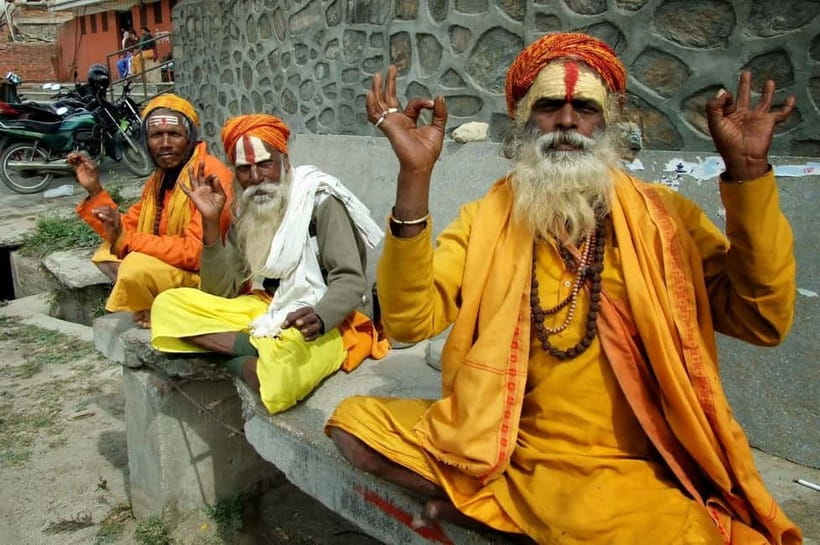
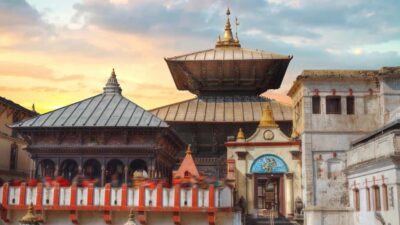
Pashupatinath Temple is one of the world’s most famous Hindu shrines, and it’s serious in a way you can feel. You’ll spend guided time at the temple (with a schedule block around 1.5 hours), and your guide explains the spiritual meaning of the site—especially Lord Shiva’s importance in Hindu tradition.
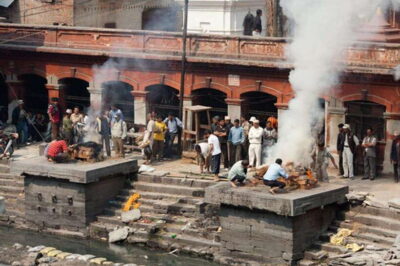
The Bagmati River is part of the story here. The tour includes time near the river area and frames it around the idea of spiritual cleansing—people believe water in this setting can wash away sins. Even if you don’t plan to participate in a ritual, it helps to know the symbolism so the place makes sense instead of feeling like a sightseeing detour.
A realistic consideration: this area can be intense. There are lots of religious moments happening in real time, and the crowd flow can move quickly. Go with a respectful, flexible mindset, and don’t worry if you need a minute to reset between temple viewing spots.
If you want the day to connect emotionally, this is usually the stop that does it.
Just your group, at your own pace

Boudhanath Stupa: prayer wheels, four-direction eyes, and quiet power
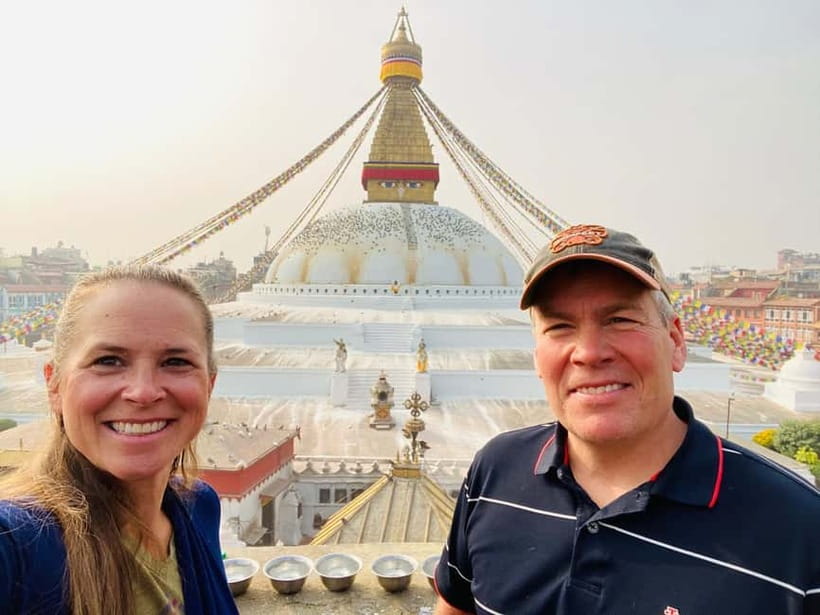
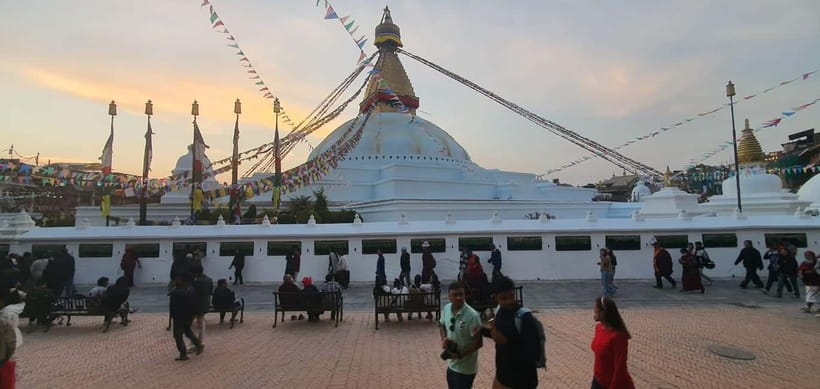
Boudhanath is where the tone shifts from busy sacred viewing to calm spiritual rhythm. The stupa is famous for the paired eyes facing four directions, a design meant to feel like constant watch over the world and people’s actions.
Your visit includes guided exploration plus free time to shop and take photos, along with time to spin the prayer wheels. Spinning them is simple, but it helps to understand what you’re doing; a good guide can explain the practice so it feels intentional rather than like a photo prop.
The best part is the pace. Even with other visitors around, Boudhanath gives you space to slow down. You can look up at the stupa and really notice the details on the structure, then come back down to earth for the small things—wheel handles, inscriptions, and the flow of pilgrims moving through the space.
Photo tip: plan on shooting from a couple of distances. Up close, the eyes and textures are impressive. From farther back, you get the full symmetry and can capture the scale of the stupa and surrounding area.
Guide quality in practice: what the names tell you to expect
This tour is built around a live guide, and the guide is the difference between seeing temples and understanding them. In the feedback for this service, certain guide and driver names come up often, including Rabina (female guide) and Manoj KC. You may also be guided or driven by people like Nerry and Shawshank Kumar, depending on your day and pickup group.
Here’s what that means for you: you can expect a guide who is willing to explain what you’re looking at, and who will generally adapt when you want more time at a site. Some guides are noted for giving extra context and for offering practical recommendations—like where to eat local food or where to shop sensibly near major sights.
Also, this tour includes an English audio guide, which helps if you want to keep listening during walking segments. It’s a good backup when you’re trying to capture photos and still follow the explanation.
Price and value: what $40 covers, and what can add up
At $40 per person for a 6-hour guided circuit, the value is mostly in three places: transportation, guide time, and the convenience of not figuring out logistics between distant monuments. You’re also getting hotel pickup and drop-off plus bottled water, which removes friction on a day when you’re moving between hilltop, temple complexes, and stupa areas.
Entrance fees are the one variable. The tour notes that entrance fees for all heritage sites total approximately USD 43 per person, and those fees are included only if you select the all-inclusive option. If you choose the non-all-inclusive version, budget for those entrance costs separately.
My advice: decide based on how you like to travel.
- If you prefer simple, pick the all-inclusive option so you’re not tracking separate payments mid-day.
- If you travel light and like control, you can handle entrances on your own, but bring cash and keep track.
Either way, this tour’s cost makes sense if you want guided explanations at multiple UNESCO sites without spending your day negotiating transport.
Practicalities that help you enjoy the day
Here are the nuts and bolts that matter most for a smooth experience:
- Pickup and drop-off: you’ll be collected and returned to your hotel in Kathmandu, Bhaktapur, or Patan (Lalitpur).
- Language: the live guide is English, and English audio guidance is included.
- Food: lunch is not included, and neither are drinks. Plan to buy lunch around the Patan stop.
- What to bring: bring a passport or ID card and cash.
- Pace and comfort: with temple steps and hilltop areas, you’ll want sturdy footwear and a water-friendly attitude.
If you’re visiting with a tight schedule, this is a manageable full-day commitment. Just remember it’s a UNESCO checklist day, not a slow, restful wander.
Who should book this UNESCO Kathmandu Valley tour
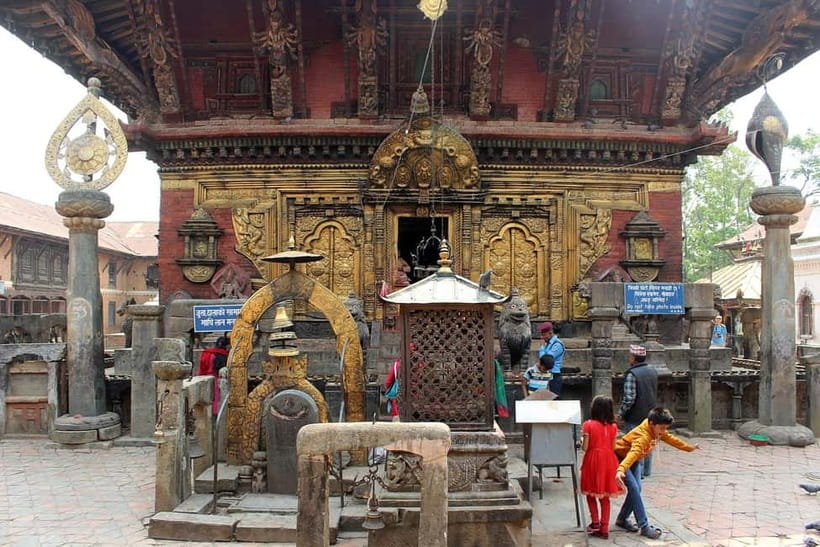
This is a strong fit if you:
- want a guided introduction to Kathmandu Valley’s major sacred sites in one day
- enjoy history and religious context, not just photos
- want the convenience of pickup, a driver, and an air-conditioned vehicle
- like the idea of structured time at Swayambhunath, Patan, Pashupatinath, and Boudhanath
It’s not the best fit if you:
- have mobility limitations, since the tour is not suitable for that
- need long stays at one place (the schedule is time-managed)
- hate crowds at major temples (these sites can be busy)
Should you book this guided UNESCO circuit?
Book it if you want a clean, guided hit list of UNESCO heritage sites with meaningful explanations and a practical day plan. The biggest reasons are the English-guided context and the way the itinerary connects viewpoints, temple heritage, and Buddhist ritual space in a single flow.
Skip or reconsider if you’re mobility-limited or if you prefer slow travel with minimal structure. In that case, you’d likely enjoy a more flexible, custom arrangement.
If you’re on your first visit to Kathmandu Valley and you want to feel oriented fast—this is a solid way to do it without wasting hours on planning.
FAQ
How long is the tour?
The tour lasts 6 hours.
Where does hotel pickup happen?
Pickup is available from hotels in Kathmandu, Bhaktapur, or Patan (Lalitpur).
Are entrance fees included?
Monument entrance fees are included only if you choose the all-inclusive option. The total entrance fees for the heritage sites are approximately USD 43 per person.
Is food included?
No. Food and drinks are not included.
What languages are available?
The live guide is English, and an English audio guide is included.
Do I get transportation in the price?
Yes. Air-conditioned private transportation is included, along with bottled water.
Is the tour private or shared?
Private group availability is offered.
What should I bring with me?
Bring a passport or ID card and cash.
What is the cancellation policy?
You can cancel up to 24 hours in advance for a full refund.
Is the tour suitable for people with mobility impairments?
No, it is not suitable for people with mobility impairments.
Simpler With a Local Guide

More Tours in Kathmandu




More Tour Reviews in Kathmandu




Just Reviewed in Kathmandu
- Mountain Bike Tour
★ 5.0 · 3 reviews - Annapurna Panaroma
★ 5.0 · 3 reviews - Mount Everest Scenic Flight 50 Minutes
★ 5.0 · 3 reviews - Kathmandu : Swambhunath & Durbar Square Guided Half Day Tour
★ 3.3 · 3 reviews - Chandragiri Cable Car & Monkey Temple Tour – Private/Group
★ 5.0 · 3 reviews - Kathmandu: Shivapuri National Park Hiking Day Trip
★ 3.3 · 3 reviews
Kathmandu UNESCO Heritage Tours, compared.
 ★ 4.87 UNESCO Sites with LunchFrom $2744 reviews
 ★ 5.0Full Day 7 UNESCO Tour with Lunch – Private/GroupFrom $10415 reviews
 ★ 5.0Full Day Top 4 UNESCO Tour with Lunch – Private/GroupFrom $10269 reviews
 ★ 5.0UNESCO Seven World Heritage Tour in KathmanduFrom $180253 reviews
★ 4.9Full-Day 7 UNESCO Tour with Lunch – Private/GroupFrom $5247 reviews
 ★ 4.97 UNESCO Sites Tour in 1 Day (Private Tour)From $4204 reviews
 ★ 4.9Top 4 UNESCO Tour with Lunch – Private/GroupFrom $5181 reviews
 ★ 5.0Kathmandu Private Sightseeing Tour | UNESCO World Heritage SitesFrom $35109 reviews
Browse the lists this tour appears in