

Review · NEPALI COOKING & MOMO CLASSES
Kathmandu: Women-Led Cooking Class & Momo Making-Local Taste
Food lessons beat guidebook meals in Kathmandu. This hands-on class is women-led and you’ll cook iconic Nepali comfort food, especially momo, right alongside local chefs. You also start with a local market stop so the flavors feel connected to real ingredients.
What I really like is the market/shop tour plus the cooking instruction that’s step-by-step, so you’re not just watching someone else work. I also love the small group vibe, limited to 8, because you get more hands-on time and more chances to ask questions about spices and technique.
One possible drawback: the momo folding technique can be tricky if you’re new, and one person noted the class energy didn’t feel fun when they struggled to grasp the folding. If you think you’ll get frustrated easily, go in with patience and a sense of humor.
In This Review
- Key things to know before you cook
- A women-led kitchen lesson that feels personal
- From Thamel to the market: your ingredient hunt in Kathmandu
- How the class fits into 2–3 hours without feeling rushed
- Menu routes: what you might cook in this Kathmandu class
- Menu 1: Bara, Dal Bhat, Yomari
- Menu 2: Chatamari, Momo, Kheer
- Menu 3: Aloo Chop, Thukpa, Carrot Halwa
- Dal bhat teaches balance; momo teaches technique
- Masala tea, Bara, and the snacks that keep you happy
- Vegetarian and meat options: choose what fits your appetite
- Price and value in Kathmandu: what $11 really buys
- Who should book this, and who might hesitate
- Should you book this Kathmandu cooking class?
- FAQ
- How long is the Kathmandu women-led cooking class?
- Is the cooking class taught in English?
- How large is the group?
- Do I get to cook dishes, or is it only watching?
- Is there a market or shop tour included?
- What dishes are included?
- Can I cancel and get a refund?
- Are photos or video included?
Key things to know before you cook
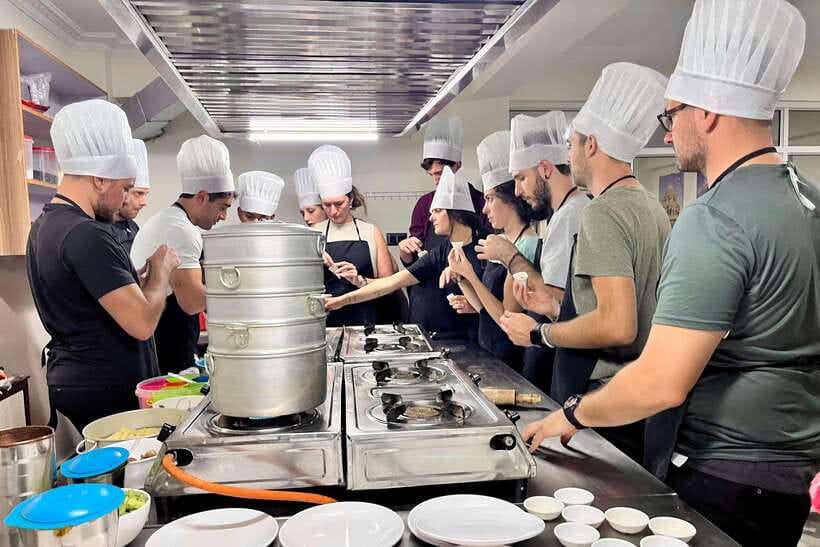
- You’ll shop first for vegetables, spices, and meat (optional) so your meal feels grounded in local buying habits
- Small group, big hands-on time with step-by-step help and plenty of cooking equipment
- Multiple menu routes so you’ll likely cook more than just dal bhat and momo
- Masala tea is part of the lesson, not an afterthought
- Expect both vegetarian and meat options depending on the menu and your choices
- Momo folding is the skill moment, and it’s where most people either feel great or feel challenged
More time at the stove
- Half day cooking class in Thamel kathmandu★ 5.0 · 607 reviews
- Kathmandu: Local Women-Led Nepali Cooking & Momo Class★ 4.9 · 360 reviews
- Kathmandu: Local Lead Nepali Cooking & Momo-Making Class★ 5.0 · 212 reviews
- Local Women Lead Nepali Cooking Class★ 5.0 · 125 reviews
A women-led kitchen lesson that feels personal
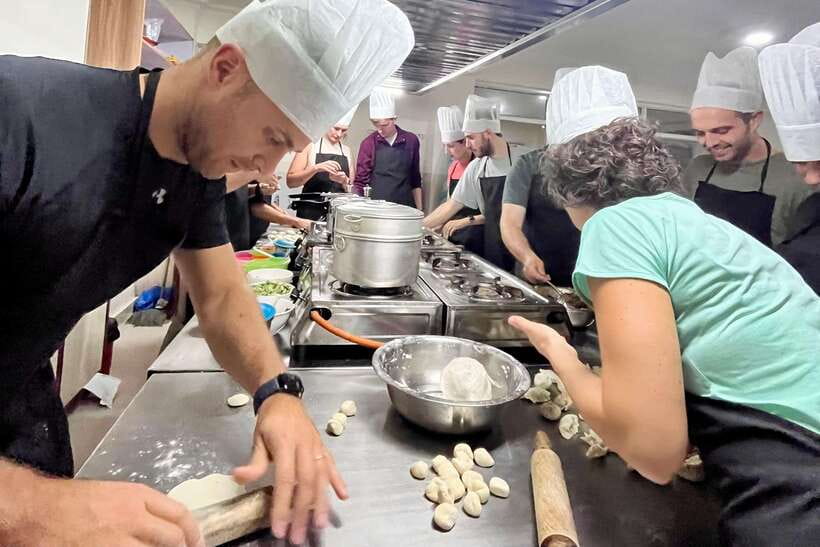
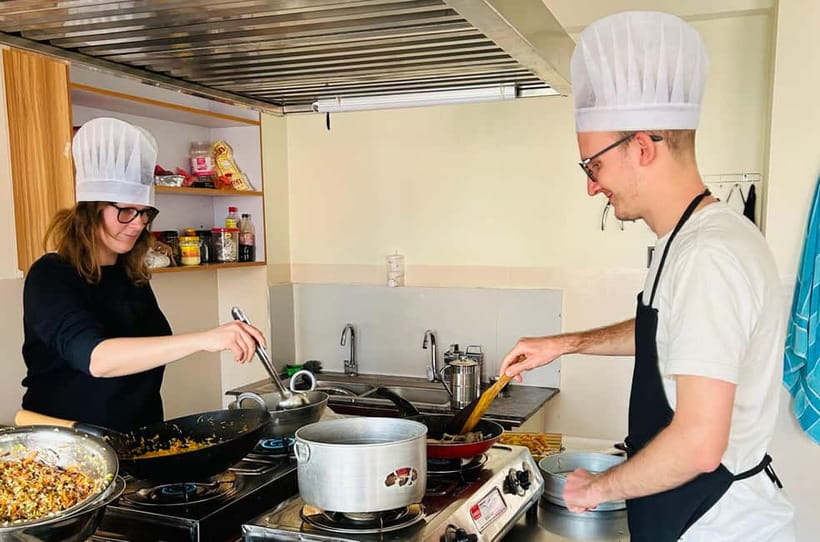
In Kathmandu, food is social. This class leans into that with women-led instruction and a kitchen setup designed for real participation, not performance cooking. The vibe is practical: you’re there to learn how dishes come together, why spices matter, and how Nepali meals get built plate by plate.
You’ll also notice how Nepal treats cooking knowledge like something worth sharing. The chef/instructor is there to guide you through what to do next, from selecting ingredients to using the right methods. And since instruction is in English, you won’t be stuck guessing what’s happening in the pan.
If you’re someone who likes travel that leaves you with a skill (not just photos), this works. You’re learning technique you can repeat later at home, even if your kitchen tools aren’t identical.
From Thamel to the market: your ingredient hunt in Kathmandu
The class meets in a workshop location that’s easy to reach from Thamel and other parts of the Kathmandu Valley. Then the day shifts to the fun part: shopping.
You’ll head out on a market/shop tour to buy key ingredients for your class dishes, including vegetables and spices, and also meat if your menu route includes it. This is more than a quick stop for atmosphere. When you buy ingredients locally, you understand what fresh looks like in Nepal and how the cooking becomes more than a list of recipes.
For readers who love food travel, this part is the bridge between culture and cooking. You’ll see the spice reality, not just spice jars. You’ll also get a clearer sense of what flavors Nepalis prioritize for their dal, curries, dumplings, and sweets.
How the class fits into 2–3 hours without feeling rushed
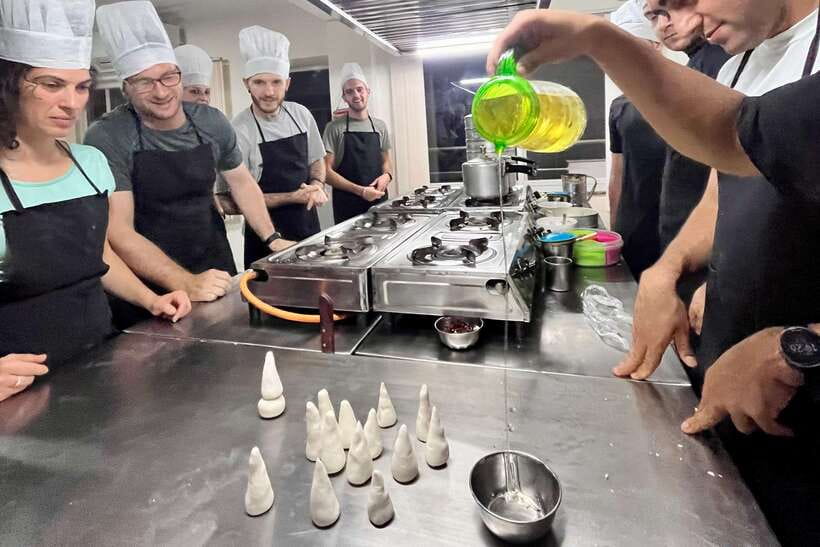
You’re looking at 2–3 hours total, which is a sweet spot in Kathmandu. It’s long enough to learn real technique and eat a proper meal, but short enough that you’re not surrendering your whole day.
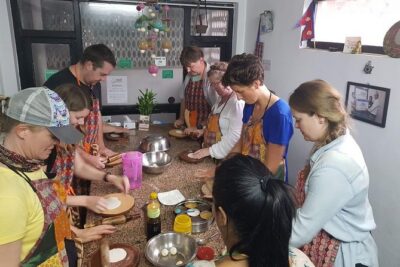
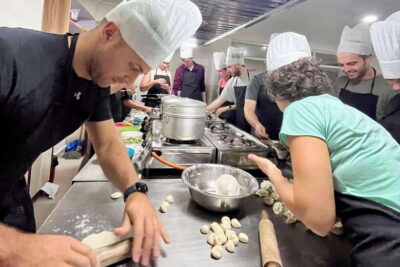
The group stays small, limited to 8 participants. That matters because cooking is hands-on by nature. In a larger group, you might spend more time waiting. Here, you’re more likely to get active time at the station, especially during the dishes that require shaping, mixing, and portioning.
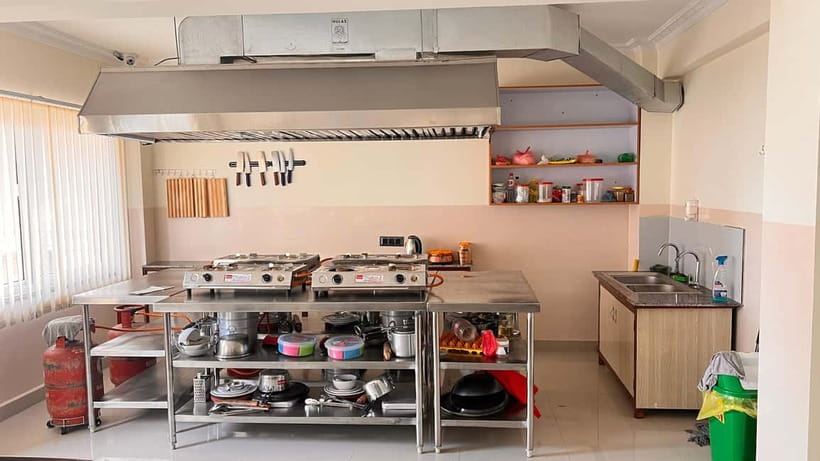
You’ll use cooking equipment and accessories provided by the workshop, so you’re not hauling anything. And since the chef gives step-by-step instructions in English, the class is structured enough to help beginners. The flip side is that some techniques still take practice, and momo folding is one of them.
Menu routes: what you might cook in this Kathmandu class
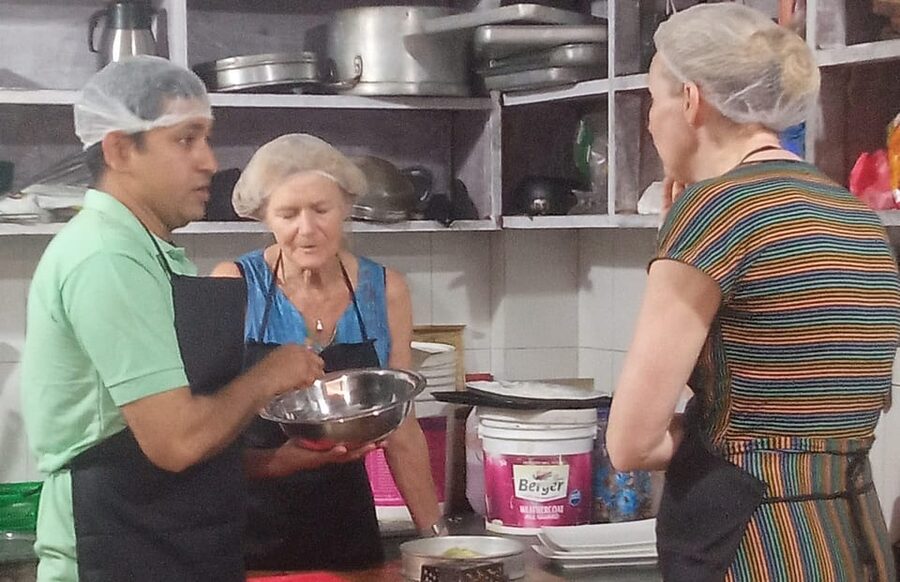
You’ll be offered three sets of menu choices. Which one you get depends on what’s running, but all of them lead to a full meal plus snacks or dessert-style items.
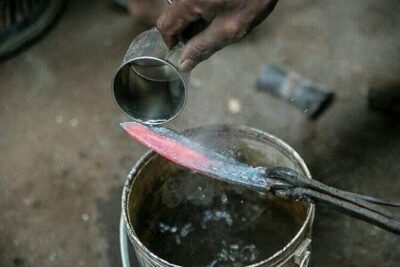
Make something to carry home
Menu 1: Bara, Dal Bhat, Yomari
- Bara: a traditional Nepali lentil pancake made from ground black gram (urad dal), seasoned with spices, often tied to Newari cuisine. It can be topped with egg, minced meat, or vegetables.
- Dal Bhat: rice plus lentil soup (dal), usually served with vegetables, pickles, and curry. It’s a daily staple across Nepal, India, and Bhutan.
- Yomari: a Newari dumpling made from rice flour dough, filled with sweet molasses (chaku) and sesame seeds (sometimes coconut).
This route is great if you want the classic “Nepal on a plate” feeling: savory staples plus a sweet finish.
Menu 2: Chatamari, Momo, Kheer
- Chatamari: a Newari rice flour crepe often called a Nepali pizza, topped with ingredients like eggs, minced meat, vegetables, and spices.
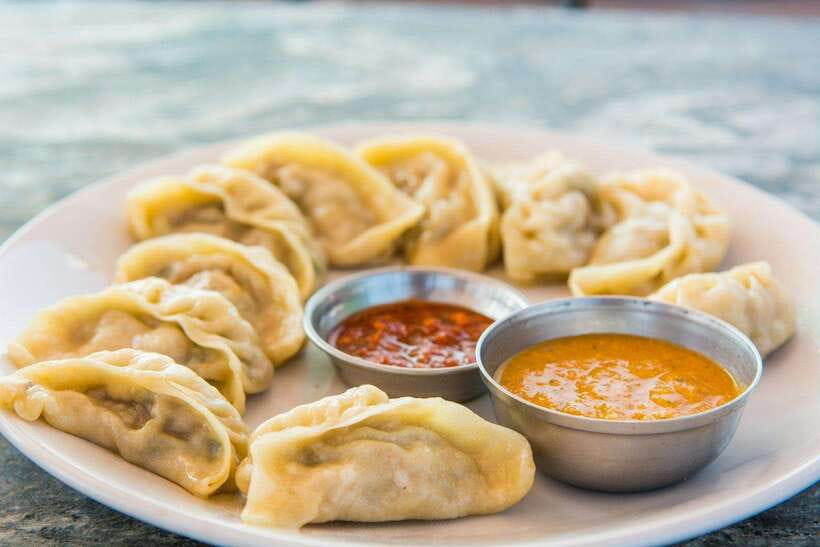
- Momo: popular Nepali dumplings filled with minced meat (chicken, buff, or pork) or vegetables, seasoned with spices.
- Kheer: traditional rice pudding simmered until creamy with milk, sugar, and cardamom, often garnished with nuts and raisins.
This route is the one for dumpling lovers and comfort-food seekers.
Menu 3: Aloo Chop, Thukpa, Carrot Halwa
- Aloo Chop: deep-fried potato snack made by mashing boiled potatoes with spices.
- Thukpa: a Tibetan-Nepali noodle soup made with hand-pulled or wheat noodles in a flavorful broth, often with vegetables and meat options (chicken, buff, or mutton).
- Carrot Halwa: sweet dessert from slow-cooked grated carrots with milk, sugar, ghee, and cardamom, garnished with nuts and raisins.
This menu is ideal when you want hearty, cozy food and something sweet that isn’t heavy.
Dal bhat teaches balance; momo teaches technique
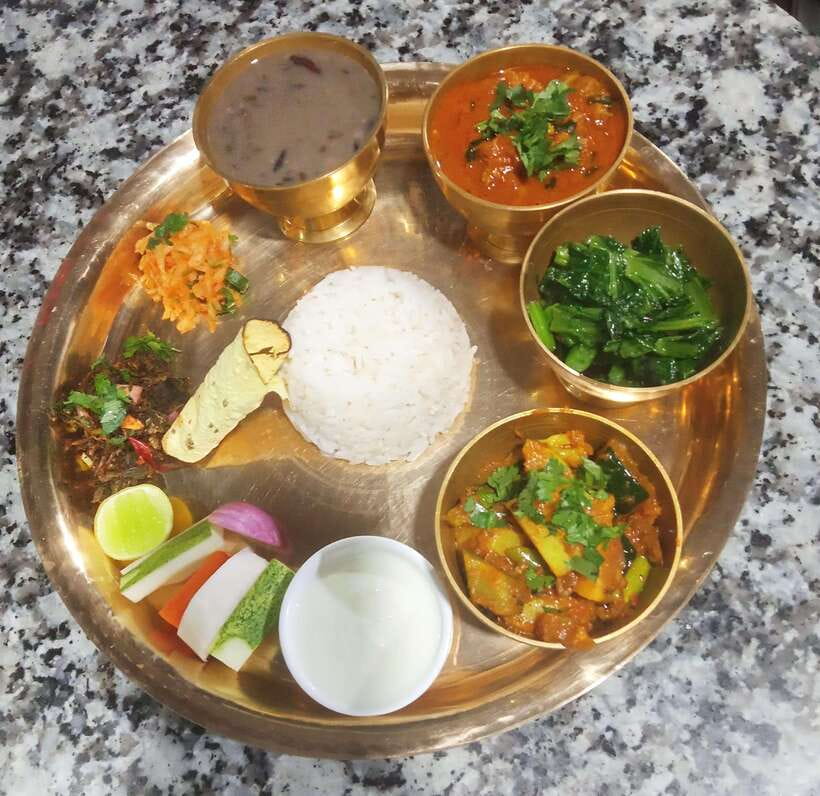
Even if your menu route changes, the class strongly focuses on two core ideas: balance in Nepali meals and technique in dumplings.
With Dal Bhat, you’ll learn how rice and lentils work together. Dal bhat is filling because it mixes textures and flavors: warm lentil soup, steamed rice, and additions like vegetables, pickles, and curry. That balance is one reason it’s a staple. If you’re trying to eat “like locals,” this dish is an obvious place to start.
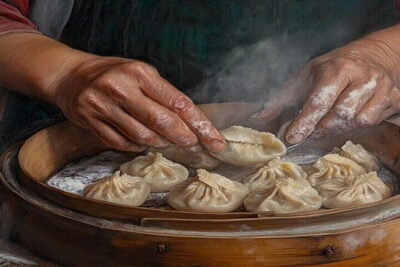
Then there’s momo, the dumpling that becomes the skill test. Momo-making usually means mixing, portioning, and learning how to fold and seal dumplings. If you’ve never done it before, that folding technique is the moment your hands learn faster than your brain. One participant felt the chef was irritated when they couldn’t grasp the folding right away, so the best mindset is simple: expect your first attempts to be uneven, and focus on learning the motion rather than perfection.
You’ll also see that Nepali dumplings aren’t just dough. The spice mix and filling seasoning matter, and that’s where having an instructor you can ask questions to helps.
Masala tea, Bara, and the snacks that keep you happy
A cooking class is only as good as what you eat, and this one builds in tastiness along the way.
You’ll have Nepali masala tea during the lesson. It’s described as black tea blended with aromatic spices, and it does a nice job of keeping energy steady while you cook. In a class that involves frying, boiling, folding, and steaming, a warm tea break is genuinely useful.
If your menu includes it, Bara is a great example of Nepali comfort food that doesn’t pretend to be fancy. It’s made from urad dal batter, spiced, and cooked into a pancake-like form. It’s the kind of dish that helps you understand how lentils behave when seasoned and cooked, not just how they taste in dal.
The class also includes a tasting session of what you prepare, so you’re not leaving with the regret of “we cooked it but didn’t really get to eat.” Instead, you should expect a meal tied to your work, plus enough variety to make you feel like you sampled Nepal rather than one dish.
Vegetarian and meat options: choose what fits your appetite
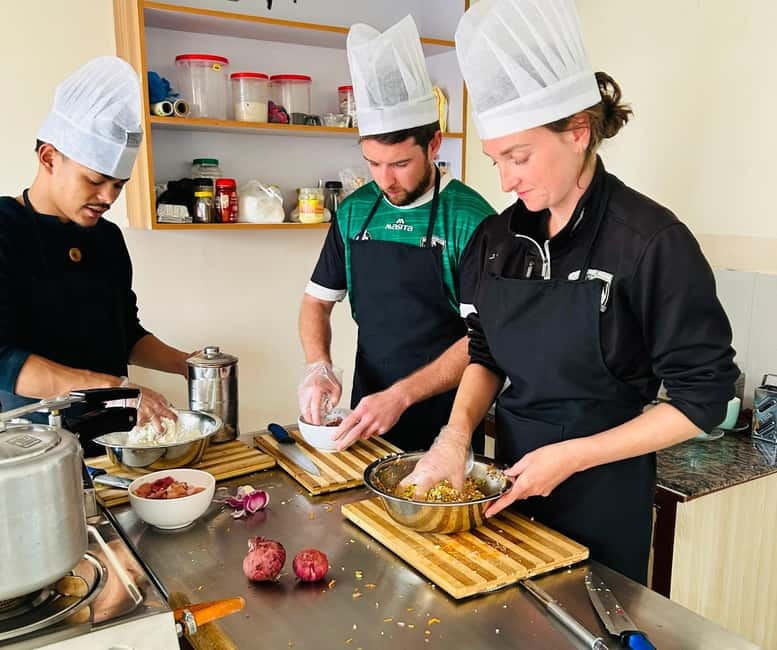
The experience explicitly mentions vegetarian and meat options to try. That’s important in Nepal, where many dishes exist in flexible variations.
Some menu descriptions include meat options for toppings (like Bara) or fillings (like momo, with options including chicken, buff, or pork). At the same time, the dumplings can also be made with vegetable fillings, and snacks like aloo chop can easily stay vegetarian.
If you have dietary rules, the most practical move is to tell the instructor what you prefer before cooking begins. Since the workshop uses step-by-step guidance and fresh local ingredients, it’s the kind of setting where clarifying your preferences matters.
Price and value in Kathmandu: what $11 really buys
At $11 per person for about 2–3 hours, this class is strong value if you treat it as a food experience, not a cooking demo.
You’re getting more than recipes. You’re getting:
- market shopping for ingredients (which you can’t replicate cheaply on your own without time),
- step-by-step instruction in English,
- use of cooking equipment and accessories,
- and a tasting session of the meal you make,
plus masala tea included.
In Kathmandu, eating out can be cheap, but a cooking class gives you something restaurants usually don’t: technique, confidence, and context for why a dish works. The small group size (up to 8) also supports better learning than a crowded workshop, even if that isn’t something you can put a number on.
The one thing to watch is that professional photos/video aren’t included. If you want a media-heavy souvenir, budget extra for that.
Who should book this, and who might hesitate
This class is a good fit if you:
- like hands-on food learning more than passive tours,
- want a focused activity that fits into a short Kathmandu day,
- enjoy Nepali staples like dal bhat and momo,
- or want a meal with both savory dishes and something sweet.
It can be less ideal if you hate sticky skills. Momo folding takes practice, and your hands might be awkward at first. If you get stressed by needing to master technique quickly, bring a calm attitude and accept that your first few dumplings won’t look like a food stylist’s work.
It’s also suitable for kids and teens age 8+, as long as they’re interested in cooking and can follow instructions.
Should you book this Kathmandu cooking class?
I’d book it if you want a practical, tasty Kathmandu experience where you shop for ingredients, cook with guidance, and sit down to eat what you made. The price-to-time ratio is solid, and the small group format helps you actually participate.
If you specifically want to learn momo, choose the menu that includes it and go in knowing folding takes time. If you prefer simpler structure, any menu route works because the class includes step-by-step coaching and ends with a real tasting meal.
If you want Nepal in one short session, this is a sensible pick.
FAQ
How long is the Kathmandu women-led cooking class?
It lasts about 2–3 hours.
Is the cooking class taught in English?
Yes. The instructor speaks English.
How large is the group?
The class is limited to a small group of up to 8 participants.
Do I get to cook dishes, or is it only watching?
You’ll have hands-on cooking experience with step-by-step instructions, then taste what you prepared.
Is there a market or shop tour included?
Yes. You’ll go on a market/shop tour to buy important ingredients like vegetables, spices, and meat for the class.
What dishes are included?
You cook from one of three menu sets, which can include Bara, Dal Bhat, Yomari, Chatamari, Momo, Kheer, Aloo Chop, Thukpa, and Carrot Halwa, depending on the menu chosen.
Can I cancel and get a refund?
Yes. Free cancellation is available up to 24 hours in advance for a full refund.
Are photos or video included?
Photos and video aren’t included. Professional photography or videography is available for an additional fee.
Make a Little Nepal to Take Home

Learn Another Nepali Dish
More Tour Reviews in Kathmandu





Just Reviewed in Kathmandu
- Mountain Bike Tour
★ 5.0 · 3 reviews - Annapurna Panaroma
★ 5.0 · 3 reviews - Mount Everest Scenic Flight 50 Minutes
★ 5.0 · 3 reviews - Kathmandu : Swambhunath & Durbar Square Guided Half Day Tour
★ 3.3 · 3 reviews - Chandragiri Cable Car & Monkey Temple Tour – Private/Group
★ 5.0 · 3 reviews - Kathmandu: Shivapuri National Park Hiking Day Trip
★ 3.3 · 3 reviews
Nepali Cooking & Momo Classes, compared.
 ★ 5.0Half day cooking class in Thamel kathmanduFrom $28607 reviews
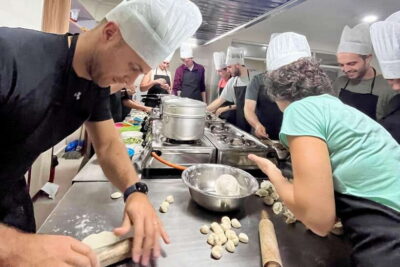 ★ 4.9Local Women-Led Nepali Cooking & Momo ClassFrom $4360 reviews
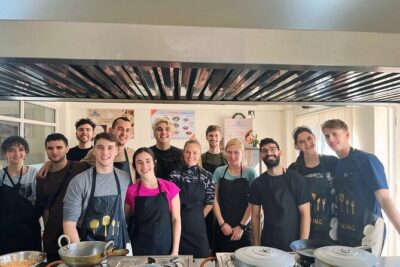 ★ 5.0Local Lead Nepali Cooking & Momo-Making ClassFrom $5212 reviews
Local Women Lead Nepali Cooking ClassFrom $30125 reviews
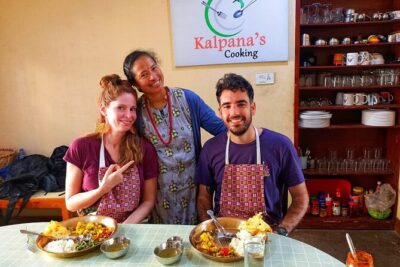 ★ 5.0The best Private Nepali Cooking Class in KathmanduFrom $2483 reviews
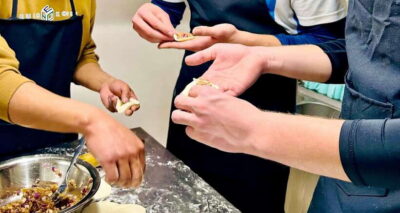 ★ 4.8Traditional Momo Making Class & PickupFrom $460 reviews
 ★ 5.0Traditional Nepali Momo Making ClassesFrom $1853 reviews
 ★ 4.9Local Women-Lead Nepali Cooking & Momo ClassFrom $545 reviews
Browse the lists this tour appears in