Review · UPPER MUSTANG & REMOTE TREKS
Lower Mustang Motorbike Tour -8 Days
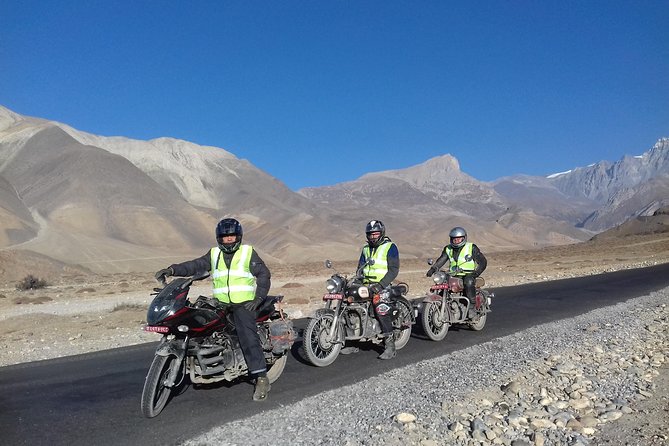
Royal Enfield and the other side of the Himalaya. This 8-day Lower Mustang motorbike tour strings together big views, classic riding on a Royal Enfield 350cc, and real cultural stops like Muktinath Temple, all with private, customizable attention. The route also takes you through sharp changes in terrain, from greener hills toward the colder, drier Mustang world.
I also like how the plan is built for momentum without feeling rushed: you get lodge stays during the rugged riding days, plus real support from a guide people describe as upbeat and dependable, including Badri in several accounts. The main consideration is that this is not a casual cruise. You’ll need solid physical stamina for long stretches on rough and gravel sections, and you should understand that bike damage is not covered.
In This Review
- Key things to know before you ride Lower Mustang
- Entering the Mustang mindset: what you’re really signing up for
- Price and value: what $1,500 actually buys you here
- Support on the road: why the guide matters more than you think
- Day 1 in Kathmandu: arrival energy and getting set up fast
- Day 2 ride Kathmandu to Pokhara: Prithvi Highway miles and valley breaks
- Day 3 Pokhara to Kalopani: gravel riding and cooling air
- Day 4 Jomsom to Muktinath via Kagbeni: Kali Gandaki drama and a pilgrimage stop
- Day 5 Muktinath to Tatopani: descending through the Kali Gandaki Gorge
- Day 6 Tatopani to Pokhara: a longer reset ride plus Lakeside time
- Day 7 Pokhara back to Kathmandu and the farewell dinner
- Bike reality check: what’s included, what isn’t, and how to stay smart
- Who should book this Lower Mustang ride (and who shouldn’t)
- Should you book the Lower Mustang Motorbike Tour?
- FAQ
- Where does the Lower Mustang Motorbike Tour start?
- What time does the tour begin?
- How long is the tour?
- What motorcycle is included?
- What permits are included?
- What types of accommodations are included?
- Are meals included?
- Is this tour private?
- Is a vegetarian option available?
- What’s not included in the tour price?
Key things to know before you ride Lower Mustang
- Royal Enfield 350cc, with petrol, basic tools, and spare tyres included
- Private, customizable pacing so your guide can adjust to your comfort level
- Cultural core at Muktinath Temple, reached via Kagbeni on the Kali Gandaki corridor
- Kali Gandaki Gorge sections that feel dramatic and remote, not just scenic
- Hot springs at Tatopani as a practical way to recover tired legs
- Permits included (TIMS and ACAP), so you’re not hunting paperwork mid-trip
Not sure yet? Here are other Kathmandu tours worth a side-by-side look.
- Everest Base Camp Trek – 14 Days★ 5.0 · 1,499 reviews
- Everest Base Camp Trek★ 5.0 · 842 reviews
- Private Kathmandu Sightseeing Tour | UNESCO World Heritage sites★ 5.0 · 756 reviews
- Kathmandu: 7 UNESCO Sites with Lunch★ 4.8 · 744 reviews
Entering the Mustang mindset: what you’re really signing up for
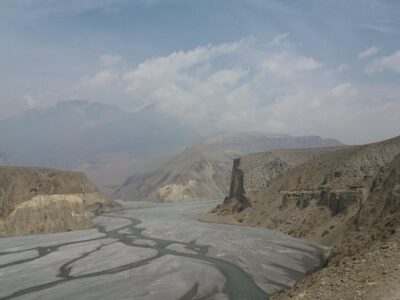
Lower Mustang is a different kind of Himalayan trip. Instead of chasing one peak or one city museum day, you ride a corridor where the world slowly strips down: greener slopes give way to harsher, drier terrain, and the light changes as altitude and dryness rise. When people say Mustang looks moon-like, they usually mean the same thing: the ground and rock formations are stark, and the scale of the mountains feels close.
This tour is built around that contrast. You start with Kathmandu’s energy, then roll into Pokhara, then keep climbing toward villages like Kalopani and on to the Mustang region. The feel of the trip changes by day—smooth roads early, rougher gravel later, then canyon riding and a big descent.
The best part is that you’re not just watching scenery from a bus window. You’re controlling your pace, stopping when you spot something worth a closer look, and rolling into key places like Kagbeni and Muktinath with the bike right there, ready for the moment.
Price and value: what $1,500 actually buys you here
At $1,500 per person for an 8-day ride, you’re paying for more than a route. You’re paying for a setup that removes headaches that can otherwise eat your budget.
Here’s where the value shows up:
- The motorcycle is included (Royal Enfield 350cc). No rental scramble.
- Fuel and practical spares are included, including petrol, basic tools, and spare tyres. That matters on a long, remote corridor where you don’t want surprises.
- Permits are included (TIMS and ACAP). That’s not glamorous, but it’s the kind of thing you want handled.
- Lodging is handled in two zones: 3 hotels in Kathmandu and Pokhara, plus lodge/tea house stays during the riding portion.
- A guide is included, and multiple accounts specifically praise the human side—like being guided with patience and good spirits, and the route feeling timed well.
What you should factor in is what’s not included. Meals beyond the stated breakfasts and included dinners are on you. Bike insurance is not included, and you should also understand that motorbike damage is not covered. In other words: you’re buying convenience and structure, but you still own the risk that comes with riding on real roads.
Support on the road: why the guide matters more than you think
On paper, this tour looks like a bike itinerary. In real life, it’s a people-and-rhythm trip. This is where the guide reputation comes through clearly.
Several accounts highlight guides who are:
- Upbeat and helpful on the route
- Polite and attentive
- Able to set the timing and pacing well, with enough stops and rest to actually enjoy what you’re seeing
Badri comes up by name in multiple pieces of feedback, and that’s a good sign. An experienced guide isn’t just waving at you from the front. They help you read the road, handle small route decisions, and keep the day from turning into a grind.
There’s also mention of Bhagwat in communications, described as accommodating and quick to share ideas and suggestions. That matters if you want a more tailored feel before you even mount the bike.
Day 1 in Kathmandu: arrival energy and getting set up fast
You start at Tribhuvan Airport in Kathmandu, with a start time of 8:00 am. The value of beginning here is simple: you avoid the first-day chaos of meeting late or figuring out where your gear is.
In Kathmandu, expect a welcome and coordination to get your luggage loaded and your plan confirmed. One account specifically notes being welcomed at the airport by tour representatives, then heading to a hotel in Thamel. Even if your exact hotel location differs, the overall idea is consistent: you should get sorted early, not at the last minute.
That first day matters for one reason: you’re about to ride long distances. If your gear, your bike setup, and your expectations are clear on day one, the rest of the trip feels smoother.
Day 2 ride Kathmandu to Pokhara: Prithvi Highway miles and valley breaks
Day 2 moves you from Kathmandu to Pokhara—about 210 km and roughly 7–8 hours. This is the day that builds confidence. The route is described as a blend of highway stretches and winding roads, with views of valleys, terraced fields, and rivers.
You can expect stopovers for authentic Nepali cuisine and photo moments. That’s not just sightseeing padding. In this kind of riding, planned breaks keep you sharper for the next stretch.
Pokhara is your reset. After a long day, you’re sleeping in more familiar rhythm near Phewa Lake, where you can stretch your legs and take in the Annapurna area views from the water or the viewpoints.
Practical tip: treat Pokhara as a recovery day. If you spend the night trying to cram in extra activities, day three (when the roads get rougher) will feel harder.
Day 3 Pokhara to Kalopani: gravel riding and cooling air
The ride from Pokhara to Kalopani covers about 125 km and takes 5–6 hours. Compared to day two, this is where the terrain starts to feel more serious. You’ll encounter rough sections and gravel roads, which is exactly what this tour is for.
What changes: the air cools, and the views get more prominent as you head toward foothills linked with Dhaulagiri and Annapurna. Kalopani itself is described as a peaceful village with a blend of Tibetan and Thakali culture. So you’re not just passing through rock and road—you’re also stepping into a different cultural rhythm for the night.
Where lodge stays help: after gravel riding, you want something warm, simple, and close. Kalopani lodges are positioned to be that stopover, letting you recover before the Mustang core days.
If you’re the type who hates vibration and slow going, day three will test patience. If you like real riding, it’s one of the best-feeling days—because you can feel you’re moving into the Mustang world.
Day 4 Jomsom to Muktinath via Kagbeni: Kali Gandaki drama and a pilgrimage stop
This day is about 40 km and usually 2–3 hours, but it doesn’t feel short because the scenery and the purpose are intense. You ride from Jomsom to Muktinath via Kagbeni, moving northeast along the Kali Gandaki River.
Kagbeni is a key Mustang village stop. One advantage of reaching it by bike is perspective: you see daily life along the corridor and you can pause when the light hits the rock walls. Several accounts mention eye-catching Mustang scenery, and Kagbeni is part of that.
Then you reach Muktinath Temple, a sacred pilgrimage site set among the mountains. This stop gives the trip something beyond riding: it’s a cultural anchor. You’re not only chasing views. You’re also stepping into why people have traveled this corridor for generations.
Possible drawback on this kind of day: because it’s scenic and cultural, it’s easy to spend more time than planned. If you want a bit of breathing room later in the trip, let your guide keep the timing tight so you don’t arrive too exhausted for the next day’s descent.
Day 5 Muktinath to Tatopani: descending through the Kali Gandaki Gorge
After Muktinath, you descend toward Tatopani. This is about 70 km over 4–5 hours, and you ride through the Kali Gandaki Gorge, described as one of the world’s deepest canyons.
That phrase matters. The gorge isn’t just “pretty.” It’s dramatic and exposed, with towering cliffs and a sense of scale that makes you feel small in a useful way. You’re less likely to get bored on this stretch because the terrain keeps changing visually and psychologically.
Tatopani means hot water, and that’s the payoff. After a long day of riding and descending, the natural hot springs are the practical recovery tool you didn’t know you needed. It’s not a luxury spa pitch; it’s a functional way to reset sore muscles and keep your legs working for the remaining days.
Practical tip: if you plan to use the hot springs, keep your phone and wallet protected and don’t overstay. You want refreshed energy, not day-two exhaustion turning into day-three sluggishness.
Day 6 Tatopani to Pokhara: a longer reset ride plus Lakeside time
Today brings you back to Pokhara—102 km in about 4–5 hours. The route shifts again toward relatively smoother roads as you descend from higher terrain back into valley warmth.
The goal is clear: arrive with enough energy to actually enjoy Pokhara instead of just collapsing in a chair.
Once back in town, you get time to explore areas around Lakeside Pokhara, known for restaurants and cafes. This is also the day for last-minute shopping or a boat ride on Phewa Lake if that’s your style.
This day also matters psychologically. After two or three rugged riding days, a softer pace and a place to walk around helps your trip feel complete. It turns the bike journey into a full travel story, not just a ride report.
Day 7 Pokhara back to Kathmandu and the farewell dinner
The final riding day covers 210 km over 7–8 hours, heading back to Kathmandu along the Prithvi Highway again. You’ll see familiar sights, but the light and timing shift, and you’ll likely notice different details on the second run.
The best part of day seven is not the road itself—it’s how it closes the loop. Once you arrive back in Kathmandu, you get a farewell dinner at an authentic Nepalese restaurant, including a cultural performance.
This is where the trip becomes social. You’re not only completing a route; you’re ending a shared experience with food and a bit of stage energy to mark the achievement.
If you want this dinner to land well, pace your day so you arrive hungry, not drained.
Bike reality check: what’s included, what isn’t, and how to stay smart
This tour includes motorbikes, petrol, basic tools, and spare tyres. That’s exactly what you want for a remote riding corridor. It reduces the odds of small problems becoming big delays.
You also get a first aid kit and medical supplies mentioned as available. So at least the basics are covered.
Now the important part: bike insurance isn’t included, and motorbike damage isn’t included. That doesn’t mean you’re doomed, but it does mean you should ride carefully and understand responsibility.
One account adds a practical warning: roads can be very dangerous during the night. So if your itinerary ever pushes into low-light conditions, treat it as a serious risk period. Let your guide decide when to push and when to stop. Don’t try to prove anything.
Also, you’ll handle some personal costs: things like phone calls, laundry, bottle or boiled water, and hot shower preferences. Even if those are small individually, they add up over 8 days.
Who should book this Lower Mustang ride (and who shouldn’t)
This is a good fit if you:
- Enjoy rugged travel and you want a bike-first view of the Mustang region
- Like cultural stops where religion and daily life intersect, especially at Muktinath
- Are comfortable riding for long hours and dealing with rougher road conditions
- Want a private, guided experience with structure and breaks
This may not be a good fit if you:
- Don’t have strong physical stamina for long days on changing road quality
- Are uncomfortable with the idea that bike damage and insurance aren’t covered
- Prefer easy sightseeing without gravel riding or canyon driving
If you’re planning your first Nepal trip, this can be a memorable introduction. Just go in with realistic expectations about distance, riding days, and recovery needs.
Should you book the Lower Mustang Motorbike Tour?
I’d book it if you want your Nepal story to be about motion, mountains, and a few meaningful cultural stops—without planning the logistics yourself. The best reasons are practical: the Royal Enfield 350cc setup, the included spares and tools, the permits handled, and the ride plan that people describe as timed well with enough rest. Add in the strong praise for guides like Badri, and you’re likely to feel supported on road days.
I wouldn’t book it if you want a purely comfort-based trip, or if the idea of gravel roads and riding risk (especially after dark) makes you uneasy. In that case, you’ll enjoy other routes that keep you off the most demanding stretches.
If you do book: pack for real riding days, follow your guide’s pacing, and treat Tatopani hot springs as a recovery mission, not optional fun.
FAQ
Where does the Lower Mustang Motorbike Tour start?
It starts at Tribhuvan Airport in Kathmandu, Nepal.
What time does the tour begin?
The start time is 8:00 am.
How long is the tour?
The duration is 8 days (approx.).
What motorcycle is included?
A Royal Enfield 350cc motorcycle is included.
What permits are included?
TIMS Permit and ACAP Permit are included.
What types of accommodations are included?
You get two night’s 3 hotel in Kathmandu with breakfast, two night’s 3* hotel in Pokhara with breakfast, and lodges/tea houses on a twin sharing basis during the tour.
Are meals included?
Breakfast (4) is included, and dinner is included (including the last night farewell dinner). All other meals are not included.
Is this tour private?
Yes. It’s a private tour/activity, and only your group participates.
Is a vegetarian option available?
Yes, a vegetarian option is available. You should advise at the time of booking.
What’s not included in the tour price?
Personal expenses like phone calls, laundry, bar bills, battery recharge, and hot shower preferences are not included. Bike insurance and motorbike damage are also not included.
More Tours in Kathmandu


More Tour Reviews in Kathmandu
Just Reviewed in Kathmandu
- Mountain Bike Tour
★ 5.0 · 3 reviews - Annapurna Panaroma
★ 5.0 · 3 reviews - Mount Everest Scenic Flight 50 Minutes
★ 5.0 · 3 reviews - Kathmandu : Swambhunath & Durbar Square Guided Half Day Tour
★ 3.3 · 3 reviews - Chandragiri Cable Car & Monkey Temple Tour – Private/Group
★ 5.0 · 3 reviews - Kathmandu: Shivapuri National Park Hiking Day Trip
★ 3.3 · 3 reviews
Upper Mustang & Remote Treks, compared.
 ★ 5.0Upper Mustang Classic Trek with Local guideFrom $2,50015 reviews
 ★ 5.0Nar Phu Valley Trek – 12 DaysFrom $1,60011 reviews
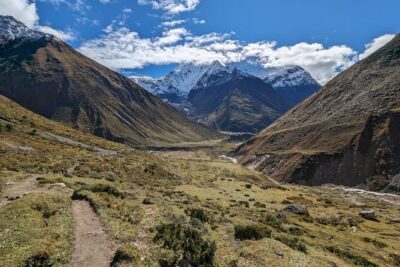 ★ 5.0Jeep Trip to Upper MustangFrom $2,20010 reviews
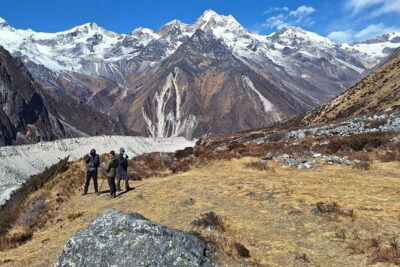 ★ 5.0Kanchenjunga Circuit Trek 19 DaysFrom $2,0009 reviews
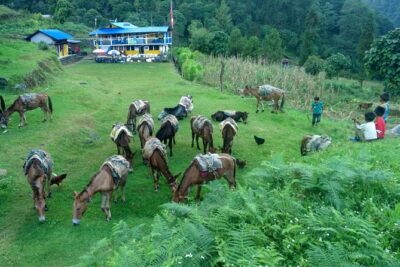 ★ 5.0Kanchenjunga South Base Camp Trek – 13 DaysFrom $2,0956 reviews
Upper Mustang TrekFrom $1,4766 reviews
★ 5.0Kanchenjunga South Base Camp Trek – 13 DaysFrom $2,0956 reviews
Upper Mustang TrekFrom $1,4766 reviews
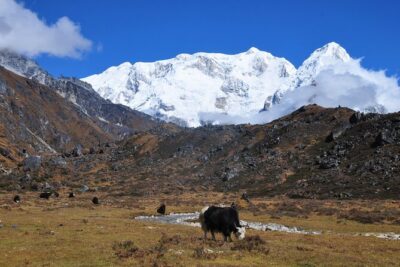 ★ 5.0Kanchenjunga Circuit TrekFrom $3,0005 reviews
 ★ 5.0Upper Mustang TrekFrom $2,2055 reviews
Browse the lists this tour appears in