
Review · UPPER MUSTANG & REMOTE TREKS
Kanchenjunga South Base Camp Trek – 13 Days
Kanchenjunga feels far from the crowds. This 13-day trek takes you through Rai, Limbu, and Tibetan cultural country toward the Kanchenjunga South Base Camp area, with chances for rare wildlife and birds along the way. I especially love the sense of distance you get here: you’re walking one of Nepal’s most remote routes, not a conveyor belt. I also like that the trek mixes real village life with serious mountain scenery, including clear first looks at Kanchenjunga and Kyabru early on. One thing to consider: the higher trail is remote, and options get basic—there’s even a possibility of sleeping in a tent at the last teahouse area if the group is larger.
You’ll also spend a full day focused on the mountain itself, not just marching up and down. The extra excursion day is built for getting an up-close feel for the southern wall and the three main Kanchenjunga summits (8420m, 8586m, and 8474m) as you move along the valley curves and ridges. My other favorite detail is the small-group feel: the tour caps at 7 travelers, which usually means less waiting and more room for the guide to adjust pace. The drawback is also pretty practical: you’ll have long road stretches at the start and finish, and you should be ready for sustained hiking days and a moderate fitness level.
In This Review
- Key highlights before you commit
- Kanchenjunga South Base Camp: the “less crowded, more country” feeling
- Kathmandu, UNESCO stops, and the start toward Ilam (Day 1–2 vibes)
- The early trekking days: rice fields, bridges, and first Kanchenjunga glimpses (Day 3–4)
- Up the Kabeli Khola to Yamphudin: switchbacks, landslide rubble, and yak sightings (Day 5–6)
- Tseram, Lalung Valley, and the Yalung Glacier walk (Day 7–8)
- The big mountain day: base-camp excursion on the southern wall
- Coming down: returning to Tseram and then taking the Ranipul trade-market route (Day 10–11)
- Back to Ilam and then Kathmandu: tea country and a farewell dinner (Day 12–13)
- Price and value: what $2,095.34 really buys you
- Group size, guides, and day-to-day comfort realities
- Weather and pacing: how to protect your views
- Should you book this Kanchenjunga South Base Camp trek?
- FAQ
- What part of Nepal does the trek start from?
- Is pickup in Kathmandu included?
- What ticket type do you receive?
- How many people are in the group?
- What is included for the trek itself?
- Are meals included in Kathmandu?
- Do I need personal insurance?
- Are tips included?
- Is international airfare included?
Key highlights before you commit
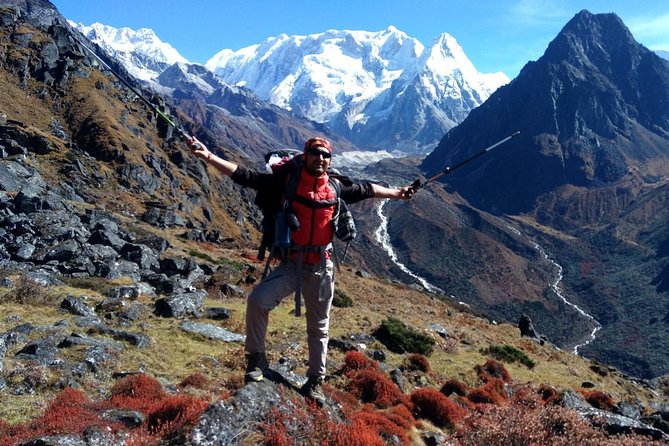
A quieter Kanchenjunga route that stays away from the biggest trekking crowds
Wildlife and bird-spotting potential (Himalayan tahr, black bear, musk deer, and red panda are mentioned for the region)
Teahouse trekking with flexibility including a chance of tent sleeping near the end
A dedicated base-camp excursion day geared toward the southern wall views
Small group size (max 7) plus a government-authorized guide and porters
Permits handled with the Kanchenjunga Conservation Area Permit and government taxes included
More trails out of Kathmandu, boots ready
- Everest Base Camp Trek – 14 Days★ 5.0 · 1,499 reviews
- Everest Base Camp Trek★ 5.0 · 842 reviews
- Everest Base Camp Trekking★ 5.0 · 485 reviews
- Nagarkot Sunrise View and Day Hiking from Kathmandu★ 5.0 · 471 reviews
Kanchenjunga South Base Camp: the “less crowded, more country” feeling
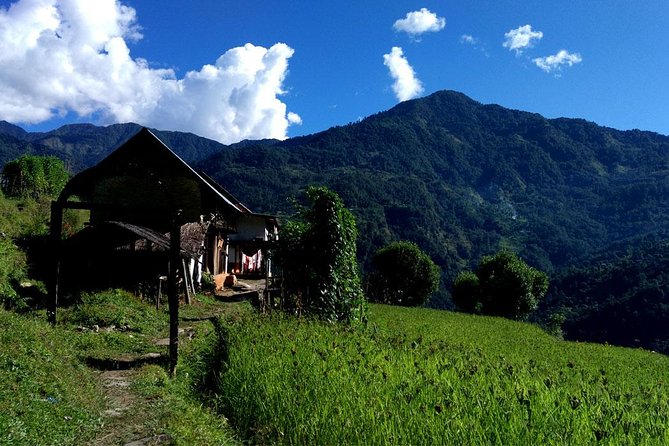
If you’ve done the Everest Base Camp style of trekking, you’ll recognize the rhythm: long days on foot, mountain lunches, and evening conversations in teahouses. What I like here is that Kanchenjunga South Base Camp is cut from a different cloth. You’re heading into Taplejung district’s far northeast corner, where the trail runs through smaller settlements and stretches of working farmland before it turns into high, remote walking.
The mountain itself is the headline, but the trek experience builds the story around it. Kanchenjunga (8586m) sits above the border of Tibet, India, and Nepal, and the route runs alongside the cultural mix of Rai and Limbu communities plus Tibetan-influenced villages. Even though everyone is Nepalese, the cultural practices and dialects can differ from area to area, so the trekking days feel less “touristic village parade” and more like meeting different local rhythms.
And yes, this is a wildlife-friendly region in the way mountain regions can be. The trek description calls out animals like Himalayan tahr, Himalayan black bear, musk deer, snow leopard, and even red panda in the broader area. You’re not guaranteed animal sightings, but it’s the kind of route where you’ll notice tracks, changes in forest density, and how the local ecology shapes what you see.
Kathmandu, UNESCO stops, and the start toward Ilam (Day 1–2 vibes)
Your trip starts in Kathmandu with a private vehicle and sightseeing around UNESCO World Heritage Sites. The itinerary doesn’t list which sites, so treat this as a guided culture day where you get local context before you swap city time for mountain time.
Then you move into the logistics of getting to Taplejung. The plan includes an overnight bus to Illam (about 10 hours on the travel day) followed by another long drive the next day toward Taplejung. This matters more than people think. Long road days can either drain you or set you up well, depending on how you handle sleep and snacks. The way the trek is paced early on is basically telling you: rest, hydrate, and arrive ready to walk.
Overnight at a guest house on Day 2 keeps things simple. You’re close to the trekking start, so you’re not trying to do last-minute gear scrambling in the middle of a half-lit supply chain.
The early trekking days: rice fields, bridges, and first Kanchenjunga glimpses (Day 3–4)
Day 3 drops you from the road system into farmland country. You’ll descend through millet and rice fields, then cross a suspension bridge over the Phewa Khola at 1430m. This is a nice “gentle intro” stage—still real walking, but not yet the steep, relentless grind.
You continue to Sinchebu Bhanjyang (2240m), a Gurung settlement area, where you may pause for tea or a snack. The payoff here is described as your first real glimpses of Kanchenjunga and Kyabru. That moment matters because it turns your effort into something visible. You’re not just hiking in fog and guesswork; you’re watching the mountain appear.
Day 4 continues through mixed forests on a relatively flat path toward Kabeli Khola. You’ll see small waterfalls along the way, which is the kind of “quiet perk” you remember later. Lunch at Yangpang includes views of Mt. Jannu, and then you end with a short but steep push of about 20 minutes up to Pumpe Dada. That last climb is a good example of how the route keeps you working in short bursts rather than only in long steady slopes.
Up the Kabeli Khola to Yamphudin: switchbacks, landslide rubble, and yak sightings (Day 5–6)
Day 5 is mostly uphill on an easy trail that follows the Kabeli Khola. You’ll notice how the valley changes as you go—switchbacks, then rocky sections under cliffs that formed from past landslides. It’s one of those reminders that mountain paths are living things shaped by weather and gravity, not museum exhibits.
Eventually you cross small suspension bridges and pass through settlements until Yamphudin. This is also where I’d mentally prepare for fewer services. The route notes that above Yamphudin, facilities are limited, so you’ll want to trust the planning and carry what you need for comfort.
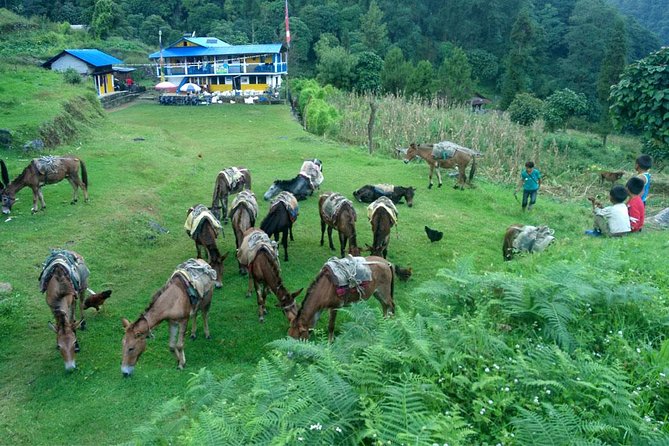
Day 6 starts with a relentless climb from Amje Khola, but the trail is described as well maintained. At Chitre, you might spot grazing yaks, which is a quick morale boost—proof you’re in high-altitude grazing territory. Then the trek moves through a forest described with draping Spanish moss. It’s a film-like scene detail, but practically it means you’re walking through a humid, shaded environment where footing and air feel different than open ridges.
Lunch is brief in a small stop, then you continue through the forest until you break into an opening and cross another suspension bridge, finishing with gentle uphill walking to Tortong. This day is one of those where you’ll be glad you paced yourself the previous day, because you’ll feel it in your legs if you tried to rush.
Tseram, Lalung Valley, and the Yalung Glacier walk (Day 7–8)
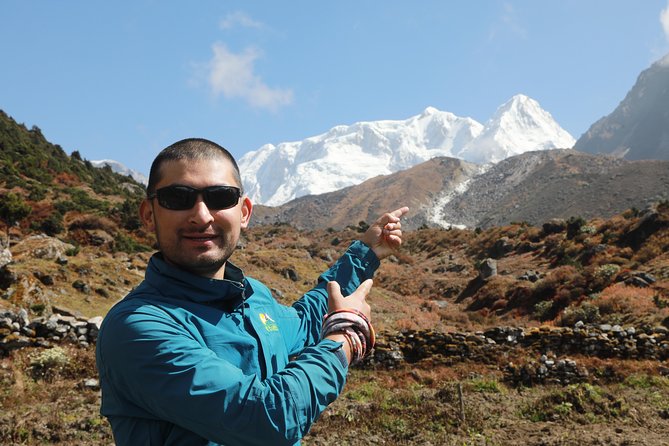
Day 7 climbs gradually to Tseram, taking about 3–4 hours after breakfast. You’ll walk beside the Simbuwa Khola and through the Lalung valley, with Tuplung peak accompanying you for much of the day. Expect rhododendron forest—another cue that the season and elevation are shaping what you see.
The day highlights include the Yalung Glacier views and reaching Cheram village for lunch. Then there’s a hike up to a lake for 1–2 hours, followed by a potential sunset view if the weather cooperates. This is the kind of timing that works well for photographers and also for anyone who just wants to sit down and let the mountains do the talking.
Day 8 is shorter. You start after breakfast, ascend to the start of the Yalung Glacier, and then walk through the valley path with views of several Himalayan peaks. You pass through Lapsang and reach Ramche, described as the last teahouse on the Kanchenjunga South Base Camp trek. The practical catch: Ramche has wide ground but limited options, and if there’s a larger group you may sleep in a tent while still enjoying stars and the Himalaya at night.
That’s not a dealbreaker, but it’s important to know. The last stretch is where comfort becomes less predictable, and where your attitude matters more than your expectations.
The big mountain day: base-camp excursion on the southern wall
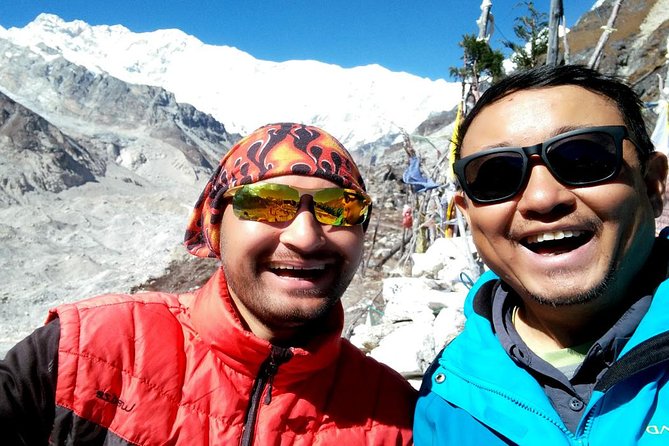
Once you reach Ramche, you get an excursion day built around the mountain rather than just altitude gain. You’ll head out very early with packed lunch to follow the valley curve toward Kanchenjunga’s vast southern wall.
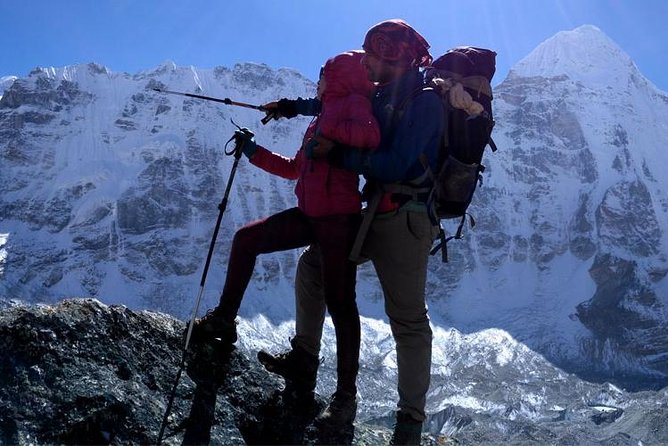
The route along the ridge area is described as tracking three main Kanchenjunga summits: 8420m, 8586m, and 8474m. Seeing all three referenced like that is useful because it frames what you’re looking at during clear spells. In practical terms: clouds will make you work for your views, but when the visibility opens, you’ll get a focused payoff.
I also like how the excursion day is set up as a “take it in” outing, not a grueling forced march. The idea is that you’re finally at the area where the mountain dominates your sense of place.
If you want an extra layer of reassurance, one guide named Galje is specifically mentioned in feedback as matching a slower pace and offering suggestions that fit the group’s rhythm. That’s exactly what you want on a day where weather and energy both matter.
Coming down: returning to Tseram and then taking the Ranipul trade-market route (Day 10–11)
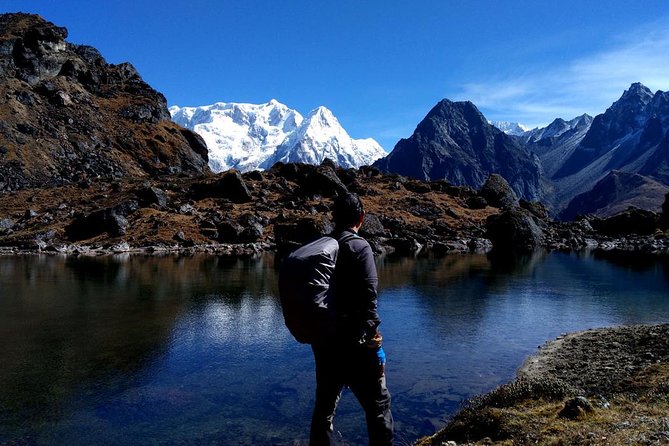
After the excursion, the plan is to head back down to Tseram. Day 10 is a long but easy day, which is a smart way to recover. Your eyes get to enjoy the scenery while your body catches up.
Day 11 changes the game. You follow an old trade market route that once linked India to Tibet, used by the earlier generation of traders when roads didn’t connect everything the way they do now. Today, the route has been developed by local support and government efforts to make it easier and shorter for trekkers, saving you from a longer downhill walk to Yamphudin by taking the trail to Ranipul instead.
What I like about this part of the trek is that it gives you variety. You’re not just undoing every step in reverse; you’re moving along a historic pathway that functions like a shortcut and a cultural connector.
Back to Ilam and then Kathmandu: tea country and a farewell dinner (Day 12–13)
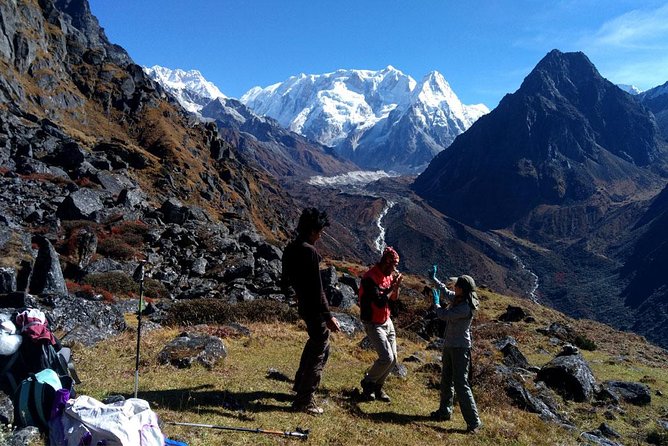
When hiking ends, the trip shifts to scenic drive days. Day 12 includes a celebratory breakfast in the teahouse, then a drive through terraced hills and villages until Taplejung. You stop for lunch, then continue to Ilam—described as a hill town with a beautiful tea garden.
The end of the trek doesn’t mean you’re done with the experience. Staying overnight in a hotel near Ilam gives you a real bed after days in basic rooms and makes the final day feel like a transition, not a crash landing.
Day 13 brings the long drive back to Kathmandu and a farewell dinner in the evening, with an overnight hotel before you continue on. This is also when you’ll appreciate good timing—when you’re tired, a planned dinner beats the chaos of trying to find a restaurant with the energy you have left.
Price and value: what $2,095.34 really buys you
At $2,095.34 per person for about 13 days, you’re paying for more than a name on a brochure. In this case, the inclusions cover the stuff that can be expensive or hard to organize in remote Nepal.
You get government-authorized, experienced guides and porters, and you’re covered for guides’ and porters’ insurance. A first aid kit is included, and you have the Kanchenjunga Conservation Area Permit and government taxes handled. Meals on the trek are included as hygienic breakfast, lunch, and dinner, plus two nights in Kathmandu in 2–3 star hotels with breakfast.
Also, small group size (max 7) is part of the value. That usually translates into better pacing and fewer bottlenecks on bridges and in teahouse dining areas. The description also includes pickup and a mobile ticket, which helps reduce the classic last-day confusion.
What’s not included matters too. International airfare is separate, and Kathmandu meals besides breakfast aren’t included. Tips for guide and porter aren’t included, and alcohol/chocolates/tea/coffee aren’t included either. Personal insurance is listed as not included, so you’ll want to make sure your policy covers trekking.
If you want a straightforward budgeting rule: plan to cover your own travel to Nepal, your personal trekking insurance, and any tips and extras. The trek package is taking care of the core logistics and food and permits.
Group size, guides, and day-to-day comfort realities
This tour runs with a maximum of 7 travelers, which I find makes a difference on a remote trek. Less crowding means you’ll spend more time moving with your guide and less time waiting for space.
You also have a support team structure: guides plus porters, and the trek includes accommodation in local guest houses. The higher sections rely on teahouses, and the last teahouse area (Ramche) can mean tent sleeping depending on group size. That’s a real “bring the right mindset” moment. If you expect hotel-level bedding and quiet, you’ll have a bad time. If you expect mountain-style simplicity, you’ll probably be fine.
The tour is aimed at people with moderate physical fitness. That doesn’t mean it’s easy, but it does mean it’s not advertised as a technical mountaineering expedition. Still, the hike includes long days with climbs (including a “relentless climb” segment and steep uphill touches), so train your legs before you arrive.
Weather and pacing: how to protect your views
The itinerary is full of view moments, but the mountains won’t always cooperate. You’ll likely feel this especially on the excursion day and on the lake/sunset time near Tseram.
So I’d plan around two strategies:
- Keep your pace consistent, especially on the days that start with climbs.
- Treat early mornings as sacred time. The excursion is set up to go early, and it’s not hard to see why.
A slower pace can also be a smart choice. In feedback, Galje was praised for making suggestions that matched a slower pace, including an additional climb idea (Sunpati Peak is mentioned in the context of pace-matching). That’s a reminder that good guiding isn’t only about distance—it’s about fitting the day to your body.
Should you book this Kanchenjunga South Base Camp trek?
Book it if you want a remote-feeling Himalayan trek with fewer people, meaningful cultural encounters, and serious mountain focus—without needing the scale of Everest logistics. This is a good match if you like teahouse trekking, don’t mind basic facilities in higher areas, and you’re comfortable with long road transfers plus multi-day hiking.
Don’t book it if you hate uncertainty around comfort. The route includes a possible tent night near the end, and above Yamphudin facilities are limited by nature. If your ideal trip means predictable meals, predictable beds, and minimal time on the bus, you’ll probably feel annoyed rather than amazed.
If you’re on the fence, here’s my practical recommendation: commit if you’re drawn to Kanchenjunga’s remoteness and you can handle a moderate fitness challenge. You’ll come away feeling like you walked into a real corner of Nepal, not just checked a mountain off a list.
FAQ
What part of Nepal does the trek start from?
The meeting point is Breeze Adventure Pvt. Ltd in Thamel Marg, Kathmandu 44600, Nepal, and the activity ends back at the same meeting point.
Is pickup in Kathmandu included?
Pickup is offered, according to the tour details.
What ticket type do you receive?
You get a mobile ticket.
How many people are in the group?
The tour has a maximum of 7 travelers.
What is included for the trek itself?
The package includes local guest house accommodation, required road transport during the trek, guide and porter support, hygienic meals (breakfast, lunch, and dinner) during the trek, and a Kanchenjunga Conservation Area Permit with government taxes.
Are meals included in Kathmandu?
Two nights in Kathmandu in 2–3 star hotels include breakfast. Meals in Kathmandu besides breakfast are not included.
Do I need personal insurance?
Yes. Personal insurance is not included in the package. The itinerary includes insurance for guides and porters.
Are tips included?
No. Tips for the guide and porter are not included.
Is international airfare included?
No. International airfare is not included.
More Trekking Out of Kathmandu
More Tour Reviews in Kathmandu
Just Reviewed in Kathmandu
- Mountain Bike Tour
★ 5.0 · 3 reviews - Annapurna Panaroma
★ 5.0 · 3 reviews - Mount Everest Scenic Flight 50 Minutes
★ 5.0 · 3 reviews - Kathmandu : Swambhunath & Durbar Square Guided Half Day Tour
★ 3.3 · 3 reviews - Chandragiri Cable Car & Monkey Temple Tour – Private/Group
★ 5.0 · 3 reviews - Kathmandu: Shivapuri National Park Hiking Day Trip
★ 3.3 · 3 reviews
Upper Mustang & Remote Treks, compared.
 ★ 5.0Upper Mustang Classic Trek with Local guideFrom $2,50015 reviews
 ★ 5.0Nar Phu Valley Trek – 12 DaysFrom $1,60011 reviews
 ★ 5.0Jeep Trip to Upper MustangFrom $2,20010 reviews
 ★ 5.0Kanchenjunga Circuit Trek 19 DaysFrom $2,0009 reviews
 ★ 5.0Lower Mustang Motorbike Tour -8 DaysFrom $1,5009 reviews
Upper Mustang TrekFrom $1,4766 reviews
★ 5.0Lower Mustang Motorbike Tour -8 DaysFrom $1,5009 reviews
Upper Mustang TrekFrom $1,4766 reviews
 ★ 5.0Kanchenjunga Circuit TrekFrom $3,0005 reviews
 ★ 5.0Upper Mustang TrekFrom $2,2055 reviews
Browse the lists this tour appears in