
Review · UPPER MUSTANG & REMOTE TREKS
Nar Phu Valley Trek – 12 Days
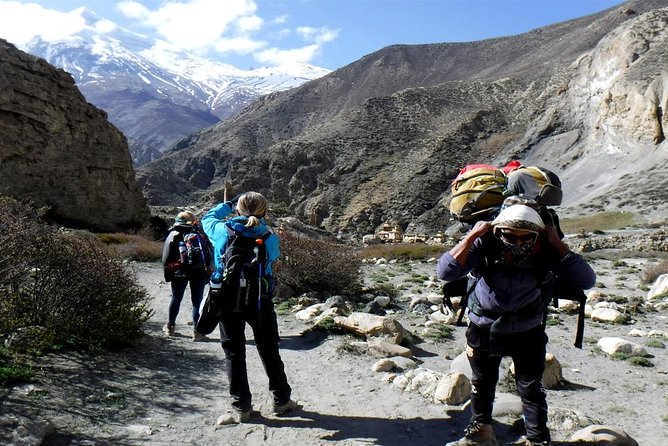
If you want quiet Nepal, go here. This 12-day trek into Nar and Phu in Manang pairs jaw-dropping Himalayan views with real village life, led by Breeze Adventure with guides like Kishwor Adhikari on the ground. You’ll also cross Kang La Pass (5,320m), then come back down with the kind of memories that don’t fade after jet lag.
I especially like the chance to get off the main trekking radar and spend time in Nar and Phu—old monasteries, local culture, and daily rhythms you can actually witness. I also love how the trek keeps promising bigger mountain payoffs, including panorama days that frame Annapurna peaks from high above. The main consideration is the altitude and the pass effort: you’ll hike at thin air, and the route requires moderate fitness plus good weather to run smoothly.
In This Review
- Key highlights before you commit
- Nar and Phu villages: the culture you walk into, not just see
- Kang La Pass at 5,320m: the altitude moment that defines the whole trip
- Day-by-day breakdown: from Kathmandu roads to Nar village nights
- Why those mountain views hit harder after village time
- Practical value: what $1,600 covers (and what you still need to plan)
- Who should book this trek, and who might hate it
- The Breeze Adventure feel: organization plus a guide you’ll remember
- Should you book the Nar Phu Valley Trek with Breeze Adventure?
- FAQ
- What is the total duration of the Nar Phu Valley Trek?
- Where does the trek start in Kathmandu?
- Is pickup offered for this tour?
- What is the highest point on the trek?
- What accommodation is included during the trip?
- What meals are included?
- Are guides and porters provided?
- What is the maximum group size?
Key highlights before you commit
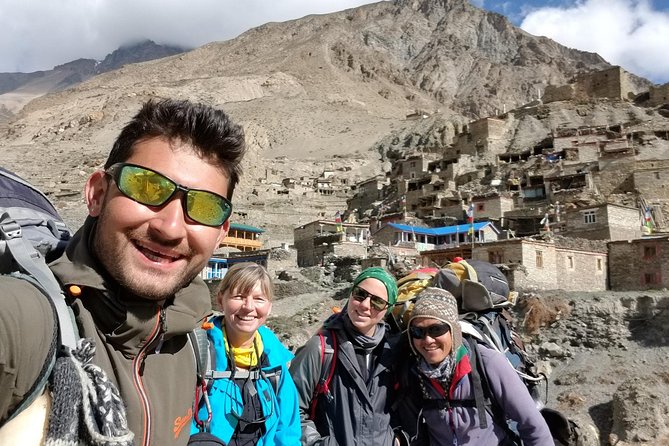
- Nar and Phu villages: a rare cultural slowdown in Nepal’s Manang district
- Kang La Pass at 5,320m: the trek’s biggest altitude moment and best-view payoff
- Annapurna peak panorama: Annapurna II, III, IV, plus Gangapurna mentioned as visible from the pass area
- Satek Gumba monastery night: a quiet, monk-run cultural stop on the way to Nar
- Small group size: maximum 10 people, which helps keep the pace human
- Breeze Adventure support: road transfers, porters, meals, and gear included to reduce hassle
More trails out of Kathmandu, boots ready
- Everest Base Camp Trek – 14 Days★ 5.0 · 1,499 reviews
- Everest Base Camp Trek★ 5.0 · 842 reviews
- Everest Base Camp Trekking★ 5.0 · 485 reviews
- Nagarkot Sunrise View and Day Hiking from Kathmandu★ 5.0 · 471 reviews
Nar and Phu villages: the culture you walk into, not just see
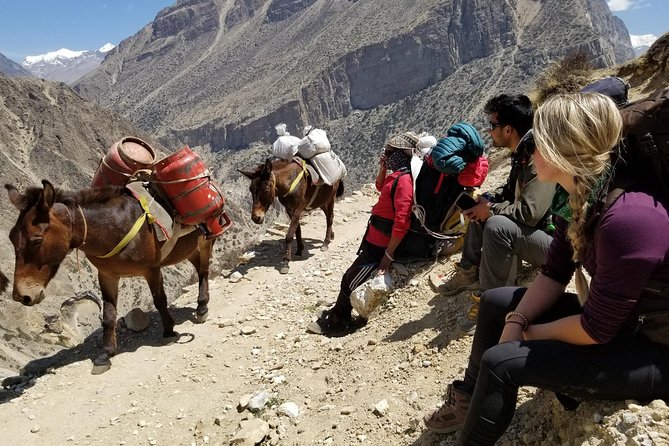
This trek works because Nar and Phu feel separate from the usual trekking circuit. Once you start hiking, the trail keeps pointing you toward a valley that still reads like a place with old habits—villages, monasteries, and practical daily life that you pass right through.
You’re not just doing scenic miles. Nar and Phu are known for a precious cultural heritage, and the itinerary is designed so you spend time in the villages, not only pass by them. You’ll also get opportunities to stay in mountain guest houses, which usually means you’ll eat, rest, and move with the local rhythm rather than in a constant tourist “bubble.”
And yes, the mountains matter here. Even early on, you get views toward Manaslu, and the longer you walk, the more the high peaks start to dominate your thinking. If you love a trek that mixes culture with serious scenery, this one hits the balance well.
Kang La Pass at 5,320m: the altitude moment that defines the whole trip
Let’s talk reality: Kang La Pass (5,320m) is not a casual checkbox. You’re going to feel it in your breathing, your pace, and the way your legs behave afterward. That said, the route is built with a smart acclimatization rhythm, including a rest day on Day 6.
On Day 6, you pause for acclimatization and can hike either to Phu View Point or toward Himlung Base camp. That’s a useful pattern for two reasons:
- you let your body adjust before the big pass push
- you still stay moving enough to keep your energy from dropping too hard
The trek also provides equipment such as sleeping bag and crampons (and more gear), which matters when you’re dealing with colder nights and higher terrain. If you’ve ever underestimated cold at altitude, consider this your reminder to pack sensibly—or lean on the provided gear.
Day-by-day breakdown: from Kathmandu roads to Nar village nights
Day 1: Arrival in Kathmandu
You arrive and settle into Kathmandu, where Breeze Adventure includes three nights in a 2–3 star hotel with breakfast. This is a good buffer day because Kathmandu time helps you get organized before the long drive and first hike.
Day 2: Drive Kathmandu to Dharapani (1,860m), 9–10 hours
This is a long road day. Expect a full day in the vehicle, which is common in Nepal but still worth planning your body for. Bring snacks and keep your water game strong because you’ll likely want an early night.
Day 3: Trek Dharapani to Koto (2,600m), 5–6 hours
Now you start earning the altitude slowly. The hike runs through sub-tropical forest terrain, which usually means less brutal early exposure and more variety—trees, shade, and a steadier start for your legs.
Day 4: Trek Koto to Meta (3,560m), 7–8 hours
The hours are longer today, and the air thins more noticeably. This stage helps set your rhythm for the upper-valley days. You’ll keep moving through changing terrain as you climb toward the Nar and Phu corridor.
Day 5: Trek Meta to Phu (4,080m), 7–8 hours
You’re gaining elevation again, and the landscape starts feeling more “high valley” than “lower hike.” Reaching Phu is a big moment because it places you near the heart of the Nar–Phu cultural area.
Day 6: Rest/acclimatization at Phu
This is your decompression day. You’ll either take it easy or hike to Phu View Point or Himlung Base camp. Either way, you’re preparing for the big altitude crossing later.
Day 7: Trek Phu to Nar Phedi (Satek Gumba) (3,440m), 6–7 hours
This is one of the most distinctive days. You’re heading toward a monastery stop, and you’ll sleep at Nar Phedi / Satek Gumba. The itinerary calls out a night stay at Nar Phedi Monastery with monks, which is exactly the kind of cultural experience that makes the trek more than scenery.
Day 8: Trek Nar Phedi to Nar Village (4,120m), 3 hours
Shorter hiking time, higher altitude. That combo is great: you’re not spending all day on steep terrain, but you still feel the altitude as you climb back up to Nar.
Day 9: Trek Nar to Ngawal via Kang La Pass (5,320m), 7–8 hours
This is the main event. Expect effort during the pass, then a satisfying sense of payoff once you’re high enough to take in the panorama. The trek description highlights views of Annapurna II, Annapurna III, Annapurna IV, and Gangapurna, which tells you this isn’t a “just get over it” crossing. You’ll also be descending afterward, which can be tough on knees—pace matters.
Day 10: Drive Ngawal (3,540m) to Besishar (750m), 5–6 hours
You drop fast—from high air to much lower altitude. That’s a relief for breathing, but your body may still feel travel-sore. It helps to keep moving your ankles and stretch when you can.
Day 11: Drive Besishar to Kathmandu, 5 hours
Another road day, but the end is near. With a trek like this, I find it’s worth treating the last day as recovery: shower, good meal, and sleep.
Day 12: Departure
You end back near the meeting point in Kathmandu.
Why those mountain views hit harder after village time
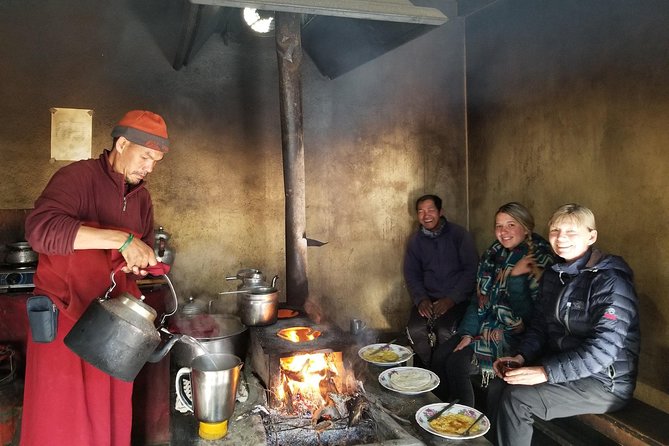
Many treks give you big scenery. Fewer treks make you work for it and then give you culture as the reward in between. Here, you’ll see a range of environments: forests, canyons, rivers, waterfalls, desolate valleys, and snowy mountain peaks. That diversity matters because it keeps the days interesting when your body is focused on effort.
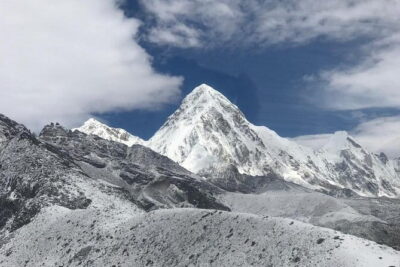
The trek is also timed in a way that lets high-mountain views build rather than arrive all at once. Early on, you get sights toward Manaslu. Later, the big day is the pass, where the itinerary points to a panorama spanning multiple Annapurna peaks and Gangapurna. You’ll also get a breathtaking view looking out toward the Annapurna valley from Kang La Pass.
If you’re the type who enjoys “the view is good because I earned it,” this route delivers.
Practical value: what $1,600 covers (and what you still need to plan)
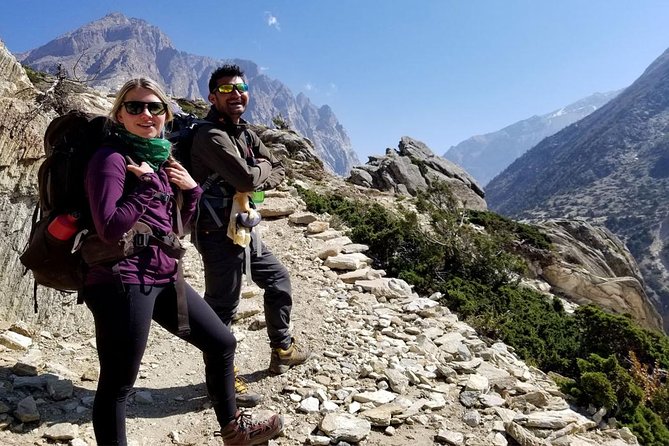
At $1,600 per person, this trek sits in the mid-to-higher end for Nepal guided hikes—but the inclusions explain why. You’re not just buying a guide and a route.
What you get that reduces your day-to-day stress:
- Airport transfer (to and from Tribhuvan Airport)
- Three nights in Kathmandu (2–3 star hotel, breakfast included)
- Road transport for the trekking route
- Mountain guest house accommodation
- Government-authorized guide and porters, with food/accommodation/wages covered
- Hygienic meals (breakfast, lunch, dinner) during the trek
- Equipment such as sleeping bag and crampons, plus a first aid kit
- Map of the Nar Phu Valley trek
- Service charges and government taxes
- A post-trek celebration dinner in Kathmandu
What you’ll still pay separately:
- International airfare
- Meals in Kathmandu beyond breakfast
- Personal expenses like shopping and similar extras
- Alcoholic drinks, chocolates, tea, and coffee
- Tips for guide and porter
- Extra accommodation/meals outside the itinerary
- Personal insurance
If you like knowing your budget ahead of time, this is a strong package. You mainly need to budget for the obvious non-inclusions (airfare, Kathmandu lunches/dinners, and tipping), and pack your own essentials.
Who should book this trek, and who might hate it
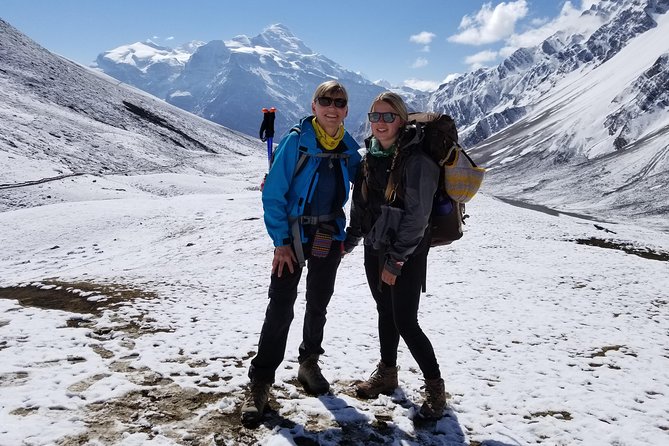
This trek is best for you if:
- you want a small group trek (max 10 people) with a steadier pace
- you’re drawn to Nar and Phu cultural life and monasteries, not only mountain photos
- you’re comfortable hiking multiple days in a row and handling one big pass day
It may not be the right fit if:
- you don’t like cold at altitude or you’re unprepared for the long pass day
- you prefer a short trek with no big altitude push
- you hate long drives (Day 2 is 9–10 hours, and Day 11 is another 5-hour push)
Also, remember this experience requires good weather. When weather is poor, plans can shift—so build flexibility into your Nepal schedule.
The Breeze Adventure feel: organization plus a guide you’ll remember
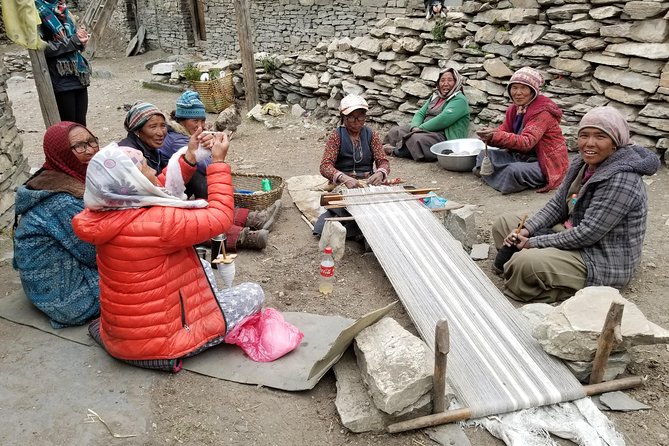
A theme that stands out from the feedback around Breeze Adventure is how consistently Kishwor Adhikari and the team are credited for care and organization. When a trek has a complex run of drives plus high-altitude trekking, “good logistics” isn’t a luxury—it’s safety and sanity.
You’ll likely appreciate that the trip keeps things structured: gear is provided, meals are handled during the trek, and the itinerary has a clear flow from Kathmandu down to Besishar and back. That kind of planning helps you focus on the trail and the villages rather than on constant problem-solving.
Should you book the Nar Phu Valley Trek with Breeze Adventure?
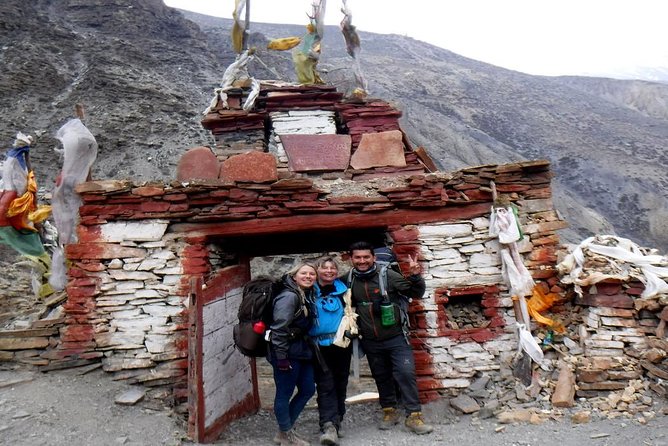
If you want the Annapurna region without the crowds, and you care about culture as much as views, I’d book this. The combination of Nar and Phu village time, a monastery night at Satek Gumba, and the Kang La Pass panorama makes it a trek with meaning—not only scenery.
Book if:
- you’re willing to earn the big pass day
- you like a smaller group experience
- you want a trip that mixes village life with Himalayan scale
Skip (or look for an easier alternative) if:
- you want a gentle trek with minimal altitude stress
- long road days wear you out quickly
- you’re not ready for weather-dependent trekking in the higher Himalaya
If you match the vibe, this is the kind of Nepal trip that stays practical in your photos—and surprisingly practical in your memory too.
FAQ
What is the total duration of the Nar Phu Valley Trek?
The trek runs about 12 days.
Where does the trek start in Kathmandu?
The meeting point is Breeze Adventure Pvt. Ltd in Thamel Marg, Kathmandu 44600, Nepal.
Is pickup offered for this tour?
Yes, pickup is offered.
What is the highest point on the trek?
The itinerary includes crossing Kang La Pass (5,320m).
What accommodation is included during the trip?
You get three nights in Kathmandu in a 2–3 star hotel (breakfast included), plus mountain guest house accommodation during the trek.
What meals are included?
During the trek, breakfast, lunch, and dinner are included. In Kathmandu, breakfast is included; other Kathmandu meals are not.
Are guides and porters provided?
Yes. The tour includes a government-authorized experienced guide and porters.
What is the maximum group size?
The tour has a maximum group size of 10 people.
If you want, tell me your hiking experience level and travel month, and I’ll help you sanity-check whether this pass-focused itinerary fits your body and schedule.
More Trekking Out of Kathmandu
More Tour Reviews in Kathmandu
Just Reviewed in Kathmandu
- Mountain Bike Tour
★ 5.0 · 3 reviews - Annapurna Panaroma
★ 5.0 · 3 reviews - Mount Everest Scenic Flight 50 Minutes
★ 5.0 · 3 reviews - Kathmandu : Swambhunath & Durbar Square Guided Half Day Tour
★ 3.3 · 3 reviews - Chandragiri Cable Car & Monkey Temple Tour – Private/Group
★ 5.0 · 3 reviews - Kathmandu: Shivapuri National Park Hiking Day Trip
★ 3.3 · 3 reviews
Upper Mustang & Remote Treks, compared.
 ★ 5.0Upper Mustang Classic Trek with Local guideFrom $2,50015 reviews
 ★ 5.0Jeep Trip to Upper MustangFrom $2,20010 reviews
 ★ 5.0Lower Mustang Motorbike Tour -8 DaysFrom $1,5009 reviews
 ★ 5.0Kanchenjunga Circuit Trek 19 DaysFrom $2,0009 reviews
Upper Mustang TrekFrom $1,4766 reviews
★ 5.0Kanchenjunga Circuit Trek 19 DaysFrom $2,0009 reviews
Upper Mustang TrekFrom $1,4766 reviews
 ★ 5.0Kanchenjunga South Base Camp Trek – 13 DaysFrom $2,0956 reviews
 ★ 5.0Upper Mustang Trek – 13 DaysFrom $2,3005 reviews
 ★ 5.0Kanchenjunga Circuit TrekFrom $3,0005 reviews
Browse the lists this tour appears in