
Review · UPPER MUSTANG & REMOTE TREKS
Kanchenjunga Circuit Trek
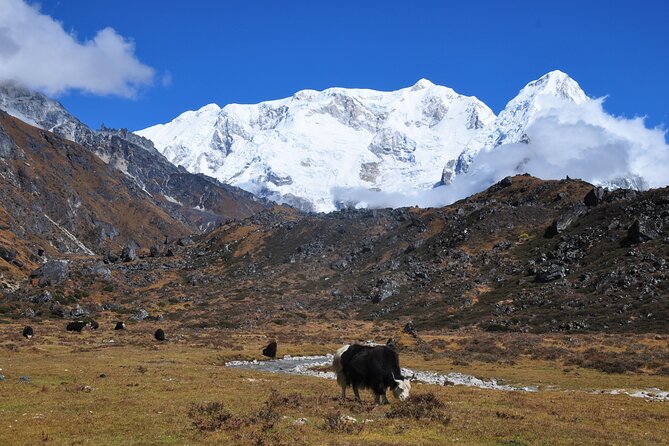
A remote Himalayan circuit with real solitude. The Kanchenjunga region feels wilder than most Nepal routes. You’ll work your way through villages and forests, then climb into base-camp country toward Selela Pass and the Pangpema area.
I particularly like two things here: the chance to reach Pangpema base camp near 5,143m and the way the program is built around real local life, not just mountain scenery. Second, I like that you get a government licensed, experienced English-speaking guide plus three meals a day during the trek.
The main drawback to plan for is simple: this is a remote, high-altitude trek, and comfort is basic. Also, emergency evacuation isn’t included, so you’ll want solid travel insurance and a realistic attitude about cold nights and long days.
In This Review
- Key Things I’d Circle on Your Map
- Why the Kanchenjunga Circuit Feels Remote (Not Like a Busy Showcase)
- Price and Value: What $3,000 Covers (and What It Doesn’t)
- What you get for the price
- What you still need to budget for
- Getting There: Kathmandu Start and the 7:15am Reality
- Days 1–6: From Suketar to Cheram, Building Altitude the Right Way
- Day 7–10: Acclimatization at Cheram, Then Ramche and Selela Pass
- Days 11–15: Ghunsa to Lhonak, Kanchenjunga Base Camp, and the Pang Pema Overnight
- Days 16–21: The Descent Through Ghunsa, Amjilosa, Chirwa, Phurumbu, and Back to Suketar
- On the Ground: Meals, Gear, Guides, and Comfort Reality
- Who This Trek Fits Best (and Who Might Want to Think Twice)
- Should You Book the Kanchenjunga Circuit Trek?
- FAQ
- How long is the Kanchenjunga Circuit Trek?
- Where does the trek start?
- What is the highest point or highest camp mentioned?
- Are meals included during the trek?
- What permits and fees are included?
- Do I get a guide, and is the guide English speaking?
- Is down jacket and sleeping gear provided?
- What’s not included in the price?
- Is a porter included?
- Is this tour private?
- What is the cancellation window?
Key Things I’d Circle on Your Map
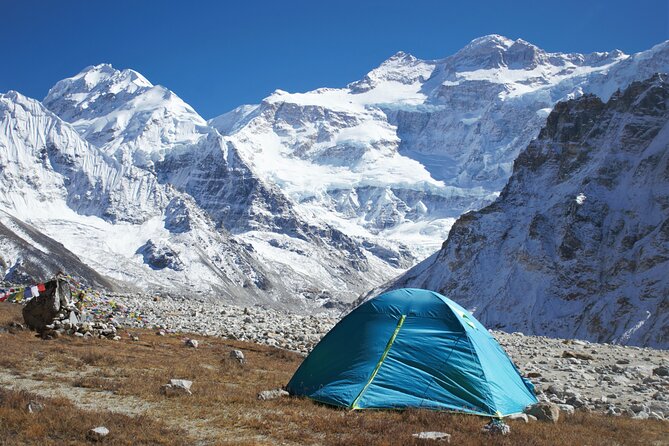
- Pangpema overnight near 5,143m gives you a true base-camp feel at extreme altitude
- Selela Pass area (about 4,290m) and the broader circuit routing through pass country
- Chances to spot wildlife like snow leopards and mask deer, plus rhododendron and oak forests
- Cultural variety through Rai and Limbu communities and village stays across changing elevations
- Meals + essentials included during the trek, including seasonal fresh fruit and a first aid kit
More trails out of Kathmandu, boots ready
- Everest Base Camp Trek – 14 Days★ 5.0 · 1,499 reviews
- Everest Base Camp Trek★ 5.0 · 842 reviews
- Everest Base Camp Trekking★ 5.0 · 485 reviews
- Nagarkot Sunrise View and Day Hiking from Kathmandu★ 5.0 · 471 reviews
Why the Kanchenjunga Circuit Feels Remote (Not Like a Busy Showcase)
Kanchenjunga sits in Nepal’s far northeast corner, in what’s described as a wilderness that’s largely untouched by heavy tourism. That matters because your days don’t revolve around crowds, tee-shirt vendors, or the same photo angle every hour. Instead, you get the rhythm of walking between small settlements and forested sections, then slowly turning toward steeper, harsher terrain.
The route also plays in a big ecological range. Expect forests where you might see birds and rhododendron and oak, then higher country where weather shifts fast. The program even points out Mirgin-La (about 4,725m) on the journey toward Selela Pass, which is the kind of detail that tells you the itinerary is actually tuned to the mountain, not just the brochure.
Culturally, you’re not stuck only at a single altitude zone. You’ll pass through different local ethnic communities—specifically Rai and Limbu—and you’ll feel how daily life changes as elevation climbs and roads disappear. If you like trekking that feels like you’re moving through real geography and real communities, this fits.
Price and Value: What $3,000 Covers (and What It Doesn’t)
At $3,000 per person for about 21 days, this is not a budget trek. But the inclusions are doing real work, and that’s where the value comes from.
What you get for the price
During the trek, you’re covered for:
- Three meals a day (so you’re not constantly negotiating meals at altitude)
- Seasonal fresh fruit
- A government licensed, experienced English-speaking guide
- A Kanchenjunga permit and conservation fee
- A trekking map per person
- A first aid kit
- Down jacket and sleeping gear after the trek (refundable)
In Kathmandu, the package includes:
- Airport/hotel pickup and drop-off by private vehicle
- Hotels in Kathmandu with breakfast
What you still need to budget for
Not included:
- International airfare and Nepal visa fees
- Travel and medical insurance (plus emergency evacuation)
- Personal expenses like hot showers, extra drinks, laundry, and other comforts
- Kathmandu meals and accommodation if your timing runs early or late
- Porter (available for extra cost)
So here’s the honest math: you’re paying for a guided, permit-backed, logistics-heavy trek where key essentials are handled. If you’d otherwise pay separately for permits, a guide, and core gear, the price starts to make sense. If you already have your own gear and you travel ultra-light, you still benefit because your permits, map, meals, and guide aren’t optional in a remote area like this.
Getting There: Kathmandu Start and the 7:15am Reality
Your day begins at Tribhuvan Airport in Kathmandu. The start time is listed as 7:15 am, which matters because flight schedules and mountain timetables don’t love late arrivals. This is also a private tour/activity, meaning it’s only your group.
The package includes airport and hotel transfers by private vehicle, and Kathmandu hotel stays include breakfast. That sounds basic, but for a trek like Kanchenjunga Circuit, it reduces stress in the one city where you want everything to be simple.
One more practical note: your guide and package are arranged so the trek starts with a flight from Kathmandu to Suketar (about 2,420m), cutting out a long early slog. You still do real work on foot right away, but you’re not forcing your body to jump-start altitude from sea level.
Days 1–6: From Suketar to Cheram, Building Altitude the Right Way
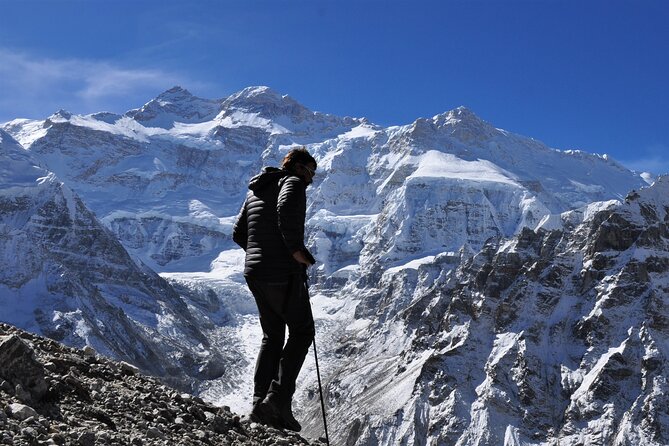
This early stretch sets your pace and your expectations. You start at Suketar around 2,420m, then transition into the trekking settlements that climb you toward the higher passes.
Day 1: Fly Kathmandu → Suketar (2,420m), then trek to Lalikha. This is a start day: enough walking to wake up your legs, not enough to fry you.
Day 2: Trek from Lalikharka to Khesewa (about 2,120m). You’ll notice a pattern: the trek isn’t a straight line upward. Dropping slightly in elevation is how you manage early exertion.
Day 3: Khesewa to Mamankhe (about 1,785m). Yes, it goes down again. That’s not a mistake—it’s pacing. It helps you settle into trekking rhythm and reduce the odds of feeling crushed too early.
Day 4: Mamankhe to Yamphudin (about 2,080m). More steady climbing, still within a zone most trekkers can handle if they’re careful with effort.
Day 5: Yamphudin to Tortong (about 2,995m). This is where you feel the altitude shift. Expect colder air and quicker fatigue if you push too hard.
Day 6: Tortong to Cheram (about 3,870m). By the time you reach Cheram, the trek has moved into a more “high-country” feel. Nights are colder, and you’ll want to keep your pace conservative.
What I like about this first phase is that it’s not an all-up sprint. You’re allowed to learn how your body handles hiking at altitude before you hit the real high stuff.
Day 7–10: Acclimatization at Cheram, Then Ramche and Selela Pass
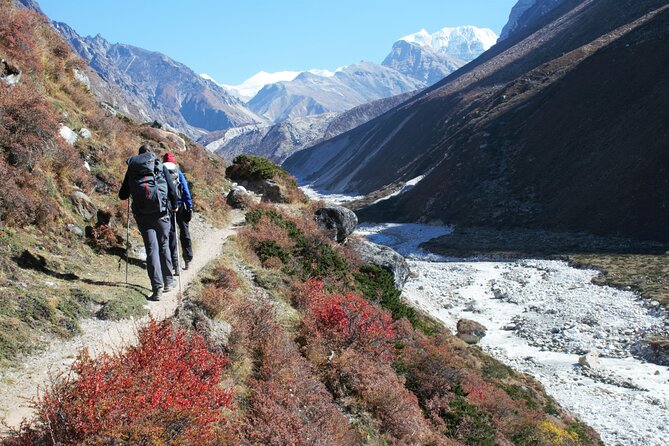
This is the part of the trek that separates comfort from suffering. You’ll get a key acclimatization stop and then you’ll transition into pass country.
Day 7: Cheram rest and acclimatization. This is a big deal. The itinerary gives you time to recover, hydrate, and adjust before you go higher.
Day 8: Cheram → Ramchaur (Ramche) around 4,580m. This jump is noticeable. The “right” approach here is to hike steadily and not treat every uphill like a race.
Day 9: Ramche → Yalung Base Camp (about 4,500m) then return to Cheram. This is one of those days that helps you feel what base-camp country looks like without committing to an overnight at extreme altitude.
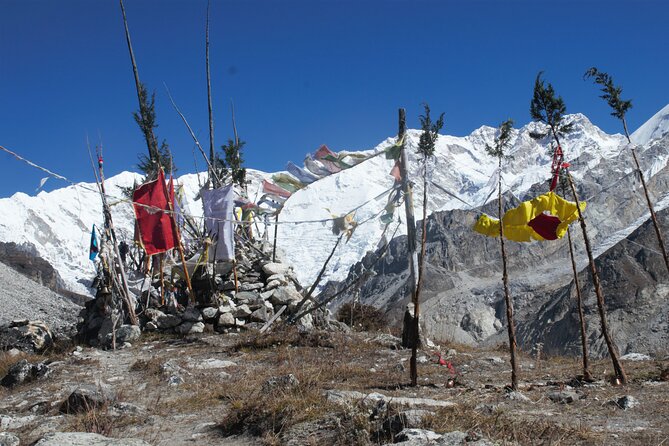
Day 10: Cheram → Sele La (about 4,290m). Selela Pass is the iconic moment in this section. Your reward is wide mountain viewing, and your work is mostly the usual hard climb: breathe, step, and keep the effort smooth.
You also get a promised mix of scenery as you move through forested sections and into harsher terrain. If wildlife sightings matter to you, this is the kind of region where you might spot things like birds, and depending on season and luck, even larger wildlife. Keep expectations realistic: wildlife is never guaranteed, but the habitat is clearly part of the plan.
Days 11–15: Ghunsa to Lhonak, Kanchenjunga Base Camp, and the Pang Pema Overnight
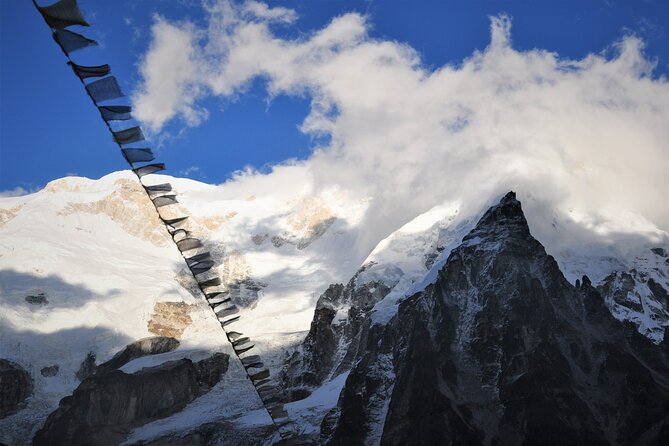
Now we’re in the high zone. The route funnels you through classic high camps—built for staying overnight, eating, and recovering before the next push.
Day 11: Selela La → Ghunsa (about 3,595m). This is a drop in altitude, which helps you reset after pass altitude.
Day 12: Ghunsa → Kambachen (about 4,050m). You’re climbing again, slowly tightening the altitude screws.
Day 13: Kambachen → Lhonak (about 4,780m). Lhonak is high, cold, and more sensitive to how you pace yourself.
Day 14: Lhonak → Kanchenjunga Base Camp area, then overnight at Pangpema (about 5,143m). This is the climax for many trekkers: the base-camp feeling at very high altitude. Even if you’ve been to other base camps, the altitude here changes everything—your breath rate, your energy, even how long it takes to feel “warm.”
Day 15: Pangpema → Lhonak. Coming back down is a relief for your body and your mind. It also sets up the later return trek without carrying the highest altitude stress forward.
This section is where you learn how much trekking is “management” rather than “pushing.” If you’ve ever wanted proof that guides and pacing matter, this is where you see it.
Days 16–21: The Descent Through Ghunsa, Amjilosa, Chirwa, Phurumbu, and Back to Suketar
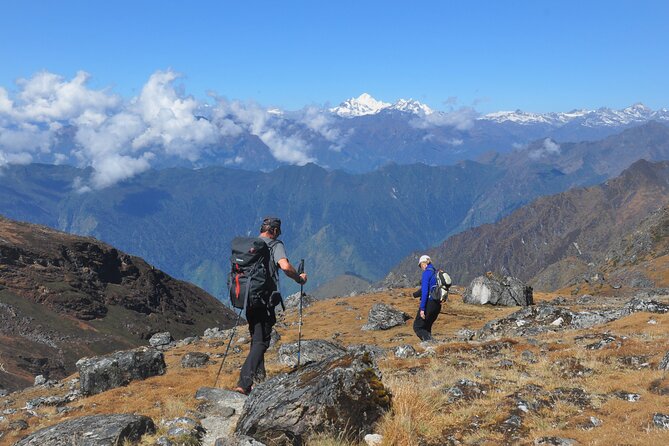
The return is not just easy walking downhill. You’re still trekking day after day, and each shift in elevation affects how you feel in your knees and legs.
Day 16: Lhonak → Ghunsa (about 3,475m). A drop helps, but don’t celebrate too early—terrain can still be rough.
Day 17: Ghunsa → Amjilosa (about 2,308m). This moves you closer to a more comfortable altitude range.
Day 18: Amjilosa → Chirwa (about 1,270m). This is a big altitude reduction. Expect warmer air and a different feel to the trail.
Day 19: Chirwa → Phurumbu (about 1,549m). More walking, more time to appreciate how the region changes as you go.
Day 20: Phurumbu → Suketar. This is your final trekking leg before flying.
Day 21: Fly Suketar → Kathmandu. You’ll likely feel a mix of relief and letdown, which is normal after a trek that’s this remote.
On the Ground: Meals, Gear, Guides, and Comfort Reality
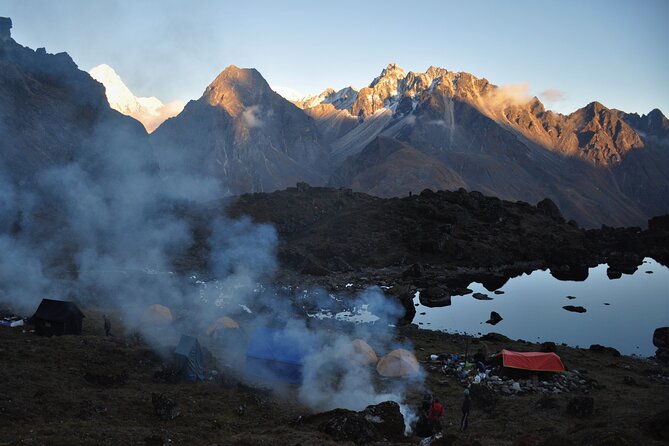
If you care about day-to-day logistics, this trek is set up better than many. You get three meals during the trek, plus seasonal fresh fruit, which sounds small until you’re at altitude and your body wants consistency.
Gear-wise, you’re provided a down jacket and sleeping gear for the trek, then it’s refundable after. That’s a big help if you’re traveling from abroad and don’t want to haul winter gear around the world. Still, always plan for cold: even with gear, mountain nights can bite.
Guides matter a lot on a high circuit. The package specifies a government licensed, experienced English-speaking guide. In real-world trip feedback, guides like Nima Sherpa and Pasang come up as friendly, well spoken, and genuinely helpful with the practical side of the journey. I’d take that as a signal to ask questions early about your route pacing and how to handle acclimatization day by day.
One food note for picky eaters and anyone with diet limits: one trek experience described no issues eating as a vegan on a similar Kanchenjunga Circuit trek. You should still confirm dietary needs in advance with the operator, but it’s reassuring that meal planning can work beyond standard meat-and-rice assumptions.
Finally, remember what’s not included: emergency evacuation and travel/medical insurance. The trek company includes a first aid kit, but insurance is still your job. For a trek at these elevations, that isn’t paranoia—it’s smart planning.
Porters are not included; they’re available for an extra cost. If you’re worried about carrying a heavy daypack, you can budget for a porter and keep your hike more enjoyable.
Who This Trek Fits Best (and Who Might Want to Think Twice)
This is best for you if:
- You want a remote circuit with real solitude
- You like a route that mixes villages, forests, and serious altitude
- You’re comfortable with a higher-altitude plan and want a guided program that builds in a rest day for acclimatization
It may not be the best fit if:
- You want guaranteed comfort or simple logistics every day
- You’re not ready for cold, basic facilities, and long stretches at altitude
- You haven’t planned insurance and a realistic response to altitude risk
If you’re a confident trekker with solid stamina and you follow the guide’s pacing, this route can be deeply rewarding. If you’re hoping for a casual walk with scenery postcards, you might end up miserable by day 7.
Should You Book the Kanchenjunga Circuit Trek?
I’d book this if your dream trek has two ingredients: serious mountains and less tourism pressure. The itinerary’s mix of elevation changes, acclimatization time, and a high-altitude base-camp overnight at Pangpema gives you the kind of experience that feels earned, not staged.
I’d pause and ask a lot of questions before booking if you’re unsure about altitude readiness, because this trek sits in the zone where how you manage your body matters. If you do book, plan your insurance for emergency scenarios, pack for cold, and be ready to hike patiently.
Bottom line: for the right person, this is one of Nepal’s more authentic, remote circuit-style adventures—built for those who want the mountain, not just the view.
FAQ
How long is the Kanchenjunga Circuit Trek?
The trek is listed as 21 days (approx.).
Where does the trek start?
It starts at Tribhuvan Airport in Kathmandu, Nepal, with a start time of 7:15 am.
What is the highest point or highest camp mentioned?
The trek includes an overnight at Pangpema (about 5,143m), after visiting Kanchenjunga base camp.
Are meals included during the trek?
Yes. The package includes three times meals during the trek.
What permits and fees are included?
The trek includes Kanchenjunga permit and conservation fee.
Do I get a guide, and is the guide English speaking?
Yes. It includes a government licensed, experienced English speaking guide.
Is down jacket and sleeping gear provided?
Yes. Down jacket and sleeping gear are included for the trek after which they are refundable.
What’s not included in the price?
Not included are international airfare, Nepal visa fees, travel and medical insurance, and emergency evacuation, plus personal expenses and any extra Kathmandu meals/accommodation for early/late returns.
Is a porter included?
Porters are available at an extra cost, not included by default.
Is this tour private?
Yes. It’s a private tour/activity, so only your group participates.
What is the cancellation window?
Free cancellation is offered, with a full refund if you cancel up to 24 hours in advance of the start time.
More Trekking Out of Kathmandu
More Tour Reviews in Kathmandu
Just Reviewed in Kathmandu
- Mountain Bike Tour
★ 5.0 · 3 reviews - Annapurna Panaroma
★ 5.0 · 3 reviews - Mount Everest Scenic Flight 50 Minutes
★ 5.0 · 3 reviews - Kathmandu : Swambhunath & Durbar Square Guided Half Day Tour
★ 3.3 · 3 reviews - Chandragiri Cable Car & Monkey Temple Tour – Private/Group
★ 5.0 · 3 reviews - Kathmandu: Shivapuri National Park Hiking Day Trip
★ 3.3 · 3 reviews
Upper Mustang & Remote Treks, compared.
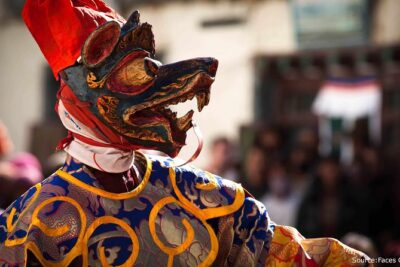 ★ 5.0Upper Mustang Classic Trek with Local guideFrom $2,50015 reviews
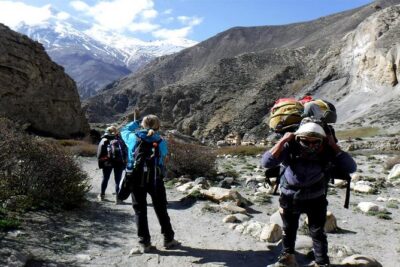 ★ 5.0Nar Phu Valley Trek – 12 DaysFrom $1,60011 reviews
 ★ 5.0Jeep Trip to Upper MustangFrom $2,20010 reviews
 ★ 5.0Lower Mustang Motorbike Tour -8 DaysFrom $1,5009 reviews
 ★ 5.0Kanchenjunga Circuit Trek 19 DaysFrom $2,0009 reviews
Upper Mustang TrekFrom $1,4766 reviews
★ 5.0Kanchenjunga Circuit Trek 19 DaysFrom $2,0009 reviews
Upper Mustang TrekFrom $1,4766 reviews
 ★ 5.0Kanchenjunga South Base Camp Trek – 13 DaysFrom $2,0956 reviews
 ★ 5.0Upper Mustang TrekFrom $2,2055 reviews
Browse the lists this tour appears in