A Himalayan desert with monastery caves and big views. That’s Upper Mustang, where you trade green valleys for a rain-shadow world of dry canyons and Tibetan-style towns. What makes this trek click is the mix: Kathmandu’s UNESCO hits first, then a flight to the Mustang corridor, then days walking near the Kali Gandaki with serious mountain views.
I like the licensed Sherpa guide approach. It’s not just “follow the leader,” it’s route confidence, permit know-how, and practical problem-solving. I also like the all-in permit and permit-card coverage (ACAP, TIMS, and the Restricted Area Permit), because that’s the kind of boring paperwork that can turn a dream trek into a headache.
One consideration: this trek needs good weather. If conditions turn, plans can shift, and you should be ready for the altitude and remoteness to matter more than comfort-level expectations.
In This Review
- Key points that make this trek work
- Upper Mustang: the mountain desert with a Tibetan past
- Kathmandu warm-up: UNESCO sights plus a calm start
- Getting to Mustang: Kathmandu to Pokhara by bus, then a flight to Jomsom
- Trek route feel: walking beside the Kali Gandaki with big mountain geometry
- Kagbeni to Lo Manthang: villages that read like living history
- Monasteries and caves: Tibetan-style spirituality up close
- Muktinath Temple: the shared pilgrimage pull of two faiths
- Tea houses and camping: what “included” really means for your daily routine
- Guides and team: why the human layer can make or break Mustang
- Permits, cards, and costs: value beyond the sticker price
- Weather, timing, and physical fitness: set yourself up to enjoy it
- Who this tour suits best (and who should think twice)
- Should you book the Upper Mustang Trek?
- FAQ
- Where does the tour start and what time is the start time?
- Is pickup offered?
- How do I get from Kathmandu to Pokhara?
- How do I get from Pokhara to Jomsom?
- Is the Upper Mustang trek guided?
- Are permits included?
- What kind of accommodation do I have during the trek?
- Are meals included during the trekking days?
- Are drinks included?
- What if the trip is canceled due to weather?
Key points that make this trek work
- Licensed guiding with a Government License Sherpa guide to keep your route and timing on track
- Permits handled in the package with ACAP, TIMS, TIMS card, and the Restricted Area Permit included
- Fast transfer by air using a Pokhara to Jomsom flight that reduces hours of overland travel
- Real Mustang walking through Kagbeni, Lo Manthang, Chhuksang, and Chele along the Kali Gandaki corridor
- Culture-focused days with monasteries and caves, plus Muktinath Temple for Hindu and Buddhist pilgrimage
- Food and sleep set up with tea house and camping stays plus breakfast, lunch, and dinner during the trek
More trails out of Kathmandu, boots ready
- Everest Base Camp Trek – 14 Days★ 5.0 · 1,499 reviews
- Everest Base Camp Trek★ 5.0 · 842 reviews
- Everest Base Camp Trekking★ 5.0 · 485 reviews
- Nagarkot Sunrise View and Day Hiking from Kathmandu★ 5.0 · 471 reviews
Upper Mustang: the mountain desert with a Tibetan past
Upper Mustang is often described as the Last Forbidden Kingdom, and it’s easy to see why. Long ago it was tied to Tibet, and salt caravans helped connect this high, dry region across the Himalayas. Even today, the culture and daily rhythms feel strongly Tibetan in style, with monasteries, cave areas, and architecture that looks like it belongs farther north than Nepal.
The big reason the place looks so different is the weather pattern. Upper Mustang sits in the rain shadow of the Dhaulagiri and Annapurna ranges, so instead of frequent rainfall you get a desert-like setting. That’s why you’ll pass through eroded cliffs, deep canyons, and dry valleys that feel almost otherworldly—until you notice the people still live here, farm here when they can, and keep traditions going.
What I like about this trek is that it doesn’t just drop you at one highlight. You walk through a string of old towns—Kagbeni, Lo Manthang, Chhuksang, and Chele—so the story unfolds day by day rather than in one quick photo stop.
Kathmandu warm-up: UNESCO sights plus a calm start
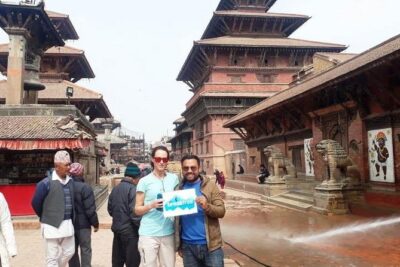
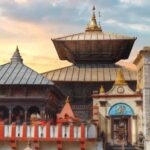
Before you start trekking, you get a half-day sightseeing tour of Kathmandu Valley UNESCO World Heritage Sites. This is a good “landing day” choice because it gets you oriented without tiring you out before you fly west.
You’ll also sleep in Kathmandu in a 3-star hotel, which matters. A trekking circuit like Mustang doesn’t leave room for stress about where to shower, eat, and recharge. At this stage of the trip, you want your basics easy so you can focus on getting ready: packing, hydration habits, and sleep.
And yes, pickup is offered. If you like knowing the first day is handled, this is the kind of detail that reduces that early-trip chaos.
Getting to Mustang: Kathmandu to Pokhara by bus, then a flight to Jomsom
This program uses two different transport styles, and that mix is smart.
First, it’s Kathmandu to Pokhara by tourist bus. It’s a straightforward way to move without adding extra planning. Pokhara also becomes more than a transit point; you’ll see the city of Lake, Pokhara as part of the overall flow.
Then comes the crucial shortcut: Pokhara to Jomsom by scenic flight. From a comfort-and-time perspective, that flight can save you from hours of road travel. From a scenery perspective, it’s also the kind of “wow” moment that makes the whole trek feel real before your first day on foot.
Why this matters for you: Upper Mustang is remote and time matters. When logistics are tight, a flight can protect your itinerary rhythm and reduce fatigue before the real walking starts.
Trek route feel: walking beside the Kali Gandaki with big mountain geometry
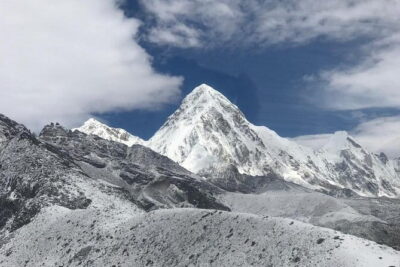
Once you’re on the trail, the route is described as passing through ancient villages and dramatic terrain: desert-like sections, deep canyons, waterfalls, and eroded cliffs. One of the best practical payoffs is where you walk.
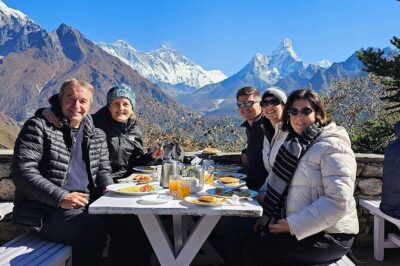
You’ll spend time along the side of the Kali Gandaki river, and that corridor is key for views. The region is known for giving you striking looks at Mt. Dhaulagiri, Mt. Nilgiri, and Mt. Annapurna—often with the river valley acting like a natural viewing channel.
I love treks where the scenery has a reason to be visible, not just “we happened to be near a mountain.” Here, the river side means you repeatedly get sightlines. So every day isn’t just more miles—it’s another angle on the same mountain architecture.
Kagbeni to Lo Manthang: villages that read like living history
You’ll pass through Kagbeni early, then continue toward Lo Manthang, the heart of Upper Mustang. These places aren’t theme parks. They’re small, shaped by distance, weather, and tradition.
Kagbeni is often a first taste of what Mustang feels like: stark terrain, old buildings, and a sense that the environment is the main character. Lo Manthang is where the cultural focus sharpens. This is the area people connect with when they say Tibetan influence and lifestyle.
One of the reasons this trek stands out is pacing. You’re not just stopping at towns; you’re traveling between them, which means you notice how buildings, paths, and daily life adapt to the mountain desert reality. That change is part of the experience.
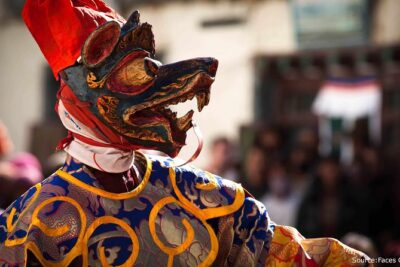
Monasteries and caves: Tibetan-style spirituality up close
Upper Mustang is known for its monasteries and cave areas, and this trek specifically includes time at those kinds of places. The practical benefit: you’re not left to wonder what you’re seeing. Your Sherpa guide helps connect the sites to the culture of the region.
This is one of the most praised parts of the experience from the way the program is run, and it makes sense. When you’re in a remote area, the difference between random sightseeing and meaningful viewing is usually the guidance—what to look for, what questions to ask, and how to behave respectfully.
Also, if you care about authenticity, Mustang is where you’ll feel the distance from the usual tourist circuit. You’re walking through a place with rules and rhythm, not just a place built for photos.
Muktinath Temple: the shared pilgrimage pull of two faiths
Your itinerary includes Muktinath Temple, one of Upper Mustang’s key pilgrimage sites. It’s important for both Hindu and Buddhist worship, which creates a unique atmosphere: multiple traditions sharing space and meaning in the same sacred geography.
This stop is valuable because it balances the trek’s visual side (cliffs, canyons, mountain views) with a human side. It’s the kind of place where you understand why people keep traveling here despite the harsh setting.
Practical note: pilgrimage sites usually come with their own flow and customs. Keep your expectations simple: be ready to pause, observe, and move at the local pace.
Tea houses and camping: what “included” really means for your daily routine
During the trekking portion, accommodation is arranged in either tea houses or camping. You also get breakfast, lunch, and dinner during the trek, which is huge for budgeting and energy.
This kind of structure matters because, in remote regions, meal planning can eat your attention. When meals are included, you can focus on walking, hydration, and rest. It also helps you avoid the common frustration of reaching a settlement and realizing food options are limited or cash-based.
What’s not included: drinks of any kind, soft or hard. So bring water treatment plans you trust, and plan for additional spending if you want hot drinks, sodas, or alcohol. Personally, I’d treat drinks as an extra budget line so you don’t get surprised on day three.
Guides and team: why the human layer can make or break Mustang
The logistics of a restricted area trek are not the place for guessing. This program uses a professional Sherpa guide with Government License, plus support for guide and porter operations.
From what’s been shared about the team, I’d pay attention to names and roles when you communicate. Mani is the organizer you’ll likely coordinate with, and guides such as Ganesh have been highlighted for route knowledge and for keeping the mood light during long days. There are also mentions of Sudan and porter Sudm stepping in to solve problems and being warm and supportive along the way.
That matters because Mustang can throw curveballs: weather changes, tight schedules, and the reality that you’re moving through remote country. A team that communicates well and stays calm is worth real money.
Permits, cards, and costs: value beyond the sticker price
At $1,476.93 per person, you’re paying for more than trekking days. The included list is the real story: ACAP (Annapurna Conservation Area Permit), TIMS (Trekkers Information Management card), and the Restricted Area Permit are included. On top of that, there’s government tax, accommodation coverage during trekking, and rescue assistance.
One important reality check: permit fees for restricted regions can feel expensive. Even when they’re included in the package, it’s still smart to recognize that Upper Mustang has heavy regulation. If you’re the type who hates surprises, ask early how permits are handled in your final invoice.
Still, here’s the value argument for you: doing Mustang properly means doing the paperwork properly. When permits, permits cards, and conservation fees are handled for you, the trip becomes about your legs and your curiosity—not about last-minute denials or office runs.
Also included: rescue assistance in case of emergency that covers from your travel insurance. And there’s insurance for guide and porter. Those are the parts you hope you never use, but they’re exactly what you want in a remote setting.
Weather, timing, and physical fitness: set yourself up to enjoy it
This trek is for people with moderate physical fitness. That doesn’t mean it’s easy. It means you should be comfortable with sustained walking, changing altitudes, and long days where rest comes in planned breaks rather than on demand.
Also, the experience requires good weather. Upper Mustang isn’t a place where conditions are ignored. If the weather is poor, the program may offer another date or a full refund, depending on how cancellation is handled.
For you, the best prep isn’t just fitness. It’s attitude:
- Pack like you’re hiking, not like you’re going to a hotel every night.
- Expect colder nights and a drier feel than you might expect from Nepal.
- Build a routine for hydration and slower pacing early.
Humor helps too. Mustang will humble you just enough to keep you humble, but not enough to ruin the fun—if you pace yourself.
Who this tour suits best (and who should think twice)
This is a strong fit if you want:
- a culture-forward Upper Mustang trek with monasteries and caves included
- guided navigation through restricted terrain with permits managed
- a route that pairs Kathmandu sights with Mustang trekking and a Pokhara stop
- the convenience of meals and accommodations arranged during the trekking days
It might not be the best fit if you:
- want guaranteed hotel comfort every night (tea houses and camping can be part of the reality)
- hate weather-dependent itineraries
- prefer to manage permits and logistics yourself
Should you book the Upper Mustang Trek?
If your dream version of Mustang includes walking through old towns like Kagbeni and Lo Manthang, plus monastery and cave spirituality, and you want a team that handles the permits and route planning, then yes, this is the kind of package that makes sense.
I’d book if you also like structured days: scheduled sightseeing in Kathmandu, bus to Pokhara, flight to Jomsom, then trekking with meals and accommodations managed. That structure is what turns a remote, high-stakes region into something you can actually enjoy.
And if you’re price-sensitive, don’t just compare the total. Compare what’s included: permits, guide support, insurance elements, rescue assistance, taxes, and core meals. Upper Mustang is expensive in part because it is protected and restricted. When the package handles that work for you, your money buys time, paperwork-free peace of mind, and a smoother trail.
FAQ
Where does the tour start and what time is the start time?
The tour starts in Kathmandu, with a meeting/start time of 9:15 am.
Is pickup offered?
Yes, pickup is offered.
How do I get from Kathmandu to Pokhara?
You travel Kathmandu to Pokhara by tourist bus.
How do I get from Pokhara to Jomsom?
You take a scenic flight from Pokhara to Jomsom.
Is the Upper Mustang trek guided?
Yes. The tour includes a professional Sherpa Guide with Government License.
Are permits included?
Yes. The package includes ACAP, TIMS, and the Restricted Area Permit.
What kind of accommodation do I have during the trek?
During the trek, accommodation is provided in tea house/camping options.
Are meals included during the trekking days?
Yes. Breakfast, lunch, and dinner are included during the trekking portion.
Are drinks included?
No. Any kinds of drinks (soft and hard) are not included.
What if the trip is canceled due to weather?
This experience requires good weather. If it’s canceled due to poor weather, you’ll be offered a different date or a full refund.
More Trekking Out of Kathmandu
More Tour Reviews in Kathmandu
Just Reviewed in Kathmandu
- Mountain Bike Tour
★ 5.0 · 3 reviews - Annapurna Panaroma
★ 5.0 · 3 reviews - Mount Everest Scenic Flight 50 Minutes
★ 5.0 · 3 reviews - Kathmandu : Swambhunath & Durbar Square Guided Half Day Tour
★ 3.3 · 3 reviews - Chandragiri Cable Car & Monkey Temple Tour – Private/Group
★ 5.0 · 3 reviews - Kathmandu: Shivapuri National Park Hiking Day Trip
★ 3.3 · 3 reviews
Upper Mustang & Remote Treks, compared.
 ★ 5.0Upper Mustang Classic Trek with Local guideFrom $2,50015 reviews
 ★ 5.0Nar Phu Valley Trek – 12 DaysFrom $1,60011 reviews
 ★ 5.0Jeep Trip to Upper MustangFrom $2,20010 reviews
 ★ 5.0Lower Mustang Motorbike Tour -8 DaysFrom $1,5009 reviews
 ★ 5.0Kanchenjunga Circuit Trek 19 DaysFrom $2,0009 reviews
 ★ 5.0Kanchenjunga South Base Camp Trek – 13 DaysFrom $2,0956 reviews
 ★ 5.0Kanchenjunga Circuit TrekFrom $3,0005 reviews
 ★ 5.0Upper Mustang TrekFrom $2,2055 reviews
Browse the lists this tour appears in