
Review · UPPER MUSTANG & REMOTE TREKS
Upper Mustang Trek
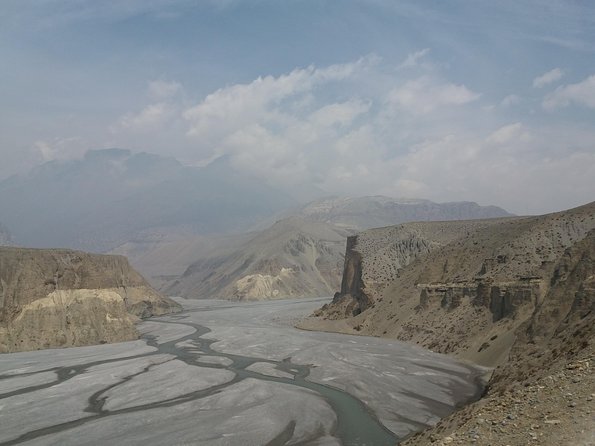
Upper Mustang feels like a time capsule. This 16-day trek from the Kathmandu area lets you cover the Mustang region, including Muktinath, while keeping the focus on real Tibetan-influenced culture and quiet monastery visits along the way.
I especially like the route flow: you start walking from Jomsom, pass through Kagbeni, and spend your days moving at a steady hiking rhythm (typically 4–6 hours) across Upper Mustang. I also like that the trip runs on a simple meal plan—breakfast every day, lunch on trek days, and dinners during the trek plus welcome and farewell meals back in Kathmandu.
The main consideration? This is weather-dependent trekking in a remote corner of Nepal, so you need moderate fitness and you should plan for schedule changes if conditions are poor.
In This Review
- Key Things That Make This Trek Feel Different
- Upper Mustang Trek: The Value Behind the Name
- From Kathmandu to Jomsom: How the Trip Gets You Ready
- Jomsom to Kagbeni: The Walking Segment That Shapes the Whole Experience
- Exploring Muktinath: Why This Stop Matters
- Upper Mustang Days: Old Monasteries and Cultural Town Stops
- Daily Trekking Rhythm: 4 to 6 Hours a Day (and What to Do With It)
- Meals on This Trek: Breakfast, Lunch, Dinner, and Kathmandu Welcome/Farewell
- Private Tour Means Your Pace (Not Someone Else’s)
- Price and Logistics: Is $2,205.13 Fair for 16 Days?
- Weather and Fitness: The Two Things That Decide Your Best Trip
- The Trek’s Human Side: Leadership and Support
- Who Should Book This Upper Mustang Trek (and Who Might Not)
- Should You Book This Upper Mustang Trek?
- FAQ
- How long is the Upper Mustang Trek?
- Where does the trek start and what route does it follow?
- How long is the daily walking time?
- Does the tour include meals?
- Is WiFi included during the tour?
- Are bottled water and soda/pop included?
- Is this a private tour?
- What happens if the tour is canceled due to poor weather?
Key Things That Make This Trek Feel Different
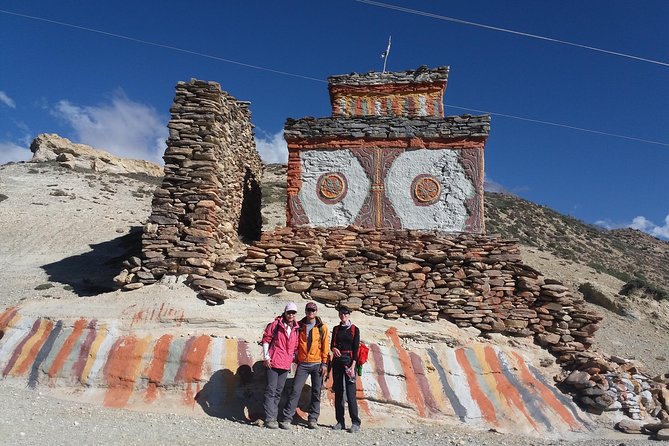
- Jomsom to Kagbeni routing sets you up for a classic Upper Mustang walking experience without rushing.
- Daily 4–6 hour hikes are long enough to feel like a trek, but short enough to keep the day enjoyable.
- Monastery + local town stops give you culture time, not just photo stops.
- Muktinath coverage means the trip connects Mustang scenery with an important spiritual site.
- Private-group format keeps the pace and stops comfortable for your own crew.
More trails out of Kathmandu, boots ready
- Everest Base Camp Trek – 14 Days★ 5.0 · 1,499 reviews
- Everest Base Camp Trek★ 5.0 · 842 reviews
- Everest Base Camp Trekking★ 5.0 · 485 reviews
- Nagarkot Sunrise View and Day Hiking from Kathmandu★ 5.0 · 471 reviews
Upper Mustang Trek: The Value Behind the Name
Upper Mustang isn’t just a trek—it’s a change in pace and mood. The best part of this itinerary is how it stays grounded in the region itself: you’re walking day after day in the Mustang area, with time for old monasteries and local cultural towns instead of spending the trip only in transit.
You’ll also get a rare two-for-one: a strong Mustang focus and a Tibetan culture connection. Mustang is known for that cultural blend, and this tour’s structure leans into it. That matters because you’ll see more than just scenery—you’ll understand the rhythm of community life as you move from stop to stop.
And since this is a private tour, you’re not adjusting your timing to match a random mix of strangers. That usually makes a big difference on a trek where weather and altitude (and just plain fatigue) can change everything.
From Kathmandu to Jomsom: How the Trip Gets You Ready
The trip starts in the Kathmandu area, and you’ll have pickup offered. That’s a practical win. Kathmandu traffic can eat a day fast, so getting handled from the start helps you settle in and focus on the trek once you begin walking.
From there, the walking phase begins in Jomsom. That’s the key moment where your day becomes mostly: walk, stop, explore, eat, sleep. If you’re the type who likes a clear rhythm (instead of complicated logistics), you’ll probably feel right at home.
The other practical piece: your dinners in Kathmandu include both a welcome dinner and a farewell dinner. Even if you’re only in the city for a short time, those meals give you an easy buffer day—an opening chance to meet your team and a closing celebration once trekking ends.
Jomsom to Kagbeni: The Walking Segment That Shapes the Whole Experience
This trek includes a straightforward progression: you’ll walk from Jomsom via Kagbeni to Upper Mustang. That route order is useful because it naturally builds momentum. You go from getting your legs working to settling into a travel rhythm where each day’s walk feels like progress—not a series of random transfers.
On most days, expect 4–6 hours of walking, depending on the day. That time range matters because it hits the sweet spot for many travelers:
- Long enough to feel like you did something real
- Short enough that you’re not constantly sprinting to “beat the clock”
What you’ll do with that walking time is part of the tour’s charm. You’re not just moving through an area; you’re also visiting old monasteries and local cultural towns along the way. So your hiking effort is paired with cultural payoff—exactly how a trek should feel.
A small reality check: 4–6 hours still adds up. If you go too hard early, the later days can feel tougher than they should. A good guide (and good trekking staff) can smooth that out by adjusting pace—one reason experienced leaders like Ram Adhikari are often praised for advising perfectly on stages and terrain.
Exploring Muktinath: Why This Stop Matters
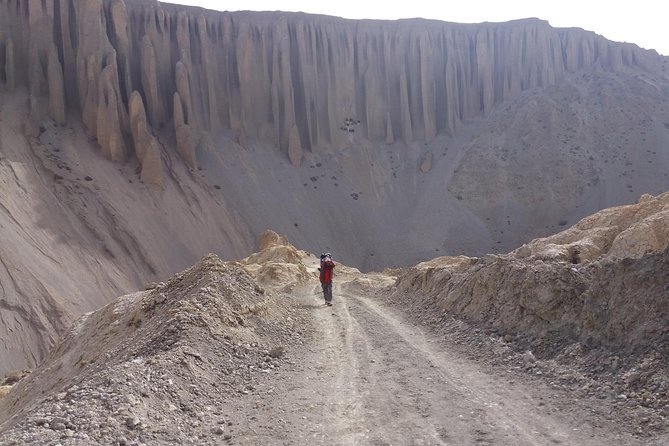
The tour includes Muktinath, which is one of the key anchor points of any Mustang-focused journey. It’s valuable because it adds meaning beyond the walk. You’re not trekking only for views; you’re trekking through a region where spirituality and daily life blend.
This also changes how you experience the “stop.” Many treks treat a major site like a quick photo-and-go. With Muktinath included in an otherwise culture-heavy itinerary, you should expect more time to slow down and observe. That’s where Tibetan culture influence becomes more noticeable—not as a concept, but as something people practice and live with.
If you’re the kind of traveler who cares about “why people go there,” Muktinath is a strong reason to book. If you only want marching miles, you might still appreciate it, but the payoff will feel more personal than scenic.
Upper Mustang Days: Old Monasteries and Cultural Town Stops
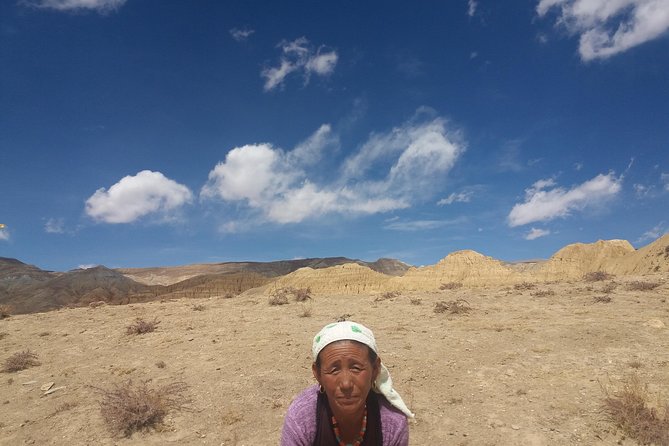
Every trekking day includes moments outside the walking itself: old monasteries and local cultural towns. This is one of the most praised aspects of this kind of itinerary because it prevents the trip from turning into a repetitive loop of uphill and down-hill.
Here’s what I like about that design:
- Monastery visits give you cultural context without needing a lecture
- Town stops give you a sense of scale—how villages support travelers and each other
- The combination keeps your brain awake during the long walking hours
A possible downside: these stops can also slow your pace. If you’re hoping to rack up distance every single day, your schedule might feel a bit less “sporty.” But if your goal is an authentic Upper Mustang experience, these cultural pauses are the point.
Also note: you should come with a flexible mindset. When you’re in remote areas, timing can shift based on conditions and daily logistics. The tour’s moderate walking plan (4–6 hours) helps balance that, but nothing is completely “factory scheduled” out here.
Daily Trekking Rhythm: 4 to 6 Hours a Day (and What to Do With It)
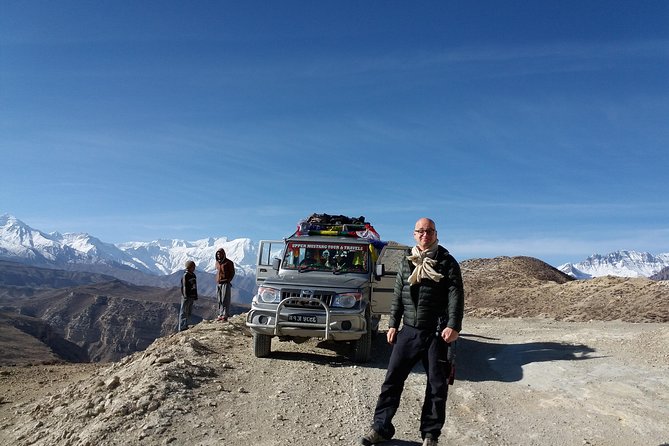
The tour’s walking range is clear: 4–6 hours daily, depending on the day. That’s a big deal because it helps you plan your energy and your expectations. You won’t be stuck in all-day trudging, but you also won’t be doing a “walk for an hour and call it a trek” version.
So what does that mean in practical terms for you?
- You’ll likely want to start each day with enough rest to enjoy the cultural stops
- You’ll want to bring layers for changing conditions during the walk
- Your evenings matter: the included dinners help you recover without hunting food
Since breakfast and lunch are included, you’re not constantly spending time figuring out meals mid-trek. That’s not just convenience—it’s stamina management. Fewer decision points means more energy for the actual experience.
One more note: this tour includes dinners during the trek, but it doesn’t include WiFi on board. Expect your trip to be off-grid in the practical sense. If you rely on internet for planning, download what you need before you start trekking.
Meals on This Trek: Breakfast, Lunch, Dinner, and Kathmandu Welcome/Farewell
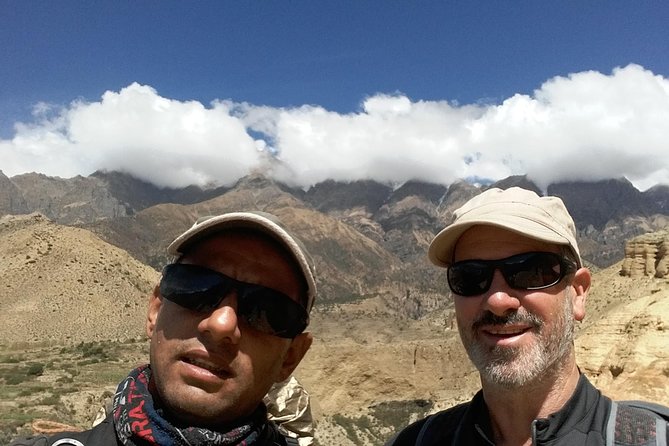
Meal support is a real part of the value here. You get breakfast every day, lunch during the trek, and dinner during the trek, plus welcome and farewell dinners in Kathmandu.
Why I think this matters: on a trek like this, the “hidden stress” is decision-making. Where do you eat? What’s open? Will you find something you can stomach after a long day? By building meals in, the tour reduces uncertainty.
What’s not included is also useful to know. You’ll need to budget for bottled water and soda/pop since those are not part of the package. And since WiFi on board isn’t included, plan to keep your phone charged and your expectations realistic.
If you’re traveling with a group that likes structure, this meal plan is a comfort. If you love spontaneous cafes and snacks, you’ll still be able to add extras, but the tour’s default is clearly set.
Private Tour Means Your Pace (Not Someone Else’s)
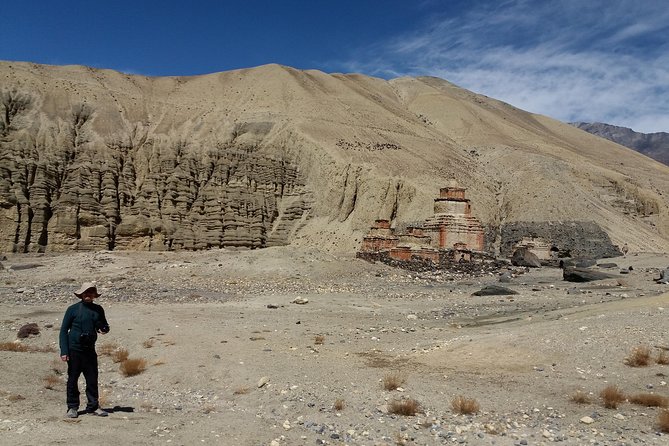
This is a private tour/activity, meaning only your group participates. That makes the trek feel less like a “schedule you must follow” and more like a plan you can adapt.
On treks, the biggest day-to-day variable is usually you: how your body responds, how tired you feel, and how conditions shift. A private format tends to reduce friction when you need a short adjustment—slow down, take a bit more time at a monastery, or simply rest before the next stretch.
Also, the tour includes pickup offered, which helps your start and reduces wasted time in Kathmandu. Small things like that add up, especially on an itinerary lasting about 16 days.
Price and Logistics: Is $2,205.13 Fair for 16 Days?
At $2,205.13 per person, this trek isn’t a bargain. But it also isn’t an “every penny goes to nothing” price tag. For a 16-day Upper Mustang experience, the cost makes sense when you look at what’s included:
- Daily breakfast
- Lunch and dinner during the trek
- Welcome and farewell dinners in Kathmandu
- A private setup for your group
- A structured route that covers the Mustang region, including Muktinath
It also helps that you’re not paying extra for WiFi (because you won’t get it), and you’re not being sold the idea that soda and bottled water are included. Those are listed as not included, so you can plan for them.
If you’re trying to judge value, think less about the headline price and more about the workload it removes from you. This itinerary does the planning and food support. Your job is to show up fit enough, pack right, and enjoy the walking and cultural stops.
Weather and Fitness: The Two Things That Decide Your Best Trip
This experience requires good weather. If it’s canceled due to poor weather, you’ll be offered a different date or a full refund. That’s important because it reduces the chances you’re stuck with a bad outcome through no fault of your own.
Now for the other requirement: moderate physical fitness. The walking time (4–6 hours daily) is the real clue. If you’re used to regular hikes, you’ll probably feel comfortable with the effort. If you’re not, this is where preparation pays off fast.
Practical advice:
- Train your legs on stair climbs and steady uphill walking
- Practice walking with your daypack so your body gets used to it
- Keep your plans flexible in your head for weather shifts
One more practical angle from the guide culture around this kind of trip: guides like Ram Adhikari are praised for being professional and advising stage-by-stage. That kind of guidance can make moderate fitness feel manageable instead of overwhelming.
The Trek’s Human Side: Leadership and Support
A trek like Upper Mustang works because of the people who keep it running smoothly. In the experiences shared, the team’s personality comes through: helpful, ready to go the extra mile, and grounded in real humor and support.
Names that show up with praise include Shaktiman, who’s described as always ready to help and bring energy to the trip. Sajana also appears in connection with planning—helping create the best itinerary for limited time, so the trip doesn’t feel squeezed.
I can’t guarantee which individual will lead your exact departure. But the common thread in the feedback is clear: you want a guide who understands terrain, stages, and how to keep the group moving without making it miserable.
Who Should Book This Upper Mustang Trek (and Who Might Not)
This is a great fit if:
- You want a culture-forward trek with monasteries and local towns
- You care about Tibetan-influenced Mustang and want Muktinath included
- You prefer a guided structure that handles meals and day planning
- You’re okay with 4–6 hours of walking daily
It might not be for you if:
- You only want easy sightseeing with minimal walking
- You need reliable onboard WiFi and constant connectivity
- You dislike weather uncertainty in remote regions
If you’re a solo traveler, you’ll still have a group setting within a private tour concept (your group only). If you’re traveling with friends or family, private format usually makes the experience feel smoother and more personal.
Should You Book This Upper Mustang Trek?
If your goal is an authentic Upper Mustang journey that mixes walking with Tibetan culture and meaningful stops like Muktinath, this itinerary is a strong choice. The best reasons to book are the daily structure (4–6 hours), the included meals, and the way the trek is designed around monasteries and local cultural towns instead of pure mileage.
Before you commit, be honest about two things: your fitness and the weather factor. The trip needs good conditions to run smoothly, and moderate fitness is required for the daily walking rhythm.
If you’re looking for a guided, private, culture-rich trek that keeps logistics manageable while you focus on the experience, this is the kind of trip that can turn into a true lifetime memory.
FAQ
How long is the Upper Mustang Trek?
The duration is listed as 16 days (approx.).
Where does the trek start and what route does it follow?
You start walking from Jomsom and trek via Kagbeni into Upper Mustang.
How long is the daily walking time?
Daily walking is typically 4–6 hours, depending on the day.
Does the tour include meals?
Yes. Breakfast is included every day, lunch is included during the trek, and dinner is included during the trek, plus welcome and farewell dinners in Kathmandu.
Is WiFi included during the tour?
No. WiFi on board is not included.
Are bottled water and soda/pop included?
No. Bottled water and soda/pop are not included.
Is this a private tour?
Yes. It is a private tour/activity, and only your group will participate.
What happens if the tour is canceled due to poor weather?
This experience requires good weather. If it’s canceled due to poor weather, you’ll be offered a different date or a full refund. If you cancel for any other reason, it is non-refundable and cannot be changed.
More Trekking Out of Kathmandu
More Tour Reviews in Kathmandu
Just Reviewed in Kathmandu
- Mountain Bike Tour
★ 5.0 · 3 reviews - Annapurna Panaroma
★ 5.0 · 3 reviews - Mount Everest Scenic Flight 50 Minutes
★ 5.0 · 3 reviews - Kathmandu : Swambhunath & Durbar Square Guided Half Day Tour
★ 3.3 · 3 reviews - Chandragiri Cable Car & Monkey Temple Tour – Private/Group
★ 5.0 · 3 reviews - Kathmandu: Shivapuri National Park Hiking Day Trip
★ 3.3 · 3 reviews
Upper Mustang & Remote Treks, compared.
 ★ 5.0Upper Mustang Classic Trek with Local guideFrom $2,50015 reviews
 ★ 5.0Nar Phu Valley Trek – 12 DaysFrom $1,60011 reviews
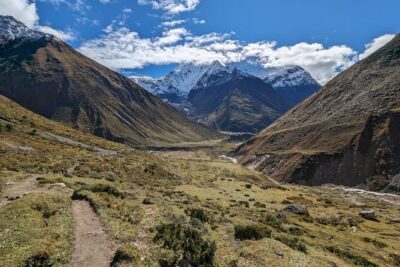 ★ 5.0Jeep Trip to Upper MustangFrom $2,20010 reviews
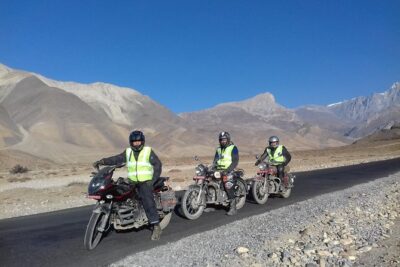 ★ 5.0Lower Mustang Motorbike Tour -8 DaysFrom $1,5009 reviews
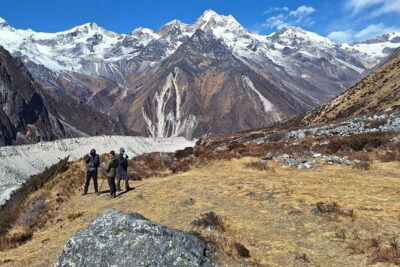 ★ 5.0Kanchenjunga Circuit Trek 19 DaysFrom $2,0009 reviews
Upper Mustang TrekFrom $1,4766 reviews
★ 5.0Kanchenjunga Circuit Trek 19 DaysFrom $2,0009 reviews
Upper Mustang TrekFrom $1,4766 reviews
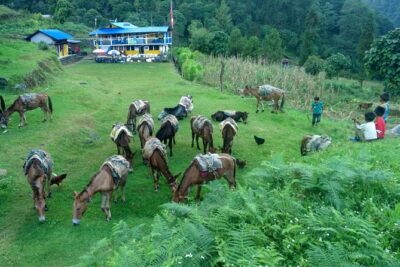 ★ 5.0Kanchenjunga South Base Camp Trek – 13 DaysFrom $2,0956 reviews
 ★ 5.0Upper Mustang Trek – 13 DaysFrom $2,3005 reviews
Browse the lists this tour appears in