
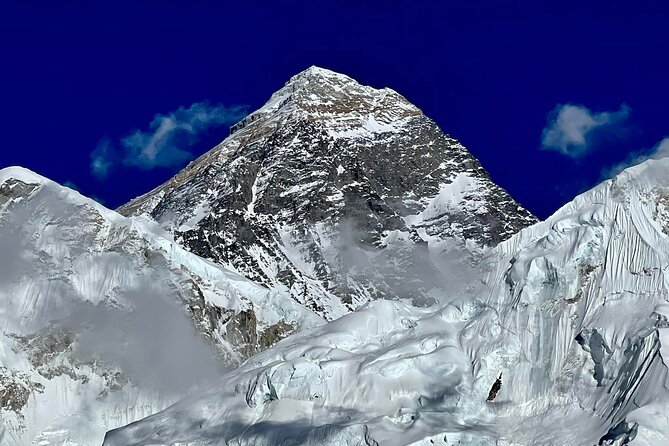
Review · EVEREST BASE CAMP TREKS
Luxury Everest Base Camp Trek -11 Days
A helicopter ride back makes this trek special. What makes this Luxury Everest Base Camp Trek stand out is the helicopter return plus upgraded tea houses with more comfortable stays along the Khumbu trail. I also like the tight organization: flights, permits, meals, and logistics are handled so you spend your energy on walking and acclimatizing. One drawback to plan for: the premium price ($4,500 per person) is real, and high-altitude schedules depend on mountain weather, which can affect flights and timing.
You start with a proper Kathmandu setup—airport pickup and two nights in a 5 hotel with breakfast—then shift into the rhythm of altitude climbing toward Everest Base Camp. This is also a private experience, so it’s just your group, not a mixed crowd. You’ll likely feel the difference most in the guidance and pace: the plan includes acclimatization days, and you’ll have an experienced guide plus a porter (1 porter for 2 clients) to lighten the load.
In This Review
- Key things that make this Everest Base Camp trek worth your attention
- Why a helicopter return changes the Everest Base Camp experience
- What luxury means on the Khumbu trail (not just in Kathmandu)
- Day-by-day: a realistic path from Kathmandu to Everest Base Camp
- Day 1: Arrive in Kathmandu and get set up right
- Day 2: Flight to Lukla, then your first taste of altitude
- Day 3: Phakding to Namche Bazaar
- Day 4: Acclimatization day around 3,880 meters
- Day 5: Tengboche (about 3,820 meters) and the prayer-flag vibe
- Day 6: Dingboche (about 4,360 meters) and thinner air
- Day 7: Acclimatization day in Dingboche
- Day 8: Dingboche to Lobuche
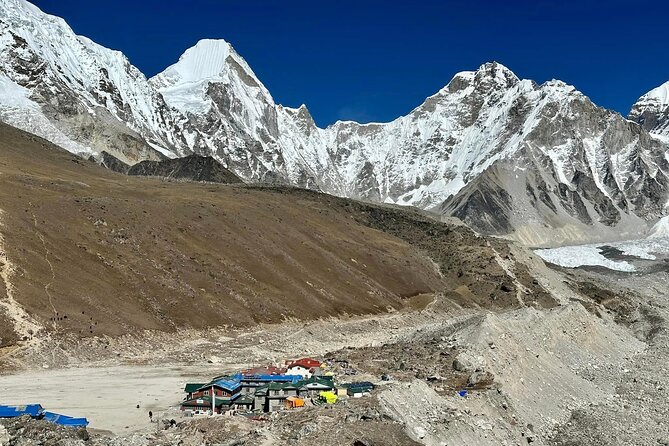
- Day 9: Lobuche to Gorakshep and onward to Everest Base Camp
- Day 10: Kalapatthar hike for wide-open panoramas
- Day 11: Fly back and head home from Kathmandu
- Flights to Lukla, altitude pacing, and why the schedule feels intentional
- Tea houses, meals, and the comfort details you’ll actually notice
- Meals: less decision fatigue
- Tea houses: upgraded comfort without pretending you’re in a hotel
- Farewell dinner: a nice final emotional reset
- The people factor: guide support and why names matter here
- Price and value: does $4,500 make sense for this specific setup?
- Weather reality: stable seasons help, but you still need flexibility
- Who should book this Everest Base Camp plan
- Should you book this luxury Everest Base Camp trek?
- FAQ
- Is pickup included for this trek?
- How long is the Everest Base Camp trek?
- What does the price include?
- Are flights to Lukla part of the package?
- What is not included in the tour price?
- Is vegetarian food available?
- Is the trek private?
- What time does the experience start and where?
- Does the itinerary include an acclimatization day?
- Is there a season recommendation for better helicopter conditions?
Key things that make this Everest Base Camp trek worth your attention
- Shared helicopter ride back from Gorakshep to Kathmandu: the big “luxury” payoff on the return trip.
- Upgraded tea houses on twin sharing: more modern comforts than the basic trekking model.
- Acclimatization built into the schedule: rest days in Namche-adjacent altitude and again in Dingboche.
- Guide and porter support (1 porter per 2 clients): easier carry on steep, high days.
- Meals handled on the mountain: lunch, dinner, and breakfast during the trek, plus a farewell dinner in Kathmandu.
- Permits and fees included (TIMS and Khumbu valley fees): fewer boxes to check at the last minute.
Before you lock this one in, a few Kathmandu alternatives:
- Kathmandu to Pokhara VIP Sofa Bus Ticket★ 4.5 · 19 reviews
- Luxury Tour of Nepal★ 5.0 · 18 reviews
- Nepal in Luxury: Kathmandu, Chitwan & Pokhara Escape – 8 Days★ 4.5 · 15 reviews
- Luxury Kailash Mansarovar Yatra – 15 days★ 5.0 · 14 reviews
Why a helicopter return changes the Everest Base Camp experience
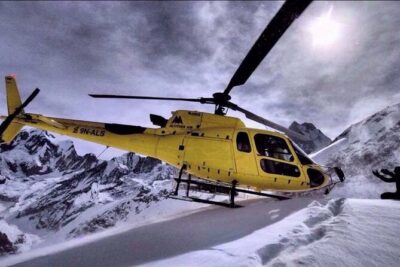
Everest Base Camp is famous for effort, cold mornings, and the long climb at thin air. So when a trip includes a helicopter ride from Gorakshep to Kathmandu (sharing), it changes the emotional ending of the journey. Instead of spending your last day focused on getting down, you get a clean break from fatigue and a more predictable return to city comfort.
That matters for a practical reason: trekking high in the Khumbu is mentally tough, even when you’re physically prepared. A helicopter return can help you arrive back in Kathmandu with more energy for rest, planning, and that post-trek dinner you actually enjoy (not just endure).
Just keep expectations grounded. The operator specifically points to spring and autumn as the best seasons for stable Himalayan views and safer helicopter conditions. If weather turns, you might still find delays happen in the broader schedule, and extra costs in the mountains are not covered if you’re stuck longer than planned.
What luxury means on the Khumbu trail (not just in Kathmandu)
In most Everest trekking deals, the “comfort” is basically a nicer blanket and a warmer tea. Here, luxury shows up in two places.
First, Kathmandu isn’t treated like a rushed stopover. You get private airport pickup and two nights in a 5 hotel with breakfast. After a long international flight, that’s not fluff—it’s recovery time. A good sleep and a real breakfast also set you up for Day 2’s flight to Lukla.
Second, on the mountain you stay in upgraded tea houses on twin sharing. The itinerary description emphasizes modern amenities in these upgraded stays. Translation for you: the goal isn’t turning Everest into a resort; it’s making day-to-day life more workable when temperatures drop and your routine gets repetitive.
The third comfort lever is human. You’ll travel with an experienced, helpful guide and porter support (1 porter for 2 clients). That ratio is a big deal. On steep sections, the less you carry, the more you can focus on steady steps and controlled breathing—exactly what altitude asks of you.
Day-by-day: a realistic path from Kathmandu to Everest Base Camp
This trek is built around the classic Everest Base Camp route, but with extra structure to keep your climb sane.
Day 1: Arrive in Kathmandu and get set up right
You land at Tribhuvan International Airport (TIA). A representative meets you and transfers you to your hotel by private vehicle. You’ll also have an evening to settle in before the trek starts—use it to plan your packing and charge devices, because the trekking days will be simpler once you’re in motion.
More trails out of Kathmandu, boots ready
Day 2: Flight to Lukla, then your first taste of altitude
You fly from Kathmandu to Lukla (altitude listed at 2,860 meters). From Lukla, you begin trekking onward toward the Khumbu settlements. This is your first altitude shock of the trip, so treat it like a warm-up day, not a fitness contest.
Day 3: Phakding to Namche Bazaar
You walk from Phakding to Namche Bazaar, a major hub for trekkers. Namche is where you feel the trip turning into a real expedition: views open up more, and the trail becomes busier with lodges and teahouse life. I like this segment because it builds confidence without forcing a huge push.
Day 4: Acclimatization day around 3,880 meters
You spend a day at about 3,880 meters for acclimatization. Your body learns from small efforts at high altitude. This day typically includes opportunities to get your bearings and enjoy the scenery while not racing toward the next sleeping elevation.
Day 5: Tengboche (about 3,820 meters) and the prayer-flag vibe
You head from Hotel Everest View area toward Tengboche (listed at 3,820 meters, with a typical 4–5 hour walking day). Tengboche is often the place trekkers remember for spiritual atmosphere and big mountain views. In a luxury plan, this day still feels like real trekking—just with fewer unknowns about meals, lodging, and timing.
Day 6: Dingboche (about 4,360 meters) and thinner air
You go from Diboche to Dingboche (about 4,360 meters), typically a 5–6 hour walk. Dingboche is higher, and the altitude begins to matter more in how your lungs feel. This is where having porter support and a steady pace becomes more than convenience.
Day 7: Acclimatization day in Dingboche
You get another acclimatization day at 4,360 meters. This is a key part of altitude safety. You’re giving your body time to adjust before you keep climbing, and it helps reduce the risk of pushing too hard too soon.
Day 8: Dingboche to Lobuche
You trek from Dingboche to Lobuche, listed as a moderate hike of about 5–6 hours. The description specifically flags high-altitude terrain and challenging weather conditions. That’s common in this zone, so you’ll want layers you can adjust fast and a plan to slow down if visibility drops.
Day 9: Lobuche to Gorakshep and onward to Everest Base Camp
This is a strenuous day: Lobuche to Gorakshep and Everest Base Camp takes about 6–7 hours (based on the walk time provided). Expect rocky ground, glacial moraine terrain, and bigger mental stretches. The reward is arriving at a place that feels close to history and closer to the sky.
Day 10: Kalapatthar hike for wide-open panoramas
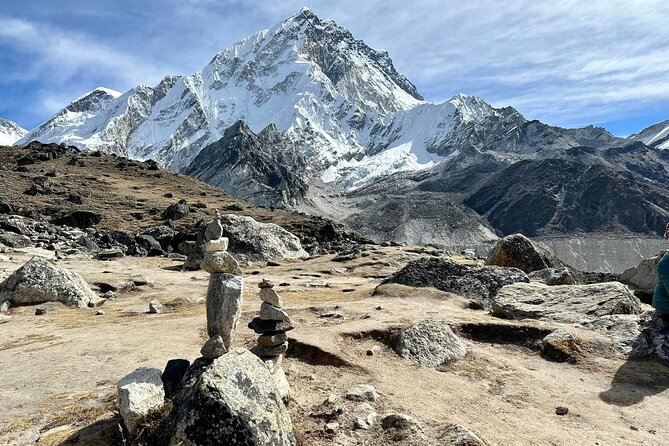
You hike from Gorakshep to Kalapatthar, reaching 5,545 meters (18,192 feet). Kalapatthar is famous for panoramic views, and that’s exactly why this day exists. I like that the plan schedules it near the end, because you’ll be acclimatized enough to appreciate it.
Day 11: Fly back and head home from Kathmandu
You return with a representative taking you to the airport about three hours before your scheduled flight. You’ll have time to regroup in Kathmandu after the trek ends—plus a farewell dinner earlier in the journey helps you close the loop with a Nepalese cultural touch.
Flights to Lukla, altitude pacing, and why the schedule feels intentional
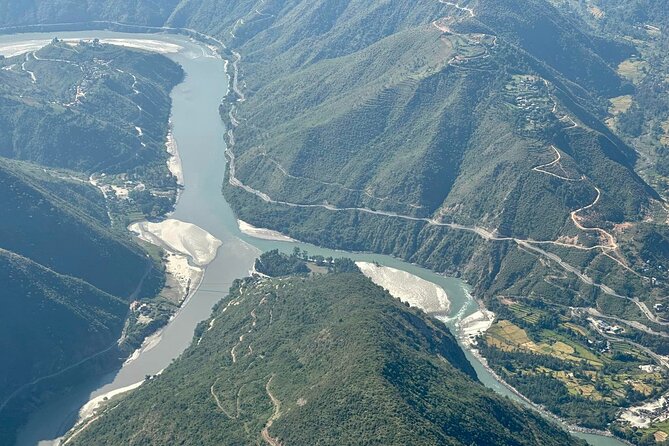
Everest trekking lives or dies on timing and the way you gain elevation. This plan avoids the classic mistake of stacking too many high days back-to-back.
It also includes flights to Lukla: Kathmandu to Lukla, or if needed Ramachap to Lukla (both listed as included). That flexibility can help when schedules shift. Still, the trip notes also warn that extra expenses may occur in the mountains if bad weather delays flights or if you get stuck longer than expected.
Here’s the practical takeaway for you: even with a well-built plan, build your budget for “mountain time.” The included structure handles the main routing, but the real Himalaya can still change the pace.
Tea houses, meals, and the comfort details you’ll actually notice
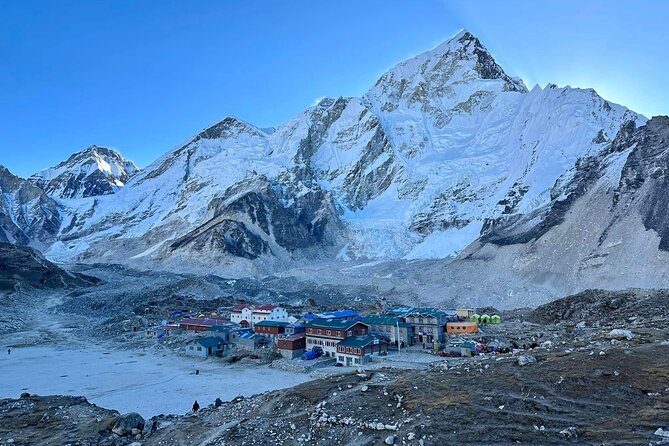
On Everest Base Camp treks, the daily choices are simple: eat, hydrate, sleep, and protect your altitude recovery. This deal helps because it includes trekking meals and upgraded accommodations.
Meals: less decision fatigue
During the trek you get lunch, dinner, and breakfast (the itinerary includes 8 lunches, 9 dinners, and 10 breakfasts as listed). In cold, high settings, not having to hunt for meals or worry about what’s available makes a huge difference.
Vegetarian options are available if you tell them in advance. If you have dietary requirements, share them during booking so the kitchen can plan.
Tea houses: upgraded comfort without pretending you’re in a hotel
The trip emphasizes upgraded tea houses on twin sharing. You should still expect basic mountain life—shared spaces, simple rooms, and the constant reality of altitude and weather. But upgraded stays usually mean better management, more reliable comfort, and a more pleasant routine when you’re tired.
Farewell dinner: a nice final emotional reset
You also get a last night farewell dinner at an authentic Nepalese restaurant with a cultural performance. It’s a small thing, but it matters. When your days are structured around trekking times, an organized cultural evening gives you a clean, happy ending.
The people factor: guide support and why names matter here
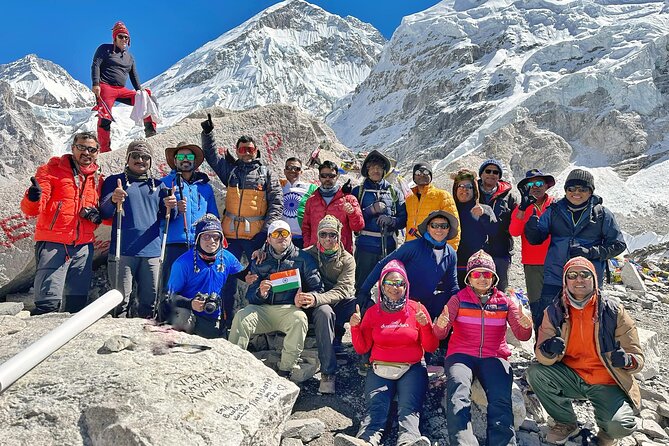
This operator stands out in the kind of communication and organization that makes the whole trip feel lighter.
In the feedback you can see a pattern: people praise the leader Bhagwat for strong planning and follow-through, and they call out standout guidance from Prakash, described as excellent and attentive. When you’re doing something as high-stakes as Everest Base Camp, good leadership isn’t just nice—it helps you stick to the plan, make smart choices, and stay calm when the mountain changes the schedule.
Also, they explicitly describe travel and rescue arrangements plus a first aid kit and medical supplies. That doesn’t replace good fitness or common sense, but it does suggest they think about safety as part of the trip, not an afterthought.
Price and value: does $4,500 make sense for this specific setup?
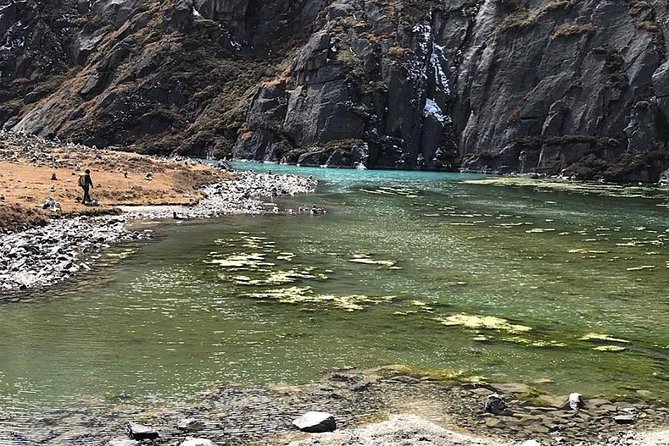
Let’s talk money in plain terms.
At $4,500 per person for roughly 11 days, you’re paying for four “expensive” pieces that basic EBC treks often leave out or charge separately:
- Private Kathmandu logistics (airport pickup and transfers)
- 5 hotel in Kathmandu for two nights
- Upgraded tea houses during the trek (not basic)
- Shared helicopter fare on the return
You’re also paying for the support layer: guide, porter (1 porter for 2 clients), permits/fees (TIMS and Khumbu valley fees), and travel/rescue arrangements.
If you compare it to a cheaper EBC trek, the trade-off usually comes down to risk and hassle. A deal that’s less expensive can mean more you manage yourself: permits, lodging quality, meal reliability, and a chaotic return if weather shifts. Here, the goal is fewer unknowns.
Still, factor in what’s not included:
- Nepal visa fee
- International airfare
- Extra Kathmandu nights if your schedule changes
- Meals in Kathmandu
- Extra mountain expenses if you get stuck due to weather or flight delays
- Travel and rescue insurance
- Personal costs (hot showers, phone use, laundry, battery recharge, bottle/boiled water, etc.)
- Tips for guide and porter
So yes, it’s a premium price. But it’s also a premium package. If you want Everest Base Camp with less stress and a more comfortable endgame, this price can feel fair.
Weather reality: stable seasons help, but you still need flexibility
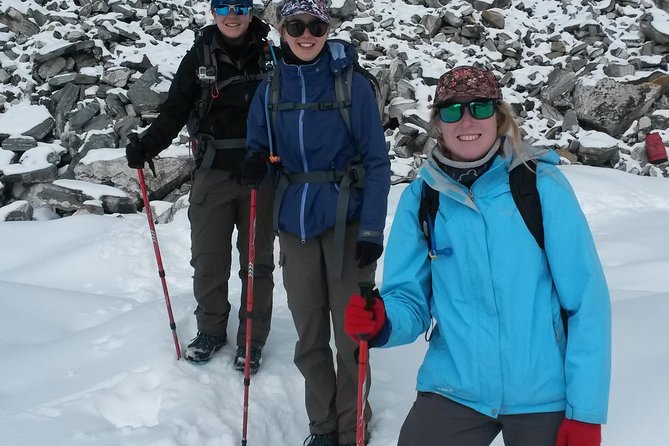
The trip highlights spring and autumn as the best times because conditions tend to be more stable for helicopter rides and Himalayan views. That’s a useful clue for you planning around visibility and smooth logistics.
But you should still plan for mountain uncertainty. The “not included” list explicitly notes that you might get stuck in the mountains due to bad weather delay flights or other reasons, and you may need to cover additional expenses then.
My advice: if your calendar is tight or you can’t handle schedule changes, consider building in buffer time in Kathmandu for an extra day if possible—or at least travel insurance that covers missed connections and high-altitude disruptions (since travel insurance is not included in this package).
Who should book this Everest Base Camp plan
This trek fits best if you:
- Want Everest Base Camp without a rough, bare-bones approach
- Care about comfort at altitude, especially with upgraded tea houses
- Value a structured route with acclimatization built in
- Like the idea of a helicopter return to reduce the emotional and physical grind at the end
- Prefer a private tour setup (only your group participates)
It’s also described as suitable for travelers with moderate physical fitness. If you’re aiming for the trip because it feels manageable with support, that’s exactly the right mindset—steady steps, good pacing, and listening to your guide.
Should you book this luxury Everest Base Camp trek?
If you want a smooth, well-supported Everest Base Camp experience—with real comfort in Kathmandu, upgraded tea houses on the trail, and a helicopter ride back—this is a strong match. The big selling point isn’t just the helicopter; it’s the way the package reduces the daily stress that can drain you on the mountain.
I’d skip it (or at least rethink) if:
- Your budget is tight enough that a premium package creates anxiety
- You can’t handle possible schedule changes from weather (especially since extra mountain costs may be on you)
- You expect luxury to mean hotel-level comfort every night (it won’t)
If you can afford the package and you want to focus on the trek itself, this plan is built to keep you moving, fed, and safe.
FAQ
Is pickup included for this trek?
Yes. You get airport pickup from Tribhuvan International Airport in Kathmandu and transfer to your hotel by private vehicle.
How long is the Everest Base Camp trek?
It runs for about 11 days (approx.).
What does the price include?
It includes two nights in a 5 hotel in Kathmandu with breakfast, trekking meals (lunch, dinner, breakfast during the trek), TIMS permit and Khumbu valley fees, guide and porter support (1 porter for 2 clients), flights to Lukla (Kathmandu to Lukla, or Ramachap to Lukla), upgraded tea houses on twin sharing, a shared helicopter fare from Gorakshep to Kathmandu, medical supplies and travel/rescue arrangements, and a farewell dinner with cultural performance.
Are flights to Lukla part of the package?
Yes. Flights from Kathmandu to Lukla are included, and Ramachap to Lukla is included if that’s required.
What is not included in the tour price?
Not included are the Nepal visa fee, international airfare to and from Kathmandu, extra hotel nights in Kathmandu if your dates change, meals in Kathmandu, possible extra mountain expenses if delays happen, travel and rescue insurance, personal expenses (like phone calls, laundry, hot showers, and battery recharge), and tips for the guide and porter.
Is vegetarian food available?
Yes, a vegetarian option is available. You should advise the team at booking if you need it.
Is the trek private?
Yes. It’s described as a private tour/activity, and only your group participates.
What time does the experience start and where?
It starts at Tribhuvan Airport, Kathmandu, Nepal, with a start time of 6:00 am.
Does the itinerary include an acclimatization day?
Yes. There are acclimatization days listed around 3,880 meters and again in Dingboche at about 4,360 meters.
Is there a season recommendation for better helicopter conditions?
Spring and autumn are described as the best times because weather tends to be more stable for helicopter rides and Himalayan views.
More Trekking Out of Kathmandu






More VIP in Kathmandu
More Tour Reviews in Kathmandu




Just Reviewed in Kathmandu
- Mountain Bike Tour
★ 5.0 · 3 reviews - Annapurna Panaroma
★ 5.0 · 3 reviews - Mount Everest Scenic Flight 50 Minutes
★ 5.0 · 3 reviews - Kathmandu : Swambhunath & Durbar Square Guided Half Day Tour
★ 3.3 · 3 reviews - Chandragiri Cable Car & Monkey Temple Tour – Private/Group
★ 5.0 · 3 reviews - Kathmandu: Shivapuri National Park Hiking Day Trip
★ 3.3 · 3 reviews
Everest Base Camp Treks, compared.
 ★ 5.0Everest Base Camp Trek – 14 DaysFrom $1,8001,499 reviews
 ★ 5.0Everest Base Camp TrekFrom $1,790842 reviews
 ★ 5.0Everest Base Camp TrekkingFrom $1,350485 reviews
 ★ 5.0Everest Base Camp Trekking – 13 DayFrom $1,399365 reviews
★ 5.0Everest Base Camp TrekFrom $1,445350 reviews
★ 5.0Everest Base Camp Trek -14 DaysFrom $1,420321 reviews
 ★ 5.012 Days Everest Base Camp TrekFrom $1,099289 reviews
 ★ 5.0Everest Base Camp Trekking – 2025/2026From $1,339199 reviews
Browse the lists this tour appears in