
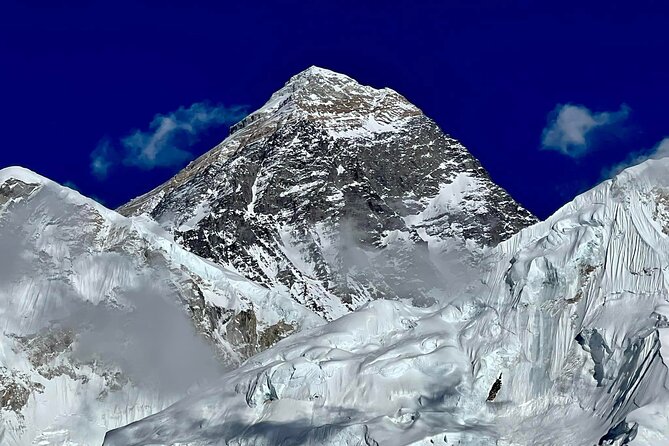
Review · EVEREST BASE CAMP TREKS
Luxury Everest Base Camp Trek – 11 Days
Luxury meets thin air in the Khumbu. This 11-day Everest Base Camp trek pairs helicopter transfers with luxury accommodation in remote areas, so you spend more energy on the views and less on the logistics. I like the practical, organized way it keeps the trip moving while still giving you room to adjust to altitude.
I love how the route builds in real breathing space, especially with a calmer day around Namche Bazaar and another acclimatization rhythm in the Dingboche/Chukhung area. Add cultural stops like Tengboche’s monasteries and the Sherpa market energy in Namche, and you get more than just mountain photos.
Your main trade-off is uncertainty: this kind of plan depends on good weather, especially for the helicopter legs, and high altitude still comes with a physical challenge even at a luxury pace.
In This Review
- Quick hits before you commit
- From Thamel meetings to a 5:15 am start mindset
- Helicopter to Lukla: the shortcut that changes your whole trip
- Phakding to Namche via Monjo: forests, permits, and the Sherpa hub
- Everest View Point and a real Namche acclimatization day
- Tengboche: rhododendron trekking and monasteries with quiet authority
- Dingboche at 4,410 m and the Chukhung acclimatization rhythm
- Lobuche and the Khumbu Glacier terminal moraine approach
- Everest Base Camp day, Gorak Shep staging, and the 5,164 m reality check
- Kala Patthar early hike and the helicopter landing finish
- Price and value: what $4,070 buys in real terms
- Guides, porters, and why the team names matter
- Who should choose this 11-day luxury EBC trek
- Should you book this Luxury Everest Base Camp trek?
- FAQ
- FAQ
- How do you get from Kathmandu to Lukla?
- Do you get a helicopter back after Gorak Shep?
- What meals are included during the trek?
- Is this trek for people with asthma or breathing issues?
- How big is the group?
- What major costs are not included in the $4,070 price?
Quick hits before you commit
- Two helicopter legs cut out long travel days: Kathmandu to Lukla, and Gorak Shep to Kathmandu
- Luxury comfort on the trek so evenings feel restful, not just survivable
- Altitude rhythm built in with relaxation days in Namche and staging in Dingboche/Chukhung
- Big-view targets include Everest View Point, Everest Base Camp, and a Kala Patthar early hike
- Small group size (max 15) with a guide and porters handled for you
- A local team with familiar names shows up in past trips, including organizer Surya and guides like Prakash, Babu, Ram, and Keshab
Before you lock this one in, a few Kathmandu alternatives:
- Kathmandu to Pokhara VIP Sofa Bus Ticket★ 4.5 · 19 reviews
- Luxury Tour of Nepal★ 5.0 · 18 reviews
- Nepal in Luxury: Kathmandu, Chitwan & Pokhara Escape – 8 Days★ 4.5 · 15 reviews
- Luxury Kailash Mansarovar Yatra – 15 days★ 5.0 · 14 reviews
From Thamel meetings to a 5:15 am start mindset
Your trip begins in Kathmandu, with the guide meeting you at the airport and then transferring you to your booked hotel in Thamel. This matters more than it sounds. Thamel is close to where you need to be for quick check-ins, short logistics, and easy meals before you go high.
The trip also lists pickup as offered, plus a mobile ticket. For most people, that combo means fewer surprises when it is time to move. And with a maximum of 15 travelers, you should expect a more personal flow than the huge, cattle-truck style groups.
One thing to plan around: the meeting point start time is listed as 5:15 am. Even if your trek day starts later, that early schedule sets the tone. You’ll want to be ready to move quickly and accept that mountain days run on a different clock than city days.
Finally, keep altitude and health in mind. The experience info flags asthma problems as a consideration, and you should not ignore that.
Helicopter to Lukla: the shortcut that changes your whole trip
Instead of starting the Everest story with a long approach to Lukla, you fly by helicopter from Kathmandu to Lukla. Then you meet the trekking crew and begin the trek to Phakding, which is listed as about a 4-hour walk.
This is a huge value point in a “luxury” package, because it turns the first trek day into a warm-up rather than a grind. You get the thrill of arriving in the Khumbu region while still saving the legs you’ll need later for higher elevations.
That said, helicopter travel is also where your schedule can get sensitive. The experience is stated to require good weather, and the helicopter segments are the first part of your plan that can be affected if conditions are poor. When you choose a luxury, speed-focused route, you trade some independence for smoother pacing when things run on time.
Phakding to Namche via Monjo: forests, permits, and the Sherpa hub
From Phakding, you move toward Namche Bazaar, with Monjo listed as a key stop along the way. The route is described as a challenging but rewarding trek, starting with a gentle ascent through pine forests. Those first hours matter because they help you settle into altitude without jumping straight into discomfort.
Then Namche Bazaar appears: a major Sherpa town where markets and daily life give you a break from the narrow trek bubble. This is one of the most practical and human parts of the Everest region. It’s also where you start feeling the “high place” reality in small ways: breathing takes more effort, and every stop feels a bit more important.
The big pro here is balance. You get nature plus the social texture of a mountain town. For many people, that makes the later, harder days feel more meaningful.
Everest View Point and a real Namche acclimatization day
Once you’re established in Namche, the experience emphasizes giving your body time. A day is set aside for acclimatization, with messaging that the pace is not rushed and there are no steep climbs. You can wander the town and explore the region at your own speed.
This kind of day is not just comfort. It’s strategy. At altitude, going too hard too soon is how trips turn stressful. A slower day in Namche is the difference between feeling sharp for later stages and dragging through the higher sections.
You also get an Everest View Point stop earlier in the middle portion. Even if weather changes the clarity, it’s a classic moment to look at the peaks and understand what you are working toward. It’s also a helpful mental reset. You’re not just walking. You’re learning the shape of the Khumbu from the places where people live and work.
One drawback to be aware of: since this day is about adjustment, you might feel like you’re not “earning” anything big. In reality, you are earning the ability to enjoy the next steps.
More trails out of Kathmandu, boots ready
Tengboche: rhododendron trekking and monasteries with quiet authority
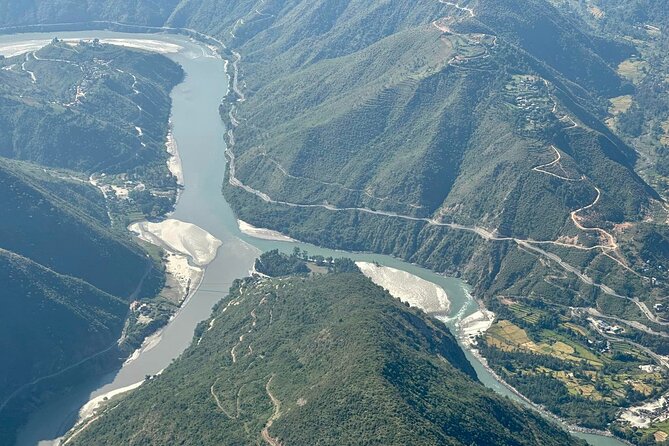
From Namche, you head toward Tengboche. The trek is described as going through dense rhododendron forests, with sunrise light adding atmosphere. Tengboche is called a cultural gem and is known in the plan for its ancient monasteries.
This stop is valuable for two reasons. First, it shifts the vibe from “town logistics” to spiritual and cultural meaning. Second, it puts you in a setting where the mountains feel close, not abstract.
It’s also a turning point in effort. Even when the trip is described as luxury, the days to Tengboche and onward still involve real hiking. Rhododendron forest trails can be beautiful, but the terrain can feel uneven, and you’ll want to keep your pace controlled so your breathing stays steady.
Tengboche is where many trekkers start thinking less about schedules and more about atmosphere. In a luxury trek format, that matters because your evenings are more comfortable, so you actually get to enjoy the moment instead of only surviving it.
Dingboche at 4,410 m and the Chukhung acclimatization rhythm
After Tengboche, you trek to Dingboche, listed at an altitude of 4,410 meters, typically taking about 5–6 hours. Dingboche is described as being in the Imja Valley, and that valley setting helps you understand why this part of the route feels wide open but also more exposed.
Then you add another acclimatization layer by moving toward Chukhung. The plan frames this as a crucial part of adjusting to increasing altitude. In plain terms: you’re not just moving forward. You’re buying time for your body to adapt.
This is one of the most praised elements of many Everest journeys, and it fits the luxury style too. When your accommodation and support are taken care of, acclimatization days become easier to handle mentally. You can rest, eat well, and keep the pace reasonable.
The consideration here is obvious but worth stating: altitude does not negotiate. Even with a careful plan, some people will feel it more strongly. If you know you react badly at elevation, you should discuss it with your guide or a clinician before you go.
Lobuche and the Khumbu Glacier terminal moraine approach
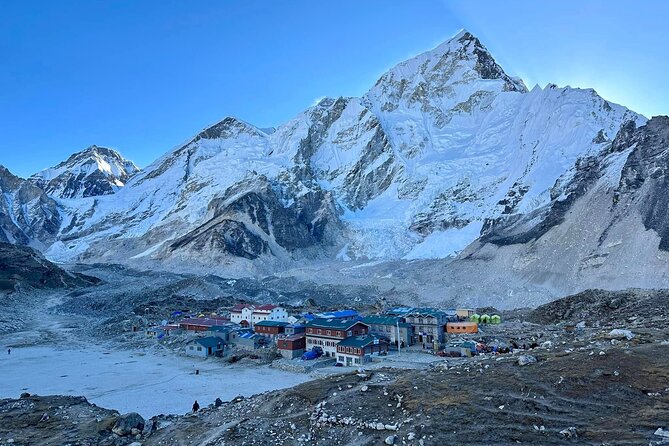
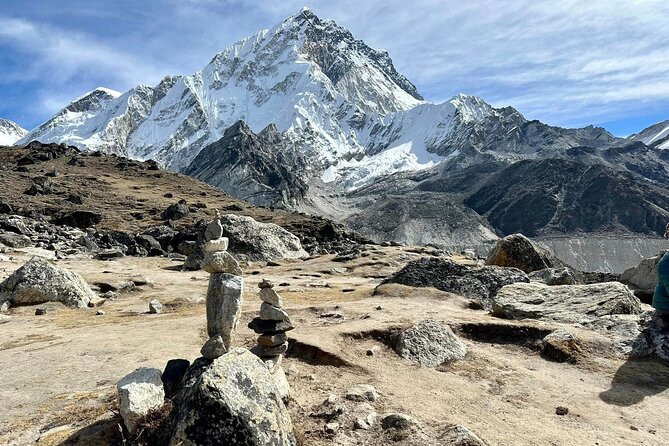
As you continue toward Lobuche, the route is described as passing the terminal moraine of the Khumbu Glacier. That kind of detail is a clue. The ground can feel more rugged, the air tends to feel sharper, and the trail environment becomes harsher as you gain elevation.
The upside is that this section sets you up for the final push. The closer you get to the EBC area, the more your daily goals get clear. The views become less about distant curiosity and more about target navigation.
The drawback is that this is where many trekkers feel the mental weight of altitude the most. Luxury reduces stress, but it does not remove altitude effects. You’ll still need to respect slow steps, consistent breathing, and the fact that energy costs more higher up.
If you’re choosing this trek for comfort, this is also the point where comfort matters most. Better rest and reliable support help you recover between demanding stretches, and that is what the “luxury accommodation” promise is really about.
Everest Base Camp day, Gorak Shep staging, and the 5,164 m reality check
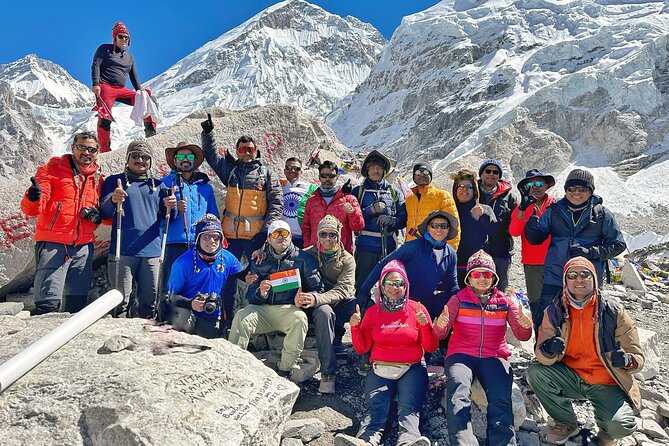
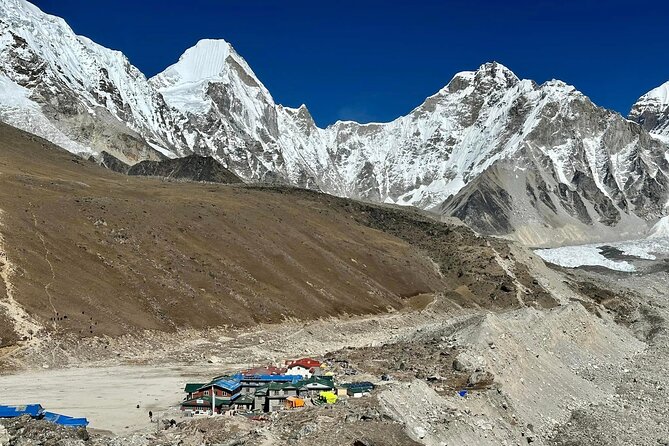
The big moment is reaching Everest Base Camp, listed as a stop near the middle-late part of the trek. After that, the plan takes you to Gorak Shep. Gorak Shep is listed as being at 5,164 meters and described as the last stop on the trek to EBC.
This staging is practical. It gives you a base for the next highlight day and puts you at the kind of altitude where decisions get simpler: you do what you must, you take care of recovery, and you keep moving carefully.
A luxury trek still needs to be realistic. Even if your lodge arrangements are comfortable and meals are included, you’ll likely feel cold and fatigue at these elevations, especially early in the day. The plan helps by structuring the time and including support from the guide and porters.
Also note the included meal counts. Breakfasts and lunches and dinners on the trek are part of the package, which helps keep your energy steady without you having to negotiate options in remote places.
Kala Patthar early hike and the helicopter landing finish
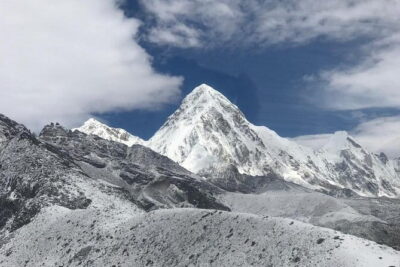
After the Gorak Shep staging, the plan highlights an early morning hike toward Kala Patthar. Kala Patthar is described as a notable landmark on the south ridge of Pumori, above Gorak Shep. The description specifically points to starting with first light, which is the whole game for dramatic views.
If Everest Base Camp is where you feel the goal, Kala Patthar is where you often feel the scale. The early start can sound intense, but it lines up with what the mountains are best at: rewarding you when the sky is clear and the sun hits just right.
The finish is also part of the luxury value. The package includes a helicopter return from Gorak Shep to Kathmandu. That means your last high-altitude day doesn’t end with the slow, grinding return steps that many trekking plans require.
One consideration: like the earlier helicopter to Lukla, weather can affect flight plans. The tour info also states that this experience requires good weather, and your schedule may change accordingly.
Price and value: what $4,070 buys in real terms
At $4,070 per person, you’re paying for more than a guided hike. This package includes:
- All fees and taxes
- Luxury accommodation during the trek
- Guide and porters with daily wage, insurance, and meals included
- Kathmandu to Lukla by helicopter
- Gorakshep to Kathmandu by helicopter
- Trek meal coverage: breakfast (9), lunch (8), dinner (8)
That’s the value math. Two helicopter legs alone are a major cost driver, and the included support reduces the friction of hiring, paying, and coordinating people at high elevation.
Now the stuff to budget separately:
- Extra nights in Kathmandu (if you need them)
- Travel insurance
- International flights to and from Nepal
- Meals in Kathmandu except breakfast and a farewell dinner
- Personal expenses like laundry, internet, phone calls, shopping, cold drinks, and drinking water
- Tips for the crew
If you want the “luxury” part to feel complete, don’t plan to rely on included items for every expense. The package handles the essentials and the high-cost logistics. Your job is to plan a small buffer for personal spending and crew tips.
Guides, porters, and why the team names matter
This is a group trekking plan with a maximum of 15 travelers, but the real comfort piece is the human support structure: you get a guide plus porters, and the package includes insurance and daily meals for them. That’s not only kind. It also tends to create smoother work in remote areas, because nobody is scrambling to solve basic needs.
In past trip feedback tied to this operator, you’ll see familiar names come up: Surya as the organizer, with guides including Prakash, Babu, Ram, and Keshab. Porters named Govinda, Kumar, and Partap also appear in the support crew. Those details matter because they signal this is built around local know-how and ongoing coordination, not a last-minute assembly.
If you’re the kind of person who values good communication and calm handling of issues, this matters more than fancy marketing. It’s the operational side of luxury.
Who should choose this 11-day luxury EBC trek
This trek fits best if you want:
- Everest Base Camp and Kala Patthar with a guided plan
- More comfort than a basic trekking setup
- Time saved by helicopter transfers to and from key points
- A small-group experience with guide and porter support
It may not fit well if:
- You have asthma or other respiratory concerns and have not cleared it medically
- You hate the idea that your schedule depends on good weather, especially for helicopter days
- You prefer total independence and don’t want a set structure
Also, keep in mind the physical requirement is described as moderate physical fitness. That doesn’t mean “easy.” It means you don’t need elite technical climbing skills, but you do need to handle sustained walking at high altitude.
Should you book this Luxury Everest Base Camp trek?
I’d book it if you want the Everest highlights with less logistical strain, and you value comfortable nights plus included support. The combination of helicopter legs, luxury accommodation, and full trek meals is the core reason this costs more than budget EBC options.
I would think twice if weather uncertainty would wreck your vacation plans. This is built to run well when conditions cooperate, and the experience info is clear that good weather matters.
If you book, make your decision based on fit, not just views: check your comfort with early starts (the 5:15 am meeting time is listed), discuss any respiratory concerns, and set aside spending for items not included in Kathmandu and for crew tips.
FAQ
FAQ
How do you get from Kathmandu to Lukla?
You fly by helicopter from Kathmandu to Lukla, and then you start trekking to Phakding.
Do you get a helicopter back after Gorak Shep?
Yes. The package includes a helicopter flight from Gorak Shep to Kathmandu.
What meals are included during the trek?
The package includes breakfast (9), lunch (8), and dinner (8) during the trek. Meals in Kathmandu are not included except for breakfast and a farewell dinner.
Is this trek for people with asthma or breathing issues?
The tour info lists asthma problems as a consideration. You should treat that seriously and confirm suitability with a qualified medical professional before you go.
How big is the group?
The experience has a maximum of 15 travelers.
What major costs are not included in the $4,070 price?
International flights, travel insurance, extra Kathmandu nights, meals in Kathmandu (except breakfast and farewell dinner), personal expenses, and tips for the crew are not included.
More Trekking Out of Kathmandu
More VIP in Kathmandu
More Tour Reviews in Kathmandu
Just Reviewed in Kathmandu
- Mountain Bike Tour
★ 5.0 · 3 reviews - Annapurna Panaroma
★ 5.0 · 3 reviews - Mount Everest Scenic Flight 50 Minutes
★ 5.0 · 3 reviews - Kathmandu : Swambhunath & Durbar Square Guided Half Day Tour
★ 3.3 · 3 reviews - Chandragiri Cable Car & Monkey Temple Tour – Private/Group
★ 5.0 · 3 reviews - Kathmandu: Shivapuri National Park Hiking Day Trip
★ 3.3 · 3 reviews
Everest Base Camp Treks, compared.
 ★ 5.0Everest Base Camp Trek – 14 DaysFrom $1,8001,499 reviews
 ★ 5.0Everest Base Camp TrekFrom $1,790842 reviews
 ★ 5.0Everest Base Camp TrekkingFrom $1,350485 reviews
 ★ 5.0Everest Base Camp Trekking – 13 DayFrom $1,399365 reviews
★ 5.0Everest Base Camp TrekFrom $1,445350 reviews
★ 5.0Everest Base Camp Trek -14 DaysFrom $1,420321 reviews
★ 5.0Everest Base Camp Trekking – 13 DayFrom $1,399365 reviews
★ 5.0Everest Base Camp TrekFrom $1,445350 reviews
★ 5.0Everest Base Camp Trek -14 DaysFrom $1,420321 reviews
 ★ 5.012 Days Everest Base Camp TrekFrom $1,099289 reviews
 ★ 5.0Everest Base Camp Trekking – 2025/2026From $1,339199 reviews
Browse the lists this tour appears in