
Review · NEPALI COOKING & MOMO CLASSES
Momo, Dhalbhat & Thukpa Cooking Class, Nepal
Food lessons start on Patan streets. This class blends a market stop, Patan sights, and cooking Nepal’s go-to comfort foods like momo and dhalbhat.
I especially love the way the experience starts before the stove: you go to a local vegetable market, meet the people selling ingredients, and build your meal from what looks and smells best that morning. I also like how small it stays (up to 10 people) so you’re not just watching; you’re shaping, mixing, and learning with Esther Rai and her collaborator Amos.
One consideration: it’s about 3 hours, so you’ll learn a lot but you won’t have unlimited time for slow, step-by-step practice. If you want extra-stuffed notes or to linger over every sauce, this format might feel a little time-compressed.
In This Review
- Key Highlights You’ll Actually Use
- Where Patan Cooking Fits Into a Kathmandu Day
- Golden Temple and Patan Stops: Why the Morning Starts With Sights
- The Local Market Trip: Your Ingredients, Chosen With Real People
- Esther Rai’s Style: Home Cooking With a Real Story Behind It
- The Rooftop Kitchen Near Patan Durbar Square
- Momo: Practice the Wrap, Then Eat What You Make
- Dal Bhat: The Comfort-Plate Approach to Balance
- Thukpa: Noodles, Spice Learning, and Warm-Up Flavor
- Group Size, Time, and What You Actually Get Out of 3 Hours
- Value Check: Is It Worth $25 in Kathmandu?
- Practical Tips So You Don’t Trip Over the Basics
- Should You Book This Cooking Class in Patan?
- FAQ
- What dishes will I learn to cook?
- Does the class include a market visit?
- How long is the cooking class?
- Where do I meet, and where does it end?
- How many people are in the group?
- What does the price include?
- What type of ticket will I receive?
- When will I receive confirmation?
- Is weather important?
- FAQ
- What is the cancellation policy?
Key Highlights You’ll Actually Use
- Market-first shopping in Patan so you understand ingredients in context, not just in a recipe list
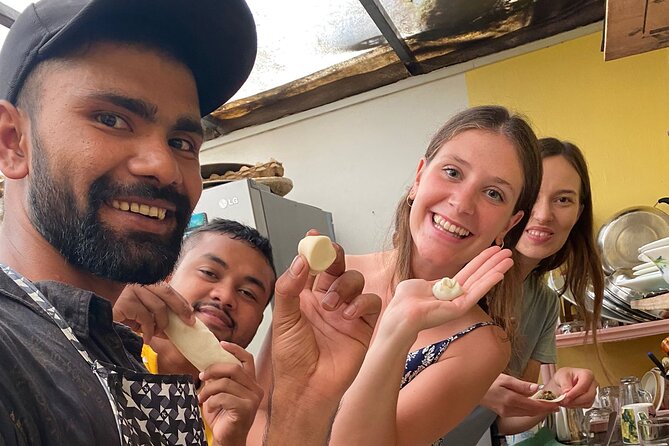
- Hands-on momo shaping rather than passive cooking-watching
- Dal bhat teaching that focuses on balance so the meal makes sense as a Nepali plate
- Thukpa skills with spice guidance that helps you adjust flavor while cooking
- A small group of max 10 for better attention and faster feedback
- A rooftop cooking spot near Patan Durbar Square that keeps the morning feeling local
More time at the stove
- Half day cooking class in Thamel kathmandu★ 5.0 · 607 reviews
- Kathmandu: Local Women-Led Nepali Cooking & Momo Class★ 4.9 · 360 reviews
- Kathmandu: Local Lead Nepali Cooking & Momo-Making Class★ 5.0 · 212 reviews
- Local Women Lead Nepali Cooking Class★ 5.0 · 125 reviews
Where Patan Cooking Fits Into a Kathmandu Day
This is a Kathmandu-area class with its heart in Lalitpur, where you can smell the city’s daily rhythm instead of only seeing it through Thamel walls. The meeting point is Nagabahal – Nyadha Galli (Lalitpur), and you end right back there after the meal.
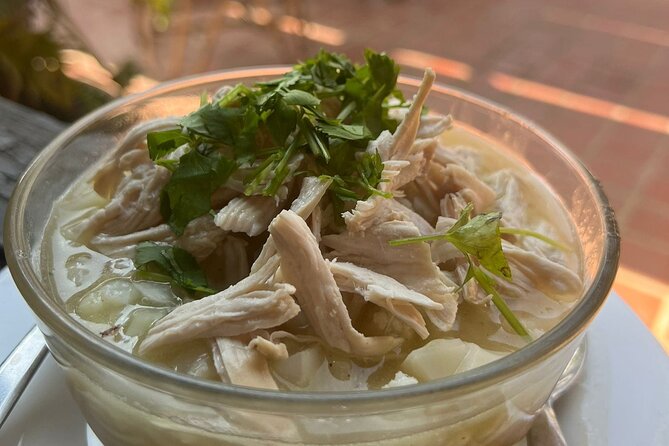
You’ll be in a small group, and that matters. With only up to 10 people, Esther Rai can correct small technique issues and still keep things moving. With a bigger crowd, cooking classes often turn into a conveyor belt; here, it stays human.
It’s also short enough to fit into real travel plans. Plan on about 3 hours, and remember that you’re not just cooking—you’re also shopping for ingredients and getting a taste of Patan along the way.
Golden Temple and Patan Stops: Why the Morning Starts With Sights
Your itinerary includes a stop at the Golden Temple, officially Hiranya Varna Mahavihar, and time in Patan (Lalitpur). Think of this as the warm-up before the kitchen work.
The value here is mental. Food tastes better when you know what it sits next to in daily life. Walking through Patan’s historic area helps you connect Nepal’s dishes to the kind of neighborhood cooking grew up in—religious spaces, community routines, and families who eat together.
A practical note: you’ll want comfortable shoes. Even if the walking is not extreme, you’ll be on foot in old-town streets before heading into a kitchen.
The Local Market Trip: Your Ingredients, Chosen With Real People
The class begins with a trip to a local vegetable market, where you interact with vegetable sellers and learn what goes into the dishes. This is one of the biggest reasons the class feels like more than a cooking demonstration.
When you buy ingredients locally, you start noticing patterns fast: what looks freshest, what sellers recommend for today’s cooking, and how ingredients are selected for flavor and texture. That translates directly to better cooking at home, because you’ll understand what to look for, not just what to measure.
This market stop also gives you a social layer. Food in Nepal isn’t just food; it’s family, hospitality, and everyday work. Esther Rai’s approach is designed to put you in that flow early, so when you step into cooking, it already feels familiar.
Esther Rai’s Style: Home Cooking With a Real Story Behind It
Esther Rai teaches a focused Nepali menu: momo, dal bhat, and thukpa. The class is built around the idea of Nepali kitchen experience—how food is prepared, how it’s ordered in daily life, and how family routines shape taste.
What stands out about her story is what she started doing during COVID-19. She began the cooking program as a way to support her family financially, which adds weight to the welcome you feel during the lesson. This is not a sterile, one-and-done tourism product; it’s tied to a real household and a real reason to keep teaching.
One more useful detail: the menu can be done based on guest request. That means if you’re especially eager for one dish, you’re not stuck with an inflexible script. (Still, the core options revolve around those three dishes.)
Make something to carry home
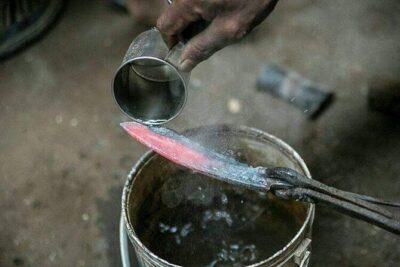
The Rooftop Kitchen Near Patan Durbar Square
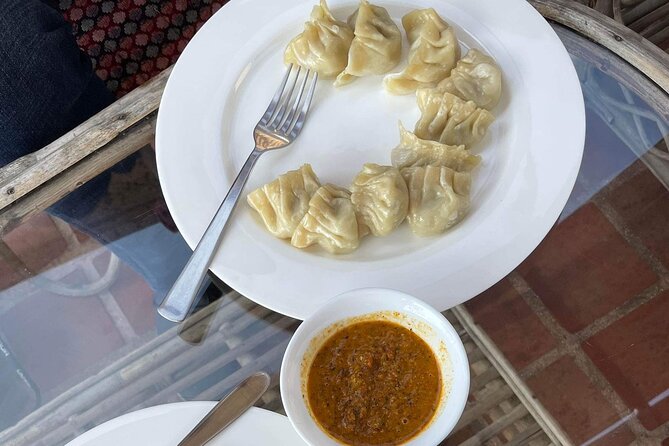
The cooking location is very close to Patan Durbar Square—about a 5-minute walk, and that makes a difference in feel. You’re not transported far out of the area; you stay in the neighborhood where daily life happens.
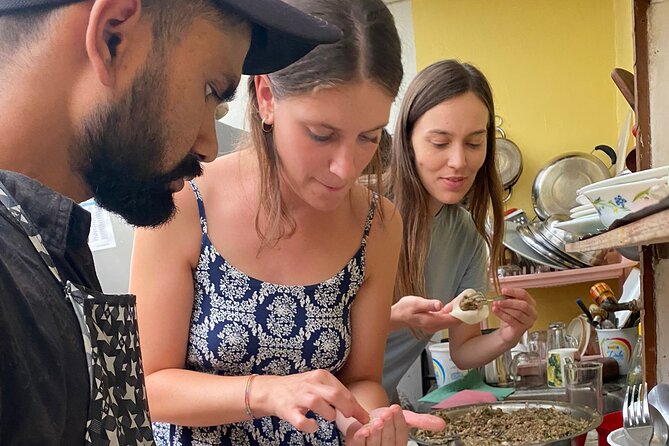
Several participants describe the cooking setup as a rooftop space, and that fits the general Patan vibe: open air, local views, and an easy rhythm for group cooking. Rooftop cooking also helps keep you comfortable with the flow of people moving in and out for ingredients, questions, and tasting.
And because the class caps at 10 people, you’re less likely to feel like you’re cooking in someone else’s kitchen traffic jam. You get time to ask the simple stuff that matters: how thick the filling should be, how to handle the dough, or what to adjust when spice lands too strong.
Momo: Practice the Wrap, Then Eat What You Make
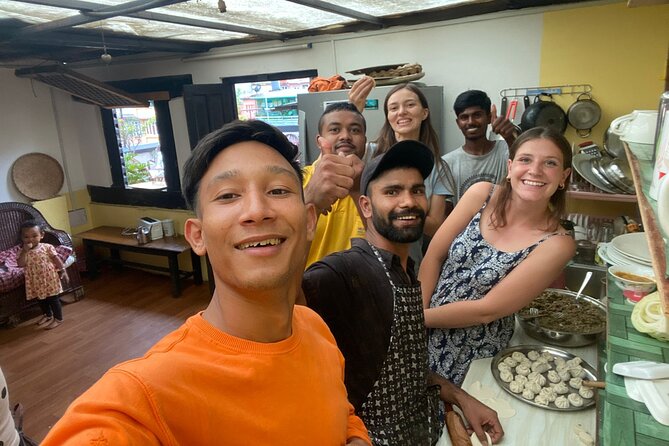
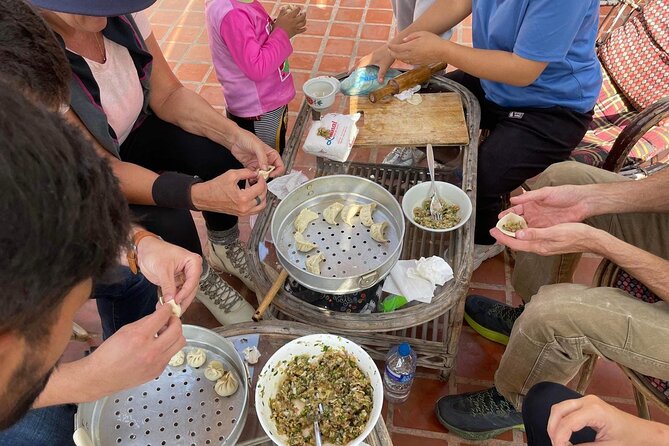
Momo is the headline dish for many people for a reason. It’s portable, snackable, and deeply social. In this class, you don’t just learn the idea; you learn and practice making momo.
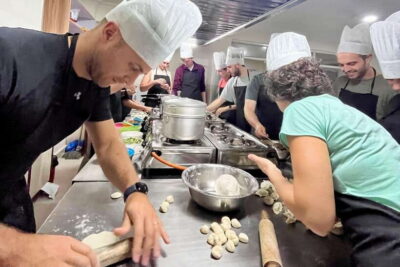
Expect a hands-on session where you’ll be shaping and working with the wrapper process. Technique matters here, especially if you want dumplings that hold together during cooking. Esther Rai’s teaching style is aimed at getting you through the steps with confidence, not just learning the final look.
A nice side benefit: momo teaches you Nepali seasoning logic. Even if you’ve cooked dumplings before, Nepali flavor tends to land differently due to spice choices and how seasoning is balanced through cooking. You’ll start noticing that you can taste for adjustments as you go.
Dal Bhat: The Comfort-Plate Approach to Balance
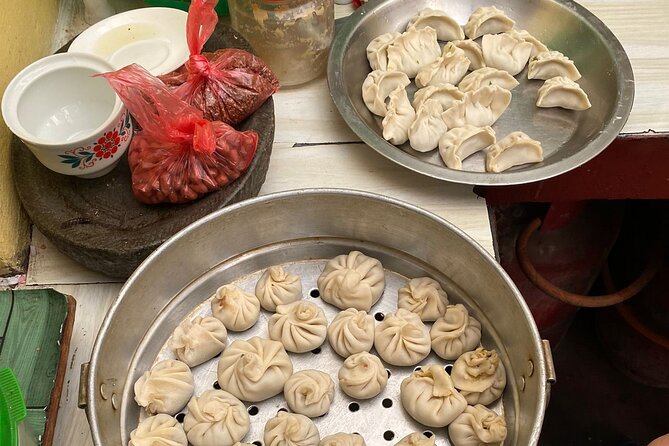
Dal bhat is the Nepalese comfort base: rice plus lentil-style dal, typically with sides and flavor built in. In this class, you’ll learn and practice dhalbhat cooking, and you’ll eat what you prepare once it’s ready.
Why this matters for your brain at home: dal bhat is a framework, not just a dish. When you understand the rhythm of rice + dal + supporting elements, you can rebuild similar meals with what you find in your own kitchen.
This is also where you’ll pick up that Nepali home cooking often prioritizes balance over showy technique. It’s not about fancy plating—it’s about getting the flavors right so the meal feels complete.
If you like food that tastes like it belongs at the center of a family table, dal bhat is your anchor course here.
Thukpa: Noodles, Spice Learning, and Warm-Up Flavor
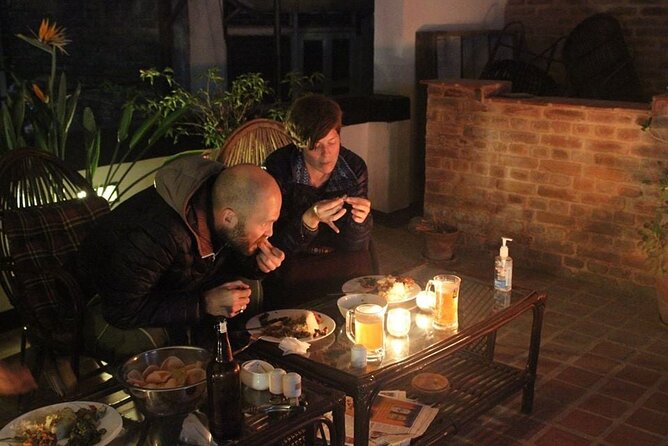
Thukpa brings the warmth. It’s a noodle dish tied to cooler-weather comfort and everyday satisfaction. In this class, you’ll learn and practice making thukpa as part of the Nepali menu.
The useful part is the spice and adjustment mindset. You’ll see how flavor changes as ingredients heat, how seasoning feels different once it hits liquid, and how you can correct direction instead of starting over. That makes thukpa one of the most transferable dishes you can take home.
Thukpa also helps round out the meal. After dumplings and dal bhat, you get a different texture and flavor path. That variety is part of why the class earns its reputation as a full Nepali meal experience rather than a single-dish workshop.
Group Size, Time, and What You Actually Get Out of 3 Hours
At $25 per person, you’re not paying for a long spa-style experience. You’re paying for a tightly packed skill session with shopping plus a meal. For most travelers, that’s the sweet spot.
Here’s what you should expect to get done in the time:
- shopping for core ingredients at a local vegetable market
- prepping and cooking multiple dishes (momo and either dal bhat, thukpa, or both, depending on the flow and request)
- eating the food you made
Because there’s a max group size of 10, the class can still feel interactive. You won’t just get dumped into a corner with a chopping board. You’ll likely get enough guidance to understand what you’re doing, not just follow instructions blindly.
One practical tip: come hungry. The payoff is that you eat your work. That also means you’ll remember how it tasted right after learning, which is when cooking lessons stick.
Value Check: Is It Worth $25 in Kathmandu?
For the Kathmandu area, $25 for a 3-hour cooking class that includes a market trip and a meal is strong value. You’re not only learning how to cook—you’re seeing how ingredients are chosen locally and meeting the people selling them.
The market portion is easy to underestimate until you do it. It turns the class from recipe-only into a mini education in real buying decisions: freshness, selection, and everyday ingredient availability. That’s the kind of knowledge that helps you cook better long after the trip ends.
The other value factor is the guide attention. Small group size helps Esther Rai and Amos keep things moving while still answering the questions that pop up mid-cook.
If you want to simply sample food, there are cheaper ways. But if you want skills and a real Nepali meal experience, this price is reasonable.
Practical Tips So You Don’t Trip Over the Basics
A few things that will make your morning smoother:
- Wear comfortable shoes for the Patan walking portion and market stop.
- Plan your appetite. This is an eat-what-you-cook setup, so don’t schedule another heavy meal right before.
- Bring a curious mindset for spices. You’ll learn by doing, and some adjustments happen while cooking.
- Keep your time tight. With a 3-hour window, arriving late can disrupt the pace.
Also, the experience requires good weather. If weather is poor, you’ll be offered a different date or a full refund. That matters if you’re booking during monsoon or unsettled shoulder-season days.
Should You Book This Cooking Class in Patan?
Book it if you want a hands-on Nepal food experience that starts in a local market and ends with you eating what you made. If you like cooking lessons that feel personal—family-style teaching with a real reason behind it—this fits well.
Pass or consider alternatives if you’re the type who needs long, relaxed cooking time for every step. This is designed to teach efficiently. You’ll learn a lot, but you won’t linger for every detail.
For most travelers, the biggest selling point is balance: culture through food, not just food through culture. You get Patan sights, a market moment, and then real cooking practice with momo, dal bhat, and thukpa.
FAQ
What dishes will I learn to cook?
The class focuses on momo, dhalbhat (dal bhat), and thukpa.
Does the class include a market visit?
Yes. You’ll go to a local vegetable market before you start cooking and interact with vegetable sellers.
How long is the cooking class?
It lasts about 3 hours.
Where do I meet, and where does it end?
You meet at Nagabahal – Nyadha Galli, Lalitpur 44600, Nepal. The activity ends back at the same meeting point.
How many people are in the group?
The class has a maximum of 10 travelers.
What does the price include?
The tour price is $25.00 per person, and you cook and eat the food you prepare.
What type of ticket will I receive?
You’ll receive a mobile ticket.
When will I receive confirmation?
Confirmation is received at the time of booking.
Is weather important?
Yes. The experience requires good weather. If it’s canceled due to poor weather, you’ll be offered a different date or a full refund.
FAQ
What is the cancellation policy?
You can cancel for a full refund up to 24 hours in advance. If you cancel less than 24 hours before the start time, the amount paid is not refunded.
Make a Little Nepal to Take Home
Learn Another Nepali Dish
More Tour Reviews in Kathmandu


Just Reviewed in Kathmandu
- Mountain Bike Tour
★ 5.0 · 3 reviews - Annapurna Panaroma
★ 5.0 · 3 reviews - Mount Everest Scenic Flight 50 Minutes
★ 5.0 · 3 reviews - Kathmandu : Swambhunath & Durbar Square Guided Half Day Tour
★ 3.3 · 3 reviews - Chandragiri Cable Car & Monkey Temple Tour – Private/Group
★ 5.0 · 3 reviews - Kathmandu: Shivapuri National Park Hiking Day Trip
★ 3.3 · 3 reviews
Nepali Cooking & Momo Classes, compared.
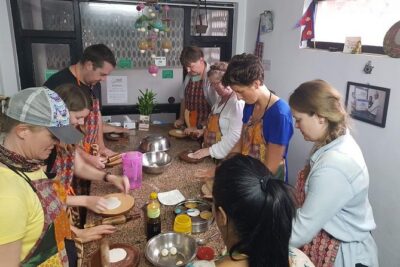 ★ 5.0Half day cooking class in Thamel kathmanduFrom $28607 reviews
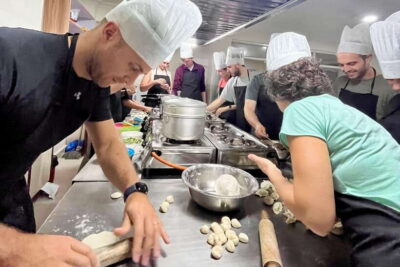 ★ 4.9Local Women-Led Nepali Cooking & Momo ClassFrom $4360 reviews
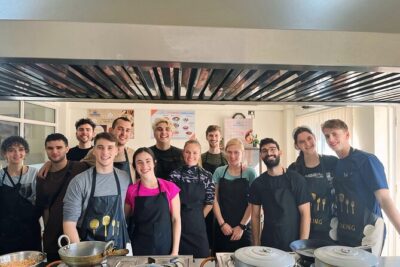 ★ 5.0Local Lead Nepali Cooking & Momo-Making ClassFrom $5212 reviews
Local Women Lead Nepali Cooking ClassFrom $30125 reviews
★ 5.0Local Lead Nepali Cooking & Momo-Making ClassFrom $5212 reviews
Local Women Lead Nepali Cooking ClassFrom $30125 reviews
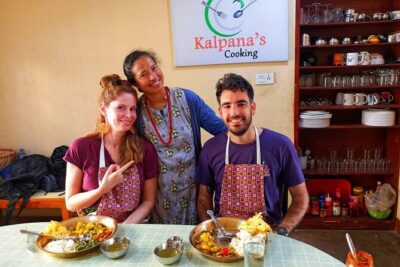 ★ 5.0The best Private Nepali Cooking Class in KathmanduFrom $2483 reviews
 ★ 4.8Traditional Momo Making Class & PickupFrom $460 reviews
 ★ 5.0Traditional Nepali Momo Making ClassesFrom $1853 reviews
 ★ 4.9Local Women-Lead Nepali Cooking & Momo ClassFrom $545 reviews
Browse the lists this tour appears in