
Review · NEPALI COOKING & MOMO CLASSES
Traditional Momo Making Class
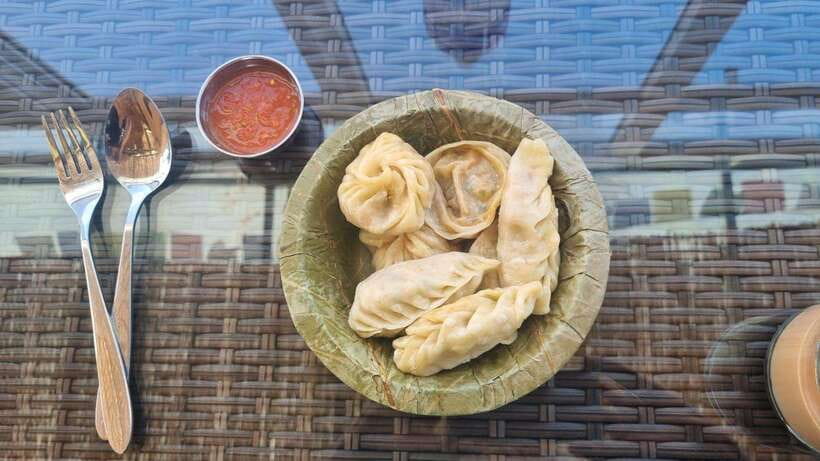
Watch dumplings become dinner fast. This Traditional Momo Making Class in Thamel, Kathmandu, is hands-on and taught by local women chefs, where you knead dough, mix fillings, and fold momos yourself. I love the step-by-step teaching and the use of fresh local ingredients with authentic Nepali spices. One small catch: it can run a bit longer than the posted 1.5 hours, especially if the group chats a lot.
The setting makes it easier to focus. You’ll work in a kitchen that feels clean and bright and finish with the best part—tasting your own momos, plus a welcome masala chai. If you’re short on time or hate cooking hands-on, plan accordingly, because this class is about doing, not watching.
In This Review
- Key Things You’ll Notice Right Away
- Thamel, Kathmandu, and Why This Class Works
- Women-Led Namaste Cooking School: the Kitchen Vibe
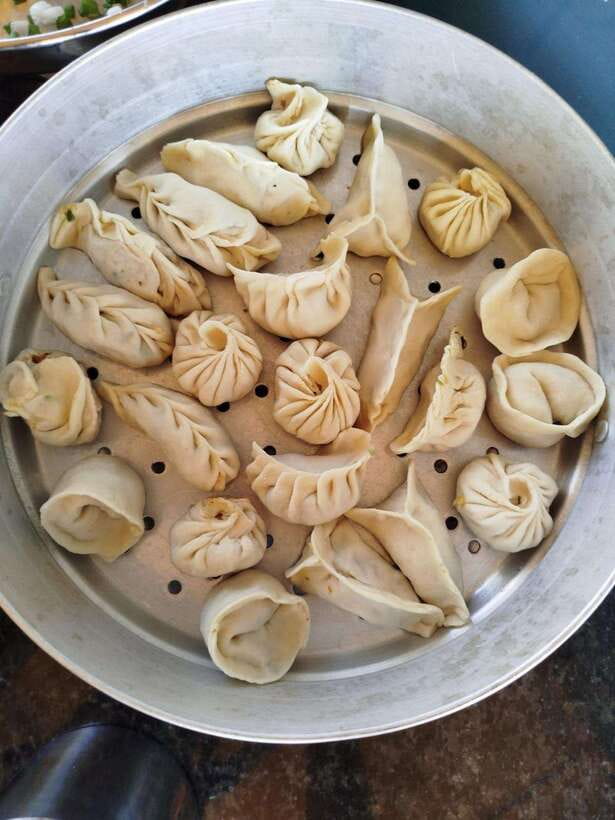
- The Core Lesson: Dough, Filling, Then the Art of Folding
- Kneading dough: where most people get stuck (and where you learn)
- Preparing the filling: balancing flavor with technique
- Folding: shaping pleats you can actually repeat
- Nepalese Spices and Local Ingredients: what to pay attention to
- Cultural Meaning: why momos show up at celebrations
- Tasting Your Momos and the Welcome Masala Chai
- Price and Value: is $15 a fair deal?
- Timing, What to Wear, and How to Get the Most Out of It
- Who This Momo Class Fits Best
- Should You Book This Traditional Momo Making Class?
- FAQ
- Where is the momo making class held?
- How much does the class cost?
- How long is the class?
- Is the class taught in English?
- What will I learn during the class?
- What’s included in the price?
- Do I need to bring anything?
- Is hotel pickup and drop-off included?
- Can I get a full refund if I cancel?
Key Things You’ll Notice Right Away
- Women-led instruction that keeps you involved from the first knead to the last fold
- Sushi, the Lead Trainer, brings an easy, friendly energy (and clear English)
- A clean, bright rooftop-style setup that feels calm, not chaotic
- Real momo workflow: dough prep, filling prep, then shaping pleats
- Seasoned with authentic Nepali spices using fresh, locally sourced ingredients
- You leave fed with chai and a tasting of what you made
Make something to carry home
- Half day cooking class in Thamel kathmandu★ 5.0 · 607 reviews
- Kathmandu: Local Women-Led Nepali Cooking & Momo Class★ 4.9 · 360 reviews
- Kathmandu: Local Lead Nepali Cooking & Momo-Making Class★ 5.0 · 212 reviews
- Knife (Khukuri) Making Workshop- Forge of the Gurkhas★ 5.0 · 143 reviews
Thamel, Kathmandu, and Why This Class Works
Thamel is Kathmandu’s go-to neighborhood for people who like to walk, browse, and keep things simple. You’ll find plenty of food places, but this class is different because you’re not just eating Nepali comfort food—you’re learning the technique behind it.
A momo class also fits Kathmandu timing well. Most cooking classes elsewhere turn into a quick demo and a long sit-down. Here, the focus stays on your hands: dough, filling, folding, and then eating. For a first-time cook, that matters. You’ll understand the steps, not just the final result.
Also, the school is women-led, which gives the whole experience a different feel. The instructors teach with patience and a casual, welcoming attitude. You’re encouraged to try the motions yourself, not just follow along.
Women-Led Namaste Cooking School: the Kitchen Vibe
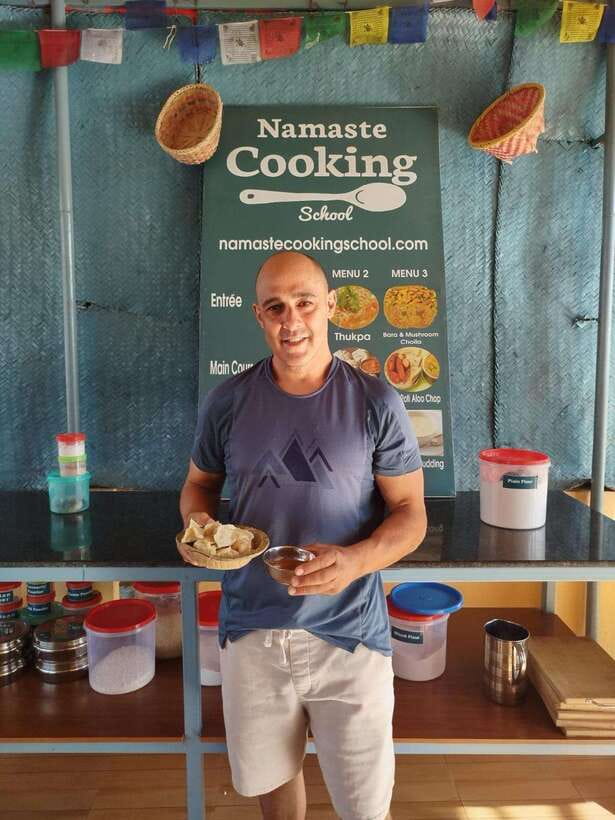
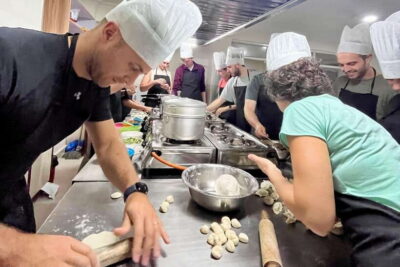
The Women Led Namaste Cooking School is set up so you can actually work comfortably. People describe the space as very clean and bright, with a quiet rooftop atmosphere. That sounds minor until you’re elbow-deep in dough. A tidy kitchen keeps things less stressful and more pleasant.
Another plus: English instruction is part of the setup. The lead trainer, Sushi, is described as a joy to work with, and the teaching is clear enough that beginners can keep up. In practical terms, you won’t need cooking vocabulary to understand what you’re doing.
And yes, the mood is genuinely friendly. Several accounts mention cheerful energy from the women chefs, with lots of interaction and good laughs. That matters because momo-making is repetitive by design. If the vibe is good, you stay focused through the little rhythm of folding.
The Core Lesson: Dough, Filling, Then the Art of Folding
This is a real from-scratch momo session. You start with kneading dough, then move into preparing the momo filling, and finally you learn to fold momos into traditional shapes.
Kneading dough: where most people get stuck (and where you learn)
Dough is the foundation. If the dough is too dry, it cracks. If it’s too wet, it sticks and won’t seal. In the class, you’ll get guided practice so you can feel the dough’s texture and learn what “right” means for momo wrappers.
This is one of the most valuable parts of the experience. Once you understand how dough should behave in your hands, your confidence jumps. Even if your first few shapes look imperfect, your next few won’t be as scary.


Preparing the filling: balancing flavor with technique
Then you’ll make the filling using fresh, locally sourced ingredients and Nepali spices. The key value here isn’t just taste. It’s learning how the filling is handled before it goes into the wrapper.
You’ll also get a feel for seasoning, because Nepali dumplings can taste noticeably different from bland dumplings you might be used to. The workshop uses authentic spices, so you get flavor that feels like Kathmandu food, not generic “international cooking class” seasoning.
Folding: shaping pleats you can actually repeat
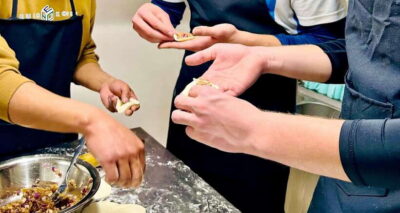
Momo folding is the signature move. Even if you’ve watched videos online, folding in real life can feel awkward at first—until you get coached on hand position and how to close the dumpling properly.
The instructors guide you through making traditional shapes. If you’re traveling with a child or cooking partner, this is a great moment because the folding stage invites teamwork. One family experience even highlighted how an 11-year-old was eager to help with chopping and handled the folding surprisingly well.
Nepalese Spices and Local Ingredients: what to pay attention to
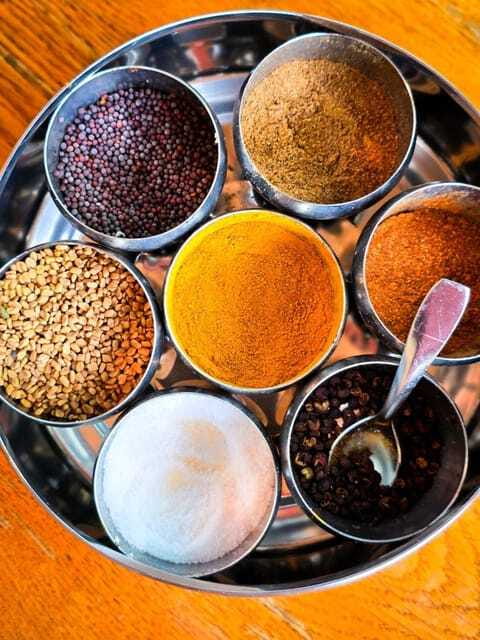
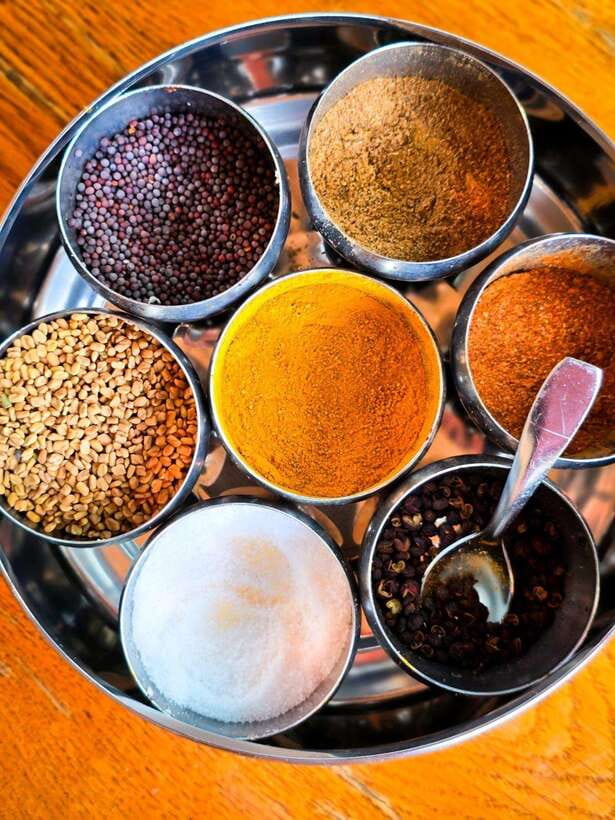
Food classes often promise authenticity, then hand you generic ingredients. This one leans the other way. You use fresh ingredients and authentic Nepali spices.
What you should watch for is how the spices smell and how they change when mixed into the filling. Nepali spice blends tend to be aromatic rather than just hot. When you smell the mixture and then taste a momo you made with it, the connection clicks fast.
If you’re a picky eater or worried about spice levels, don’t panic. The goal here isn’t turning you into a spice expert. It’s giving you a clear method to recreate flavor at home. You’ll learn what goes in and how the filling should taste in balance with the wrapper.
Cultural Meaning: why momos show up at celebrations
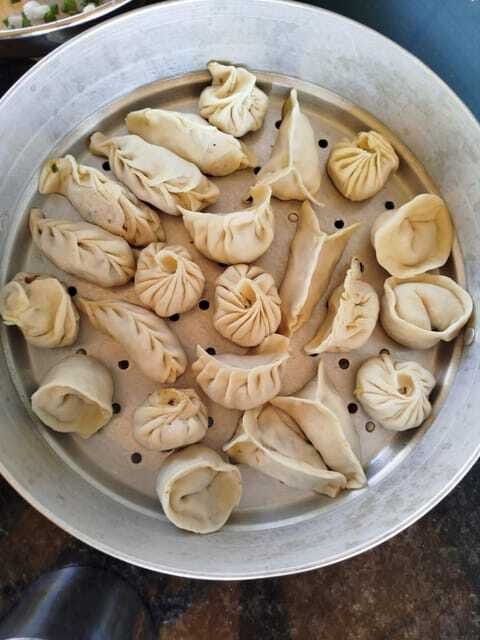
Momos aren’t only street food. In Nepal, they hold a special place in celebrations and everyday life. That cultural context matters because it changes how you interpret the cooking.
When you learn a dish tied to gatherings, you’re not only practicing recipes—you’re learning why people make this food for friends, family, and festive moments. You’ll pick up that momos are a shared, social dish, the kind that feels natural at get-togethers.
A small tip: during the class, ask the chefs what occasions they associate most with momos. The cultural side is part of the experience, and the women teaching you are clearly happy to talk about the dish beyond technique.
Tasting Your Momos and the Welcome Masala Chai
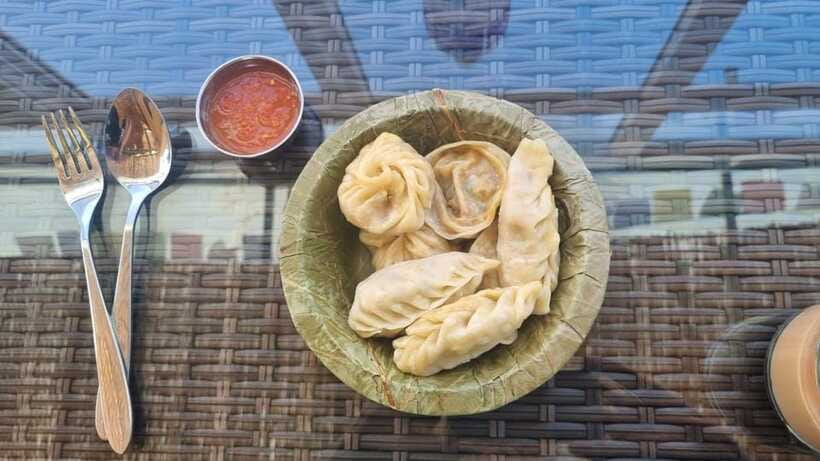
At the end, you’ll taste what you make. This isn’t just a token bite. The class is built to land you at that moment—after dough and folding, when you finally get to judge what worked.
You also get a welcome masala chai. It’s simple, but it helps set the tone. Tea in the middle of cooking keeps you grounded and makes the session feel like a real Nepali kitchen break, not a staged activity.
If you’re the type who learns best by tasting, you’ll love the structure. You cook, then you eat immediately while the flavors and the technique are still fresh in your mind.
Price and Value: is $15 a fair deal?
The price is $15 per person for about 1.5 hours of instruction, plus ingredients and tastings. That’s strong value for a hands-on cooking class in Kathmandu.
Here’s why the math usually works:
- You get guided instruction from experienced local chefs, not just a demo.
- Ingredients are included, so you’re not paying extra for raw materials.
- You leave with masala chai and a tasting of your handmade momos.
The main thing to keep in mind is what isn’t included: hotel pickup and drop-off. That means you’ll need to get to the school on your own. In practical terms, it’s usually easy in Thamel, but it’s still your responsibility to plan transport.
Also, watch the time. One booking noted the class ran a bit longer than the posted duration. That can be good news if you enjoy chatting, but it can be a planning issue if you have a strict schedule later.
Timing, What to Wear, and How to Get the Most Out of It
Do two things and you’ll have a better time:
- Arrive about 10 minutes early.
- Wear comfortable clothing and shoes suitable for cooking.
Momo-making gets messy in a manageable way. You’ll handle dough, and you might need to adjust sleeves or keep your sleeves from catching. Shoes matter too—if the floor is cool or you’re moving slightly between tasks, comfortable footwear makes the whole process easier.
Language is English, which helps a lot for first-timers. If you want to learn beyond the basics, keep a few questions ready:
- How should the wrapper dough feel?
- What’s the easiest way to close seams?
- How do they suggest you re-create the flavor at home?
And if the class feels more social than you expected, that’s not a problem. It’s part of the experience. Just factor that conversation can make the session run a little longer.
Who This Momo Class Fits Best
This works best if you:
- Want a hands-on Kathmandu food activity that isn’t just sitting and watching
- Like learning skills you can repeat at home
- Enjoy friendly, women-led teaching and a relaxed kitchen pace
- Travel with kids who like chopping, folding, or helping out
It’s also a solid option if you’re traveling solo. Momo-making encourages participation, and the instructors make it easy to jump in even if you’re quiet at first.
If you hate cooking prep or you only want a quick snack experience, you might be happier with a food tour instead. This is a workshop. You’ll do the work.
Should You Book This Traditional Momo Making Class?
If you want one Kathmandu activity that’s practical, local, and actually useful later, I’d book this. The value is in the method: you’re taught dough, filling, and folding, then you taste results you made yourself. The clean, bright kitchen vibe and the friendly guidance from people like Sushi also make it feel welcoming, not intimidating.
Just plan around two realities:
- Hotel pickup isn’t included, so you’ll need to get there yourself.
- The session may run a bit longer than the stated time, so don’t stack it right before something strict.
If those two points don’t bother you, this is a great way to leave Kathmandu with both a full stomach and a skill you can use at home.
FAQ
Where is the momo making class held?
It’s in Thamel, Kathmandu, at the Women Led Namaste Cooking School.
How much does the class cost?
The price is $15 per person.
How long is the class?
The duration is listed as 1.5 hours.
Is the class taught in English?
Yes. The instructor is English speaking.
What will I learn during the class?
You’ll learn to make momos from scratch, including kneading dough, preparing momo fillings, and folding momos into traditional shapes.
What’s included in the price?
The class includes the momo making session, ingredients, guidance from local chefs, a tasting of the momos you make, and a welcome masala chai.
Do I need to bring anything?
The experience includes ingredients, but you should bring yourself ready to cook. Wear comfortable clothing and shoes suitable for cooking.
Is hotel pickup and drop-off included?
No. Hotel pickup and drop-off are not included.
Can I get a full refund if I cancel?
Yes. You can cancel up to 24 hours in advance for a full refund.
Make a Little Nepal to Take Home


More Tour Reviews in Kathmandu





Just Reviewed in Kathmandu
- Mountain Bike Tour
★ 5.0 · 3 reviews - Annapurna Panaroma
★ 5.0 · 3 reviews - Mount Everest Scenic Flight 50 Minutes
★ 5.0 · 3 reviews - Kathmandu : Swambhunath & Durbar Square Guided Half Day Tour
★ 3.3 · 3 reviews - Chandragiri Cable Car & Monkey Temple Tour – Private/Group
★ 5.0 · 3 reviews - Kathmandu: Shivapuri National Park Hiking Day Trip
★ 3.3 · 3 reviews
Nepali Cooking & Momo Classes, compared.
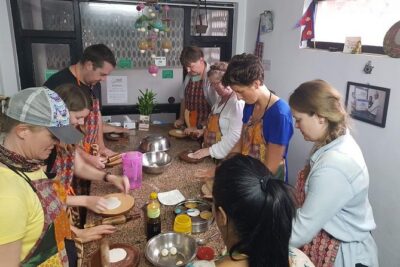 ★ 5.0Half day cooking class in Thamel kathmanduFrom $28607 reviews
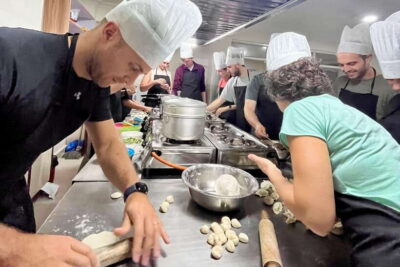 ★ 4.9Local Women-Led Nepali Cooking & Momo ClassFrom $4360 reviews
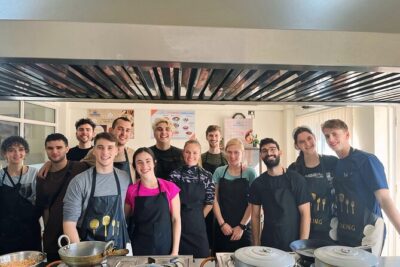 ★ 5.0Local Lead Nepali Cooking & Momo-Making ClassFrom $5212 reviews
Local Women Lead Nepali Cooking ClassFrom $30125 reviews
★ 5.0Local Lead Nepali Cooking & Momo-Making ClassFrom $5212 reviews
Local Women Lead Nepali Cooking ClassFrom $30125 reviews
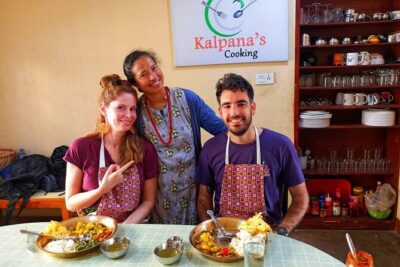 ★ 5.0The best Private Nepali Cooking Class in KathmanduFrom $2483 reviews
 ★ 4.8Traditional Momo Making Class & PickupFrom $460 reviews
 ★ 5.0Traditional Nepali Momo Making ClassesFrom $1853 reviews
 ★ 4.9Local Women-Lead Nepali Cooking & Momo ClassFrom $545 reviews
Browse the lists this tour appears in