

Review · NEPALI COOKING & MOMO CLASSES
Women Empowerment Project(Nepali cooking class & jewelry workshop
Two meals, one mission, and a smile. This two-day Kathmandu experience pairs hands-on Nepali cooking with a jewelry workshop, all run through a Women Empowerment Project. I particularly love the momo-making coaching and the warm, talk-easy atmosphere—plus you’re not just learning skills, you’re supporting women’s work through the project. One heads-up: the schedule shows start times written as 11:00 pm and 11:30 pm on Day 1, so confirm the exact time on your booking message before you plan the rest of your day.
I also like the practical flow: you start with a comforting cup of masala chai, move into snack-making (pakoda), then finish by eating what you made for lunch. You’ll likely leave with both a full stomach and a hands-on sense of Nepali everyday food culture. It’s priced at $50 per person for about two days, includes admission tickets, and the activity is marked as a private group (only your group participates), with a mobile ticket and a meeting point near public transportation.
The other reason I think this is such good value is the people side. In the classes, you’re guided by staff who make it easy to participate even if you’re shy, and some sessions are led by names like Aastha and Syanbi (known as the Momo Queen). If you’re the type who likes to learn while chatting, this kind of setting fits.
In This Review
- Key things to know before you go
- Why Kathmandu’s cooking-and-jewelry combo works so well
- Day 1 in Human welfare committee: chai, pakoda, and your momo-making mission
- Lunch: eating what you made (and feeling proud about it)
- Day 2 jewelry workshop: craft time with a purpose
- People, pace, and the private-group advantage
- Price and value: what $50 covers over two days
- Practicalities: meeting point, transport, and planning your two days
- Who should book this workshop in Kathmandu
- Should you book? My quick take
- FAQ
- What is the price for this Kathmandu experience?
- Where does the experience start?
- How long is the experience?
- What do you learn and cook on Day 1?
- What do you do on Day 2?
- Is this a private tour or shared activity?
- What kind of ticket do you get?
- What is the cancellation policy?
- FAQ
- What are the opening hours for the activity?
Key things to know before you go
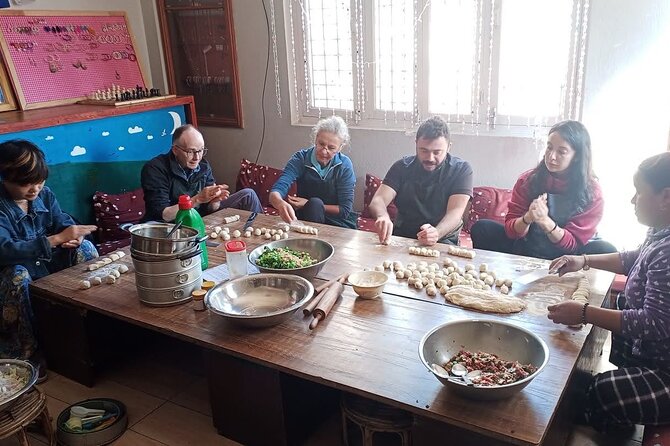
- Day 1 focuses on masala chai, pakoda, and buff and veg momos, with lunch at the end
- Day 2 is a guided jewelry workshop where you’ll make your own piece
- Private group format means you learn and craft with only your group
- You meet at handicraftPaknajol in Kathmandu, and the activity ends back there
- A warm, friendly vibe makes it easier to talk and participate, even if you’re not a social butterfly
More time at the stove
- Half day cooking class in Thamel kathmandu★ 5.0 · 607 reviews
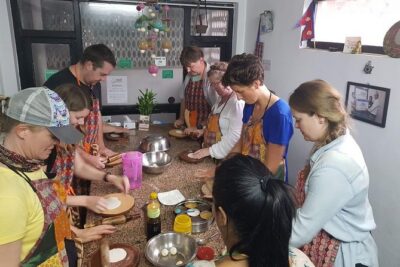
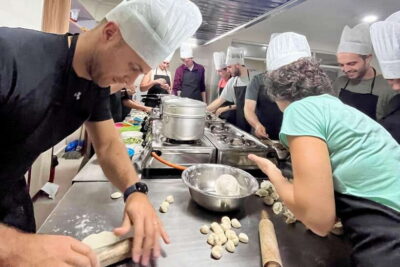
- Kathmandu: Local Women-Led Nepali Cooking & Momo Class★ 4.9 · 360 reviews
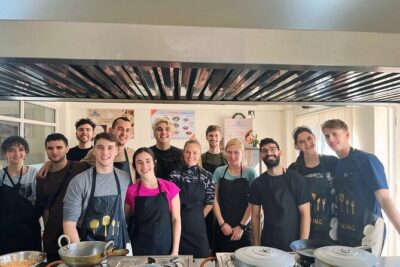
- Kathmandu: Local Lead Nepali Cooking & Momo-Making Class★ 5.0 · 212 reviews
- Local Women Lead Nepali Cooking Class★ 5.0 · 125 reviews
Why Kathmandu’s cooking-and-jewelry combo works so well
Kathmandu can feel like a lot of temples, traffic, and walking. This is one of those experiences that turns the day into something more human. You trade sightseeing stamina for skills you can use later, and you do it in a setting connected to a women-empowerment project.
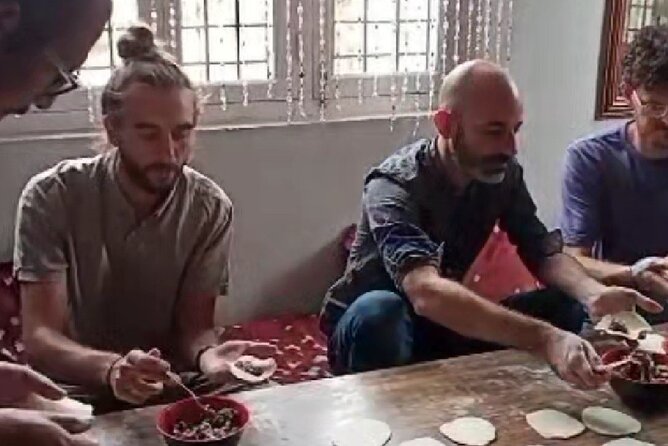
The best part is that the two activities match each other. Cooking teaches patience and technique—how to mix, roll, shape, and steam momos—while jewelry making pushes creativity and fine-motor focus. Together, they create that satisfying rhythm: make it with your hands, learn from someone in front of you, then enjoy the results.
And yes, the food is the headline. Nepalese dishes like momos aren’t complicated, but they do require good hands and clear guidance. When someone breaks down the steps well, the whole thing clicks. Then lunch becomes more than a meal; it’s your proof that you actually made it.
The women-empowerment angle isn’t just a poster line. You’re joining a program designed to support women’s voices and work, so your time has a direct social purpose. That gives the workshop a heavier meaning than a typical class, without making it feel formal or preachy.
Day 1 in Human welfare committee: chai, pakoda, and your momo-making mission
Day 1 is where the aromas take over. The workshop starts with an introduction, then you begin by cooking traditional masala chai—a strong, spiced cup that sets the tone for the rest of the session. This step matters because it shows you how Nepalese flavors start with the basics: warmth, spice balance, and comfort.
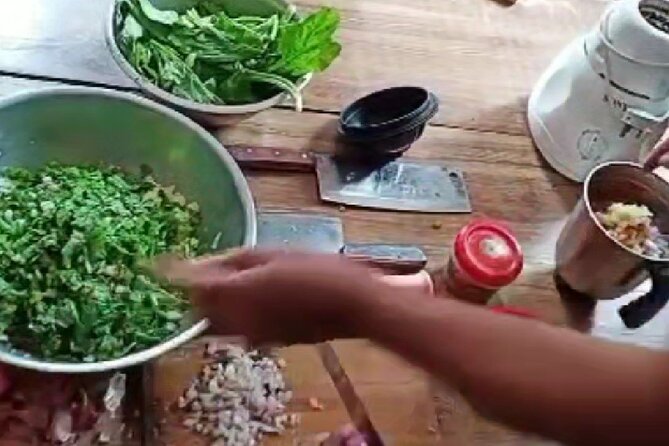
Next comes snacks: pakoda. Expect a hands-on kitchen moment where you learn the snack-making rhythm—mixing, shaping, and getting the frying right. It’s a practical segment. You’re learning a technique you can translate at home, not just collecting photos of finished food.
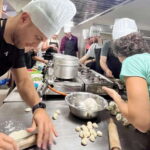
Then you shift into the main event: making buff momo and veg momo. Momo rolling is where good instruction makes all the difference. In sessions led by guides such as Aastha and Syanbi (the Momo Queen), you get that kind of step-by-step attention that turns a sticky, confusing task into something you can repeat. You’re shaping dumplings, handling filling, and learning how to seal them so they hold up during cooking.
One subtle benefit: this is not just a single-dish class. You’re moving between chai, snacks, and momos, so you don’t get stuck doing one thing for three hours. For me, that keeps the energy up and makes the class feel like you’re actually living the flow of a Nepali meal.
Timing detail to watch: the Day 1 schedule is shown with 11:00 pm for introduction and 11:30 pm for start, which is unusual. Before you go, check your confirmation message for the real start time. It’s the kind of small mismatch that can throw off your day if you assume it’s a morning slot.
Lunch: eating what you made (and feeling proud about it)
After you’ve made the momos, you sit down for lunch with what you cooked. This part sounds simple, but it’s a big deal in a good workshop. When you eat the results right after learning them, the flavor makes sense in your brain. You remember the steps because the reward happens immediately.
In many workshops like this, you also get a more personal, community feel after the meal. Some people have described eating together with volunteers and families or children connected to the project, which adds warmth to the experience. Even if your session stays strictly within the class group, lunch still functions like a soft finish line: you’ve made it, you’ve cooked it, and now you get to taste it without waiting.
A practical tip: come ready to taste. Wear something you can stand in for a couple of hours and handle light kitchen warmth. You’ll likely be using your hands, so bring travel-friendly clothes you don’t mind if a little food smell hangs around for the evening.
Also, because this is a cooking class, you don’t need to bring a big shopping list for the day. Your meal plan is handled.
Day 2 jewelry workshop: craft time with a purpose
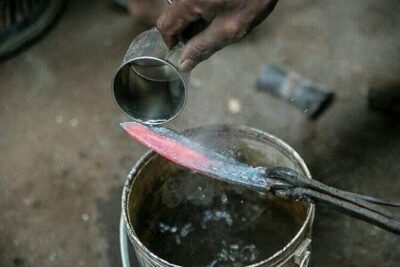
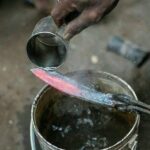
Day 2 moves from the kitchen to creativity. You’ll head back to the project setting for a jewelry workshop, where you’ll craft your own piece. The structure here is less about cooking steps and more about guided making—learning how to shape, arrange, and put together jewelry even if you don’t have experience.
The workshop description is clear that it’s for both beginners and people who want to refine their skills. That matters because jewelry-making can be intimidating if you’ve never held the tools before. When the teaching is structured, you can follow along, ask questions, and still feel like you’re producing something you’ll actually want to wear or keep.
You’ll also feel the same social mission at work. Since it’s part of the Women Empowerment Project, your participation supports the broader work. For me, that combination makes the craft piece feel more meaningful. It’s not just a souvenir; it’s something you made with your hands in a program designed to create opportunities.
Because the exact jewelry style isn’t listed in the details you provided, treat Day 2 as a “make-a-piece” workshop where the format depends on the session. The confident part is the outcome: you leave with jewelry you crafted during class.
Make something to carry home
People, pace, and the private-group advantage
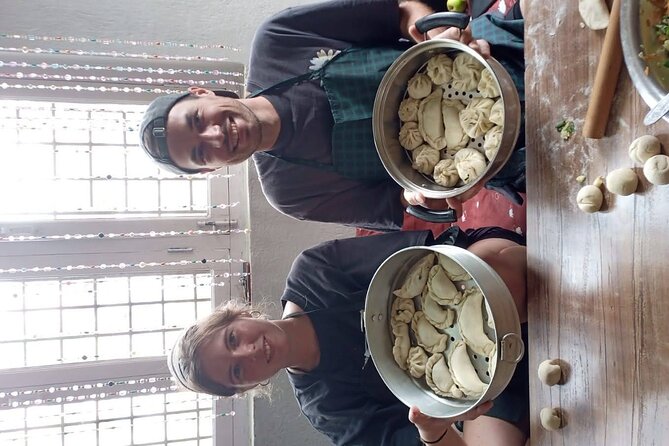
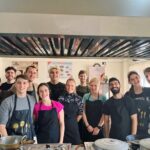
One reason cooking classes in Kathmandu can feel hit-or-miss is group dynamics. If the atmosphere is too stiff, you end up watching more than doing. Here, the vibe is repeatedly described as friendly and easy to talk to, which is a big deal if you’re shy or just tired from travel.
This is also a private tour/activity. Only your group participates, so you’re not sandwiched between strangers or forced into fast small talk. That privacy helps you focus on learning—especially with hands-on tasks like rolling momos or assembling jewelry.
The pace across both days is fairly clear: about three hours per day. That’s long enough to learn real technique, but not so long that you feel cooked by the end of it. If you like shorter, skill-based activities between sightseeing blocks, this fits well.
Where the class really shines is staff energy. Names that show up in past sessions include Aastha and Syanbi (the Momo Queen), and another session mentioned guides named Buddha and Tara. Having guides with clear roles tends to mean you get better explanations and less waiting around. When someone can translate techniques into simple steps, the whole experience gets easier.
Price and value: what $50 covers over two days
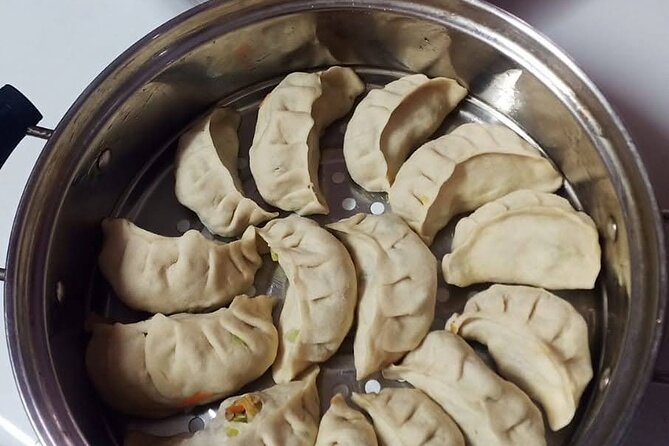
Let’s talk value in plain terms. You’re paying $50 per person for about two days of programming, including admission tickets. Day 1 includes multiple cooking segments—masala chai, pakoda, and both buff and veg momos—plus lunch. Day 2 is a dedicated jewelry workshop.
On paper, it’s not just a “tasting.” You’re doing skill learning with hands-on preparation and then eating the result from Day 1. That’s the kind of value that tends to beat cheaper classes where you watch from the sidelines or leave hungry.
You’re also paying for more than instruction. The program is tied to women empowerment in Nepal, so your fee supports that work. You’re still getting a fun, personal experience, but the purpose adds weight.
Is it worth it? If you like practical lessons, enjoy food you can actually cook at home later, and want a Kathmandu activity that feels more grounded than another walk through a crowded market, yes. If you only want sightseeing or you’re strictly not into kitchens or crafts, it may feel like the wrong kind of time investment.
Practicalities: meeting point, transport, and planning your two days
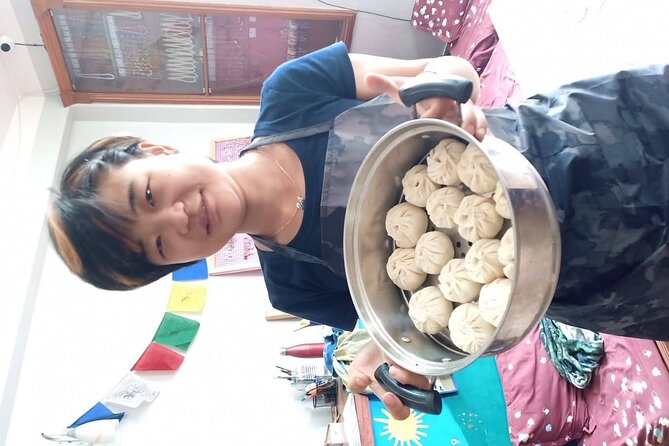
You start at handicraftPaknajol, Kathmandu 44600, Nepal. The activity ends back at the meeting point, which makes planning simpler. It’s also marked as near public transportation, so you’re not stuck organizing a private car just to get there.
The listing states opening hours of Monday to Wednesday from 10:00 AM to 6:00 PM, with availability spanning 01/15/2023 to 12/08/2026. Your exact slot depends on what’s scheduled, but those hours give you a window for planning other activities on the same days.
You’ll receive confirmation at booking time, and the ticket is mobile. So bring your phone with the confirmation details accessible. If you’re the kind who likes paper backups, you might also take a screenshot.
Duration matters too. Day 1 and Day 2 are each shown as about three hours, so you can fit this into a schedule without blowing up your entire day. Just remember the unusual time labels on Day 1 (11:00 pm and 11:30 pm) and verify the real timing in your confirmation.
As for participation: most travelers can take part. Still, keep in mind you’ll be working with your hands and standing in a cooking and workshop environment. If you have strong mobility limits or need lots of seating breaks, you’ll want to ask the provider before booking.
Who should book this workshop in Kathmandu
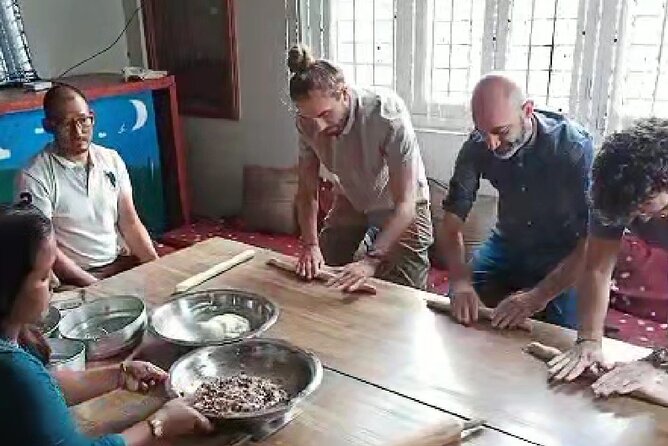
I’d book this if you want one of the more meaningful, hands-on cultural activities in Kathmandu.
It’s a strong match if:
- you want to learn momos instead of just ordering them
- you like friendly, low-pressure group settings
- you want a women-empowerment connection without turning it into a formal lecture
- you prefer activities that give you something tangible (food skills and jewelry)
It may be less ideal if:
- you only have time for a short one-hour activity
- you dislike cooking entirely and just want to taste
- you’re very time-sensitive about exact start times and don’t want to verify scheduling details
Should you book? My quick take
Book it if you want a two-day Kathmandu experience that’s more than content for your camera. Day 1 delivers real technique and a full lunch you helped create, with clear momo coaching from guides like Aastha and Syanbi. Day 2 adds creativity through a jewelry workshop, also tied to women empowerment.
The only real caution is scheduling clarity. Because the listed Day 1 start times look unusual, confirm the exact time before you commit your day to it. Do that, and you’ve got a rewarding mix of food, craft, and purpose.
FAQ
What is the price for this Kathmandu experience?
The price is $50.00 per person.
Where does the experience start?
It starts at handicraftPaknajol, Kathmandu 44600, Nepal.
How long is the experience?
It’s listed as about 2 days total, and each day is shown as about 3 hours.
What do you learn and cook on Day 1?
Day 1 includes cooking masala chai, cooking Nepali snacks pakoda, making buff momo and veg momo, and then having lunch.
What do you do on Day 2?
Day 2 is a jewelry workshop where you craft your own jewelry, with guidance for both beginners and people who want to improve.
Is this a private tour or shared activity?
This is a private tour/activity. Only your group will participate.
What kind of ticket do you get?
You get a mobile ticket, and confirmation is received at the time of booking.
What is the cancellation policy?
Free cancellation is available. You can cancel up to 24 hours in advance for a full refund, but if you cancel less than 24 hours before the experience’s start time, the amount paid is not refunded.
FAQ
What are the opening hours for the activity?
The opening hours are Monday to Wednesday, 10:00 AM to 6:00 PM, for 01/15/2023 to 12/08/2026.
Make a Little Nepal to Take Home

Learn Another Nepali Dish
More Tour Reviews in Kathmandu





Just Reviewed in Kathmandu
- Mountain Bike Tour
★ 5.0 · 3 reviews - Annapurna Panaroma
★ 5.0 · 3 reviews - Mount Everest Scenic Flight 50 Minutes
★ 5.0 · 3 reviews - Kathmandu : Swambhunath & Durbar Square Guided Half Day Tour
★ 3.3 · 3 reviews - Chandragiri Cable Car & Monkey Temple Tour – Private/Group
★ 5.0 · 3 reviews - Kathmandu: Shivapuri National Park Hiking Day Trip
★ 3.3 · 3 reviews
Nepali Cooking & Momo Classes, compared.
 ★ 5.0Half day cooking class in Thamel kathmanduFrom $28607 reviews
 ★ 4.9Local Women-Led Nepali Cooking & Momo ClassFrom $4360 reviews
 ★ 5.0Local Lead Nepali Cooking & Momo-Making ClassFrom $5212 reviews
Local Women Lead Nepali Cooking ClassFrom $30125 reviews
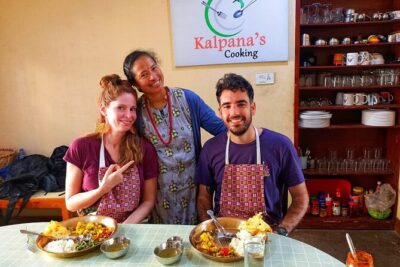 ★ 5.0The best Private Nepali Cooking Class in KathmanduFrom $2483 reviews
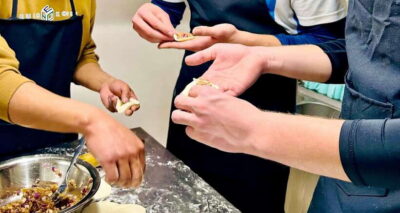 ★ 4.8Traditional Momo Making Class & PickupFrom $460 reviews
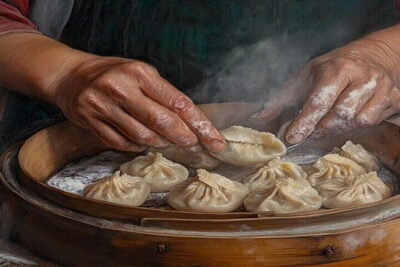 ★ 5.0Traditional Nepali Momo Making ClassesFrom $1853 reviews
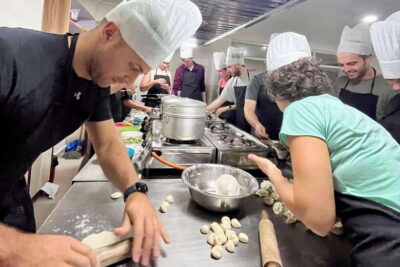 ★ 4.9Local Women-Lead Nepali Cooking & Momo ClassFrom $545 reviews
Browse the lists this tour appears in