

Review · GOKYO LAKES & EVEREST HIGH PASSES
Everest Base Camp Kalapathar Trek 14 Days
Two weeks to the roof of the world. What makes this trek tick is the mix of big Everest scenery and real Sherpa-country rhythm, day after day. I love that the route builds in breathing room for acclimatization, and I love the practical logistics already handled. One drawback to plan for: you’re still doing long altitude hikes most days, so you’ll want a moderate fitness base before you go.
Before you ever lace up your boots, Kathmandu gives you the cultural warm-up. You’ll stay in Thamel, then start with Swayambhunath Temple—old-school Nepal in views and stairs—before you head out to the Khumbu. Then the trail starts doing what it promises: scenic walks that shift from woodland to moraine, ice, and glacier country inside Sagarmatha National Park.
I also like that this is a private trek for your group, with a professional trekking guide on the route and tea-house accommodation each night. In the reviews, guides like Sagar, Anup, Bikram, and Balaram show up as part of the “everything is handled” feeling, and the organization gets praise for being smooth and not rushed. Still, if you’re very picky about English, note that one review flagged that a guide’s English wasn’t perfect but the service and friendliness made up for it.
In This Review
- Key things that make this trek worth your time
- Kathmandu warm-up: Thamel basecamp and Swayambhunath views
- Price and logistics that actually affect your stress level
- Day-by-day: how the trek gently escalates, then turns serious
- Lukla to Phakding: downhill beginnings along the Dudh Koshi
- Monjo to Namche: entering Sagarmatha National Park
- Day 5 in Namche: acclimatization done the smart way
- Tengboche: forest trails, peak views, and monastery time
- Pangboche to Dingboche viewpoints: open air, thinner comfort
- Dingboche onward to Lobuche: prayer flags to glacier country
- Gorak Shep to Everest Base Camp: the main event
- Kalapathar day: the steep reward above 5,545 m
- Pangboche to Namche via Thayangboche: turning back with purpose
- Back to Lukla: Tenzing-Hillary Airport and the finish line feeling
- Lukla to Kathmandu and the last evening in Thamel
- Guides and team support: the calm behind the adventure
- Who this trek fits best
- Should you book the Everest Base Camp Kalapathar Trek?
- FAQ
- How long is the Everest Base Camp Kalapathar Trek?
- Where does the trek start?
- Are flights included?
- Are permits included?
- What kind of accommodation do you get during the trek?
- Is a guide included?
- What trekking gear is included?
- Are meals included?
- What isn’t included in the price?
- Is this a private tour?
- Are there any entry fees for sites in Kathmandu or on the route?
- What fitness level do you need?
- What is the cancellation window?
Key things that make this trek worth your time
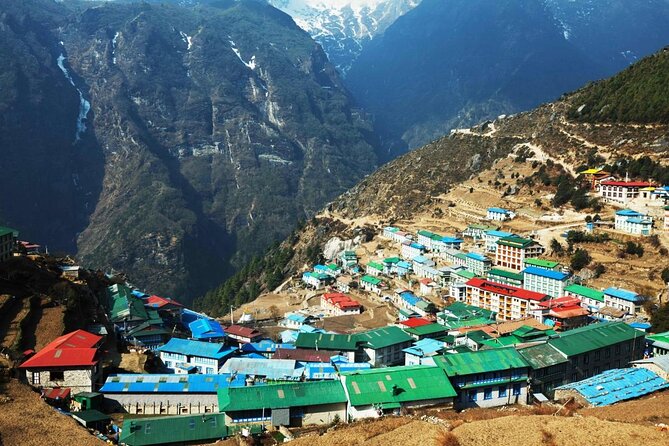
- Kalapathar above 5,545 m: the highest-feeling day, with serious Everest views.
- Lukla flights round trip: you don’t have to waste two weeks just getting into the mountains.
- Tea-house nights: easier logistics than camping, with food stops that match the rhythm of the hike.
- Sagarmatha National Park focus: you’re trekking inside a World Heritage zone, not just around it.
- Acclimatization stops that matter: Namche viewpoint time and time at Dingboche help you adjust.
- Organization that keeps you calm: permits, transfers, and route planning are part of the package.
More trails out of Kathmandu, boots ready
- Everest Base Camp Trek – 14 Days★ 5.0 · 1,499 reviews
- Everest Base Camp Trek★ 5.0 · 842 reviews
- Everest Base Camp Trekking★ 5.0 · 485 reviews
- Nagarkot Sunrise View and Day Hiking from Kathmandu★ 5.0 · 471 reviews
Kathmandu warm-up: Thamel basecamp and Swayambhunath views
Your trek starts in Kathmandu with a straightforward arrival plan: staff and your guide pick you up at the airport, then you transfer to a hotel in Thamel, the convenient heart of tourist Nepal. If you like sorting things fast (gear, SIMs, cash, last-minute layers), Thamel is the right kind of busy—close to shops and easy to navigate.
Day 2 adds a classic view-and-history stop at Swayambhunath Temple. It’s an active place with steps, viewpoints, and that “I’m really here” feeling that only shows up once you’re in the city. The entry ticket for Swayambhunath isn’t included, so I’d plan to pay it separately and not waste mental energy on the cost while you’re tired.
This pre-trek day also gives you time to prepare properly. That matters more than people think. In the Khumbu, small mistakes become big ones: a missing layer, the wrong gloves, or shoes that aren’t broken in yet. If you use the afternoon to check your packing twice, your first mountain days feel easier.
Price and logistics that actually affect your stress level
At $1,990 per person for 14 days, this trek isn’t cheap on paper. But the value improves fast when you look at what’s included. You get all necessary permits, round trip flights Kathmandu–Lukla–Kathmandu, a professional trekking guide, and tea-house accommodation during the trek.
On top of that, you also get sleeping bag and duffel bag included—two items that can otherwise blow up your budget if you’re flying in without gear. Private vehicle transport is included for the non-trek legs in Kathmandu, plus the company provides a route map and an Eco Holidays Nepal T-shirt.
Where the value can shrink is in the extras. You’ll pay for personal expenses, all soft and hard drinks, WiFi, shower use, and similar add-ons. Porter help is also not included if you decide you want one, which can be a big deal when you’re tired and altitude is doing altitude things. If you’re a strong pack-mule, you might be fine. If you want a lighter load, factor that into your planning early.
Day-by-day: how the trek gently escalates, then turns serious
Lukla to Phakding: downhill beginnings along the Dudh Koshi
Day 3 is where the adventure becomes real. You fly to Lukla (about 30 minutes), then your walk begins by heading down toward the Dudh Koshi River and reaching Phakding village. This first trek day is a smart start. It’s not “easy,” but it’s a controlled way to get your legs working without starting at peak altitude right away.
You’ll follow trails through Sherpa farm villages and cross bridges along the way. These sections are where you start noticing the human side of the Khumbu: tea stops, household rhythms, prayer flags fluttering in constant motion. There’s also a stop described as an Irish Pub in the Monjo/Phakding area. It’s less about tourism and more about a warm break—food, drink, and a place to sit without thinking.




Monjo to Namche: entering Sagarmatha National Park
On Day 4, you walk to Monjo and then continue toward Namche Bazaar. After Monjo, you enter Sagarmatha National Park, which is the World Heritage zone part of the experience. That’s a big deal because it ties your trek to a protected landscape and the local communities who live with it.
Namche sits at 3,440 m, and the day is set up so you arrive and can actually recover. When you reach Namche, you’ll transfer to your lodge and have time to explore the streets and shops. You’re not just passing through; you’re getting a taste of how life functions in a mountain trading hub.
Longer stops matter here. One of the best parts of Namche isn’t the view—it’s the time you get to move slowly. In the reviews, people repeatedly praised the fact that the route isn’t rushed, and that Namche time helps your body adjust without feeling like you’re being dragged forward.
Day 5 in Namche: acclimatization done the smart way
Day 5 is an acclimatization day, and it’s the kind that helps you finish the trek feeling human. You’ll rest in Namche, take a short excursion up to a viewpoint above town, then spend time visiting the park museum. It’s focused on the Khumbu area and Sherpa culture plus mountaineering history.
The viewpoint hike is short by design. The park museum stop gives your brain a break from altitude headaches too. The ticket for the museum isn’t included, so plan that as a separate cost.
If you’re the type who wants to maximize time, don’t turn this day into a second “summit push.” Acclimatization works because you let your body adapt. This is the day where you follow that rule, and your later days at higher elevations feel more manageable.
Tengboche: forest trails, peak views, and monastery time
Day 6 takes you to Tengboche, one of the iconic viewpoints on this route. The walk includes a famous point at Tengboche, where you get grand vistas of surrounding peaks. Everest is part of the view set, and Amadablam is described as especially close. You also trek through forest, which is a nice contrast after the river-and-town sections.
Tengboche Gompa is the big spiritual stop of the day. You can also visit the Tengboche monastery, and the monastery admission ticket isn’t included. Even if you’re not a temple person, the monastery visit is worth it for the setting: mountains, woodsmoke air, and a place where people come to be quiet for a moment.
The best practical tip: don’t over-plan your photos. If you linger too long without moving, cold can catch up. Let the views happen, then keep walking.
Pangboche to Dingboche viewpoints: open air, thinner comfort
Day 7 is where the trail starts to feel more exposed. After reaching Pangboche (described as the last permanent village on the route), you’ll rest, then climb a bit to reach Dingboche viewpoint. Dingboche is open and exposed, so you’ll notice the sky more and the wind more.
You’ll enjoy views including Island peak and Amadablam. This is also a day that supports acclimatization through light-to-moderate exertion rather than a full-on slog. Reviews praise the pace and the fact that days are planned to keep people going safely and comfortably.
Dingboche onward to Lobuche: prayer flags to glacier country
Day 8 brings more of the emotional “Khumbu shift.” You’ll pass Buddhism monuments and prayer flags, then reach Thugla with super views of big peaks like Amadablam, Cholatse, and Taboche. After that, the route continues toward Lobuche for an overnight stay.
The approach to Lobuche often feels like a transition zone. You’re still walking, but the landscape starts hinting at ice, snow, and a more barren wilderness feel. It’s the kind of day where you stop thinking about distance and start thinking about footing and breathing.
Gorak Shep to Everest Base Camp: the main event
Day 9 is the headline day: you reach Gorak Shep, then walk to Everest Base Camp. The description emphasizes the thrill of the lifetime experience at base camp, close to the Khumbu Icefall and glaciers, and beneath the world’s number one mountain.
This part hits you differently than the viewpoints in Namche or Tengboche. At base camp, you’re in the system that supports mountaineering. The icefall and glacier landscape makes the scale of Everest feel real, not just “wow in a photo.”
A practical note: keep your energy for the walking. Base camp days can feel like photo marathons. If you’re cold, don’t fight it with stubborn bravado. Stop, warm up, eat, then enjoy the rest without turning it into a survival contest.
Kalapathar day: the steep reward above 5,545 m
Day 10 is your early morning push to Kalapathar. It’s the highest point of the adventure at above 5,545 m, and the reward is described as magnificent mountain views with Everest at close distance.
After the view time, you descend to Gorak Shep for breakfast, then continue to Thugla and down toward Pheriche. The day includes a lunch stop possibility at Pheriche, then you keep walking to Pangboche for overnight. That’s a long arc: climb for the payoff, then transition back into the “return trail” rhythm.
This is also where you learn the real meaning of altitude pace. You’ll move slower than you did back home. Don’t treat that like a failure. It’s the right technique.
Pangboche to Namche via Thayangboche: turning back with purpose
Day 11 walks you from Pangboche to Namche Bazaar, returning via Thayangboche. There’s an Irish Pub stop mentioned again, which usually means a warm rest and a chance to reset with food and a hot drink.
This day matters because it locks in your sense of accomplishment. You’re not just heading back down; you’re moving through the same region you earned on the way up, now with the context of seeing Everest Base Camp and Kalapathar.
Back to Lukla: Tenzing-Hillary Airport and the finish line feeling
Day 12 is the long walk back to Lukla from Namche Bazaar. It’s described as about an eight-hour day and includes a stop at Tenzing-Hillary Airport. That stop is more than a detail. It’s the moment you realize the trek is ending and the logistics of flight are right there.
Then you overnight in Lukla, which sets you up for the Kathmandu flight the next day. If you’ve ever done hard travel days, you know how nice it is when the final leg doesn’t require extra thinking.
Lukla to Kathmandu and the last evening in Thamel
Day 13 flies you back to Kathmandu via flight from Lukla. You transfer to your hotel and enjoy remaining time with memories of the trek. Day 14 is your outbound day: fly to your respective country.
Those last city hours matter. Your body will be tired, and you’ll want time to shower, stretch, and eat food that doesn’t come from a trekking menu. Thamel is a smart place to do that because you can find what you need fast.
Guides and team support: the calm behind the adventure
A recurring theme in the trek experience is that the people on the ground make a difference. In the reviews, you see names like Dhruba (owner), Anup, Sagar, Bikram, and Balaram connected to smooth handling and friendly support. One review even called out that English wasn’t great for a guide, but the warmth and help still made the trip feel solid.
That’s what you should look for when choosing a trekking company. The mountains are the mountains. What you can control is whether your guide keeps the pace sane, helps with decisions, and reduces admin stress so you can focus on walking and breathing.
Who this trek fits best
This trek is best for people with moderate physical fitness who want a full classic Everest route with Kalapathar. You should be comfortable with long hiking days, altitude exposure, and simple tea-house living.
It’s also a good choice if you prefer a private tour format. Since it’s private, your group is the group, and you’re not getting shuffled with strangers who hike at a totally different pace. That can be a big deal on acclimatization days.
If you’re traveling solo, this setup can still work well because you have a guide and a structured route. But you should still be honest about your endurance. The itinerary includes multiple days listed at about eight hours of walking, with a few days that include multiple segments and climbing.
Should you book the Everest Base Camp Kalapathar Trek?
If your goal is the full Everest highlight loop—Base Camp plus Kalapathar—with permits, flights, guides, and tea-house lodging handled, this package is a strong value. At $1,990, the cost makes more sense because you’re not coordinating the most annoying parts of the trip yourself.
I’d book it if:
- you want a structured route with acclimatization time in Namche and Dingboche
- you like the idea of private guiding and an organized plan
- you’re ready for altitude hikes for 14 days
I’d think twice if:
- you want a shorter or less demanding schedule
- you know you’ll need a porter and don’t plan for that add-on
- you’re extremely sensitive to guide communication style, since English skill can vary
FAQ
How long is the Everest Base Camp Kalapathar Trek?
The trek is 14 days (approx.).
Where does the trek start?
It starts in Kathmandu, Nepal, with an arrival transfer to a hotel in the Thamel area.
Are flights included?
Yes. Round trip flights Kathmandu–Lukla–Kathmandu are included.
Are permits included?
Yes. Necessary permits are included.
What kind of accommodation do you get during the trek?
Tea House accommodation is included during the trek.
Is a guide included?
Yes. A professional trekking guide is included during the trek.
What trekking gear is included?
Sleeping bag and duffel bag are included.
Are meals included?
Yes. Breakfast (12), lunch (10), and dinner (11) are included.
What isn’t included in the price?
Personal expenses, all soft and hard drinks, WiFi, shower and other personal things are not included. Porter service is also not included if needed.
Is this a private tour?
Yes. It’s private, and only your group participates.
Are there any entry fees for sites in Kathmandu or on the route?
Some admissions are listed as not included, including Swayambhunath Temple, and also admissions for the park museum and Tengboche monastery.
What fitness level do you need?
Moderate physical fitness is recommended.
What is the cancellation window?
Free cancellation is available. You can cancel up to 24 hours in advance for a full refund.
More Trekking Out of Kathmandu






More Tour Reviews in Kathmandu




Just Reviewed in Kathmandu
- Mountain Bike Tour
★ 5.0 · 3 reviews - Annapurna Panaroma
★ 5.0 · 3 reviews - Mount Everest Scenic Flight 50 Minutes
★ 5.0 · 3 reviews - Kathmandu : Swambhunath & Durbar Square Guided Half Day Tour
★ 3.3 · 3 reviews - Chandragiri Cable Car & Monkey Temple Tour – Private/Group
★ 5.0 · 3 reviews - Kathmandu: Shivapuri National Park Hiking Day Trip
★ 3.3 · 3 reviews
Gokyo Lakes & Everest High Passes, compared.
 ★ 5.0Gokyo to Everest Base Camp TrekFrom $2,200113 reviews
 ★ 5.0Everest Base Camp – Cho La Pass – Gokyo TrekFrom $1,39465 reviews
 ★ 5.012 Days Everest Base Camp Kala Patthar TrekFrom $1,79961 reviews
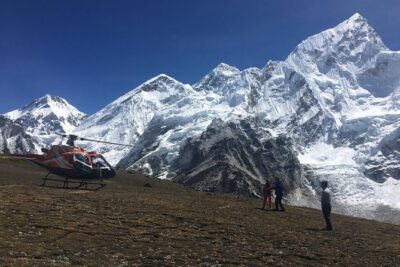 ★ 5.0Guaranteed Landing at Everest Base Camp Kalapathar by HelicopterFrom $3,50038 reviews
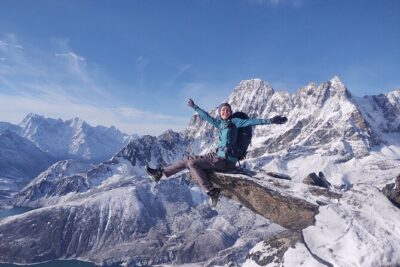 ★ 5.0Everest Gokyo Valley Trek – 12 daysFrom $1,39927 reviews
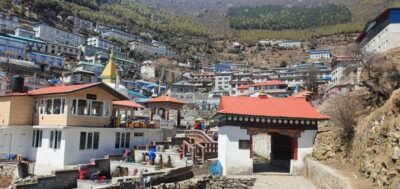 ★ 4.214-Day Everest Base Camp with Kala Patthar TrekFrom $1,29621 reviews
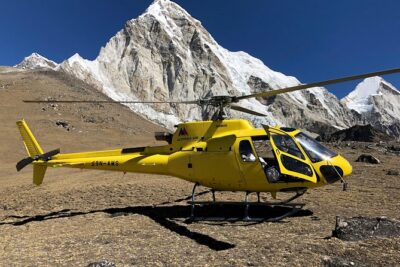 ★ 5.0Landing Private Helicopter at Everest base camp & Gokyo for photoFrom $4,39920 reviews
 ★ 5.0Gokyo Valley TrekFrom $1,51419 reviews
Browse the lists this tour appears in