
Review · EVEREST BASE CAMP TREKS
14 Days Private Everest Base Camp Trekking Tour
One of the toughest hikes becomes strangely doable. This private Everest Base Camp trek moves with smart pacing, includes key logistics, and ends with Kalapatthar sunrise over Everest. You’ll love the day-by-day altitude rhythm and the way the trip is set up so you’re not wrestling permits and bookings on your own.
I also like that you get a real taste of Sherpa life and famous viewpoints, from Namche Bazaar’s mountain-energy to Tengboche’s monastery atmosphere. It’s not just walking; it’s walking with context.
One consideration: it’s still a serious mountain trek. The itinerary needs a strong fitness base, and weather can affect views—especially earlier in the season or with early fog.
In This Review
- Key highlights to know before you go
- Everest Base Camp in 14 days: why this route is a smart fit
- Kathmandu arrival: Thamel time and getting oriented
- Lukla flight + Phakding: starting with a bang (and then settling in)
- Monjo checkpoint to Namche Bazaar: bridges, permits, and mountain pace
- Namche acclimatization + Everest View Hotel: altitude training with rewards
- Tengboche monastery to Dingboche: spirituality, forests, and steady gains
- Nangkartshang Peak + Thukla viewpoint: acclimatization that doesn’t waste time
- Lobuche to Everest Base Camp: the long walk that finally snaps into focus
- Kalapatthar at dawn: sunrise views and a smarter descent
- Namche again to Lukla: doing the same trail with better gratitude
- Back to Kathmandu: what you gain on the way down
- Price and logistics: does $1,490 feel fair?
- Guides, tea houses, and the private feel
- Who this trek is best for (and who should be cautious)
- FAQ
- FAQ
- What’s the starting meeting point for this tour?
- How many days is the Everest Base Camp trek?
- Is this a private tour?
- Are flights to Lukla included?
- Are Sagarmatha National Park fees included?
- Does the trek include guide and porter support?
- What about bathrooms during the trek?
- Do I need travel insurance and an entry visa?
- Should you book this 14-day private Everest Base Camp tour?
Key highlights to know before you go
- Private-group support with porters: a certified guide plus a porter for every two trekkers keeps the burden realistic.
- Flights built in: Kathmandu to Lukla and back are included, which saves a lot of time compared to land routes.
- Sagarmatha National Park permits handled: national park fees and government service charges are included.
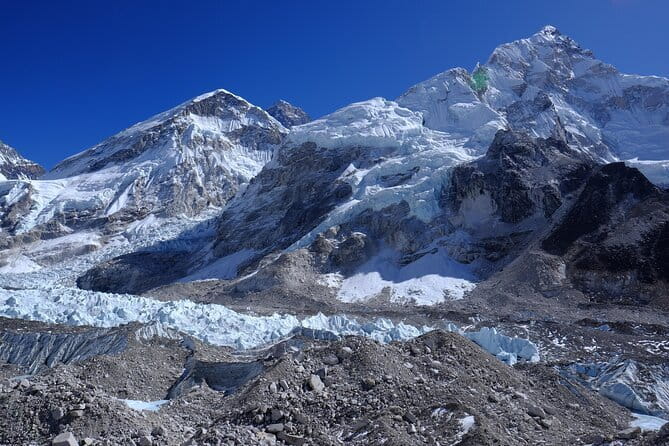
- Two prime view moments: Everest View Hotel during acclimatization and Kalapatthar at dawn.
- Comfort upgrades at key stops: private bathrooms are included in Phakding, Namche, and Lukla.
Just your group, at your own pace
- Private Kathmandu Sightseeing Tour | UNESCO World Heritage sites★ 5.0 · 756 reviews
- Kathmandu: Full Day 7 UNESCO Tour with Lunch – Private/Group★ 5.0 · 415 reviews
- Private Bhaktapur and Nagarkot Day Tour From Kathmandu★ 5.0 · 305 reviews
- Kathmandu: Full Day Top 4 UNESCO Tour with Lunch – Private/Group★ 5.0 · 269 reviews
Everest Base Camp in 14 days: why this route is a smart fit
This kind of trek isn’t about checking a box. It’s about doing the hard parts at the right speed. The biggest value here is that the schedule protects you with acclimatization days instead of pushing you uphill every single day like a machine. That matters for comfort now and for breathing and energy later.
You’ll also like the fact that logistics are simplified. You’re not piecing together flights, permits, and lodge bookings. A private pickup in Kathmandu, airport-to-airport transfers by private vehicle, and the Lukla flights are built in. Even the tea house lodge stays are arranged in advance.
Still, let’s be honest: Everest Base Camp is high, and the trail can feel rocky and uneven. Your body will work. If you’re looking for a “casual walk,” this is not that.
Kathmandu arrival: Thamel time and getting oriented
Day 1 is all about getting your feet under you in Kathmandu. You land at Tribhuvan International Airport, then a Yolo Hike representative meets you and arranges transportation to your accommodation. You’ll have two nights in Kathmandu on a twin-sharing basis, which is handy because Kathmandu is often where you either loosen up—or stress out.
I like that you get a free day of sorts to acclimate to normal life before climbing into the high country. In the evening, Thamel is the classic base area: easy to stroll around for snacks, gear shopping, and a sense of Kathmandu’s street energy. You’ll also want this time to confirm your mindset: hydration habits, early sleep, and packing discipline start here.
This day isn’t physically hard, but it’s mentally important. You’re setting up for a very different rhythm starting with the Lukla flight.
Lukla flight + Phakding: starting with a bang (and then settling in)
On Day 2, you fly to Lukla—about 25 minutes from Kathmandu or about 20 minutes from Ramechhap, depending on the schedule. That short flight is a big deal. It gets you into the Everest region quickly, so you don’t burn days just reaching the trailhead.
Once you land, you’ll be introduced to the Sherpa team and start walking toward Phakding. The trail begins on a stone-paved road and takes you to the small settlement of Phakding after about three hours of hiking. It’s a gentle opener, and it’s useful for getting a feel for your footwear and pack weight.
A practical plus: the itinerary doesn’t rush you on this first trekking day. You’ll spend the night in Phakding in a tea house lodge with a private bathroom included (which is not common on every single stop in every trekking package).
Monjo checkpoint to Namche Bazaar: bridges, permits, and mountain pace
Day 3 is where the trip becomes official. You enter Sagarmatha National Park through the Monjo checkpoint, and the route includes crossings over Larpchen Bridge and Hillary Bridge—suspension bridges strung with prayer flags. It’s a beautiful “you’re in it now” moment, and it also signals you’re on a protected, high-stakes route where fees and rules matter.
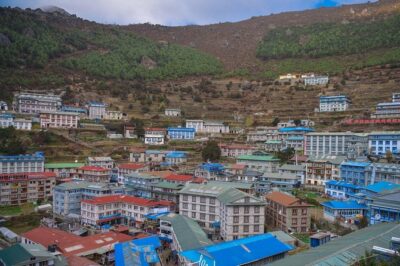
Then you move toward Namche Bazaar. The trail brings you from river and gorge crossings into busier mountain life. Namche is known for its mix of trekkers and locals, and you’ll have time to interact with fellow travelers—useful for swapping practical tips like weather expectations, lodge quality, and trail conditions.
The itinerary gives you a single overnight in Namche on Day 3, setting you up for the longer acclimatization work the next day. That’s the smart trade: Namche isn’t a “rest day only.” It’s a base for altitude adjustment.
More trails out of Kathmandu, boots ready
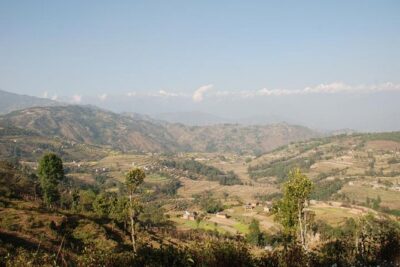
Namche acclimatization + Everest View Hotel: altitude training with rewards
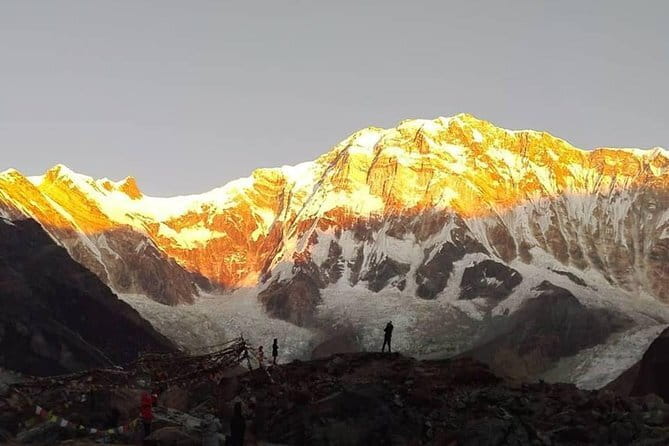
Day 4 is an acclimatization day done the right way: you hike a bit, you look around, and you don’t pretend elevation is optional. Namche is the higher-altitude hub where you can actually get a variety of views and short trails without feeling lost.
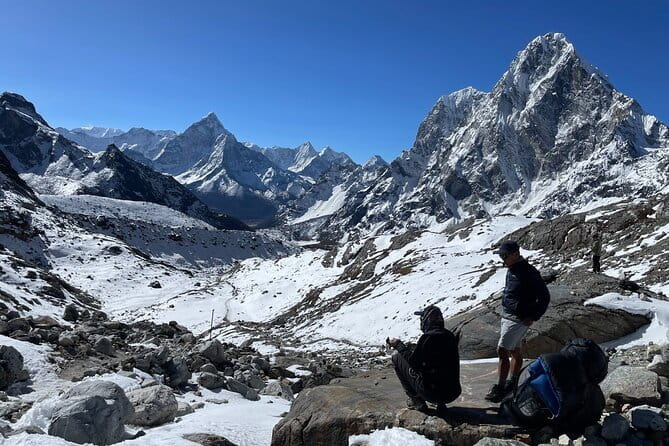
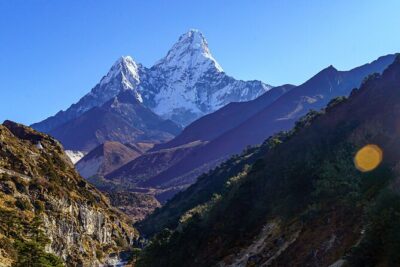
You’ll also visit the Everest View Hotel, which is one of the highest-altitude hotels in the area and a known viewpoint stop. This is one of those days where the mountains feel close enough to study. You can expect sightlines toward Mount Everest and also the surrounding peaks of Ama Dablam, Nuptse, Lhotse, Thamserku, and Cholatse (exact views depend on clouds).
This is where I think this trek delivers real value. Many EBC itineraries “pass through” Namche. Here, you build in time to learn what the terrain looks like and to mentally prepare for the steeper section ahead.
Tengboche monastery to Dingboche: spirituality, forests, and steady gains
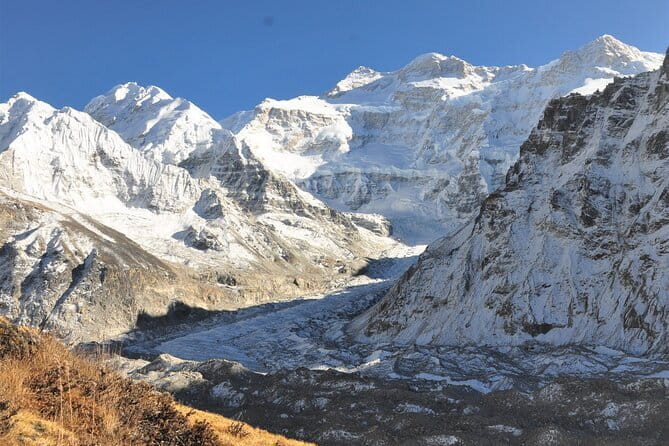
Day 5 leads you to Tengboche Gompa, a monastery that sits at the heart of Khumbu’s cultural landscape. You’ll explore the monastery first, then hike through lush forest areas and settlements as you work uphill and down again in a more flexible pattern. You’ll pass through Phungi Thanga and get a look over the Namche Valley from higher ground.
Then you’ll descend toward an Army Checkpoint before entering Tengboche. This whole day is a mix of spiritual calm and physical movement, which helps because you’re transitioning from “tourist trek” to “real mountain rhythm.”
Day 6 is Dingboche. The trail drops through Debuche and includes pine and rhododendron forest sections, plus a valley feel along the Lobuche River of the Imja Valley. You’ll stop for lunch around the Pangboche area and continue to Dingboche, a Sherpa village with cultivated fields like buckwheat and potatoes.
The trekking difficulty here is moderate, and that’s on purpose: it’s one of the easier segments in the overall plan. That makes it a good day to settle your pace and practice steady breathing.
Nangkartshang Peak + Thukla viewpoint: acclimatization that doesn’t waste time
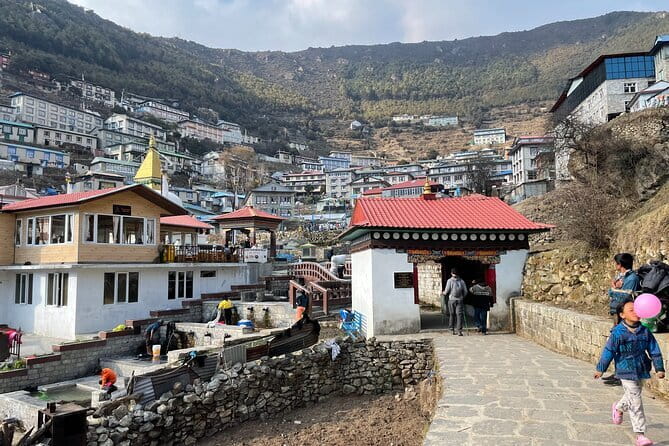
Day 7 adds a second acclimatization focus. Dingboche is the last Sherpa village on the Everest Base Camp route, and it’s also a place where the mountains show themselves in sharp layers. You’ll see Taboche, Island Peak, Ama Dablam, Lhotse, and Everest depending on visibility.
Instead of doing nothing, you hike to Nangkartshang Peak (about 5,083 m). It’s a shorter acclimatization climb, but it helps your body adjust while still giving you that “I’m going somewhere” feeling.
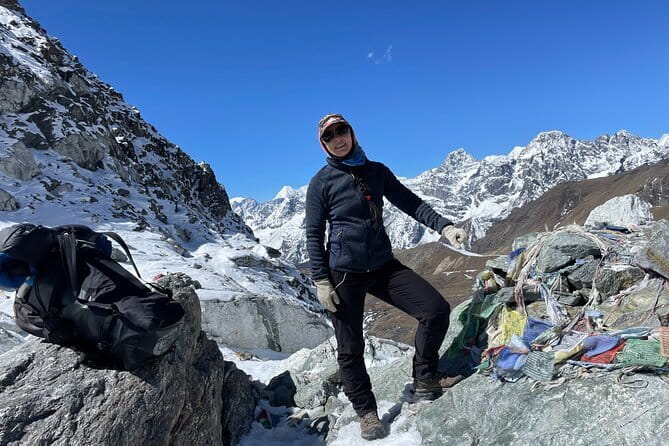
Day 8 goes toward Lobuche. You start early after tea and a light breakfast—this matters because the itinerary specifically notes that an early start helps avoid strong wind. You’ll climb gradually, reach Thukla viewpoint, and enjoy big distant views over peaks like Ama Dablam, Malanphulan, Kantenga, and Lobuche. Then you descend for hours to reach Lobuche for the night.
For me, this is where the trek becomes earned. Viewpoints aren’t just optional. They’re built into the acclimatization logic, so your effort has a payoff.
Lobuche to Everest Base Camp: the long walk that finally snaps into focus
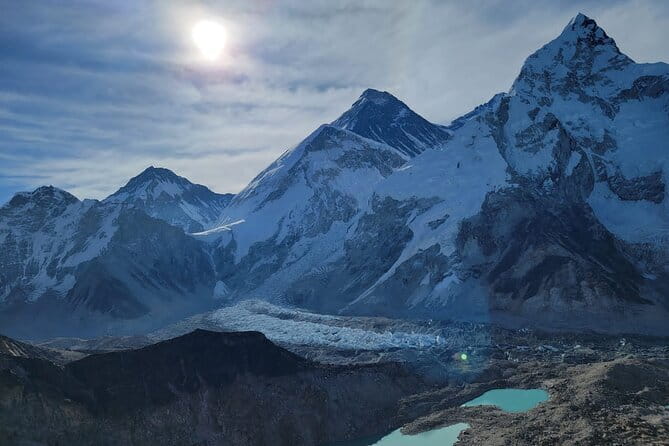
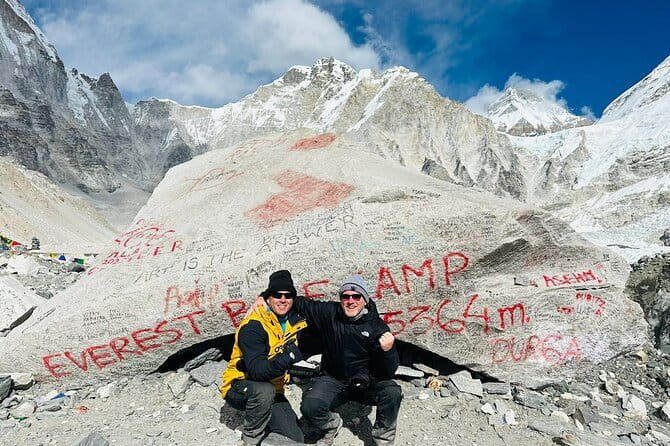
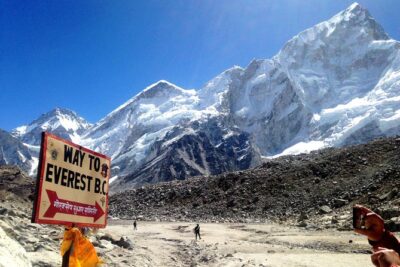
Day 9 is the main dream day. You start early from Lobuche, trekking uphill along a rocky path between high mountains to Gorakshep. At Gorakshep, you rest and have breakfast, then head onward to Everest Base Camp at about 5,346 m.
The route ends at the starting point for climbers heading higher. Even if you’re not climbing Everest, standing at Everest Base Camp gives you a sense of the expedition world—logistics, scale, and the sheer seriousness of the place.
This is also one of those days where weather can play games. You’ll still have the physical and emotional impact regardless, but your view quality is tied to cloud cover and wind. Either way, I’d treat this day as both a goal and a reality check: you’re at a high altitude and you need to pace yourself even when excitement is high.
Kalapatthar at dawn: sunrise views and a smarter descent
Day 10 is all about Kalapatthar. The plan notes that you might not see Mount Everest clearly from Base Camp itself, so you go to Kalapatthar at dawn. That timing is huge. The sunrise angle often brings out color tones on the peak—yellowish and reddish hues on Everest can happen when the sky cooperates.
After you spend time taking in the view, you descend and return toward Pheriche for the night. This is key: you finish the most scenic day with a controlled downhill, not a chaotic shuffle.
Even if you feel strong on the ascent, treat the descent like training. Knees matter. Ankles matter more. Your legs will remember for the rest of the week—try to make them remember the good way.
Namche again to Lukla: doing the same trail with better gratitude
Day 11 repeats part of the route back to Namche Bazaar. That might sound repetitive, but it’s a psychological win. You’ve already learned the rhythm of the trail, so the walk can feel less like effort and more like a cooldown with scenery you now recognize.
Day 12 takes you to Lukla. The day includes trekking down through the Dudh Koshi River area and crossing suspension bridges. Then you land in Lukla and get some time to stroll and shop for small memories.
I like this structure because you get closure. You don’t just disappear from the mountains back into chaos. You transition, you walk, you rest, and then you fly.
Back to Kathmandu: what you gain on the way down
Day 13 returns you to Kathmandu by flight from Lukla. You’ll start early with the flight, and the itinerary notes you’ll get an aerial view of mountains, hills, small settlements, and changing terrain as you return. Once in Kathmandu, a vehicle picks you up and transfers you back to your accommodation, and you get a small farewell celebration.
Day 14 ends the trek at Tribhuvan International Airport. A team member assists you until you’re at the airport, and then you fly home with the story everyone wants to hear.
This last stretch matters more than people think. When you’ve been high and tired for days, you need a gentle ramp down. The itinerary is built to handle that.
Price and logistics: does $1,490 feel fair?
At $1,490 per person for a private 14-day Everest Base Camp trek, the cost makes sense when you break it down into what’s included.
You get:
- Airport transfers in a private vehicle
- Two nights in Kathmandu on twin-sharing
- Tea house lodge stays during the trek on twin-sharing, with private bathrooms in Phakding, Namche, and Lukla
- A certified guide and porter support (one porter for every two trekkers)
- Flights Kathmandu–Lukla–Kathmandu
- Sagarmatha National Park fees with government taxes and service charges
- Meals (the package lists breakfasts (13), lunches (11), and dinners (13))
What you don’t get (and you should plan for):
- Travel insurance
- International flights
- Nepal entry visa fee
- Soft drinks and drinks not listed
- Personal expenses like laundry and bar bills
My practical take: the money is paying for time saved (Lukla flights), paperwork handled (park fees and government charges), and real support (guide + porters). If you were to DIY it, you’d spend energy just matching flights, permits, and lodge availability at the right quality level.
Guides, tea houses, and the private feel
This trek is private, meaning it’s just your group, not a mixed crowd. That can matter if you want a consistent pace and clearer communication.
The guide/porter model is also strong. A certified guide handles route and altitude rhythm, while the porter ratio keeps you from hauling everything up rocky paths. You’ll feel the difference on days like the rocky push toward Gorakshep and the long summit day to Kalapatthar at dawn.
I also like that the operator has shown attention to planning details in Kathmandu—people have reported meeting the coordinator Anil Bhatta and then being introduced to guides such as Ashok. In other cases, guides like TN Bhatta have been involved for Everest routes. You can’t assume your team will be the same, but it suggests the company treats the planning stage as part of the trek, not an afterthought.
Tea house lodging will be basic compared to hotels, but the package includes “best available” tea house lodge stays and private bathrooms at several key points, which is a big quality-of-life win in the middle of the hike.
Who this trek is best for (and who should be cautious)
This is best for you if:
- You want a private EBC trek with support built in
- You’re comfortable with altitude and can commit to steady pace and early starts
- You value viewpoints with purpose (Namche acclimatization and Kalapatthar sunrise)
Be cautious if:
- You’re not ready for a serious walking workload at high elevation
- You expect Everest views every single day (cloud cover can change things)
- You want an ultra-luxury setup (tea houses are simple by design)
FAQ
FAQ
What’s the starting meeting point for this tour?
You start at Tribhuvan Airport in Kathmandu, Nepal, where a representative meets you after you arrive.
How many days is the Everest Base Camp trek?
It runs for about 14 days.
Is this a private tour?
Yes. It’s listed as a private tour/activity, meaning only your group participates.
Are flights to Lukla included?
Yes. Flight tickets are included for Kathmandu → Lukla → Kathmandu.
Are Sagarmatha National Park fees included?
Yes. Sagarmatha National Park fees with all government taxes and services charges are included.
Does the trek include guide and porter support?
Yes. You’ll have a certified guide, plus 1 porter for every two trekkers, with salary, food, accommodation, and insurance covered.
What about bathrooms during the trek?
Private bathrooms are included in Phakding, Namche, and Lukla.
Do I need travel insurance and an entry visa?
Travel insurance and international flights are not included, and the Nepal entry visa fee is also not included.
Should you book this 14-day private Everest Base Camp tour?
If you want the Everest Base Camp experience with fewer moving parts, this is a strong choice. The combination of Lukla flights included, Sagarmatha permits handled, and guide/porter support makes it feel like real expedition logistics rather than “good luck and hope.”
I’d book it if you’re fit enough for steady altitude hiking and you want Kalapatthar at dawn as a priority moment. If you’re unsure about your fitness, or you don’t handle altitude well, then talk through your situation before committing—because on the mountain, the “right pace” part can’t be skipped.
Private Days, Your Group Only


More Tours in Kathmandu


More Tour Reviews in Kathmandu




Just Reviewed in Kathmandu
- Mountain Bike Tour
★ 5.0 · 3 reviews - Annapurna Panaroma
★ 5.0 · 3 reviews - Mount Everest Scenic Flight 50 Minutes
★ 5.0 · 3 reviews - Kathmandu : Swambhunath & Durbar Square Guided Half Day Tour
★ 3.3 · 3 reviews - Chandragiri Cable Car & Monkey Temple Tour – Private/Group
★ 5.0 · 3 reviews - Kathmandu: Shivapuri National Park Hiking Day Trip
★ 3.3 · 3 reviews
Everest Base Camp Treks, compared.
 ★ 5.0Everest Base Camp Trek – 14 DaysFrom $1,8001,499 reviews
 ★ 5.0Everest Base Camp TrekFrom $1,790842 reviews
 ★ 5.0Everest Base Camp TrekkingFrom $1,350485 reviews
 ★ 5.0Everest Base Camp Trekking – 13 DayFrom $1,399365 reviews
★ 5.0Everest Base Camp TrekFrom $1,445350 reviews
★ 5.0Everest Base Camp Trek -14 DaysFrom $1,420321 reviews
 ★ 5.012 Days Everest Base Camp TrekFrom $1,099289 reviews
 ★ 5.0Everest Base Camp Trekking – 2025/2026From $1,339199 reviews
Browse the lists this tour appears in