
Review · EVEREST BASE CAMP TREKS
14 Days Private Tour Everest Base Camp Trek
Lukla feels tiny under Everest-sized dreams. This private 14-day Everest Base Camp trek blends big Himalayan scenery with smart pacing, from your pickup in Thamel to the early climb for Kala Patthar. I like that you’re not just buying a route—you’re getting a guided system built for the altitude, including a licensed guide and a porter setup so you can keep your energy for the trail.
I also love how the itinerary puts real emphasis on acclimatization, with pause days in Namche Bazaar and Dingboche. Your possible drawback: the trek is still tough, and the cold + altitude demands discipline, especially if you’re prone to headaches or fatigue.
In This Review
- Key things I’d pay attention to
- Why This 14-Day Private Everest Base Camp Trek Works for Real People
- Price and Logistics: What $1,600 Covers (and What You’ll Pay Extra)
- Kathmandu Start: Thamel, Pickup, and a First Reality Check
- The Lukla Flight: Short, Scenic, and Not Fully in Your Hands
- Day 2: Phakding Gets You Moving Without Crushing You
- Day 3: Namche Bazaar, Suspension Bridges, and Permit Day
- Day 4: The Acclimatization Day in Namche Bazaar
- Day 5: Tengboche and the Rhododendron Trail to a Major Gompa
- Day 6: Dingboche Through Deboche, Pangboche, and Suspension Crossings
- Day 7: Second Acclimatization Day With the Nangkartsang Climb
- Day 8: Lobuche, Moraine Terrain, and the Everest Memorial
- Day 9: Everest Base Camp and Gorakshep Country
- Day 10: Kala Patthar Sunrise, Then Down to Pheriche
- Day 11: Back to Namche Bazaar via Pangboche and Tengboche
- Day 12: Namche to Lukla, Then a Night in the Capital’s Gateway
- Day 13: Lukla to Kathmandu and Time to Breathe
- Day 14: Final Departure From Kathmandu
- Tea Houses, Food Rhythm, and the Extras You Should Budget
- Safety and Altitude Support: The Monitoring Kit Matters
- Guides and Porters: What Private Makes Easier
- Who Should Book This, and Who Might Wait
- Should You Book This Everest Base Camp Trek?
- FAQ
- Do you provide airport pickup and final departure in Kathmandu?
- How many nights are included in Kathmandu before and after the trek?
- Is the Lukla flight included, and is it round-trip?
- Are permits and Sagarmatha National Park fees included?
- Where will we sleep during the trekking days?
- Are meals included while trekking?
- Is there any altitude or medical monitoring included?
- Are drinks and beverages included?
- Are tips for the guide and porter included?
- What happens if conditions are bad or I cancel?
Key things I’d pay attention to
- Private pace control: only your group, so you’re not stuck with other walkers’ rhythms
- Acclimatization built in: stop days in Namche and Dingboche reduce the guesswork on timing
- Lukla flights in the plan: short and scenic, but weather can matter for operations
- Tea-house trekking is included: you’re set up for standard lodging during the trek days
- Monitoring for altitude stress: first-aid kit includes an oximeter and pulse meter checker
- Strong guiding presence: feedback repeatedly mentions guide patience, humor, and practical help
Just your group, at your own pace
- Private Kathmandu Sightseeing Tour | UNESCO World Heritage sites★ 5.0 · 756 reviews
- Kathmandu: Full Day 7 UNESCO Tour with Lunch – Private/Group★ 5.0 · 415 reviews
- Private Bhaktapur and Nagarkot Day Tour From Kathmandu★ 5.0 · 305 reviews
- Kathmandu: Full Day Top 4 UNESCO Tour with Lunch – Private/Group★ 5.0 · 269 reviews
Why This 14-Day Private Everest Base Camp Trek Works for Real People
The classic Everest Base Camp trek can feel like a lot of hiking on paper. The best part of this version is that it behaves like a plan, not a hype video. You get staged days that walk you toward altitude gradually, then give you deliberate time to adjust.
You also get a private format. That matters more than it sounds. When you’re dealing with altitude fatigue, the ability to take an extra breather, ask a question, or slow down without disrupting a larger group is genuinely useful.
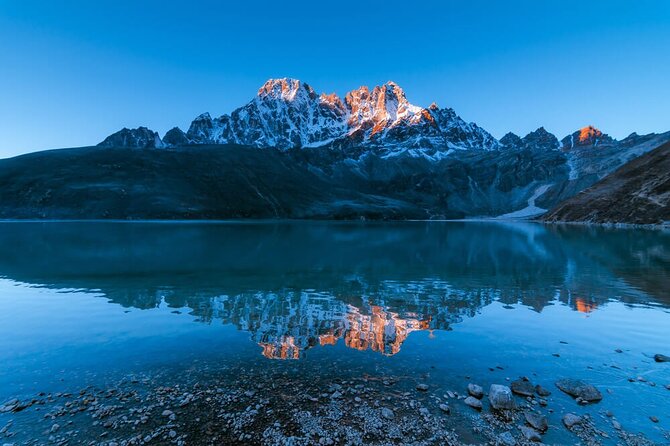
And yes, you still get the headliner moments: walking under giant walls of rock, the Base Camp area, and that early-morning push toward sunrise at Kala Patthar.
Price and Logistics: What $1,600 Covers (and What You’ll Pay Extra)
At $1,600 per person, this trek isn’t cheap. But it’s not just a checklist of days, either. Included items you’d otherwise have to chase down include airport pick up and final departure by private vehicle in Kathmandu, three nights in Kathmandu with breakfast, the Kathmandu–Lukla and Lukla–Kathmandu flights, and ground transportation that matches the itinerary.
You’re also covered for major “must-haves” that many trekkers forget to budget: permits and national park fees. Meals on the trek are largely built in too, including breakfast, lunch, and dinner counts during the trek portion, plus seasonal fruits.
Where you should expect extra spending is straightforward: drinks (mineral water and other beverages), personal phone/camera charging, and things like hot showers and Wi‑Fi aren’t included. Tips for guide and porter also aren’t included, so you’ll want to plan for that.
Kathmandu Start: Thamel, Pickup, and a First Reality Check
Day 1 is all about getting settled without adding stress. You’re met at Tribhuvan Airport and taken to a pre-arranged hotel in Kathmandu. Then you get a quick meeting about trekking and preparation, which is exactly what you want on a first day in country.
Thamel is a practical choice for pre-trek setup. You’ll be close to shops and services, and the area is used to trekking crowds. After that meeting, you can check in, eat normally, and avoid turning day one into a chaotic scavenger hunt.
You also get a welcome cultural dinner and a farewell cultural dinner. If you’re thinking you’ll only eat and sleep before you start walking, these meals are a nice human reset.
The Lukla Flight: Short, Scenic, and Not Fully in Your Hands
The trek begins with the Kathmandu to Lukla flight. It’s described as short but beautiful, and you’ll get views over the Kathmandu valley and mountain ranges along the way. Then you drop into the start point for your walking.
Here’s the practical consideration: you’re relying on weather for that flight window. The experience notes that it requires good weather, and cancellation due to poor weather means you’ll be offered a different date or a full refund. That’s the right mindset to go in with—flexibility beats frustration.
More trails out of Kathmandu, boots ready
Day 2: Phakding Gets You Moving Without Crushing You
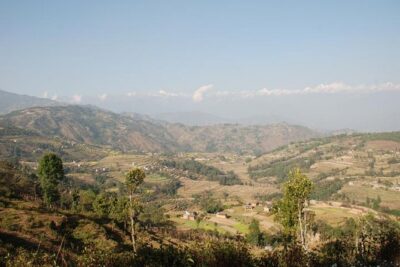
After landing in Lukla and spending a bit of time there, you trek to Phakding. This is a straightforward opener. The description is rocky downhill to start, then you work your way toward the Dudh Koshi River before arriving at Phakding.
Why I like this kind of first trek day: it’s enough effort to wake up your legs, but it’s not pretending you’re ready for the highest passes on day one. You’re also introduced to the style of trekking you’ll keep seeing—switchbacks, river crossings, and steady time-on-feet.
You sleep in Phakding, giving you an evening in a place that’s still part of the broader Khumbu walking circuit.
Day 3: Namche Bazaar, Suspension Bridges, and Permit Day
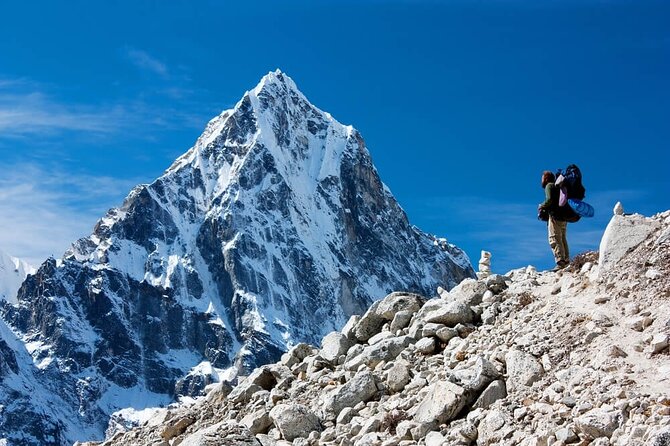
Day 3 is where the trip starts feeling bigger. The hike toward Namche Bazaar crosses rivers and valleys on suspension bridges, which are both scenic and a little nerve-jangly if you’re not used to heights.
Along the way, you reach the Sagarmatha National Park checkpoint. This is when your permits and related documentation are handled with guide support. That’s not glamorous, but it’s one of the most valuable parts of booking a guided trek.
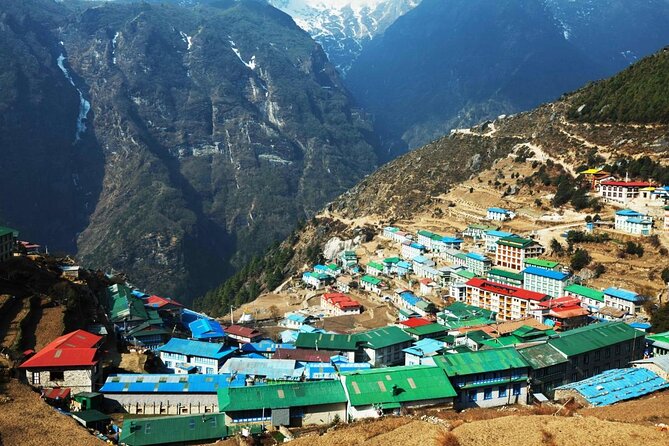
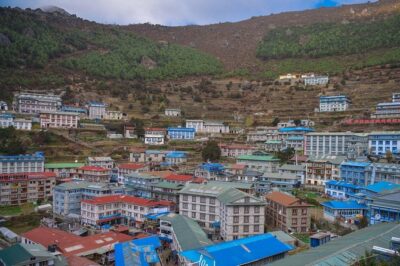
You finish at Namche Bazaar, where you’ll see Mount Everest and Nuptse along the way on the uphill stretches. Even if you don’t feel like you’re “training for Everest” today, your mind starts converting distance into meaning.
Day 4: The Acclimatization Day in Namche Bazaar
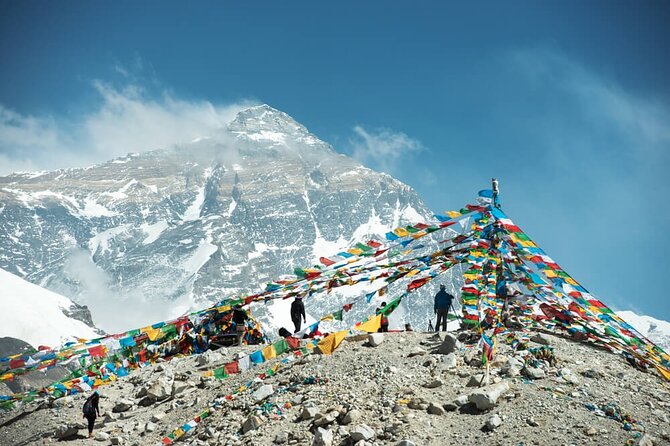
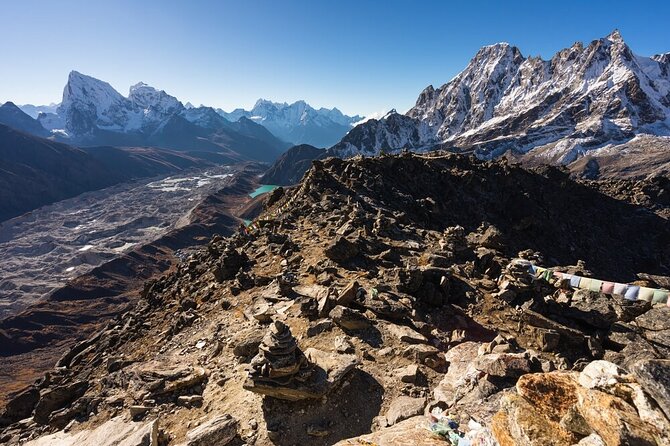
Day 4 is a rest day, and you should treat it like part of the main show. Namche is a hillside town and a major trading hub in the Khumbu region. The itinerary makes the reason clear: altitude sickness is a real concern, so your body needs time to get familiar with the elevation.
Even without exact altitude numbers in the plan, this day matters. If you push too hard here, you pay later. If you use this day to move gently, hydrate, and let your breathing settle, the rest of the trek is more manageable.
Day 5: Tengboche and the Rhododendron Trail to a Major Gompa
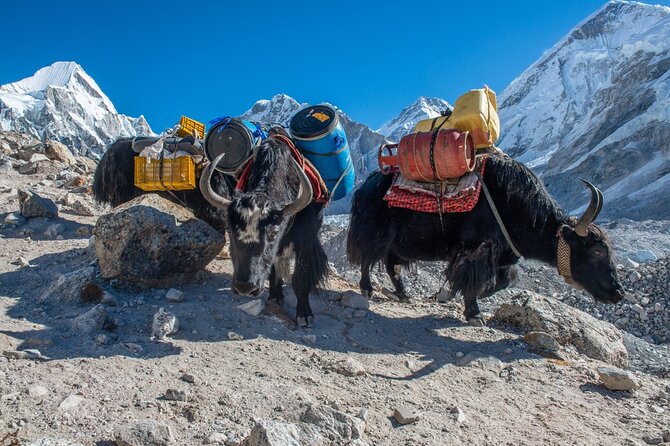
From Namche to Tengboche, the trail is described as challenging with irregular terrain. You move past Kyanjum and through a rhododendron forest section. Then you drop toward the Phungi Thenga River banks before ascending again.
Your big cultural moment is Tengboche monastery, described as a major Tibetan Buddhist gompa in the Khumbu region. You can visit and enjoy the quieter side of the mountains here—an important contrast to the constant physical effort.
This day also brings big peak views including Everest, Nuptse, Lhotse, and Ama Dablam as you hike. You’re not just walking through scenery; you’re walking in the shadow-lines of some of the most famous mountains on Earth.
Day 6: Dingboche Through Deboche, Pangboche, and Suspension Crossings
Tengboche to Dingboche is framed as a journey with glaciers and snowy mountains along the way. You pass through Deboche village and then cross suspension bridges, with stone-carved walls mentioned during the route.
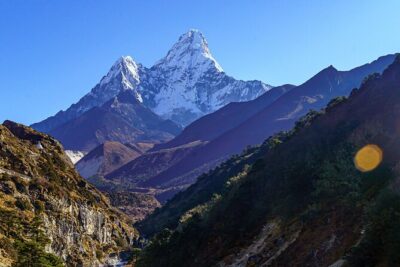
Ama Dablam can be seen up close during the hike. That kind of “getting close enough to notice details” view is one of the things trekkers remember, long after the exact miles fade.
You end in Dingboche, a key place for pacing and recovery.
Day 7: Second Acclimatization Day With the Nangkartsang Climb
Dingboche’s acclimatization plan includes a hike to Nangkartsang Peak. The idea is simple: controlled ascent to help you adjust to altitude. The trail gives you wide views of peaks like Lhotse, Makalu, Cho Oyu, and Ama Dablam, plus others.
You return along the same route back to Dingboche. That’s a smart approach for acclimatization days—less complexity, more time for your body to work out how it handles height.
If you like a trek day that feels like progress without being reckless, this is the sweet spot.
Day 8: Lobuche, Moraine Terrain, and the Everest Memorial
Dingboche to Lobuche is described as a bit difficult, with a rise toward a moraine after leaving the village. You pass through Pheriche and continue with a long ascent toward Everest Memorial and the Khumbu glacier.
The Everest Memorial is a somber stop built in memory of climbers who died trying to reach Everest’s summit. It’s one of those moments that adds weight to the whole trek. You’re not just walking toward a view—you’re walking through a place tied to human ambition and risk.
You arrive in Lobuche for the night, positioned to continue toward the high point areas.
Day 9: Everest Base Camp and Gorakshep Country
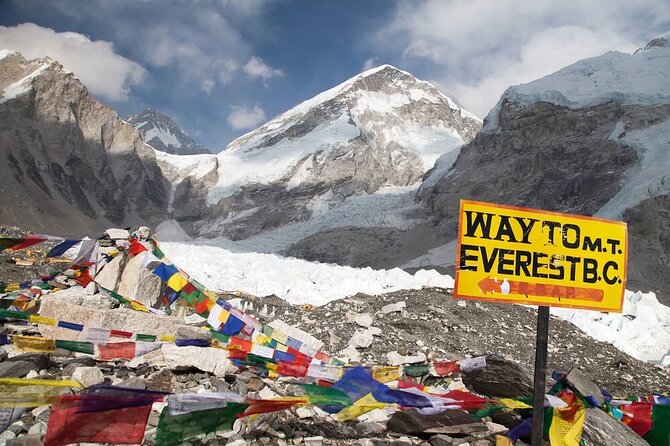
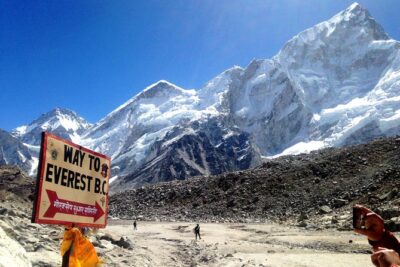
This is the day where the trek shifts from “approach” to “destination.” The plan describes a gradual climb with less steep slopes after leaving Lobuche. You have two segments: one toward Gorakshep (the highest elevation single village on the trek route), and another that connects you toward Everest Base Camp.
You walk beside the Khumbu glacier, and you may get close views of Nuptse. There’s also mention that you might see Mount Everest’s summit along the way, depending on conditions.
Gorakshep comes with a sense of finality. From there, you continue toward Base Camp and return as part of the broader schedule (the plan breaks out the following day’s Kala Patthar sunrise separately).
Day 10: Kala Patthar Sunrise, Then Down to Pheriche
Day 10 starts in the early hours to catch sunrise from Kala Patthar. The trail to Kala Patthar is described as simple to follow, though still difficult, and you reach Kala Patthar after that climb.
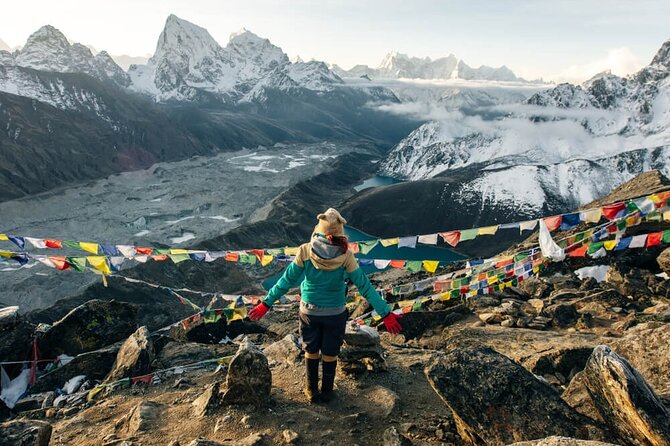
This is one of the most important moments on the itinerary. Getting up early in cold air to stand beneath the world’s highest mountain is the kind of reward that makes the hard days feel like they had a purpose.
After you enjoy it, you return along the same route. Then breakfast is taken back at Gorakshep, followed by trekking down to Pheriche.
I like this structure because you’re not just chasing sunrise and vanishing. You get the full experience, then you transition into recovery-focused hiking.
Day 11: Back to Namche Bazaar via Pangboche and Tengboche
You leave Pheriche after breakfast heading toward Namche Bazaar. The plan notes you reach Pangboche and then continue via Tengboche along the earlier track.
This is where the trek starts to feel familiar. You get repeats of key views and trail types, but now with less uncertainty. It’s a different kind of satisfaction: you know what you’re walking into.
You overnight in Namche Bazaar, giving you one more acclimatization buffer in a place with services and steady footing.
Day 12: Namche to Lukla, Then a Night in the Capital’s Gateway
Now you go downhill. You depart Namche and head toward Lukla, with stops that include passing through villages and settling into Phakding before arriving in Lukla.
Even when it’s downhill, don’t underestimate the day. Descents can still fatigue your legs, especially after multiple high-altitude days. If you’ve been pacing well, this is a relief day. If you rushed earlier, your body will remind you.
Overnight is in Lukla.
Day 13: Lukla to Kathmandu and Time to Breathe
Day 13 is your return flight to Kathmandu. After checking in, you recharge and take in that last shift from mountain cold to city life.
Your itinerary notes views of peaks, lush forest areas, rivers, and terrain along the way back. That’s the emotional arc of this trip: you spend two weeks walking toward Everest, then you start noticing the broader country again.
You overnight in Kathmandu.
Day 14: Final Departure From Kathmandu
Your last day is built around the return flight logistics. You’ll be brought to Kathmandu Airport and the trek closes.
It’s a simple end on purpose. After a trek like this, the win is getting back safely, not squeezing in extra sightseeing hours on tired legs.
Tea Houses, Food Rhythm, and the Extras You Should Budget
This trek uses standard tea houses during the walking days. That means you’re not choosing from gourmet menus or fancy lodges. You’re choosing a warm, basic place that helps you keep moving day after day.
Meals are largely included during the trek portion, with breakfast, lunch, dinner counts built into the tour plan. Seasonal fruits are also included, which is an easy win when you’re burning calories and appetite can be unpredictable at altitude.
What’s not included is also clear: drinks and extras like hot showers, Wi‑Fi, and phone/camera charging. I’d treat this as a budgeting note, not a complaint. If you charge devices every night, plan ahead. If you want hot shower comfort, expect to pay.
Safety and Altitude Support: The Monitoring Kit Matters
The trip includes a first aid kit that features an oximeter and pulse meter checker. That’s a concrete safety detail, and it’s worth appreciating. Altitude issues don’t always announce themselves clearly, so having monitoring tools gives you more information rather than only relying on how you feel.
That said, equipment doesn’t replace smart behavior. The route’s acclimatization days in Namche and Dingboche exist for a reason. If you listen to your body and keep your pacing conservative, you set yourself up for better outcomes.
Guides and Porters: What Private Makes Easier
This is where private trekking can feel like a cheat code. You’re not just paying for someone to lead the way. You’re paying for someone to manage the chain of small decisions: timing, trail support, permits handling, and real-time adjustments when conditions change.
Feedback patterns in the material you shared highlight guide traits like patience, humor, and practical knowledge. Names like Tek, Dil, Mingmar, Ram, Som, and Rohan show up in past experiences, and the common thread is feeling looked after on the trail.
You also get a strong porter with a 2:1 ratio, meaning the porter carries two members’ bags, including meals and more. That matters because every gram counts when you’re climbing in thin air.
Who Should Book This, and Who Might Wait
This trek is described as suitable for travelers with moderate physical fitness. That’s an honest target, but you should also know what that implies. You’ll be spending many hours hiking across days with ascents, suspension bridges, and high-altitude conditions.
If you enjoy structure, don’t mind cold mornings, and can follow guidance on pacing and acclimatization, you’ll likely love this format.
If you’re hoping for a casual stroll, or you can’t commit to taking acclimatization days seriously, you might want to consider a shorter or gentler route first.
Should You Book This Everest Base Camp Trek?
If you want an Everest Base Camp experience with less logistical friction and more pacing support, this looks like a strong fit. I especially like the included permits and national park fees, the tea-house setup, and the monitoring kit with an oximeter and pulse meter checker. Those details turn a big dream into a manageable plan.
Book it if you match the fitness level and you’re ready for the altitude reality. Hold off if you’re injury-prone, chronically ill, or still building your hiking consistency, because altitude punishes inconsistency.
When you do book, plan your budget for drinks, tips, and comfort extras like charging and hot showers. Then show up ready to rest when the route tells you to rest. That’s how you turn “destination” into “survival and joy,” both at once.
FAQ
Do you provide airport pickup and final departure in Kathmandu?
Yes. You get airport pickup and final departure by private vehicle.
How many nights are included in Kathmandu before and after the trek?
Three nights’ accommodation in Kathmandu with breakfast are included, plus return to Kathmandu for your final night(s) before departure.
Is the Lukla flight included, and is it round-trip?
Yes. The plan includes flights from Kathmandu to Lukla and from Lukla back to Kathmandu.
Are permits and Sagarmatha National Park fees included?
Yes. All needed permit and national park fees are included.
Where will we sleep during the trekking days?
The tour uses standard tea house accommodations during the trek.
Are meals included while trekking?
Yes. The tour includes breakfast, lunch, and dinner during the trek days (with specific included counts) plus seasonal fruits.
Is there any altitude or medical monitoring included?
Yes. The first aid kit includes an oximeter and a pulse meter checker.
Are drinks and beverages included?
No. Drinks such as mineral water and other beverages are not included.
Are tips for the guide and porter included?
No. Tips to guide and porter are not included.
What happens if conditions are bad or I cancel?
The experience requires good weather, and if it’s canceled due to poor weather you’ll be offered a different date or a full refund. You can cancel up to 3 days in advance of the experience for a full refund, and within 3 days there’s no refund.
Private Days, Your Group Only

More Tours in Kathmandu

More Tour Reviews in Kathmandu
Just Reviewed in Kathmandu
- Mountain Bike Tour
★ 5.0 · 3 reviews - Annapurna Panaroma
★ 5.0 · 3 reviews - Mount Everest Scenic Flight 50 Minutes
★ 5.0 · 3 reviews - Kathmandu : Swambhunath & Durbar Square Guided Half Day Tour
★ 3.3 · 3 reviews - Chandragiri Cable Car & Monkey Temple Tour – Private/Group
★ 5.0 · 3 reviews - Kathmandu: Shivapuri National Park Hiking Day Trip
★ 3.3 · 3 reviews
Everest Base Camp Treks, compared.
 ★ 5.0Everest Base Camp Trek – 14 DaysFrom $1,8001,499 reviews
 ★ 5.0Everest Base Camp TrekFrom $1,790842 reviews
 ★ 5.0Everest Base Camp TrekkingFrom $1,350485 reviews
 ★ 5.0Everest Base Camp Trekking – 13 DayFrom $1,399365 reviews
★ 5.0Everest Base Camp TrekFrom $1,445350 reviews
★ 5.0Everest Base Camp Trek -14 DaysFrom $1,420321 reviews
★ 5.0Everest Base Camp Trekking – 13 DayFrom $1,399365 reviews
★ 5.0Everest Base Camp TrekFrom $1,445350 reviews
★ 5.0Everest Base Camp Trek -14 DaysFrom $1,420321 reviews
 ★ 5.012 Days Everest Base Camp TrekFrom $1,099289 reviews
 ★ 5.0Everest Base Camp Trekking – 2025/2026From $1,339199 reviews
Browse the lists this tour appears in