
Review · POON HILL & GHOREPANI TREKS
15 Days Round Annapurna Trek with Poon Hill from Pokhara
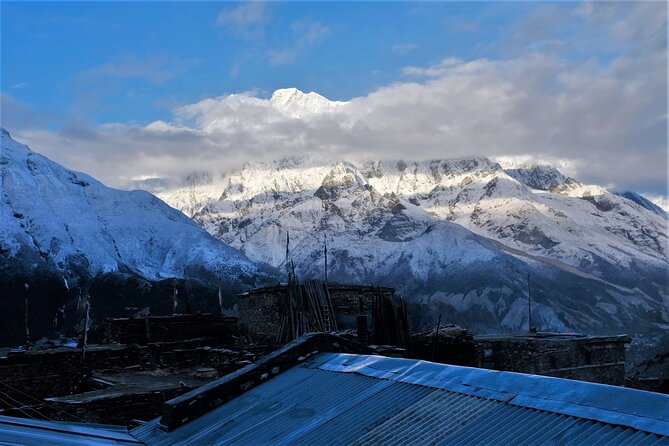
This trek starts with Kathmandu night air and ends in mountain light. What makes it interesting is the mix of Annapurna Circuit scenery with the famous Poon Hill sunrise payoff, plus a route that shifts from gorges to forests to high, exposed terrain. I like the way the schedule builds in a real acclimatization window, so you’re not just climbing because GPS says so.
I also like that the trip is handled end-to-end: hotel nights in Kathmandu and Pokhara, a government-licensed English speaking guide, trekking permits and official documents, plus guesthouse stays on the trail. The one drawback to weigh is the “early, cold, windy” factor: the pass day starts around 3:30 a.m., and the exposed sections can feel serious.
In This Review
- Key Highlights You’ll Feel Fast
- A Route That Actually Makes Sense for 15 Days
- Price and What $790 Buys (and What It Doesn’t)
- Kathmandu Night Before the Trail: Thamel, Hotel Check-in, and the Briefing
- Days 2–4: Syange and Dharapani—Getting Your Legs Without Jumping Straight to High Altitude
- Days 5–7: Pisang to Manang and the Acclimatization Day You’ll Thank Yourself For
- Days 8–10: Yak Kharka, Thorung Phedi, and the Pass Morning at 3:30 a.m.
- Days 11–12: Tatopani and Ghorepani—From the Upper Expanse Toward Villages Again
- Day 13: Poon Hill Sunrise From the Ghorepani Side
- Days 14–15: Back to Kathmandu and Then the Airport
- The Guide Factor: English Help, Safety, and Honest Explanations
- Comfort Levels: Guesthouses and 2-Star Nights (Know What That Means)
- Who This Trek Fits Best (and Who Might Need a Different Route)
- Should You Book This Annapurna Circuit + Poon Hill Trek?
- FAQ
- How long is the Annapurna Circuit trek with the Poon Hill extension?
- What does the price include?
- What are the main hotels and lodging like?
- Is this trip private?
- Where do we meet and when?
- What is not included in the tour cost?
Key Highlights You’ll Feel Fast
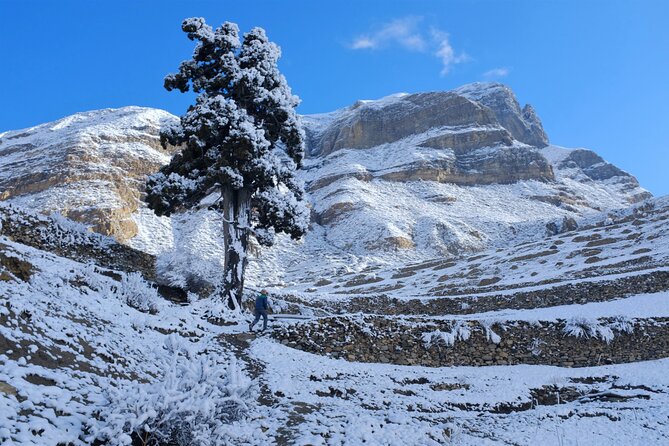
- Poon Hill sunrise built into the timeline, with a pre-dawn start for changing mountain colors
- Licensed English guide plus an emergency first aid kit with the guide
- A real acclimatization pause around Manang, when staying active is recommended
- Route variety from Marsyangdi River gorges to arid high-altitude trails
- Mixed transport days (jeep, bus, and trekking) that add comfort without removing effort
- Well-used logistics like pickup/drop-off and transfers to keep you from juggling details
More trails out of Kathmandu, boots ready
- Everest Base Camp Trek – 14 Days★ 5.0 · 1,499 reviews
- Everest Base Camp Trek★ 5.0 · 842 reviews
- Everest Base Camp Trekking★ 5.0 · 485 reviews
- Nagarkot Sunrise View and Day Hiking from Kathmandu★ 5.0 · 471 reviews
A Route That Actually Makes Sense for 15 Days
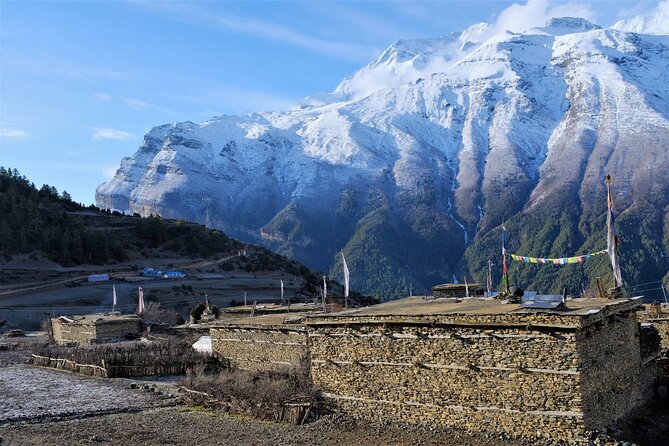
This is not just one straight line through the mountains. It’s a loop that strings together different “mood” changes each day, which is exactly what you want on a 15-day trek.
The big reason this works is the pacing. You ride over to the trail, walk through river valleys and villages first, then gradually step up in elevation. By the time you reach the higher sections, you’ve already had days where your body can adjust.
Still, you should be honest about what kind of day you’re signing up for. Day 10 includes an early start around 3:30 a.m. to reach the pass area before winds pick up, and it’s described as cold and blustery. If you hate waking up before the sun, you’ll need to prep your attitude.
Price and What $790 Buys (and What It Doesn’t)
At $790 per person, this package looks best for people who want fewer moving parts. You’re paying for the core infrastructure that usually eats time and energy on your own: licensed English speaking trekking guidance, trekking permits and official documents, and the hotel/guesthouse framework.
It also includes round trip pickup and drop-off, Kathmandu hotel nights (2 nights) plus Pokhara (1 night) in 2-star label accommodations with breakfast, then guesthouse stays during the trek. On top of that, transport is included for the segments that are normally the hassle—shared bus or jeep transfers, and the return drive from the trek area back to Kathmandu.
What’s not included is also clear: food and drinks are available for purchase, and gratuities are optional. So your real trip cost depends on how you eat along the way and what you tip at the end.
Kathmandu Night Before the Trail: Thamel, Hotel Check-in, and the Briefing
Your trip starts in Kathmandu, with your group meeting point set at SPOT ON 376 Hotel HazelJadibutti. You’ll meet at 9:45 pm, and from there you’re taken by private vehicle to your hotel, then briefed on what to expect.
This matters more than it sounds. A trek is half hiking and half “what happens when plans meet altitude and weather.” Even a short briefing helps you understand the rhythm of early starts, how days are structured, and how the guide will handle the run-of-day realities.
After that, you’re ready for the transition day: leaving Kathmandu and moving toward the first trekking region.
Days 2–4: Syange and Dharapani—Getting Your Legs Without Jumping Straight to High Altitude
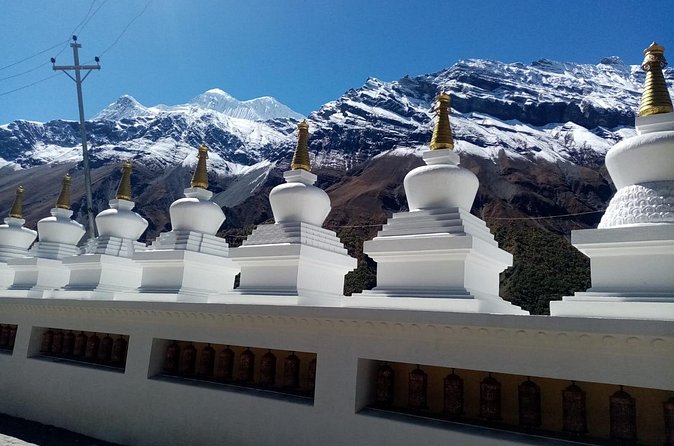
Day 2 is a long but necessary transfer. You head out on a 190-kilometer, 6.5-hour road trip to Besisahar, then continue by jeep to Syange (3,609 ft). You’re basically setting your body up for trekking by first trading city energy for mountain air.
Syange is your first village stop, and it’s a good “starter” altitude. The route design is practical: it gets you onto the trail system without skipping the step-up period.
Day 3 takes you along a road above the gorge, giving you views down at vegetation and occasional waterfalls below, plus glimpses of snow-covered peaks from a distance. This is one of those days where the walking is later, but the scenery coaching starts right away. You end at Dharapani, building forward from there.
Day 4 reaches Chame, with a shift in vegetation and temperature as elevation increases. The trail passes through forested areas until reaching Bagarchhap, described as a typical Tibetan style village. That’s a real value point: you’re not only chasing views; you’re seeing how communities adapt to altitude.




Days 5–7: Pisang to Manang and the Acclimatization Day You’ll Thank Yourself For
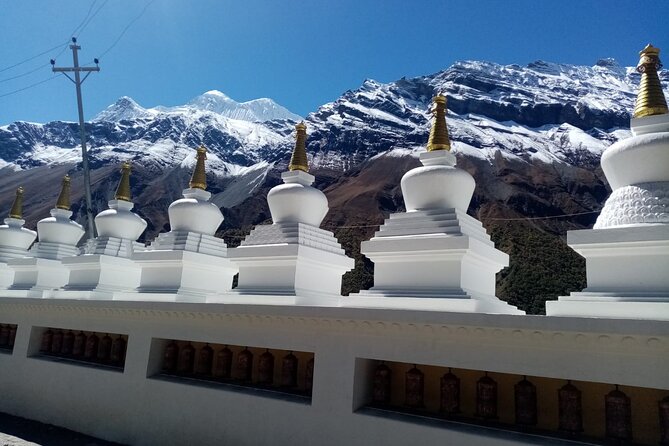
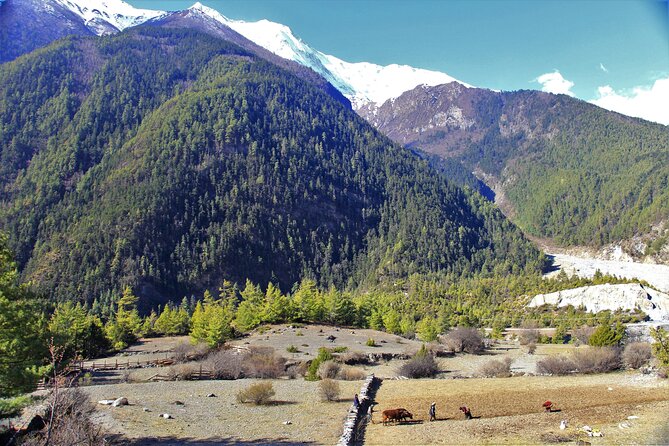
Day 5 brings you along the Marsyangdi River on the northern bank. You pass pine forests and small villages, then cross into Bratang Village and make a steep ascent. This is a day where your effort feels earned because the route is scenic and varied rather than monotonous.
Day 6 continues with better views around Pisang, and snow-covered peaks become frequent. You trek higher, then reach a hill area after about 30 minutes that opens up views down the way. Even before you reach high altitude, you’re being trained for “pause, look, keep moving.”
Day 7 is the key acclimatization day. It’s repeated in the plan for a reason: acclimatizing on the Annapurna circuit isn’t optional trivia—it’s a smart safety strategy. You’re in the Manang area again, and the guidance is to stay active during the acclimatization period, possibly taking a short trek. The goal is to help your body handle the next step upward.
If you like trekking that feels purposeful—rather than frantic—this is where you’ll feel it most.
Days 8–10: Yak Kharka, Thorung Phedi, and the Pass Morning at 3:30 a.m.
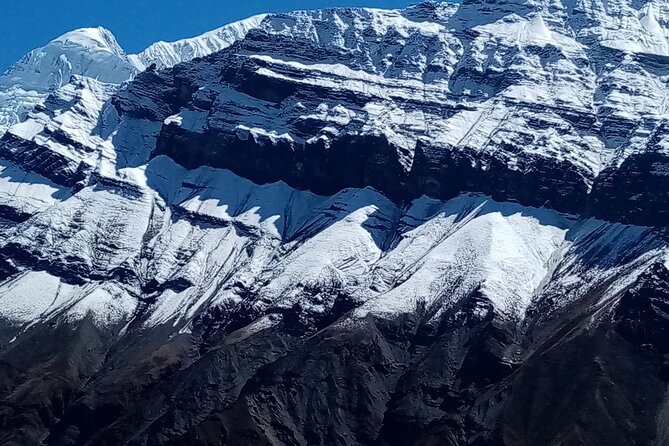
Day 8 goes toward Yak Kharka. You ascend for around an hour with views of Annapurna II, Gangapurna, and Chuli peaks. The description also notes the terrain turning arid, which is a big “environment change” moment. One day you’re in pine and village rhythms; the next, the air and ground feel harsher.
Day 9 climbs to Thorung Phedi, starting with a steady rise to a tiny settlement for views again, then becoming bleaker and more exposed to high winds. This is the section that teaches you patience. When the trail is exposed, you can’t rush your way through weather.
Day 10 is the heavy one. You start around 3:30 a.m. to reach the pass before the winds pick up later in the day. The plan calls it cold, blustery, and exposed. That means you’re walking in conditions that demand focus: steady pace, good teamwork with your guide, and no heroic pacing.
You end at Muktinath, which makes the early start feel like it has a payoff. Even if you’re tired, you’ve earned your way to calmer terrain afterward.
Days 11–12: Tatopani and Ghorepani—From the Upper Expanse Toward Villages Again
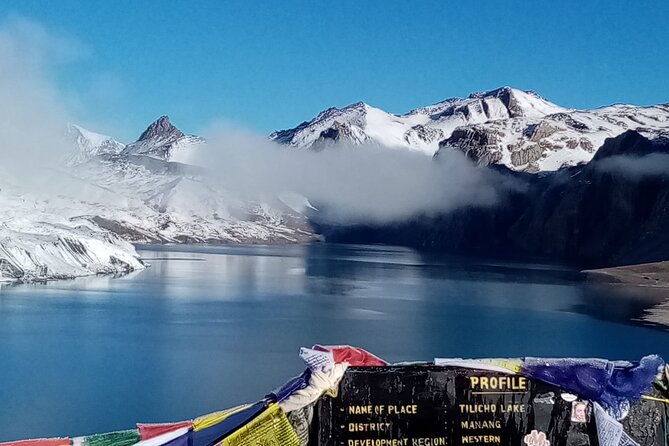
Day 11 begins with a bus ride to Tatopani (about 5–6 hours). You stop at an ACAP checkpoint in Jomsom, which is a nice reminder that this region is actively managed and protected. After the checkpoint, you continue by bus drives toward Tatopani.
This day is a mental reset. After high-altitude walking, a ride breaks the day into something more comfortable while still moving you forward. It’s also a good “less wear and tear” day before the final approach toward Poon Hill.
Day 12 starts from wherever the schedule puts you and heads to Ghorepani via a descending trail to a suspension bridge. After crossing, it’s uphill again through small villages and terraced cultivation. This pattern is common here: a brief down, then a climb. It keeps your legs working while building toward your final scenic reward.
Day 13: Poon Hill Sunrise From the Ghorepani Side
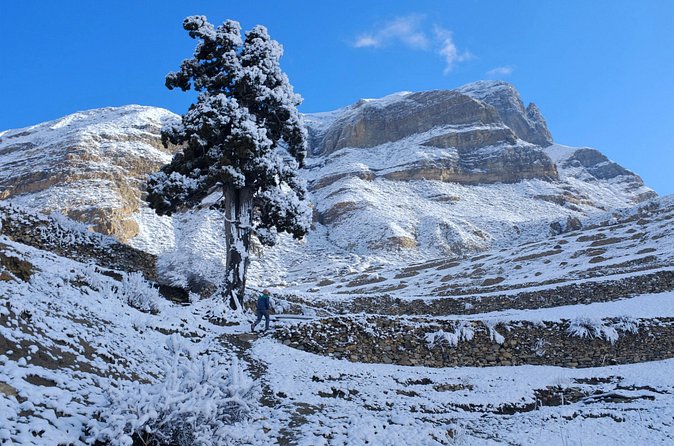
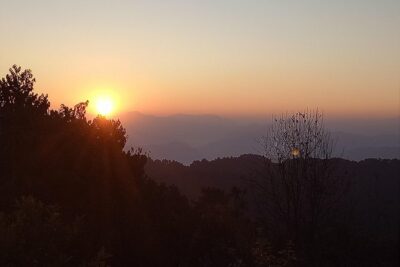
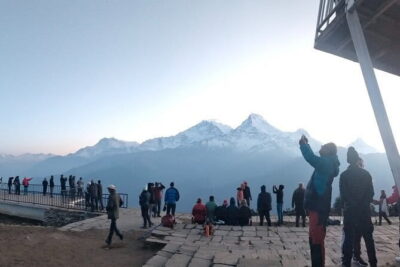
Day 13 is the moment you’ll hear people talk about. You start early again and trek up to Poon Hill to watch sunrise. The plan describes it as a total breath-catcher, and it also notes the changing colors as dawn approaches.
This is more than a photo stop. Sunrise at Poon Hill is one of those high-altitude “light shows” that makes the whole trek feel connected. You’re seeing the mountains not just as shapes in the distance, but as part of a living weather system.
After the sunrise, the day runs you toward Pokhara Lakeside. That’s a smart pairing: you finish the hard work, then you land somewhere that feels easier on your body and nerves.
Days 14–15: Back to Kathmandu and Then the Airport
Day 14 is a drive back to Kathmandu, taking about 6–7 hours with rests stops. This gives you time to reflect without turning the return into another punishing walking day.
And Day 15 ends with a transfer to the airport about 3 hours before your flight. That timing is practical. It prevents the scramble feeling that can ruin the final mood of a trek.
The Guide Factor: English Help, Safety, and Honest Explanations
The trip is built around a government-licensed English speaking trekking guide. That matters because trekking isn’t only about directions—it’s about pacing decisions, safety calls, and communicating when weather changes.
In the feedback tied to this trek, guide names like Krishna, Biru, and Amrit show up with praise for being helpful, careful, and clear about details. Even beyond personality, having someone who can explain what you’re doing and why you’re doing it makes the whole effort feel less random.
The included emergency kit with the guide is also a useful baseline. It doesn’t mean nothing bad can happen—but it does mean you’re not trekking completely “unprepared.”
Comfort Levels: Guesthouses and 2-Star Nights (Know What That Means)
You’ll sleep in 2-star label hotels in Kathmandu and Pokhara with breakfast, then guest houses during the trek. That’s a common setup for Nepal treks, but it’s good to understand what it implies: you’re trading luxury for location and access.
This is not the kind of trip where you should expect the smoothest beds every night. What you can expect, though, is an itinerary that repeatedly brings you to the next step in a logical sequence, so your rest is at least predictable.
Who This Trek Fits Best (and Who Might Need a Different Route)
This is ideal if you want:
- a big-value guided trek where permits and logistics are handled
- a route with multiple scenery shifts, not just long stretches of one type of view
- the Poon Hill sunrise experience as a planned climax, not an optional detour
You should think twice if:
- you can’t handle very early starts, especially the ~3:30 a.m. morning described for the pass day
- you get stressed by cold and wind exposure, since that’s specifically mentioned for the higher section
If your fitness is strong and you’re ready to move through both hiking and transfer days, this plan has a lot to offer.
Should You Book This Annapurna Circuit + Poon Hill Trek?
I’d book it if you want the Annapurna circuit feel with the added certainty of Poon Hill’s sunrise payoff, and you prefer a guided plan that handles permits, documentation, hotels, transport, and the trail rhythm. The value at $790 comes from the included guidance and logistics, not from fancy comfort.
I’d hesitate if your main goal is a relaxed, late-morning trek. This route is clearly designed around early mornings and weather-aware timing, especially on the pass day. If that part sounds exhausting, you’ll probably feel it.
If you’re the type who likes earned rewards—valleys, villages, big mountain views, then sunrise light—this is a solid choice.
FAQ
How long is the Annapurna Circuit trek with the Poon Hill extension?
The trip is listed as 15 days (approx.).
What does the price include?
It includes hotel pickup and drop-off, a government-licensed English speaking trekking guide, trekking permits and official documents, Kathmandu and Pokhara hotel nights (with breakfast), guesthouse accommodation during the trek, shared bus/jeep transfers, and an emergency first aid kit with the guide. Guide food and expenses are also included.
What are the main hotels and lodging like?
You get 2 nights in Kathmandu and 1 night in Pokhara in 2-star label hotels with breakfast. During the trek, you stay in guest houses.
Is this trip private?
The tour is described as private, with only your group participating.
Where do we meet and when?
You meet at SPOT ON 376 Hotel HazelJadibutti, Kathmandu at 9:45 pm.
What is not included in the tour cost?
Food and drinks are not included (they’re available to purchase), and gratuities are optional.
More Trekking Out of Kathmandu






More Tour Reviews in Kathmandu




Just Reviewed in Kathmandu
- Mountain Bike Tour
★ 5.0 · 3 reviews - Annapurna Panaroma
★ 5.0 · 3 reviews - Mount Everest Scenic Flight 50 Minutes
★ 5.0 · 3 reviews - Kathmandu : Swambhunath & Durbar Square Guided Half Day Tour
★ 3.3 · 3 reviews - Chandragiri Cable Car & Monkey Temple Tour – Private/Group
★ 5.0 · 3 reviews - Kathmandu: Shivapuri National Park Hiking Day Trip
★ 3.3 · 3 reviews
Poon Hill & Ghorepani Treks, compared.
 ★ 5.04 Days Poon Hill TrekFrom $40594 reviews
 ★ 5.0Ghorepani(Poonhill Trek)From $60081 reviews
 ★ 5.04-day Poon Hill TrekFrom $40074 reviews
 ★ 5.0Ghorepani Poon Hill TrekFrom $39961 reviews
★ 5.0Ghorepani Poon Hill TrekFrom $70046 reviews
 ★ 5.0Poon Hill TrekFrom $1,17242 reviews
 ★ 5.0Poonhill TrekFrom $60033 reviews
 ★ 5.0Poon Hill Trek packageFrom $40527 reviews
Browse the lists this tour appears in