
Review · POON HILL & GHOREPANI TREKS
Poon Hill Trek
Poon Hill sunrise is a real wake-up call. This 10-day Annapurna trek to Ghorepani and Poon Hill mixes big mountain views with real village life, plus Kathmandu and Pokhara culture before you hit the trail. I love the unobstructed early-morning viewpoint payoff, and I also love how well the trek is supported with an English-speaking guide and porters. One thing to consider: this experience is very weather-dependent, and the sunrise push means cold fingers and very early starts.
You’ll also get a good “starter pack” for Nepal—Temple Road in Kathmandu, lake views in Pokhara, and then day after day of walking through oak and rhododendron forests, Gurung villages, and tea-house stops. The route is described as an easy trek, and the pace usually fits travelers with moderate fitness, but you still need to be ready for uphill stretches and some cold mornings at altitude.
In This Review
- Key Things That Make This Poon Hill Trek Worth Your Time
- Kathmandu First: Temple Power, Then a Smooth Transfer to Pokhara
- Kathmandu Valley: Pashupatinath, Boudhanath, and Bhaktapur’s Durbar Square
- Pokhara Base: Where the Mountains Start Getting Real
- Day 4 On Trail: Nayapul to Hille and Tikhedhunga
- Ulleri to Ghorepani: Oak, Rhododendron, and That Teahouse Gravity
- Poon Hill Sunrise Day: The Pre-Dawn Climb and Hot Breakfast Reward
- Tadapani to Ghandruk: Gurung Village Life and Conservation Visits
- Back to Nayapul and Pokhara: A Real Ending to the Trek
- Kathmandu Return: Morning Drive and a Farewell Dinner With Culture
- Value Check: What You’re Actually Paying For at $1,172.27
- Guide and Porter Quality: Why the Trek Feels Easy to Manage
- Who Should Book This Poon Hill Trek (and Who Might Want a Different One)
- Practical Tips Before You Go (So You Enjoy the Cold Part)
- Should You Book Ace the Himalaya’s Poon Hill Trek?
- FAQ
- How long is the Poon Hill Trek package?
- What does the price include per person?
- Where does the trek start and end?
- What kind of accommodations are provided?
- Is a guide and porter included?
- Are permits and meals included?
- Is good weather required?
Key Things That Make This Poon Hill Trek Worth Your Time
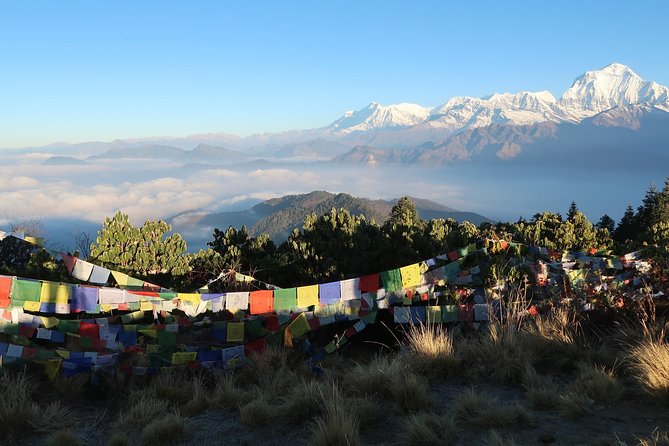
- Poon Hill at dawn: about an hour up at the viewpoint for sunrise, then a hot breakfast back in Ghorepani.
- Forest-to-village hiking rhythm: Ulleri and Ghorepani sit amid oak and rhododendron forests before you drop into Gurung country.
- Ghandruk with culture and learning: time in the village plus visits tied to the Annapurna Conservation Office and museums.
- Permits handled for you: Annapurna Conservation Park permits and TIMS are included.
- Real logistics support: private transfers, tourist bus Kathmandu–Pokhara, and porters (one per two guests).
- Small group cap (up to 15): a size that keeps things organized without turning it into a moving circus.
More trails out of Kathmandu, boots ready
- Everest Base Camp Trek – 14 Days★ 5.0 · 1,499 reviews
- Everest Base Camp Trek★ 5.0 · 842 reviews
- Everest Base Camp Trekking★ 5.0 · 485 reviews
- Nagarkot Sunrise View and Day Hiking from Kathmandu★ 5.0 · 471 reviews
Kathmandu First: Temple Power, Then a Smooth Transfer to Pokhara
Most people think Poon Hill is only about the mountains. It’s not. The week starts in Kathmandu, and that matters because it sets your energy and expectations for Nepal.
On arrival at Tribhuvan International Airport, you’re met by an Ace the Himalaya airport representative and driven to your Kathmandu hotel in a private tourist vehicle. There’s also a pre-trip meeting if you arrive after 4 pm; if you arrive earlier, the briefing happens the same day at their office. Either way, you’ll meet your trek leader so you can ask practical questions before you start walking.
That Kathmandu stretch can be a nice mental reset. Kathmandu is busy and noisy, and you’ll get a guided orientation via a city tour before you leave for the quieter base in Pokhara. Then you switch gears—buses and cars move you to Phewa Lake country, and the trek begins with a real change in air and pace.
What I like: you’re not left scrambling with taxis, paperwork, or “where do I go next” energy. If you’re flying in from far away, that kind of structure is worth something.
One note to plan around: you’ll be taking an early tourist bus from Kathmandu to Pokhara (about 7:30 am, after a morning pick-up around 6:30 am), so the “rest day” in Kathmandu isn’t really a lie, it’s just short.
Kathmandu Valley: Pashupatinath, Boudhanath, and Bhaktapur’s Durbar Square
Your Kathmandu day is built around three iconic stops, and the timing is tight enough that it feels like an organized sampler, not a marathon.
Pashupatinath Temple (Shiva on the Bagmati River): you can’t go inside, but you do get a clear view from the eastern bank. This two-tiered pagoda-style temple is one of the most significant Shiva sites in the world, and you’ll see the riverbank activity from outside. It’s a “you can’t unsee it” kind of place if you’re paying attention.
Boudhanath Stupa (Buddhist devotion in motion): you’ll spend time at one of the holiest Buddhist sites in Kathmandu. The classic detail here is the four pairs of Buddha eyes watching in the four cardinal directions, plus pilgrims spinning prayer wheels. It’s quiet-spiritual energy in the middle of a city.
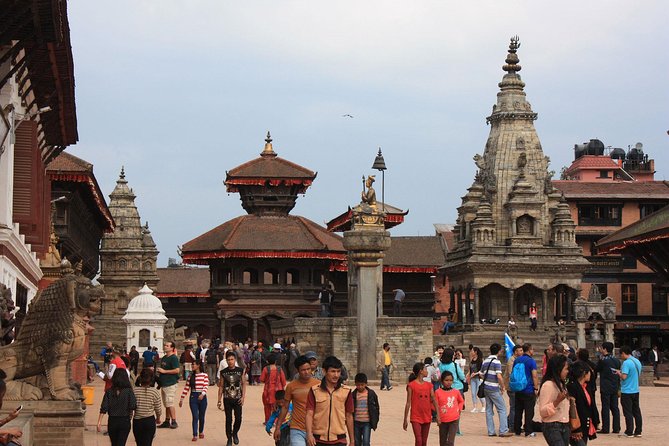
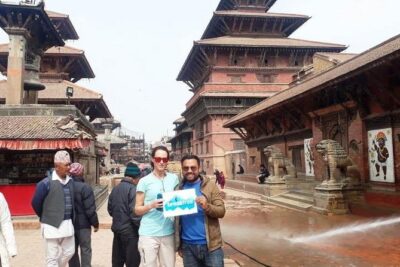
Bhaktapur Durbar Square (royal architecture): you’ll see a cluster of monuments tied to Bhupatindra Malla and the royal residential quarter. Expect classic pagoda and temple forms, including the Nyatapola-style structure and other notable shrines in the square. It’s also a good contrast to Kathmandu’s faster pace because Bhaktapur’s feel is more “old town.”
For many travelers, Kathmandu is where you either fall in love with Nepal or bounce off it. This tour route helps you get the meaningful parts without getting lost in the weeds.
Pokhara Base: Where the Mountains Start Getting Real
Once you reach Pokhara, the trip shifts from sightseeing to breathing-walking time.
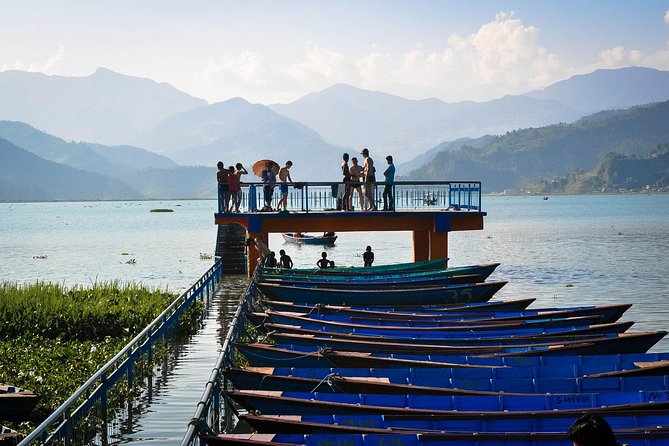
Pokhara is described as smaller and less hectic than Kathmandu, and that’s exactly how it tends to feel on the ground. The route connects you to Phewa Lake and gives you a staging point for Annapurna and Machhapuchhare views in the north, plus Dhaulagiri in the west and Lamjung and Manaslu in the east.
On the trek side, your day is simple: a hotel pick-up and a drive to the trail start point. From Pokhara you go to Nayapul, then you step out for your first easy intro walk.
Why this matters for value: lots of trekking packages throw you onto the trail without easing your body in. Here you get a gentle start—good if this is your first Himalayan trek.
Day 4 On Trail: Nayapul to Hille and Tikhedhunga
You begin at Nayapul after about an hour drive from Pokhara. Then it’s a short warm-up walk along the Modi Khola before you reach Birethanti (around 1,015 m). This is a commercial village edge—shops and teahouses—so you get used to the rhythm of trekking life quickly: arrive, orient, eat something warm, and keep moving.
From Birethanti, the trail follows the north bank of the Bhurungdi Khola. Then it starts to climb steadily to Hille (about 1,495 m). After that, you push onward to Tikhedhunga (about 1,570 m).
This day is short on drama but important on training. It’s the prelude: your legs start remembering what “uphill, not sprinting” feels like.
Possible drawback: even on an “easy trek,” the cumulative climbing adds up. If you’re sensitive to altitude or you’re carrying a heavy personal pack, take it slow today so you’re not cooked later.
Ulleri to Ghorepani: Oak, Rhododendron, and That Teahouse Gravity
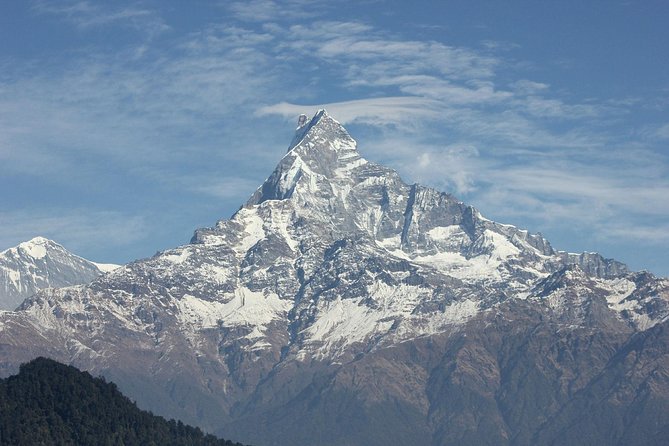
Next you move toward the steeper section near Ulleri. The route passes through a large Magar village at about 2,070 m and then climbs through forests of oak and rhododendron. This is where the trek starts to feel truly Himalayan in the day-to-day sense, not just at the sunrise viewpoint.
Then you work your way up to Banthanti (about 2,250 m) and on toward Nangethanti (about 2,460 m). Eventually you reach Ghorepani (around 2,840 m).
This is a key “base camp” stop. Ghorepani is where you’ll settle in before Poon Hill, and it’s also where the tea-house culture becomes part of your routine—hot drinks, packed lunches, and that gentle bargaining with gravity as you change elevations.
Why I like this stretch: it’s scenic without feeling like a themed walk. You’re moving through lived-in places—villages, forest trails, and communal routines—rather than only passing empty ridges.
Poon Hill Sunrise Day: The Pre-Dawn Climb and Hot Breakfast Reward
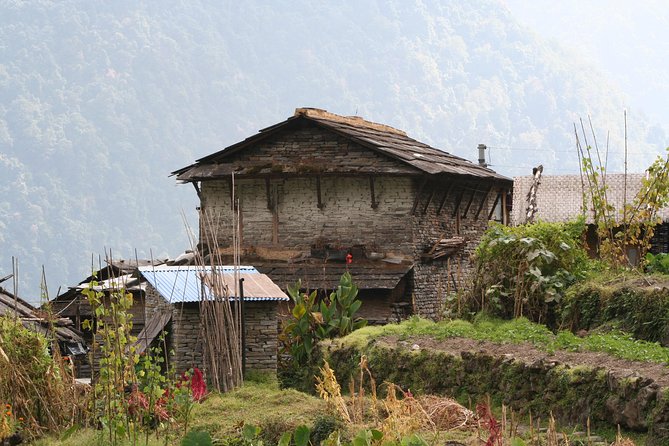
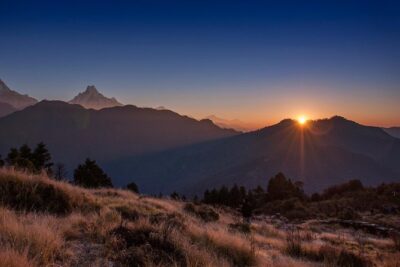
This is the star. You start very early—about an hour hiking—to reach Poon Hill at roughly 3,210 m. The viewpoint is known for unobstructed sunrise views, and the plan gives you time up there (about an hour at the top) to take it in properly.
Then you head back down to Ghorepani for a hot breakfast, which is a small detail that matters. Cold morning climbs burn calories fast. Getting a hot meal soon after the viewpoint is one of those simple “travel wins” that you appreciate more than you expect.
After breakfast, the trek continues with a climb along ridges and through pine and rhododendron forests toward Deurali (around 2,960 m). Then you descend again to Banthanti and turn off toward Tadapani.
Here’s the practical reality: this day asks for energy up top and steady patience on the slopes. If you’re planning your day, pack layers you can pull on fast. The cold can hit even when the sun is coming.
Tadapani to Ghandruk: Gurung Village Life and Conservation Visits
Your next big shift is moving from higher forests down into village territory. From Tadapani, the trail descends through forests to Ghandruk, a Gurung village. Ghandruk is known for beautiful mountain views, and it also has deeper cultural context tied to Gurung identity—dialect, costume, and daily life.
This area also connects to Gurkha soldiers, so you’ll hear references to that heritage as you walk and talk with locals. For trekkers, Ghandruk often feels like the moment when the Annapurna region stops being only scenery and becomes a place you can understand.
The package also sets aside time in the afternoon to visit the Annapurna Conservation Office and museums, plus explore the village. That’s a smart add-on because conservation isn’t a random slogan in Nepal—it’s part of how trails and permits work.
How to think about this stop: sunrise is the headline, but Ghandruk is where your experience gains depth. It’s not just “what mountains did I see?” It becomes “what does the region care about, and how does life here work?”
Back to Nayapul and Pokhara: A Real Ending to the Trek
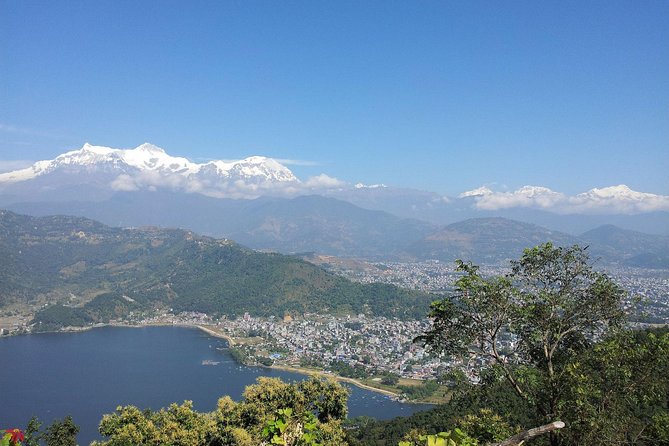
Your finish is a classic unwind. You hike back to Nayapul and then drive to Pokhara. Once in Pokhara, you get a relaxing afternoon for a lakeside stroll and downtime.
This day matters because it lets your body recover before you go back to Kathmandu. You also get to be a person again, not only a walker. It’s when you notice how quiet the mountains feel after days of trail chatter.
Kathmandu Return: Morning Drive and a Farewell Dinner With Culture
You’ll drive back to Kathmandu in the morning after the Pokhara segment. In the evening, the day ends with a farewell dinner in a traditional Nepalese restaurant, with cultural performances.
This isn’t just a “wrap-up meal.” It’s a chance to connect the dots between what you saw in Kathmandu temples and what you watched in villages during the trek. Nepal’s culture isn’t separate from its landscapes. It’s the same human story, told with different scenes.
Value Check: What You’re Actually Paying For at $1,172.27
Price is always the question. At $1,172.27 per person, you’re paying for a long list of built-in costs that many DIY treks either forget or underestimate.
Here’s what the package covers:
- Hotels with breakfast: 3 nights in Kathmandu and 2 nights in Pokhara (3-star category in Kathmandu and Pokhara staging).
- Private transfers and guided city tour: airport/hotel pick-ups and drops, plus Kathmandu valley sightseeing by private tourist vehicle.
- Licensed English-speaking guide: the local trekking guide is part of the core value, not an add-on.
- Porter support: one porter for every two guests, plus staffing costs.
- Permits: Annapurna Conservation Park permits and TIMS.
- Food on trek days: breakfasts (9), lunches (6), dinners (6) are included.
- Trail basics as provided extras: Ace the Himalaya duffel/kit bag and a sun hat you keep.
What you don’t get (and should plan for):
- Travel insurance that covers emergency rescue/evacuation (not included).
- Nepal entry visa and international airfare/airport departure tax.
- Lunch and dinner in Kathmandu and Pokhara (not included).
- Tips for trekking staff and drivers (tipping is expected).
- Alcohol and many personal items, plus personal trekking equipment.
My honest take on value: this price works best if you want a guided, supported experience without negotiating permits, hunting logistics, or overthinking porters and schedules. If you already know Nepal well and you like to run your own show, you might DIY for less. But if you want the mountains plus smooth execution, this is the kind of package where you’re paying to reduce stress.
Guide and Porter Quality: Why the Trek Feels Easy to Manage
The “easy trek” label is one thing. The day-to-day experience is another.
A big theme in the trekking support here is personal care. People highlight guides like Sushanta, Baburam (Babu), Ishwar, Janardan, Shyam, Raj, Ramesh Karki, and Sushan, along with porters such as Bipi, Poson/Poshan, RJ, and Limbodia. The common thread is that they make the hike feel manageable—adjusting pacing, handling details, and keeping the day moving without pushing you past your limits.
If it’s your first trek, that support can be the difference between enjoying the trail and constantly worrying about the next decision. You’re not only climbing—you’re also learning how tea houses work, how meals get organized, and how to handle the cold morning viewpoint schedule.
Who Should Book This Poon Hill Trek (and Who Might Want a Different One)
This trek is described as easy and suited for moderate physical fitness. That means it’s a good match for travelers who can walk several hours a day, handle hills, and don’t need ultra-technical trails.
It also fits well if you want:
- a strong sunrise moment at Poon Hill,
- a loop-style feel through villages (including Ghorepani, Tadapani, and Ghandruk),
- and a guided cultural add-on in Kathmandu.
You might want to consider a different option if you’re expecting a completely effortless hike or you have trouble with early starts and chilly mornings at altitude. Even “easy” days can still feel long when you’re moving from one elevation band to the next.
Also, this experience caps at 15 travelers, so you’ll likely feel part of a group without losing your personal connection to the guide and porter team.
Practical Tips Before You Go (So You Enjoy the Cold Part)
You don’t need special trekking expertise here, but a few practical choices help:
- Bring personal trekking equipment, because it’s not included. (You’ll feel the cold more on sunrise day.)
- Wear layers you can adjust quickly between tea-house warmth and mountain air.
- Plan for trekking days that start early and keep momentum. This trek’s big day is the pre-dawn Poon Hill push.
- Expect tipping for trekking staff and drivers. It’s not vague—budget for it.
- Consider travel insurance that includes emergency rescue/evacuation. It’s not included in the package.
Should You Book Ace the Himalaya’s Poon Hill Trek?
If you want a guided, well-run Annapurna experience with sunrise payoff and real village time, I think you’ll be happy booking this one. The value is strongest when you want permits, transfers, hotels, meals on trek days, and porter support handled for you—so your brain can focus on walking and watching the mountains change colors.
Skip it only if you’re set on total independence or you’re unwilling to deal with early morning trekking and cold weather realities. If that doesn’t bother you, this is a classic route for a reason: it gives you mountains, culture, and a manageable adventure in one clean package.
FAQ
How long is the Poon Hill Trek package?
It’s listed as 10 days approximately.
What does the price include per person?
The price shown is $1,172.27 per person, with services including airport/hotel transfers, guided Kathmandu city tour, trekking guide, porter support, permits, and hotel/guesthouse accommodations plus meals on trek days.
Where does the trek start and end?
The trek starts and ends in Pokhara (with the trekking route involving Nayapul as the trail start/end point).
What kind of accommodations are provided?
You get 3-star hotel rooms with breakfast in Kathmandu (3 nights) and Pokhara (2 nights). During the trek you stay in guesthouses, mostly in twin-share rooms and sometimes dormitory-style rooms.
Is a guide and porter included?
Yes. You get a local Ace the Himalaya licensed English-speaking trekking guide and porters carry luggage (one porter for every two guests).
Are permits and meals included?
Permits are included (Annapurna Conservation Park permits and TIMS). Meals on trek days are included: 9 breakfasts, 6 lunches, and 6 dinners. Lunch and dinner in Kathmandu and Pokhara are not included.
Is good weather required?
Yes, the experience requires good weather. If it’s canceled due to poor weather, you’re offered a different date or a full refund.
More Trekking Out of Kathmandu
More Tour Reviews in Kathmandu
Just Reviewed in Kathmandu
- Mountain Bike Tour
★ 5.0 · 3 reviews - Annapurna Panaroma
★ 5.0 · 3 reviews - Mount Everest Scenic Flight 50 Minutes
★ 5.0 · 3 reviews - Kathmandu : Swambhunath & Durbar Square Guided Half Day Tour
★ 3.3 · 3 reviews - Chandragiri Cable Car & Monkey Temple Tour – Private/Group
★ 5.0 · 3 reviews - Kathmandu: Shivapuri National Park Hiking Day Trip
★ 3.3 · 3 reviews
Poon Hill & Ghorepani Treks, compared.
 ★ 5.04 Days Poon Hill TrekFrom $40594 reviews
 ★ 5.0Ghorepani(Poonhill Trek)From $60081 reviews
 ★ 5.04-day Poon Hill TrekFrom $40074 reviews
 ★ 5.0Ghorepani Poon Hill TrekFrom $39961 reviews
★ 5.0Ghorepani Poon Hill TrekFrom $70046 reviews
★ 5.0Ghorepani Poon Hill TrekFrom $39961 reviews
★ 5.0Ghorepani Poon Hill TrekFrom $70046 reviews
 ★ 5.0Poonhill TrekFrom $60033 reviews
 ★ 5.0Poon Hill Trek packageFrom $40527 reviews
 ★ 5.0Ghorepani Poon Hill Sunrise TrekFrom $79921 reviews
Browse the lists this tour appears in