
Review · POON HILL & GHOREPANI TREKS
Ghorepani Poon Hill Trek
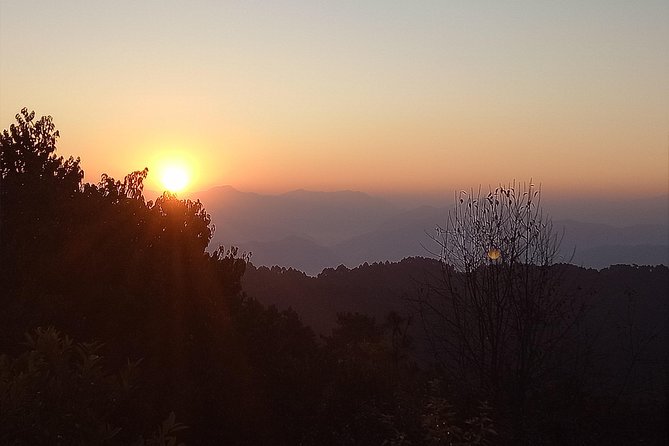
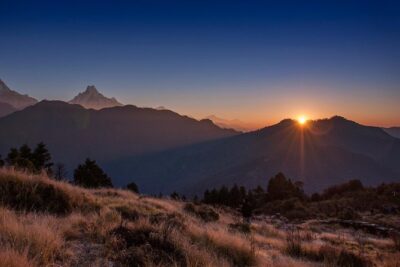
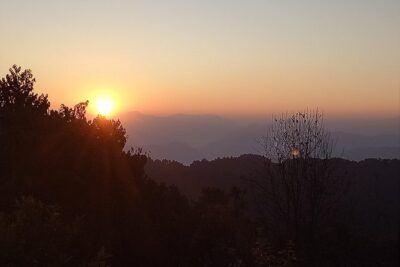
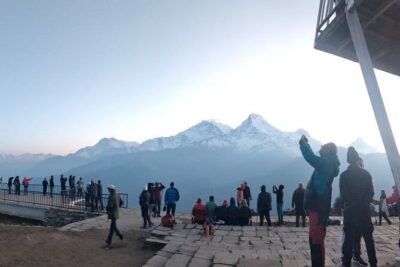
Sunrise over the Himalaya is the whole point, and the Ghorepani Poon Hill trek delivers it with a steady hike through Nepali villages. Poon Hill sits above 3,210 m, so you’re up early for first light and a big sweep of peaks.
I love the private attached bathrooms for your 3 nights, because trekking is easier when you can actually wash at night. I also really liked the Ghandruk Gurung village time, where the walking turns into cultural stops and not just head-down climbing.
The main trade-off is the early wake-up for sunrise, because what you see from 3,210 m depends on weather.
In This Review
- Key things to know before you go
- Why Poon Hill is still worth your trekking days
- Getting there: Kathmandu, pickup, and the drive to the trail
- Day 1: Ulleri village and your first big Himalayan impressions
- Day 2: Uphill to Ulleri, then greener forest walking
- Day 3: The Poon Hill sunrise climb and the peak-view checklist
- Day 4: Downhill into Ghandruk for Gurung village life
- What’s included for the $399.67 price (and why it can be good value)
- Guides, private group time, and what good support looks like
- Teahouses, bathrooms, and the comfort question
- Who this trek suits best (and who should think twice)
- Small extras to budget for (so you’re not surprised)
- Should you book the Ghorepani Poon Hill trek?
- FAQ
- How long is the Ghorepani Poon Hill Trek?
- What is the meeting/start time?
- What is included in the trek price?
- What is not included?
- Are private tours available?
- What is the cancellation policy?
Key things to know before you go
- Sunrise at Poon Hill (3,210 m) is the headline moment, with views stretching across multiple Annapurna-area giants.
- Ulleri to forest walking gives you a mix of uphill effort and cooler shade, before the big early-morning climb.
- Ghandruk (Gurung community) is a strong finish, with a real sense of village life after the long trail days.
- Private attached bathrooms are included for the nights on trek, which is not standard on many shorter treks.
- Licensed guide + conservation permit are included, so you’re not sorting admin in-country.
- Your total cost can go up if you add a porter, since porter fees are not included.
More trails out of Kathmandu, boots ready
- Everest Base Camp Trek – 14 Days★ 5.0 · 1,499 reviews
- Everest Base Camp Trek★ 5.0 · 842 reviews
- Everest Base Camp Trekking★ 5.0 · 485 reviews
- Nagarkot Sunrise View and Day Hiking from Kathmandu★ 5.0 · 471 reviews
Why Poon Hill is still worth your trekking days
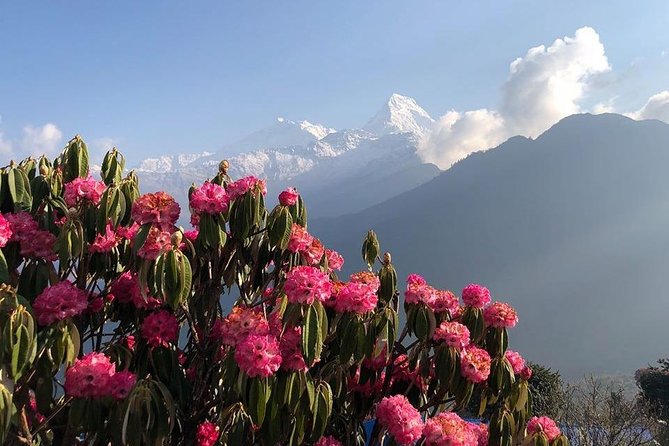
This trek is built around a simple idea: get above the fog and low clouds and look at the big names of the Annapurna region at sunrise. You’re not spending a week walking toward a single mountain peak for hours on end. Instead, you’re hiking a manageable route and timing it for the best light of the day.
What makes it work for most people is the pacing. The days are clearly structured—morning transport, then hiking, then time at villages. Even if you’re not chasing athletic mileage, you’ll still feel the climb in your legs on uphill sections like the walk toward Ulleri and the early climb to Poon Hill.
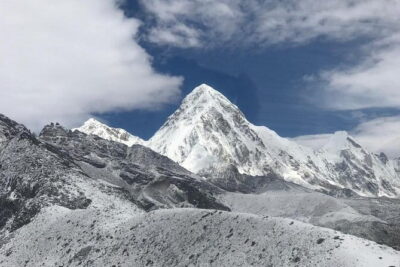
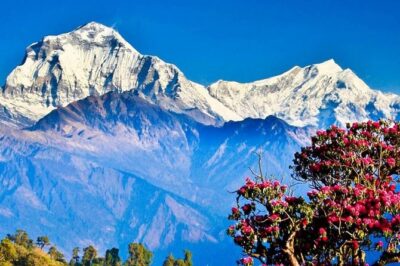
And then there’s the payoff. From Poon Hill, the views can include Mt. Dhaulagiri (8,167 m), Mt. Manaslu (8,163 m), and the Annapurna range including Annapurna I and Annapurna South, plus Gangapurna and Annapurna III. You also get the famous Machhapuchare (Fish-tail) silhouette at 6,790 m mentioned on the route, which is a special kind of landmark in Nepal.
Getting there: Kathmandu, pickup, and the drive to the trail
This trek is based around Kathmandu, and you can have pickup offered. The meeting time listed is 1:15 pm, which matters because it shapes how your first day feels. It’s not a “start at dawn” situation; you’re moving toward the trail and meeting the team first.
On Day 1, you get a two-hour drive past towns and villages with views of the Annapurna mountain range and Machhapuchare. Then you reach Nayapul (new bridge), which is where the trek logic clicks into place: you’ve arrived, the scenery is already rolling out, and now you just start walking.
Practical tip: plan for a “sitting day” before the first hike. If you’re the type who needs to stretch every hour, bring a little patience and a simple routine. The first walking day feels easier when you’re not fighting a stiff body.
Day 1: Ulleri village and your first big Himalayan impressions
Day 1 centers on reaching the Ulleri area after that scenic drive. Ulleri is your first notable stop, and it’s a useful one because it helps you settle into the rhythm of village hiking without immediately going full grind.
Expect two things right away. First, you’ll get early glimpses of the Annapurna range and Machhapuchare as the route reveals itself from lower elevations. Second, you’ll feel the trek shift from transport-time views to walking-time views—when you can stop whenever you want and the perspective keeps changing.
If you’re sensitive to long uphill stretches, Ulleri on Day 1 is still a good anchor. You’re not pushing for a sunrise summit yet. You’re just building acclimation through steady effort and getting comfortable with the day’s pace.
Day 2: Uphill to Ulleri, then greener forest walking
Day 2 starts with a walk uphill for about two hours all the way to Ulleri village, with views called out including Annapurna South and Machhapuchare. That’s the kind of leg day you can measure. You can plan snacks, water breaks, and breath control because you know you’re working for a clear chunk of time.
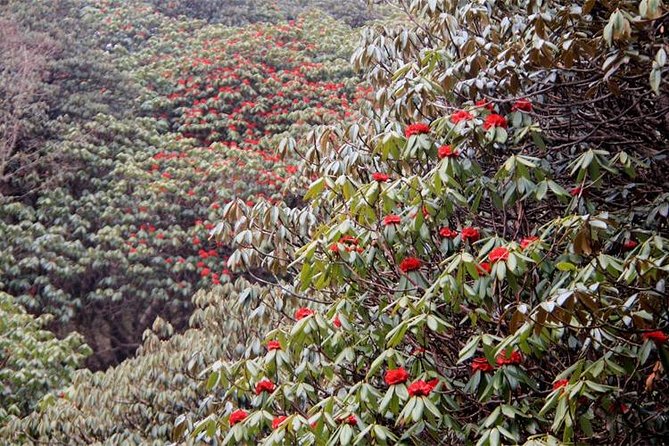
From Ulleri, the hike gets better on the trail past Bhanthati and continues through an alpine forest. This is where the trek becomes more pleasant than “achievement mode.” Forest sections help cool you down and give your mind something other than altitude to track.
What I like about this day is the balance. You get effort, but you also get relief from direct sun. When you choose gear for a trek like this, Day 2 is the day to think about sweat management and layers, because forest shade and mountain air can feel very different within hours.
Day 3: The Poon Hill sunrise climb and the peak-view checklist
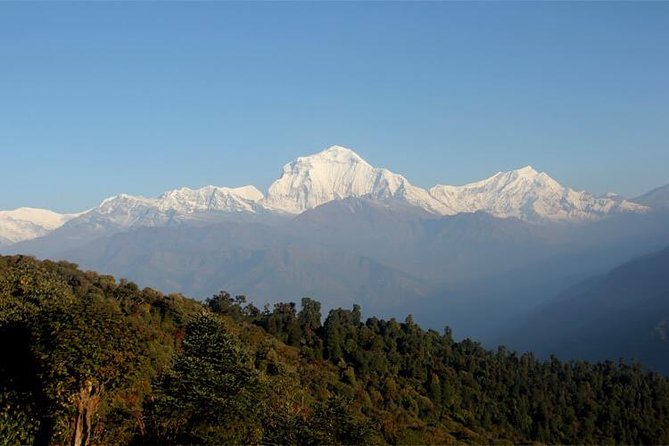
Day 3 is the reason most people sign up. You do an early morning hike to Poon Hill at 3,210 m for sunrise views. This isn’t a small viewpoint either; the route description lists a wide spread of mountains you can potentially see, including:
- Mt. Dhaulagiri
- Mt. Manaslu
- Annapurna peaks, including Annapurna I and Annapurna South
- Gangapurna and Annapurna III
- Ganesh Himal
- Machhapuchare (Fish-tail)
This is also why the early start matters. Sunrise hikes can feel like a penalty when you want comfort, but the trade-off is that you get a rare show: changing light, sharp silhouettes, and a view that can feel bigger than photos.
Reality check: sunrise depends on weather. If clouds roll in, the mountain names may blur into the background. That’s the one thing you can’t control. The best you can do is be ready to move early and not argue with cold air.
After sunrise, you’ll continue onward on the trek route your guide sets for the rest of the day, before you reach your next overnight area.
Day 4: Downhill into Ghandruk for Gurung village life
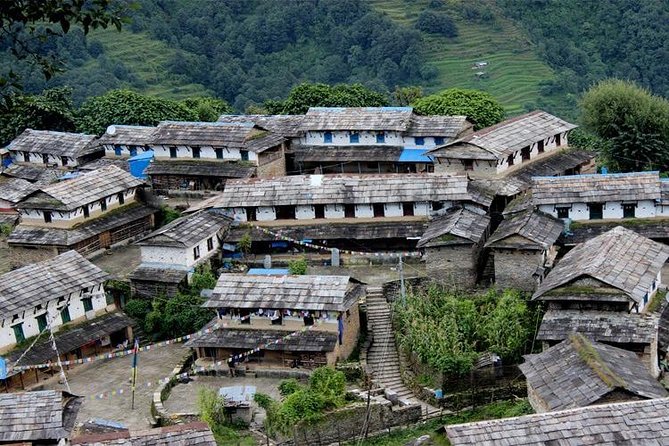
The final day starts with a morning downhill walk into the forest to reach Ghandruk, a large village populated by the Gurung community. This shift—from hiking focus to village focus—is exactly what makes a shorter trek satisfying. You get to earn your arrival without spending the whole last day staring at switchbacks.
You’ll reach Ghandruk for lunch and an overnight stop, with the afternoon listed as free time to explore the village. This is your chance to slow down. You’re not trying to hit a viewpoint. You’re just absorbing the place at a human walking pace.
Practical note: downhill always works your body in a different way than uphill. Your quads can feel it, especially if you step fast. Go steady, keep your footing sure, and use trekking poles if you have them.
What’s included for the $399.67 price (and why it can be good value)
The listed price is $399.67 per person, and it includes a lot of the costs that usually surprise people on short Nepal treks.
Here’s what you should count as real value:
- Permits and guidance: an Annapurna Conservation Area Project permit and a government license holder mountain guide.
- Meals: 3 meals per day are described, with counts also listed for breakfast/lunch/dinner. Because the totals are spelled out in a somewhat mixed way, I’d treat it as: you should get fed on trek days, and you should ask your operator to confirm which specific meals happen on each day.
- Comfort upgrade: 3 night private attached bathroom accommodations throughout the trek. This is a big deal on a trek of this length.
- Transport: all ground transportation, including Pokhara – Nayapul – Ghandrunk – Pokhara.
- Tea included: 3 cups of tea during the trek (per day).
What’s not included is also important for budgeting:
- Tips for guide
- Travel insurance
- Porter fees: $20 per day
When I look at a price like this, I compare it to the hidden costs of piecing a trek together yourself: getting the permit, hiring a properly licensed guide, coordinating transport, and paying for lodging that isn’t just basic floor space. The private bathroom detail alone can tilt the value in your favor if you care about comfort after a long day.
Guides, private group time, and what good support looks like
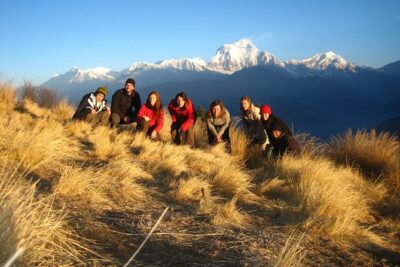
This is listed as a private tour/activity, so it’s only your group. That matters because it can change the whole trekking vibe: less waiting around for mismatched pacing, fewer awkward pauses, and a more straightforward day plan with your guide.
Also, guides show up in the real world in different ways. In local trekking experiences, I’ve noticed that the best guides are the ones who prevent problems before they start. Recent guide names connected with this trekking style include Anos, Indako Tamang, Surya Tamang, and Arbind. The themes around these guides are consistent: professional organization, careful attention to safety, and flexibility when people have different needs.
If you want a “first trek in Nepal” kind of experience, this setup can be a strong choice because you’re not navigating the trail decisions alone. You’ll have a licensed guide handling the route and the pacing, while you focus on enjoying the walk.
Teahouses, bathrooms, and the comfort question
One of the biggest practical questions people ask is what sleeping and hygiene actually looks like on a short trek. Here, the inclusion of private attached bathroom for your nights on trek is the standout comfort piece.
That doesn’t mean every teahouse will feel identical, because Nepal lodges can vary. But it does mean you’re paying for a trek package that treats comfort as part of the experience, not just an afterthought. After a cold morning climb to Poon Hill, you’ll appreciate having a private place to freshen up.
Tea breaks also matter more than they sound. Three cups of tea per day gives you scheduled warm-up time, which helps you keep moving instead of freezing through the afternoon.
Who this trek suits best (and who should think twice)
This trek is listed for most travelers, and it fits people who want a Himalayan experience without committing to a longer, tougher expedition. You also get village-to-village walking: Ulleri, Bhanthati, the forest sections, and then Ghandruk.
You should think twice if you know you struggle with early mornings. Day 3 is built around sunrise, and that means waking up when your body would rather keep sleeping. If you’re okay with early starts and steady walking, you’ll likely enjoy the rhythm.
It also fits families and solo hikers who want a guided structure. The key is not speed. It’s stamina and willingness to walk uphill and downhill without treating it like a race.
Small extras to budget for (so you’re not surprised)
Two things can add to the listed price:
- Porter fees: $20 per day (if you decide you want one)
- Tips for the guide
The trek also notes travel insurance as not included. Even for a short trek, I strongly recommend you have coverage that fits hiking in Nepal.
If you’re packing light, you might not need a porter. But if you’re sensitive to weight, or you just don’t want to think about your pack once the hike starts, a porter can be worth it for your legs and your mood.
Should you book the Ghorepani Poon Hill trek?
I’d book this trek if you want:
- A short itinerary that still delivers major Himalayan viewpoints, especially Poon Hill sunrise
- A village-focused hike that ends in Ghandruk and not just a return-to-start situation
- Comfort for the nights, especially private attached bathrooms
- A guided, private-group experience with a licensed guide and included permits
I would hesitate only if early mornings will ruin your week or if you’re the type who needs guaranteed clear skies. Sunrise is the goal, but weather can interfere.
If that trade-off is okay for you, this is one of the most practical ways to experience the Annapurna region without turning the trip into a month-long project.
FAQ
How long is the Ghorepani Poon Hill Trek?
The duration is listed as 4 days (approx.).
What is the meeting/start time?
The meeting/start time is 1:15 pm.
What is included in the trek price?
Included items are 3 meals during the trek (breakfast, lunch, dinner), the Annapurna Conservation Area Project permit, a government licensed mountain guide, private attached bathrooms for 3 nights, 3 cups of tea per day, and all ground transportation between Pokhara, Nayapul, Ghandrunk, and back to Pokhara.
What is not included?
Not included are tips for the guide, travel insurance, and porter fees ($20 per day).
Are private tours available?
Yes. This is listed as a private tour/activity, meaning only your group participates.
What is the cancellation policy?
Cancellation is free if you cancel at least 24 hours in advance for a full refund. If you cancel less than 24 hours before, the amount you paid is not refunded.
More Trekking Out of Kathmandu
More Tour Reviews in Kathmandu
Just Reviewed in Kathmandu
- Mountain Bike Tour
★ 5.0 · 3 reviews - Annapurna Panaroma
★ 5.0 · 3 reviews - Mount Everest Scenic Flight 50 Minutes
★ 5.0 · 3 reviews - Kathmandu : Swambhunath & Durbar Square Guided Half Day Tour
★ 3.3 · 3 reviews - Chandragiri Cable Car & Monkey Temple Tour – Private/Group
★ 5.0 · 3 reviews - Kathmandu: Shivapuri National Park Hiking Day Trip
★ 3.3 · 3 reviews
Poon Hill & Ghorepani Treks, compared.
 ★ 5.04 Days Poon Hill TrekFrom $40594 reviews
 ★ 5.0Ghorepani(Poonhill Trek)From $60081 reviews
 ★ 5.04-day Poon Hill TrekFrom $40074 reviews
 ★ 5.0Ghorepani Poon Hill TrekFrom $70046 reviews
 ★ 5.0Poon Hill TrekFrom $1,17242 reviews
 ★ 5.0Poonhill TrekFrom $60033 reviews
 ★ 5.0Poon Hill Trek packageFrom $40527 reviews
 ★ 5.0Ghorepani Poon Hill Sunrise TrekFrom $79921 reviews
Browse the lists this tour appears in