
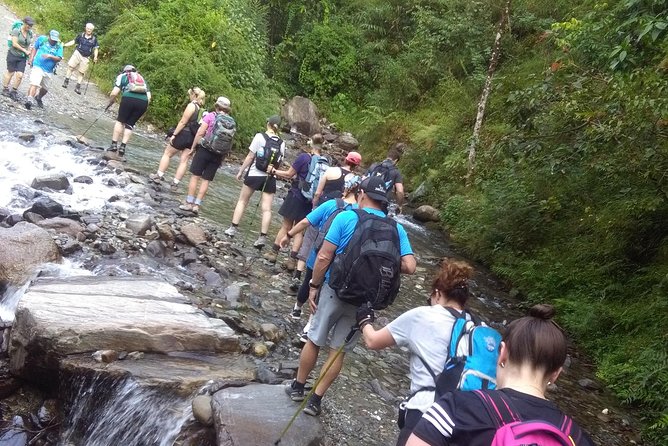
Review · POON HILL & GHOREPANI TREKS
Ghorepani(Poonhill Trek)
A short trek, big-name views, and zero group-stress. This private Ghorepani (Poonhill) trek in Nepal is built for travelers who want the classic Annapurna scenery without spending weeks planning logistics or worrying about keeping up. You get pickup in Kathmandu, a guide and porter for safety and comfort, plus meals and nightly stays.
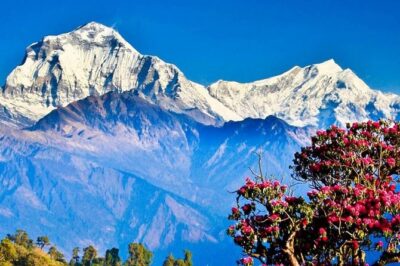
Two things I especially like about this setup: first, the trek is private, so you hike at your pace instead of pacing someone else’s schedule. Second, you get the key visual moments—Annapurna Range views, Mt. Dhaulagiri and Mt. Fishtail viewpoints, and the famous early-morning Poon Hill sunrise angle.
The main thing to consider is weather. This experience needs good conditions to deliver the views, so cloud cover (or poor weather) can affect what you see—even with a well-run plan.
In This Review
- Quick Take: What You’ll Actually Notice on the Trail
- A 5-Day Private Ghorepani (Poonhill) Trek That Trades Stress for Views
- Getting There: Kathmandu Start and the Kathmandu-to-Pokhara Finish
- Day 1 Kathmandu: Private Day Tour to Set Your Trek Up
- Day 2 Ghorepani: Arrival Day and the Mountain Range Payoff
- Day 3 Poon Hill Marga: Sunrise Views That Justify the Early Start
- Day 4 Ghandruk: Mt. Fishtail and a Gurung Settlement Moment
- Day 5 Pokhara: Finish in the Lake City and Let Your Legs Recover
- Price and Logistics: What $600 Covers (and What It Doesn’t)
- Comfort, Safety, and the Pace: Why the Guide-Plus-Porter Setup Works
- What to Pack for Cold Mornings and Village Walking
- Who Should Book This Ghorepani Poonhill Trek (and Who Might Skip It)
- Should You Book? My Practical Recommendation
- FAQ
- How long is the Ghorepani (Poonhill) trek?
- Is this trek private or shared?
- What start time and meeting point are used in Kathmandu?
- What meals are included during the trek?
- Does the trip include a guide and porter?
- What’s the highest altitude on this trek?
- What’s included in the price?
- What’s not included?
- What happens if the weather is poor?
Quick Take: What You’ll Actually Notice on the Trail
- Private for your group: You set the rhythm, and your guide (like Prabin) can adjust if your pace or timing changes.
- Sunrise at Poon Hill: The Poon Hill viewpoint morning is the showpiece moment of the whole trip.
- Ghorepani base, not high-altitude hardship: The max elevation mentioned is about 2540m at Ghorepani, which keeps this trek in a more beginner-friendly altitude range.
- Ghandruk village day: You get Mt. Fishtail sightlines and a taste of a Gurung settlement.
- Included meals and lodging: Breakfasts, lunches, and dinners are covered during the trek days, so you’re not hunting food after every leg.
- Comfort-minded logistics: Round-trip-style transport links Kathmandu and Pokhara, with hotel pickup/drop-off included.
More trails out of Kathmandu, boots ready
- Everest Base Camp Trek – 14 Days★ 5.0 · 1,499 reviews
- Everest Base Camp Trek★ 5.0 · 842 reviews
- Everest Base Camp Trekking★ 5.0 · 485 reviews
- Nagarkot Sunrise View and Day Hiking from Kathmandu★ 5.0 · 471 reviews
A 5-Day Private Ghorepani (Poonhill) Trek That Trades Stress for Views
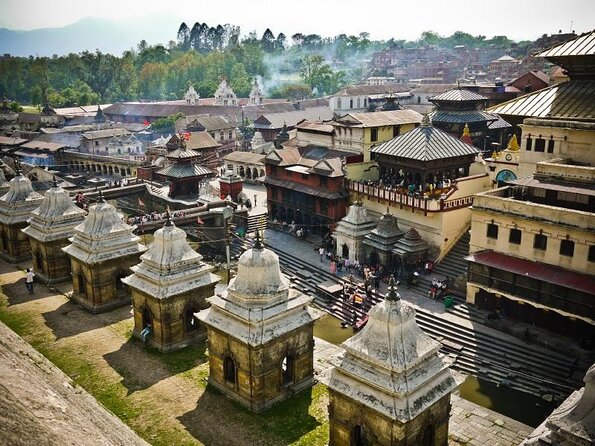
If you want Annapurna scenery but only have about a week, the Ghorepani Poonhill route makes a lot of sense. You’re not committing to a long, complicated trekking circuit. Instead, you’re focused on a compact experience: village walking, mountain viewpoints, and at least one early-morning push for sunrise.
Because it’s private, you should feel more relaxed from day one. You’re not negotiating with a group of strangers about when to stop, how fast to climb, or when you’re ready for photos. Your guide and porter also reduce friction: the porter handles the heavy stuff, while you focus on footing, breath, and enjoyment.
This is also a trek where “comfort” doesn’t mean “no effort.” You still hike. But the structure helps. The included lodging and meals matter because trekking runs on simple needs: warm food, a dry place to sleep, and consistent daily planning.
Getting There: Kathmandu Start and the Kathmandu-to-Pokhara Finish
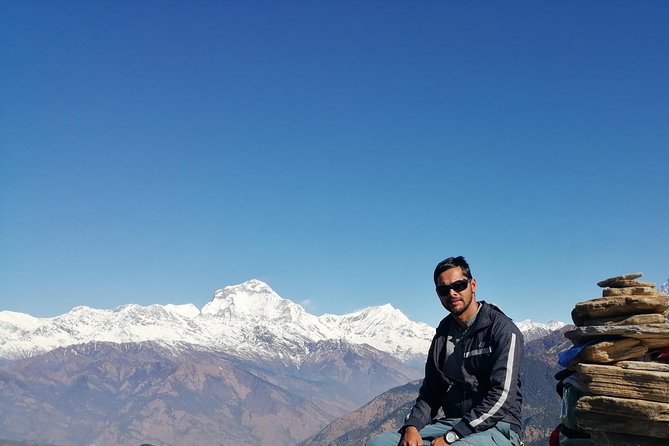
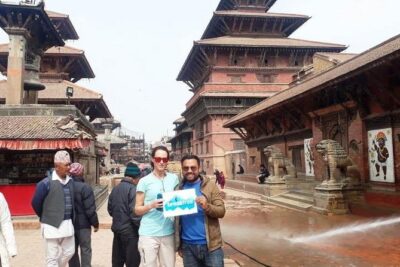
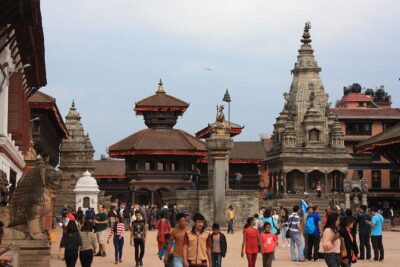
This trek is routed as part of a classic Nepal flow. It starts at Tribhuvan Airport in Kathmandu at 8:00 am, with hotel pickup/drop-off included. Day 1 includes a private Kathmandu day tour, which is a smart buffer if you’re arriving and want to get oriented without jumping straight onto the trail exhausted.
Then, rather than ending with you stuck in the middle of nowhere, Day 5 finishes in Pokhara, described as the lake city and a major tourist base. In real terms, that means you’re likely to spend less time transferring and more time resting—useful if you’re coming off a few days of hiking.
One small operational thing to keep in mind: confirmation is received within 48 hours of booking (subject to availability). If you’re traveling around Nepal in tight windows, plan for that timing so you aren’t scrambling right before departure.
Day 1 Kathmandu: Private Day Tour to Set Your Trek Up
Day 1 is not a long travel day on the trail. It’s about settling in and getting ready—exactly what you want after a flight. The tour includes a private Kathmandu day tour component, and hotel pickup/drop-off is part of the package.
This is also the day where you can make sure everything is aligned for trekking:
- Your food preference is handled (veg or non-veg are offered).
- You’re prompted to come equipped with a warm jacket, trousers, T-shirt, and comfortable clothing.
- You’ll want to ensure your passport details are ready ahead of time, since passport information (name, number, expiry, country) and a photo copy are required at booking.
Why this matters: if you arrive cold, hungry, or unprepared, you’ll feel it immediately on the walk. A strong Day 1 setup pays off later.
Day 2 Ghorepani: Arrival Day and the Mountain Range Payoff
On Day 2, you arrive in Ghorepani. This is the “settle in and start seeing the payoff” day. The plan includes time to take in magnificent views of the mountain range.
Altitude-wise, this is one of the reassuring aspects of this trek. The route’s maximum elevation is mentioned as about 2540m at Ghorepani. That doesn’t mean it’s effortless, but it generally keeps you away from the more intense altitude challenges that appear on some higher Annapurna itineraries.
What you’ll likely feel on this day is the difference between Kathmandu city life and mountain air. You’ll have clearer sightlines, cooler temperatures, and a different rhythm—more pauses, more looking up, more “okay, that’s real” moments.
A practical consideration: even though this is a relatively short trek, Day 2 is still a walking day. If you’re prone to sore knees, bring supportive footwear and be ready for uneven trail footing.
Day 3 Poon Hill Marga: Sunrise Views That Justify the Early Start
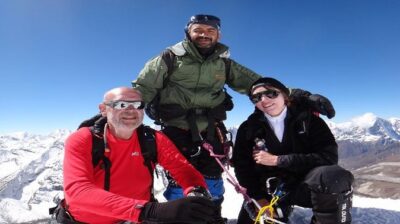
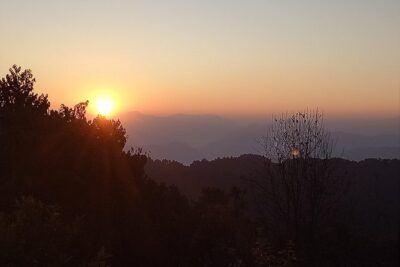
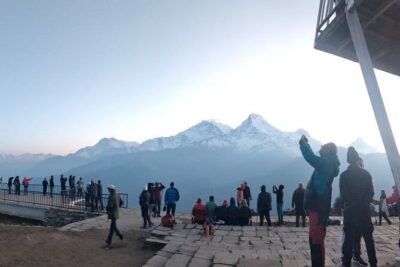
Day 3 is the moment most people book Poonhill for. You head toward Poon Hill Marga for an overview of the mountains and sunrise.
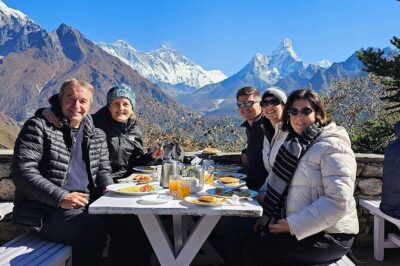
Even if you’ve seen photos, the actual experience tends to hit differently. Sunrise here isn’t only about the sun. It’s about layers—range after range catching light as you look outward. If the weather cooperates, you’ll get a strong sense of scale across the Annapurna region.
This is also the kind of day where your guide’s approach matters. In the feedback I see patterns that your guide can be flexible and patient—people specifically highlight guide Prabin as professional and supportive. That matters because sunrise days can be emotionally intense: everyone’s tired, it’s cold, and timing matters. If your guide helps you move with calm and clarity, you’ll enjoy the viewpoint more and stress less.
Practical tip: sunrise treks are cold treks. Wear layers you can manage without fiddling too much. You want warmth and function, not a wardrobe malfunction.
Day 4 Ghandruk: Mt. Fishtail and a Gurung Settlement Moment
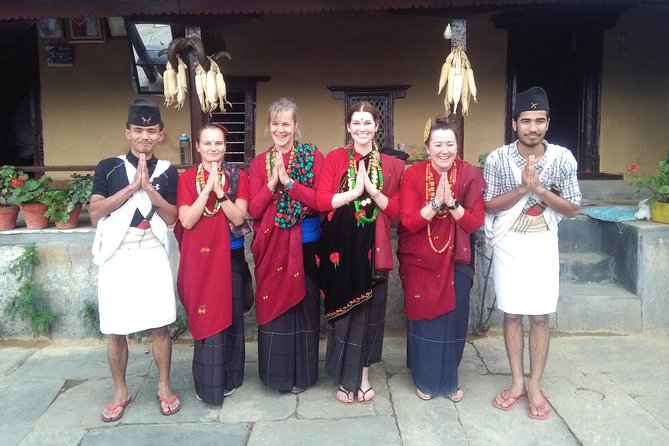
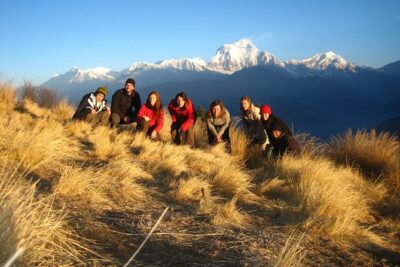
Day 4 takes you to Ghandruk. This stop is described as a day where you see Mt. Fishtail and the Gurung settlement.
This is where the trek shifts slightly from pure viewpoint chasing to place and people. You’re still out for mountain views, but the village component gives your trip a sense of context. Ghandruk is known for its settled feel, and even without being in a museum, you’ll notice how life is organized around the terrain.
From a travel-experience standpoint, I like this day because it avoids turning the entire trek into a string of photo moments. It adds texture: settlement life, trail conversation, and the quiet realism of a community that lives with these peaks every day.
A practical consideration: village days can mean more stops and uneven paths. If you’re traveling with anyone who’s not a confident hiker, this is the day to slow down and let the porter-guided support do its job.
Day 5 Pokhara: Finish in the Lake City and Let Your Legs Recover
Day 5 ends in Pokhara, labeled as the lake city. This is a classic finish for good reason. After several days of trekking, you want a place where you can decompress without immediately re-entering “transport mode.”
Pokhara is a natural place to recover and reassess what you loved. You’ll likely feel the difference between being in motion on foot and being back in a town with options for food, warmth, and downtime.
This day also feels like a clean ending to the storyline:
- Kathmandu: orientation and ramp-up
- Trail: Ghorepani base and sunrise viewpoint
- Ghandruk: settlement plus Mt. Fishtail energy
- Pokhara: rest and reset
If you’re the type who likes a finish that doesn’t drag, this works.
Price and Logistics: What $600 Covers (and What It Doesn’t)
At $600 for a private roughly 5-day trek, you’re paying for the practical “removal of stress.” This package includes:
- Accommodation through the nights on the trek
- Meals during the trek (breakfasts, lunches, dinners listed)
- A trekking guide and porter
- Guide and porter meals plus guide/porter insurance
- National park fees, environmental management charge, fuel surcharge, and local taxes
- Hotel pickup and drop-off
- Transportation elements connecting Kathmandu and the end in Pokhara
That’s the value story: you’re not just buying a route on a map. You’re buying logistics—lodging, meals, local fees, and staff who know the terrain and handle the daily rhythm.
What’s not included is also clear. You’ll likely budget for:
- Alcoholic drinks and other drinks (available to purchase)
- Tips
- Personal expenses
- Medicine
- Personal travel insurance
Here’s the balanced reality: if you’re already fully set up to trek independently (and comfortable with planning), you could find cheaper options. But for a lot of people, private with a guide and porter is the point. It turns trekking into a shared experience instead of a problem to solve.
Comfort, Safety, and the Pace: Why the Guide-Plus-Porter Setup Works
A guide and porter aren’t just “nice to have.” On this type of trek, they change how the day feels.
A guide helps with:
- route knowledge and timing
- keeping the pace reasonable
- navigating the small moments that become big when you’re tired (finding the best viewpoints, managing transitions)
A porter helps with:
- carrying the heavy pack so you can hike with less strain
- maintaining energy for the scenic parts (especially sunrise day)
One specific name comes up in the feedback: porter Sabin and guide Prabin. People highlight how friendly and helpful they were, plus the ability to accommodate itinerary changes without drama. That’s exactly what you want in a trek—flexibility when something shifts (weather, timing, your body).
And because this is a private trek, “flexible” doesn’t mean you’re constantly negotiating. It means you’re not stuck following a group’s pace if you’re tired or if the timing needs adjustment.
What to Pack for Cold Mornings and Village Walking
The essentials are already hinted at in the requirements, and they’re right on target:
- Warm jacket
- Trousers
- T-shirt
- Comfortable dress/clothing suitable for hiking
Add to that from your own common sense:
- comfortable hiking shoes (the trail is rarely a smooth carpet)
- layers for sunrise cold
- a daypack you can wear all morning without fighting straps
Also, bring whatever personal meds you rely on. Medicine isn’t included, and personal insurance isn’t included.
Who Should Book This Ghorepani Poonhill Trek (and Who Might Skip It)
This trek is a strong fit if you:
- have limited time and want the Annapurna highlights in about 5 days
- prefer private hiking over group logistics
- want sunrise and viewpoint moments without a high-altitude grind
- appreciate an organized plan that includes lodging and meals
You might consider a different style or different route if you:
- want a longer trekking arc with bigger daily mileage
- love total independence and are comfortable planning everything yourself
- are traveling during a period where weather is unpredictable for you (since this is weather-dependent)
Should You Book? My Practical Recommendation
If your goal is a classic Annapurna experience—Poon Hill sunrise, mountain panorama days, and a village-feeling stop at Ghandruk—this private Ghorepani Poonhill trek is a smart buy. The combination of guide + porter, included lodging and meals, and built-in Kathmandu and Pokhara connection makes it feel like the trip was designed for humans, not spreadsheets.
I’d book it if you value comfort, predictability, and great scenery within a short timeframe. I’d pause if your schedule is ultra-tight and weather would be a dealbreaker—because good conditions matter here.
The service track record is also strong: the experience shows a 4.9 rating with 81 reviews and a 100% recommendation rate in the provided summary, and names like Prabin and Sabin show up with positive energy tied to patience and support. That’s not just fluff; those are the exact qualities that make a sunrise morning and a village day feel good instead of stressful.
FAQ
How long is the Ghorepani (Poonhill) trek?
It’s listed as about 5 days.
Is this trek private or shared?
It’s a private tour/activity, so only your group participates.
What start time and meeting point are used in Kathmandu?
The start is at Tribhuvan Airport, Kathmandu at 8:00 am.
What meals are included during the trek?
Breakfast (5), lunch (6), and dinner (5) are included.
Does the trip include a guide and porter?
Yes. A trekking guide and porter are included.
What’s the highest altitude on this trek?
The maximum elevation mentioned is about 2540m at Ghorepani (Ghore).
What’s included in the price?
Accommodation per the itinerary, national park fees and environmental management charge, guide/porter support (including their meals and insurance), and hotel pickup/drop-off are included.
What’s not included?
Alcoholic drinks and other drinks, tips, personal expenses, medicine, and personal insurance are not included.
What happens if the weather is poor?
The experience requires good weather. If it’s canceled due to poor weather, you’ll be offered a different date or a full refund.
More Trekking Out of Kathmandu
More Tour Reviews in Kathmandu
Just Reviewed in Kathmandu
- Mountain Bike Tour
★ 5.0 · 3 reviews - Annapurna Panaroma
★ 5.0 · 3 reviews - Mount Everest Scenic Flight 50 Minutes
★ 5.0 · 3 reviews - Kathmandu : Swambhunath & Durbar Square Guided Half Day Tour
★ 3.3 · 3 reviews - Chandragiri Cable Car & Monkey Temple Tour – Private/Group
★ 5.0 · 3 reviews - Kathmandu: Shivapuri National Park Hiking Day Trip
★ 3.3 · 3 reviews
Poon Hill & Ghorepani Treks, compared.
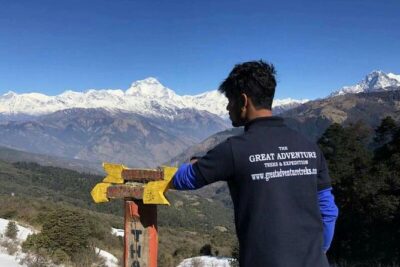 ★ 5.04 Days Poon Hill TrekFrom $40594 reviews
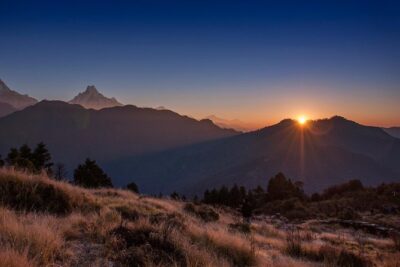 ★ 5.04-day Poon Hill TrekFrom $40074 reviews
 ★ 5.0Ghorepani Poon Hill TrekFrom $39961 reviews
★ 5.0Ghorepani Poon Hill TrekFrom $70046 reviews
★ 5.0Ghorepani Poon Hill TrekFrom $39961 reviews
★ 5.0Ghorepani Poon Hill TrekFrom $70046 reviews
 ★ 5.0Poon Hill TrekFrom $1,17242 reviews
 ★ 5.0Poonhill TrekFrom $60033 reviews
 ★ 5.0Poon Hill Trek packageFrom $40527 reviews
 ★ 5.0Ghorepani Poon Hill Sunrise TrekFrom $79921 reviews
Browse the lists this tour appears in