
Review · POON HILL & GHOREPANI TREKS
Poonhill Trek
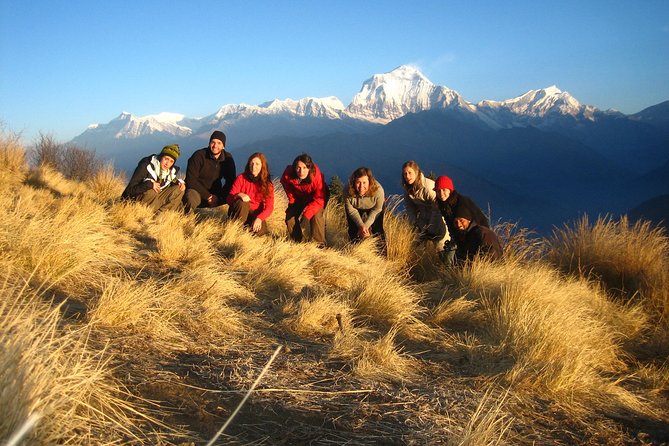
Big mountain views in only a week. This 7-day Poon Hill trek keeps the magic of the Annapurna sunrise without demanding a weeks-long commitment. You’ll also work in hot springs, village trails, and that steady feeling of gaining altitude a bit at a time.
What I like most is how much the logistics get handled for you. Permits and national park fees are included, you get a professional guide, and the tour rolls in accommodation and most meals so you’re not constantly negotiating costs at each stop.
The one real consideration is the hiking isn’t a stroll. There are steep climbs and, on the day into Ulleri, a tough ascent that can feel like endless steps if you’re not used to uphill trekking.
In This Review
- Quick hits: why this Poon Hill trek is a smart pick
- Why Poon Hill works in 7 days
- Route overview: Kathmandu to Pokhara and into the Annapurna foothills
- Day-by-day: from Ulleri steps to Hot Spring recovery
- Day 1: Kathmandu to Pokhara, then an easy landing
- Day 2: Nayapool to Ulleri via Birethani, Hille, Tikhedhunga
- Day 3: Ulleri to Ghorepani through rhododendron and oak forests
- Day 4: Poon Hill viewpoint day, then on to Deurali and Tadapani
- Day 5: Tadapani to Gurjung, then Hot Spring
- Day 6: From the hot springs area back down to Modi Khola and Birethanti
- Day 7: Pokhara back to Kathmandu, with a farewell dinner
- Poon Hill viewpoint: what makes it worth the early effort
- Teahouses, meals, and the comfort you should expect
- Guide quality and small-group pace that actually matters
- Price and value: what the $600 really buys
- Who this trek suits best (and who should take it slow)
- Should you book this Poon Hill trek?
- FAQ
- How long is the Poon Hill trek?
- Where does the tour start and when?
- Do I need permits for the trek, and are they included?
- What meals are included in the price?
- Is pickup in Kathmandu included?
- How big is the group?
- Can I get a full refund if I cancel?
Quick hits: why this Poon Hill trek is a smart pick
- Small group size (max 14): you move as a group but still get practical help and attention on the trail
- Poon Hill at 3,210m: a short summit push for huge panoramic payoff
- Rhododendron and oak forests: you walk through classic seasonal Nepal scenery, not only open viewpoints
- Hot springs day: after the hiking grind, you get a real recovery moment at Hot Spring
- Real village culture on the route: Magar in Ulleri, Gurung in Gurjung, plus teahouse stays along the way
- Multiple transport options: bus from Kathmandu to Pokhara or a ~30-minute flight option, if you choose it
More trails out of Kathmandu, boots ready
- Everest Base Camp Trek – 14 Days★ 5.0 · 1,499 reviews
- Everest Base Camp Trek★ 5.0 · 842 reviews
- Everest Base Camp Trekking★ 5.0 · 485 reviews
- Nagarkot Sunrise View and Day Hiking from Kathmandu★ 5.0 · 471 reviews
Why Poon Hill works in 7 days
Poon Hill is famous because it delivers close-up views of big-name peaks without the hardcore commitment of higher, longer treks. What makes this 7-day version stand out is the pacing. Instead of blasting through days too fast, you get enough time to adjust as you gain elevation and to enjoy how the route changes day by day.
I also like that the trek isn’t only about one photo. Yes, Poon Hill is the headline. But you also spend time moving through forests, crossing river sections, and threading through villages where your day-to-day life is a little different from what you’re used to.
And because this trek includes natural hot springs, it gives you a built-in recovery break. That matters when your legs are starting to negotiate with your quads.
Route overview: Kathmandu to Pokhara and into the Annapurna foothills
Your trip starts in Kathmandu at Green Nepal Tourism Pvt Ltd, Nikhil Marga, Mitranagar Marg, Kathmandu 44600, with a 6:30am start time. From there, the route runs through Pokhara first, because that’s the practical launchpad for the Annapurna region trails.
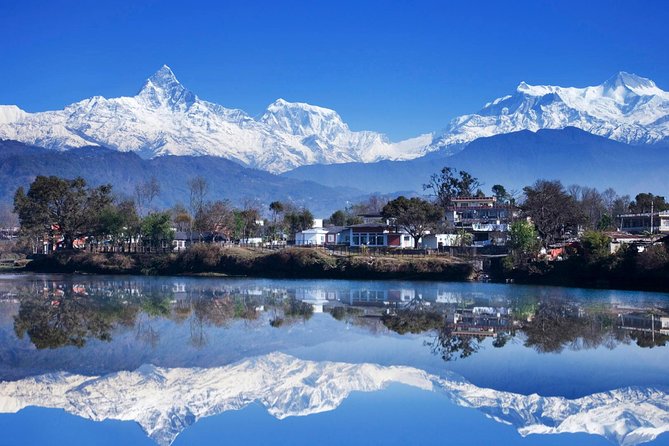
Day 1 is a big transfer day: a 200 km drive from Kathmandu to Pokhara (about six hours), with lunch along the way. If you’d rather save energy, there’s an option to fly the ~30-minute hop from Kathmandu to Pokhara. Once you arrive, Pokhara has that classic lakeside vibe and a good chance to reset before the hiking starts.
Then the trek properly begins from the Pokhara side, with a drive to Nayapool (about an hour) before you step onto the trail.
Day-by-day: from Ulleri steps to Hot Spring recovery
Here’s how the days actually feel on the ground, and what to watch for.
Day 1: Kathmandu to Pokhara, then an easy landing
You drive from Kathmandu to Pokhara and stop for lunch during the trip. If you take the flight, you’ll arrive faster and can spend more time simply walking around Pokhara before sleeping at a guesthouse.
Practical tip: use this day to get organized. Charge electronics, set up your daypack, and keep your layers ready. The next mornings are early starts in the mountains.
Day 2: Nayapool to Ulleri via Birethani, Hille, Tikhedhunga
From Nayapool, you start with a short walk along the Modi River to Birethani. Teahouses are common along this first stretch, so you don’t feel like you’re wandering in the unknown for hours.
Then you climb to Hille and Tikhedhunga. The serious part comes when the route pushes upward to Ulleri, a Magar village. This is described as a rather challenging ascent, and it’s the kind of climb that rewards steady foot placement more than speed.
What to expect: steep grades and lots of uphill effort. If you’ve got knee sensitivity, consider trekking poles and a slower cadence.
Day 3: Ulleri to Ghorepani through rhododendron and oak forests
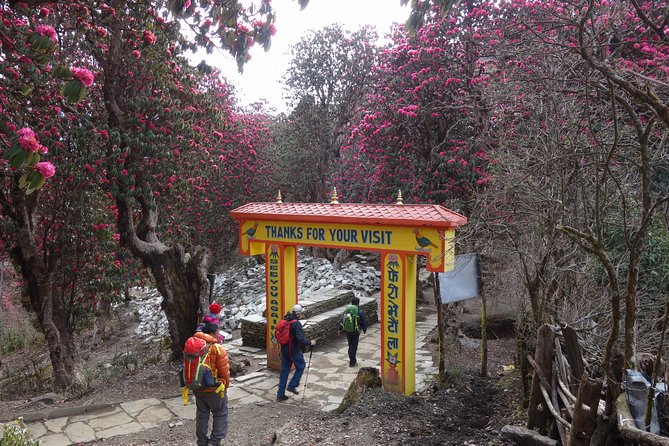
The trail from Ulleri shifts to a gentler ascent. You’ll pass through rhododendron and oak forests, then continue toward Banthanti before reaching Ghorepani.
Ghorepani is where the Poon Hill sunrise energy lives. You’ll sleep in a guesthouse here, which is practical because you’re close to the next day’s viewpoint climb.
This day is a nice setup day. You’re still working, but you’re not immediately hit with the toughest climbs all over again.
Day 4: Poon Hill viewpoint day, then on to Deurali and Tadapani
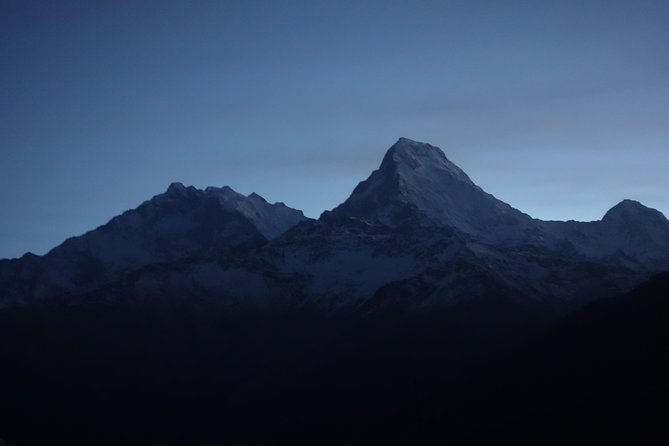
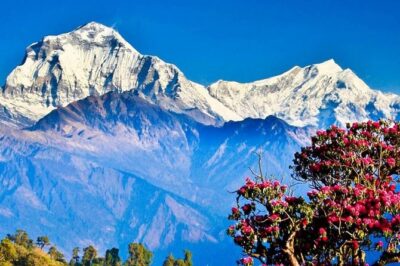
Today includes the Poon Hill payoff. You hike about 45 minutes to the viewpoint. Poon Hill sits at 3,210m, and it’s described as the best viewpoint along this trek—great for photos and panoramic mountain views.
After you return to Ghorepani for breakfast, you shift to trekking again. The route moves to Deurali with a steep, strenuous climb. From Deurali to Banthanti, the route is easier and goes through a jungle-style trail, where you may spot monkeys and Langurs.
From there, you head further down to Tadapani for the night. Tadapani is a solid “transition” stop because it sets you up for the river-and-hot-springs rhythm of the last part of the trek.
Day 5: Tadapani to Gurjung, then Hot Spring
After breakfast in Tadapani, you move down gradually through rhododendron forests. You cross the Kimsung River, then climb up to a Gurung village called Gurjung.
From Gurjung, you continue toward Hot Spring. This is the day’s main recovery moment, and it’s a big reason a 7-day trek feels more human than some shorter versions.
If your body is tired, this is where you’ll feel grateful the itinerary planned for a rest option rather than keeping you hiking every single day.
Day 6: From the hot springs area back down to Modi Khola and Birethanti
From Jhinu, you take the trail down to Modi Khola, with views of Fish Tail and the Annapurna range. Then you keep walking along the banks of Modi Khola until you reach Birethanti, near where you started the trek.
After that, it’s a short walk to the van for the transfer back to Pokhara. You’ll sleep in a hotel in Pokhara, which is a welcome comfort shift after guesthouse nights.
This day is about finishing strong. Don’t underestimate the downhill. Your quads may feel it even when your breathing isn’t as hard as earlier climbs.
Day 7: Pokhara back to Kathmandu, with a farewell dinner
You take a 6 to 7 hour bus ride from Pokhara to Kathmandu. The trip ends with a farewell dinner, then an overnight stay back in Kathmandu.
It’s a good final touch because it closes the loop socially. After days of early mornings and shared tea-house chats, you’ve usually got a small group rhythm going.
Poon Hill viewpoint: what makes it worth the early effort
Poon Hill is included as a short summit climb (about 45 minutes) from the area you’re staying in on the viewpoint morning. With 3,210m as the listed elevation, it’s not a summit-breathlessness marathon. It’s a focused hike that’s designed for a quick payoff.
This viewpoint is also positioned as the best along the route, which makes sense. You’re not just standing somewhere high. You’re walking there with the expectation of mountain panoramas that stretch across the Annapurna region.
My advice: plan your photo strategy the night before. Keep your camera, gloves or light layers, and headlamp accessible. When you’re in that pre-dawn mood, fumbling in a pack can turn a good moment into a comedy of errors.
Teahouses, meals, and the comfort you should expect
This trek includes accommodation and most meals. The listing data shows 5 breakfasts, 5 lunches, and 4 dinners included.
Guesthouses and teahouses on this route typically mean simple rooms, warm drinks, and meals you can get without hunting down menus from scratch every night. That’s part of the value here: you spend your energy on the trail, not on logistics.
That said, this is still a mountain trek, so plan for basic comfort. Pack a sleep layer and expect that shared spaces can get noisy at times, especially in popular stops like Ghorepani.
Guide quality and small-group pace that actually matters
This is a small-group tour with a maximum of 14 travelers, and the itinerary is set up for a guided experience with personalized attention. In practice, that matters for three things: pacing, navigation, and decision-making when conditions change.
Based on names that show up repeatedly in client feedback, the guides you might meet could include people like Krishna, Phurba, Kishore, Gopal, Rajan, Sushanta, Bhairas, and Yadu. You’re not just paying for someone who can point at trails. People praise guides for being attentive to comfort and well-being, and for explaining what you’re seeing as you walk through villages and forest sections.
If you want the trip to feel smoother, this is one of the key reasons to choose a guided small group here. You’ll feel less alone on the steeper sections, especially the Ulleri climb.
Price and value: what the $600 really buys
At $600 per person for about 7 days, this trek is priced like a full service package, not a bare-bones DIY option. The biggest value items included are:
- Accommodation and most meals
- Professional guide
- All necessary permits and national park fees
- Round-trip shared transfer (with option for pickup and drop-off in Kathmandu)
- Group discounts (if you’re joining a group that qualifies)
- Mobile ticket
What you should think about before booking is whether you’d otherwise pay separately for permits, a guide, and transfers. If you’re traveling from farther away and don’t want to coordinate multiple moving parts, the package nature is the point.
In other words: it’s not just that you’re paying to trek. You’re paying so you can trek without running around for paperwork and transportation.
Who this trek suits best (and who should take it slow)
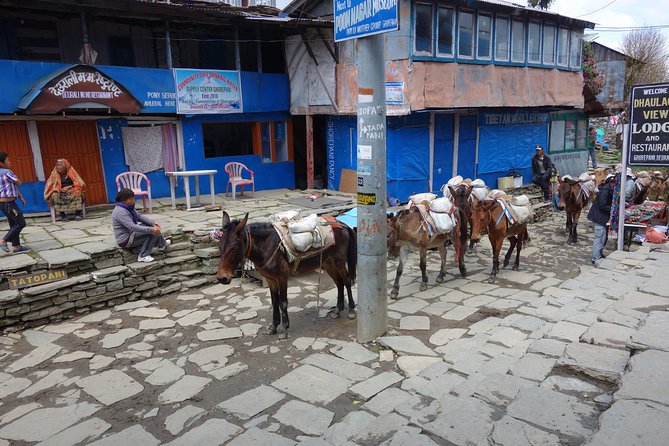
This trek is best suited to moderately fit travelers, with the caveat that there are steep ascents (notably the Ulleri section and the steep climb to Deurali). Most travelers can participate, but that doesn’t mean it’s effortless.
If you’re comfortable with uphill hiking and can manage stairs-like climbing, you’ll likely enjoy the route. If you get frustrated by constant elevation gain, you’ll want to slow your pace early and focus on form.
Family note: the feedback includes examples of people doing this with younger kids and teenagers, which suggests it can be flexible in who can join. Still, the itinerary includes challenging uphill segments, so your readiness should be based on your own stamina and comfort, not only on what others have done.
Should you book this Poon Hill trek?
I’d book it if you want classic Annapurna views, the Poon Hill viewpoint moment, and a route that feels like a real trek rather than a speed-run. The 7-day pacing, included hot springs, and the fact that permits and park fees are handled make it a solid value for most people.
I’d pause before booking if you know you struggle with steep climbs or if you want minimal hiking days and lots of downtime. This isn’t a couch-to-viewpoints experience. The Ulleri ascent and the later steep climb sections are real work.
If you do book, go in with a simple game plan: pack for early mornings, move steadily on uphill sections, and use hot springs on Day 5 like it’s part of your training recovery.
FAQ
How long is the Poon Hill trek?
The trek is listed as 7 days approximately, including time in Kathmandu and Pokhara.
Where does the tour start and when?
It starts at Green Nepal Tourism Pvt Ltd on Nikhil Marga, Mitranagar Marg, Kathmandu, at 6:30am.
Do I need permits for the trek, and are they included?
All necessary permits are included, and the tour also includes national park fees.
What meals are included in the price?
Breakfast is included for 5 days, lunch for 5 days, and dinner for 4 days. Accommodation is also included as per the itinerary.
Is pickup in Kathmandu included?
Hotel pickup and drop-off is included only if you select the pickup option. The tour also includes round-trip shared transfers.
How big is the group?
The group size is capped at a maximum of 14 travelers.
Can I get a full refund if I cancel?
Yes. Free cancellation is available up to 24 hours in advance for a full refund. If you cancel less than 24 hours before the experience starts, the amount paid is not refunded.
More Trekking Out of Kathmandu

More Tour Reviews in Kathmandu
Just Reviewed in Kathmandu
- Mountain Bike Tour
★ 5.0 · 3 reviews - Annapurna Panaroma
★ 5.0 · 3 reviews - Mount Everest Scenic Flight 50 Minutes
★ 5.0 · 3 reviews - Kathmandu : Swambhunath & Durbar Square Guided Half Day Tour
★ 3.3 · 3 reviews - Chandragiri Cable Car & Monkey Temple Tour – Private/Group
★ 5.0 · 3 reviews - Kathmandu: Shivapuri National Park Hiking Day Trip
★ 3.3 · 3 reviews
Poon Hill & Ghorepani Treks, compared.
 ★ 5.04 Days Poon Hill TrekFrom $40594 reviews
 ★ 5.0Ghorepani(Poonhill Trek)From $60081 reviews
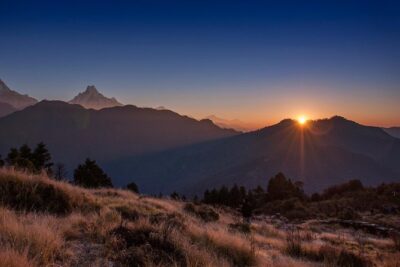 ★ 5.04-day Poon Hill TrekFrom $40074 reviews
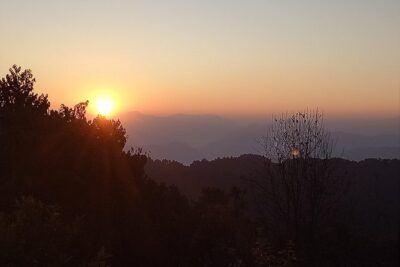 ★ 5.0Ghorepani Poon Hill TrekFrom $39961 reviews
★ 5.0Ghorepani Poon Hill TrekFrom $70046 reviews
★ 5.0Ghorepani Poon Hill TrekFrom $39961 reviews
★ 5.0Ghorepani Poon Hill TrekFrom $70046 reviews
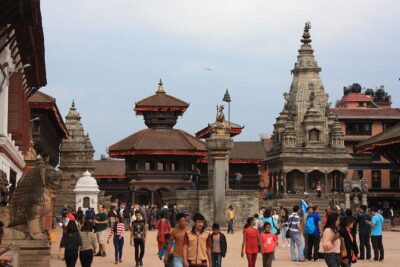 ★ 5.0Poon Hill TrekFrom $1,17242 reviews
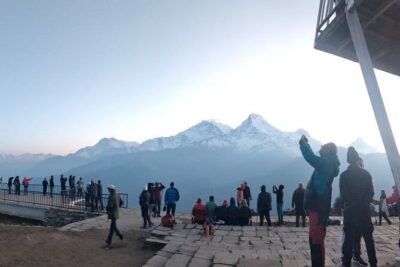 ★ 5.0Poon Hill Trek packageFrom $40527 reviews
 ★ 5.0Ghorepani Poon Hill Sunrise TrekFrom $79921 reviews
Browse the lists this tour appears in