
Review · POON HILL & GHOREPANI TREKS
Ghorepani Poon Hill Trek
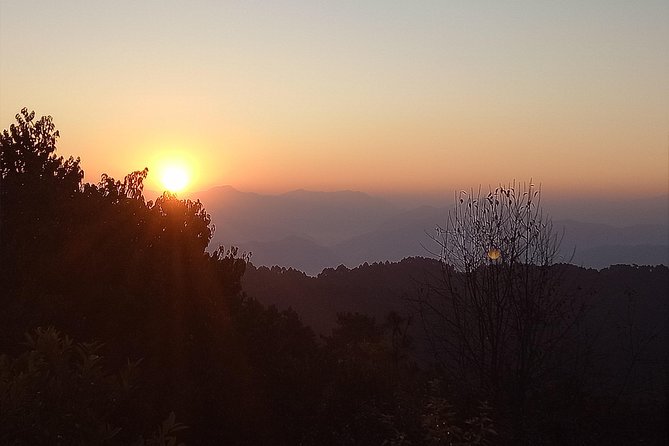
Sunrise over the Annapurnas, on a ten-day schedule. I like this plan because the trek runs with a small group (max 14) and strong guide and porter support, so the day-to-day feels manageable. I also love that you get the classic Poon Hill sunrise experience without signing up for weeks of high-altitude trekking. The one drawback: clouds or rain can steal the view, so you have to be ready for a less dramatic sunrise.
You’ll also get a real rhythm shift thanks to three nights in Kathmandu and two nights in Pokhara, plus a Kathmandu sightseeing day that covers major UNESCO World Heritage sites. The trekking itself moves through forests, farmland, and local villages, with rhododendron in the mix, so it feels like more than just “walk, climb, repeat.”
In This Review
- Key Highlights I’d Book For
- A Ten-Day Trek That Feels Like Nepal, Not a Checklist
- Kathmandu First: Easy Culture Credit Before You Hit the Trail
- The Kathmandu–Pokhara Shift: Tourist Bus, Big Relief
- From Nayapul to Tikhedunga: The Start That Sets the Pace
- Ghorepani and the Rhododendron Route: Forest, Farms, and Real Villages
- Poon Hill at Sunrise (3180m): The Big Moment, Weather Included
- Tadapani to Ghandruk: Where the Culture Turns the Volume Down
- Ghandruk Down to Nayapul and Back to Pokhara
- The Long Return: Pokhara to Kathmandu and Final Airport Transfer
- Guides, Porters, and the Stuff You Carry (and Don’t)
- Meals Included: What You Can Expect, and What You Should Budget
- Price and Value: Is $700 a Fair Deal?
- Who This Trek Suits Best
- Should You Book This Ghorepani Poon Hill Trek with Outfitter Nepal?
- FAQ
- Where is the meeting point and what time do we start?
- How big is the group for this trek?
- What kind of guide and porter support is included?
- What accommodations and meals are included?
- Do I need to bring my own sleeping bag and down jacket?
- Is travel insurance required?
Key Highlights I’d Book For
- Poon Hill sunrise over the Annapurna Himalaya, timed for early morning light
- Max 14 people with personalized attention and a porter setup (1 porter for 2 people)
- Village culture in Magar areas around Ghorepani and Gurung areas in Ghandruk
- Rhododendron forest walking on the route toward higher viewpoints
- Lodges/tea houses included so you can focus on hiking, not logistics
- Kathmandu + Pokhara recovery time between trekking days
More trails out of Kathmandu, boots ready
- Everest Base Camp Trek – 14 Days★ 5.0 · 1,499 reviews
- Everest Base Camp Trek★ 5.0 · 842 reviews
- Everest Base Camp Trekking★ 5.0 · 485 reviews
- Nagarkot Sunrise View and Day Hiking from Kathmandu★ 5.0 · 471 reviews
A Ten-Day Trek That Feels Like Nepal, Not a Checklist
This is one of those treks that fits real life. You get enough walking days to feel the effort, but the overall schedule stays short enough that you’re not spending your whole trip staring at your altimeter.
What makes it work is the structure: you start with Kathmandu to get oriented, then you move on to Pokhara as your base area, then you hike a classic loop toward Ghorepani and down through Ghandruk. You’re out in village life and forested paths, but you also have hotel nights built in so you’re not living in “rugged mode” nonstop.
For me, the best part is that this doesn’t pretend to be a full-on high-altitude expedition. It’s a manageable challenge that still delivers mountain drama, especially if sunrise conditions cooperate.
Kathmandu First: Easy Culture Credit Before You Hit the Trail
Day one is basically about landing and settling. You arrive at Tribhuvan Airport and transfer to your hotel, so you’re not scrambling for your bearings on zero sleep.
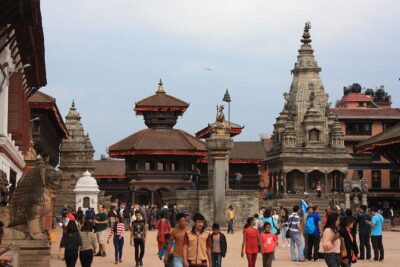
Then you get a full day of sightseeing in the Kathmandu Valley, including UNESCO World Heritage sites. If you care about more than scenery, this matters. Trekking is your main event, but Kathmandu is where you understand what you’re walking through—Nepal’s mix of religions, art, and city life. It also gives you a day to practice the local rhythm: bargaining for snacks, learning transit patterns, and figuring out how much walking you can handle without overdoing it.
One practical note: meals are included in the trek days, but lunch and dinner while you’re in Kathmandu are not included. So keep a little budget aside for your own restaurant choices after the sightseeing day.
The Kathmandu–Pokhara Shift: Tourist Bus, Big Relief
The drive from Kathmandu to Pokhara is about six hours, and it’s handled as ground transportation by tourist bus. You’ll also do a drive back later, so your trip includes two of these long stretches.
Why I like this approach: you don’t have to coordinate transport on your own, and Pokhara gives you a softer landing before the hiking starts. You can sleep in a proper hotel bed for a couple nights, eat regular meals, and treat the trek like the next chapter rather than an immediate jump into rougher conditions.
You also get two nights in Pokhara with breakfast included. That’s a nice reset when you’re doing a trek that includes early starts. Even if you don’t feel sore yet, you will later.
From Nayapul to Tikhedunga: The Start That Sets the Pace
On the trek day, you drive to Nayapul (around 1050m), then hike up to Tikhedunga (about 1577m). This day is set up for ramping your body into motion: enough climbing to wake up your legs, not so much that you feel wrecked before you even reach the main trekking villages.
You’ll feel the switch from road-based travel to foot travel fast. Expect stairs and steady effort. This is the day to keep your pace slow. If you go out too hard here, the later steep moments will feel tougher.
Ghorepani and the Rhododendron Route: Forest, Farms, and Real Villages
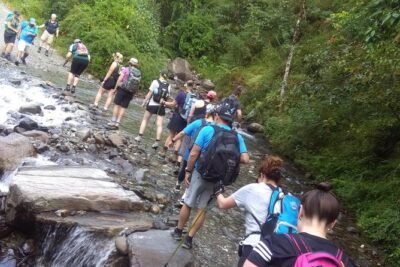
From Tikhedunga, you hike to Ghorepani (about 2675m). This is one of the longer effort days on the trek, around six hours, and it’s where the route begins to feel distinctly Himalayan: village paths, farmland edges, and forests that change character as you gain elevation.
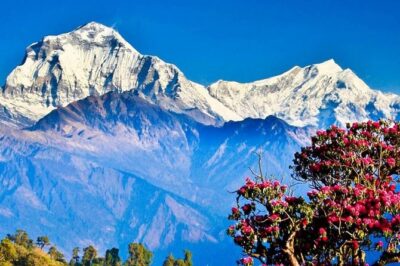
A standout on this part of the trail is the rhododendron forest walking. If you hit the right season, that kind of forest makes the climb feel like it’s moving through a living tunnel rather than just “up the mountain.”
Ghorepani itself is tied to Magar village life. In a trek this short, those cultural stops matter because they help you slow down. Instead of just tracking elevation, you notice greetings, small household scenes, and how people live alongside the trail.
You also sleep in included lodge/tea house accommodation on the trek days. That means the “what’s next?” question is answered for you—one less thing to manage once you’re tired.
Poon Hill at Sunrise (3180m): The Big Moment, Weather Included
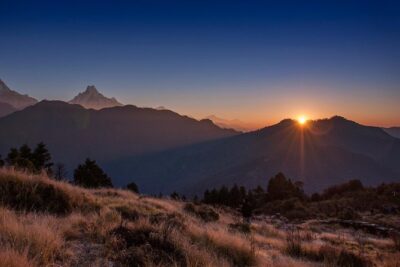
The Poon Hill day is the signature: you hike up to the viewpoint (around 3180m), then continue on to Tadapani (about 2675m). It’s about six hours in total, and it includes the early push for sunrise.
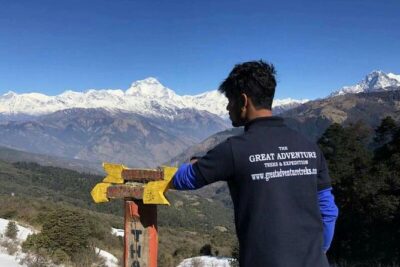
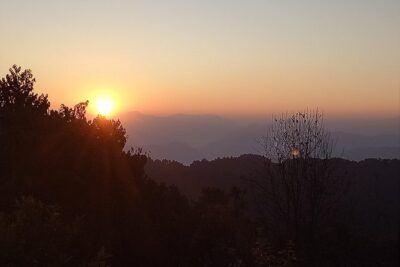
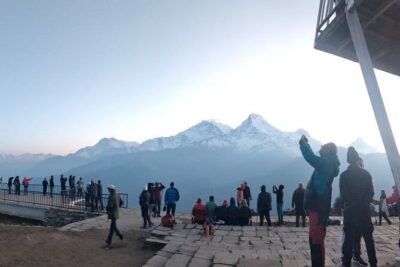
This is where the trek earns its reputation. On a clear morning, Poon Hill is the classic stage for views across the Annapurna region. But here’s the real-world thing I’d plan for: if weather turns cloudy or rainy, your view can be reduced or delayed by visibility. One of the strongest themes in the provided feedback is that guides take weather seriously and prioritize safety, especially when conditions shift.
I also like that this tour isn’t only about the viewpoint. After sunrise, you keep walking toward Tadapani. That prevents the trek from feeling like a one-hour event dressed up as a full hike.
Tadapani to Ghandruk: Where the Culture Turns the Volume Down
Next comes the shorter trek to Ghandruk (about 1950m), around three hours. This lower elevation shift can feel like a relief after the higher walking days.
Ghandruk is associated with Gurung village life, and the character of the town reflects that. The route gives you more chances to slow down, talk to people when you can, and enjoy how the village sits in relation to the mountains.
This is also where basic trekking rhythm kicks in: your breathing steadies, you start noticing small route differences, and you learn what kind of effort feels sustainable. If you’re prone to going out too fast, this leg is a good place to correct it.
Ghandruk Down to Nayapul and Back to Pokhara
After Ghandruk, you hike down to Nayapul and then drive to Pokhara (handled as ground transportation). This day is about four hours total, with the downhike doing the work on your knees whether you want it or not.
Downhills are where you earn your souvenir of sore shins. I’d pack smart for this: good hiking shoes, and don’t underestimate how much your stance changes when you’re tired.
Once you reach Pokhara, you have time to rest in a hotel again. Dinner and lunch choices in Pokhara are not listed as included, so you’ll likely do a mix of included breakfasts plus your own meals.
The Long Return: Pokhara to Kathmandu and Final Airport Transfer
You drive from Pokhara back to Kathmandu (about six hours) and then handle your international flight transfer.
This timing works because it keeps you from trying to make your flight plans while you’re still in full trekking mode. It’s also practical: two long drives bookend the trek, so your active days fit inside a known frame rather than getting scattered across travel chaos.
Guides, Porters, and the Stuff You Carry (and Don’t)
This trip runs with an experienced guide and porters, using a ratio of 1 porter for 2 people. That’s not just comfort. It affects how you move. When you share load, you’re more likely to keep a steady pace on steep segments and less likely to arrive tired in the evening.
The guides named in the feedback include people such as Amrit, Jitu, Ravi, Sanjay, and others (including a porter named Vimson in one case). I’m not promising you’ll get any specific person, but the point is that the program’s staffing has earned praise for staying professional and focused on safety.
Gear support is also part of the value. You’re told that a sleeping bag and a down jacket are provided if needed, plus a trekking map (returned after the trek). If you’re traveling light, that can reduce what you have to carry onto your next flight or into your next country.
Meals Included: What You Can Expect, and What You Should Budget
The program includes breakfast, lunch, and dinner for the trek portion, and breakfast during hotel stays. Alcoholic drinks and non-alcoholic drinks and dessert are not included, so tea house and restaurant add-ons can add up if you treat every meal like a celebration.
Also note this: meals (lunch and dinner) while you’re in Kathmandu and Pokhara are not included. That’s normal for many sightseeing programs, but it changes your planning. You’ll want a small cash buffer for meals during those non-trekking days.
Price and Value: Is $700 a Fair Deal?
At $700 per person for about 10 days, the value comes from how much you’re not paying for separately.
You’re getting:
- Lodge/tea house accommodation during the trek (already handled)
- Kathmandu and Pokhara hotels (three nights in Kathmandu and two nights in Pokhara, with breakfast)
- A guide and porter support system
- Sightseeing in Kathmandu Valley as part of the plan
- Airport transfers by private vehicle, plus ground transport (including tourist bus between Kathmandu and Pokhara)
Where the cost makes sense is that trekking logistics in Nepal can turn expensive when you try to piece them together at the last minute. Here, the bulk of your trip infrastructure is already mapped out, and you’re paying for coordination, trained staff, and time.
The one trade-off is that this price doesn’t cover everything. Drinks, dessert, tips, entrance fees on sightseeing, and meals in Kathmandu and Pokhara are on you. So the real number is $700 plus your personal spending.
Who This Trek Suits Best
This is a good fit if you:
- Want mountain views and village walking without a multi-week commitment
- Like a structured plan where meals, rooms, and guides are handled
- Have a moderate fitness level and can handle steep, uneven trails
- Care about early morning sunrise as a core goal
If you want maximum comfort every day, or you hate the idea of basic lodge facilities, you might feel limited. The trek is graded as moderate, and the provided details point to steep terrain and basic accommodations along the route. It’s not a luxury hike.
Still, the balance is strong: you get real trekking effort plus hotel nights for recovery.
Should You Book This Ghorepani Poon Hill Trek with Outfitter Nepal?
If you want the Annapurna region taste test in a realistic time window, I think you should book it. This plan lines up the main payoff—Poon Hill sunrise plus cultural village walking—with the kind of support that keeps the trip from feeling stressful.
My decision rule is simple:
- Book if you’re okay with weather uncertainty and you want a well-run, guided trek with lodging and meals handled.
- Think twice if you’re looking for fully predictable sunrise views, premium comfort, or a trip where you control every minute.
If you’re the kind of person who likes practical organization and authentic walking through real Nepal villages, this is a strong choice.
FAQ
Where is the meeting point and what time do we start?
The start is at Tribhuvan Airport in Kathmandu, Nepal, with a meeting time of 6:15 am.
How big is the group for this trek?
This experience has a maximum of 14 travelers.
What kind of guide and porter support is included?
You’ll travel with an experienced, helpful guide and porters, with a porter ratio of 1 porter for 2 people.
What accommodations and meals are included?
You get lodges or tea house accommodation during the trek, plus three nights in Kathmandu and two nights in Pokhara with breakfast included. Breakfast, lunch, and dinner are included as part of the trek meals.
Do I need to bring my own sleeping bag and down jacket?
A sleeping bag and down jacket are provided if necessary, and you return them after the trek.
Is travel insurance required?
Yes. Travel insurance is listed as compulsory, and an emergency helicopter service is arranged with payment handled by your travel insurance company.
More Trekking Out of Kathmandu
More Tour Reviews in Kathmandu
Just Reviewed in Kathmandu
- Mountain Bike Tour
★ 5.0 · 3 reviews - Annapurna Panaroma
★ 5.0 · 3 reviews - Mount Everest Scenic Flight 50 Minutes
★ 5.0 · 3 reviews - Kathmandu : Swambhunath & Durbar Square Guided Half Day Tour
★ 3.3 · 3 reviews - Chandragiri Cable Car & Monkey Temple Tour – Private/Group
★ 5.0 · 3 reviews - Kathmandu: Shivapuri National Park Hiking Day Trip
★ 3.3 · 3 reviews
Poon Hill & Ghorepani Treks, compared.
 ★ 5.04 Days Poon Hill TrekFrom $40594 reviews
 ★ 5.0Ghorepani(Poonhill Trek)From $60081 reviews
 ★ 5.04-day Poon Hill TrekFrom $40074 reviews
 ★ 5.0Ghorepani Poon Hill TrekFrom $39961 reviews
 ★ 5.0Poon Hill TrekFrom $1,17242 reviews
 ★ 5.0Poonhill TrekFrom $60033 reviews
 ★ 5.0Poon Hill Trek packageFrom $40527 reviews
 ★ 5.0Ghorepani Poon Hill Sunrise TrekFrom $79921 reviews
Browse the lists this tour appears in