
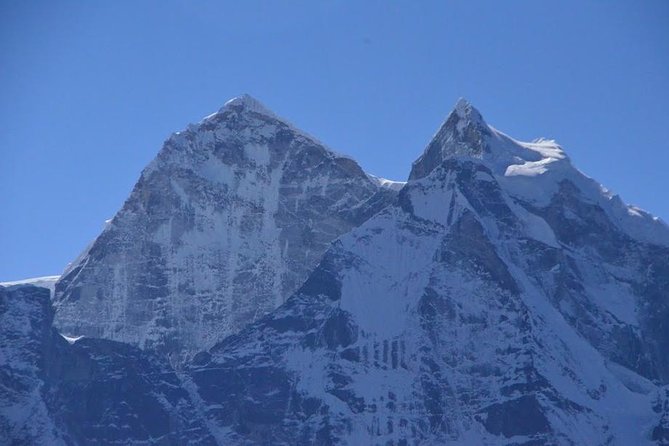
Review · EVEREST BASE CAMP TREKS
16 Days Island Peak Climbing With Everest Base Camp Private Trip
Island Peak is a big mountain goal without being an 8,000er headache. In this private trip, you get a full Everest Base Camp trekking arc plus the mountaineering training feel of climbing Island Peak (6,189m), with built-in acclimatization days in the Khumbu. It’s a rare combo: high-altitude trekking for days, then crampons and rope work when your body is already stretched to thin-air limits.
What I really liked is how clearly this trip is set up to help you succeed. First, you’re not just hiking toward altitude; you’re given specific acclimatization days in Namche and then again during the Island Peak approach, so you’re not gambling with your schedule. Second, the climbing period is supported with a proper gear package and professional high-altitude logistics—plus porters (up to 25 kg for every two climbers), which makes a huge difference when the cold really starts stacking up.
The one consideration: this is still a serious high-altitude climb. You need moderate physical fitness and good gear planning, and summit timing depends on weather. If you want an easy walk with optional photos, this isn’t it.
In This Review
- Quick hits before you go
- Why Island Peak + Everest Base Camp is such a smart pairing
- Getting to Lukla from Kathmandu without turning your trip into chaos
- The trekking foundation: from Phakding to Namche to the high villages
- Everest Base Camp and Kalapatthar: the part you’ll remember years later
- Chhukung to Island Peak Base Camp: when the trip changes gear
- High camp, acclimatization, and summit day on 6,189m Island Peak
- Sherpa culture in the Khumbu: not a side quest, part of the point
- Gear, meals, and comfort: what’s really included (and what you still must plan)
- Price and value: is $2,765 per person worth it?
- Who should choose this private Island Peak + Everest Base Camp climb
- Should you book this Island Peak + Everest Base Camp private trip?
- FAQ
- Where does this trip start?
- How long is the trip?
- What kind of accommodations do I get on the trek?
- What about accommodation in Kathmandu and during the climb?
- Are meals included?
- Is the Island Peak permit included?
- What climbing and trekking gear is provided?
- What do I need to bring myself?
- What travel items are not included?
- What is the baggage limit and extra baggage cost?
- Is there free cancellation?
Quick hits before you go
- Private-only group setup means your rhythm matters more than fitting into someone else’s schedule.
- Acclimatization built into the itinerary (Namche + Chhukung/Island Peak phase) lowers the odds of you rushing altitude.
- Climbing summit structure options: your guide chooses whether to use a high camp plan or a base-camp approach depending on conditions.
- Gear and essentials are included like a down jacket, sleeping bag, climbing hardware (ice axe, crampons, harness, helmet), and iodine-based water purification.
- Trek comfort is basic: teahouses are simple, with toilets and bathrooms outside your room.
- Expert support shows in the details, including English-speaking guidance and the kind of long-term local experience linked with guides like Arjun and agency leadership like Ram.
Just your group, at your own pace
- Private Kathmandu Sightseeing Tour | UNESCO World Heritage sites★ 5.0 · 756 reviews
- Kathmandu: Full Day 7 UNESCO Tour with Lunch – Private/Group★ 5.0 · 415 reviews
- Private Bhaktapur and Nagarkot Day Tour From Kathmandu★ 5.0 · 305 reviews
- Kathmandu: Full Day Top 4 UNESCO Tour with Lunch – Private/Group★ 5.0 · 269 reviews
Why Island Peak + Everest Base Camp is such a smart pairing
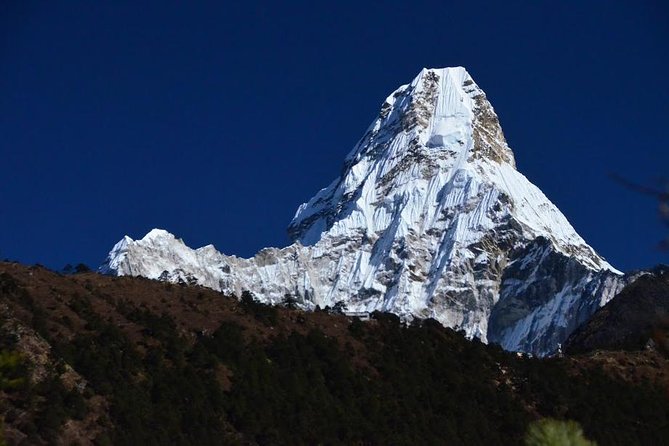
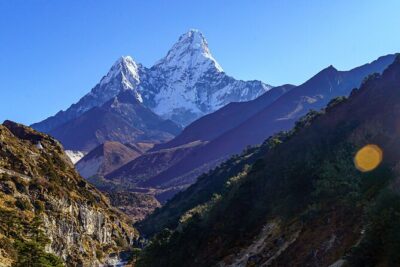
Island Peak (6,189m) sits in the Everest region, but it plays a different role than the famous 8,000m giants. It’s famous for good reason: it’s challenging enough to teach you mountaineering basics in real conditions, without requiring the long, complicated commitment that comes with the very top Everest-style mountains.
And the Everest Base Camp portion matters for more than bragging rights. The trek portion stages your body for altitude through gradual climbing, classic high-altitude villages, and a structured rhythm. You’re not dropping straight into a summit attempt cold. You’re building tolerance while still getting to enjoy the grandeur of the Khumbu.
You also get the “Everest region learning curve.” Khumbu is the original settlement of Sherpas, and the trip is designed to give you intimate time with their culture and day-to-day life. That can matter as much as the summit when you’re actually living out there, not just passing through.
Getting to Lukla from Kathmandu without turning your trip into chaos
Most people feel the altitude change in two steps: first the flight and then the hiking. This trip starts in Kathmandu with deluxe accommodation for 3 nights, then transfers you onward when it’s time for the short flight through the mountain route to Lukla (2,840m).
That Lukla hop is one of the defining experiences of the Everest region. It also sets expectations: flights can be weather-sensitive, so you’ll want to keep your schedule flexible. The trip is listed as operating in all weather conditions, but it also states that if cancellation happens due to poor weather, you can choose an alternative date. That’s your cue to plan for a little buffer time after your main trip days.
In Kathmandu, you’ll also get a farewell dinner with authentic Nepalese cuisine and a live cultural show. It’s a nice reset before you disappear into cold nights, early starts, and hot-water-limited life.
The trekking foundation: from Phakding to Namche to the high villages
After Lukla, you’ll walk to Phakding (2,610m). This stretch is basically your warm-up. You’re not yet “thinking like a climber,” but you’re getting your legs moving and your breathing tuned to altitude.
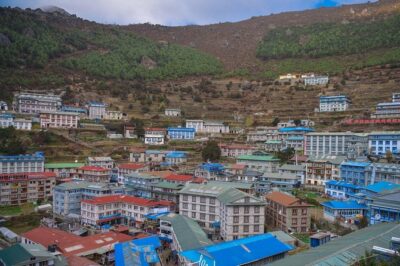
From there the route climbs to Namche Bazaar (3,440m). Namche is where acclimatization stops being a concept and becomes a daily routine. You get an acclimatization day in Namche, which is exactly what you want here. Higher altitudes can trigger headaches, appetite loss, and sleep problems. An extra acclimatization day is a practical safety lever.
Then you’ll move up through classic Khumbu villages, including Thyangboche (Tengboche) (3,680m). Nights here help you keep climbing while still being gentle enough for your body to adapt.
Next comes Pheriche (4,240m). Lobuche (4,950m) follows, and this is where the air feels noticeably thinner and the walking feels more “workmanlike.” These higher villages aren’t just scenery stops. They’re part of the body-training plan that makes the later Everest Base Camp leg and Island approach more realistic.
Everest Base Camp and Kalapatthar: the part you’ll remember years later
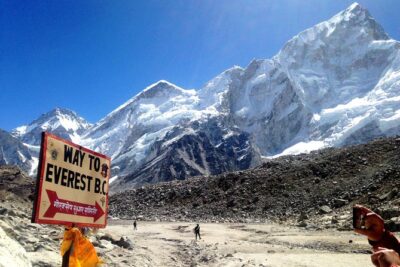
The approach continues toward Gorekshep (5,160m), then to Everest Base Camp (5,364m) and back. This out-and-back is designed so you can reach the iconic destination while still keeping your day totals manageable. The altitude is high enough that you’ll feel every step, but the structure helps you avoid pushing too hard while you’re already at altitude.
Then you’ll go to Kalapatthar (5,550m) and down toward Chhukung (4,730m). Kalapatthar is at a higher elevation than many of the surrounding stops, so it’s a “breathing tax” moment. You’ll feel it, even if you take it slow and steady.
Why I like this sequence: it gives you a satisfying Everest-area finish without locking you into only one altitude level. You reach the major milestones, then you shift into a different valley and eventually toward Island Peak climbing.
Also, from a planning standpoint, the trek-to-climb transition matters. By the time you hit Chhukung, you’re not only tired—you’re ready to start thinking about how your feet and legs handle crampons and icy steps later on.


Chhukung to Island Peak Base Camp: when the trip changes gear
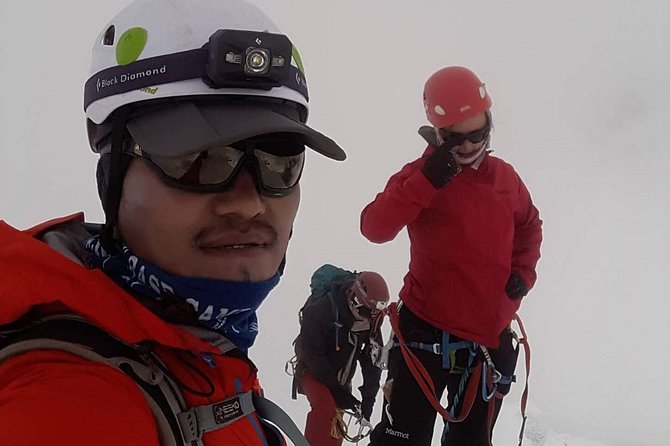
After Chhukung, the focus tightens. You’ll trek up to Island Peak Base Camp (5,200m). This is where the experience stops feeling like a pure hike and starts feeling like a climb you’ve been preparing for.
Even though this trip is private, you still get the support system that makes climbing sane: an experienced English-speaking climbing guide, plus porter support for the heavier logistics. The porter system is split for capacity—your trip includes a porter for two climbers carrying up to 25 kg, with guide and porter expenses covered.
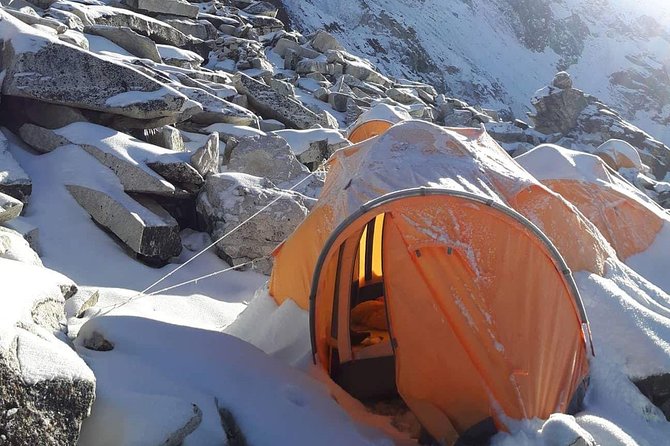
One practical note: teahouse trekking stays basic (toilets and bathrooms outside your room), but during the actual climbing period you’ll sleep in a tented camp. That switch is real. It changes your cold tolerance game. You’ll be using the provided sleeping bag and down jacket, so pack your mindset accordingly: you’re going from “tea house comfort” to “cold camp routine.”
High camp, acclimatization, and summit day on 6,189m Island Peak
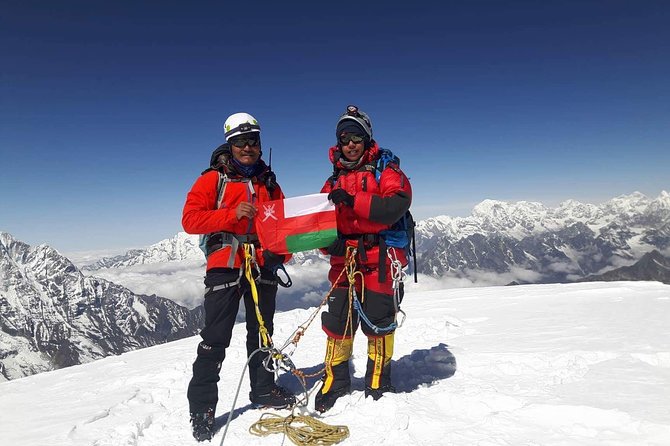
From Island Base Camp you’ll go to High Camp (5,600m). Then there’s an acclimatization day. This is crucial. Summit attempts don’t care how brave you are. They care how well your body tolerates higher altitude and how well you can execute in thin air.
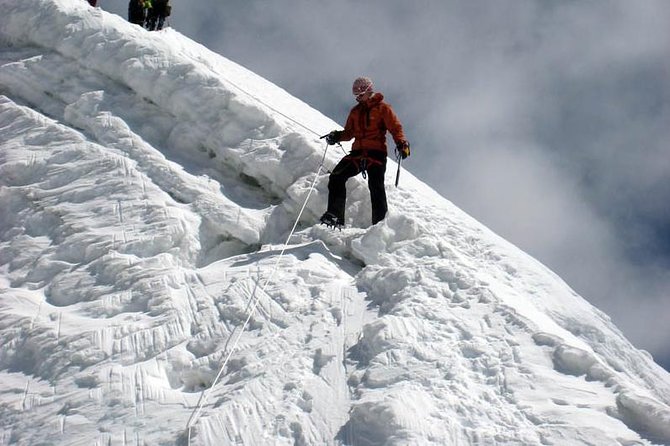
The summit itself is Island Peak at 6,189m. Your guide will choose the best summit plan based on weather and conditions. The trip also notes that some people set up a high camp and go from there, while others may spend two nights at base camp and attempt the summit in a single push. In practice, that means you should be flexible. A weather pivot isn’t a failure. It’s good guiding.
After the summit, you’ll return to base camp, then later down toward Pangboche (3,940m). That descent is more important than people think. After a summit day, your legs can be wrecked, and proper down-moves help you recover safely rather than just sprinting downhill because you’re happy to be alive (which you will be).
Sherpa culture in the Khumbu: not a side quest, part of the point
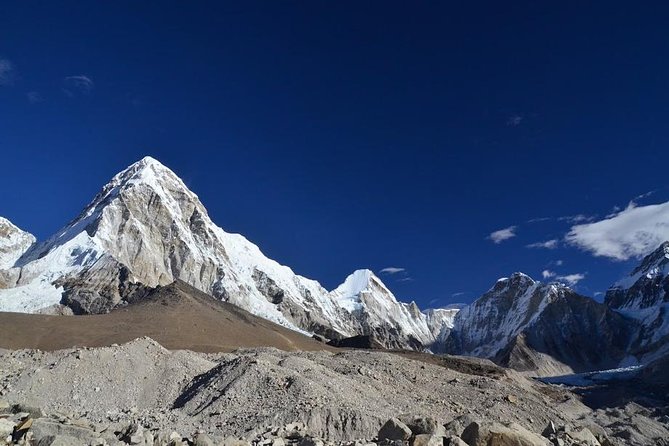
This trip is pitched as more than a climbing route. It explicitly includes time to experience the Sherpa way of life, and it frames the Khumbu region as their original settlement area.
In plain terms, that tends to translate into more human-scale moments: local villages you pass through, daily rhythm you witness as you trek, and interactions with people who live with the mountains instead of just visiting them. When your itinerary is built around acclimatization and careful altitude management, you often have more time to notice the community around you, not only the next altitude marker.
I also like that the operator’s track record shows up in the way guides are praised for being helpful before and after the trips. On expeditions, that continuity matters because your body and your plans don’t behave perfectly every day.
Gear, meals, and comfort: what’s really included (and what you still must plan)
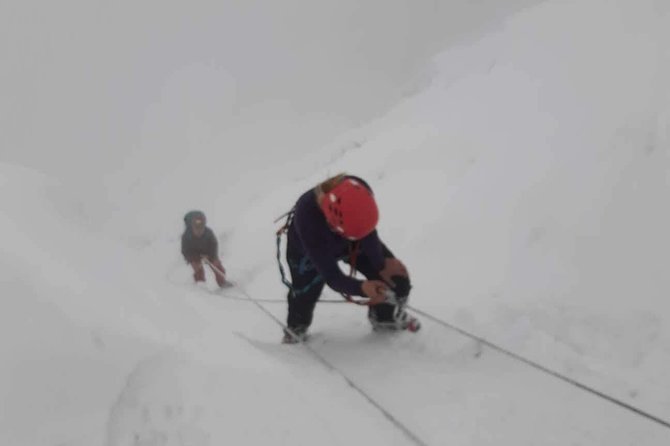
This is a good value feature list because it reduces your pre-trip shopping. During the climb, equipment that you’d normally have to rent or buy is included: a down jacket, sleeping bag, first-aid kit, and an iodine-based water purifying solution. It also includes core climbing hardware like ice axe, ropes, crampons, harness, and helmet, plus a tent for the climbing period.
Meals are also set up for the long days. You get 3 meals per day (breakfast, lunch, dinner) during the trek, with breakfast included in Kathmandu. The climbing period meals are prepared by your guide. That’s helpful because it removes one more logistics headache when the weather and energy levels are changing.
But don’t ignore what’s not included. Beverages like bottled water, tea, and coffee are not included. Personal items like hot shower, Wi-Fi, charging fees, laundry, and souvenirs are also on you.
Comfort level during the trek is “realistic mountain basic.” Teahouse accommodation is described as basic, with toilets and bathrooms outside your room. If you expect a private bathroom, you’ll be disappointed. If you’re okay with simple, warm layers and sleep that comes from exhaustion, you’ll be fine.
Finally, you must bring your personal clothing and footwear. The trip lists essentials you should have: trekking shoes, climbing boots, warm clothes, thermal undergarments, crampons (not your choice here, since crampons are included—but your feet and boot fit still matter), warm hats, good gloves, warm socks, and a headlamp, plus sun and cold cream. Even if key climbing gear is included, your own comfort gear can make the difference between tolerable and miserable.
Price and value: is $2,765 per person worth it?
At $2,765 per person, you’re paying for a few things that don’t show up in the final number until you add them up: permits, English-speaking climbing support, porter logistics, and a gear package that covers much of the expedition outfitting.
The biggest value logic here is risk management. Summit and high-altitude trekking aren’t just “transport and beds.” You’re paying for trained decision-making and equipment readiness: special permits for Island Peak, climbing gear (including crampons/harness/helmet), plus included guide and porter expenses like wages, accommodation, meals, transportation, and insurance.
Is it cheap? No. But compared with the cost of buying/renting climbing gear and assembling professional high-altitude support on your own, it can feel fair—especially since this is a private tour/activity, so you aren’t splitting logistics across a big mixed group that might not match your pace.
The other value factor is that meals are included during the trek and the guide prepares meals during climbing. That’s fewer meals to figure out at altitude, fewer surprises, and less time hunting for cash and snack bars when you should be resting.
Who should choose this private Island Peak + Everest Base Camp climb
This trip suits you best if you want a serious mountain challenge that still feels guided and structured. It’s explicitly for people with moderate physical fitness, and the itinerary’s pacing, altitude stops, and acclimatization days show that the plan is built for steady adaptation.
It also fits well if you like the idea of learning mountaineering in the Everest region context. The trip is set up as practice and acclimatization before a possible Everest expedition path, so it’s a natural stepping-stone for ambitious climbers.
If you’re a total beginner who hasn’t done trekking at altitude, you might find it too much, too cold, too steep, and too schedule-driven. And if you’re allergic to early mornings and thin-air setbacks, this will test your patience.
Should you book this Island Peak + Everest Base Camp private trip?
I’d book it if you want a real high-altitude experience with real support, and you like knowing your climbing gear and permits are handled. The combination of Everest Base Camp trekking plus a true summit push on Island Peak is a strong package, especially with acclimatization built in and porter support included.
I wouldn’t book it if you’re looking for comfort-first travel or you’re short on time buffers. Flights to Lukla and summit timing can be weather-dependent, and the trip itself recommends keeping a few spare days so you don’t feel trapped if conditions shift.
If you’re ready to work, take it slow, and trust the process, this is the kind of expedition that gives you more than a summit photo. It gives you the whole Everest-region arc: endurance days, altitude discipline, climbing steps, and the Sherpa-human side of the Khumbu that keeps sticking with you long after your legs have recovered.
FAQ
Where does this trip start?
It starts in Kathmandu, Nepal, with a meeting point in the Kathmandu Valley (Bagmati Zone).
How long is the trip?
The duration is listed as about 16 days. The provided day-by-day plan spans arrival through flights back to Kathmandu.
What kind of accommodations do I get on the trek?
You’ll stay in basic teahouse accommodation during the trek. Toilets and bathrooms are outside the room.
What about accommodation in Kathmandu and during the climb?
In Kathmandu, you get deluxe accommodation for 3 nights. During the climbing period, you’ll use tented camp accommodation (twin sharing).
Are meals included?
Yes. The trip includes 3 meals per day during the trek (breakfast, lunch, dinner) and breakfast in Kathmandu. During the climbing period, meals are prepared by your guide.
Is the Island Peak permit included?
Yes. The trip includes the Island Peak climbing special permit.
What climbing and trekking gear is provided?
Provided items include a down jacket, sleeping bag, first-aid kit, and iodine-based water purifying solution. Climbing equipment such as tent, ice axe, ropes, crampons, harness, and helmet are included.
What do I need to bring myself?
The trip notes you should bring items like trekking shoes, climbing boots, warm clothes, thermal undergarments, warm hat, good gloves, warm socks, and a headlight, along with sun and cold cream.
What travel items are not included?
Not included are beverages, personal expenses (like Wi-Fi, hot shower, charging fees), personal trekking/climbing equipment, your travel insurance, Nepal visa, and international airfares.
What is the baggage limit and extra baggage cost?
Airlines allow 15 kg of baggage per person. Excess luggage charges cost USD 1.5 per kilo at the airport.
Is there free cancellation?
Yes. You can cancel up to 24 hours in advance for a full refund. If you cancel less than 24 hours before the experience’s start time, the amount paid is not refunded.
Private Days, Your Group Only

More Tour Reviews in Kathmandu





Just Reviewed in Kathmandu
- Mountain Bike Tour
★ 5.0 · 3 reviews - Annapurna Panaroma
★ 5.0 · 3 reviews - Mount Everest Scenic Flight 50 Minutes
★ 5.0 · 3 reviews - Kathmandu : Swambhunath & Durbar Square Guided Half Day Tour
★ 3.3 · 3 reviews - Chandragiri Cable Car & Monkey Temple Tour – Private/Group
★ 5.0 · 3 reviews - Kathmandu: Shivapuri National Park Hiking Day Trip
★ 3.3 · 3 reviews
Everest Base Camp Treks, compared.
 ★ 5.0Everest Base Camp Trek – 14 DaysFrom $1,8001,499 reviews
 ★ 5.0Everest Base Camp TrekFrom $1,790842 reviews
 ★ 5.0Everest Base Camp TrekkingFrom $1,350485 reviews
 ★ 5.0Everest Base Camp Trekking – 13 DayFrom $1,399365 reviews
★ 5.0Everest Base Camp TrekFrom $1,445350 reviews
★ 5.0Everest Base Camp Trek -14 DaysFrom $1,420321 reviews
 ★ 5.012 Days Everest Base Camp TrekFrom $1,099289 reviews
 ★ 5.0Everest Base Camp Trekking – 2025/2026From $1,339199 reviews
Browse the lists this tour appears in