
Review · CHITWAN JUNGLE SAFARI
3-Day Guided Safari Tour in Chitwan National Park in Nepal
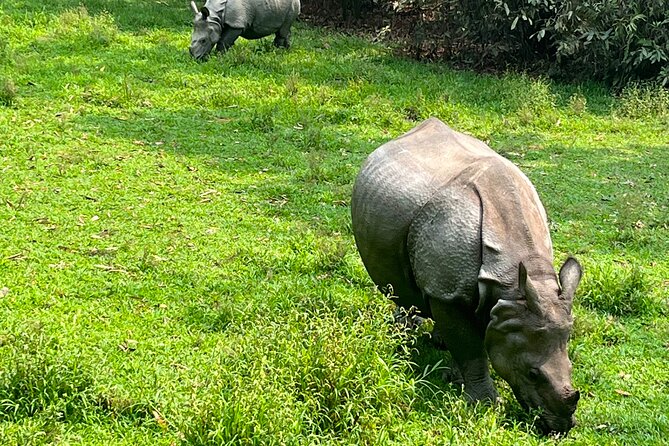
Three days in Chitwan feels like a time machine. This guided trip strings together safari time, Tharu culture, and wildlife viewing in a tight schedule, with pickup from Kathmandu and meals included. You spend the days in and around Chitwan National Park, then move back toward Kathmandu, Pokhara, or Lumbini on day three.
I really like two parts of this format: the Tharu Village Tour with a cultural show, and the hands-on wildlife rhythm of birds-watching plus a Rapti River canoe ride where crocodiles can be seen sunbathing near the banks. The small group size (up to 10) also means you’re less likely to feel like you’re on a moving conveyor belt.
One consideration: wildlife viewing is always weather- and animal-behavior dependent. With only a few active hours each day, you’ll want flexible expectations, especially on days when wildlife stays deeper in the brush.
In This Review
- Key highlights you can plan around
- Why Chitwan in 3 days makes practical sense
- Getting from Kathmandu to Chitwan: the 5-hour drive that sets the tone
- Day 1 Tharu Village + jeep safari energy + a cultural show
- Day 2 birdwatching + Rapti River canoe rides for crocodile viewing
- Day 3: the clean drive back to Kathmandu, Pokhara, or Lumbini
- Price and logistics: where the $199 rate really lands
- What’s included
- What’s not included
- Group size and guidance quality
- Mobile ticket and pickup
- What the tour feels like day to day (and how to enjoy it more)
- Who this safari trip is best for
- Practical tips for a smoother Chitwan safari
- Should you book this 3-day Chitwan National Park tour?
- FAQ
- How long is the Chitwan National Park safari tour?
- Where does the tour start?
- Is a mobile ticket provided?
- What meals are included?
- Are drinks included?
- What activities are included on the itinerary?
- How many people are in the group?
Key highlights you can plan around
- Tharu culture built into the itinerary (village tour, jeep safari activity, and an evening cultural show)
- Early birds-watching session with time carved out before the day fully heats up
- Rapti River canoe time for close-up crocodile viewing from the water
- Short, guided, small-group pacing with a maximum of 10 travelers
- Meals included for two days (breakfast, lunch, and dinner), so you can budget drinks separately
More days made easy with a local guide
- Kathmandu: Private City Guided Tour★ 4.9 · 174 reviews
- Full Day Guided Tour in Kathmandu★ 5.0 · 61 reviews
- Kathmandu Guided Tour★ 5.0 · 59 reviews
- 12 Day Everest Base Camp Guided Trek★ 5.0 · 40 reviews
Why Chitwan in 3 days makes practical sense
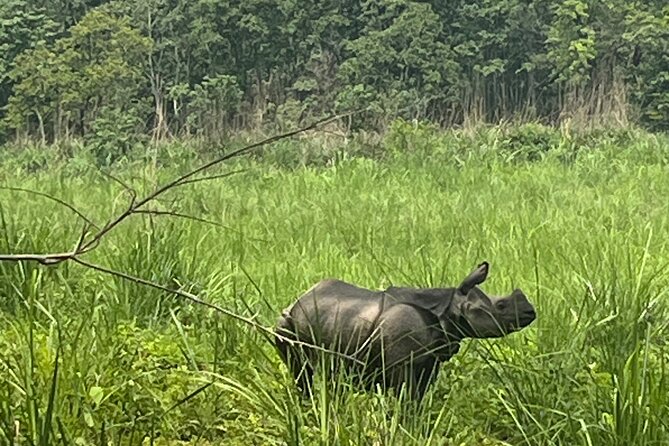
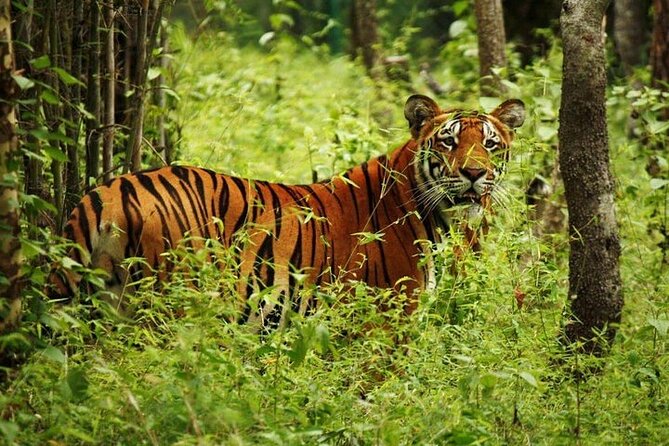
Chitwan National Park is one of Nepal’s best “wildlife in real time” destinations, and three days is a workable length if you want action without spending your entire trip in transit. You’re not just ticking off a park name; the schedule mixes land viewing and water viewing, which matters because animals use the river edge differently than the forest paths.
The best part of this tour style is that it keeps moving. Day one is arrival plus culture and safari-style time. Day two leans into wildlife windows: early birds, then canoe time along the Rapti River. Day three is a clean exit back toward your next stop.
The “value” angle is that meals are included and the group stays small. You can focus on what to wear, when to be ready, and how to keep your eyes trained—rather than constantly sorting logistics.
Getting from Kathmandu to Chitwan: the 5-hour drive that sets the tone
You start in Kathmandu, then transfer out to Chitwan with a drive that’s about five hours. That matters because the tour doesn’t waste your first day once you arrive; you get greeted by the hotel or resort staff and transferred to your accommodation right away.
Also, the schedule is built around reality: you’re arriving after a long road day, so day one doesn’t land you with a full-day grind immediately. Instead, you settle in, go over the itinerary, and then head into activities.
If you’re the type who likes to mentally prepare before you go, do it tonight. Once you’re in Chitwan, your day will start early. That’s the trade: you get better animal timing, and you also give up some sleep.
Day 1 Tharu Village + jeep safari energy + a cultural show
Day one is where the trip “lands” on Nepal. After check-in, you go to the Chitwan Tharu Village area, and the day is structured around three things: a Tharu Village Tour, an exciting jeep safari element, and a Tharu Cultural Show in the evening.
Why I like this blend: it’s not culture as an add-on poster. You’re spending time in a village setting as part of the same overall experience as wildlife. In Chitwan, that connection feels natural because the people and the park share the same region and rhythms.
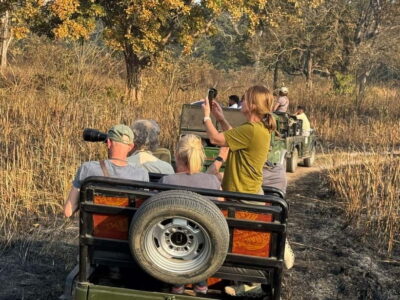
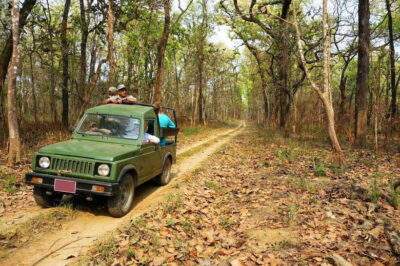
The jeep safari component also helps you transition into safari thinking. Even if you’ve never done a safari before, the vehicle time gets you used to how you’ll later look for animals—watching edges, scanning tree lines, and understanding that patience is part of the job.
Practical note: the evening show is included, so plan to bring a layer for cooler night air. The day’s heat can drop fast once you’re near the river area.
Day 2 birdwatching + Rapti River canoe rides for crocodile viewing
Day two is the wildlife day, with two major blocks.
First, after an early morning tea, you go bird watching. This is exactly the kind of timing that makes a difference in a park environment. Birds can be easier to spot when the day is still waking up, and the morning energy tends to be calmer for wildlife viewing.
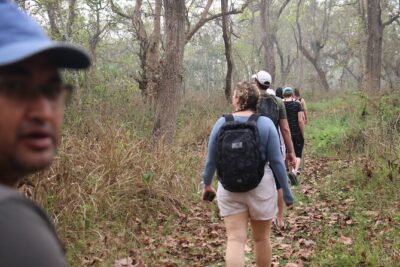
Then you shift to the Rapti River with a canoe ride. This is one of the tour’s most memorable concepts: you’re on the water to witness crocodiles and other wildlife up close. The crocodiles you’re aiming to spot are often sunbathing on river banks, so your “vision strategy” is to watch for still bodies near the shoreline, then track movement slowly from there.
Canoeing also changes the feeling of the day. On land, you can sometimes see animals in brief bursts. On the river, you’re moving slowly enough that your eyes adjust and you can stay with what’s happening.
A quick consideration: you’ll want to be comfortable with sitting and watching for stretches of time. The canoe ride is about close observation rather than quick photo stops.
More time out in the wild
Day 3: the clean drive back to Kathmandu, Pokhara, or Lumbini
On day three, you drive back from Chitwan National Park to Kathmandu or Pokhara or Lumbini, with the drive time listed at around five hours. That makes the ending feel straightforward. You’re not forced into an extra day of activity before you travel onward.
This structure can be a real win if you’ve already got another Nepal plan lined up. Whether you’re heading toward a city stay, more scenic stops, or another cultural anchor, day three protects your schedule.
Just pack with the exit in mind. You might be tempted to bring only what you think you’ll use for wildlife, but day three is all about travel comfort.
Price and logistics: where the $199 rate really lands
At $199 per person for this 3-day guided safari in Chitwan, the honest question is what you’re getting for the money—and where you still have to spend a little on your own.
What’s included
This tour includes breakfast (2), lunch (2), and dinner (2). That’s a practical value piece because meals are usually one of the biggest “hidden costs” on short trips. It also reduces decision fatigue: you don’t spend your time hunting for food between activities.
What’s not included
All drinks (soft and hard) aren’t included, and personal expenses are on you. So yes, you’ll likely want to budget for bottled water, soda, and any snacks you buy along the way.
Group size and guidance quality
The tour caps at a maximum of 10 travelers. A small group tends to make it easier for guides to manage timing, seat rotations for vehicles, and quick clarifications—especially in wildlife areas where minutes matter.
One name that comes up repeatedly in connection with smooth arrangements is Mani, connected with The Great Adventure Treks & Expedition. In practice, that points to the provider being used to coordinating both logistics and recommendations, which can make the difference between a chaotic trip and one that feels planned.
Mobile ticket and pickup
Pickup is offered, and there’s a mobile ticket. That may sound minor, but it reduces friction at the start of the day.
What the tour feels like day to day (and how to enjoy it more)
This itinerary has a rhythm: settle, explore culture and safari time, then shift into wildlife windows.
- Day 1 feels like orientation plus immersion. You arrive, settle, then go into the Tharu Village experience and evening show.
- Day 2 is the “watch more, rush less” day: birds early, then canoe time for river-edge wildlife.
- Day 3 is travel-forward. It’s not a half-day reset; it’s an actual move back toward your next base.
To enjoy it fully, I’d treat each day as a mission. On bird time, keep your eyes up and move slowly. On the canoe, stay patient and focus on riverbanks rather than chasing every splash. On jeep or land-based safari segments, remember animals often stay where they can stay hidden and safe.
Also, don’t underestimate the power of included meals. When you’re up and out early, getting breakfast handled reduces stress.
Who this safari trip is best for
This is a solid match if you want guided safari structure without overcomplicating your trip.
You’ll likely enjoy it if:
- you’re short on time and want a focused wildlife-and-culture package
- you prefer guided planning and pickup over self-arranging
- you like the idea of both land and water wildlife viewing
- you don’t want to manage meals during three busy days
You might rethink it if:
- you hate early mornings (day two starts with an early tea)
- you expect guarantees for big sightings (wildlife is never promised on a schedule)
- you want lots of free time for independent exploring (the itinerary is active and guided)
Practical tips for a smoother Chitwan safari
Since your days are structured around animals, your comfort matters.
- Wear light, breathable clothes for the daytime, and bring a layer for the evening show.
- Bring sun protection. You’ll likely spend hours outdoors, and bird watching plus canoe time means a lot of stationary watching.
- Keep an eye on personal expenses budgeting. Drinks aren’t included, so your total cost can creep up if you’re not paying attention.
On wildlife days, I also recommend you keep your camera habits simple. Instead of constant zooming, practice steady framing and quick scanning. Animals can appear where you’re not expecting them, and that’s when calm watching beats frantic shooting.
Should you book this 3-day Chitwan National Park tour?
Book it if you want a guided, small-group Chitwan experience that blends Tharu culture with real wildlife viewing time on land and on the Rapti River. The included meals help you control costs, and the structure makes it easy to go from Kathmandu to a wildlife-focused plan without building the logistics yourself.
Skip or compare if you’re the kind of traveler who needs lots of flexibility day to day, or if early starts will ruin your vacation mood. Also, if drinks and extra personal spending are a concern, you’ll want to budget them now so there are no surprises at checkout.
For many people, this is the sweet spot: short enough to fit a Nepal itinerary, structured enough to feel organized, and varied enough to keep the days from blending together.
FAQ
How long is the Chitwan National Park safari tour?
The tour runs for about 3 days.
Where does the tour start?
It’s based in Kathmandu, Nepal, and pickup is offered.
Is a mobile ticket provided?
Yes, the tour includes a mobile ticket.
What meals are included?
The tour includes breakfast (2), lunch (2), and dinner (2).
Are drinks included?
No. All drinks (soft and hard) are not included.
What activities are included on the itinerary?
You can expect a Chitwan National Park day, a Chitwan Tharu Village tour, a jeep safari activity, a Tharu cultural show, birds watching, and a canoe ride on the Rapti River with opportunities to see crocodiles.
How many people are in the group?
The maximum group size is 10 travelers.
Simpler With a Local Guide
More Tours in Kathmandu


More Tour Reviews in Kathmandu
Just Reviewed in Kathmandu
- Mountain Bike Tour
★ 5.0 · 3 reviews - Annapurna Panaroma
★ 5.0 · 3 reviews - Mount Everest Scenic Flight 50 Minutes
★ 5.0 · 3 reviews - Kathmandu : Swambhunath & Durbar Square Guided Half Day Tour
★ 3.3 · 3 reviews - Chandragiri Cable Car & Monkey Temple Tour – Private/Group
★ 5.0 · 3 reviews - Kathmandu: Shivapuri National Park Hiking Day Trip
★ 3.3 · 3 reviews
Chitwan Jungle Safari, compared.
 ★ 5.03-Day Chitwan National Park Jungle Safari Tour Package with Pick UpFrom $180184 reviews
 ★ 4.63-Day All-Inclusive Chitwan SafariFrom $149133 reviews
 ★ 4.63-Day Chitwan Safari Tour with Hotel TransfersFrom $151127 reviews
 ★ 4.73 Day Chitwan Jungle Safari TourFrom $12987 reviews
 ★ 5.03 Nights 4 Days Chitwan National Park with Tower Night StayFrom $35041 reviews
 ★ 4.52 Days Chitwan Jungle Safari Tour from Pokhara/KathmanduFrom $11727 reviews
 ★ 5.012-Day Nepal Adventure Trek with Jungle SafariFrom $95026 reviews
 ★ 4.82, 3, or 4-Day Chitwan Jungle SafariFrom $3524 reviews
Browse the lists this tour appears in