
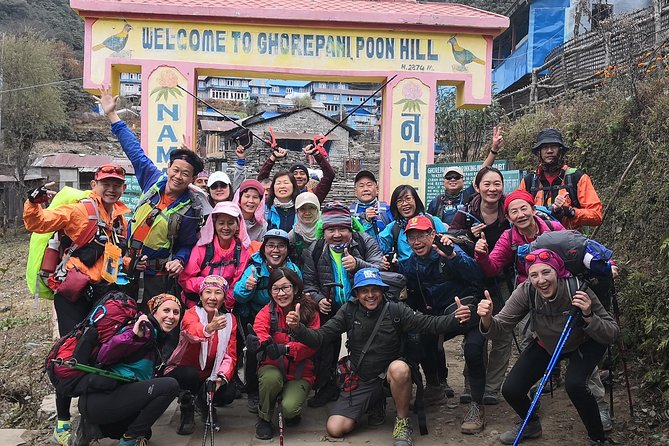
Review · POON HILL & GHOREPANI TREKS
9 Days GHOREPANI POONHILL TREK
One early hike, and your whole Nepal trip clicks. This Ghorepani Poon Hill trek wraps classic Annapurna-area views—Annapurna I/II/III vibes, Annapurna South, plus Nilgiri and Hiunchuli—into a guided 9-day plan that keeps your energy for the trail. I especially like the hands-on logistics: an English-speaking guide, meals included on the trek, and even complimentary sleeping bags and down jackets. The one drawback to keep in mind is simple: you’ll start early for sunrise on Poon Hill, and some village lodging in the mountains can feel basic compared to Kathmandu standards.
After that, you get a well-paced mix of hiking and “reward time.” You’ll pass through rhododendron and oak forest, meet Gurung communities in villages like Ghorepani and Ghandruk, and finish with lakeside Pokhara evenings before heading back to Kathmandu.
In This Review
- Key things I’d zero in on before you book
- Why Ghorepani Poon Hill is a smart Annapurna intro
- What you get for the $439 price (and why it’s not just about the hike)
- Kathmandu pre-trek: Thamel for orientation (Day 1)
- The long bus to Pokhara (Day 2): green hills, suspension bridges, and first mountain peeks
- Ulleri-bound trekking (Day 3): Bhurungdi Khola, bridges, and those first serious views
- Ghorepani gateway day (Day 4): rhododendron and oak under your feet
- The sunrise morning: Poon Hill views of Nilgiri and Annapurna (Day 5)
- Ghandruk village reward: rhododendron descents and village culture (Day 6)
- Back to Nayapul and down to lakeside Pokhara (Day 7)
- Ride back to Kathmandu: Dumre, Muglin, and the Trishuli River (Day 8)
- Day 9 departure: drop-off timing that helps you breathe (and not sprint)
- About the guide team: support and safety matter on trek days
- What to pack and plan for (based on what’s included)
- Who this trek fits best (and who should rethink it)
- Should you book this Ghorepani Poon Hill trek?
- FAQ
- What is the duration and general route of the Ghorepani Poon Hill trek?
- What’s included in the $439 per person price?
- Are meals included during the trekking days?
- Do I need to bring my own sleeping bag and down jacket?
- How do you get from Kathmandu to Pokhara and back?
- Where do we meet and when does the experience start?
- Is Nepal visa and travel insurance included?
- Is tipping included?
- Is this tour private?
- What is the cancellation policy?
Key things I’d zero in on before you book
- Sunrise focus at Poon Hill: the trip is built around that early-morning payoff, with big peak views in one session.
- Included trek meals: breakfast daily on the trek, plus set lunches and dinners, which makes budgeting and daily decisions easier.
- Warmth rental included: sleeping bag and down jacket are covered, so you can travel lighter.
- Road travel is arranged: tourist bus transport between Kathmandu and Pokhara takes the planning headache away.
- Gurung villages along the way: Ghorepani and Ghandruk both bring community culture and mountain hospitality into the hike.
More trails out of Kathmandu, boots ready
- Everest Base Camp Trek – 14 Days★ 5.0 · 1,499 reviews
- Everest Base Camp Trek★ 5.0 · 842 reviews
- Everest Base Camp Trekking★ 5.0 · 485 reviews
- Nagarkot Sunrise View and Day Hiking from Kathmandu★ 5.0 · 471 reviews
Why Ghorepani Poon Hill is a smart Annapurna intro
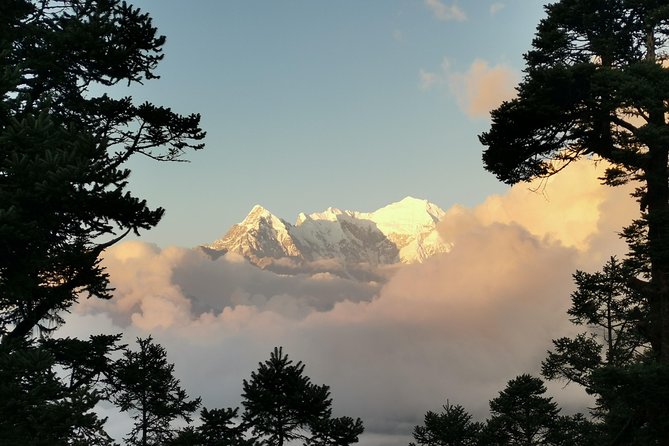
If you want iconic Himalayan views without committing to a long, high-altitude expedition, this is one of the best “training wheels” treks in the Annapurna region. The big selling point is timing and payoff: Poon Hill is where you line up a cluster of major peaks at once, especially in early morning light.
You’ll also get a taste of the Annapurna Conservation Area through the variety of vegetation on the trail. Expect sections that shift from settlement paths to forested climbing, with plenty of chances to slow down when the views open up.
The structure matters, too. This plan mixes trekking days with road days, so you’re not stuck in transit every afternoon, and you get real overnights in Kathmandu and Pokhara.
What you get for the $439 price (and why it’s not just about the hike)
At $439 per person for a 9-day trek, the value is mainly in what’s handled for you. You’re not just paying for a leader to point at a trail. You’re paying for a full setup: guide coverage, meals while on trek, accommodations in Kathmandu and Pokhara, and practical cold-weather gear.
Here’s where the budget feels most “real”:
- Gear rental is included: complimentary sleeping bags and down jackets can save you either money or packing stress.
- Meals reduce decision fatigue: when lunch and dinner are arranged during the trekking portion, you can focus on walking and recovery.
- Transport is built into the schedule: tourist bus between Kathmandu and Pokhara plus private transport where needed keeps the itinerary coherent.
- All fees and taxes are covered: you’re less likely to hit surprise costs mid-plan.
Costs you should expect outside the package are also clearly listed: Nepal visa fee, travel insurance, and tipping for guide/porters/drivers.
Kathmandu pre-trek: Thamel for orientation (Day 1)
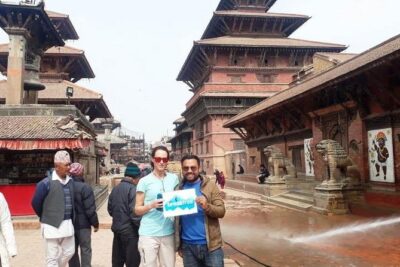
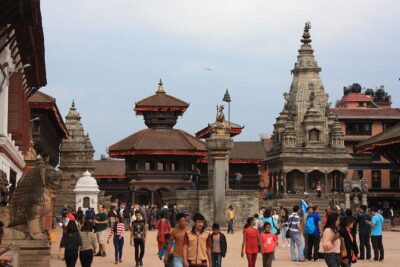
Your experience starts with an airport pickup at Tribhuvan International Airport, then a transfer to a hotel in Kathmandu. After that, the plan gives you time to settle in and explore Thamel’s nearby streets—Newari art, culture, and architecture are mentioned, which is a nice way to get your bearings fast.
Why I like this approach: one night in Kathmandu means you can sleep, eat, and organize anything you forgot. It also helps your body adjust before the long bus ride to Pokhara and the first trekking day.
Practical consideration: Thamel is busy by Kathmandu standards. It’s fun, but if you’re sensitive to noise, pack some earplugs.
The long bus to Pokhara (Day 2): green hills, suspension bridges, and first mountain peeks
Day 2 is all about the road. You’ll take a tourist bus from Kathmandu toward Pokhara along the Prithvi Highway, crossing key points like the suspension bridge at Muglin. There’s a lunch stop in Dumre, and the driving time is long enough that you’ll want to dress comfortably and plan to zone out.
The best part is the slow build toward mountains. The plan notes a distant glimpse of the Annapurna ranges and Machhapuchhre (6997m) when you reach Pokhara. It’s not the full show yet, but it’s a great emotional warm-up.
Potential drawback: tourist buses can be bumpy, and you’ll want to keep expectations realistic about comfort. Pack layers and hydrate.
Ulleri-bound trekking (Day 3): Bhurungdi Khola, bridges, and those first serious views
From Pokhara, you ride to Nayapul via Lumle, then your trek truly starts. The route runs alongside Bhurungdi Khola, with a steady uphill push toward Hile via Birethanti. After lunch at Hile, the trail becomes more “trek-like”: suspension bridges, waterfalls, and a sense that the valley is tightening around you.
The plan also flags a close-up view of Annapurna South (7219m) as you get higher, and you’ll finish the day in Ulleri via Tikhedhunga. Ulleri is known for the classic step sections in the broader region, and even if you don’t love stairs, you’ll likely appreciate how quickly the altitude changes make the views show up.
What to consider: Day 3 is one of your earlier “work days,” so pace matters. If you go out too fast, Day 4 can feel steeper than it is.
Ghorepani gateway day (Day 4): rhododendron and oak under your feet
Leaving Ulleri, you climb toward Ghorepani through green forest of rhododendron and oak. The trail includes stone paved paths and lush scenery, then a steep climb to Nangethanti. From there, it’s downhill into the arrival vibe at Ghorepani, described as a gateway to Poon Hill.
This day’s value is partly physical and partly mental. You’re building your altitude comfort while also moving through the most photogenic forest sections—where the air feels cooler and the trail feels more alive than just a straight uphill line.
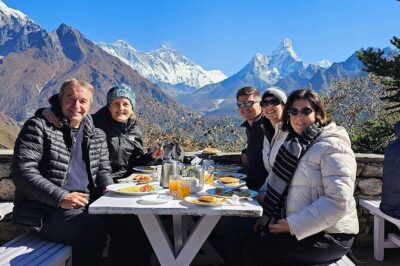
Overnight in Ghorepani is part of the charm: the plan notes Gurung community hospitality. That means you’re not just sleeping in a room; you’re usually inside a village rhythm with locals who understand trekkers.
The sunrise morning: Poon Hill views of Nilgiri and Annapurna (Day 5)
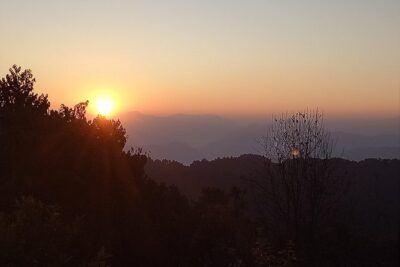
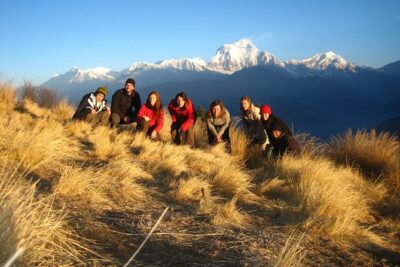
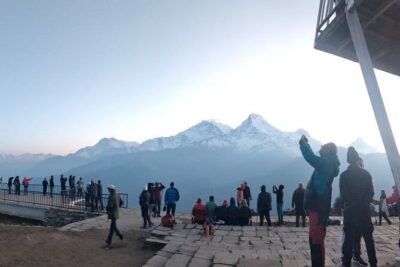
Day 5 is the “set your alarm like it’s your job” day. You start early for Poon Hill, ascending stairs and stony paths until you reach the viewpoint. Then you get the lineup: Nilgiri (7061m), Hiunchuli (6441m), Annapurna I (8091m), and Annapurna South (7219m), plus other snow-capped peaks in the same morning sweep.
This is why the trek is so popular: Poon Hill compresses a huge amount of mountain drama into a single morning. You don’t need technical climbing skills. You do need to show up early and stay warm before the light fully hits.
After the views, you trek back to Ghorepani, then continue on to Tadapani. The route goes through forested areas of rhododendron and bamboo, and it runs via Deurali and Banthanti.
Consideration: your legs may feel like they’ve aged 10 years by afternoon. It’s normal. This day is both the peak experience and a long trekking continuation.
Ghandruk village reward: rhododendron descents and village culture (Day 6)
Today you head to Ghandruk. The trek descends through rhododendron forest and crosses small rivers along the way. The plan also mentions Bhaise Kharka and the character of the paths getting more “sloppy” in places—meaning footing can vary and you’ll want steady shoes and careful steps.
When you reach Ghandruk, the schedule opens up beyond just walking. You can visit a local museum, a monastery, and nearby temples. Ghandruk is described as the second biggest Gurung Village, with views to the north and that village feel you’re hoping for on an Annapurna trek.
This is also where you’ll likely appreciate the difference between trekking-through-villages versus settling into one. You’re not just passing; you’re spending a night and taking in the place.
Practical tip: if you’re sensitive to walking on uneven trail, slow down early. The descents are where knees start negotiating.
Back to Nayapul and down to lakeside Pokhara (Day 7)
Day 7 starts with a trek to Nayapul, running alongside Modi Khola. The trail passes through Syauli Bazaar, then continues toward Birethanti and eventually Nayapul. From there, it’s a short drive to Pokhara.
Pokhara is your reset button. The plan calls out time in the evening near Phewa Lake, which is perfect for rehydrating, eating well, and letting your body remember what “flat ground” feels like.
What I like here: you’re not just getting back to a city; you’re getting back with momentum. After days of steady hiking, walking around the lake feels like a reward instead of a transition.
Ride back to Kathmandu: Dumre, Muglin, and the Trishuli River (Day 8)
Day 8 is a long drive from Pokhara to Kathmandu, routed via Dumre and Muglin, with the Trishuli River alongside parts of the journey. There’s a lunch stop at Muglin, plus opportunities to observe settlements of Brahmin and Chhetri communities along the way.
Then you head to Thankot to reach Kathmandu. After a full day of travel, your night is back in the capital, which is a comfort factor if you like having easy access to shops, pharmacies, and normal showers.
Consideration: this is a “do less” day. If you try to cram sightseeing right away, you’ll feel it later.
Day 9 departure: drop-off timing that helps you breathe (and not sprint)
Your final day is built around your flight. You’ll be dropped off about two hours before your scheduled departure, which is a sensible buffer.
You also get a final chance to share your experiences on the way to the airport. It’s a nice close: no rushing, no last-minute scramble.
About the guide team: support and safety matter on trek days
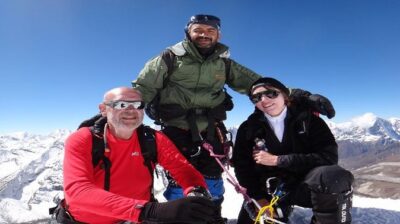
One theme that stands out with this operator is the emphasis on support. Across different Nepal treks with their team, the name Mr Saran shows up as a key organizer, and people have specifically thanked guides like Kumar and Rosni for handling the journey for groups of around 10. Porters also get credit for keeping everyone safe and supported.
What I take from that, as a buyer: you’re not only hiring a route. You’re hiring people who know the flow of mountain travel and logistics, including the kind of last-minute adjustment that can happen in real life.
Also, on arrival experiences with their staff, people have mentioned warm airport welcome details like guide Bikki meeting people with flowers, plus a Nepali dinner with singers and dancers for groups who were ready for that cultural moment.
Even if your exact guide will be different for your dates, the pattern suggests you’ll get personal care, not just a checklist.
What to pack and plan for (based on what’s included)
You won’t need to rent or buy a sleeping bag or down jacket. That’s already covered, which is a big help.
So your packing list can focus on the basics that actually affect your comfort:
- sturdy daypack for water and layers
- comfortable trekking shoes for uneven descents
- rain layer (the region can be damp)
- warm layers for early mornings at Poon Hill
- personal meds and blister care
Because travel insurance is not included, I strongly recommend buying it before you go. Trekking involves real risk: slips happen, and weather changes can force decisions. With insurance, your plan stays your plan.
Who this trek fits best (and who should rethink it)
This trek is a strong match if you want:
- a guided Annapurna-area trek with meals and sleeping gear included
- a sunrise viewpoint day without technical climbing
- village culture time in Ghorepani and Ghandruk
- transport handled between Kathmandu, Pokhara, and the trek start/end
It may not be ideal if you want ultra-comfy lodging every night or if you’re not willing to do early mornings. Poon Hill runs early, and the itinerary includes a full road return day at the end.
Should you book this Ghorepani Poon Hill trek?
If your goal is the Annapurna “wow” with a plan that does the heavy lifting, I think this is a good booking. The value comes from the package approach: guide, accommodations in Kathmandu and Pokhara, meals during the trek, and cold-weather gear so you travel lighter.
Book it if you’re excited by sunrise views, forest hiking, and Gurung villages—and you’re okay with the reality that mountain lodging can be simple. Skip it if you want a slower pace, don’t handle stairs and uneven trail well, or you’d rather build your own schedule without any guided logistics.
In short: this is a practical, classic trek that rewards you fast—especially on that early morning at Poon Hill.
FAQ
What is the duration and general route of the Ghorepani Poon Hill trek?
The trek runs about 9 days. It includes time in Kathmandu and Pokhara, a bus ride between the cities, trekking through Ulleri, Ghorepani, Poon Hill, Tadapani, and Ghandruk, and then returning to Pokhara and Kathmandu.
What’s included in the $439 per person price?
The included items are an English-speaking guide (with guide expenses covered), a first aid kit, complimentary sleeping bags and down jackets, accommodations in Kathmandu and Pokhara, private transportation, and meals while on trek (breakfast 9, lunch 5, dinner 5). It also includes all fees and taxes.
Are meals included during the trekking days?
Yes. Breakfast is included 9 times, lunch is included 5 times, and dinner is included 5 times while you are on trek.
Do I need to bring my own sleeping bag and down jacket?
No. Sleeping bags and down jackets are provided complimentary as part of the trek setup.
How do you get from Kathmandu to Pokhara and back?
Transport between Kathmandu and Pokhara is by tourist bus. The plan also includes private transportation for other transfers during the itinerary.
Where do we meet and when does the experience start?
The meeting point is Tribhuvan Airport in Kathmandu, Nepal, with a start time of 7:45 am.
Is Nepal visa and travel insurance included?
No. Nepal visa fee and travel insurance are not included. Travel insurance is something you should purchase before going.
Is tipping included?
Tipping for guide(s), porter(s), and driver(s) is not included.
Is this tour private?
Yes. This is a private tour/activity, and only your group participates.
What is the cancellation policy?
You can cancel for free up to 24 hours in advance of the experience for a full refund. If you cancel less than 24 hours before the start time, the amount paid is not refunded.
More Trekking Out of Kathmandu
More Tour Reviews in Kathmandu
Just Reviewed in Kathmandu
- Mountain Bike Tour
★ 5.0 · 3 reviews - Annapurna Panaroma
★ 5.0 · 3 reviews - Mount Everest Scenic Flight 50 Minutes
★ 5.0 · 3 reviews - Kathmandu : Swambhunath & Durbar Square Guided Half Day Tour
★ 3.3 · 3 reviews - Chandragiri Cable Car & Monkey Temple Tour – Private/Group
★ 5.0 · 3 reviews - Kathmandu: Shivapuri National Park Hiking Day Trip
★ 3.3 · 3 reviews
Poon Hill & Ghorepani Treks, compared.
 ★ 5.04 Days Poon Hill TrekFrom $40594 reviews
 ★ 5.0Ghorepani(Poonhill Trek)From $60081 reviews
 ★ 5.04-day Poon Hill TrekFrom $40074 reviews
 ★ 5.0Ghorepani Poon Hill TrekFrom $39961 reviews
★ 5.0Ghorepani Poon Hill TrekFrom $70046 reviews
★ 5.0Ghorepani Poon Hill TrekFrom $39961 reviews
★ 5.0Ghorepani Poon Hill TrekFrom $70046 reviews
 ★ 5.0Poon Hill TrekFrom $1,17242 reviews
 ★ 5.0Poonhill TrekFrom $60033 reviews
 ★ 5.0Poon Hill Trek packageFrom $40527 reviews
Browse the lists this tour appears in